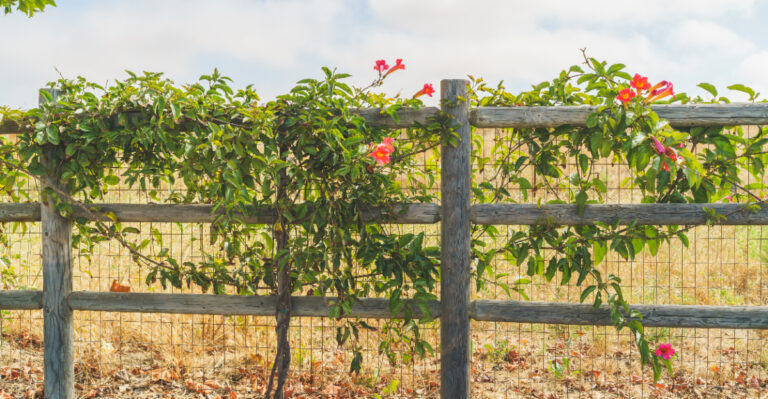
What It Really Means When You See Fewer Earthworms In Your North Carolina Garden This Summer
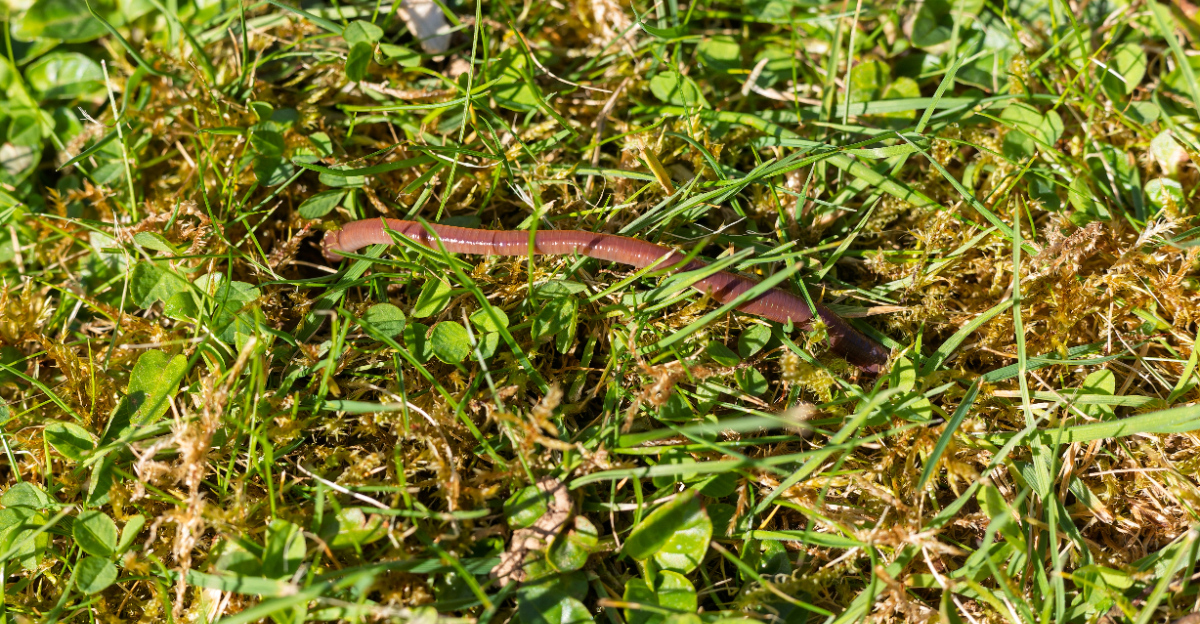
Earthworm activity is one of those quiet indicators most North Carolina gardeners never think to check until something else has already gone wrong. A noticeable drop in earthworm presence compared to previous seasons is not a coincidence.
It reflects specific changes happening in soil moisture, chemistry, or compaction that affect a lot more than just the worms themselves.
Earthworms are sensitive enough to these shifts that their declining numbers often show up before other, more obvious garden problems do.
Learning to read this signal gives North Carolina gardeners an early warning system that most people never realize they have access to.
1. The Soil Surface May Be Too Dry
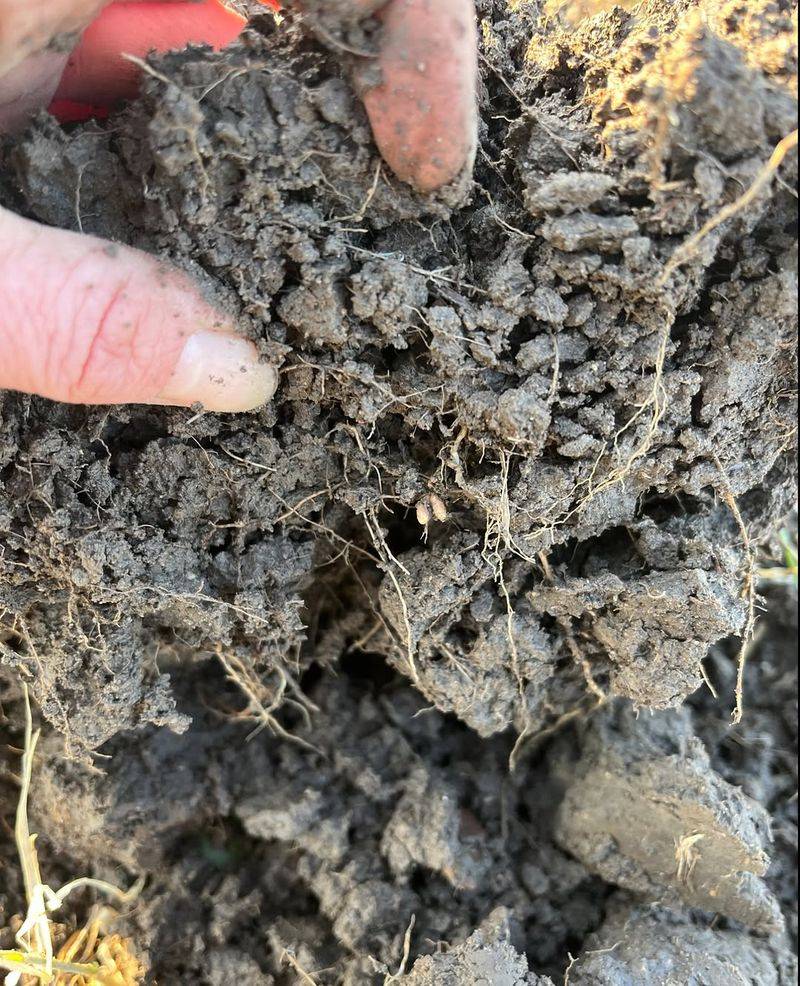
Picture reaching into your garden bed on a scorching July afternoon and finding nothing but bone-dry, powdery soil. That is actually one of the most common reasons North Carolina gardeners see fewer earthworms during summer months.
Earthworms need moisture around their bodies to breathe and move, and when the top few inches of soil dry out, the surface becomes an uncomfortable place for them to stay.
Earthworms do not have lungs. They take in oxygen through their skin, which only works when it stays moist.
When heat pulls moisture out of the upper soil layer, earthworms respond by burrowing deeper where conditions stay cooler and more stable.
That means they are still in your garden, just farther down than your hand or trowel typically reaches.
North Carolina summers can push soil surface temperatures well above what earthworms prefer, especially in raised beds or beds with no shade. A garden bed that feels dry three or four inches down is already too dry for comfortable worm activity near the surface.
Watering deeply and consistently, rather than giving quick, shallow sprinkles, encourages moisture to reach those lower layers where worms are hiding out.
Seeing fewer visible worms near the top of your bed does not mean your garden soil is ruined or that the worm population has disappeared. Check moisture levels before drawing any conclusions.
Push a finger two to three inches into the soil. If it feels dry and crumbly, your first step is simply getting more water into that bed on a regular schedule.
2. They May Be Staying Deeper During Heat
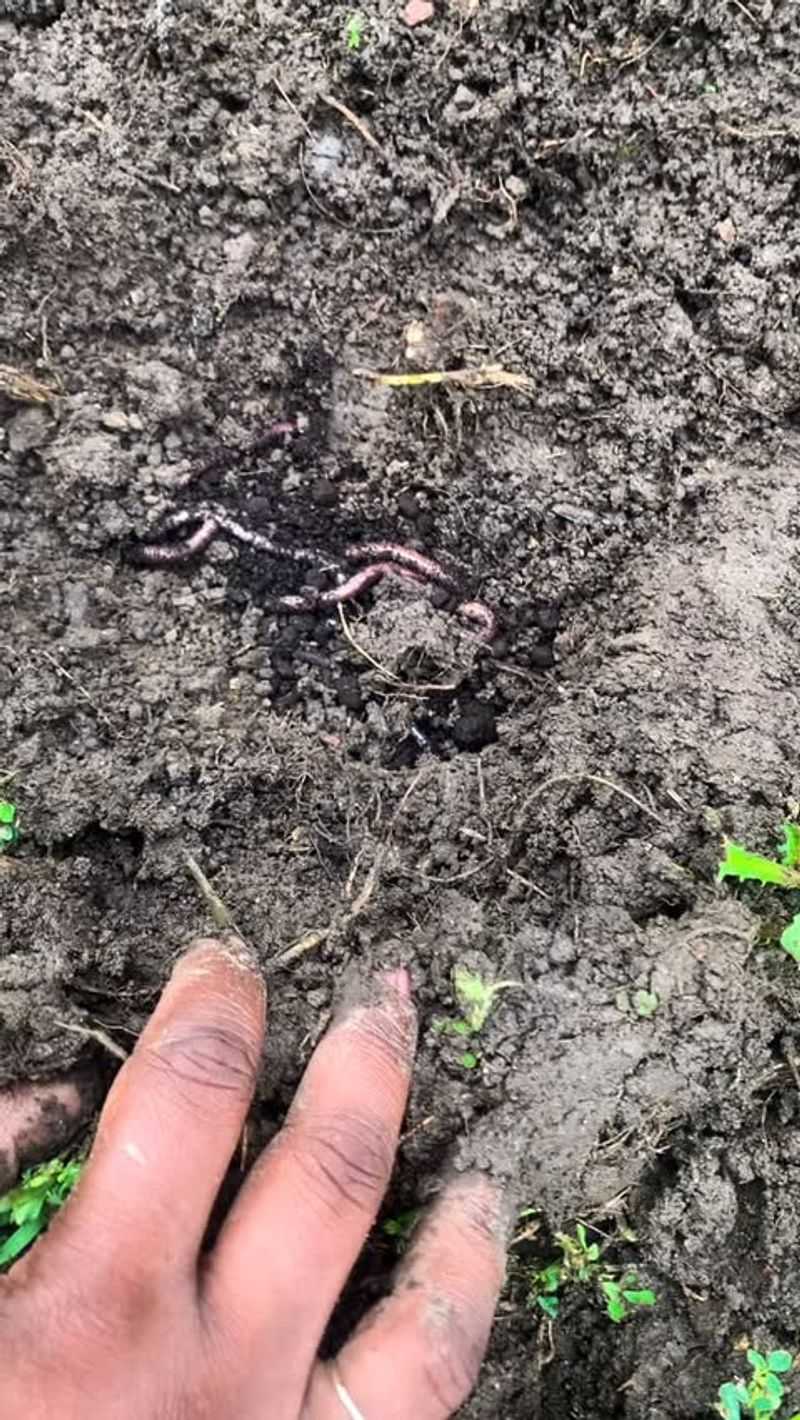
July and August in North Carolina can feel brutal, and earthworms feel it too. When temperatures climb and the surface soil heats up, earthworms naturally retreat into deeper burrows where the ground stays cooler and more comfortable.
This is not a sign that something is wrong with your garden. It is actually a smart survival strategy built right into how earthworms work.
Most gardeners check for worms by digging around the top six inches of a bed, especially during dry spells. The problem is that earthworms may have moved eight to twelve inches down or even deeper during hot, dry stretches.
You are essentially looking in the wrong layer of the soil and walking away thinking the worms have vanished when they have simply relocated temporarily.
One of the best ways to spot earthworm activity in summer is to check after a good soaking rain. Rain cools the surface, adds moisture, and brings worms back up toward the top where you can actually see them.
Your North Carolina Garden Changes Every Week. Your Plan Should Too.
Gardening in North Carolina changes quickly throughout the season. Every Friday you’ll receive a simple weekly plan showing exactly what to plant, prune, fertilize, harvest, and protect so you never miss the right timing.
Another smart trick is to lift the edge of a thick layer of mulch and look at the moist soil just underneath. That zone stays cooler and often shows worm activity even when the open bed looks completely lifeless.
Judging your entire garden based on what you find in dry surface soil on a hot afternoon gives you an incomplete picture. Healthy worm populations can stay hidden for weeks during heat waves and bounce right back once conditions improve.
Patience, moisture, and good mulch coverage go a long way toward keeping those populations active and accessible.
3. The Bed May Need More Organic Matter
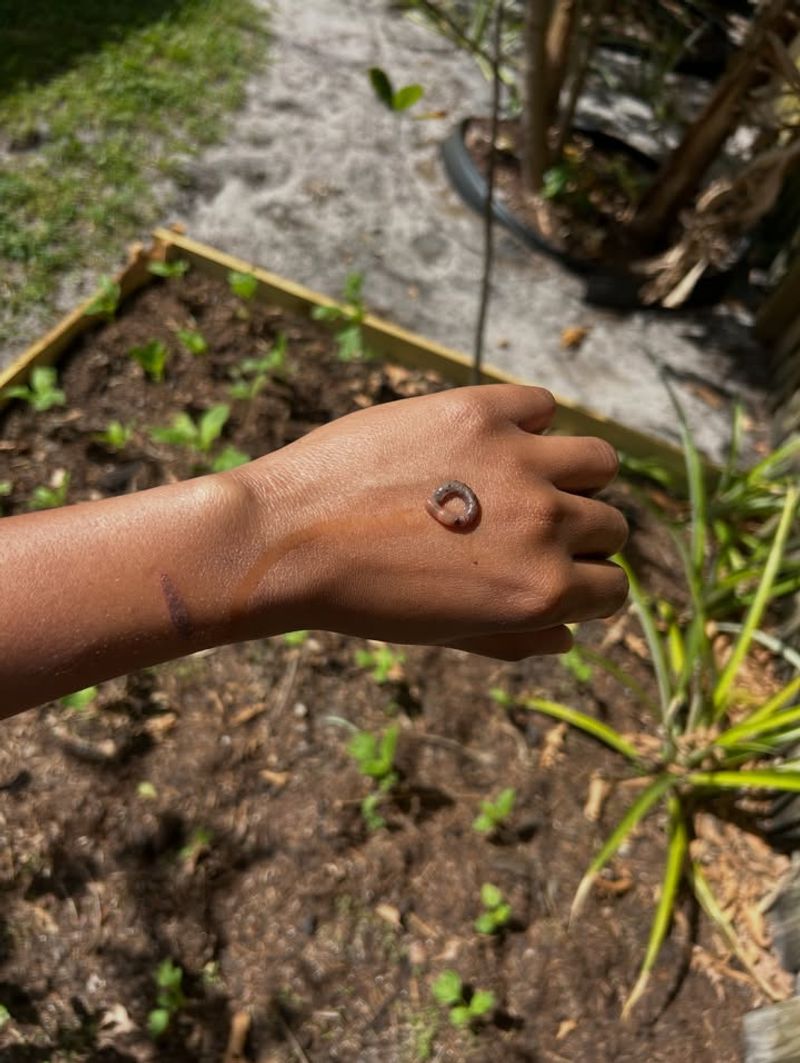
Earthworms are not picky eaters, but they do need something to eat. When a garden bed runs low on organic matter, worms have less reason to stick around.
Organic residues like decomposing leaves, compost, grass clippings, and plant trimmings are the main food source that keeps earthworms active and well-fed.
A bed that has been heavily planted and harvested season after season without being replenished can quietly run short on the stuff worms love most.
Fewer earthworms in a bed that once had plenty of them can be a gentle signal that the soil food web needs a restock. Think of it like a pantry that has not been refilled in a while.
The worms may still be around, but without enough organic material to process, their numbers and activity levels naturally drop. The fix is simpler than most gardeners expect.
Adding a thin layer of finished compost, leaf mold, or shredded plant material to the surface of the bed gives worms something fresh to work with. You do not need to pile it on thick or dig it in deeply.
A one-to-two inch top dressing is enough to start encouraging more activity. Over time, worms pull that material down into the soil themselves, which is actually better than tilling it in manually.
Leaf mold, which is simply composted leaves, is one of the best and cheapest amendments you can add to a North Carolina summer garden.
It holds moisture well, breaks down slowly, and gives earthworms a steady food source that keeps them working in your bed all season long. Consistency matters more than quantity here.
4. Bare Soil Can Make The Bed Less Inviting
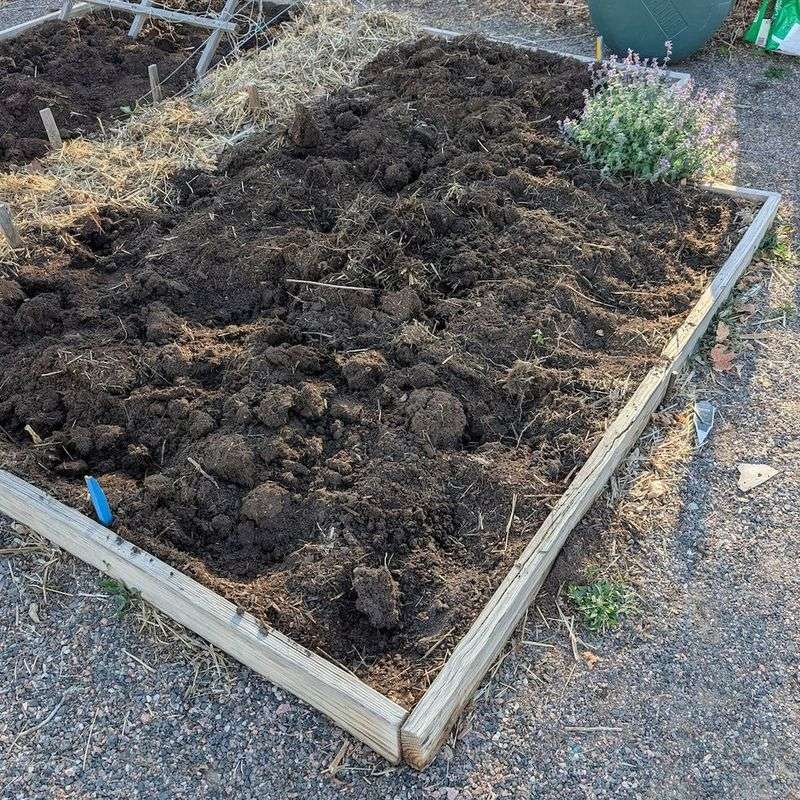
Bare soil in a North Carolina summer is a tough place to live. Without any cover, the sun bakes the surface, moisture evaporates fast, and soil temperatures can spike to levels that push earthworms far away from the top layer.
Many gardeners plant their beds and move on without thinking much about what happens to the exposed soil between plants.
That bare ground, left uncovered through July and August, becomes one of the least welcoming spots in the garden for earthworm activity. Mulch changes everything.
A simple two to three inch layer of organic mulch over the soil surface keeps moisture from evaporating too quickly, reduces surface temperature significantly, and creates a buffer zone that earthworms find much more comfortable.
Research from university extension programs consistently shows that mulched garden beds retain moisture better and support more active soil biology than bare beds nearby.
North Carolina gardeners have some great mulch options to work with depending on what part of the garden they are covering. Pine straw works beautifully around shrubs and perennials.
Shredded leaves are excellent for vegetable beds because they break down and feed the soil over time. Straw, not hay, is a popular choice for between vegetable rows.
Fine bark mulch or compost works well in ornamental beds where appearance matters more.
Choosing any of these options is better than leaving soil bare through the hottest months. Even a thin layer makes a noticeable difference in how the bed holds moisture and how comfortable it stays for the worms working below the surface.
Starting with mulch now can bring visible improvement before summer ends.
5. Compacted Soil May Be Limiting Movement
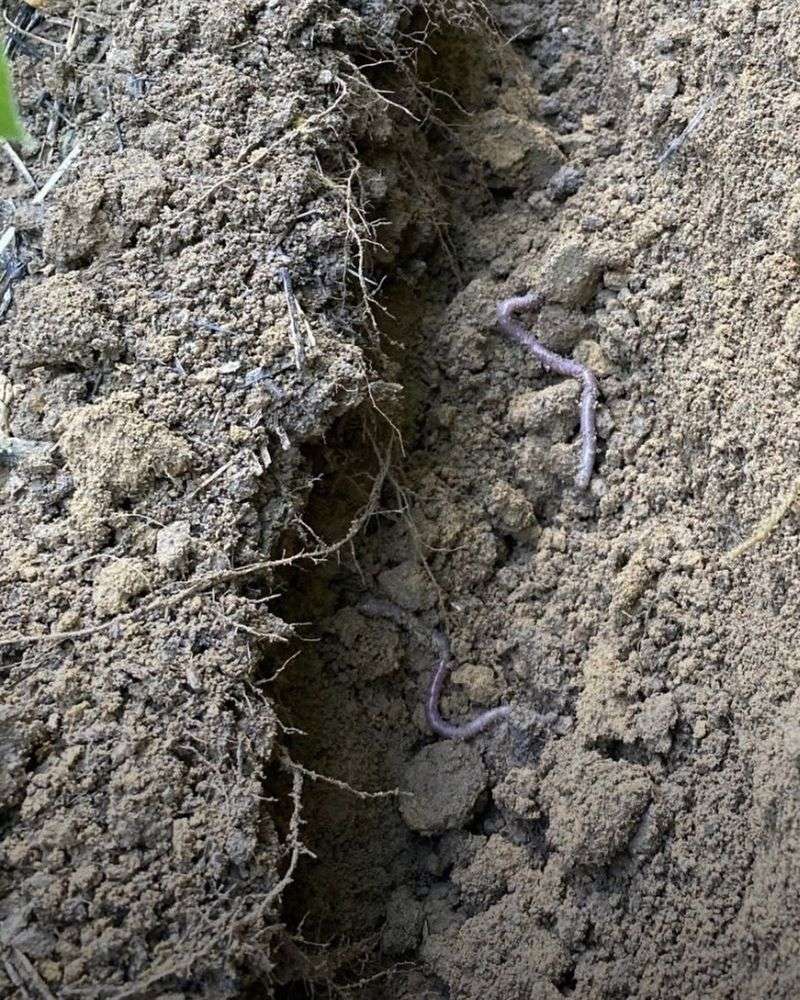
Earthworms are incredible little engineers, but even they struggle to move through soil that has been squeezed too tight.
Compacted soil has fewer air pockets and smaller spaces between particles, which makes it harder for worms to burrow, harder for water to drain, and harder for plant roots to push through.
When soil gets compacted, the whole system slows down, and earthworm activity is one of the first things to drop noticeably.
Compaction in North Carolina gardens can happen in several ways. Foot traffic across bed areas is one of the most common culprits.
Heavy summer rains can also pack soil down over time, especially in beds without mulch cover.
Working the soil when it is too wet, which is tempting after a good rain, can smear soil particles together and create a dense layer that resists both air and water movement for weeks afterward.
Fixing compaction does not require dramatic action. The most effective first step is simply stopping the activities that caused it.
Stick to designated paths and avoid stepping in the bed itself. Adding organic matter to the surface helps loosen the structure over time as it breaks down and gets pulled in by remaining soil organisms.
Mulch placed over compacted areas protects the surface from further packing from rain impact. Avoid the temptation to till the bed repeatedly as a solution to compaction.
Heavy tilling can break up the structure temporarily but often makes the problem worse in the long run by destroying the natural channels and networks that earthworms and other soil creatures create.
Gentler, consistent care builds better results than any single dramatic fix ever could.
6. Recent Tilling May Have Disturbed The Soil Community
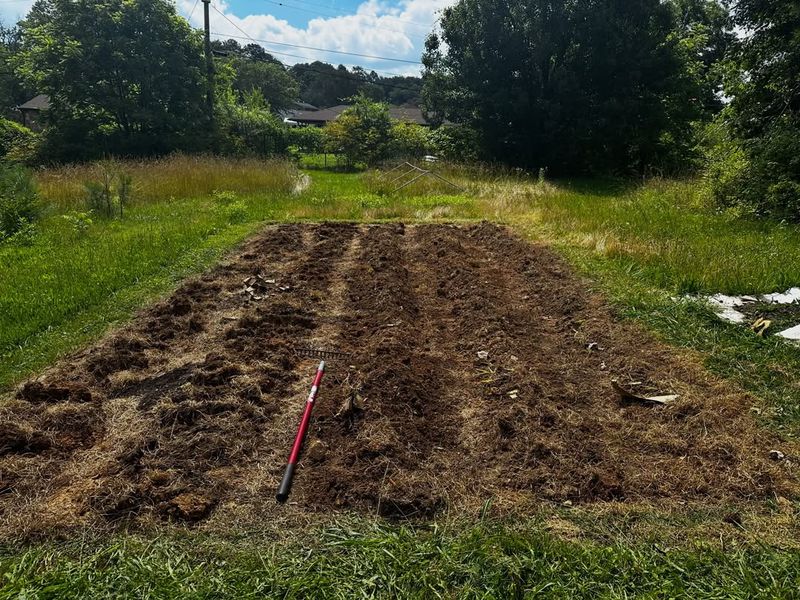
There is a common belief that tilling a garden bed is the best way to keep it healthy and productive. Many gardeners grew up watching their parents or grandparents turn the soil every season, and it feels like the right thing to do.
The truth is that repeated or heavy tilling can disrupt the entire community of organisms living in your soil, and earthworms feel that disruption more than almost anything else underground.
When you till a bed, you physically break apart the burrow networks that earthworms spend weeks building. You also expose deeper layers of soil to heat and drying, which pushes worm activity further down or toward the edges of the bed.
Tilling also disturbs beneficial fungi, bacteria, and other microorganisms that earthworms depend on for food and for the overall health of the soil environment they live in.
NC State University Extension recommends building organic matter through surface applications of compost or mulch rather than working it into the soil by tilling, especially once a garden has been established.
The idea is to mimic how nature builds soil from the top down, letting organisms like earthworms do the mixing work naturally.
This approach is gentler on the whole soil food web and produces better long-term results.
If your garden has been tilled heavily this season, give it time to recover. Top dress it with compost, add a layer of mulch, reduce disturbance going forward, and let the bed rebuild on its own schedule.
Earthworm populations can bounce back fairly quickly once conditions improve and the soil is left undisturbed for a few weeks at a stretch.
7. Summer Rain Patterns May Be Changing What You See
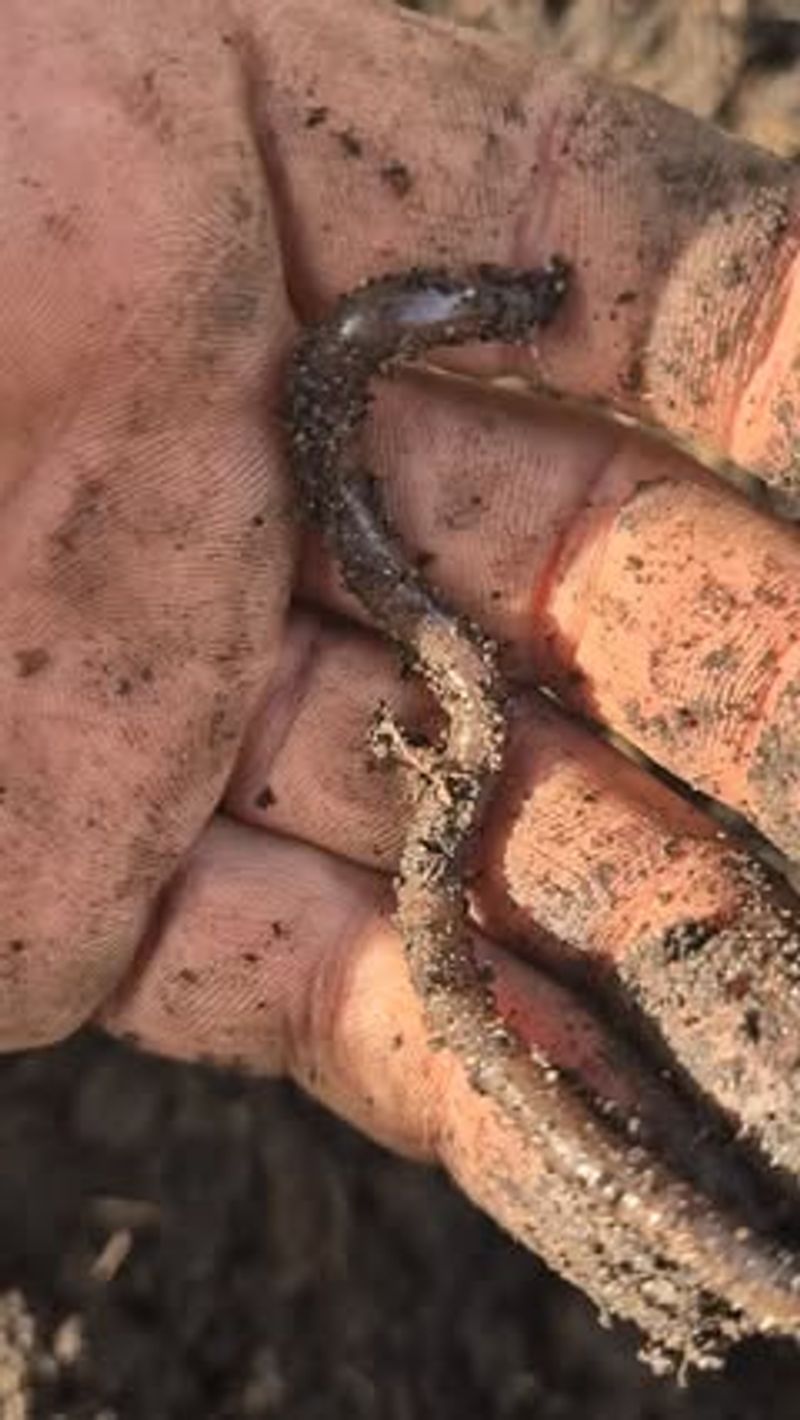
Summer rainfall in North Carolina is famously unpredictable. One week brings a dry stretch that leaves the garden begging for water, and the next brings a downpour that soaks everything in an afternoon.
These swings in moisture directly affect when and where you see earthworms near the soil surface, and understanding that rhythm can save a lot of unnecessary worry about your garden’s health.
After a soaking rain, earthworm sightings go up noticeably. The moisture brings them toward the surface, and gardeners who check their beds within a day or two of a good rain often find plenty of worm activity right at the top of the bed.
During dry stretches, those same gardeners may find nothing near the surface and assume the worst. Both observations are accurate, but neither one tells the full story on its own.
Visibility is not the same thing as population size. A garden can hold a healthy, thriving earthworm population that stays completely hidden during dry or very wet periods and only becomes obvious under ideal moisture conditions.
Tracking the soil texture, moisture level, and overall plant health gives a more complete picture of what is actually happening below the surface than worm sightings alone ever could.
Paying attention to seasonal rain patterns also helps gardeners time their soil checks more effectively. Plan to check for worm activity one to two days after a good soaking rain rather than in the middle of a dry spell.
Doing so gives you a much more accurate read on whether your soil community is active, healthy, and doing the quiet work that keeps your garden thriving through the season.
8. The Best Fix Is Better Soil Habitat
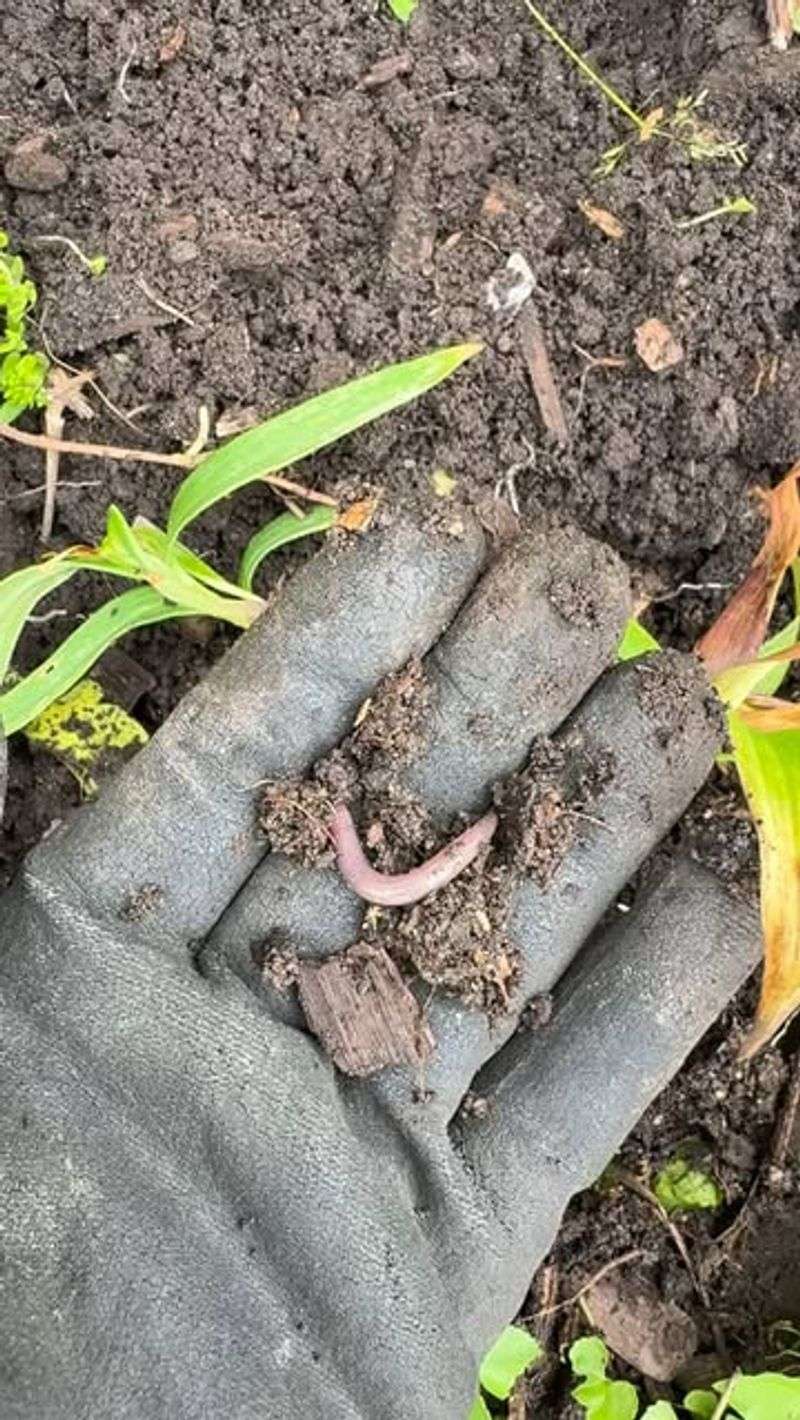
When earthworm numbers seem low, the most effective response is not to run out and buy a bag of worms from a bait shop.
Purchased worms released into an environment that is not ready for them rarely stick around, and the money spent does not translate into a healthier garden.
What actually works is improving the habitat so that the worms already living nearby choose to move in and stay.
Building better soil habitat comes down to a handful of consistent habits. Steady moisture is the foundation.
Earthworms need a moist environment to function, so deep watering on a regular schedule matters more than occasional heavy soaking.
Covering the bed with organic mulch helps hold that moisture in and keeps surface temperatures from spiking during the hottest parts of the day in a North Carolina summer.
Adding compost regularly gives earthworms a food source and improves the overall structure of the soil over time. Reducing compaction by avoiding foot traffic in the bed and skipping unnecessary tilling preserves the natural pore spaces that worms need to move and breathe.
Cutting back on synthetic chemical sprays, especially broad-spectrum pesticides, protects not just earthworms but the entire community of soil organisms that support them. All of these steps work together.
No single fix produces dramatic overnight results, but a combination of steady moisture, good mulch coverage, regular compost additions, and less soil disturbance creates exactly the kind of environment that earthworms naturally seek out.
Gardeners who focus on improving the habitat rather than chasing the worms themselves almost always end up with more active, productive soil by the end of the growing season.