Cool-Season Herbs California Gardeners Can Start From Seed This September
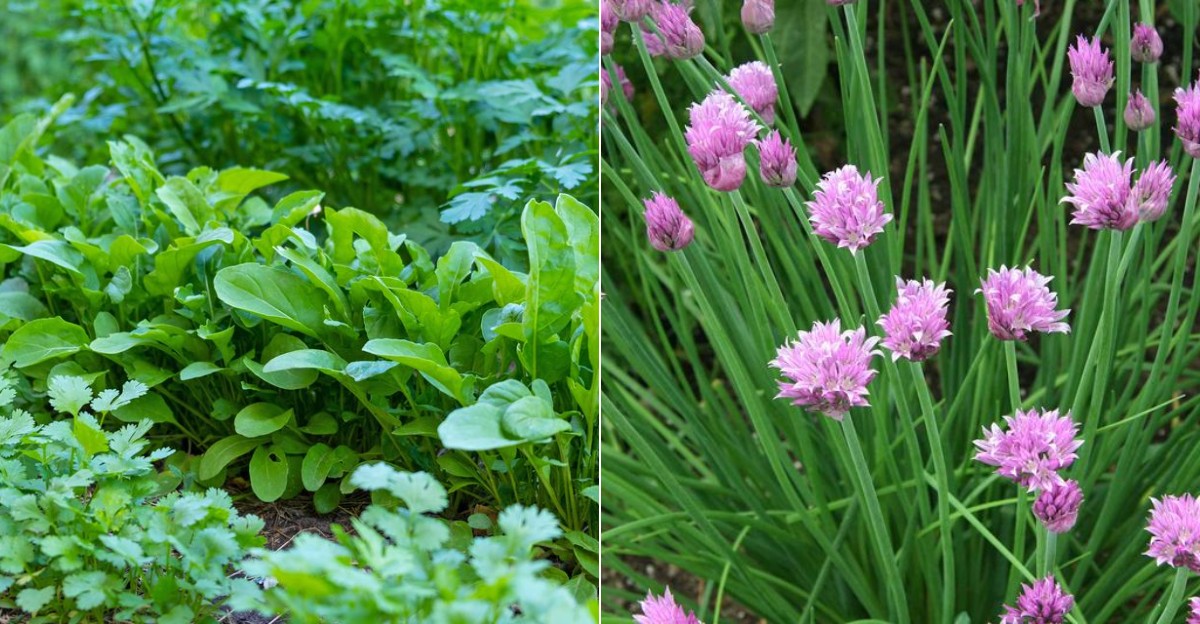
Your herb garden can get a fresh start as summer temperatures begin to soften across California.
Cool-season herbs thrive during this transition, giving you a chance to grow flavorful plants that handle milder weather better than many summer varieties. Starting them from seed now can lead to a steady supply of fresh herbs for cooking, drinks, and seasonal recipes.
You do not need a large backyard or a dedicated garden bed to grow them successfully. Many cool-season herbs adapt well to pots, raised beds, and small outdoor spaces, making them an easy project for almost any gardener.
Choosing the right varieties and planting them at the right time can help your herbs establish before colder nights arrive.
With a little planning, you can fill your garden with fresh growth and enjoy homegrown flavor well into the cooler months.
1. Cilantro Germinates Quickly In Cooler Weather
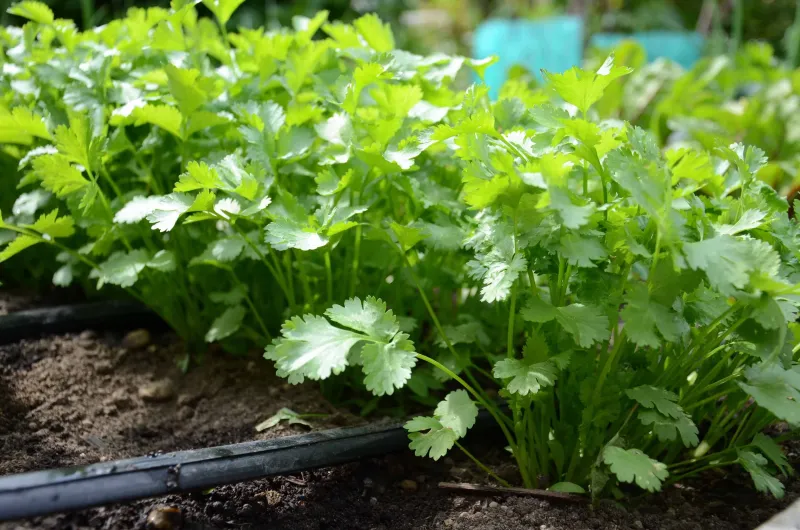
Warm summers make cilantro rush to flower, but September flips the script. As nights turn cooler, the seeds wake up fast and push out bright green leaves.
Most gardeners in California see sprouts within a week or two. Cilantro likes steady moisture, so keep the soil damp but never soggy. A light layer of mulch helps hold water and keeps roots comfortable.
Try gently crushing the round seeds before planting. Each one actually holds two little seeds, and cracking them can boost how many come up. Sow them about a quarter inch deep and space rows a few inches apart.
Pick a spot with morning sun and a bit of afternoon shade if your area still runs hot. That balance keeps plants from bolting too soon.
Harvest often by snipping outer leaves, and the plant keeps producing for weeks. Fresh cilantro brightens tacos, soups, and salsa in a way store-bought bunches rarely match.
Fun fact: the seeds you plant become coriander when they dry out, so one crop gives you two spices. Let a few plants flower late in the season and collect those seeds later.
For a steady supply, plant a small batch every couple of weeks. Cool September soil gives cilantro the calm, mild start it truly enjoys.
2. Parsley Gets A Strong Start In Fall
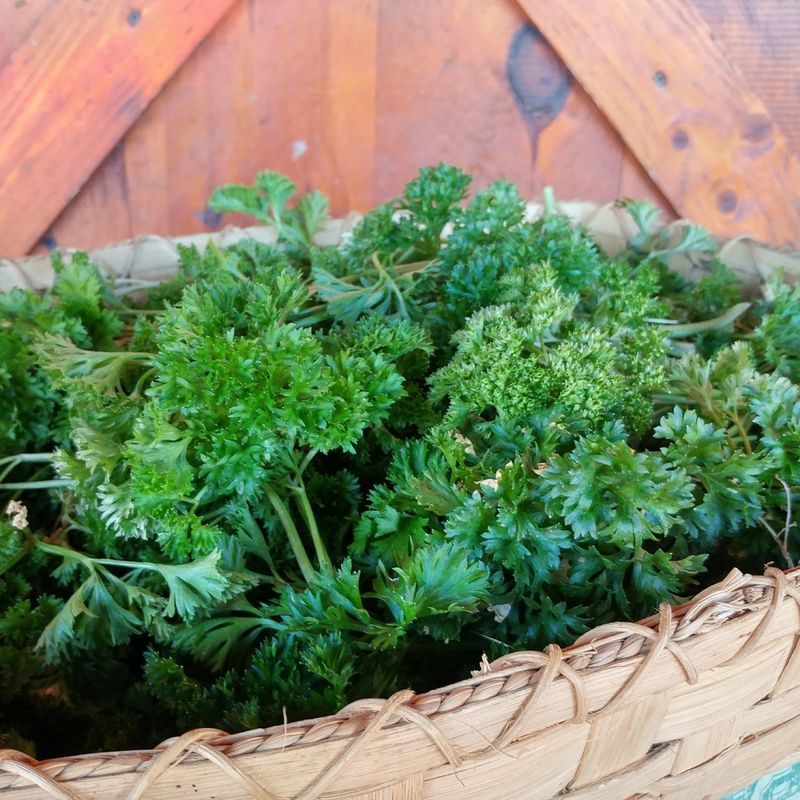
Parsley has a reputation for being slow, and honestly, that is true. The seeds can take two or three weeks to appear, which tests your patience.
Fall planting makes the wait worthwhile. Cooler soil helps parsley build deep roots and lush leaves before winter slows things down.
Soak the seeds overnight in warm water before sowing. That little trick softens the hard shell and speeds up sprouting. Plant them shallow, about a quarter inch down, and keep the bed moist the whole time.
Both curly and flat-leaf types grow well in California gardens. Flat-leaf, often called Italian parsley, tends to have a stronger flavor for cooking. Curly parsley looks pretty and works great as a garnish.
Give parsley a sunny spot, though it tolerates partial shade in warmer regions. Once it takes off, it keeps producing leaves for months.
Your California Garden Changes Every Week. Your Plan Should Too.
Gardening in California changes quickly throughout the season. Every Friday you’ll receive a simple weekly plan showing exactly what to plant, prune, fertilize, harvest, and protect so you never miss the right timing.
Snip stems from the outside of the plant, and new growth fills in from the center. This steady harvest keeps your kitchen stocked with fresh green flavor.
Here is a neat bit of history: parsley was prized by ancient Greeks and Romans long before it landed on dinner plates. Today it packs vitamins and adds a fresh punch to almost any dish. Start it now, and you will enjoy it well into the cool months.
3. Dill Handles The Shift Into Cooler Days
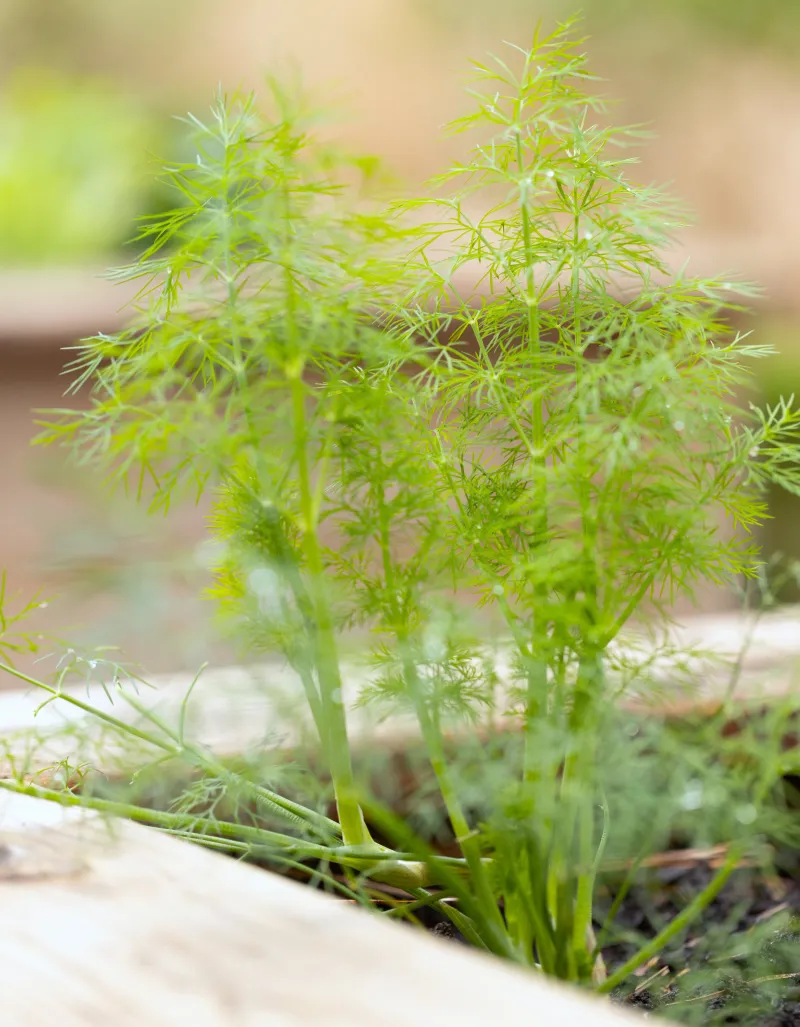
Feathery and fragrant, dill brings a fresh, tangy scent to any California garden. It grows best when the weather is mild, which makes September a smart time to plant.
Dill does not like being moved, so sow the seeds right where you want the plants to stay. Scatter them thinly and cover with just a light dusting of soil.
Keep the bed evenly moist until sprouts appear, usually within a week or two. Once established, dill grows tall and airy, sometimes reaching a couple of feet high.
Give it a sunny, sheltered spot away from strong wind. Those slender stems can flop over, so plant near a fence or stake taller plants if needed.
Harvest the leaves anytime by snipping the soft, ferny fronds. They add bright flavor to fish, pickles, potatoes, and creamy dips.
If you let some plants flower, you will get flat yellow blooms that turn into dill seeds. Those seeds are great for pickling and cooking too.
Bonus tip: dill flowers attract helpful bugs like ladybugs and tiny wasps that eat garden pests. So it works as both food and natural pest control.
Plant a fresh patch every few weeks for a steady supply. Cooler fall days keep dill leafy and slow to flower, giving you more to enjoy.
4. Chervil Thrives As Summer Heat Fades
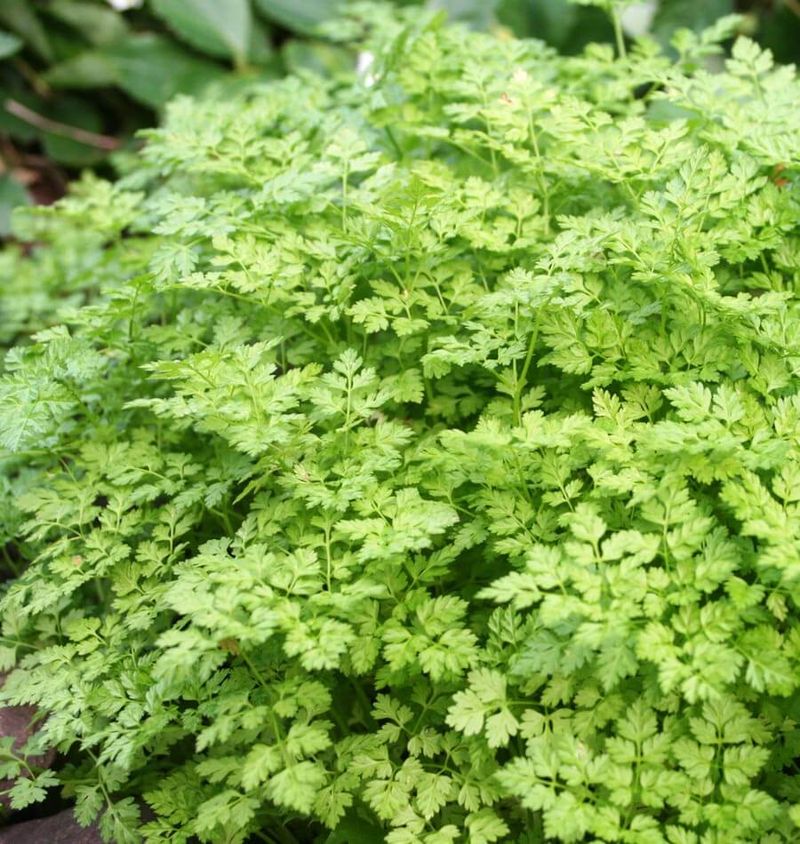
Not many California gardeners know chervil, and that is a shame. This delicate herb tastes like a gentle blend of parsley and anise, with a soft, refined flavor.
Heat makes chervil struggle, so it truly shines once summer loosens its grip. The cooler days of September let it grow lacy and full without stress.
Sow the seeds directly in the ground since chervil dislikes being transplanted. Barely cover them, because they need a little light to sprout well.
Choose a spot with partial shade. Unlike many herbs, chervil actually prefers a break from strong sun, which keeps its tender leaves from wilting.
Keep the soil moist and expect sprouts in one to two weeks. The plants grow quickly, so you can start snipping leaves in about six weeks.
Use chervil fresh, since its flavor fades when cooked too long. Sprinkle it over eggs, salads, or fish right before serving for the best taste.
French cooks treasure this herb as part of a classic blend called fines herbes. That heritage gives it a fancy reputation, but growing it is simple.
Plant small batches every few weeks for a continuous harvest through the cool season. With its love of mild weather and shade, chervil rewards fall gardeners who give it a try.
5. Arugula Adds Quick Flavor To Fall Gardens
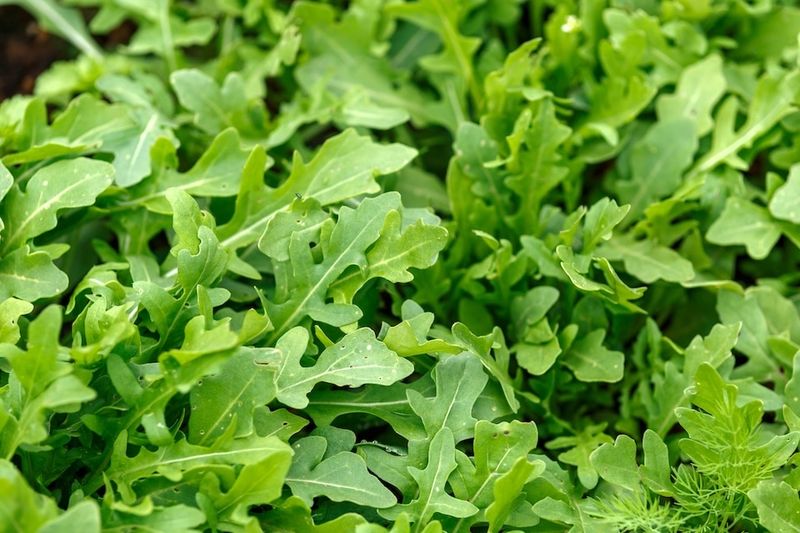
Impatient gardeners, meet your new best friend. Arugula is one of the fastest greens you can grow, often ready to eat in just a few weeks.
Its peppery, nutty leaves love cool weather. Hot summers make arugula bitter and quick to flower, so fall gives you the best flavor.
Scatter the tiny seeds over loose soil and cover them lightly. Keep the bed moist, and you will see sprouts in just a few days.
Thin the seedlings a bit so plants have room to spread. Crowded arugula grows small, so a little space makes for bigger, tastier leaves.
Baby leaves are mild and tender, while older leaves pack a spicier bite. Harvest by cutting the outer leaves and let the center keep growing.
Give it full sun to partial shade. In warmer parts of California, a bit of afternoon shade keeps the leaves crisp and sweet.
Toss fresh arugula into salads, sandwiches, or on top of pizza. It adds a bright, peppery kick that store greens often lack.
Since it grows so fast, plant a new row every two weeks for a steady supply. That trick keeps fresh greens coming through the whole cool season.
Interesting note: arugula belongs to the same family as broccoli and kale, so it brings a healthy punch to your plate.
6. Cilantro And Parsley Can Be Succession Planted
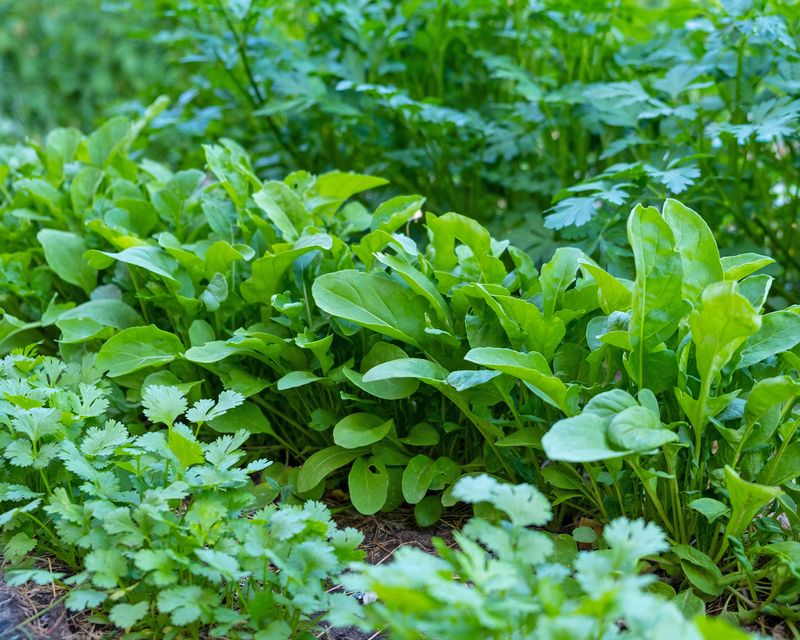
Ever run out of an herb right when you needed it most? Succession planting solves that problem with a simple habit.
The idea is easy. Instead of planting all your cilantro or parsley at once, you sow a small batch every couple of weeks.
Both herbs work perfectly for this. Cilantro grows fast but bolts quickly, so fresh plantings keep leaves coming. Parsley grows slower but lasts longer, filling any gaps.
Start by marking a small section of your bed or a few pots. Plant one short row today, then add another in two weeks, and keep going.
This steady rhythm means you always have young, tender leaves ready to harvest. When one batch starts flowering, the next is just getting going.
Cool September weather makes this method shine. Mild days slow bolting, so your staggered crops stay leafy and useful much longer.
Keep the soil evenly moist for each new sowing. Label your rows with the planting date so you can track what is coming next.
Try pairing the two herbs in the same bed. They enjoy similar conditions, so caring for them together saves time and effort.
By the end of fall, you will have a nonstop supply of fresh flavor. Little bit of planning now pays off with weeks of easy harvests.
7. Chives Establish Before Winter Arrives
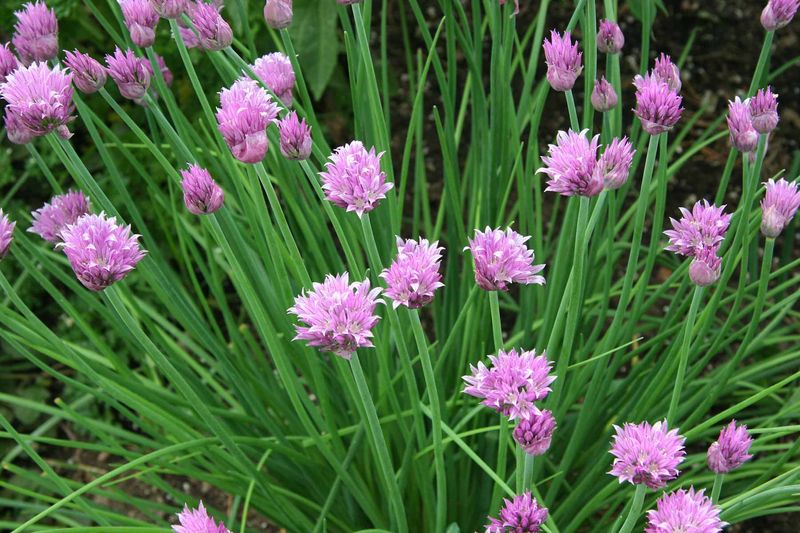
Grassy and mild, chives bring a soft onion flavor to the garden. Planting them in September gives the roots time to settle before cold weather.
The seeds are small and can be slow, sometimes taking two weeks to sprout. Patience pays off, because chives come back year after year once established.
Sow the seeds shallow and keep the soil moist. Plant them in a sunny spot, though they tolerate a little shade just fine.
As the plants grow, thin clusters into small clumps. Those clumps spread over time, giving you a bigger patch each season.
Snip the hollow green stems with scissors, cutting near the base. New growth pushes up quickly, so you can harvest again and again.
Chives taste great sprinkled over baked potatoes, eggs, soups, and salads. Their gentle flavor works where raw onion might feel too sharp.
Come spring, the plants send up pretty purple flowers that you can eat too. Those blooms add color to salads and a mild bite of flavor.
Because chives are perennial, one September planting can feed you for years. A little care now sets up a plant that keeps giving.
Grow them in a pot or tuck them into a corner of the bed. Either way, chives are a low-fuss herb that rewards steady snipping.
8. Calendula Adds Color And Edible Flowers
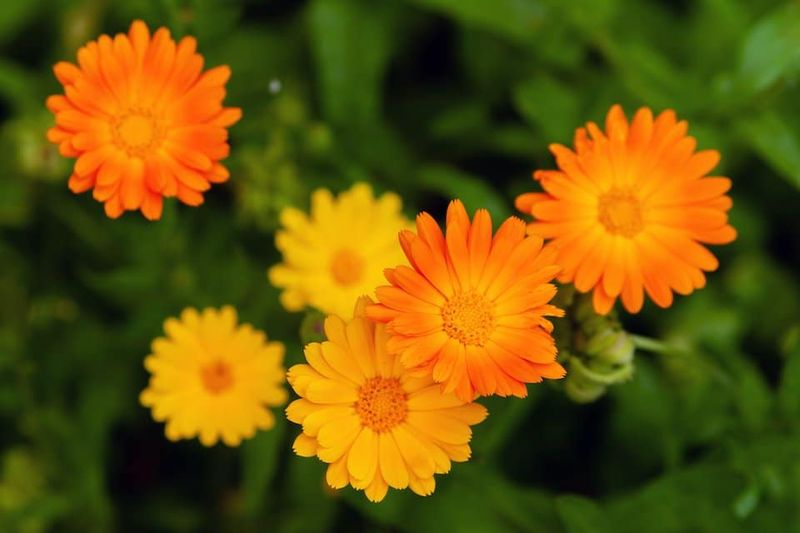
Cheerful and bold, calendula lights up a fall garden with sunny orange and yellow blooms. Best of all, those petals are edible.
Often called pot marigold, this flower is tough and easygoing. It handles cool weather with ease, making September a great time to sow.
Press the curved seeds into the soil about half an inch deep. Keep them moist, and you will see sprouts in a week or two.
Give calendula a sunny spot with room to spread. The plants grow bushy and produce blooms for months when you keep picking them.
Snip flowers regularly to encourage even more buds. The more you harvest, the more the plant keeps blooming through the cool season.
Toss the bright petals into salads, soups, or rice for a splash of color. They have a mild, slightly peppery taste that surprises many people.
Beyond the kitchen, calendula petals are used in soothing skin salves and teas. That old-fashioned charm has kept the plant popular for centuries.
The flowers also draw in bees and helpful bugs, supporting the whole garden. Some gardeners plant it near veggies to boost pollination.
Easy to grow and pretty to look at, calendula earns its spot in any fall bed. Plant a few now, and you will enjoy weeks of edible sunshine.
9. Cooler Soil Helps Herb Seeds Germinate
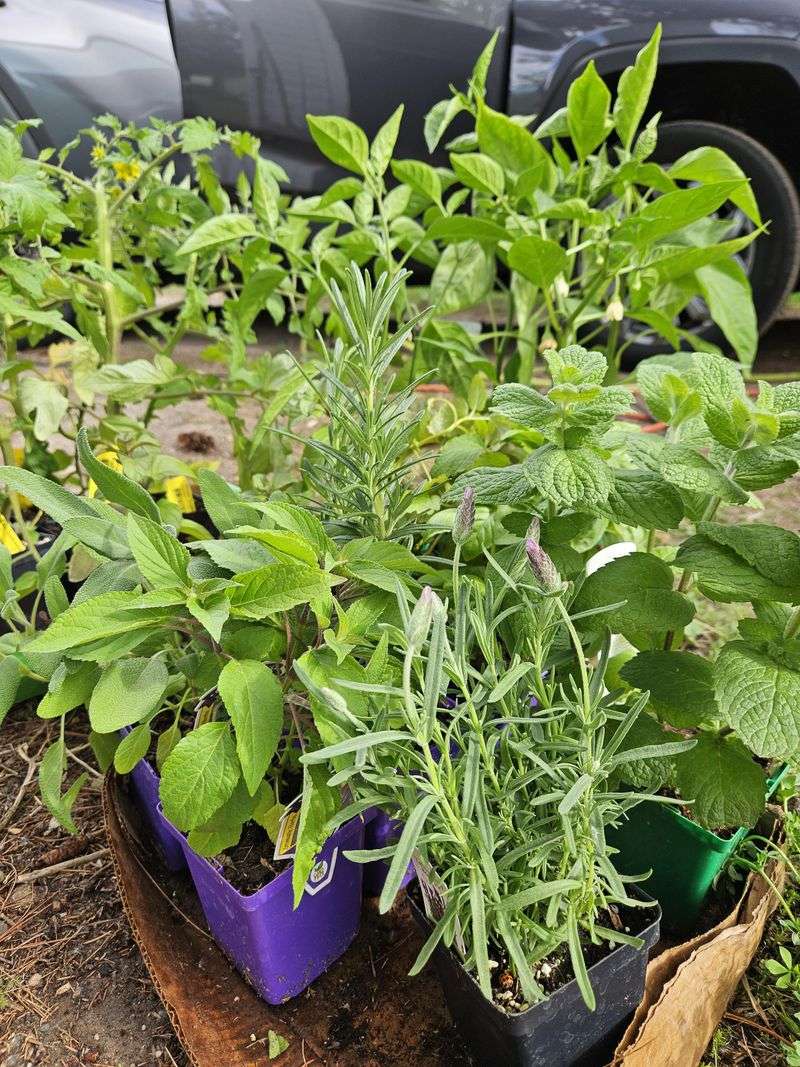
Ever wonder why fall planting feels so much easier? A lot of it comes down to the soil beneath your fingers.
During summer, the ground bakes and dries out fast. Many herb seeds simply refuse to sprout when the soil gets too hot.
By September in California, the earth cools to a friendlier range. That mild temperature helps seeds absorb water and wake up without stress.
Cooler soil also holds moisture longer between waterings. You spend less time dragging the hose and more time watching seedlings appear.
To make the most of it, loosen the top few inches before planting. Soft, crumbly soil lets tiny roots push down with ease.
Mix in a little compost to feed young plants and hold water. Rich soil gives seedlings the strong start they need for cool months.
Water gently after sowing so you do not wash the seeds away. A soft spray keeps the surface damp and seeds in place.
A thin layer of mulch helps too, keeping the soil steady and cool. Just keep it light so sprouts can break through.
Check moisture daily since seeds dry out quickly at first. Once they sprout, they handle dry spells much better.
With these simple steps, September soil does much of the work for you. Give your seeds a cozy bed, and they will reward you fast.