A Late-Summer Visitor Is Thinning Out Alabama Yards
Your shrub just lost its leaves without dropping any to the ground. Bare twigs now poke out where glossy growth stood last week. Alabama caterpillars are the culprits, stripping branches while porches stay quiet.
Dark specks on your front sidewalk are not dirt, they’re droppings. Those pellets mark active feeding you cannot see happening overhead. Labor Day weekend brings this invasion back across Alabama gardens annually.
Huntsville lawns and Mobile hedges share the exact same trouble. Gardeners swap notes on porches, unsure about the sudden damage. Nobody notices until the branches stand stripped, silent, and suddenly bare.
You can stop this cycle without chemicals or complicated tools. Grab a sturdy bucket and start walking your yard slowly at dusk. Timing matters more than homeowners often realize this time of year.
Ignore this window and the damage can spread quickly through your beds. Wait too long, and those branches take much longer to fill back in.
Late-Summer Leaf Stripper With A Bright Red Head
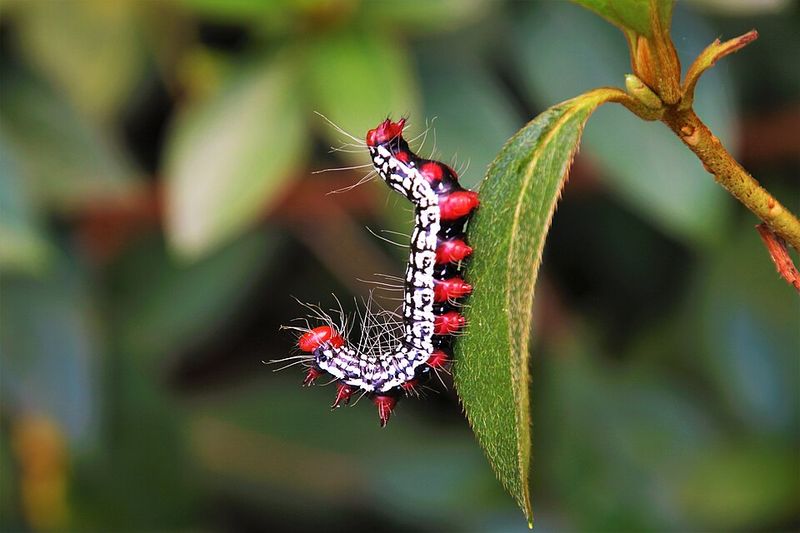
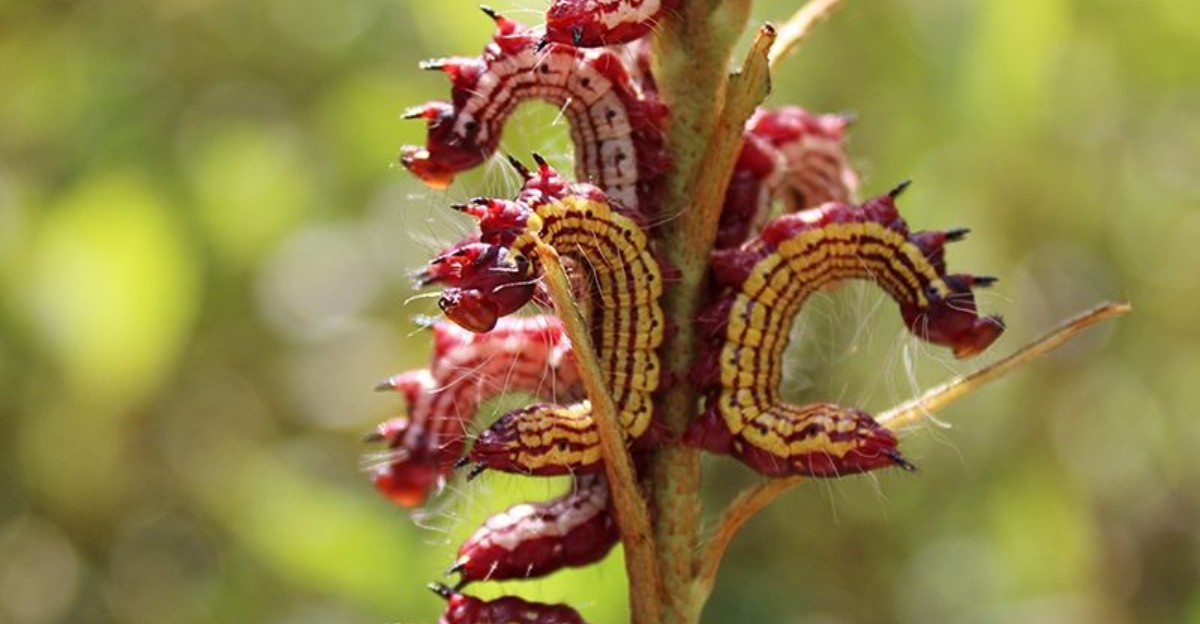
Picture a black caterpillar striped in yellow, sporting a glossy red head and matching red legs, gripping an azalea twig. Gardeners across Alabama call it the Labor Day worm, though scientists file it under the name azalea caterpillar.
The adult stage is a plain brown moth that slips past gardeners without drawing a second glance. She tucks eggs in neat clusters on the undersides of leaves during July and early August.
Hatchlings start out small and pale, feeding shoulder to shoulder in a tight row along one leaf edge. Their stripes darken as they grow, and the group fans out across nearby branches with surprising speed.
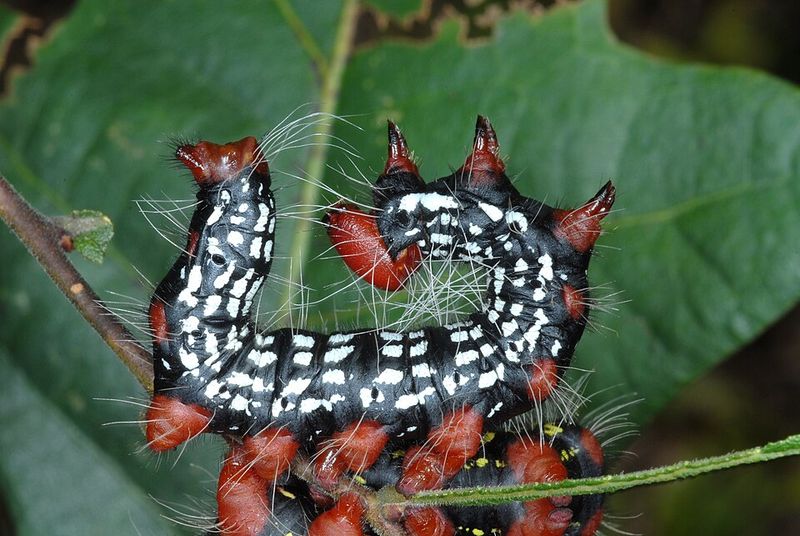
A mature larva stretches close to two inches, chunky for an insect many gardeners overlook until damage appears. Poke the branch and the whole colony rears its head and tail at once, a bluff that fools hungry birds.
They carry no sting and no venom, so bare-handed removal is fine for anyone who is not squeamish. Blueberries, red oak, and andromeda also land on their menu, though azaleas remain the favorite stop.
Fun fact: entomologists list them as Datana major, one of several look-alike Datana species in the Southeast. Only one generation appears each year in our state, which is a small mercy for shrub owners.
Alabama’s long warm autumns hand them extra feeding time before they crawl down to pupate in soil.
Neighbors often report them around the same time, since egg laying tends to follow a similar seasonal pattern. Knowing the face behind the damage makes the rest of the season far easier to manage.
Why The Holiday Weekend Timing Is No Accident
Timing here is tied to heat, day length, and the moth’s single yearly cycle rather than the calendar on your wall. Eggs laid in midsummer hatch within a couple of weeks, and the larvae stay tiny at first.
Small caterpillars chew little windows in leaf tissue, damage so slight that folks stroll right past it. Growth speeds up in late August, when each molt brings a bigger appetite and a wider spread.
Your Alabama Garden Changes Every Week. Your Plan Should Too.
Gardening in Alabama changes quickly throughout the season. Every Friday you’ll receive a simple weekly plan showing exactly what to plant, prune, fertilize, harvest, and protect so you never miss the right timing.
By early September, a colony can strip a branch within days, depending on its size and the weather. That is exactly why the nickname stuck around backyard fences and garden club meetings across the state.
Alabama’s humid summers and mild nights help the larvae move through their stages without a hitch. Coastal counties near Mobile may see them slightly earlier than yards up around Huntsville, though timing can vary.
A wet August boosts tender new azalea growth, which the young larvae seem to prefer. Cool snaps slow them down a little, though September rarely brings much relief in the Deep South.
Once they finish feeding, they drop to the ground and burrow a few inches into loose soil. Pupae wait out winter down there, then moths emerge the following summer to start the cycle again.
Populations swing from year to year, so a heavy season may be followed by a quiet one. Marking your calendar for mid-August scouting turns a surprise into a routine chore. Ten minutes of looking on a Saturday morning beats a week of frantic pruning later.
Damage Clues Hiding On The Undersides Of Leaves
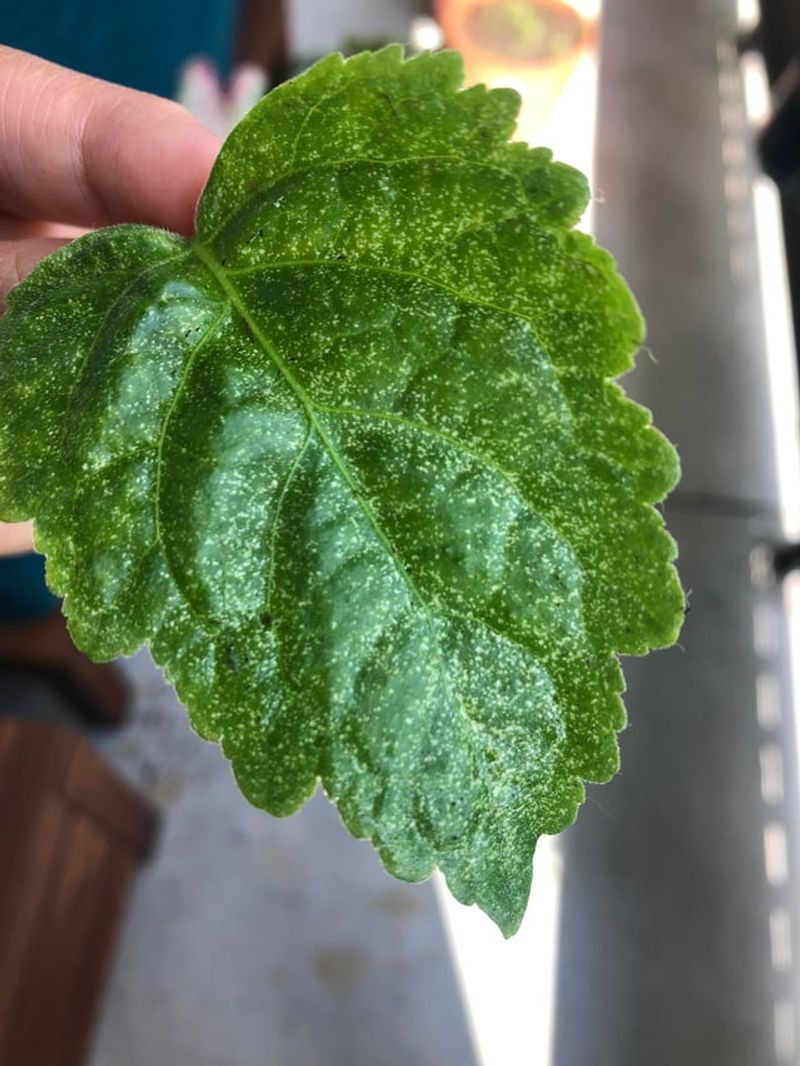
The first hint is usually a bare twig poking out of an otherwise tidy shrub. Look closer and you may find leaf skeletons, thin veins left behind like tiny green lace.
Frass, the polite word for caterpillar droppings, collects on lower leaves and on mulch below. Little dark pellets on a walkway or patio chair often give the colony away before you spot it.
Flip a few leaves and check the undersides, since young larvae line up there out of sight. Feeding starts at branch tips and works inward, so damage looks patchy rather than spread evenly.
One shrub in a row of six may be stripped while its neighbors look untouched. Watch for clusters of caterpillars stacked head to tail along a single stem.
Birds hopping repeatedly into one azalea can also be a clue worth following. Take a flashlight out in the evening if daytime glare makes the shady interior hard to read.
Snap a photo on your phone and compare it with the striped pattern described earlier. Chewed leaves will not regrow on that stem, so fresh growth appears from buds farther back.
Damage on blueberry bushes nearby can serve as an early warning for the azaleas. Record which shrubs were hit, because the same plants often draw egg-laying moths again.
Checking once a week from mid-August through late September keeps surprises small. Keep notes in a garden journal; patterns show up faster than memory suggests. Catching the colony while the larvae are pinky-nail size saves you a lot of work.
The Old-School Fix That Works

Grandmothers in Alabama handled these visitors with a coffee can and about five minutes of patience. The method still works, because the caterpillars sit together instead of scattering when disturbed.
Slip on garden gloves if the fuzz bothers you, then clip the whole infested stem tip. Drop the cluster into a bucket of soapy water and let it sit for an hour.
Soapy water breaks the surface tension, so the larvae sink rather than crawl back out. Early morning is the best window, since the group tends to stay bunched before the day warms.
A pair of bypass pruners handles high branches without shaking the colony onto your shoulders. For shrubs taller than you, a long-handled pole pruner keeps the ladder in the garage.
Some gardeners simply shake a branch over a tarp and fold the whole thing up. Chickens treat the harvest as a snack, so backyard flocks solve two problems at once.
Avoid squashing them on light-colored siding, because the stain is a chore to scrub. Toss the strained water in a corner of the yard, away from vegetable beds.
Check the same shrub two days later, since stragglers often show up from a second cluster. Keep a small bucket by the back door during September so the job feels quick.
Kids frequently volunteer for caterpillar patrol, especially if you turn the counting into a contest. Hand removal skips chemicals, which matters if bees are working nearby salvia or asters. For one or two shrubs, this low-tech routine is hard to beat.
Softer Sprays For When The Colony Gets Ahead Of You

When a colony spreads across several large shrubs, hand-picking starts to feel like a second job. That is the moment to reach for Bacillus thuringiensis, sold at garden centers as Bt kurstaki.
Bt is a soil bacterium that upsets caterpillar digestion while leaving bees and people alone. It works best on small larvae, so spray as soon as you spot the group.
Coat the undersides of leaves, since that is where the feeding crowd hangs out. Spinosad is another softer option and handles larger larvae that are less affected by Bt.
Apply spinosad in the evening, giving the residue time to dry before pollinators return. Insecticidal soap can work on very young caterpillars, though thorough coverage is the catch.
Read the label for azaleas, mixing rates, and the waiting period between applications. Skip broad-spectrum products when you can, because they also hit the wasps and birds helping you.
Parasitic wasps, stink bugs, and yellow jackets already patrol Alabama gardens for soft-bodied larvae. A hose-end sprayer covers a long hedge faster than a one-gallon pump can.
Wear a hat and long sleeves, since azalea foliage holds spray drift close to your face. Rinse the sprayer afterward and store leftovers out of reach of pets and children.
Reapply after heavy rain, which is common during our September thunderstorm afternoons. Mark the date on your phone so the follow-up treatment does not slip your mind. Two well-timed applications usually settle the issue for the rest of the season.
Helping Chewed Azaleas Bounce Back Before Winter
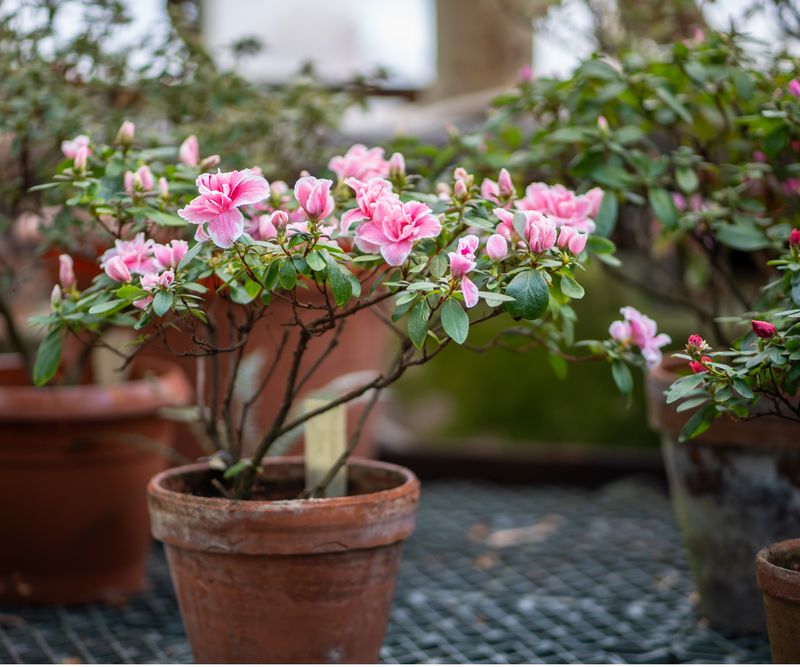
A stripped azalea looks rough, yet the plant itself is usually in better shape than it appears. Evergreen azaleas store energy in stems and roots, and buds along those stems can push new leaves.
Flower buds for spring form in summer, so heavy chewing in September may thin next year’s show. Water deeply once a week if rainfall runs short, aiming for the root zone rather than the foliage.
Check soil moisture with a finger before watering, since azalea roots sit shallow and dislike soggy ground. A soaker hose on a timer takes the guesswork out of dry September weeks.
Two or three inches of pine straw keeps soil moisture steady and roots cool into October. Hold off on heavy fertilizer this late, because a flush of tender growth can be nipped by frost.
A light feeding in spring, right after bloom, does far more good for the shrub. Prune only the bare twigs that stay brittle by next April, when new growth makes the picture clear.
Resist the urge to shear the whole shrub into a ball, since that removes healthy buds too. Mulch, water, and patience handle recovery better than any quick fix in a bottle.
Note which shrubs were hit and check them first next August. Sunny, dry spots stress azaleas, so consider filtered shade if you are planting new ones.
Healthy shrubs shrug off a rough season much faster than stressed ones. By spring, a well-tended azalea often fills back in as if the damage never happened.