What Michigan Gardeners Should Do With Sedum After It Finishes Blooming

Sedum is a fall favorite in Michigan gardens, known for blooms that shift from soft pink to deep rust as the season goes on. Once flowering wraps up, many gardeners aren’t sure whether to cut it back right away or leave it alone through winter.
Leaving the dried flower heads and stems standing actually has real benefits, adding winter interest to the garden while giving birds and beneficial insects a place to shelter during the colder months.
Cutting sedum back can wait until early spring, when new growth is about to emerge and old stems are easier to clear without disturbing the plant’s crown.
Here’s what Michigan gardeners should consider doing with sedum once its fall blooms have faded.
1. Leave The Flower Heads For Winter Interest

Those faded sedum blooms have more to offer than you might think. Instead of clipping them away in fall, many Michigan gardeners let the dried flower heads stand tall all winter long.
The sturdy stems and rusty brown flower clusters bring texture to a landscape that can look bare and quiet once the cold arrives. When a fresh layer of snow settles on top of each bloom, the garden suddenly turns into a picture worth admiring from your window.
Sedum is one of the few plants that keeps its shape through frost and wind. While softer perennials flop over, sedum holds firm, giving your yard structure during the grayest months.
This makes a big difference in Michigan, where winter can stretch on for what feels like forever.
Leaving the flower heads also creates lovely shadows and highlights on frosty mornings. The dried tops catch ice and sparkle when the sun peeks out, adding a bit of magic to an otherwise sleepy garden.
There is a practical side too. Standing stems help protect the base of the plant by trapping snow, which acts like a cozy blanket over the roots.
If you enjoy watching your garden change with the seasons, this small choice pays off nicely. You get free decoration, extra plant protection, and a reason to skip one fall chore.
Come spring, you can trim everything back and start fresh, but for now, let those blooms shine through the snow.
2. Do Not Cut Healthy Sedum Back Too Early
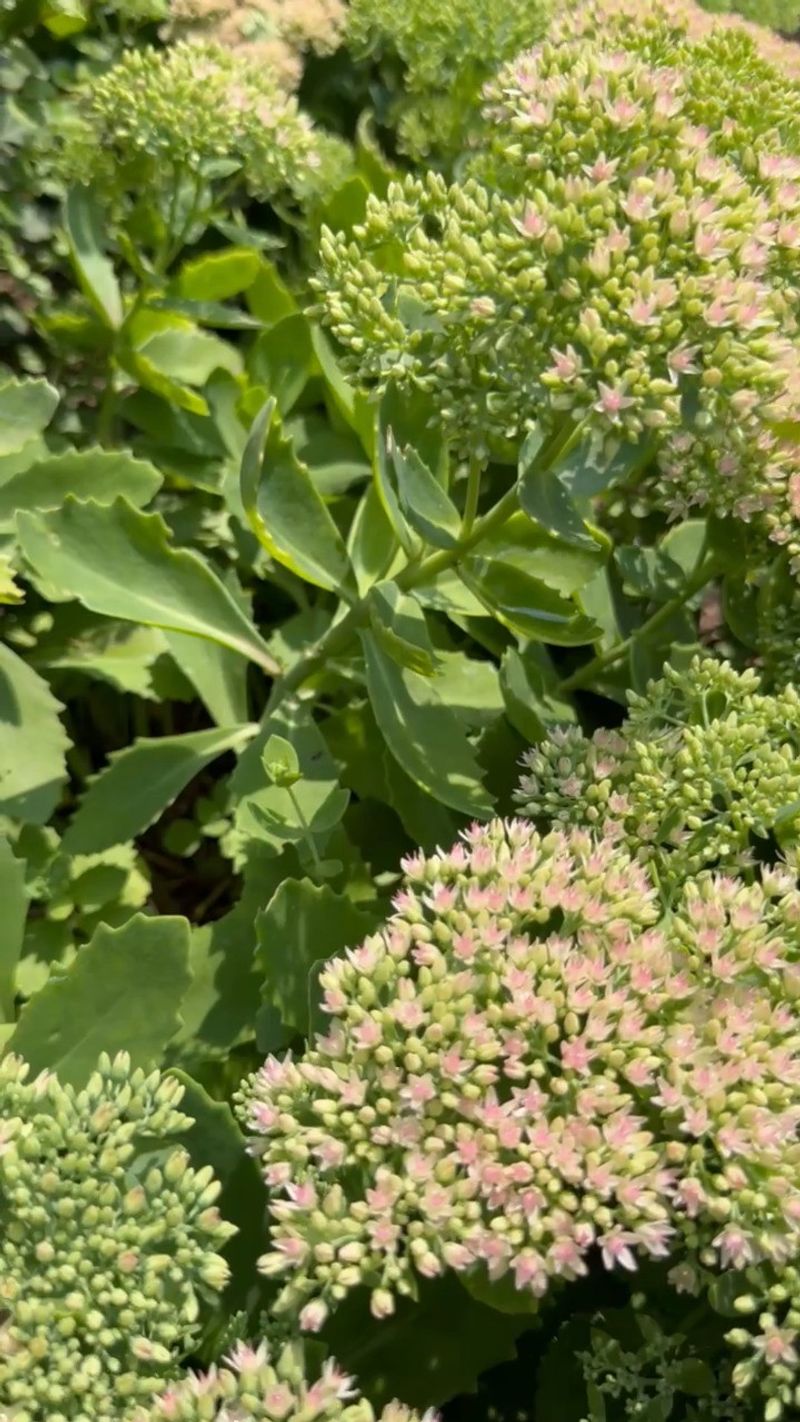
Grabbing the shears the moment blooms fade feels satisfying, but with sedum, patience really pays. Healthy stems can stay in place well into late winter or early spring without any harm.
Those upright stalks do quiet work for your garden. They shelter the crown of the plant, trap insulating snow, and shield the roots from Michigan’s freezing and thawing cycles that can push plants out of the soil.
Cutting too soon removes that natural protection right when your sedum needs it most. Fall in Michigan brings sudden temperature swings, and standing stems act like a buffer against the harshest weather.
There is also no real benefit to rushing the job. Sedum goes dormant on its own, and the plant does not require an early haircut to rest properly. Trimming now simply adds one more task to your fall list without helping the plant.
Your Michigan Garden Changes Every Week. Your Plan Should Too.
Gardening in Michigan changes quickly throughout the season. Every Friday you’ll receive a simple weekly plan showing exactly what to plant, prune, fertilize, harvest, and protect so you never miss the right timing.
Waiting also gives you time to enjoy the plant’s winter look. The dried tops add charm, and pollinators sometimes tuck themselves into the hollow stems for shelter during colder days.
By holding off, you let nature handle the timing. When spring rolls around and you spot fresh green buds pushing up at the base, that is your signal to finally cut the old stems away.
So resist the urge to tidy everything up in September. Your sedum will be just fine standing proud through the cold, and you will save your energy for the busy planting days ahead. A little waiting keeps both you and your plant happy.
3. Remove Diseased Foliage
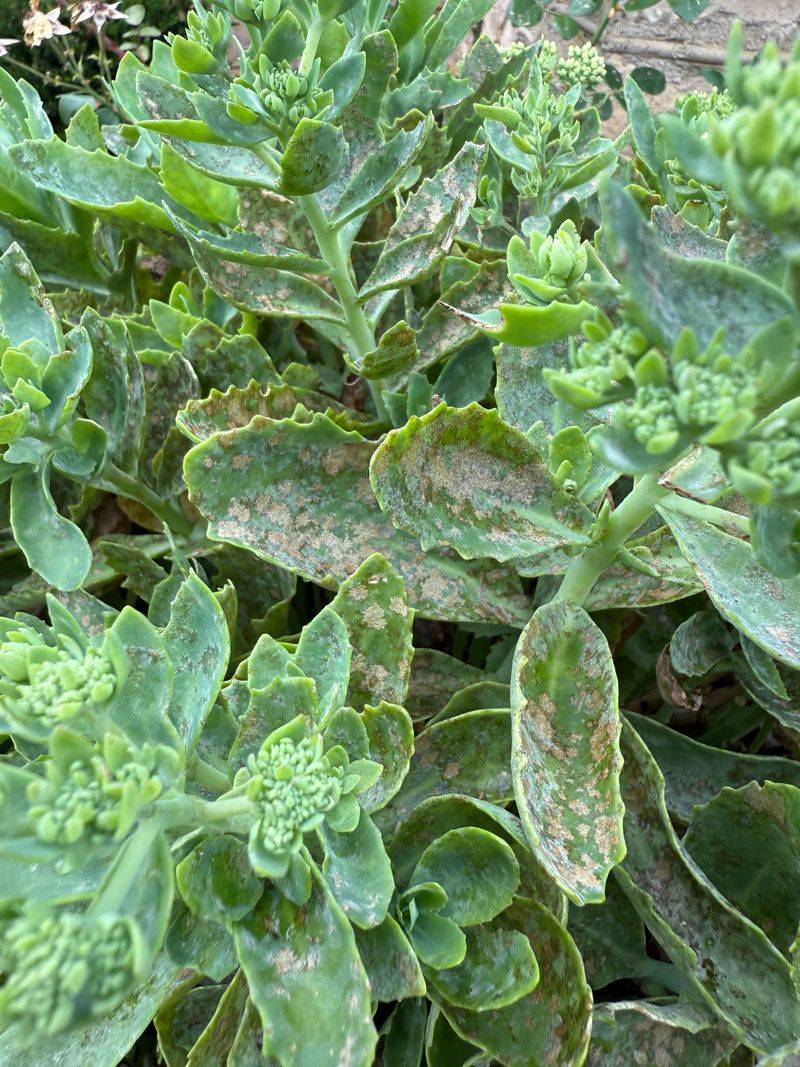
Not every part of your sedum deserves to stay put through winter. When leaves or stems show clear signs of trouble, cutting them away is the smart move.
Look for spots that seem off, like dark patches, mushy stems, powdery coatings, or leaves that have turned strange colors and feel soft. These are warning signs that something is bothering your plant.
Fungal problems and rot can spread quickly if you leave sick material lying around. Spores and bacteria hide in that damaged tissue, waiting for the right conditions to attack healthy growth next season.
By clearing out the troubled parts, you break that cycle. Removing infected leaves and stems means fewer problems overwhelming your sedum when warm weather returns and new shoots appear.
Toss the diseased pieces in the trash rather than your compost pile. Compost heaps do not always get hot enough to break down harmful spores, so adding sick plant material could spread the issue around your yard.
Clean your tools too. Wiping your shears with rubbing alcohol between cuts keeps you from carrying problems from one plant to another, which is an easy habit that saves real headaches later.
Good airflow helps prevent these issues in the first place. Sedum planted in crowded, damp spots tends to struggle more, so thinning things out gives leaves room to dry.
A quick check of your plants in fall goes a long way. Snip out the bad, leave the good, and your sedum will head into the cold season cleaner and much better prepared for a strong comeback.
4. Cut Back Sedum At The Right Time

Timing makes all the difference when it comes to trimming sedum. Rather than rushing in autumn, most Michigan gardeners wait until late winter or early spring for the big cleanup.
By that point, the old stems have done their job protecting the plant, and fresh growth is just getting ready to appear. This is the perfect window to clear away last year’s stalks.
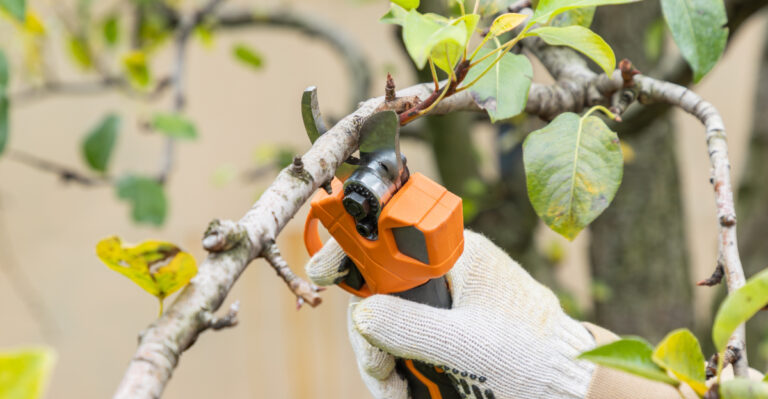
Grab a clean pair of pruners and cut the stems down close to the ground, leaving about an inch or two above the soil. Aim to finish before the new shoots get too tall, so you do not accidentally snip the tender growth.
Cutting at this stage keeps things tidy and gives your sedum a clean start. The plant can then pour all its energy into pushing up fresh leaves instead of dragging along old, worn-out stems.
Look for the tiny green rosettes forming at the base as your signal. When you spot those little buttons of growth, you know the plant is waking up and it is safe to trim.
Doing the cleanup in spring rather than fall also means you enjoyed months of winter interest along the way. You get the best of both worlds, beauty in the cold and a neat garden as the season turns.
Toss the trimmed stems in the compost if they look healthy. Within weeks of your springtime trim, your sedum will fill back in, thick and lush, ready to shine all over again.
5. Avoid Overwatering After Blooming
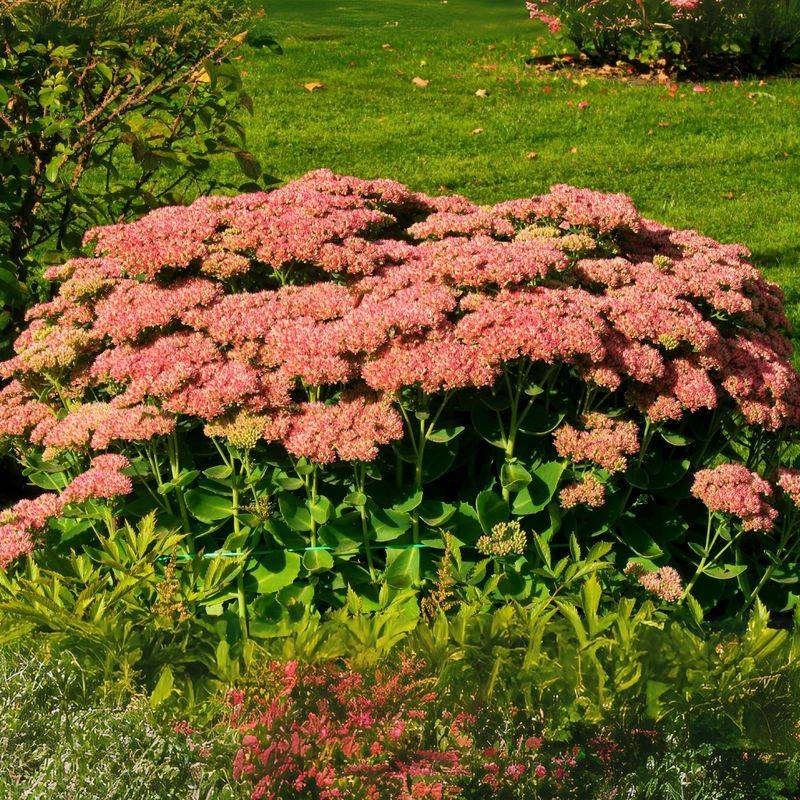
Sedum is basically the camel of the garden world. This tough succulent stores water in its thick, fleshy leaves, which means it handles dry spells far better than most perennials.
Because of that built-in water supply, sedum rarely needs extra watering once blooming wraps up. In fact, giving it too much can cause more harm than good.
Michigan autumns often bring plenty of rain on their own. When the soil stays soggy from both nature and your hose, the roots can start to rot, and that is bad news for a plant that loves things on the drier side.
Constantly wet feet stress sedum out. Instead of settling into a calm dormant period, the plant struggles against damp conditions it simply was not built to handle.
The fix is easy: let nature take the lead. Once the flowers fade, you can usually put the watering can away and trust the cooler, rainier weather to do the work.
Check your soil before ever adding water. Stick a finger a couple inches down, and if it feels moist, your sedum is perfectly fine without more.
Good drainage matters too. Planting sedum in sandy or gritty soil helps excess water flow away, keeping those roots happy through Michigan’s wet fall stretches.
Think of it this way: with sedum, less is almost always more. Skip the overwatering, let the plant rest naturally, and you will avoid one of the most common mistakes gardeners make. Your sedum will thank you by returning strong and healthy next year.
6. Do Not Add Heavy Fall Fertilizer
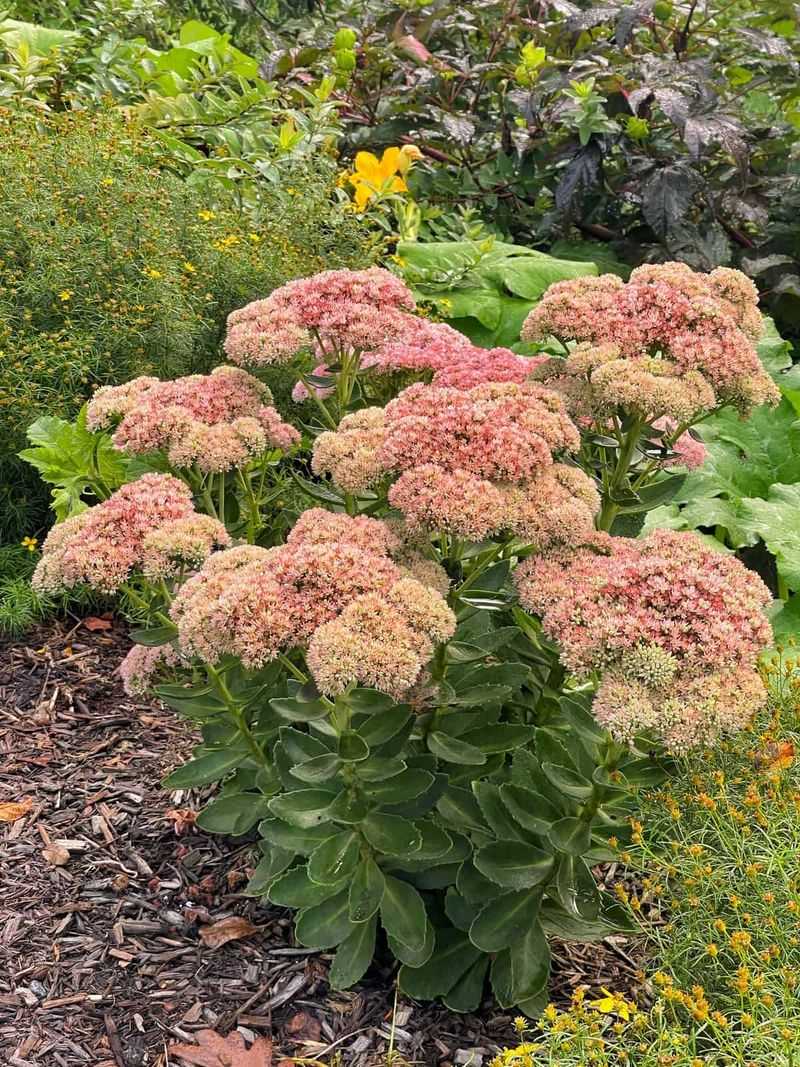
It is tempting to feed every plant a big meal before winter, but sedum would rather skip the buffet. This hardy perennial does just fine without a heavy dose of fall fertilizer.
Piling on nutrients late in the season actually works against your plant. Extra feeding pushes sedum to grow soft, floppy stems right when it should be slowing down and settling in for rest.
That tender new growth cannot handle Michigan’s frosty nights. Instead of toughening up for the cold, the plant puts energy into weak shoots that struggle once temperatures drop.
Sedum naturally prefers lean soil. In the wild, it grows on rocky slopes and gravelly ground where nutrients are scarce, so it never expects a rich diet from you.
If your sedum has been blooming and looking healthy, that is a sign it already has everything it needs. Adding more fertilizer only throws off its natural rhythm heading into dormancy.
Save any feeding for early spring if you feel the plant needs a boost. A light touch of compost as new growth begins is more than enough to keep it thriving.
Overfeeding can even lead to leggy, sprawling plants that flop open in the middle. Keeping fertilizer to a minimum helps sedum stay compact and sturdy.
So put the fertilizer bag away this fall. Let your sedum wind down on its own schedule, and you will avoid weak growth while helping the plant prepare properly. Sometimes the kindest thing you can do for a plant is simply leave it alone.
7. Check If The Plant Needs Dividing
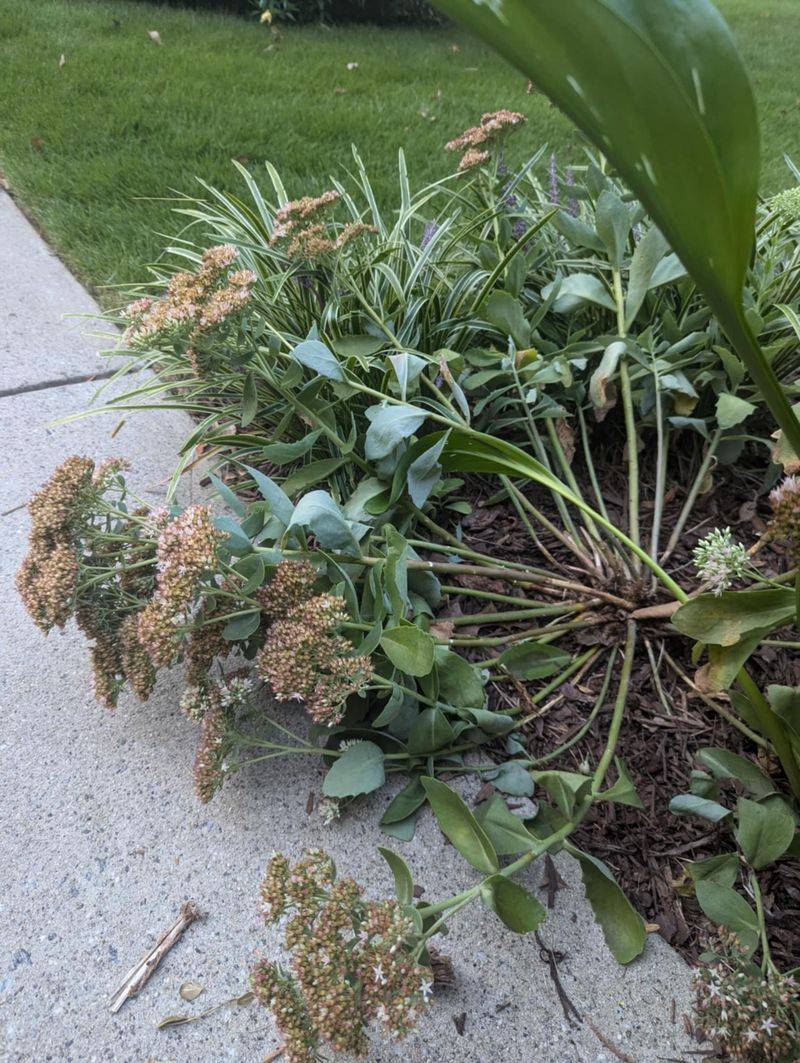
Ever notice a sedum plant that looks great around the edges but sad and empty in the middle? That hollow center is a clear sign your clump has gotten too crowded.
As sedum ages, it spreads outward while the middle loses steam. The stems flop open, leaving a bare gap that makes the whole plant look tired and messy.
Dividing solves this problem beautifully. By splitting the clump into smaller pieces, you refresh the plant and get free new sedum to spread around your garden.
Spring is usually the best time for this job in Michigan. When fresh growth starts pushing up at the base, the plant has plenty of energy to recover quickly from being separated.
Start by digging up the whole clump with a sturdy shovel. Then gently pull or cut it into sections, making sure each piece has healthy roots and a few growing points.
Replant the divisions right away in spots with good drainage and plenty of sun. Water them in lightly to help the roots settle, then let them take off on their own.
Dividing every few years keeps your sedum looking full and strong. It also prevents that annoying open center from taking over and ruining the plant’s tidy, mounded shape.
Think of dividing as a fresh start for an old friend. You get healthier plants, more flowers, and extra sedum to fill bare spots or share with fellow gardeners. It is one of the easiest ways to multiply your garden for free.
8. Protect Sedum By Avoiding Heavy Leaf Smothering
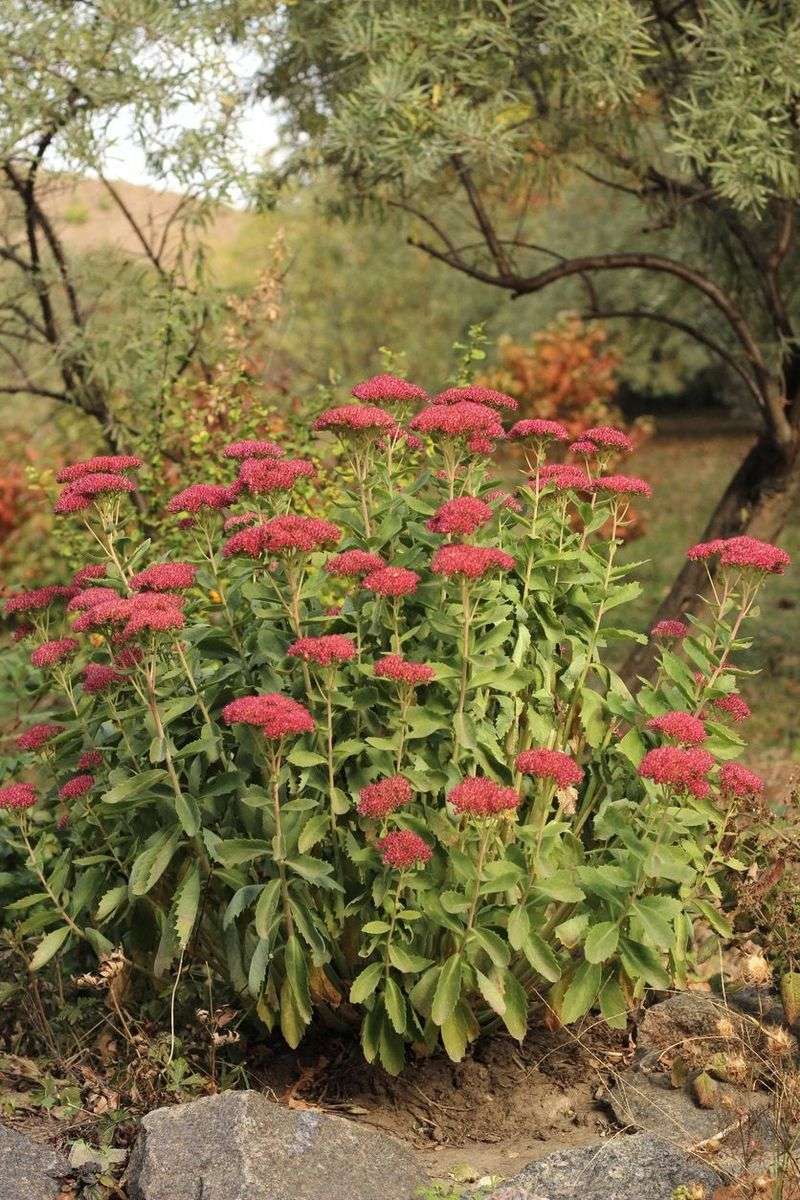
Fallen leaves can be a gardener’s friend or foe, depending on how they pile up. For sedum, a light dusting is fine, but a heavy, soggy blanket spells trouble.
A thin scattering of leaves actually helps. It adds a bit of insulation over the soil and breaks down slowly to feed the ground, all without bothering the plant.
Problems start when thick, wet leaf piles press right against the sedum crown. That heavy mat traps moisture, blocks airflow, and creates the damp conditions that lead to rot.
Sedum loves to stay dry, so smothering it under soggy leaves goes against everything the plant needs. The crown sits at the base where new growth forms, and keeping it wet all winter puts that growth at risk.
The fix is simple: keep an eye on where leaves gather. If you see a heavy pile building up over your sedum, gently rake some away to lighten the load.
You do not have to clear every single leaf. Just make sure the plant can breathe and that water is not pooling around its base for weeks at a time.
Windy Michigan fall days often pile leaves in the same corners, so those spots may need extra attention. A quick check now and then keeps your sedum from being buried.
Balance is the goal here. A little leaf cover protects, while too much smothers, so aim for that happy middle ground. Your sedum will head into winter with dry, healthy crowns ready to bounce back strong.
9. Save Seed Heads For Wildlife Value
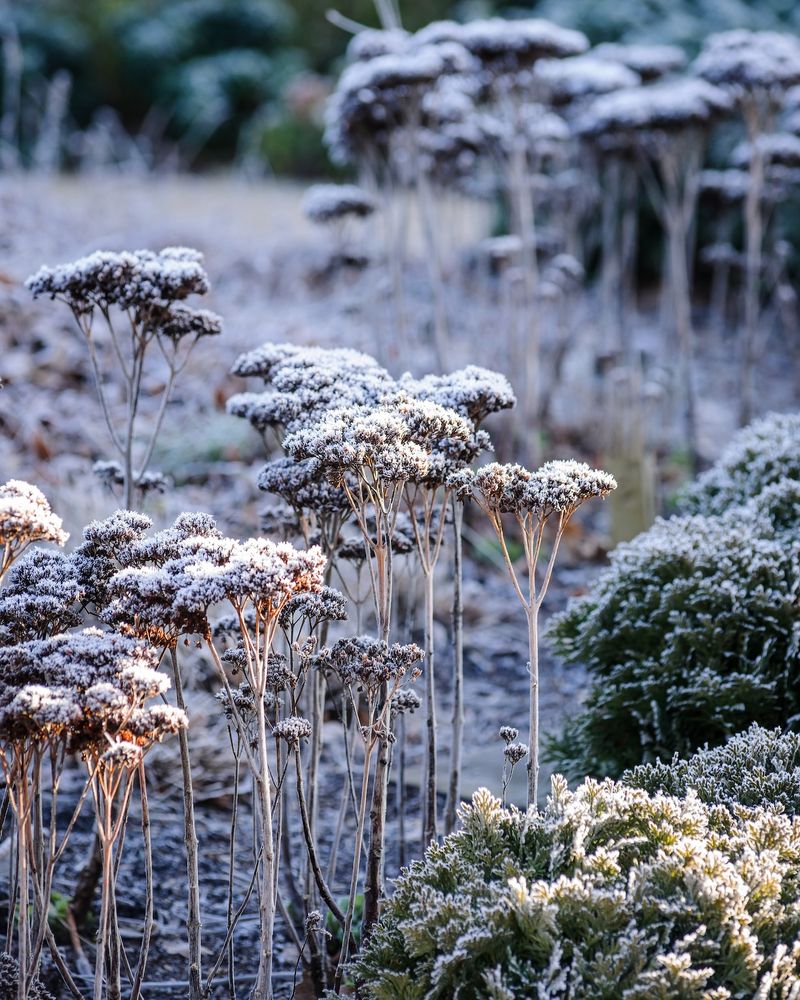
Your sedum can keep giving long after the flowers fade, especially to the birds and creatures sharing your yard. Those mature seed heads turn into a helpful resource during the cold months.
When you leave the dried tops standing, they become tiny perches and snack stops. Birds sometimes visit to pick at the seeds, adding a bit of life and movement to a quiet winter garden.
The sturdy stems and clustered heads also offer shelter. Small insects tuck into the nooks, and those insects in turn become food for hungry birds passing through.
Michigan winters can be tough on wildlife, so every little bit of structure and food helps. A garden with standing seed heads gives animals more reasons to stop by and stick around.
Beyond helping wildlife, the seed heads look wonderful too. Frost outlines each cluster, and snow rests on top, creating scenes that make your yard feel alive even in the chill.
Skipping the fall cleanup means you support a healthier little ecosystem. Pollinators, birds, and beneficial bugs all benefit from having places to hide and feed.
You can wait until spring to trim everything back, once the wildlife no longer needs the cover. By then the seed heads have served their purpose well.
Leaving sedum standing is one of the easiest ways to make your garden more welcoming to nature. You barely lift a finger, yet you give birds and bugs a helping hand. That is a win for your yard and the creatures who call it home.