The Last Chance To Seed A Virginia Lawn Before Winter Arrives
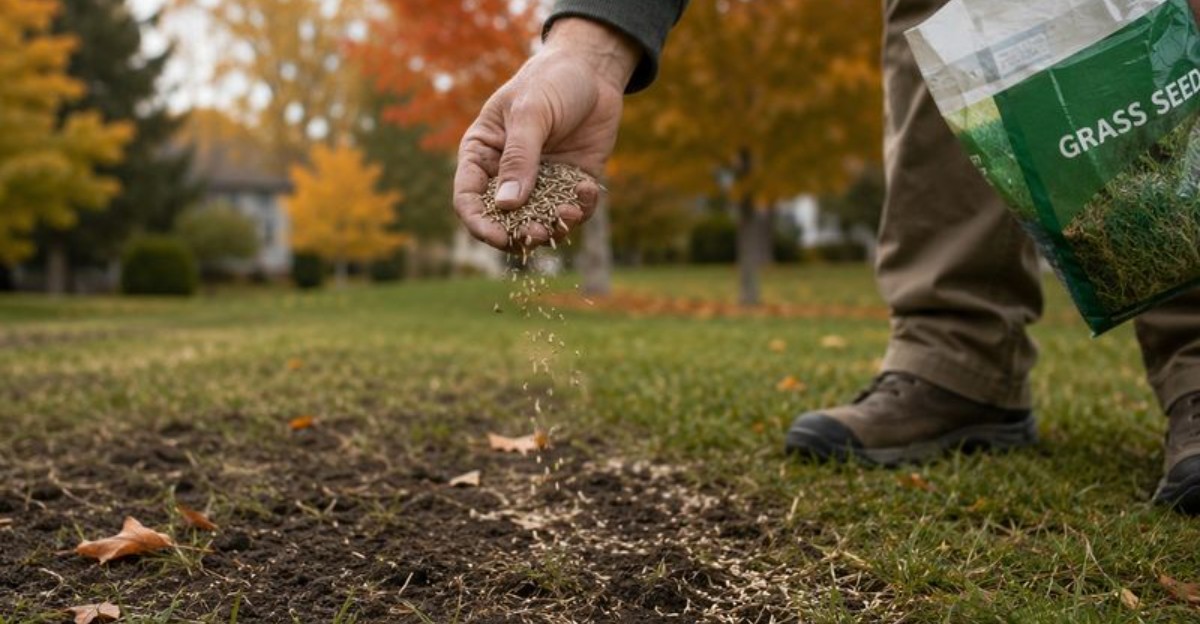
Fall gives grass seed its best shot at success, but that window does not stay open forever. Wait too long, and new seedlings may not have enough time to build strong roots before winter arrives.
In Virginia, the difference between a thick spring lawn and bare spots that linger often comes down to timing. The right seed, good soil preparation, and early care can determine whether those tiny seedlings get the start they need.
Late seeding is not automatically a lost opportunity. With the right approach, you can still give your lawn a stronger chance before cold weather arrives.
The last chance to seed a lawn before winter arrives is closer than many homeowners realize, so knowing when to act can make all the difference.
The Fall Seeding Clock Is Running Out
Timing is everything when it comes to growing a healthy lawn, and fall hands you the best conditions of the entire year.
Cool-season grasses like tall fescue grow strongly during the cooler conditions of late summer and fall, when soil temperatures and moisture support new root development.
The real secret lies right under your feet. Grass seed sprouts best when soil temperatures are generally between 50 and 65 degrees, and fall often provides these conditions across much of the state.
Cooler air also slows down how fast moisture disappears from the ground, so your seeds stay damp and comfortable.
Fall gives you another bonus that spring cannot match. Warm-season weeds like crabgrass are winding down, so your new grass gets to grow without a fight for space, sunlight, and water.
That head start makes a big difference by the time summer heat returns.
Still, this window does not stay open forever. In Northern Virginia especially, seeding much past mid-October leaves seedlings with too little time to grow strong.
Young grass planted too late simply cannot build the root system it needs before winter chills the ground.
Think of the season as a countdown clock that started ticking back in September. Every warm day you use now gives your grass more time to establish itself.
If you have been meaning to seed, checking your local forecast and soil conditions today is the smartest move you can make for a lush lawn next year.
Late Seed Has Less Time To Build Roots
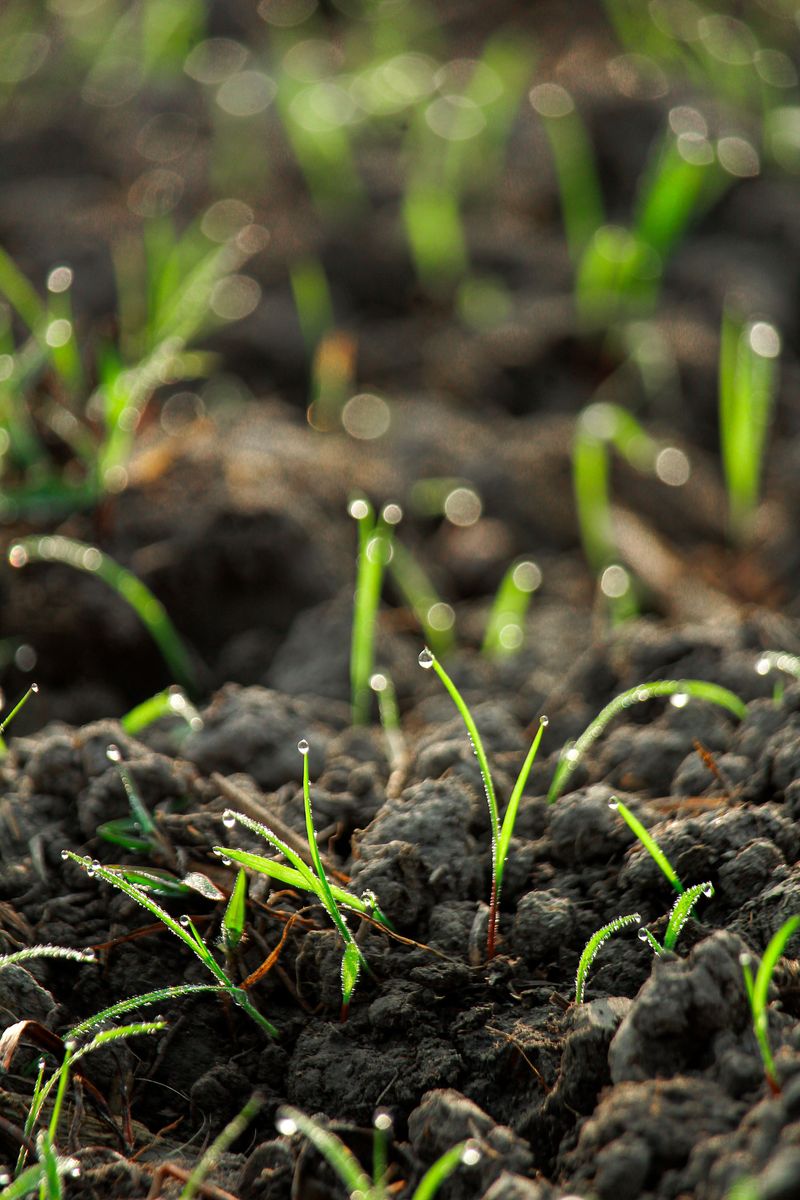
Picture a young plant trying to dig in before a storm hits. That is exactly what happens when you seed too late in fall. Every week you delay means less time for those tender roots to grow deep and grab hold of the soil.
Tall fescue and other cool-season grasses need several weeks of active growth to develop the strong, deep roots that keep them alive through the cold.
In some parts of the state, seeding after mid-October becomes more challenging because seedlings have less time to establish before winter.
Even when the blades above ground slow down or stop growing in colder weather, the roots below keep working as long as the soil stays warm enough. Deep roots let the plant reach moisture and nutrients that shallow-rooted seedlings simply cannot find.
Your Virginia Garden Changes Every Week. Your Plan Should Too.
Gardening in Virginia changes quickly throughout the season. Every Friday you’ll receive a simple weekly plan showing exactly what to plant, prune, fertilize, harvest, and protect so you never miss the right timing.
Weak, late-planted grass also stores less food in its roots. That stored energy is what carries a plant through winter, so seedlings without enough of it face a much harder time when frost and cold winds arrive.
Here is something worth remembering about spring planting. Grass seeded in spring often struggles through its first summer because it never built the big root system that fall grass had months to grow.
That is why getting seed down while there is still warmth in the ground matters so much.
Give your grass the gift of time. The earlier those roots start growing, the better your lawn will handle whatever winter throws its way.
Pick The Grass That Fits Virginia Lawns

Choosing the right seed is like choosing the right team player for your yard. Virginia sits in a tricky transition zone with hot summers and cold winters, so you want grass that can handle both extremes without complaint.
Turf-type tall fescue is the star of the show across much of the state, from Hampton Roads to the Piedmont. It shrugs off heat, tolerates drought, and grows well in both sunny spots and partial shade thanks to its deep roots.
Some blends include Kentucky bluegrass with tall fescue to improve spreading and recovery, but the best mix depends on the site and growing conditions.
Other cool-season grasses fit certain yards too. Kentucky bluegrass brings a rich color and dense growth but needs more care.
Fine fescues, such as creeping red and hard fescue, thrive in shady corners where other grasses give up. Perennial ryegrass sprouts fast, making it handy for patching thin areas.
When you seed later in the season, seed quality matters even more. Improved varieties germinate and settle in quickly, giving young grass its best shot before the cold rolls in.
Before you buy, take a peek at the seed label for high germination rates and low weed content. The Virginia Cooperative Extension also keeps updated lists of top-performing grasses for different regions of the state.
Match the seed to your yard’s sunlight and soil, and you set the stage for a lawn that looks great year after year.
Give Seed The Soil Contact It Needs
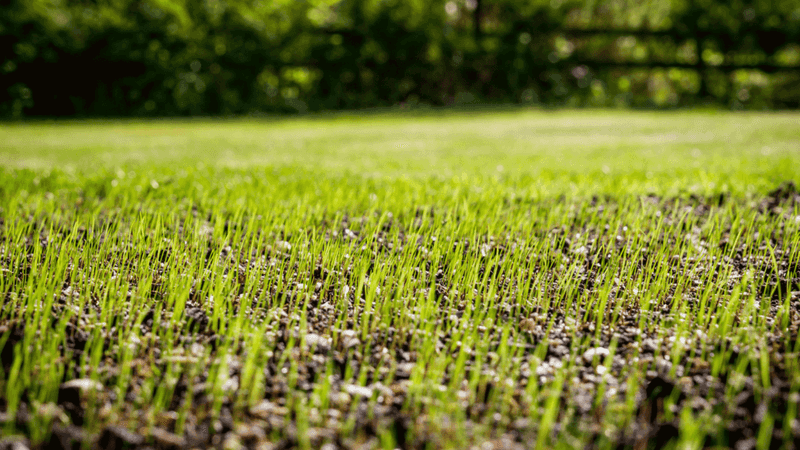
Seeds are a bit like guests who refuse to settle in until they feel comfortable. Toss them onto hard, unprepared ground and most of them will simply wash away or dry out.
Good soil contact is what turns seed into grass.
Start by getting to know your dirt. A soil test, done every three or four years, tells you the nutrient levels and pH.
Many soils lean acidic, so a soil test can show whether lime is needed to bring the pH into the ideal range for grass growth.
For the best seedbed, loosen the top layer of soil and work in an inch or two of compost along with any lime or fertilizer your test suggests. This softens the ground and helps grass root faster.
Clay-heavy soils, common around Richmond and Charlottesville, get packed down easily and block roots and water. Aeration fixes this by pulling small plugs of soil out, letting air, water, and nutrients slip down to the root zone.
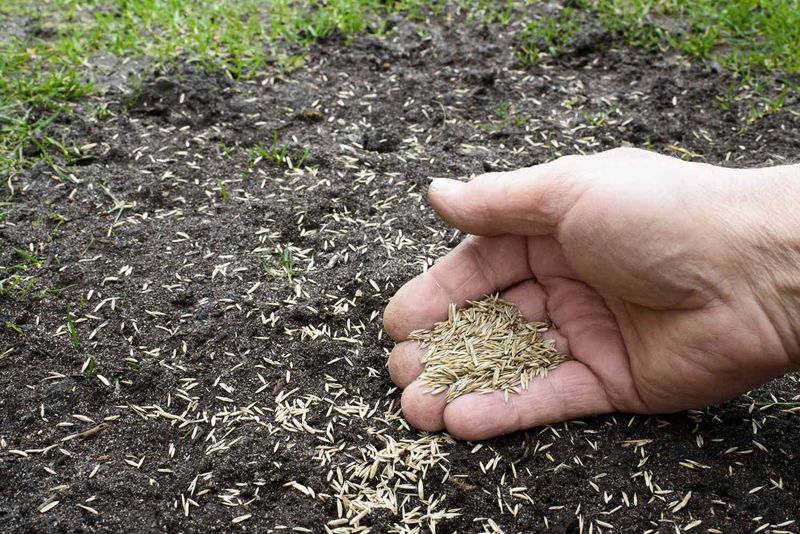
After aerating, lightly rake to create shallow grooves where seeds can nestle. Spreading seed in two crossing directions, then raking and rolling gently, presses it into firm contact with the soil.
Finish by scattering a thin layer of weed-free straw over about half to three-quarters of the area. That cover holds moisture, stops erosion, and keeps hungry birds from snacking on your investment.
Put in this prep work now, and your seedbed will reward you with even, healthy sprouting.
Keep New Grass Moist Through Fall
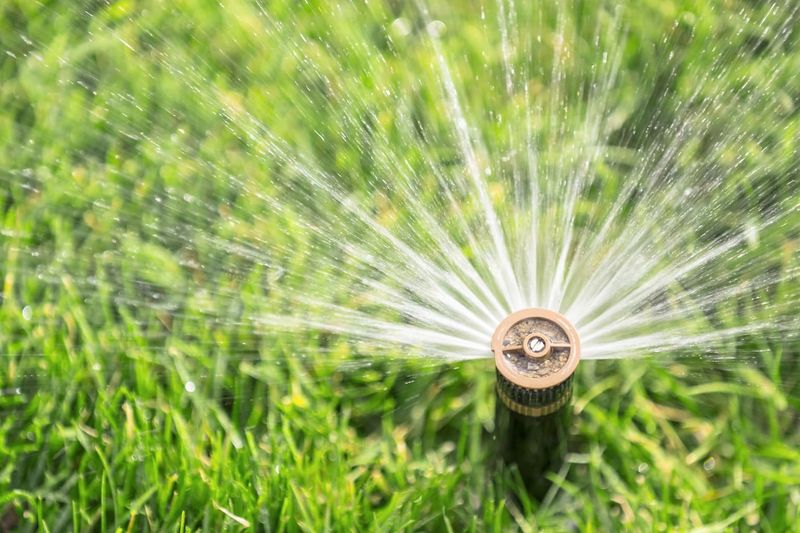
Water might be the single most important helper for new grass, especially in fall. Fresh seed needs steady dampness to sprout, but it also hates sitting in soggy mud, so finding the balance is the goal.
Right after seeding, give the bed a thorough but gentle soak. Skip the high-pressure blast that can float your seeds away, and aim to keep the top inch of soil damp rather than drenched.
During the first week or two while seeds germinate, light and frequent watering works best. Watering two or three times a day for short bursts of five to fifteen minutes keeps that surface layer moist and welcoming.
Keep an eye on the weather too. Hot, sunny, or windy afternoons dry out a seedbed fast, so you may need extra watering on those days to stop the surface from crusting over.
Once seedlings reach about two inches tall, start watering less often but more deeply. Deeper soaks pull the roots downward, building a lawn that handles dry spells far better.
Try not to overdo it. Constant sogginess robs roots of oxygen and can invite fungal trouble that slows everything down.
Continue watering newly seeded areas as needed through fall until cooler weather and natural rainfall provide enough moisture. That steady moisture gives your young lawn the hydration it needs to hold on through the cold and green up strong when spring returns.
Know When Late Seeding Still Works
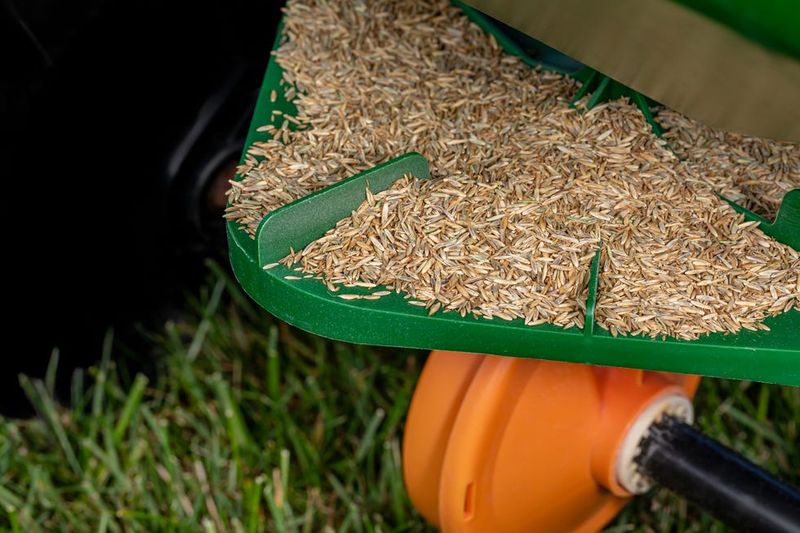
Missed the perfect early-fall window? Do not toss your seed bag just yet. Virginia gives homeowners a bit of wiggle room, and one clever method called dormant seeding can still get results.
While late September through mid-October is prime time, good outcomes have been noted as late as mid-October in Northern Virginia and up to October 15th in the southern and southeastern parts. In some years, warm soil even stretches the window into November.
Dormant seeding means spreading seed after conditions are too cold for immediate germination, allowing it to remain in place until spring conditions trigger growth. The seeds sit quietly and wait, then germinate early in spring as soon as the ground warms.
The payoff is a head start. Seeds already in place sprout sooner than anything you could plant in spring, giving young grass more time to root before summer heat and weeds arrive.
Winter’s freeze-and-thaw cycles even help work seed into the soil.
Keep your expectations realistic, though. Dormant seeding does not usually match the results of early fall planting, and there is a bigger risk of seed washing away, birds feeding, or seeds sprouting too soon during a warm spell.
Using a higher seeding rate helps make up for those losses.
If the timing feels too risky, waiting until spring, roughly late March through early May, may be more reliable. Just know that spring lawns often battle crabgrass and summer drought and need extra watering.
Avoid The Mistakes That Ruin Fall Seeding

Even careful homeowners can trip up when seeding, and a few common slip-ups can undo all your hard work. Knowing what to dodge saves you both money and frustration.
Timing tops the list of mistakes. Seeding during a late-summer heat wave stresses tiny seedlings, while going too late leaves no room for roots to grow.
Checking Virginia Cooperative Extension timing for your region keeps you on track.
Skipping soil prep is another big one. Broadcasting seed over hard, packed ground leads to poor contact and spotty growth, so aeration and raking really pay off in clay soils.
Cheap seed causes plenty of heartache too. Bargain bags often hide weed seeds and low germination rates, so always read the label and pick quality turf-type tall fescue.
Getting the amount right matters more than people think. Too much seed makes seedlings crowd and compete, leaving thin patches, while too little invites weeds into bare spots.
Aim for about three to four pounds per thousand square feet for overseeding, or four to six for a brand-new fescue lawn.
Watering wrong ruins results fast. New seed needs light, frequent moisture, but soggy soil suffocates roots.
Finally, go easy on early treatments. Most weed control products cannot be used until you have mowed the new lawn a couple of times, and heavy nitrogen fertilizer can burn young grass.
Choose a starter fertilizer instead, and your lawn will thank you with even, healthy growth.
Help New Grass Survive Winter
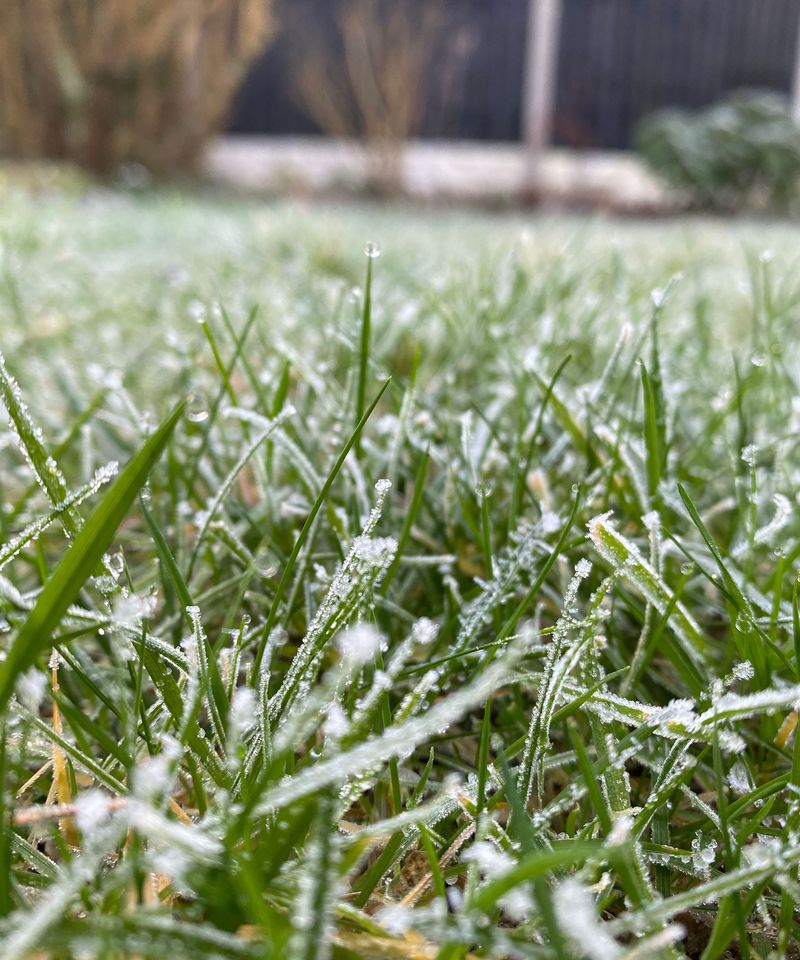
As chill deepens, your young grass needs a little extra care to make it through its first winter. A few smart steps now set the stage for a strong spring green-up.
Protection starts with mulch. A light layer of weed-free straw covering about half to three-quarters of the area holds moisture, insulates seeds, and keeps birds from feasting on erosion-prone slopes.
Mowing plays a bigger role than you might guess. Begin cutting when the grass grows about one-third taller than your target height, so a three-inch lawn gets its first mow around four inches.
Always use a sharp blade for a clean cut that keeps young plants healthy.
For the final mow of the year, keep fescue at a moderate height, usually around 2.5 to 3.5 inches, to help it handle winter conditions.
Reducing stress is just as important as trimming. Keep foot traffic off frosted or frozen grass, since walking on it can bruise and thin those tender blades.
Rake up fallen leaves too, because a heavy leaf blanket smothers grass, traps dampness, and blocks sunlight.
Feeding rounds out the plan. Virginia Cooperative Extension suggests fall nitrogen in September, October, and November to boost roots, thicken the turf, and store energy for spring.
Start seedlings on a gentle starter fertilizer, then follow with careful feedings, but never spread fertilizer on frozen ground.
Handle these final touches, and your new lawn will be ready to burst back to life once warmer days return.