How Michigan Gardeners Can Prepare Bird Feeders For Fall Migration
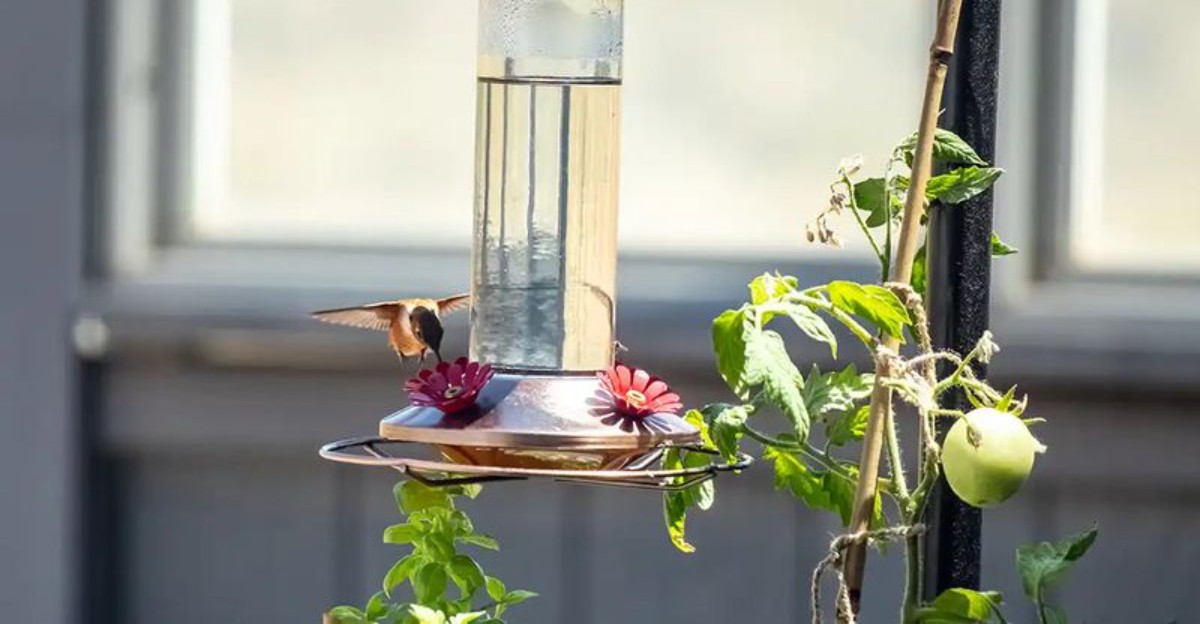
Fall migration brings a noticeable increase in bird activity across Michigan, and a few thoughtful adjustments to feeder setup can make a yard far more appealing to birds passing through.
Offering a variety of food types, from seeds to suet, helps attract a wider range of migrating species with different nutritional needs during their long journey.
Regular cleaning becomes especially important during this busy season, since higher feeder traffic increases the risk of disease spreading among the larger number of birds stopping by.
Positioning feeders near natural cover also gives migrating birds a safe place to retreat to between feeding visits. A little preparation now can turn a Michigan yard into a valuable rest stop for birds making their way south this fall.
1. Clean Feeders Before Migration Peaks
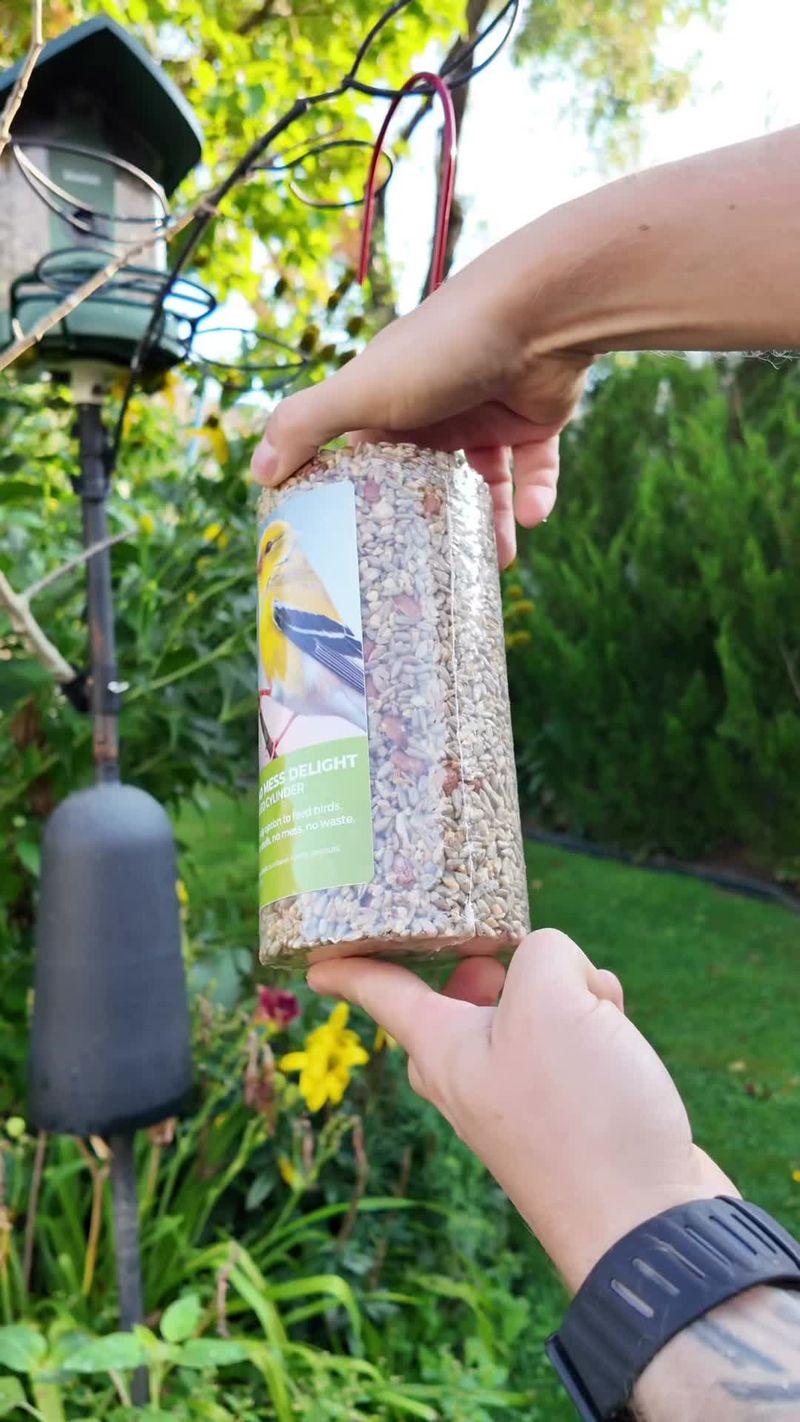
Before the crowds show up, give every feeder a good scrub. Fall migration means more birds sharing the same perches, and that closeness can spread germs fast if the feeder is dirty.
Old seed hulls, droppings, and leftover crumbs build up in corners you might not notice. A simple wash with warm, soapy water followed by a rinse of one part vinegar to nine parts water helps clear away hidden grime.
Let each feeder dry completely before you fill it again, since damp corners invite trouble. Make cleaning a habit rather than a one-time chore.
Aim to wash your feeders every one to two weeks during busy periods, and more often if you see many visitors crowding around. Pay close attention to seed trays and the little ports where birds tuck their beaks.
Take apart feeders that come in pieces so you can reach every hidden spot. A small bottle brush works wonders for tube feeders, while a stiff scrub brush handles platform styles.
Fresh, clean feeders protect the whole flock, not just one bird. When you keep surfaces tidy, you lower the chance of passing illness among the many species stopping by your yard.
Wear gloves while you work and wash your hands afterward. A clean setup shows real care for the wildlife you love, and the birds reward you by returning again and again. Starting the season with spotless feeders sets a healthy tone for every guest that lands.
2. Put Out Fresh, High-Quality Seed
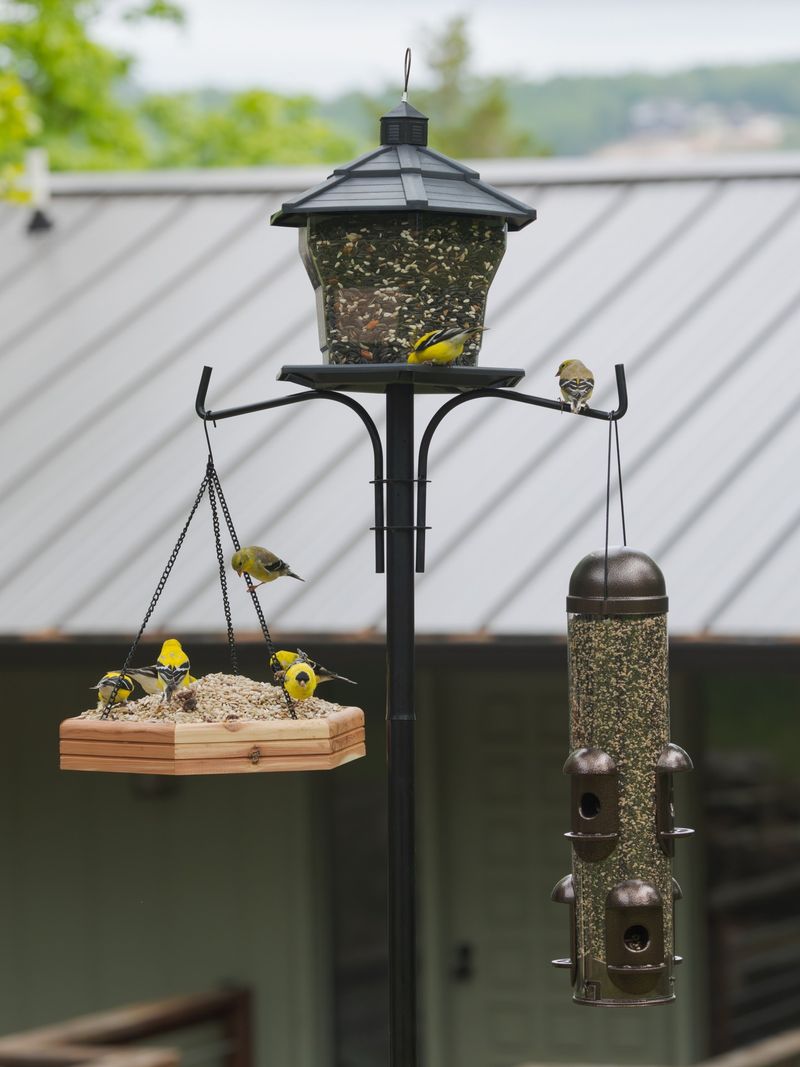
Migrating birds burn huge amounts of energy, so the food you offer really matters. Fresh, high-quality seed gives them the fuel they need to keep flying strong.
Cheap mixes often hide filler seeds that most birds ignore, leaving piles of waste under your feeder. Instead, reach for black oil sunflower seeds, which almost every visitor loves. Nyjer, safflower, and shelled peanuts also draw a happy crowd.
Storage makes a big difference too. Keep your seed in a sealed container somewhere cool and dry, away from moisture and hungry rodents. Seed that sits in a damp bag can grow mold, and moldy food can make birds sick.
Check your feeders often and toss out anything wet, clumpy, or fuzzy looking. If the seed smells off or feels sticky, it belongs in the trash rather than the feeder.
Your Michigan Garden Changes Every Week. Your Plan Should Too.
Gardening in Michigan changes quickly throughout the season. Every Friday you’ll receive a simple weekly plan showing exactly what to plant, prune, fertilize, harvest, and protect so you never miss the right timing.
Rain and morning dew can spoil food quickly during Michigan’s changeable fall weather. Filling feeders in smaller amounts helps you avoid waste, since the seed gets eaten before it has time to turn.
Buy from a store with good turnover so your seed is fresh from the start. Older bags may look fine but lose nutrition and flavor over time.
Think of your feeder as a snack bar for weary travelers. When the menu stays clean and tasty, more birds stop by, and they leave with the energy to continue their trip. A little care with seed quality goes a long way toward a lively, healthy yard.
3. Offer Different Foods For Different Birds
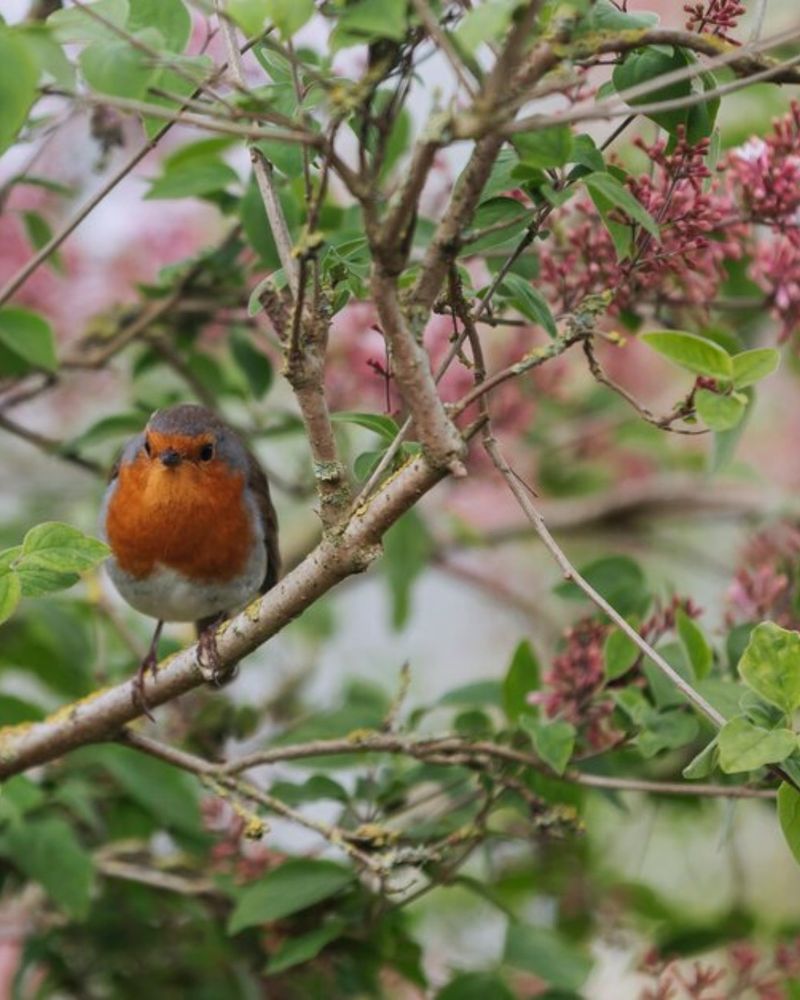
Not every bird likes the same meal, and that is where the fun begins. By setting out a few kinds of food, you can welcome a much wider mix of feathered guests to your Michigan yard.
Finches go wild for tiny nyjer seeds served in a mesh or tube feeder. Woodpeckers, nuthatches, and chickadees flock to suet cakes packed with fat and energy. Cardinals and grosbeaks crack open sunflower and safflower seeds with ease.
Ground feeders like juncos and sparrows prefer to peck at spilled seed or food placed on a low platform. Offering a scattered handful gives them a spot of their own.
Peanuts, either shelled or in the shell, bring in jays and titmice who enjoy the hearty crunch. During migration, this variety helps travelers refuel no matter what their favorite food happens to be.
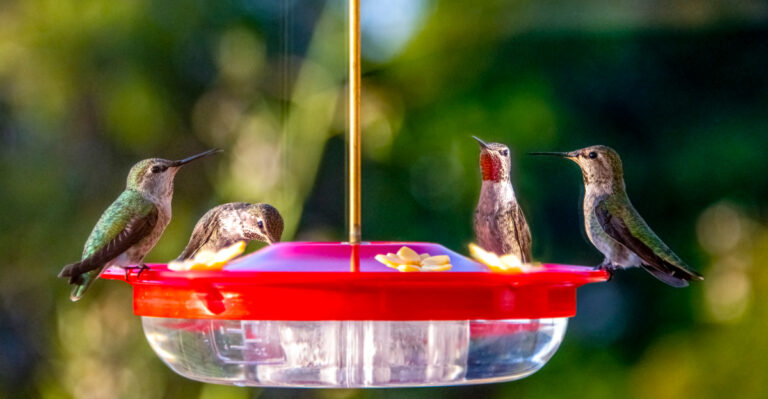
Mixing feeder styles also spreads birds out, so no single spot gets too crowded. Fewer traffic jams mean less squabbling and lower risk of spreading germs.
Try placing feeders at different heights around your yard. Some birds like to eat up high in the trees, while others feel safer closer to the ground.
Watching who shows up for each dish turns your backyard into a living guidebook. Keep a small notebook nearby and jot down the visitors you spot.
The more choices you provide, the richer and busier your fall show becomes. A varied menu turns an ordinary yard into a favorite stop along the migration highway.
4. Keep Feeders Away From Easy Predator Ambushes
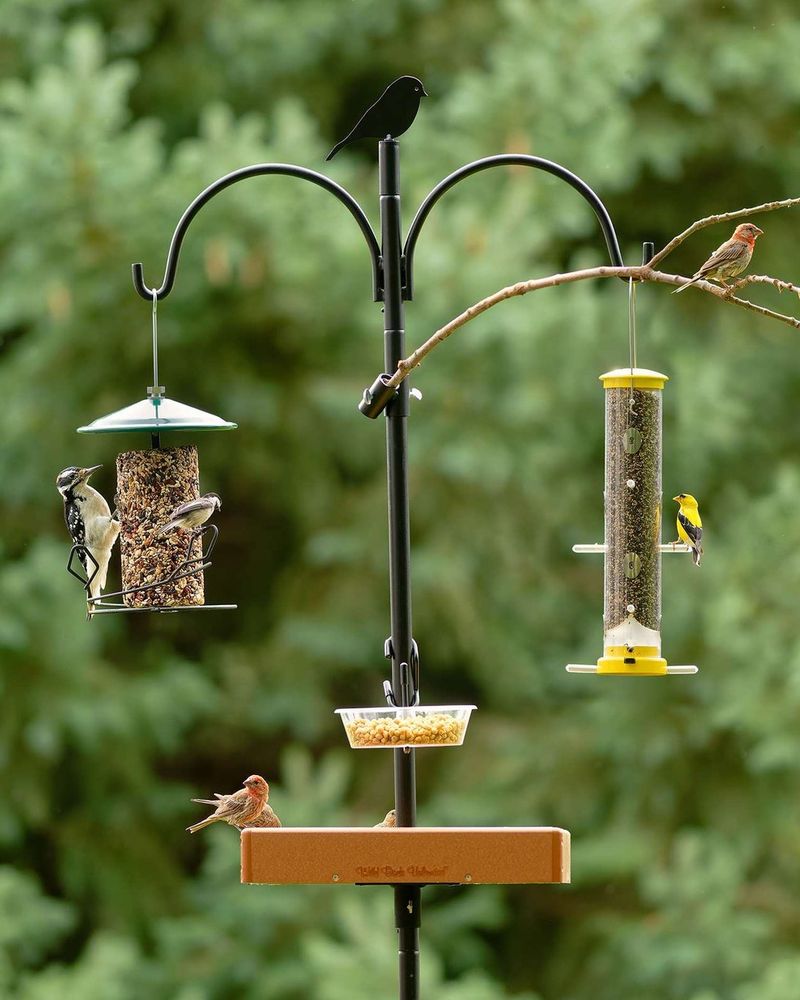
Where you hang a feeder can shape how safe your visitors feel. Smart placement gives birds a fair chance to spot danger and dart to safety when they need to.
Cats and hawks often wait near feeders, hoping for an easy meal. Keep feeders where birds have nearby cover but where cats cannot easily hide and ambush them, and keep pet cats indoors.
Still, birds like having some cover close enough to reach in a hurry. A tree or bush a short flight away gives them a place to duck when a hawk swoops by.
Open lawn right beneath the feeder leaves cats nowhere to sneak up. Meanwhile, that friendly branch nearby offers a quick escape route in the other direction.
Raising feeders on a pole with a baffle keeps climbing critters from reaching the seed. Squirrels and cats both find smooth metal poles tricky to conquer.
If you own a cat, keeping it indoors during busy migration weeks protects the many birds passing through. Even a well-fed pet will chase birds out of instinct.
Watch your yard for a few days to learn where predators lurk. Small changes in feeder spots can make a big difference in how relaxed your birds behave.
Balancing safety with shelter takes a little tinkering, but the payoff is a calmer, busier feeding station. When birds trust your yard, they linger longer and return more often on their long trip south.
5. Keep Feeders Clean And Dry
Michigan falls come with plenty of rain, and wet weather is no friend to birdseed. Moisture is the fastest way to turn a fresh feeder into a moldy mess.
When seed gets soaked, it clumps together and starts to rot within a day or two. Mold spores can then spread illness to the very birds you hope to help.
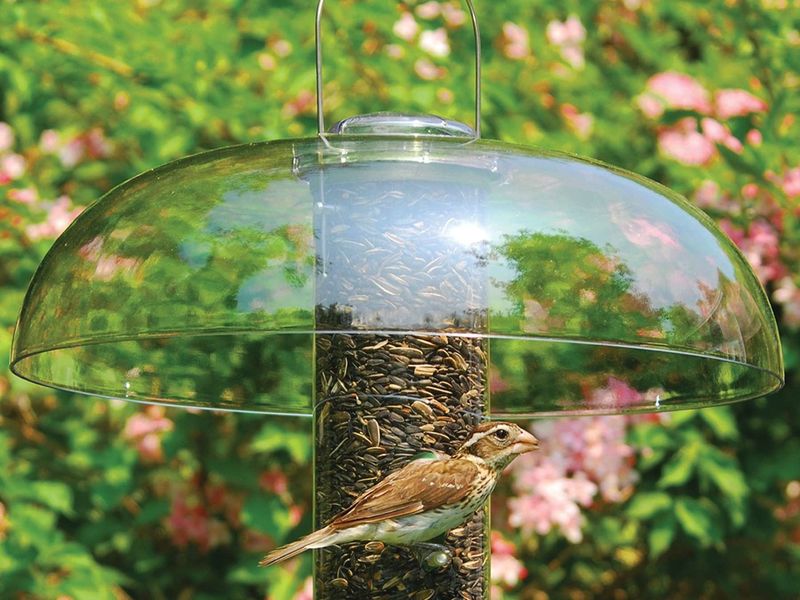
Choosing feeders with a roof or wide dome shields the food from falling rain. A little overhang keeps most of the seed dry even during a passing shower.
Drainage matters too. Feeders with tiny holes in the bottom let water escape instead of pooling around the seed.
After a heavy storm, take a peek inside and dump any soggy leftovers. It only takes a minute, and it saves your visitors from a spoiled snack.
Hang feeders under an eave, a porch, or a leafy branch for extra protection. A sheltered spot means less cleanup and fresher food all week long.
Fill feeders with smaller amounts when rain is in the forecast. That way the seed gets eaten before dampness has a chance to ruin it.
Wiping down perches and trays between refills keeps sticky residue from building up. Dry, clean surfaces stay healthier for the crowds that gather.
A dry feeder is a happy feeder, and happy feeders draw steady traffic. With a few weatherproof habits, you keep the buffet fresh no matter what the Michigan sky decides to do.
6. Provide A Reliable Water Source
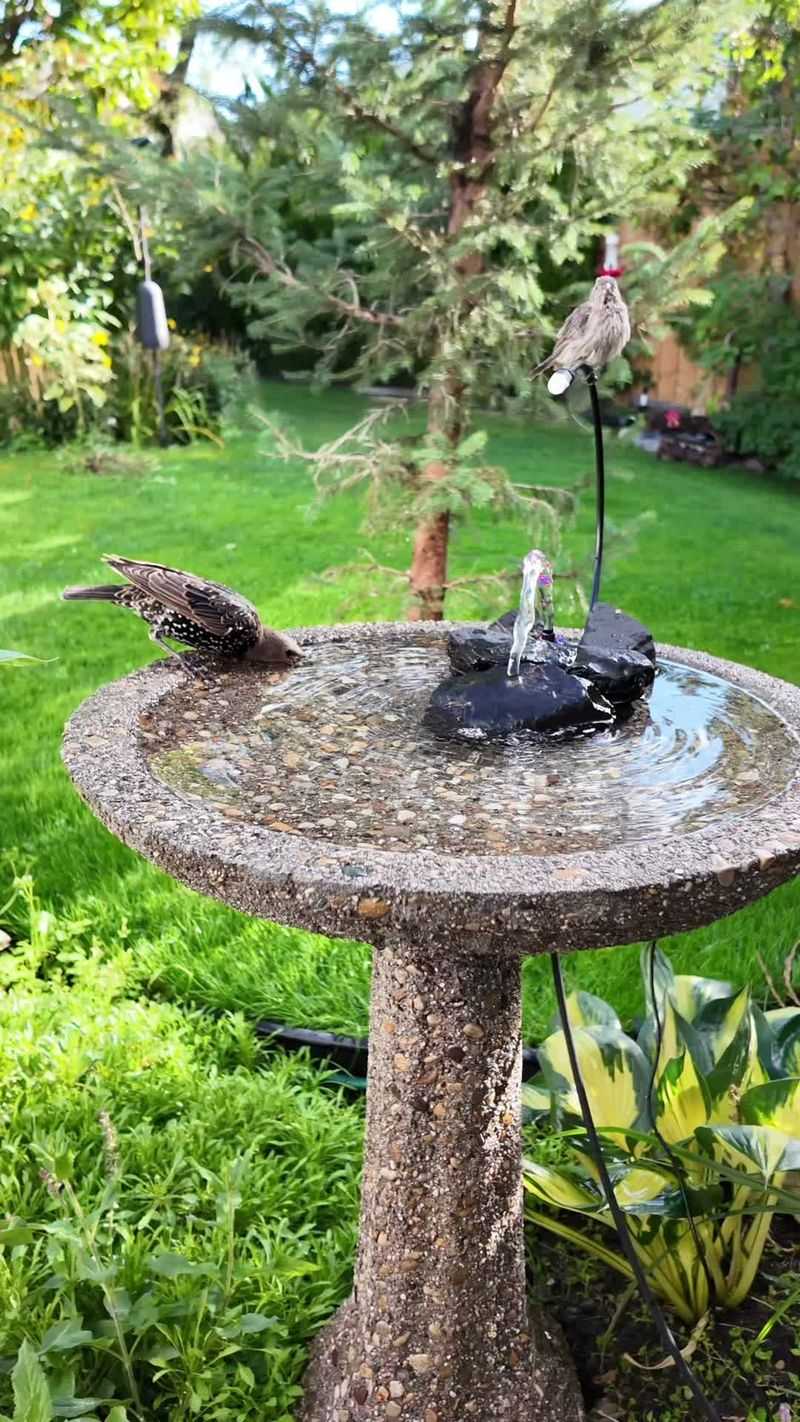
Food gets most of the attention, but water can be just as powerful a magnet. A clean, shallow birdbath often draws more visitors than any feeder in the yard.
Migrating birds get thirsty and dusty along the way, and a fresh drink helps them keep going. Bathing also keeps their feathers in top shape for smooth, efficient flying.
Shallow water works best, since most birds like to wade rather than swim. Aim for a depth of about one to two inches, and add a few stones so smaller birds can perch.
Standing water grows algae and germs quickly, so a regular refresh is key. Dump and rinse the bath every couple of days, and scrub it clean once a week.
Placing the bath in a bit of shade slows down evaporation and keeps the water cooler. A spot near shrubs gives bathing birds a safe place to dry off.
During cold snaps, a small heater keeps the water from freezing over. Open water in chilly weather becomes a real treasure for late travelers.
Move the bath a little each season to keep the ground beneath it from getting muddy. Fresh footing keeps the area tidy and inviting.
The gentle sound of dripping water pulls birds in from surprising distances. Adding a simple dripper or fountain turns your bath into an irresistible stop.
Pair clean water with good food, and your yard becomes a full-service rest area birds remember and revisit throughout their journey.
7. Watch For Signs Of Sick Birds
Paying attention to your visitors is part of being a caring host. A quick daily glance can tell you a lot about how the flock is doing.
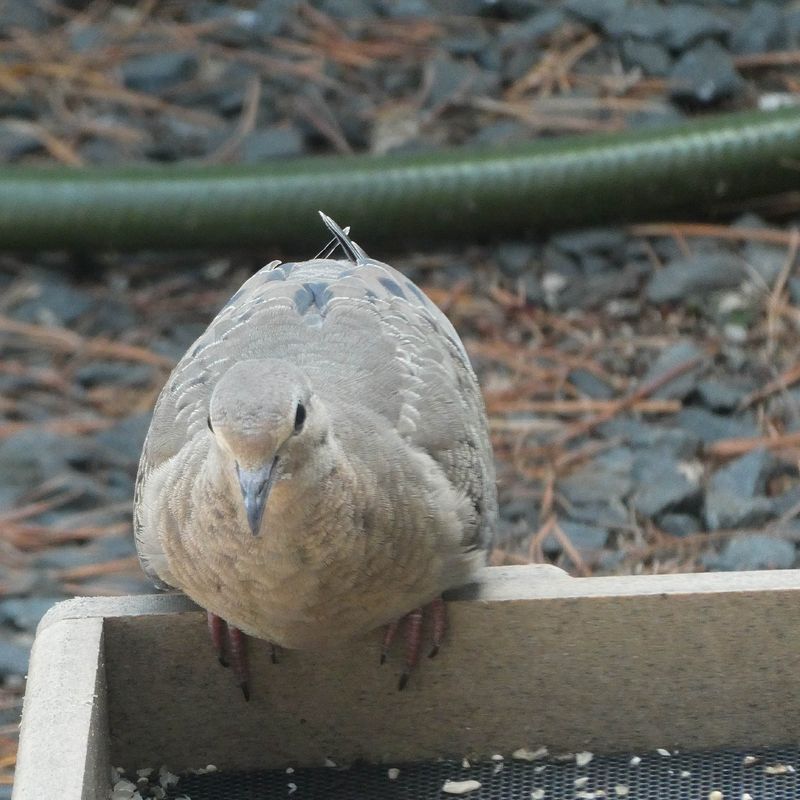
Sick birds often look puffed up, move slowly, or sit with their eyes half closed. Some may seem too weak to fly off when others scatter.
Crusty or swollen eyes are a warning sign worth taking seriously. If you spot several birds showing these troubles, it may point to an illness spreading at the feeder.
Crowded feeders can pass germs from one bird to the next in a hurry. Keeping surfaces clean lowers the risk, but staying alert matters too.
Michigan wildlife groups sometimes ask people to take feeders down for a while when an outbreak happens. Following that advice helps stop illness from spreading among the wider bird community.
Check trusted sources like the Michigan Department of Natural Resources for current guidance. A short break from feeding gives the flock time to recover and disperse.
When you do pause feeding, give every feeder a deep scrub before hanging it out again. Fresh, sanitized surfaces welcome birds back safely.
Report unusual patterns to local wildlife officials if you notice many struggling birds. Your observations can help experts track and manage problems early.
Being watchful does not mean worrying constantly. It simply means noticing changes and acting kindly when something seems off.
A responsible feeder keeper protects not just backyard guests but the greater flyway. Small, thoughtful choices ripple outward to help birds everywhere.
8. Keep Natural Food Sources In The Yard
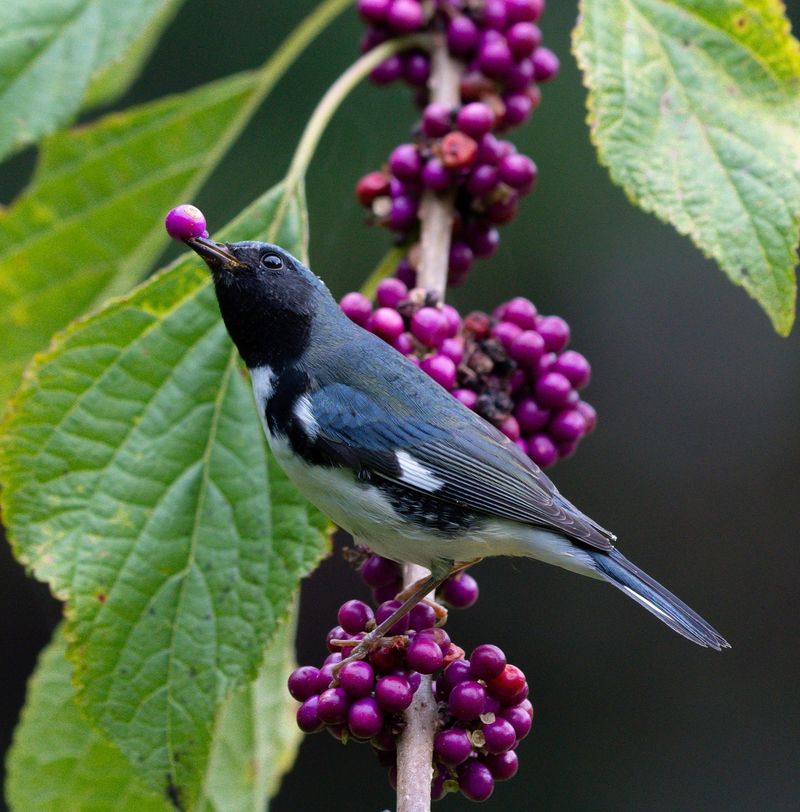
Feeders are wonderful, but they work best when nature lends a hand. Native plants turn your whole yard into a natural pantry for hungry travelers.
Shrubs like serviceberry, dogwood, and viburnum offer berries that fuel long flights. Coneflowers, sunflowers, and asters leave behind seed heads birds love to pick clean.
Leaving those spent flower stalks standing through fall gives finches and sparrows a free meal. Resist the urge to tidy every last plant before the season ends.
Native plants also host insects, and many birds rely on bugs for protein during migration. A yard buzzing with small critters keeps warblers and wrens well fed.
These wild foods spread out naturally, so birds do not have to crowd around one busy feeder. That extra space helps lower the chance of spreading germs.
Michigan natives are built for the local climate, which means they need less fuss and watering. Once established, they reward you year after year with little effort.
Planting a mix of shrubs, flowers, and grasses gives birds choices at every level of your yard. Layered plantings mimic the wild spaces travelers already know.
Feeders should top off what nature provides rather than take its place. Think of your feeder as dessert and the garden as the main course.
Adding just a few native species this season sets the stage for busier falls ahead. Over time, your yard grows into a true haven that birds seek out on their long journeys south.