Grass Seed Sitting On Top Of Your Ohio Lawn? Here’s Why It May Never Become Grass
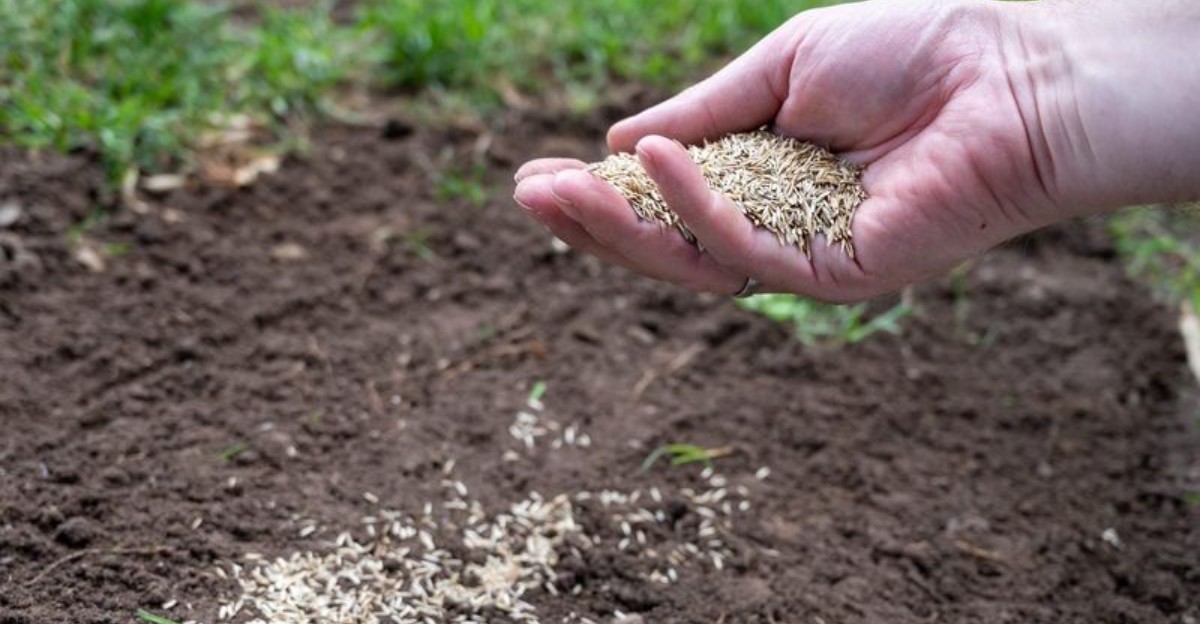
Your lawn has bare patches, so you spread grass seed across the top and figured the rest would take care of itself. Weeks later, those same patches still look bare, with seed still sitting right where you scattered it, doing absolutely nothing.
That seed was probably never going to grow, no matter how much water or patience got thrown at it.
Grass seed needs direct contact with soil to germinate, and seed resting on top of compacted dirt, thatch, or existing turf usually just sits there until birds eat it or it washes away in the next hard rain.
Skip the step that gets seed down into actual soil, and the whole effort amounts to nothing more than expensive bird feed. Ohio’s fall seeding window is narrow enough already without wasting it on a technique that was never going to work.
What’s actually happening underneath that untouched seed explains exactly where the process went wrong.
Fix Seed Contact For Better Lawn Growth
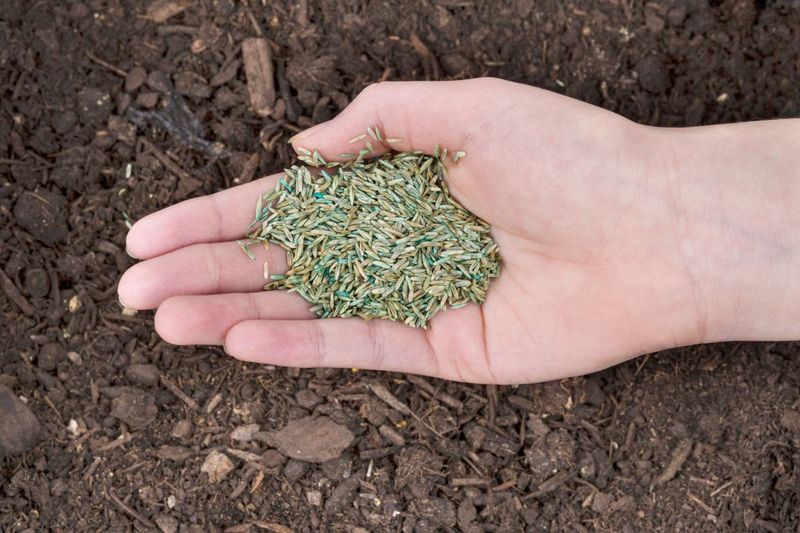
Picture a seed as a tiny sponge that can only drink when it is touching something wet. Resting on hard, dry ground, it has nothing to sip from.
Seed-to-soil contact is the single biggest factor in whether your seeding works. When a seed sits loose on the surface, air pockets surround it and moisture escapes fast.
The seed may swell after a rain, then shrink again by lunchtime, and that back-and-forth wears it out.
Pressing seed into the top layer of soil changes everything. A lawn roller filled about a third with water works well, and so does walking the area with flat-soled shoes on a small patch.
Even dragging the back of a leaf rake helps settle seed into the crumbs of loose soil.
Aim to nestle seed about an eighth to a quarter inch down, not buried deeper. Anything below that struggles to push a shoot up to daylight before its stored energy runs low.
Ohio clay soil compacts easily, so loosen the surface first with a rake or core aerator. Seeds dropped into aeration holes get a snug pocket with moisture on all sides.
Do that one step properly and germination often speeds up by several days.
Stop Letting Grass Seed Sit Exposed
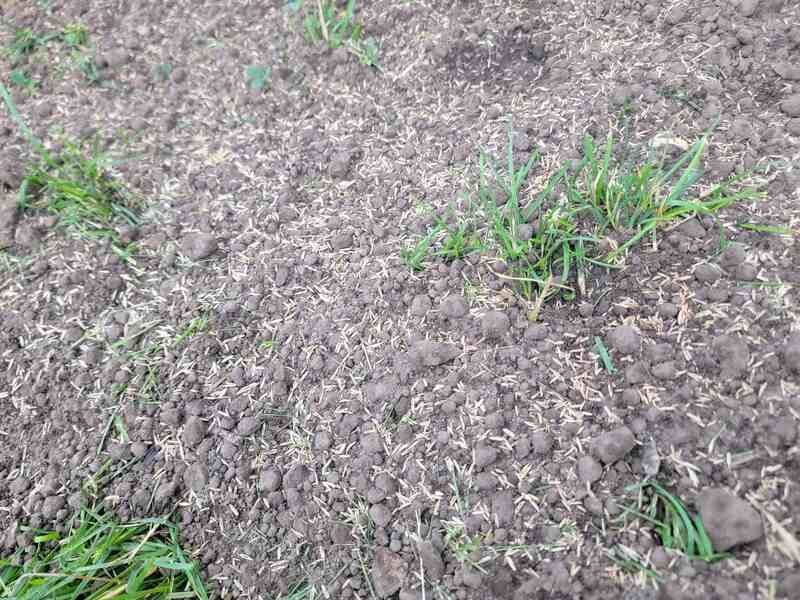
Sparrows and starlings can spot fresh seed from surprising distances. A bare, freshly spread patch is basically a bird feeder with no roof.
Exposed seed faces trouble from several directions at once. Birds and chipmunks help themselves, wind rolls lightweight seed into corners, and a heavy Ohio downpour can float everything into one soggy clump at the bottom of a slope.
Sun is the quiet troublemaker. Bare seed sitting on warm soil can dry out within hours on a breezy September afternoon, and once a seed has started swelling, that dry spell sets it back hard.
You will also notice uneven results later. The spots that keep their seed grow thick, while the wind-swept edges stay thin, which makes the whole lawn look patchy through the following spring.
Your Ohio Garden Changes Every Week. Your Plan Should Too.
Gardening in Ohio changes quickly throughout the season. Every Friday you’ll receive a simple weekly plan showing exactly what to plant, prune, fertilize, harvest, and protect so you never miss the right timing.
Simple fixes go a long way here. Rake lightly after spreading, add a thin protective layer, and avoid seeding right before a forecast of pounding rain.
For slopes, a biodegradable seed blanket pinned with landscape staples holds everything in place while letting light and water through.
Think of it as giving your investment a seatbelt. Seed costs money, and a few minutes of protection keeps most of it where you put it.
Give Seeds The Soil Connection They Need
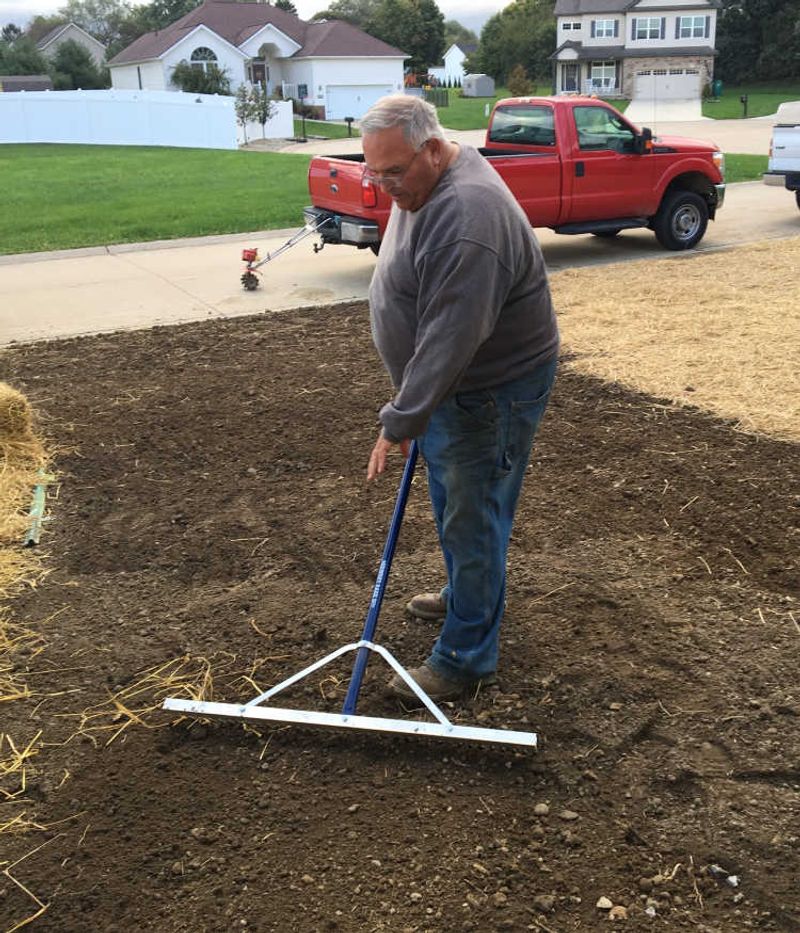
Loose, crumbly soil is the difference between a seed that sprouts and a seed that waits forever. Hard, glazed clay gives roots nowhere to go.
Water is the trigger that wakes a seed up, and that water has to arrive steadily through direct soil contact. A seed touching damp crumbs on several sides absorbs moisture evenly and begins pushing out a root within days.
Ohio yards often carry heavy clay that packs down under mowers, kids, and winter freeze cycles. Scratching the surface with a stiff rake, running a core aerator, or working in a half inch of compost opens that surface up.
A soil test through your county extension office is worth the small fee. It tells you the pH and what nutrients are short, and cool-season grasses prefer a pH somewhere around 6.0 to 7.0.
Compost does double duty in clay. It loosens the structure so roots can travel, and it holds moisture near the seed during dry stretches.
Skip the temptation to dump thick topsoil over everything. A thin, well-mixed layer blends with what is already there, while a heavy cap creates a shelf that roots have trouble crossing.
Prepared ground quietly does most of the work for you.
Cover Bare Seed Before It Fails
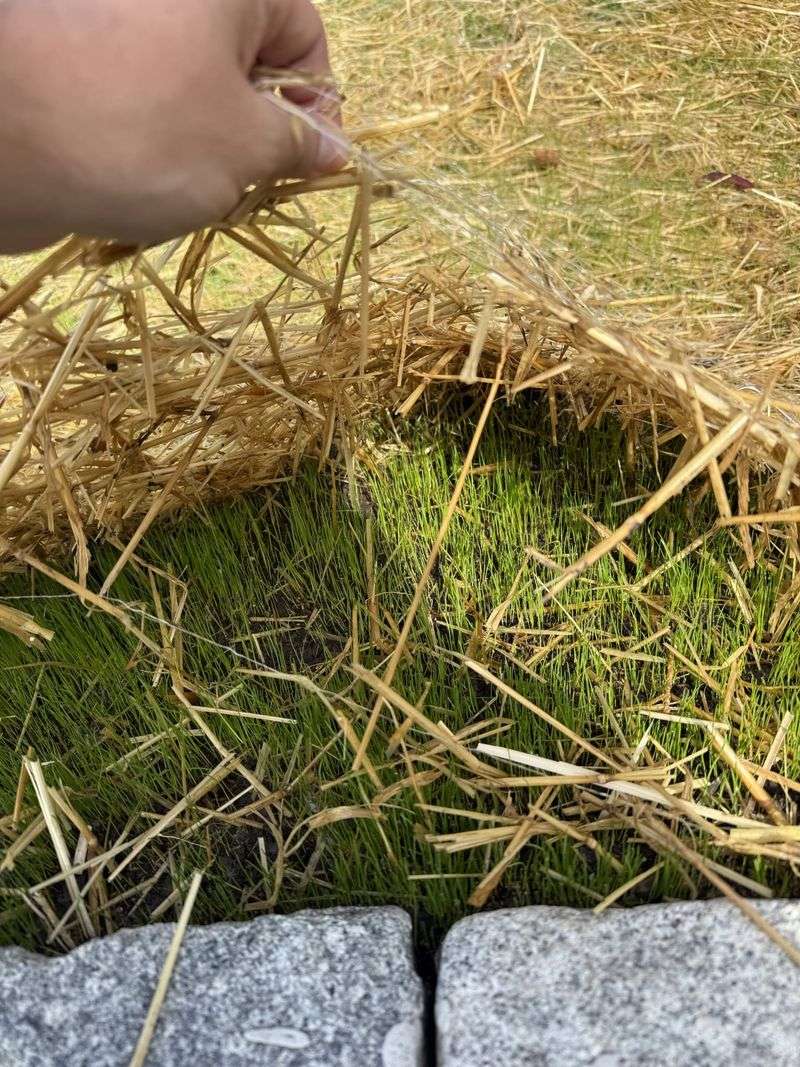
A light blanket over fresh seed does more than you would guess. It shades, it holds humidity, and it hides dinner from the birds.
Clean straw is the old standby, and the trick is going thin enough that you can still see soil through it. Roughly seventy to eighty percent coverage is plenty, since a thick mat blocks light and traps too much dampness.
Compost or screened topsoil sifted over the area at about a quarter inch works beautifully too. It settles into contact with the seed, feeds the seedlings a little, and disappears on its own as the grass fills in.
Seed blankets and erosion netting shine on hillsides and along ditches. Staple them down snugly and they hold seed through storms that would otherwise send it downhill.
Peat moss is another option, though it can crust over if it dries out hard, so keep an eye on it during warm spells.
Watch out for straw that came from a weedy field, because you may plant a crop you did not order. Certified weed-free straw or chopped straw pellets solve that headache.
Once seedlings stand an inch or two tall, straw can stay put and break down naturally.
Improve Germination With Proper Seeding
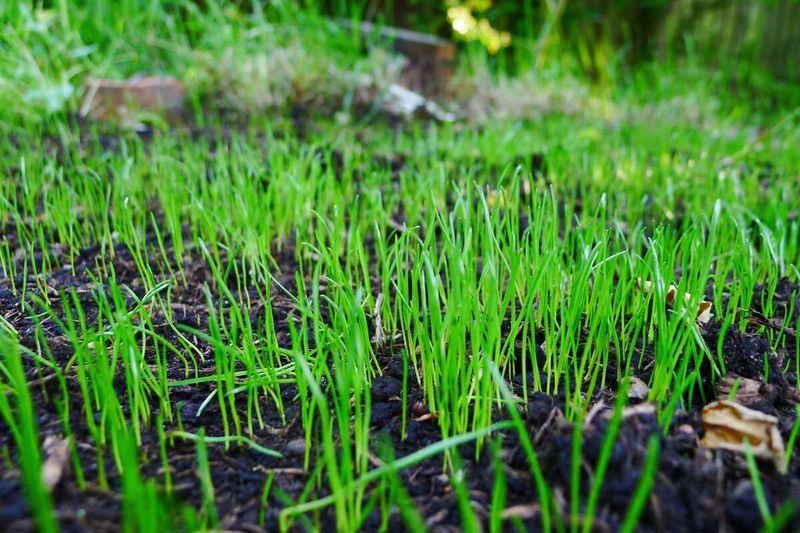
Timing is the secret weapon nobody brags about. Late summer into early fall is prime seeding season across Ohio, and the calendar matters more than the brand of seed.
Kentucky bluegrass does best when sown around late August into early September, while tall fescue and perennial ryegrass handle a bit later in the month. Soil temperatures near 50 to 65 degrees are the sweet spot for sprouting.
Cool nights and warm soil are a winning combination. Seedlings grow without heat stress, and summer weeds have already run out of steam, so young grass faces far less competition.
Even spreading matters just as much. A broadcast or drop spreader set to half the recommended rate, applied in two passes at right angles, gives much better coverage than one heavy sweep.
Rake seed in gently so it lands no deeper than a quarter inch. Buried too far and the shoot uses up its energy before reaching daylight.
Hold off on weed and feed products, since the herbicide in them can shut down germination right alongside the weeds. A starter fertilizer with phosphorus is the better companion.
Get the season, the rate, and the depth right, and the seed handles the rest.
Avoid These Common Ohio Lawn Mistakes
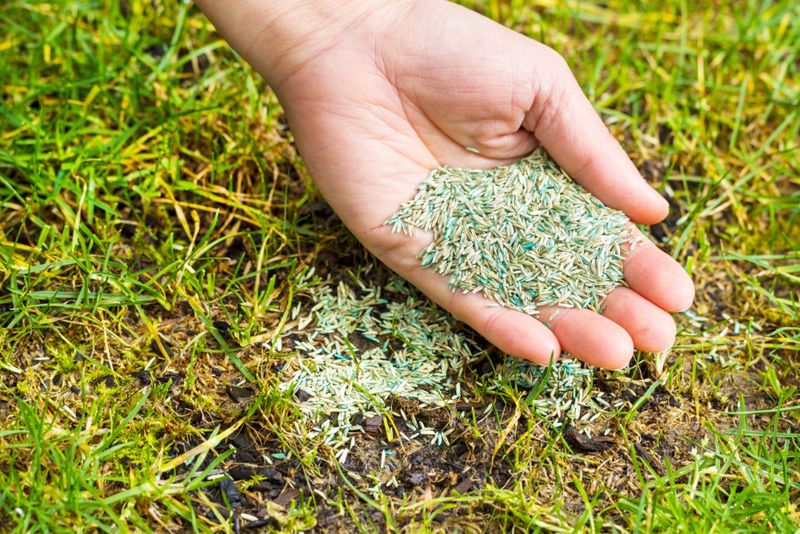
Most seeding letdowns trace back to a handful of repeat offenders. Recognizing them saves you a second bag of seed and a lot of grumbling.
Spring seeding tops the list. Cool, soggy April soil slows sprouting, and the seedlings that do appear often enter summer heat before they have developed the deeper root systems they need.
Skipping soil prep is another classic. Tossing seed onto compacted clay or a thatch layer means most of it settles on top of debris instead of soil.
Then there is the burial problem. Raking too aggressively or piling on three inches of mulch smothers seed that only needed a whisper of cover.
Combination weed and feed products applied around seeding time quietly suppress germination. Read the label and wait the recommended weeks before or after.
Inconsistent watering ruins more seedings than any pest. Letting the surface bake dry once during germination can undo a week of progress.
Mowing too soon also causes damage. Wait until new grass reaches about three inches, use a sharp blade, and take off only the top third.
Last one: buying bargain seed loaded with filler and annual ryegrass. Check the tag for germination percentage and weed seed content before you pay.
Help New Grass Roots Grow Strong
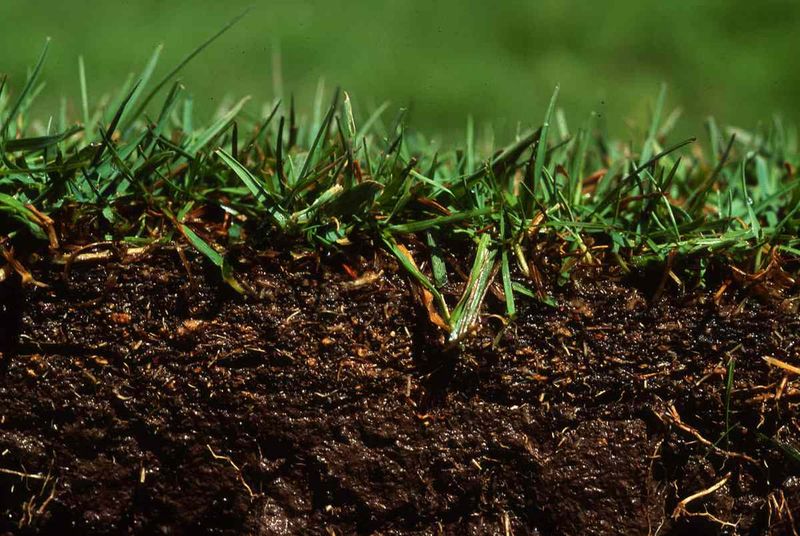
What happens under the surface decides how your lawn handles next August. Roots are the part nobody photographs and everybody depends on.
During the first ten to twenty-eight days, keep the soil steadily damp without turning it into a swamp. Waterlogged ground pushes out air, and roots need oxygen just as much as moisture.
Once seedlings are up and growing, start stretching the time between waterings. Longer, deeper soakings train roots to chase moisture downward instead of loitering near the surface.
By six to eight weeks, watering two or three times a week with a good soak beats a daily sprinkle. Deep roots are what carry a lawn through Ohio’s hot, dry stretches.
Give the new area a break from traffic. Kids, dogs, and wheelbarrows compact soft soil and snap fragile seedlings before they anchor themselves.
Organic matter worked in ahead of seeding pays off here. Compost holds water, feeds soil life, and keeps clay from squeezing roots into a tight ribbon.
A starter fertilizer around four to six weeks after emergence supports steady development. Look for one built for new seedings rather than a heavy nitrogen blend.
Strong roots now mean less patching later.
Protect Fresh Seed From Drying Out
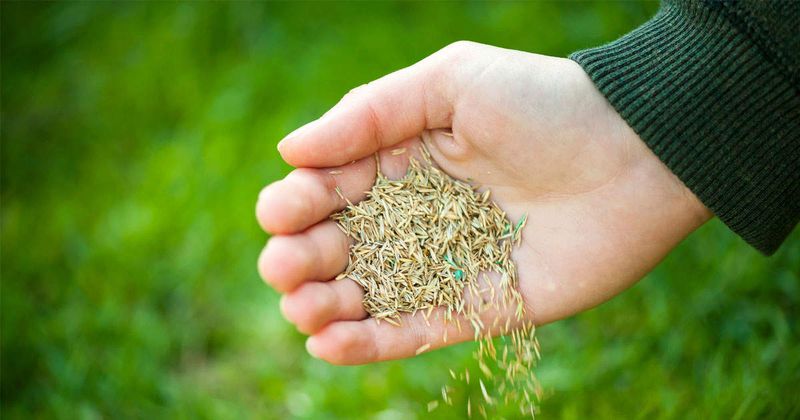
Here is the rule that trips up almost everyone: once a seed starts absorbing water, it cannot pause and try again later. Drying out mid-sprout ends the run.
Light and frequent is the watering rhythm you want early on. Use short, frequent watering cycles that keep the top layer consistently moist without creating runoff.
Runoff is your signal to stop. Water pooling or streaming downhill carries seed with it and wastes everything you just spread.
Hot, sunny, or windy days call for an extra short session in the afternoon. Straw or compost cover cuts evaporation and buys you breathing room if you get busy.
Check by pressing a finger into the soil rather than guessing from the doorway. Cool and damp is right, crusty and pale means you waited too long.
A cheap oscillating sprinkler on a hose timer removes the human error factor. Set it and stop worrying about weekend plans.
As seedlings reach an inch tall, shift toward fewer, heavier waterings. Constant surface moisture past that point invites fungal problems in humid Ohio weather.
Consistency during those first two weeks matters more than anything else you do.
Turn Scattered Seeds Into A Thriving Lawn
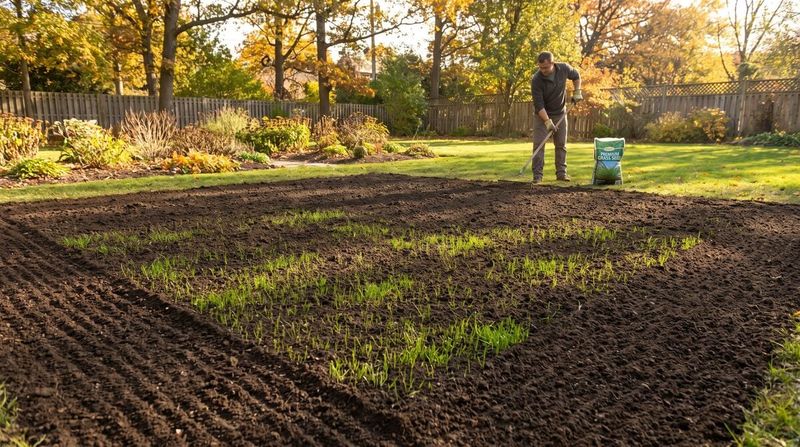
Every thick lawn you admire on your street started as a scattering of specks that somebody looked after. The difference is follow-through, not luck.
Stack the steps in order and the odds swing your way. Test and loosen the soil, seed in that late-summer window, press seed into contact, cover lightly, and water with a steady hand.
Patience belongs on the list too. Perennial ryegrass may show up in five to seven days, tall fescue takes seven to fourteen, and Kentucky bluegrass can keep you waiting three weeks or more.
Mixed blends sprout at different speeds, so a patchy look early on is normal. Give the slow ones time before you assume something went wrong.
Hold off on broadleaf weed control until the new grass has been mowed three or four times. Young blades are far more sensitive than established turf.
Fall seeding also sets you up for a strong spring, since roots keep developing in cool soil long after the top growth slows.
Fun bit of trivia: a single healthy grass plant can grow hundreds of feet of roots over a season. All that from a speck smaller than a grain of rice.