Why Boxelder Bugs Swarm Ohio Houses In October And How To Keep Them Out
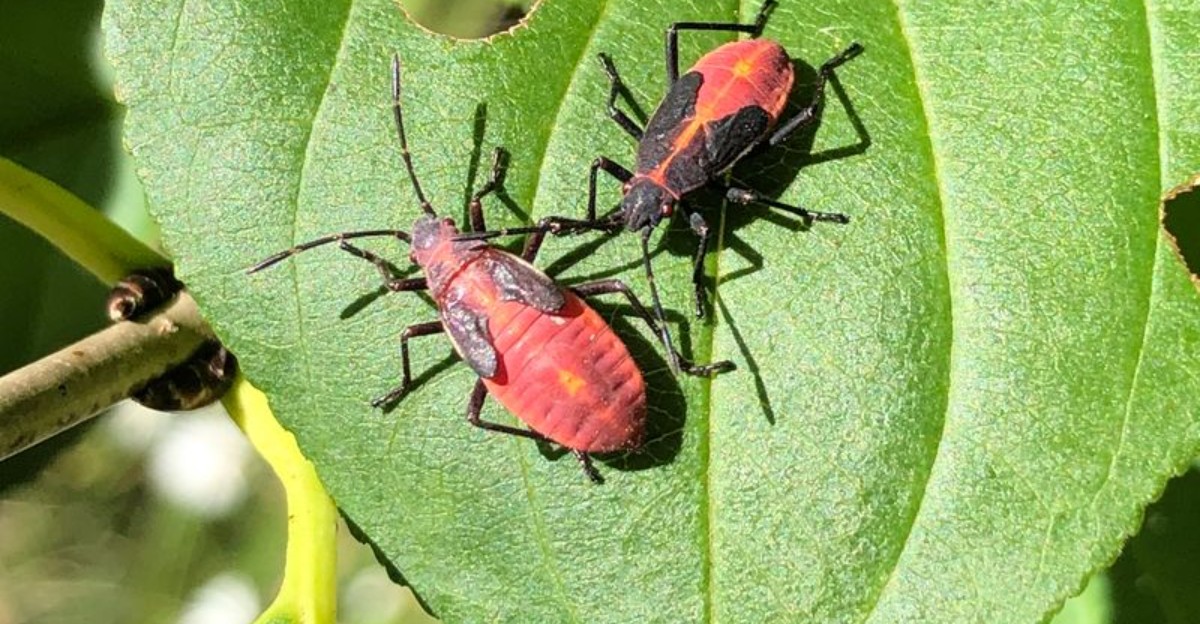
Red-and-black freeloaders are crashing the party again, and your sunny south wall is the guest of honor.
Every October, boxelder bugs show up in Ohio like clockwork. They blanket siding, crowd window frames, and slip through gaps you never knew existed.
One morning the porch is clear. By afternoon it looks like a bad movie.
They don’t bite, and they won’t chew up your furniture. They want one thing, and your house happens to offer it.
That explains why the same walls get hit year after year while the house next door barely sees a single bug.
Most folks grab a spray bottle and call it a day. That’s a losing game, since a fresh wave shows up tomorrow.
Beat them to the punch with a plan that works before the next wave lands. A few smart moves now save you a winter of unwelcome roommates.
1. Boxelder Bugs Are Looking For A Place To Spend The Winter
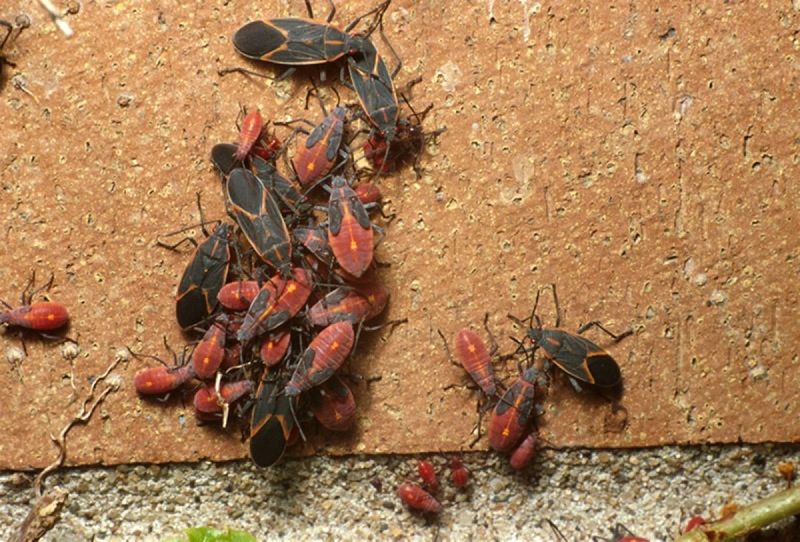
Think of your house as a cozy hotel with a glowing vacancy sign. When Ohio nights turn chilly in October, boxelder bugs start shopping for a winter room.
In the wild, these insects tuck themselves into hollow tree trunks, under rocks, or beneath piles of leaves. Those spots work, but they can get damp and cold.
A house offers dry walls, steady warmth, and plenty of tiny hiding nooks.
Only the adult bugs make it through winter. Young ones, called nymphs, that have not finished growing usually fail to survive the first hard frosts.
So the bugs you see crowding your siding are grown-ups with one goal in mind.
Once settled, they slow way down and rest until spring. They are not hungry for your food, and they do not chew wood or fabric.
Mostly, they just want to snooze somewhere safe.
When warm days return, many of them wake up and try to head back outside. That is why you might spot a few wandering across a window in March or April.
They are confused, looking for the trees they left behind.
Understanding this simple goal helps you plan ahead. If you remove easy entry points before October, the bugs will have to book their winter stay somewhere else.
Your home stays quiet, and they find a tree trunk instead.
2. Sunny South And West Walls Draw The Biggest Crowds
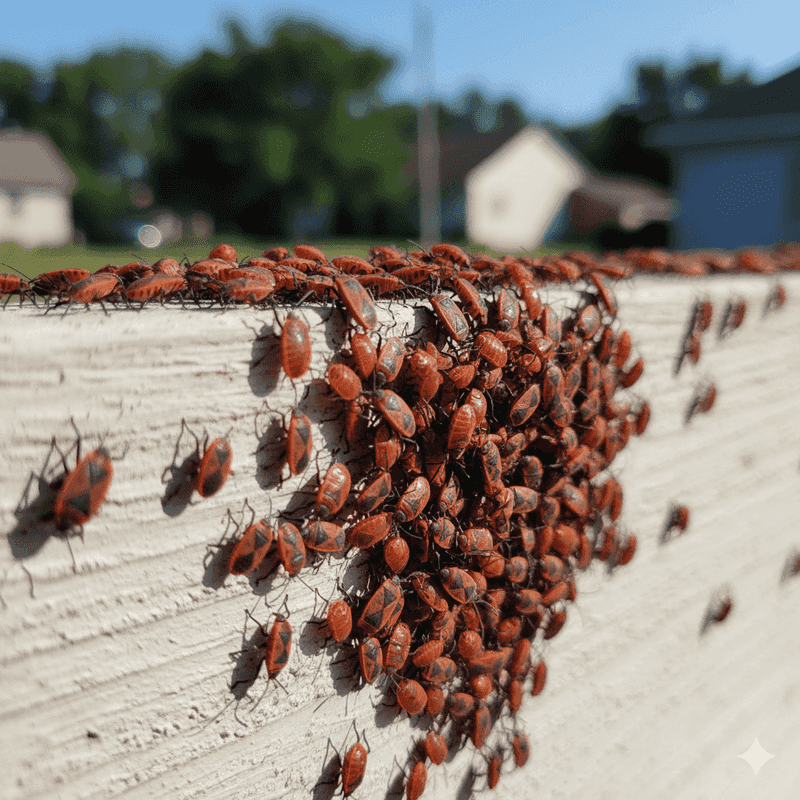
Ever notice how a cat finds the one sunny patch on the floor? Boxelder bugs have the exact same instinct, just with six legs and a lot more friends.
As fall temperatures drop, these insects hunt for heat. South- and west-facing walls soak up hours of afternoon sun, so they turn into warm, bug-friendly beaches.
Windows, siding, and even light-colored doors on these sides of your house can draw big groups.
Warmth keeps the bugs active, which gives them more time to explore for cracks. That is why sunny walls often become the main gathering spots before the bugs sneak inside.
If you walk around your house on a bright October day, you can usually spot the busiest side within minutes.
Your Ohio Garden Changes Every Week. Your Plan Should Too.
Gardening in Ohio changes quickly throughout the season. Every Friday you’ll receive a simple weekly plan showing exactly what to plant, prune, fertilize, harvest, and protect so you never miss the right timing.
Here is a quirky twist. Early arrivals leave behind chemical signals that tell other boxelder bugs, in a sense, to come on over.
A small group can quickly grow into a crowd because the newcomers follow those scent clues.
So what can you do with this info? Focus your sealing and cleanup efforts on the sunny sides first.
Check the window frames, siding seams, and vents on those walls with extra care. A quick spray of soapy water can also wash away clusters and their scent trails, making the spot less welcoming next time.
3. Female Boxelder Trees Feed Them All Summer
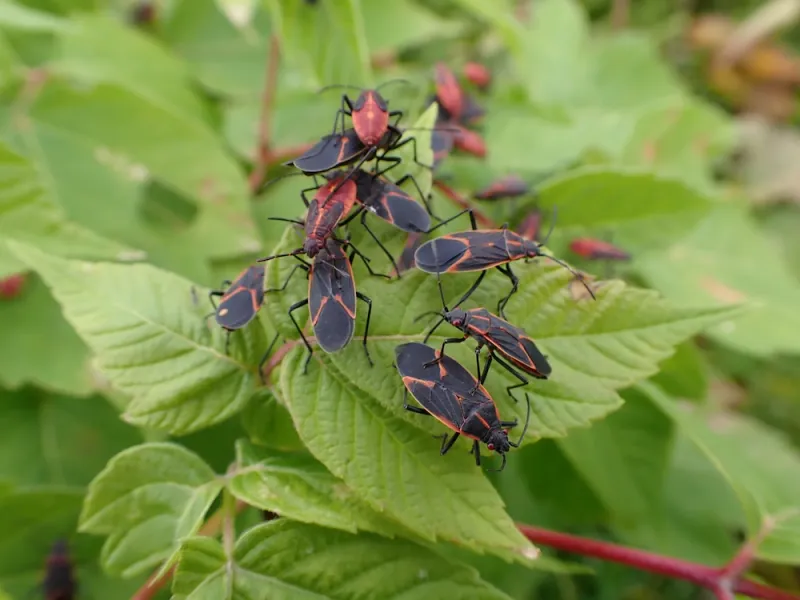
Here is a fun twist of nature. Boxelder trees come in male and female versions, and the bugs strongly prefer the ladies.
Female, or seed-bearing, boxelder trees grow dangling clusters of winged seeds called samaras. You might know them as helicopter seeds that spin as they fall.
To a boxelder bug, those clusters are a full buffet table.
Both young nymphs and adults use their straw-like mouths to sip juices from developing seeds. They also suck sap from tender twigs, leaves, and flowers.
All summer long, the tree serves as their kitchen, nursery, and hangout spot.
By August and September, most of the second generation of nymphs has reached full size. That timing matters.
Right as these young adults finish growing, the weather starts cooling, and the whole crew begins thinking about winter shelter.
If you have a female boxelder tree in your yard or a neighbor’s yard, expect more bugs near your home. The trees themselves usually handle the feeding without serious harm, so there is no reason to panic about the tree.
Planning new landscaping? Choosing a male boxelder or a totally different tree can cut down on future visitors.
For existing trees, picking up fallen seeds helps lower the food supply. Fewer seeds often mean a smaller bug crowd come October.
4. Seed-Bearing Silver Maples Can Feed Them Too
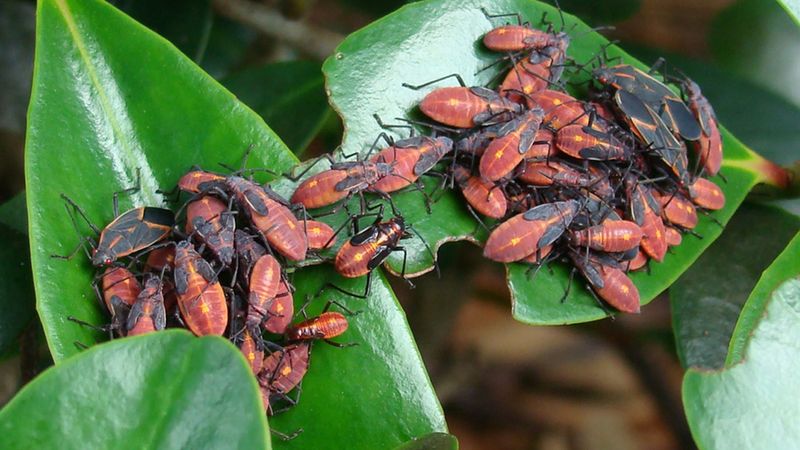
No boxelder tree nearby, yet bugs still show up? Blame their backup menu.
These insects are not as picky as their name suggests.
Boxelder trees are their favorite, but they will happily snack on other maples, especially seed-bearing silver maples. Silver maples are common across Ohio neighborhoods, lining streets and shading backyards.
Their leaves and seeds give the bugs plenty to eat when boxelders are scarce.
Ash trees can also be on the list. And the snacking does not stop at shade trees.
Boxelder bugs sometimes nibble on fruits like apples, cherries, peaches, plums, almonds, and even grapes.
For home gardeners, that can mean a few dimpled or scarred spots on fruit. The damage is usually small and mostly cosmetic.
Still, it is worth checking your backyard orchard in late summer if bugs seem plentiful.
Knowing their wider diet helps explain surprise swarms. A silver maple two houses down can easily supply enough bugs to cover your sunny wall in fall.
These insects can fly, so a short trip between yards is no problem.
Keep things tidy under any maples on your property by raking up seeds and leaves. Talking with neighbors can help too.
When a whole street cleans up together, the local bug population tends to shrink noticeably.
5. They Won’t Breed Inside Your Home
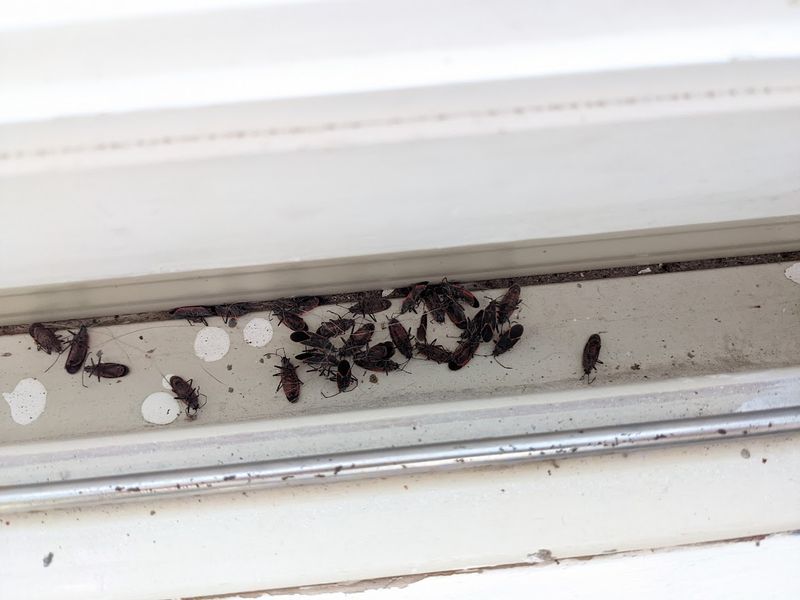
Relax for a second, because here comes some genuinely good news. Those bugs on your windowsill are not starting a family in your living room.
Boxelder bugs only lay eggs outdoors. In spring, females tuck their tiny red eggs into bark cracks on boxelder trees and nearby plants.
Your walls, carpets, and closets are simply not part of their nursery plan.
Bugs that wander inside are running on a limited energy supply. They mostly rest and do not feed much while indoors.
Over time, their numbers naturally drop, so the problem shrinks rather than grows.
That is very different from pests like cockroaches or bed bugs, which can multiply indoors fast. With boxelder bugs, what you see is basically what you get for the season.
No surprise baby boom is waiting behind the baseboards.
Of course, that does not mean you should ignore them. A large group can still be annoying, and they may leave small stains on curtains or walls.
Their droppings can mark light fabrics, so gentle cleanup matters.
The best takeaway is peace of mind. You do not need harsh sprays indoors to stop a population explosion.
Focus instead on keeping new bugs out and quietly removing the few that slipped in. Patience and a little prevention handle most indoor visits just fine.
6. They Slip In Around Doors, Windows And Soffits
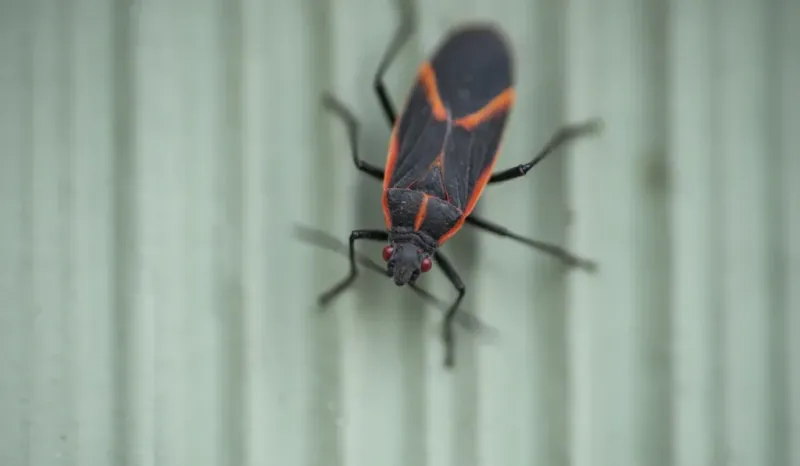
Imagine trying to squeeze through a gap thinner than a credit card. For a boxelder bug, that is a walk in the park.
These flat-bodied insects can find almost any small opening on the outside of a house. Cracks around doors and windows are the usual suspects.
Attic vents, basement vents, foundation gaps, and spots where pipes or cables enter the walls are also popular.
Up high, soffits and fascia boards can hide surprise doorways. Loose siding creates hidden tunnels too.
Once inside the walls, bugs can pop out through electrical outlets, switch plates, heating ducts, and return air vents.
That explains why you might find a bug in an upstairs bedroom even when every window seems shut tight. They did not fly through the glass.
They traveled through hidden spaces inside the house.
Here is a simple detective trick. On a sunny fall day, watch where clusters gather on your walls.
Bugs often crowd right around the gaps they are trying to use, which points you straight to the problem areas.
Grab a flashlight and take a slow lap around your home. Look closely at corners, trim, window frames, and the roofline.
Jot down every crack you spot so you can fix them all in one weekend project.
7. Caulk Gaps Before Cold Weather Arrives
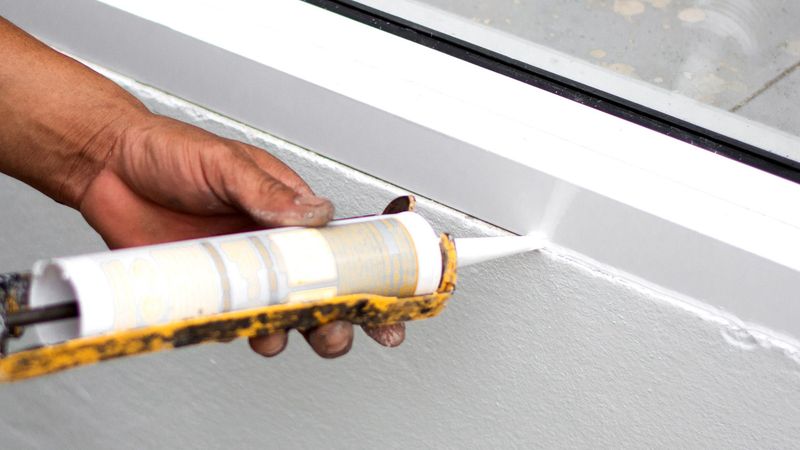
A tube of caulk might be the best bug-fighting tool you own. Experts agree that sealing gaps early works far better than chasing bugs once they are inside.
Timing is the secret. Aim to finish your sealing in late summer or early September, before the October rush begins.
Once bugs settle into wall spaces, they are much harder to reach.
Start by inspecting window frames, door edges, siding seams, and spots where pipes, wires, or vents poke through. Silicone caulk is a popular choice because it handles moisture well.
Weatherstripping works nicely around doors and movable window parts.
Larger holes call for different tools. Steel wool or expandable foam can fill wider gaps, and fine-mesh screen can cover vents without blocking airflow.
Repair any torn window screens while you are at it.
Doors deserve extra attention. Replace worn door sweeps and check the rubber seals on garage doors, since bugs love sneaking under them.
If you can see daylight under a closed door, a bug can probably get through.
Bonus perk: all this sealing also helps keep heat inside during winter. That can trim your energy bill and make rooms less drafty.
One afternoon of work blocks bugs, spiders, and cold air all at once, which feels like a pretty great deal.
8. Rake A Clear Strip Around The Foundation

Grab your rake and turn yard chores into a sneaky defense plan. A little tidying near your foundation can make your home far less inviting.
Leaf piles, fallen seed pods, and messy debris give boxelder bugs places to hide and snack. When that clutter sits right next to your walls, bugs have an easy stepping stone into the house.
Clearing it away takes away both shelter and food.
Try to keep a strip of at least six inches around your foundation free of mulch, pine straw, and other organic stuff. Gravel or bare soil works well in that zone.
It may look simple, but bugs dislike crossing open, exposed ground.
Spend some time under host trees too. Rake up seeds and leaves beneath boxelders and maples, especially in late summer and fall.
Bag them up or move them to a compost pile far from the house.
Plants touching your siding act like little bridges. Trim back low branches, shrubs, and thick vines so there is space between greenery and walls.
That breathing room also helps your siding dry faster after rain.
Make it a family activity if you can. Kids enjoy raking contests, and the work goes quicker with helpers.
A clean, open foundation edge sends a clear message that this house is not a bug hotel.
9. Vacuum Up Bugs That Make It Inside
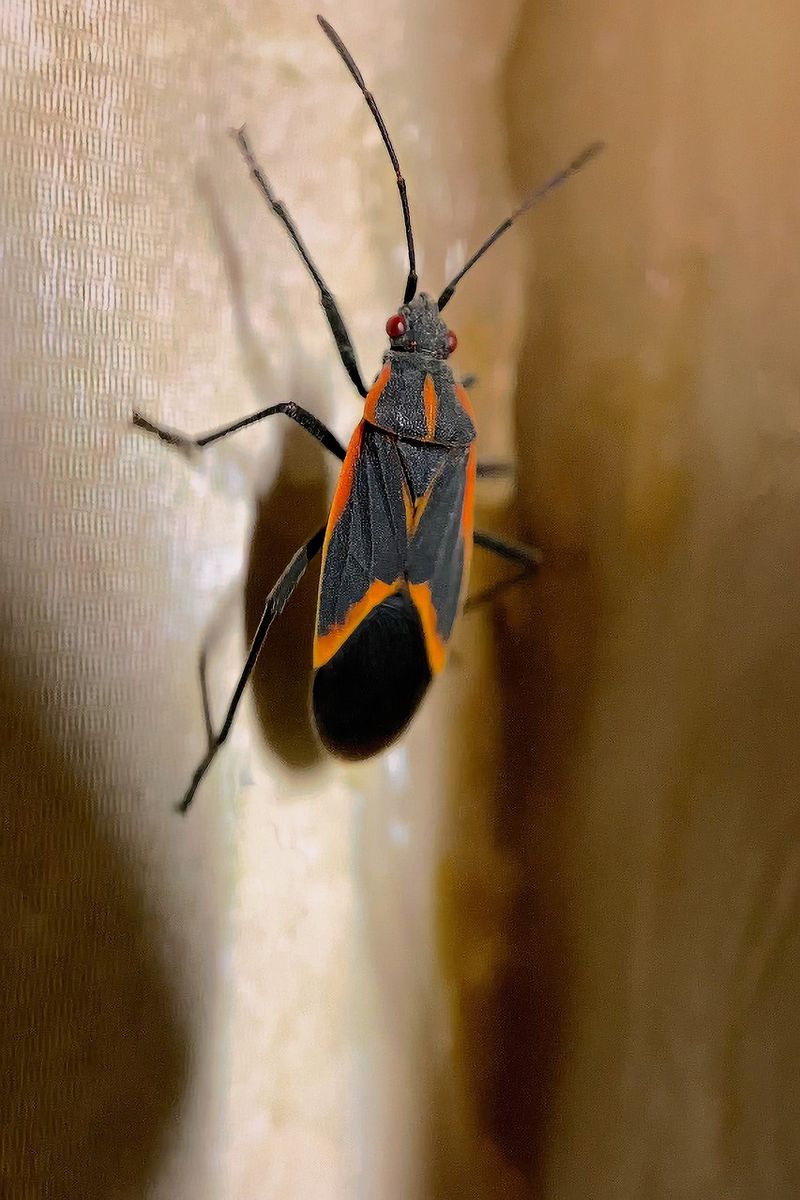
Squish one boxelder bug and you will quickly learn your lesson. These insects release a stinky smell and can leave orange-red stains on walls, curtains, or carpet.
A vacuum is a much smarter tool. It removes bugs quickly without the mess or the odor.
A handheld model or a hose attachment works great for windowsills, corners, and ceiling edges where they like to gather.
Once you finish, empty the bag or canister outside right away. Otherwise, some bugs may crawl back out and wander around again.
Tying the bag in a sealed plastic sack adds an extra layer of protection.
Some people place the vacuum bag in the freezer overnight before tossing it. Cold temperatures make sure the bugs stay put for good.
It is an easy, chemical-free option that many homeowners prefer.
No vacuum handy? Sweep bugs into a dustpan or gently gather them by hand with a tissue.
Then carry them outdoors or drop them into soapy water.
Keep a small vacuum near sunny windows during fall and early spring, since those are prime bug-spotting times. Quick daily pickups keep things under control.
Combined with sealing and yard cleanup, this simple habit helps your Ohio home feel like yours again, not a winter resort for six-legged visitors.