The Cover Crop Ohio Gardeners Are Using In Empty Beds To Build Soil By Spring

Empty garden beds have a way of looking like wasted potential. That is especially true in Ohio, where the growing season has a hard stop and bare soil sits exposed through some of the harshest months of the year.
Most gardeners just leave those beds alone and hope for the best come spring. There is a smarter play.
One that requires almost no effort in the short term and pays off in a very tangible way by the time spring planting rolls around.
Ohio gardeners who have caught on to cover cropping are showing up to spring with beds that are looser, richer, and far more ready to work with.
Bare soil does not produce that kind of improvement over winter. One specific cover crop has become a quiet favorite for this, and it fits the Ohio climate and calendar better than most options on the market.
Your empty beds right now are either building soil or losing it.
1. Plant Cereal Rye To Protect Empty Beds Until Spring
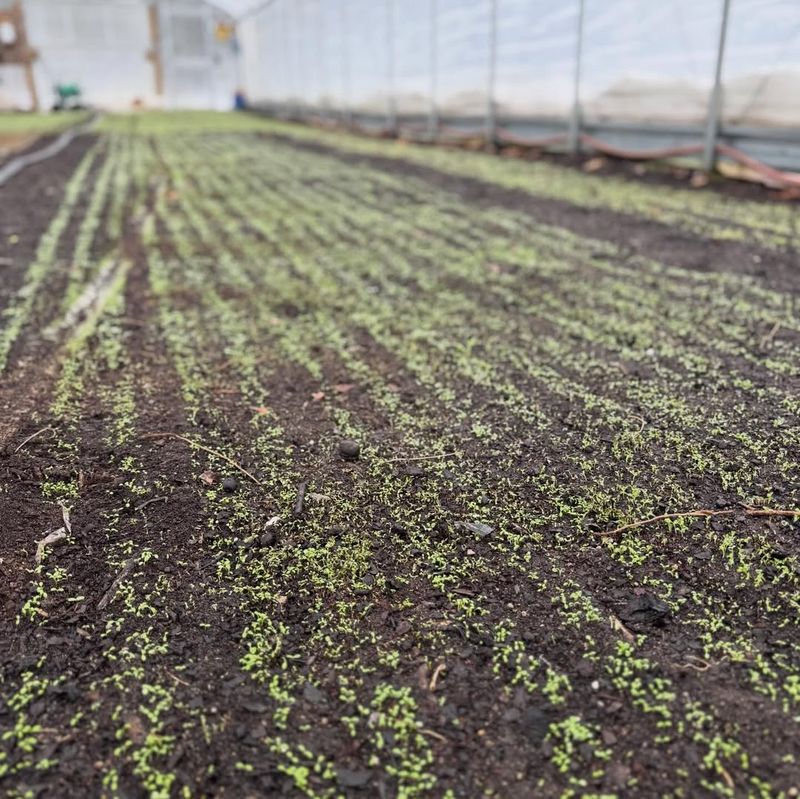
A freshly cleared Ohio vegetable bed can look tidy in fall, but uncovered soil rarely gets a quiet winter. Cereal rye, or Secale cereale, is the cover crop many home gardeners in this state are choosing to fill that gap.
It is a cold-hardy grain, not a lawn grass, and it is built to handle the kind of freeze-thaw conditions that are common across local gardens from October through March.
One reason gardeners appreciate it is the planting window. Cereal rye can be seeded later in the season than most other cover crops.
In many parts of this state, you can plant it well into October and still get decent germination before the ground freezes solid. That flexibility makes it useful when fall cleanup runs later than expected.
Scatter seed across a cleared bed, rake it in lightly, and water if rain is not coming soon. The plant will establish, go semi-dormant through the coldest weeks, and begin growing again as temperatures rise.
It is not a hands-off solution, since spring management is required, but as a seasonal soil cover for empty beds, cereal rye earns its place in the fall garden routine.
2. Cover Bare Soil Before Winter Weather Hits
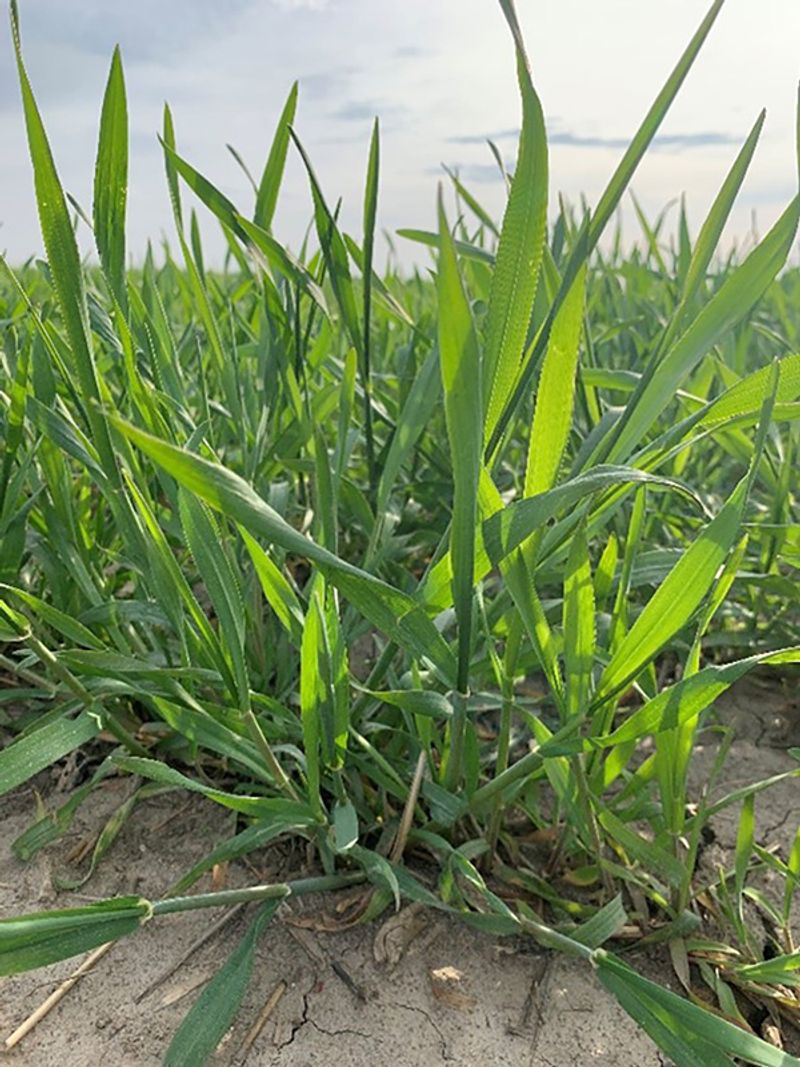
Bare garden soil looks harmless from a distance, but winter weather has a way of exposing every weakness. Rain hits unprotected ground and breaks apart the surface structure.
Wind carries away the light, nutrient-rich top layer. Freezing and thawing repeatedly push soil particles apart and leave beds compacted or crusted by the time spring arrives.
A growing cover crop acts like a living shield over the bed. The foliage slows rainfall before it hits the surface, reducing the impact that causes crusting.
Root growth keeps the upper layers more porous, which helps water move through the soil rather than run off the top. That combination of above-ground and below-ground protection is something bare soil simply cannot provide on its own.
Cereal rye is not a cure for every soil challenge, and one season of cover cropping will not undo years of compaction or poor drainage. What it can do is reduce the damage that accumulates over a single winter.
Your Ohio Garden Changes Every Week. Your Plan Should Too.
Gardening in Ohio changes quickly throughout the season. Every Friday you’ll receive a simple weekly plan showing exactly what to plant, prune, fertilize, harvest, and protect so you never miss the right timing.
Gardeners who compare a covered bed to an uncovered one in the same yard often notice a real difference in texture and workability when spring planting time comes around.
3. Use Deep Roots To Hold Garden Soil In Place
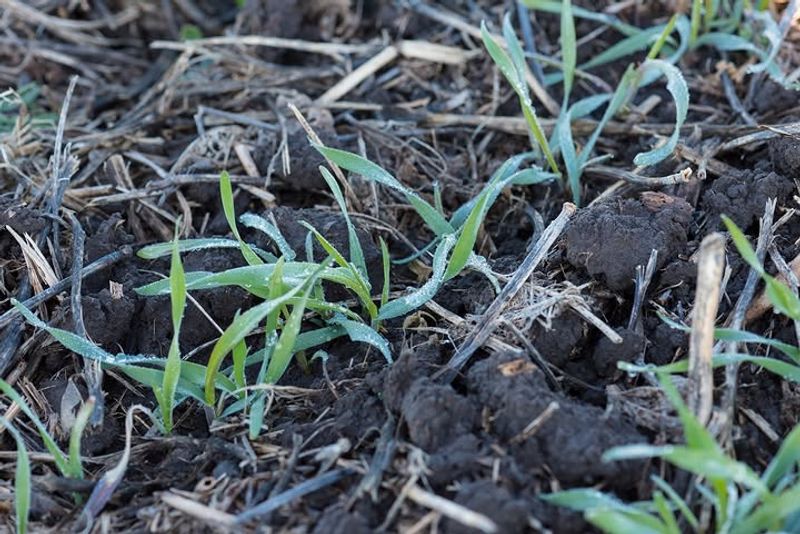
Most gardeners think about what grows above the soil, but what happens below the surface matters just as much. Cereal rye develops a fibrous root system that spreads through the upper layers of garden beds and helps anchor soil particles in place.
That root network is one of the main reasons this cover crop performs well through wet, windy winters.
Raised beds are especially vulnerable to soil movement. Rain can wash material out through drainage gaps or over the sides of low-edged beds.
Sloped garden areas face even more runoff pressure. Cereal rye roots work through those spaces and create a kind of underground mesh.
That mesh holds the bed together through the roughest weather this state tends to deliver between November and March.
The roots also contribute to soil structure over time. As they grow and eventually break down, they leave behind channels that improve aeration and water movement.
This is not a dramatic overnight change, but it adds up. For gardeners managing beds on uneven ground, in raised frames, or in areas prone to pooling, planting cereal rye in fall gives the soil a better chance.
It helps the soil stay where it belongs until transplant time.
4. Let Winter Rye Add Organic Matter Before Planting
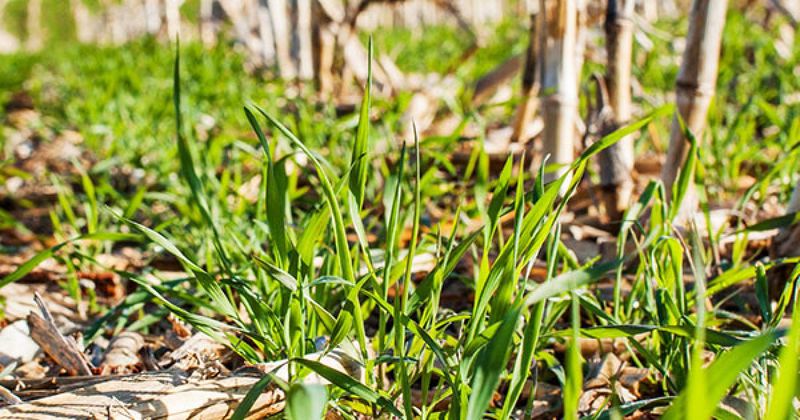
Ohio soil that gets a little organic matter added each season tends to stay workable and productive longer than soil that is only taken from. Cereal rye can play a role in that cycle when it is managed thoughtfully.
Both the top growth and the roots contribute organic material to the bed as they break down after termination in spring.
The key phrase there is managed correctly. Tall, dense cereal rye does not simply melt into the soil on its own schedule.
Gardeners need to cut it, crimp it flat, pull it by hand in smaller patches, or work it into the bed with a garden fork before warm-season crops go in.
Leaving it standing too long complicates planting and can slow soil warming in beds that need heat for crops like tomatoes or peppers.
When the residue is incorporated or laid as a surface mulch and given a few weeks to begin breaking down, it adds carbon-rich material that soil microbes can work with.
This does not instantly create rich, dark compost-quality soil, but it does return something to the bed rather than leaving it empty all winter.
Over several seasons, that contribution becomes more noticeable in soil texture and biology.
5. Stop Weeds From Taking Over Empty Beds
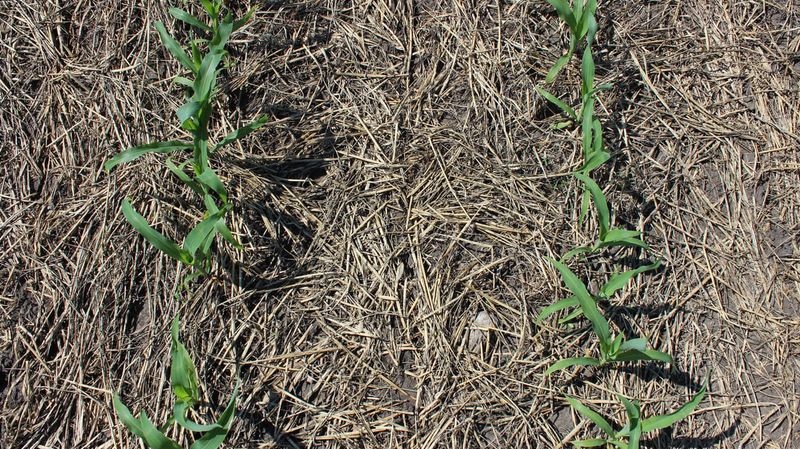
An empty bed in fall is an open invitation for weeds. Chickweed, hairy bittercress, and winter annuals move in fast once the soil is bare and the competition is gone.
By the time spring arrives, a neglected bed can be more weed patch than garden. A cover crop growing across that same space changes the situation considerably.
Cereal rye competes with weeds by shading the soil surface and taking up the water and nutrients that weed seedlings would otherwise use.
A thick, well-established stand going into winter can reduce weed pressure noticeably, giving gardeners less to pull when spring planting season begins.
The dense canopy also limits the light that reaches the soil, which discourages germination of some weed seeds.
Weed suppression from cereal rye is real but not absolute. Thin or patchy stands leave gaps where weeds can still establish.
Timing matters too. Seeding early enough in fall to get good coverage before cold sets in gives the rye a head start over weeds.
Gardeners should not expect zero weeds in spring. But a well-managed stand of cereal rye can make the difference between a manageable bed and one that needs serious cleanup before a single seed goes in.
6. Cut Cereal Rye Before It Gets Too Tall
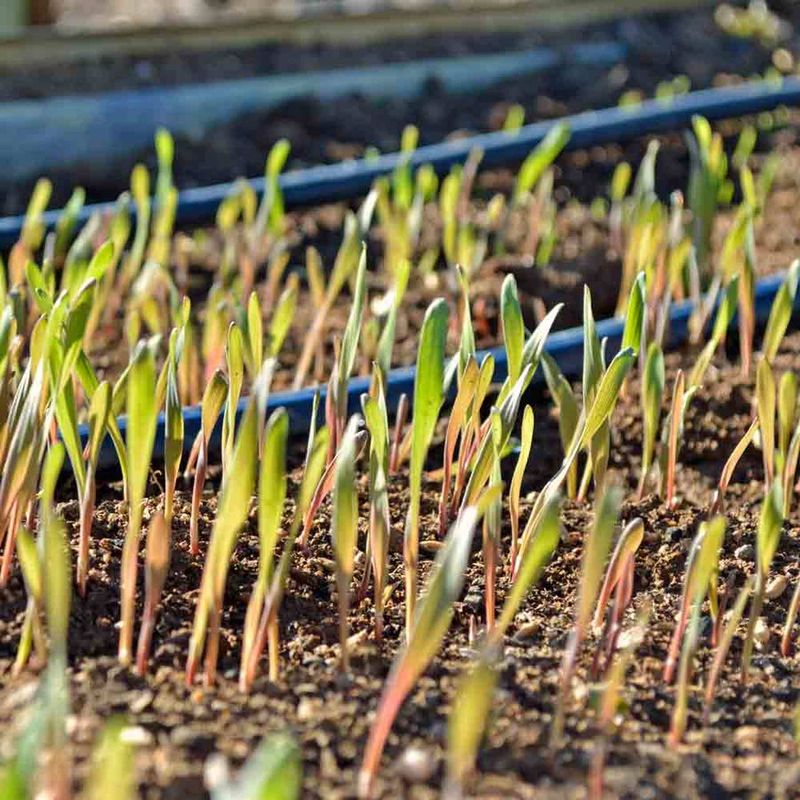
Spring has a way of sneaking up on gardeners who were focused on seed catalogs all winter. One week the cereal rye looks like low green fuzz, and a few warm weeks later it is knee-high with thick stems that are much harder to manage.
Staying ahead of that growth curve is one of the most practical pieces of advice for anyone using this cover crop.
Cereal rye grows quickly once temperatures rise and days get longer. If it is allowed to grow tall and begin heading toward seed set, the stems become tough and woody.
The volume of material also becomes harder to handle in a home garden setting. Cutting or otherwise terminating the plant before it reaches that stage makes the whole process easier and faster.
A good habit is to check cover crop beds early in the season, starting in late February or early March depending on the year. If green growth is visible and the plant is actively growing, that is the time to start planning termination rather than waiting.
Small plants can be pulled by hand or cut with shears. Larger patches may need a string trimmer or mower if beds are accessible.
Getting out early saves time and makes spring planting much smoother.
7. Know The Difference Between Cereal Rye And Ryegrass
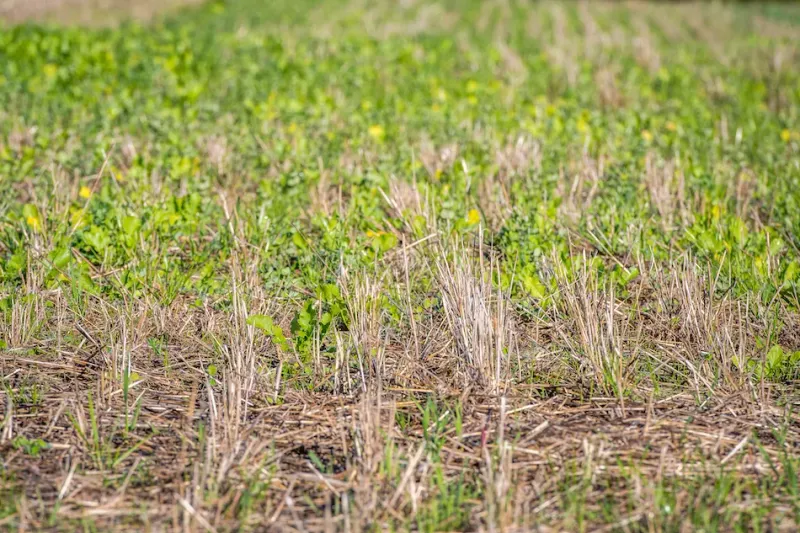
Seed shopping for cover crops can get confusing fast, especially when two plants share a similar name. Cereal rye and ryegrass sound like they might be related.
But they are different plants with different uses, different growth habits, and different outcomes in a garden bed. Mixing them up is a common and frustrating mistake.
Cereal rye, Secale cereale, is a grain crop in the grass family. It is the plant used as a cover crop for soil protection and organic matter.
Annual ryegrass and perennial ryegrass are different species, more commonly sold for turf, forage, or lawn overseeding.
Ryegrass can be harder to manage in spring and may not behave the way a gardener expects when trying to terminate a cover crop before vegetable season.
The fix is simple but requires attention. Read seed labels carefully before buying.
Look for the botanical name Secale cereale on the package. If a bag just says ryegrass, winter grass, or annual rye without a clear botanical name, ask before purchasing or look for a different source.
Local farm supply stores and seed companies that serve agricultural customers often carry clearly labeled cereal rye. Getting the right plant from the start saves a season of confusion in the garden.
8. Plan Spring Termination Before You Plant Vegetables
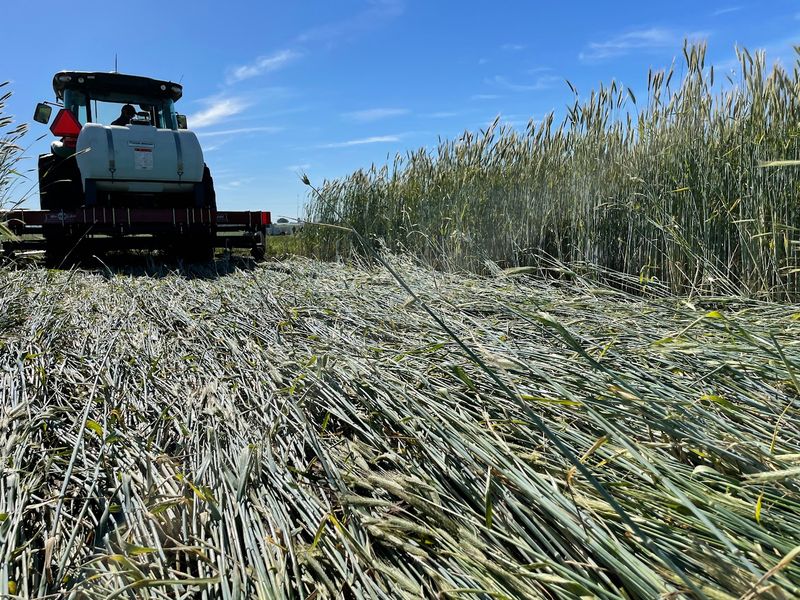
Planting a cover crop without a plan for removing it is a bit like starting a project without thinking about the last step.
Spring termination is the part of the cereal rye process that most beginners overlook, and it can cause real delays in planting if it is not thought through in advance.
Before the cover crop goes in during fall, it helps to decide how you will manage it come spring.
Options for home gardeners include cutting the tops with shears or a string trimmer, mowing accessible beds, or pulling young plants by hand before they get large.
You can also use a garden fork to turn the residue into the bed. In some situations, cut material can be laid flat as a surface mulch and allowed to break down before planting through it or pulling it aside.
Vegetables need access to light, soil, and space to establish well. A thick mat of rye residue left in place without planning can slow soil warming and compete with young seedlings.
Giving the residue two to three weeks to begin decomposing before transplanting is a reasonable approach for most spring crops.
Timing termination about three to four weeks before your intended planting date gives the bed time to settle and warm before seeds or transplants go in.