What It Really Means When Pennsylvania Cardinals Look Patchy And Moth-Eaten In September
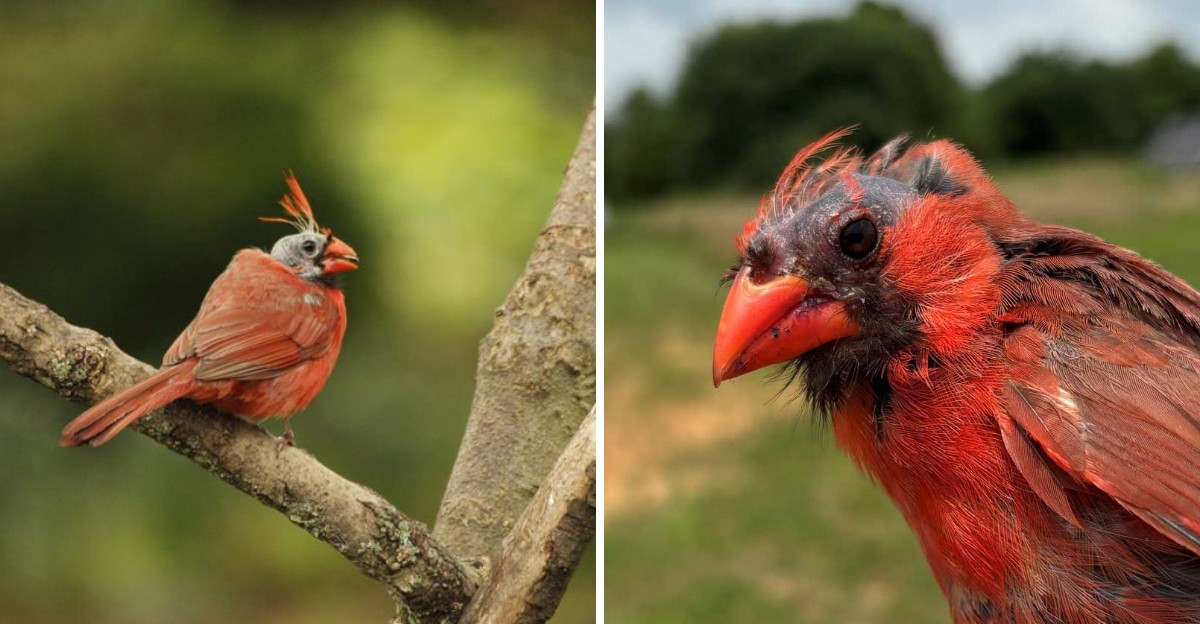
If the cardinals visiting your Pennsylvania yard in September are looking a little rough, you’re not alone in noticing.
That brilliant red male that looked so striking through spring and early summer can appear surprisingly patchy and moth-eaten by September, with missing feathers and an overall scruffiness that seems completely at odds with the bird you remember from just a few months ago.
Most people assume something is wrong. The bird looks sick or stressed. In almost every case, nothing is wrong at all.
What you’re seeing is a completely normal process that cardinals go through every year at roughly this same point in the season.
Understanding what’s actually happening removes the concern and makes the September cardinal a considerably more interesting bird to observe than the perfectly plumaged version that gets all the attention in spring.
Here’s exactly what those patchy Pennsylvania cardinals in September are telling you and what’s really going on beneath those missing feathers.
1. They Are Going Through Their Yearly Molt
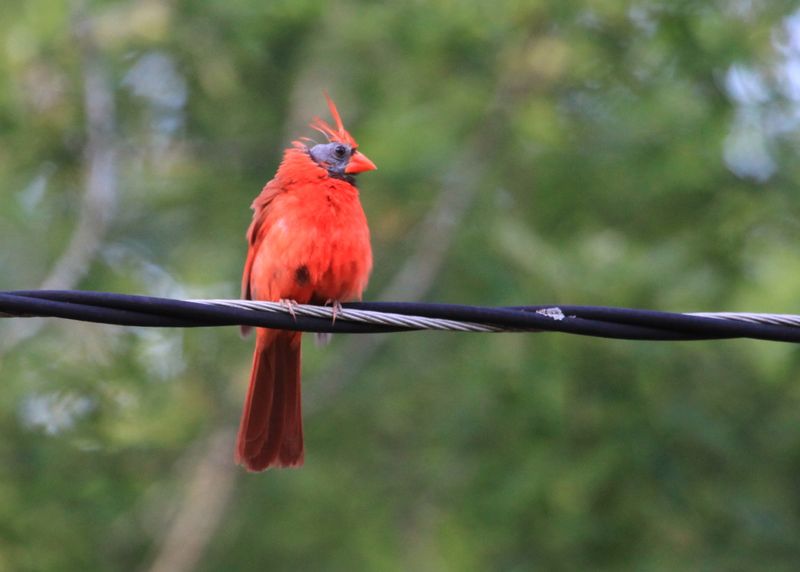
Picture a cardinal that looks like it lost a fight with a pillow. That ragged appearance in September usually points to something called molting, which is completely natural.
Molting is when birds shed their old, worn feathers and grow shiny new ones. After a busy breeding season, feathers get tired and beat up. Fall is the perfect time for a fresh set before colder weather arrives.
Most cardinals in Pennsylvania go through this process once a year, often in late summer and early fall. The old feathers fall out in patches, so the bird may look uneven or thin for a few weeks.
You might notice bare spots on the wings, back, or belly. Do not panic if the red color seems duller during this time. New feathers push out the old ones slowly, so the bird stays protected.
Molting takes a lot of energy, so cardinals eat more during these weeks. You can help by keeping your feeders full of sunflower seeds and safflower. Fresh water for drinking and bathing also makes molting easier.
Give the birds some quiet space if you can. A calm yard lets them rest and grow feathers without extra stress.
Within a month or so, most molting cardinals look bright and healthy again. The scruffy stage is just a short chapter in their yearly story.
Once you understand it, that patchy bird becomes a sign of a normal, healthy cycle rather than a reason to worry about your backyard friends.
2. A Sudden Head Molt Left Them Nearly Bald
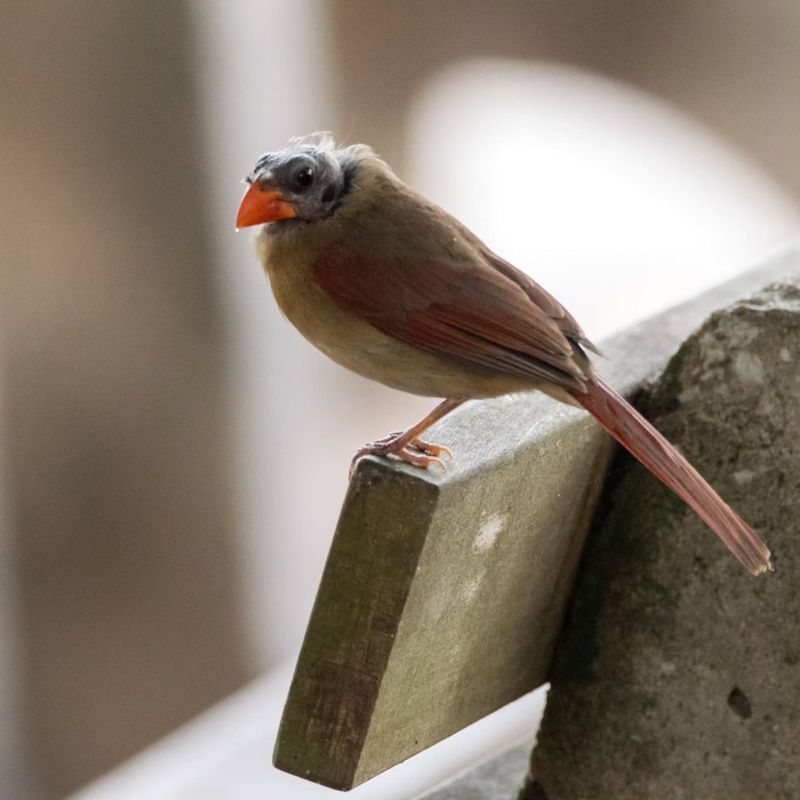
Few sights startle backyard birders more than a cardinal with no feathers on its head at all. The bird still has a bright red body, but the head looks bare and gray, almost alien.
This strange look often comes from a fast head molt. Sometimes a cardinal drops all of its head feathers at once instead of a few at a time. The result is a startling bald patch that shows the dark skin underneath.
Your Pennsylvania Garden Changes Every Week. Your Plan Should Too.
Gardening in Pennsylvania changes quickly throughout the season. Every Friday you’ll receive a simple weekly plan showing exactly what to plant, prune, fertilize, harvest, and protect so you never miss the right timing.
Scientists are still learning why this happens. Some think mites or feather lice play a role, while others believe it is simply an unusual molting pattern in certain birds.
The good news is that most of these bald cardinals recover just fine. New feathers usually grow back within a few weeks, covering that gray skin once more.
If you see one, watch it for a while. A bald cardinal that eats, flies, and acts normal is likely healthy despite the odd appearance.
Keeping your feeders and birdbaths clean helps reduce parasites that might bother these birds. Scrub them regularly with a mild soap and rinse well.
You do not need to catch the bird or try to treat it yourself. Nature usually handles this quickly on its own.
Remember that this bald stage is temporary. By the time cooler weather settles in, that same cardinal will likely look crisp and complete again.
So enjoy the quirky sight while it lasts, and know it is a harmless part of some cardinals’ fall routine.
3. Young Cardinals Are Trading Baby Feathers For Adult Ones
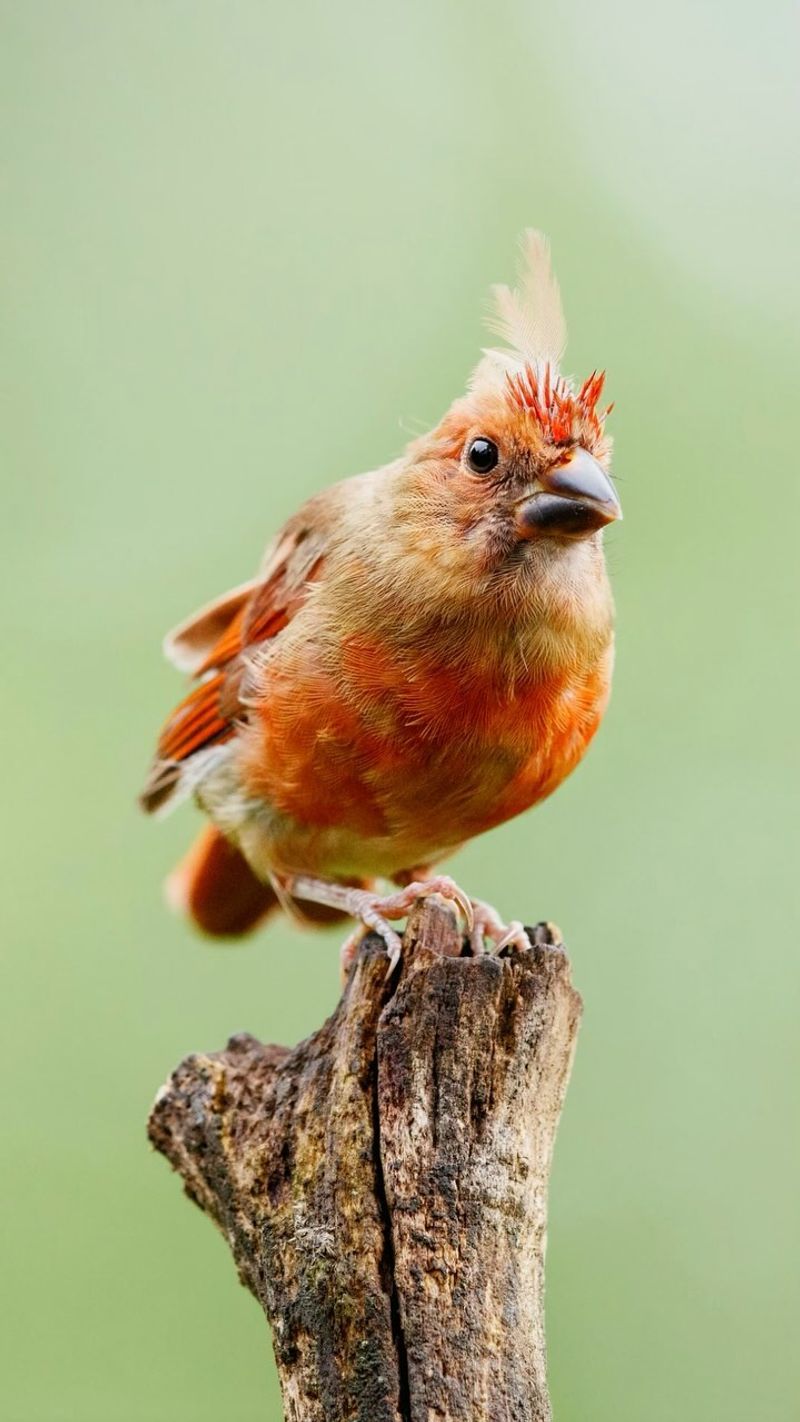
That messy-looking cardinal might just be a teenager. Young birds hatched earlier in the year go through a big change in September as they grow into their adult look.
Juvenile cardinals start out mostly brown with a dark beak. As fall arrives, they swap those baby feathers for the colors they will wear as grown birds.
During this switch, young males show a mix of brown and red splotches. The patchy blend can look messy, like paint that has not dried evenly.
Their beaks also change from black to the bright orange of an adult. Watching this transformation is one of the coolest parts of fall birdwatching.
These young birds often stick close to feeders because they are still learning to find food on their own. Offering easy meals like sunflower seeds gives them a helpful boost.
You may notice them acting a bit clumsy or shy. That awkwardness fades as they gain confidence and finish growing their adult plumage.
By late fall or early winter, a young male becomes a striking red bird. A young female settles into her warm tan and reddish tones.
If you keep a bird journal, September is a fun time to note these changes. Jot down when the brown fades and the red takes over.
Seeing a scruffy juvenile is really a sign that your yard supported a successful nesting season. Those patchy youngsters are proof that new cardinals are growing up strong and preparing to brighten your backyard for months to come.
4. Feather Mites Or Lice May Be Bothering Them
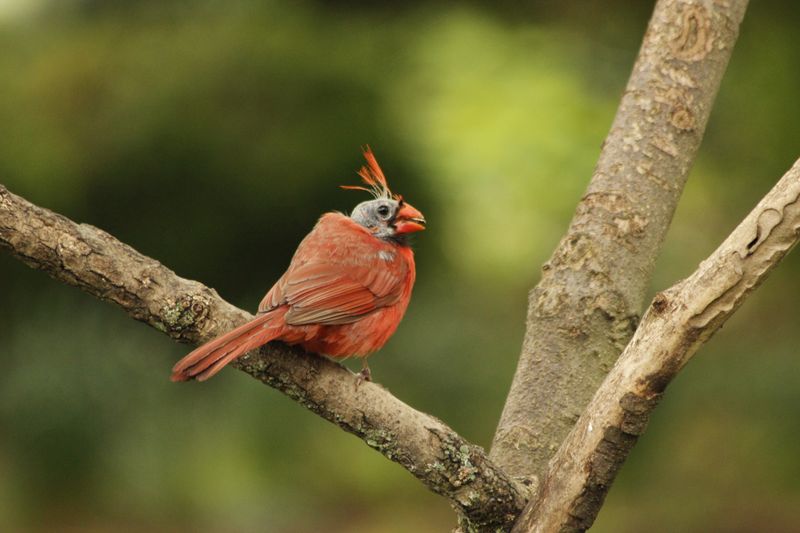
Sometimes a patchy cardinal is dealing with tiny unwanted guests. Feather mites and lice can make birds look ragged and cause them to scratch a lot.
These little pests live on feathers and skin, nibbling away and causing damage. Heavy infestations can leave bald spots or thin, broken feathers.
You might notice a cardinal scratching often, ruffling up, or preening more than usual. Those are clues that something is irritating its skin.
Warm, humid weather in late summer can help these parasites spread. September is a common time to see the effects.
Most healthy cardinals handle a few mites without trouble. Their bodies and regular preening keep the numbers in check.
The biggest thing you can do is keep your feeding stations clean. Dirty feeders and birdbaths can spread parasites from one bird to another.
Empty and scrub your feeders every week or two. Use a solution of one part vinegar or mild soap and plenty of water, then dry them fully before refilling.
Change birdbath water often so it stays fresh. Standing dirty water invites all kinds of problems.
Spacing out multiple feeders also lowers crowding, which slows the spread of pests. Crowded feeders let mites hop between birds easily.
If a cardinal looks truly sick and cannot fly, contacting a local wildlife rehabilitator is the best step. For mild cases, good hygiene in your yard usually does the trick.
With a little care, your backyard becomes a cleaner, safer place, and those itchy cardinals get a better chance to recover their full, glossy feathers.
5. Poor Diet Is Weakening Their Feather Growth
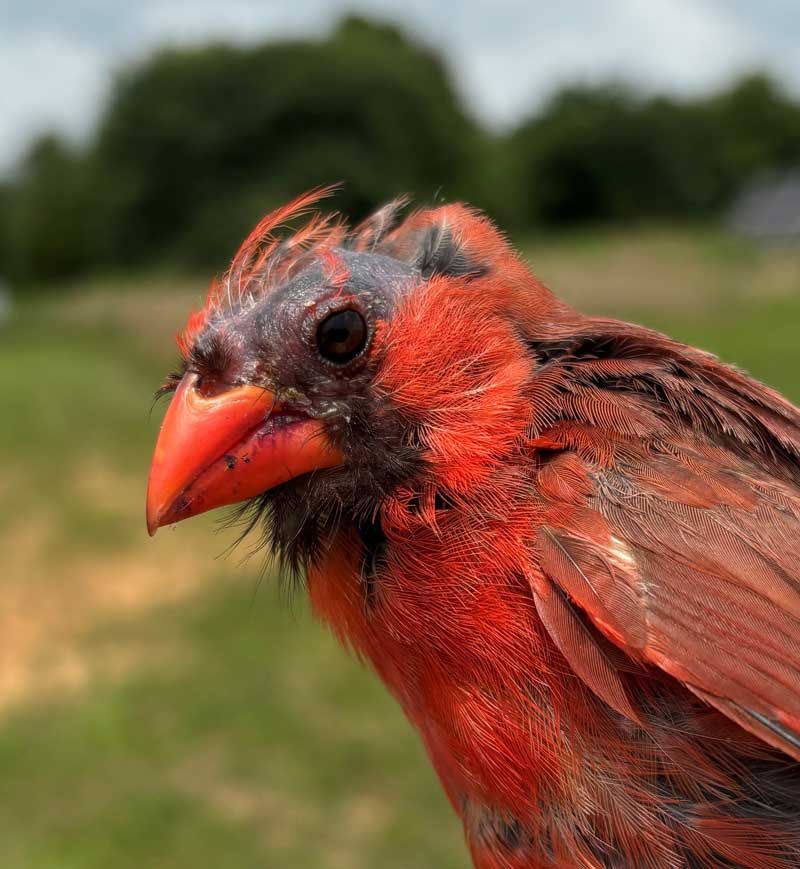
What a cardinal eats shows up in how it looks. A bird with a poor diet often grows weak, dull, or patchy feathers.
Feathers are made mostly of protein, so birds need good food to build strong ones. During the fall molt, this need grows even bigger.
If natural food is scarce, or feeders only offer low-quality filler seed, cardinals may struggle. Their new feathers can come in thin or faded.
You might notice the red color looking washed out rather than bright. Diet plays a real role in that vivid cardinal red.
The good news is that helping is easy. Offer high-quality seeds like black oil sunflower and safflower, which cardinals love.
Adding foods rich in natural pigments, such as berries and fruits, supports brighter colors. Native shrubs like dogwood and serviceberry are great choices for a Pennsylvania yard.
Avoid cheap seed mixes packed with fillers like milo that birds toss aside. Those leave your visitors hungry for real nutrition.
Fresh, clean water rounds out a healthy setup. Birds need it for both drinking and keeping feathers in good shape.
Planting native plants gives cardinals a natural buffet all season long. It also brings insects, which add protein to their meals.
Over a few weeks, well-fed cardinals grow fuller, richer feathers. The patchy look fades as their bodies get what they need.
Think of your feeder as a little health station. By offering the right foods, you help your backyard cardinals bounce back and shine through the fall and into winter.
6. The End Of A Long Breeding Season Wore Them Out
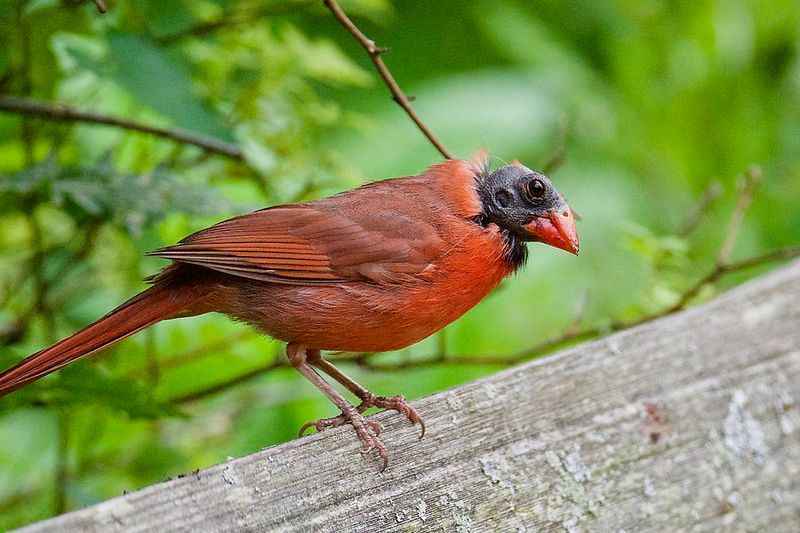
By September, many cardinals are simply exhausted. A long breeding season leaves them worn down and looking a little rough around the edges.
Cardinals in Pennsylvania often raise two or three broods each year. That means months of building nests, feeding chicks, and staying alert to danger.
All that hard work takes a toll on their feathers and energy. Constant flying, feeding, and protecting the nest wears feathers thin.
Parents fly back and forth countless times a day carrying food. That repeated movement scuffs and frays their plumage.
So a tired, patchy cardinal in early fall is often just a devoted parent. The scruffy look is almost a badge of a busy summer.
Once the last babies leave the nest, the adults finally get a break. This rest lines up nicely with the fall molt, letting them refresh.
You can support these weary birds by keeping food and water steady. Easy meals let them save energy for regrowing feathers.
A quiet, safe yard also helps them recover. Brush piles and shrubs give tired birds a place to rest and hide.
Avoid trimming all your bushes at once in early fall. Leaving some cover gives worn-out cardinals shelter while they bounce back.
Within a few weeks of rest and molting, these parents perk up again. Their feathers fill in, and their energy returns.
Next time you see a raggedy cardinal in September, picture the busy season it just finished. That worn look tells a proud story of raising the next generation of backyard songbirds.
7. Weather Stress And Seasonal Change Are Taking A Toll
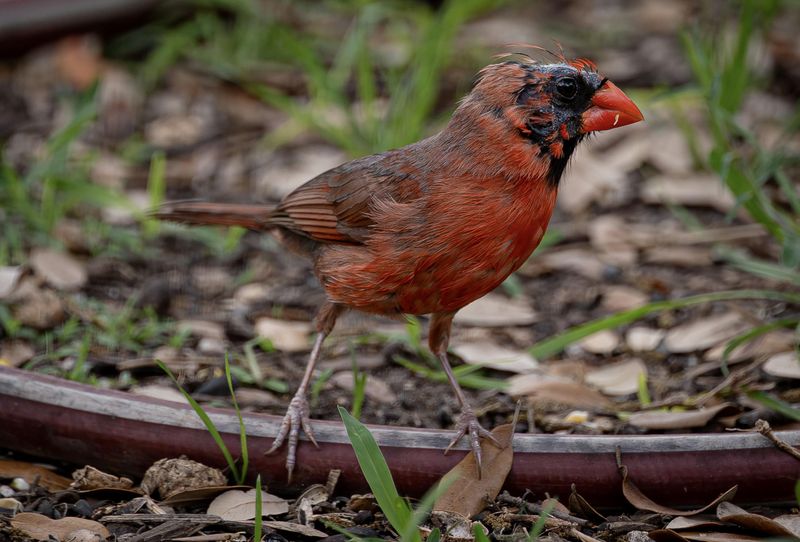
September weather in Pennsylvania can swing from warm afternoons to chilly mornings. Those changes put extra stress on cardinals as they adjust.
Shifting temperatures and shorter days signal big changes in a bird’s body. This is part of what triggers the fall molt in the first place.
Sudden storms, wind, and rain can rough up feathers too. A soaked, wind-blown cardinal often looks especially patchy and messy.
Cool, damp mornings make birds fluff up to stay warm. That fluffed look can add to the scruffy appearance you notice.
Seasonal stress also affects how well feathers grow back. Birds juggling cold snaps and food hunting may molt a bit unevenly.
Helping is mostly about steady, reliable support. Keep feeders stocked so cardinals do not waste energy searching far and wide.
Provide shelter from harsh weather with evergreen shrubs or a brush pile. These spots give birds a place to duck out of wind and rain.
A heated birdbath is not needed yet in September, but fresh water still matters. Clean water helps birds preen and stay tidy.
Try not to disturb resting birds on cold, wet mornings. Let them conserve warmth and energy while they recover.
As the season settles, cardinals adapt and their feathers firm up. The patchy phase eases once molting finishes and weather steadies.
So when you spot a bedraggled cardinal after a rainy night, remember it is coping with big seasonal shifts. With a welcoming, sheltered yard, you give these tough little birds exactly what they need to weather the change and look sharp again soon.