Pennsylvania Mums Need One Thing Done Before August Ends
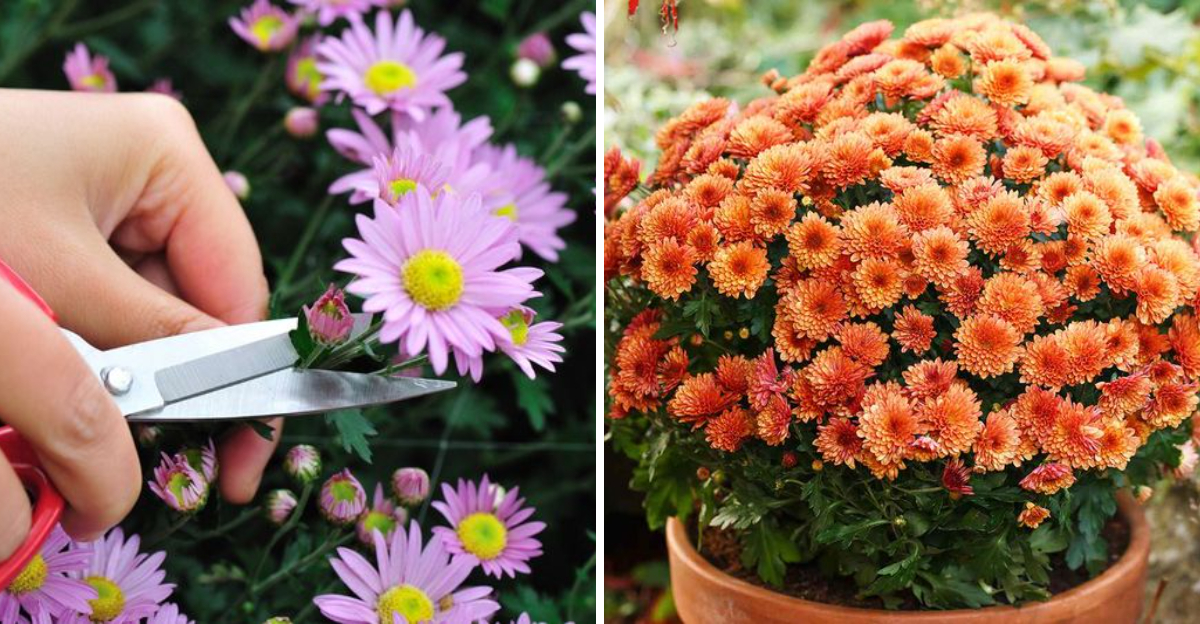
Most Pennsylvania gardeners who grow mums have been pinching and pruning them faithfully all summer, following advice they’ve read or been told without ever questioning whether August is the right time to still be doing it. The habit feels productive.
Removing spent blooms and pinching back growth seems like good plant maintenance, the kind of attentive care that should produce better results. But in August, it’s working against you.
There’s a point in the mum’s growth cycle when pinching and pruning stops improving the plant and starts stealing from it, removing the very growth that was about to become your fall flower display. August is that point.
And a lot of Pennsylvania gardeners cross it without realizing it, wondering later why their mums produced less than expected or bloomed later than they should have.
Stopping at the right moment is just as important as starting at the right time, and for Pennsylvania mums, that moment is right now.
Here’s why August is when you need to put the pruners down and what your mums will do for you in fall when you do.
Stop Pinching And Pruning Mums In August
Most gardeners know that pinching mums earlier in the season helps create fuller, bushier plants. But here is the part that catches many people off guard: once August arrives, pinching needs to stop completely.
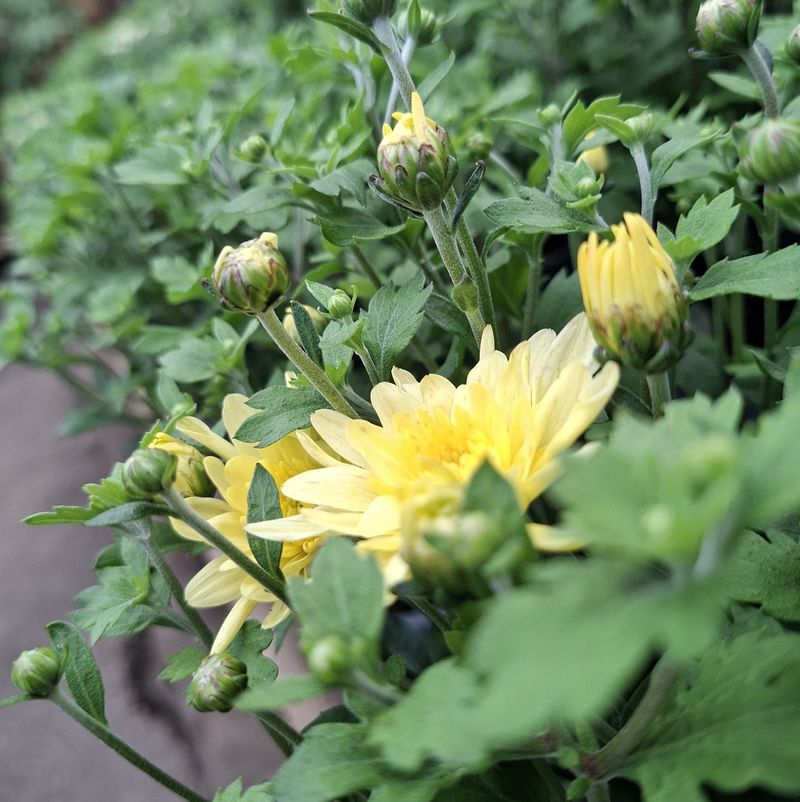
At this stage, your mums are no longer just growing leaves and stems. They are quietly setting flower buds, the tiny green clusters that will eventually open into the colorful blooms you are hoping for come fall.
When you pinch or prune a mum in August, you are not shaping the plant. You are actually removing developing buds before they ever get the chance to open.
It feels like a small thing, just snipping off a few inches of growth. But those tips are exactly where the flowers are forming, and cutting them off sets your bloom season back significantly or prevents flowering altogether.
Pennsylvania gardeners sometimes make this mistake because the plants can look a little leggy or uneven by late summer. The natural instinct is to tidy things up.
Resist that urge. A slightly imperfect-looking plant in August is far better than a mum that produces no blooms in October.
Trust the process and let the plant do its work. Your mums have been building toward this moment all season long, and they just need you to step back and give them the space to finish what they started.
Keeping your hands off the pruning shears during August is honestly one of the easiest and most effective things you can do for a better fall display this year.
Pinching Is An Early-Summer Job
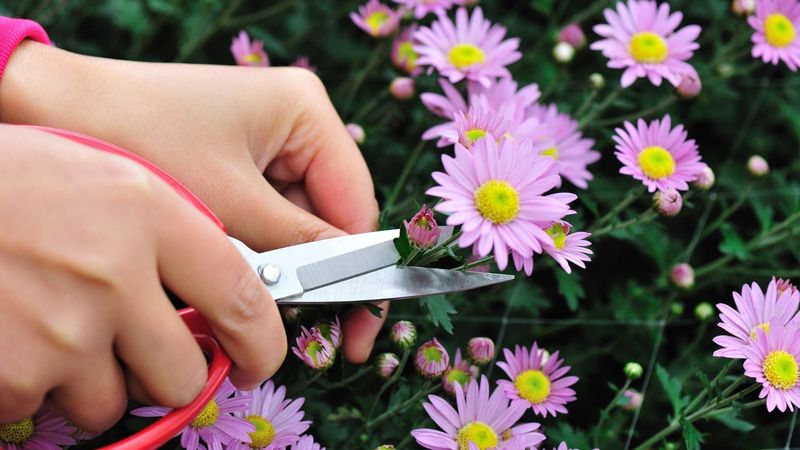
Back in May and June, pinching your mums was exactly the right call. Every time you pinched off the growing tips during those early weeks, the plant responded by branching out and producing more stems.
More stems meant more potential flower sites, which is the whole goal. That early-season pinching is what separates a round, full mum from a tall, sparse one by the time fall arrives.
Your Pennsylvania Garden Changes Every Week. Your Plan Should Too.
Gardening in Pennsylvania changes quickly throughout the season. Every Friday you’ll receive a simple weekly plan showing exactly what to plant, prune, fertilize, harvest, and protect so you never miss the right timing.
For Pennsylvania gardeners, the general rule of thumb is to finish the last pinch by mid-July at the absolute latest. Some growers prefer to stop even earlier, around the Fourth of July, to give the plant a longer runway for bud development.
The exact cutoff can shift slightly depending on your local microclimate, how much shade your plants get, and the specific variety you are growing. But mid-July is a safe and widely recommended guideline for most of the state.
If you missed the window this year and kept pinching into late July or early August, do not stress too much. You may still get some blooms, just possibly later or fewer than expected.
Use this season as a learning experience and mark your calendar for next year. Starting your pinching routine in late spring and wrapping it up by mid-July will put you in a much stronger position.
Good timing with early pinching truly is the foundation of a great fall mum display, and once you nail that schedule, the rest of the season becomes a lot more straightforward and enjoyable for any Pennsylvania gardener.
Give Flower Buds Time To Develop
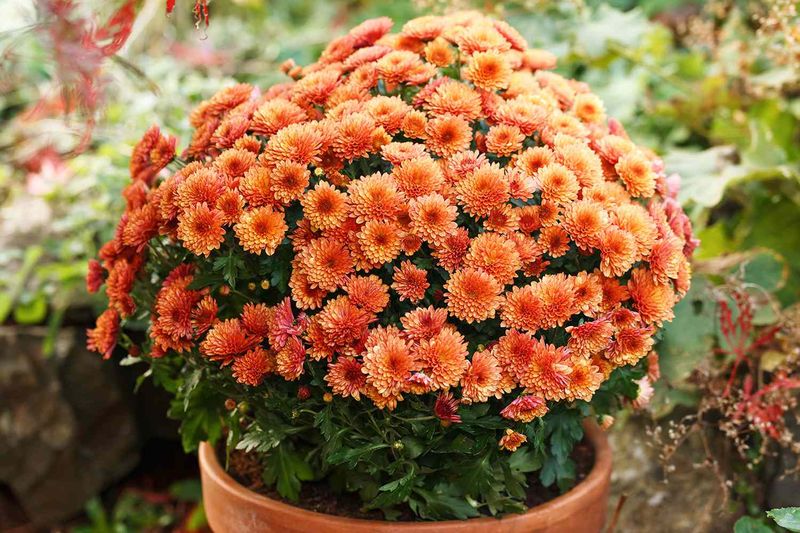
There is something almost magical about watching a mum prepare for fall. Long before you see any color, the plant is already hard at work.
As summer days grow slightly shorter and temperatures begin to ease, mums get a natural signal to shift their energy from leaf and stem production toward flower bud development. This process starts earlier than most people realize, often well before the end of August.
Bud development takes time. Depending on the variety, it can take several weeks from the moment a bud forms to the moment it fully opens.
That is why protecting those buds in late summer is so critical. Any disruption during this phase, whether from pruning, heavy fertilizing, or physical damage, can delay or reduce blooming.
The plant needs calm, consistent conditions to carry those buds through to maturity. One helpful thing you can do is take a close look at your mum plants right now. Part the foliage gently and look near the branch tips.
If you spot tiny, tightly clustered green knobs forming, that is great news. Those are your future flowers.
Handle the plants carefully when watering or doing any nearby garden work. Avoid bumping into them with tools or hoses.
It sounds simple, but protecting those small buds from physical stress during August and into early September makes a real difference. Patience is genuinely your best gardening tool at this stage.
Let the plant do what it was designed to do, and you will be rewarded with a full, colorful bloom show right when you want it most.
Keep Mums Evenly Watered
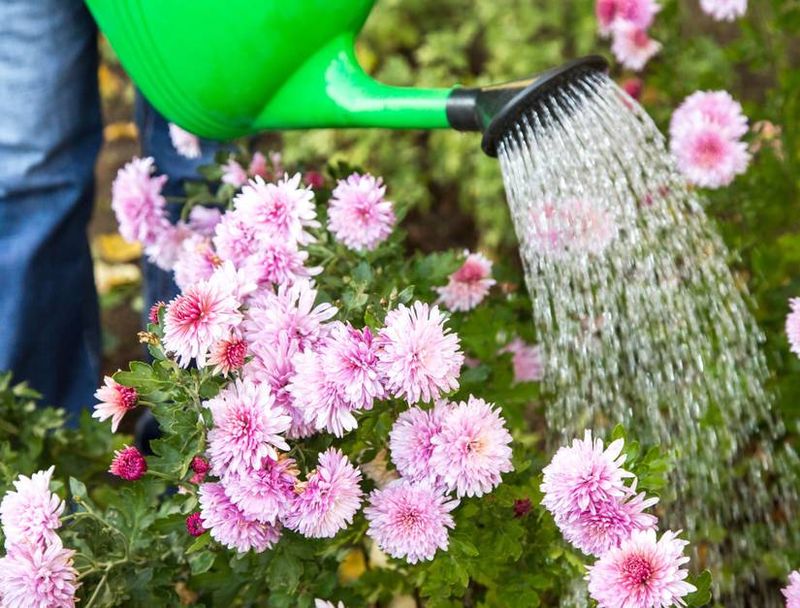
Watering might seem like the most basic part of plant care, but it becomes especially important for mums during late summer. Mums have relatively shallow root systems compared to many other garden plants.
That means they cannot pull moisture from deep in the soil the way some perennials can. When the top layer of soil dries out, mums feel it quickly, and stress shows up fast in the form of wilting leaves and dropped buds.
August in Pennsylvania can bring stretches of hot, dry weather that are tough on shallow-rooted plants. Check your mums regularly, ideally every day or two during heat waves.
Stick your finger about an inch into the soil near the base of the plant. If it feels dry, it is time to water.
Aim for deep, thorough watering rather than light, frequent sprinkles. Getting water down to the root zone encourages stronger roots and healthier plants overall.
At the same time, overwatering is a real problem too. Soggy soil can lead to root rot and other fungal issues that will harm your plants just as much as drought stress.
Make sure your mums are planted or potted in well-draining soil and that any containers have drainage holes. If you are growing mums in the ground, avoid watering on a rigid schedule.
Instead, water based on actual soil conditions and recent rainfall. Consistent, even moisture throughout August is what mums need to keep their developing buds healthy and on track for a strong fall performance that will brighten your yard for weeks.
Avoid Major Late-Summer Cutting

Late summer is not the time for major reshaping or heavy cutting on your mums. Many gardeners get the urge to tidy up the garden as summer winds down, and it is easy to grab the shears and start trimming.
But for mums at this stage, significant cutting can seriously set back or even eliminate your fall bloom. The plant has spent months preparing for its big moment, and cutting into that growth disrupts the whole process.
That said, there is a difference between major cutting and basic maintenance. If you notice a stem that has been snapped by wind or a branch that looks diseased or badly damaged, go ahead and remove it.
Leaving damaged material on the plant is not helpful either. The key is to keep any cutting minimal and targeted.
Remove only what is clearly unhealthy or broken, and leave everything else alone. Think of it as first aid rather than landscaping.
A good rule to follow is this: if you are not sure whether to cut it, leave it. When in doubt, do nothing.
That mindset will serve your mums well during this critical stretch. Major shaping and pruning can wait until after the plant has finished blooming in fall, or it can be planned for early next spring when the plant is just starting to push new growth again.
For now, your job is to protect what the plant has already built. Every stem and bud tip you leave untouched in August is one more potential flower waiting to open for you in September and October across Pennsylvania.
Let The Plants Prepare For Their Fall Show

After all the early-season pinching, regular watering, and careful hands-off care through August, the final step is simply to trust your plants. Mums are remarkably capable when given the right conditions.
As the days get shorter and the nights cool down, the plant shifts fully into bloom mode. All that energy it stored through the summer gets directed straight into opening those buds and putting on a show.
Continue giving your mums basic care through the end of August and into September. Keep watering consistently, pull any weeds that might compete for moisture, and make sure the plants are getting enough sunlight.
Most mums prefer at least six hours of direct sun per day. If yours are in a shady spot, that can limit blooming even if you have done everything else right. Sunlight is fuel for the final push toward flowering.
Avoid the temptation to apply heavy fertilizer at this stage. A nitrogen-rich fertilizer can push the plant to produce more leaves and stems rather than focusing energy on flowers.
If you want to feed your mums in late summer, use a low-nitrogen, bloom-boosting formula sparingly. But honestly, healthy mums in good soil often do not need much extra feeding at this point.
They just need steady moisture, sunshine, and peace. Give your plants those three things, stay away from the pruning shears, and you are very likely to be rewarded with the kind of bold, full, colorful fall display that makes Pennsylvania porches and gardens look absolutely stunning every single autumn season.