What To Do With Green Peppers In Oregon When Nights Turn Too Cool To Ripen Them
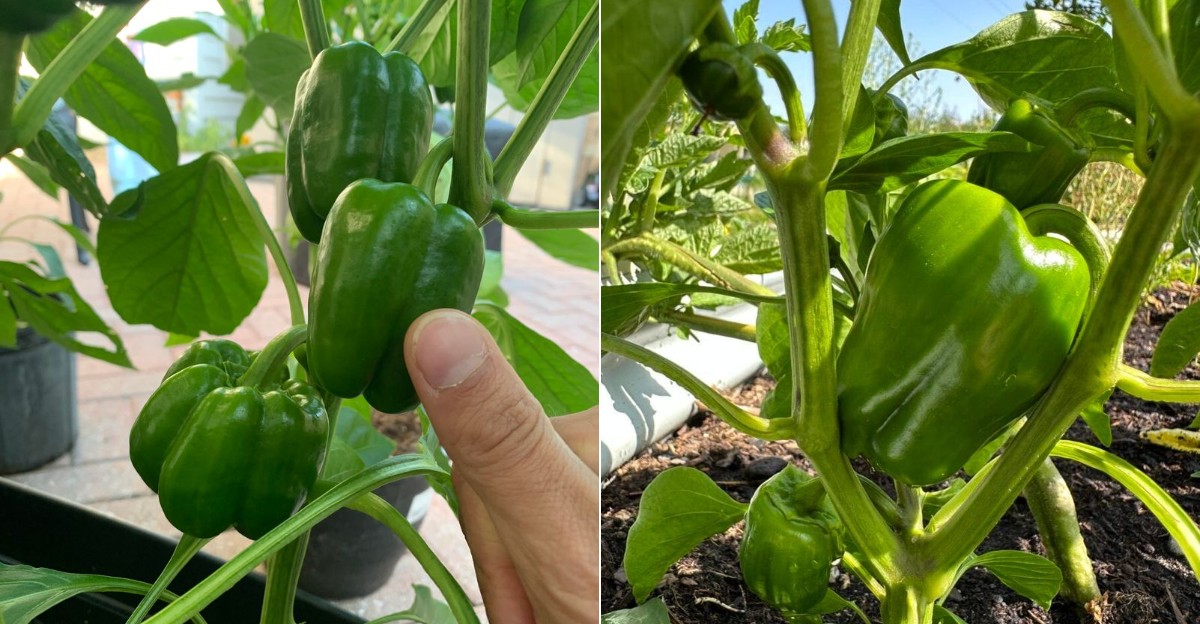
Those green peppers still hanging on your Oregon plants may not have much time left once cooler nights settle in.
When temperatures drop, pepper plants slow down, and fruits that were close to changing color can seem stuck in place. It can be frustrating to watch a promising harvest stall right before the season ends.
You do not have to leave those peppers behind and hope for warmer weather. With the right timing and a few simple steps, you can encourage ripening, protect your plants, or make the most of peppers that stay green.
Knowing when to pick, how to handle harvested fruit, and what your plants need before the first cold nights can help you save more of your crop.
A little attention now can turn an unfinished harvest into plenty of flavorful peppers for your kitchen.
1. Pick Fully Sized Green Peppers Before Cold Nights Arrive
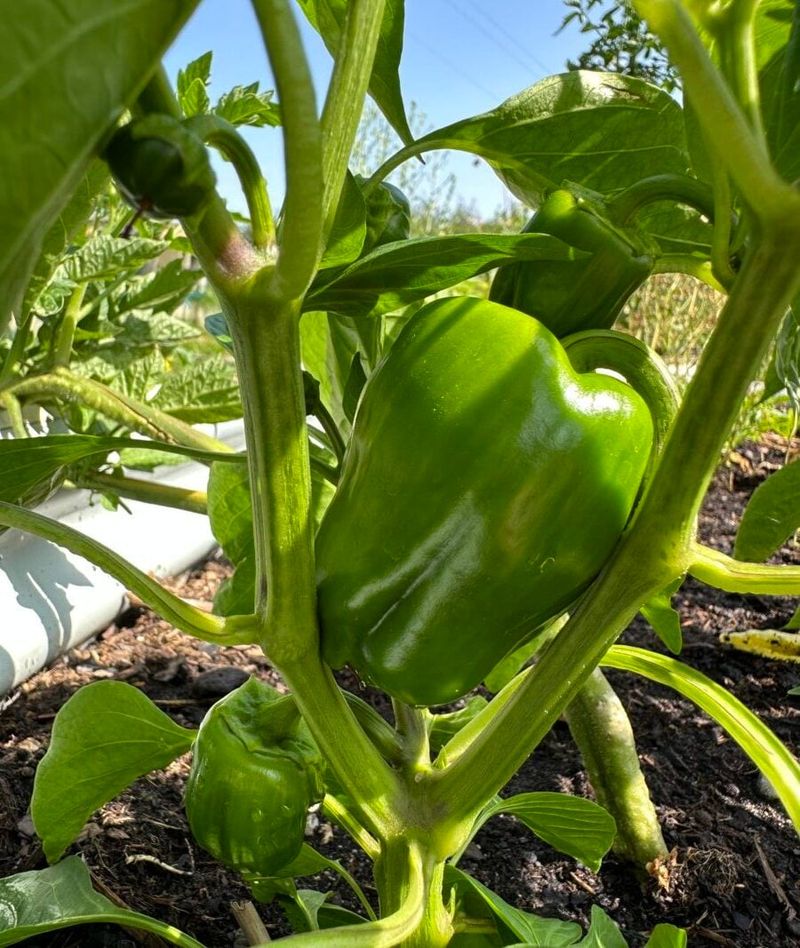
Timing matters a lot once the forecast shows nights dipping into the 40s. Peppers that have reached their full size are your best pick.
These full-grown green peppers may not turn color outdoors anymore, but they are ready to use. Grab them before a hard frost damages the fruit.
Use a clean pair of scissors or garden shears to snip the pepper off the stem. Pulling by hand can tear the plant and hurt future growth.
Leave a short piece of stem attached to each pepper. This helps them last longer once you bring them inside.
Check the weather app on your phone each evening during fall. Oregon nights can cool down quickly, so staying alert saves your crop.
Peppers that feel firm and look shiny are the ones to harvest first. Soft or wrinkled ones should be used right away.
Morning is a great time to pick, after the dew dries but before the day heats up. The peppers stay crisp and fresh.
Do not wait too long hoping for color. A cold snap can arrive overnight and spoil the fruit you worked so hard to grow.
Gather your peppers in a basket, not a plastic bag. Airflow keeps them from getting damp and mushy during the walk indoors.
2. Bring Green Peppers Indoors To Finish Ripening
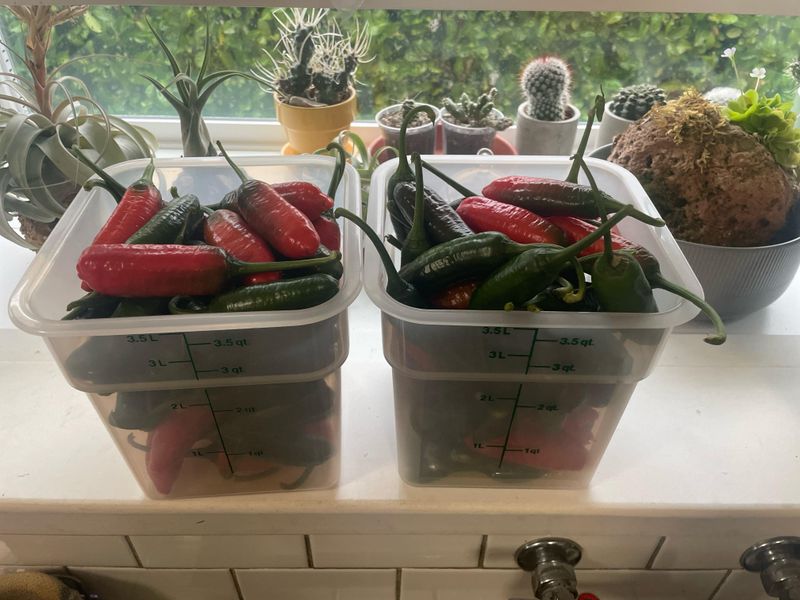
Here is some good news for gardeners worried about wasted fruit. Many green peppers will keep ripening even after you pick them.
Set them in a warm spot inside your house, like a kitchen counter or a sunny windowsill. Warmth is what pushes the color change along.
Peppers that were close to changing color have the best chance of turning red or yellow indoors. Fully young green ones may stay green.
Place them in a single layer so air can move around each one. Crowding leads to soft spots and moldy fruit.
An apple or banana placed nearby can speed things up. These fruits release a natural gas that helps peppers ripen faster.
Check on them every day or two. Rotate the peppers gently so all sides get warmth and light.
It may take one to two weeks for the color to develop. Patience pays off with sweeter, more colorful peppers.
Your Oregon Garden Changes Every Week. Your Plan Should Too.
Gardening in Oregon changes quickly throughout the season. Every Friday you’ll receive a simple weekly plan showing exactly what to plant, prune, fertilize, harvest, and protect so you never miss the right timing.
Keep them away from cold windows at night, since chilly glass can slow the process. A steady, cozy room works best.
If a pepper starts to shrivel before turning color, just use it green. There is no reason to toss a perfectly good vegetable.
This trick lets you enjoy garden peppers long after the outdoor season ends.
3. Warm Temperatures Help Peppers Change Color
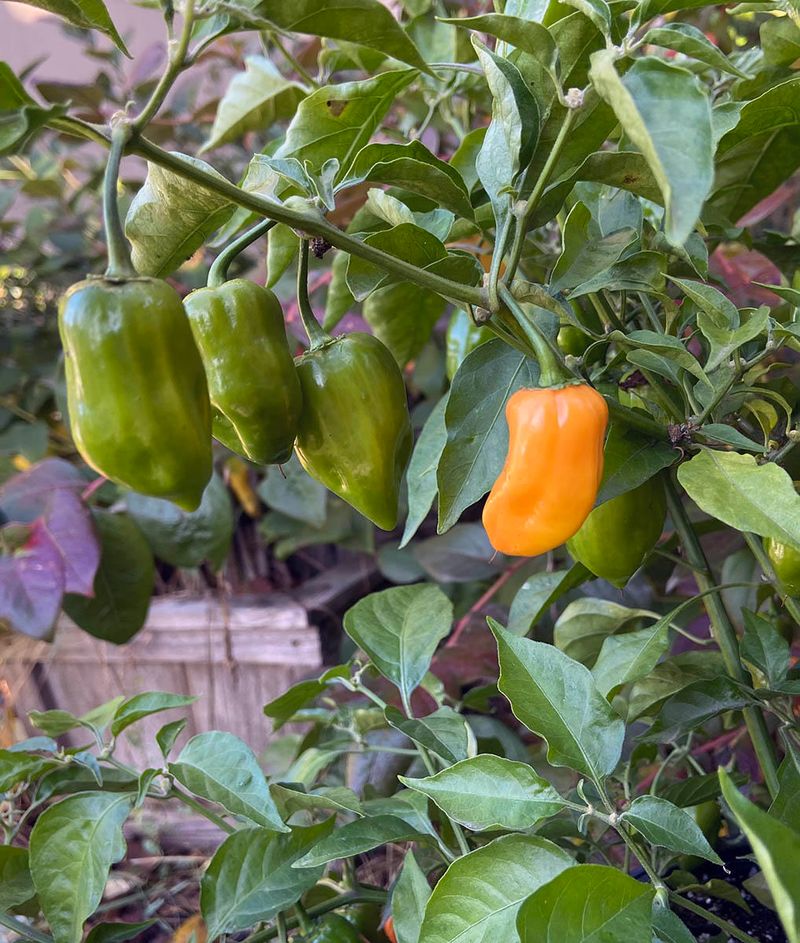
Color change in peppers is all about heat, not just time. Peppers need warm days to shift from green to red, yellow, or orange.
In Oregon, fall days may still be pleasant, but the cool nights slow everything down. That is why your peppers seem stuck on green.
The sweet spot for ripening sits around 70 to 80 degrees Fahrenheit. When temperatures fall below that, the color process nearly stops.
Bringing peppers into a warm room recreates the summer heat they crave. A spot near a sunny window mimics those long, bright days.
Some gardeners use a warm garage shelf or a heated sunroom. Any steady, cozy space can do the job nicely.
Direct sunlight adds gentle warmth and encourages the color to deepen. Just avoid letting the peppers overheat and turn soft.
You might notice red streaks appearing first before the whole pepper changes. That is a sign the warmth is working.
Keep the temperature consistent for the best results. Big swings between hot and cold can confuse the ripening process.
Not every pepper will fully change, and that is okay. Even partly colored peppers taste a bit sweeter than fully green ones.
Understanding this warmth rule helps you make smart choices. You will know exactly what your peppers need to reach their full flavor.
4. Leave Healthy Plants Producing As Long As Weather Allows
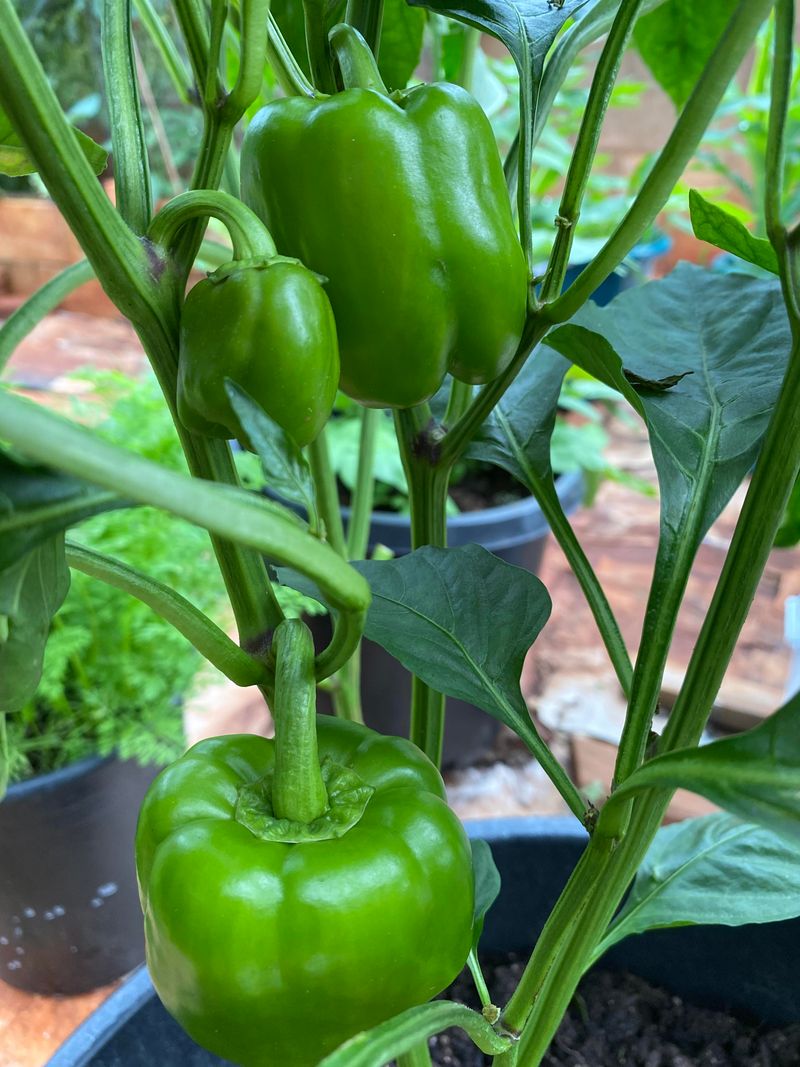
Not every cool night spells the end for your pepper plants. Strong, healthy plants can keep making fruit if the weather stays mild.
As long as frost has not hit, your plants can hold their peppers outdoors. Watch the forecast and let them grow when you can.
Peppers left on the plant during warm daytime hours may still develop nicely. A few sunny afternoons can make a real difference.
Keep the soil lightly watered and pull any weeds that pop up. Healthy roots support better fruit even late in the season.
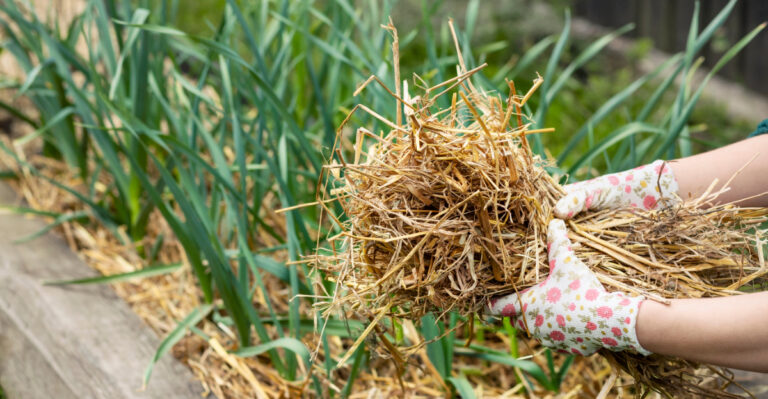
A layer of mulch around the base helps hold in warmth. This gives roots a bit of extra protection on chilly nights.
Some Oregon gardeners get lucky with a long, gentle autumn. Their plants keep producing well into October.
Do not rush to clear the garden if plants still look green and lively. Give them a chance to reward your patience.
Remove any fruit that looks damaged so the plant sends energy to the good peppers. This keeps the whole plant stronger.
Check leaves for pests during these final weeks. A healthy plant fights off cold much better than a stressed one.
Letting plants produce a little longer stretches your harvest. Every extra pepper you gather is a small win before winter.
5. Remove Small Peppers That Will Not Have Time To Mature
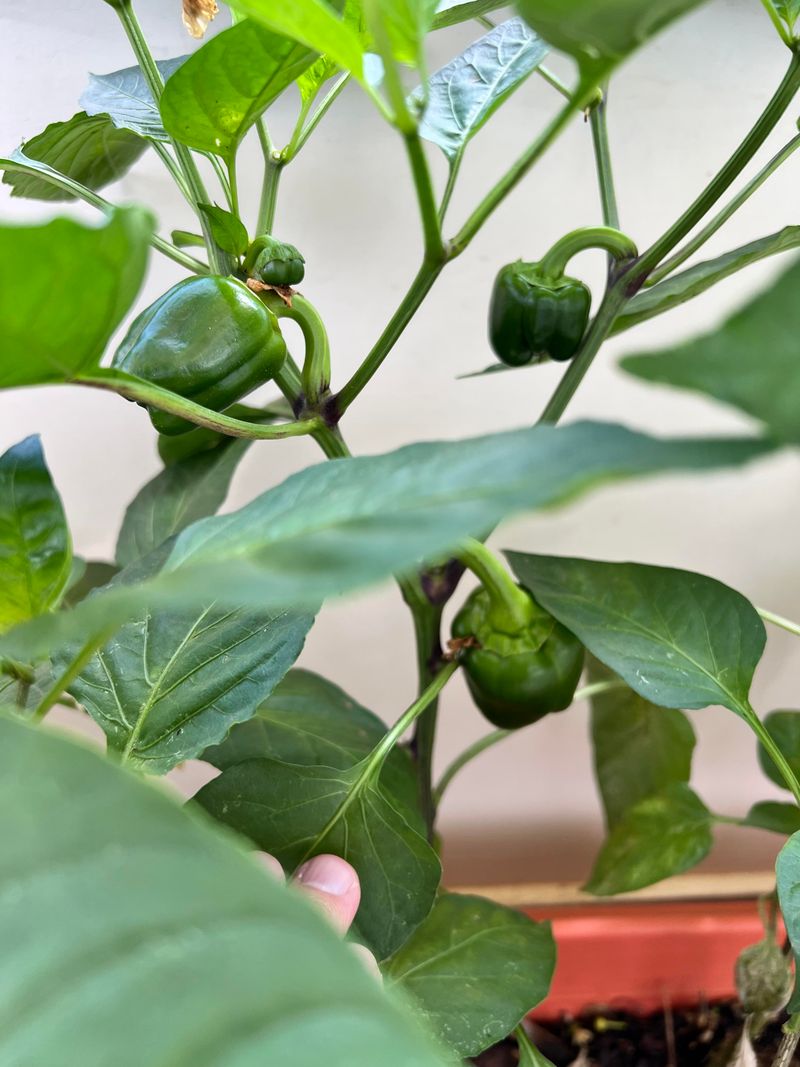
Sometimes the kindest thing you can do is thin out the tiny fruit. Small peppers just will not have time to grow before cold sets in.
By picking off those little ones, you free up energy for the bigger peppers. The plant can focus on what it can actually finish.
Look for peppers smaller than your thumb that show up late in the season. These rarely reach a usable size.
Snip them off gently with your fingers or small scissors. The plant will not miss them, and your main crop benefits.
This trick works a lot like pruning. Directing energy to fewer fruits often gives you larger, better vegetables.
Tiny peppers left on the plant also invite pests and rot. Removing them keeps your plant cleaner and healthier.
Do not feel bad about tossing the little ones. They simply ran out of warm days to develop.
You can still rinse and taste the smallest ones if you like. Some folks toss them into stir-fries for a mild crunch.
Focus your care on the peppers that stand a real chance. Those are the ones worth your water and attention now.
Thinning late in the season is a smart move many new gardeners overlook. It helps you end the year with a stronger harvest.
6. Protect Plants From Early Cold Nights
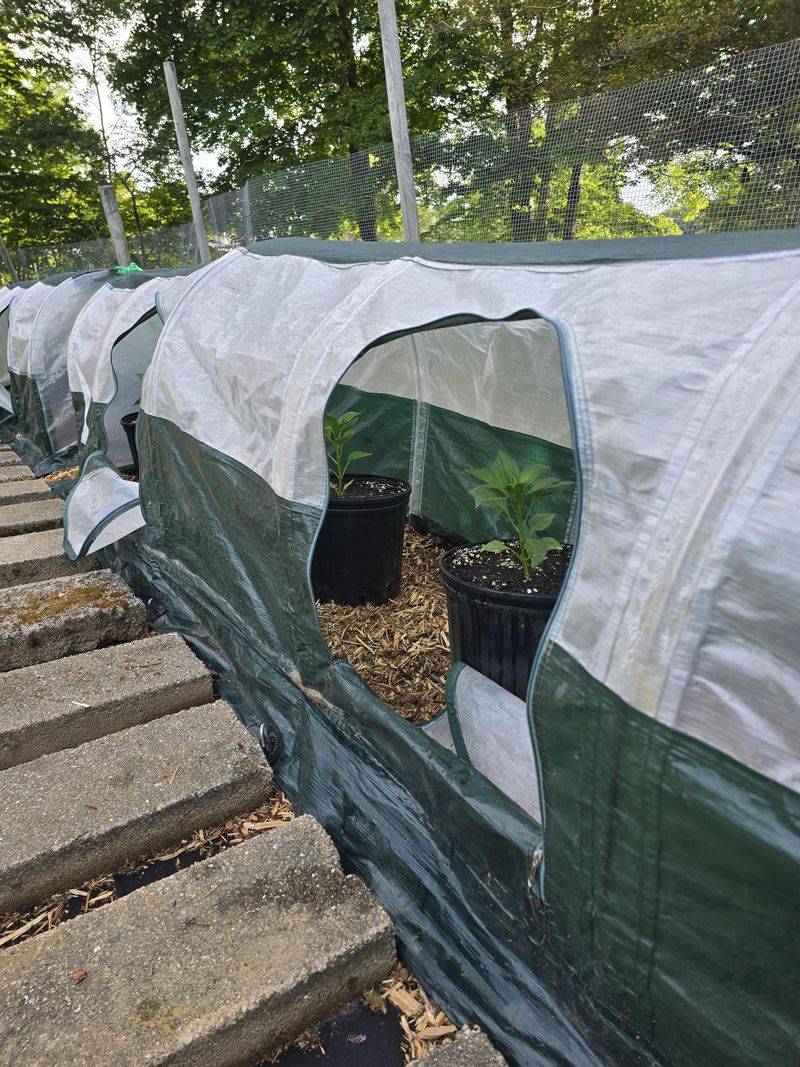
A single cold night can undo weeks of growing if you are not careful. Covering your plants is one of the easiest ways to fight the chill.
Old bed sheets, blankets, or garden row covers all work well. Drape them over the plants before the sun goes down.
Trapping the day’s warmth around the plants keeps them safer overnight. Remove the cover in the morning so they can breathe and soak up sun.
For potted peppers, simply move the containers indoors or into a garage. This gives them instant shelter from the cold.
Stakes or tomato cages help hold covers off the leaves. Direct contact with frosty fabric can still harm the plant.
Water the soil earlier in the day when frost is expected. Moist soil holds heat better than dry ground.
Some gardeners string up outdoor holiday lights under the covers for gentle warmth. The old-style bulbs give off just enough heat.
Keep an eye on the forecast for those first surprise cold snaps. Oregon weather can turn quickly in early fall.
Even a few nights of protection can buy your peppers more ripening time. That extra week might be all they need.
Covering plants takes just a few minutes but saves a lot of fruit. It is a small effort with a big reward.
7. Use Green Peppers Instead Of Waiting For Color
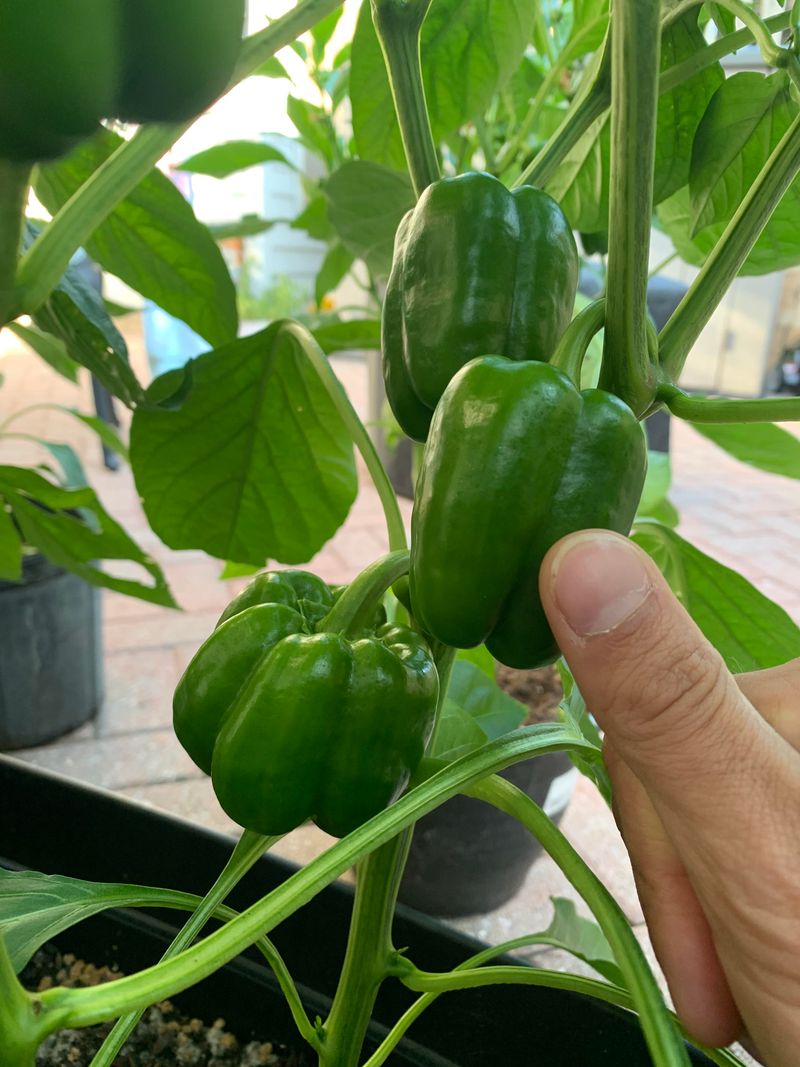
Waiting for color is not the only option, and honestly, green peppers shine in the kitchen. They bring a crisp, fresh bite to many meals.
Stuffed peppers are a classic way to use them. Fill green ones with rice, meat, or beans, then bake until tender.
Chop them into stir-fries for a satisfying crunch. Their slightly sharp flavor pairs well with onions and garlic.
Green peppers also work great on homemade pizza or in fajitas. They add color and texture to almost any dish.
Try dicing them into omelets, chili, or soup. A little goes a long way in boosting flavor.
Raw green peppers make a healthy snack too. Slice them into strips and dip in hummus or ranch.
Because they are firm, green peppers hold their shape during cooking. That makes them perfect for grilling on skewers.
Their flavor is a bit more bitter than red peppers, but many people love that taste. It adds a nice bite to fresh salads.
Do not think of green as unfinished. In many recipes, green is exactly what the dish calls for.
Cooking with them right away means nothing goes to waste. You get to enjoy your garden harvest without any extra waiting.
Green peppers prove that color is not everything when flavor is on the table.
8. Store Harvested Peppers The Right Way
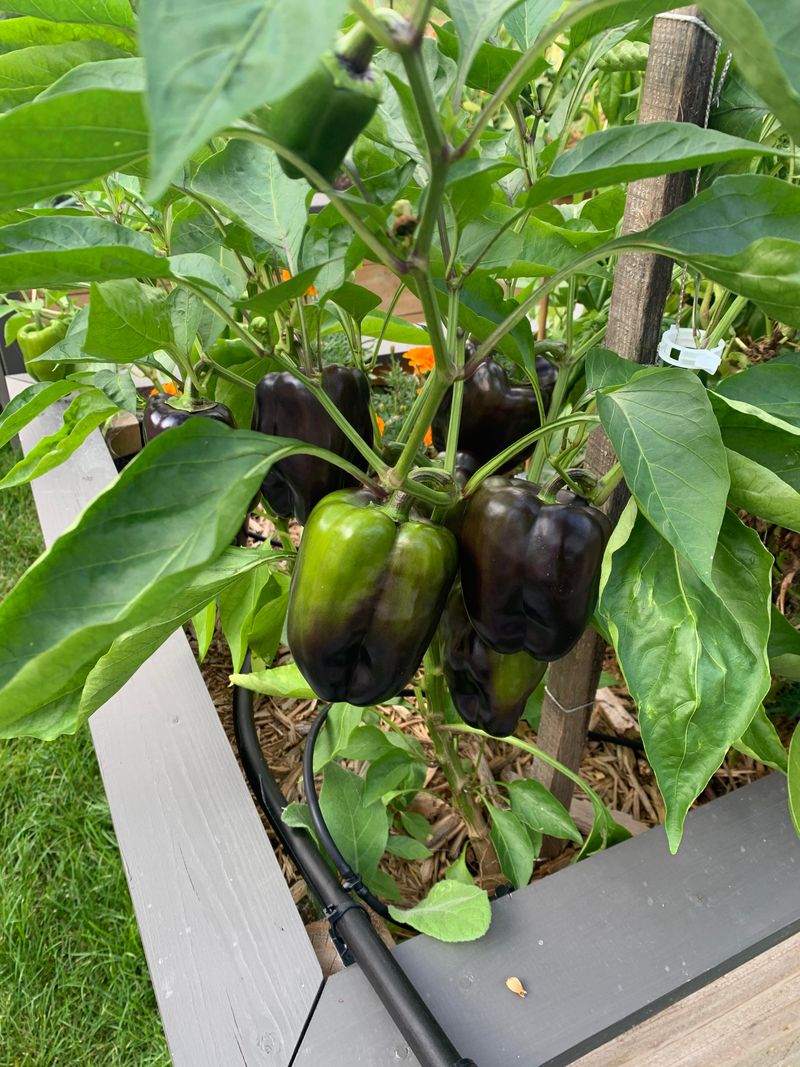
Once you pick your peppers, smart storage keeps them fresh for weeks. The right method depends on how soon you plan to use them.
For short-term use, pop unwashed peppers into the fridge. The crisper drawer keeps them cool and firm for up to two weeks.
Wait to wash them until right before you cook. Extra moisture in storage leads to faster spoiling.
Whole peppers last longer than cut ones. If you slice them, use those pieces within a few days.
Freezing is a great choice for a big harvest. Wash, chop, and spread the pieces on a tray before bagging them.
Frozen peppers keep for many months and work well in cooked dishes. They lose some crunch but hold their flavor nicely.
You can also roast peppers first, then freeze them. Roasting adds a rich, smoky taste to your winter meals.
Drying is another option if you have a dehydrator. Dried pepper flakes make a handy seasoning all year.
Label your bags with the date so you know what to use first. A little organization saves you guesswork later.
Keep an eye out for soft spots and use those peppers quickly. Sorting your stash now prevents waste down the road.
Good storage stretches your garden bounty long after Oregon’s cool nights arrive.