Why Sticky Drops Start Falling From Oregon Trees In Late Summer
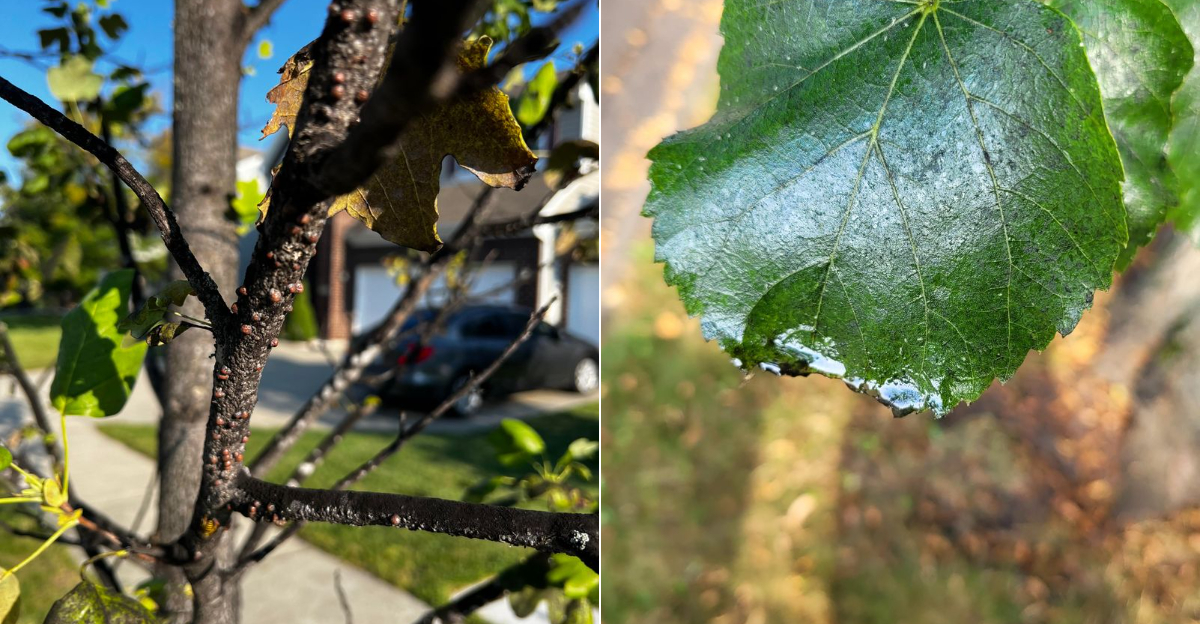
Late summer in Oregon can bring some strange surprises beneath otherwise ordinary-looking trees.
You park the car, set out a patio chair, or walk across the yard and suddenly notice tiny sticky droplets covering everything below.
Leaves may look shiny, outdoor furniture feels tacky, and the sidewalk can seem like someone misted it with syrup. Not exactly the seasonal decoration anyone asked for.
What makes it especially confusing is that the tree itself may not look dramatically different at first glance.
There might be no obvious broken branch, leaking wound, or other clue explaining why sticky drops keep appearing.
Naturally, that can send homeowners into detective mode, staring up into the canopy and wondering what on earth is happening overhead.
The timing is worth paying attention to as well. Conditions change as Oregon moves through the final stretch of summer, and trees can become noticeably busier places than they seem.
If your yard has suddenly developed a mysterious sticky coating, do not assume the tree is simply making a mess. Those little droplets may be pointing to something happening above your head.
1. Aphids Are Usually Behind The Sticky Drips
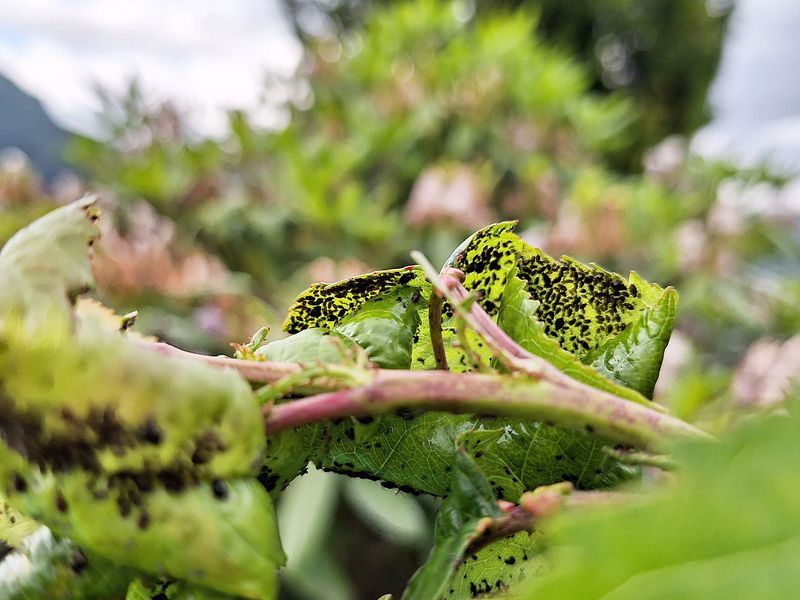
Tiny, soft-bodied insects called aphids are almost always the first suspects when sticky drops start falling from trees in late summer. These little bugs are no bigger than a sesame seed, but they can cause a surprisingly big mess.
They cluster in huge groups on the undersides of leaves and along young stems, which makes them hard to spot from the ground.
Aphids feed by piercing into the soft tissue of leaves and stems and sucking out the plant’s sugary fluid, called phloem sap. After they take in this liquid, they process it quickly and push out the excess sugar through their bodies.
That sugary waste is what lands on everything below the tree.
One reason aphid populations explode in late summer is the warm, dry weather. Hot conditions speed up their life cycle, and a single aphid can produce dozens of offspring in just a few days without even mating.
Natural predators like ladybugs and lacewings help keep aphid numbers in check, but when those populations lag behind, aphids take over fast.
Checking the undersides of leaves is the best way to confirm aphids are the problem. You will often see clusters of pale green, yellow, or black bugs packed tightly together.
A strong spray of water from a garden hose can knock many of them off. Neem oil or insecticidal soap are also effective options that are safe for most trees and nearby plants.
2. That Clear Stuff Is Insect Honeydew
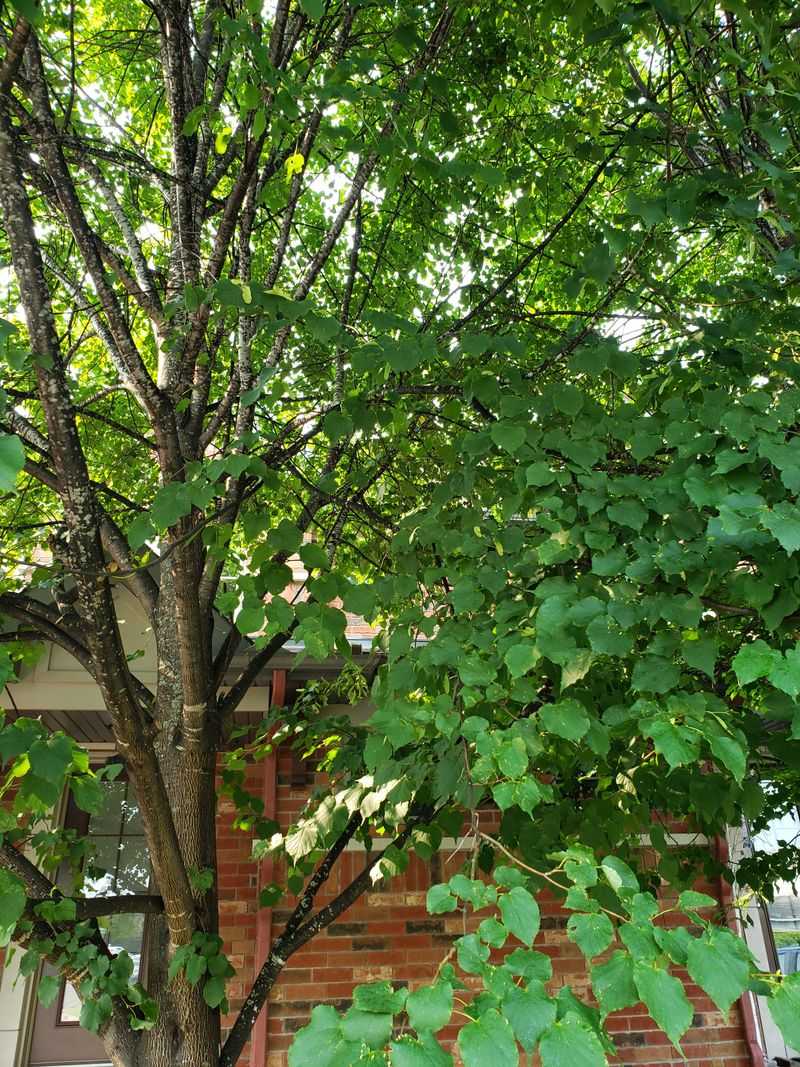
Most people assume the sticky stuff dripping from trees is tree sap, but that is usually not the case. What you are actually seeing is called honeydew, and it comes directly from insects feeding on the tree above.
The name sounds pleasant, but the substance is basically insect waste made mostly of sugar.
Honeydew is produced when insects like aphids and scale bugs consume more plant fluid than their bodies can use. The excess gets pushed out and falls from the leaves above.
Your Oregon Garden Changes Every Week. Your Plan Should Too.
Gardening in Oregon changes quickly throughout the season. Every Friday you’ll receive a simple weekly plan showing exactly what to plant, prune, fertilize, harvest, and protect so you never miss the right timing.
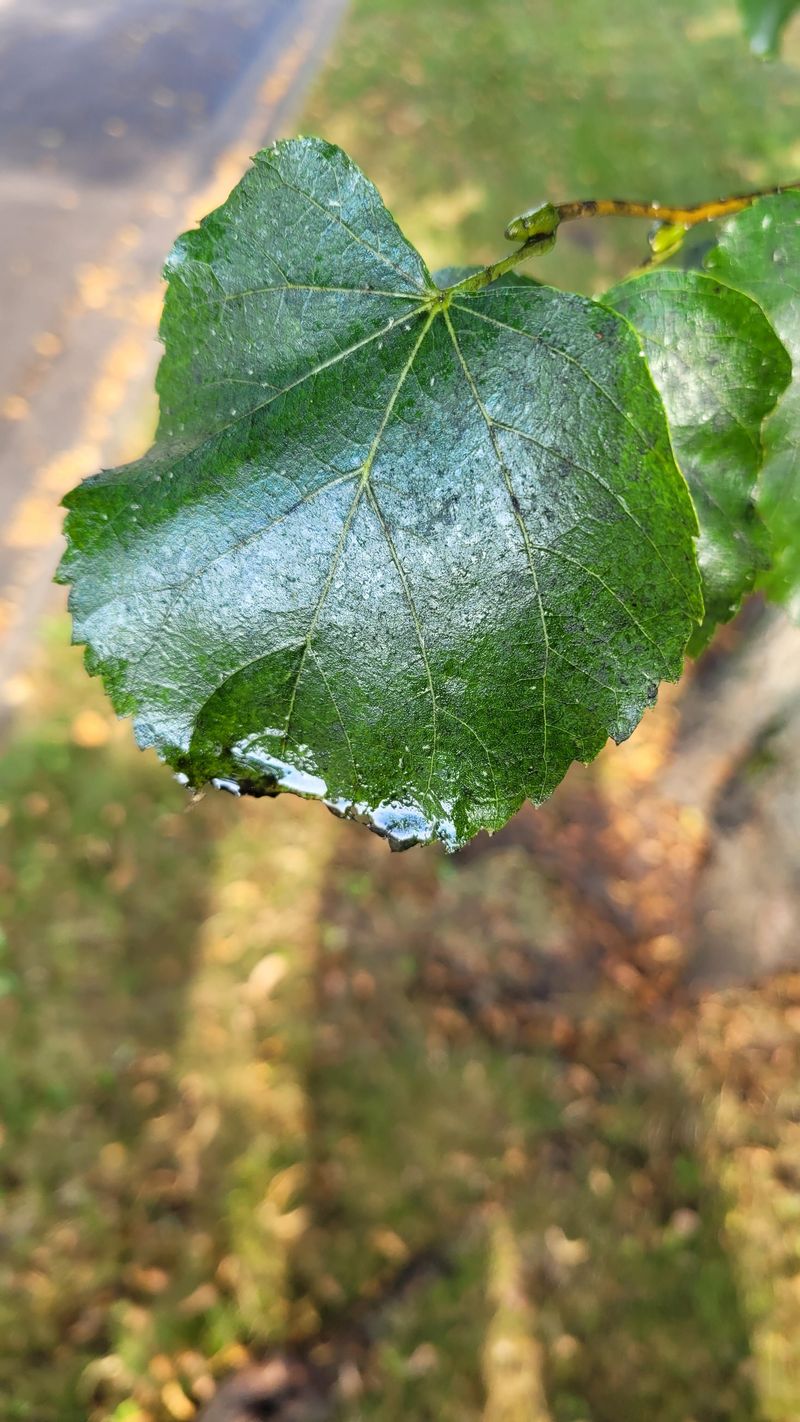
It lands on car hoods, patio tables, sidewalks, and anything else sitting beneath the tree. When the sun hits it, it dries into a thin, shiny film that feels tacky to the touch.
The sugar content in honeydew is actually quite high, which is why it attracts so many other creatures. Bees, wasps, and ants are often drawn to it as a food source.
Birds sometimes feed on it too. In a natural forest setting, honeydew can even play a role in the local food web.
For Oregon homeowners, though, honeydew is mostly a nuisance. It coats surfaces quickly and can be tricky to wash off once it has baked in the sun for a few hours.
Warm, soapy water works well on most hard surfaces. The real fix, however, is addressing the insects producing it.
Without treating the source, the dripping will keep coming back throughout the rest of the season.
3. Scale Insects Can Make The Mess Even Worse
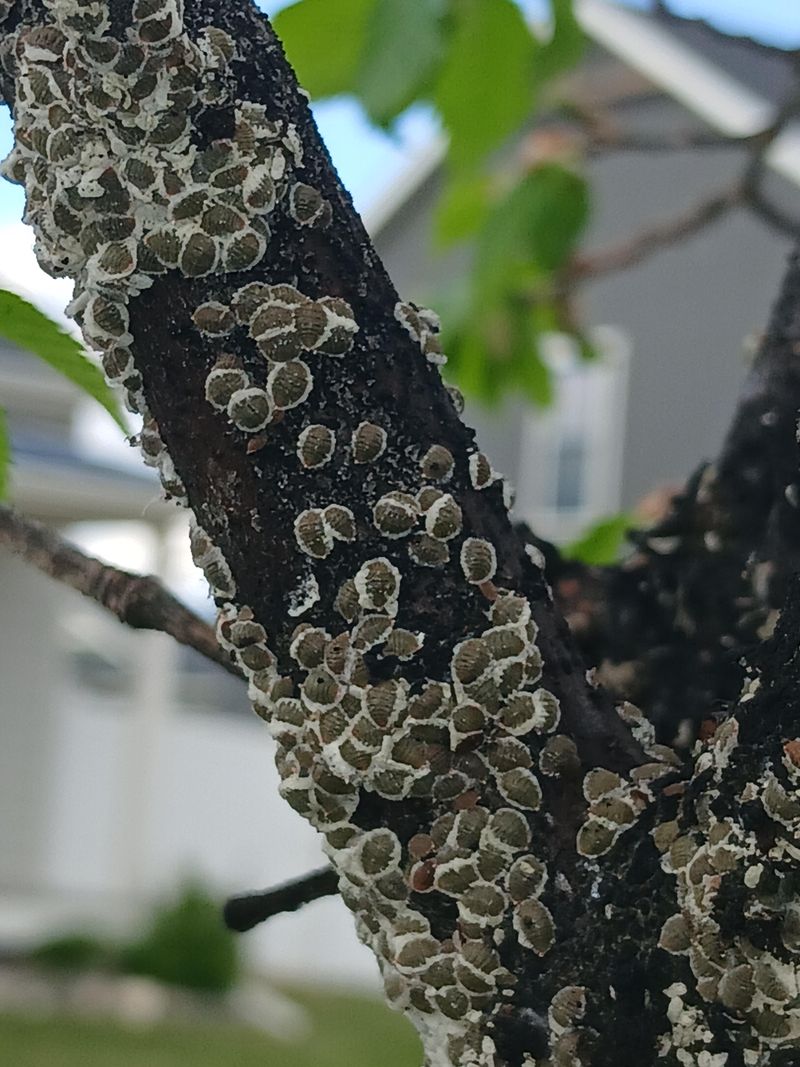
Aphids get most of the attention, but scale insects are often just as responsible for the sticky drip problem, and sometimes even more so.
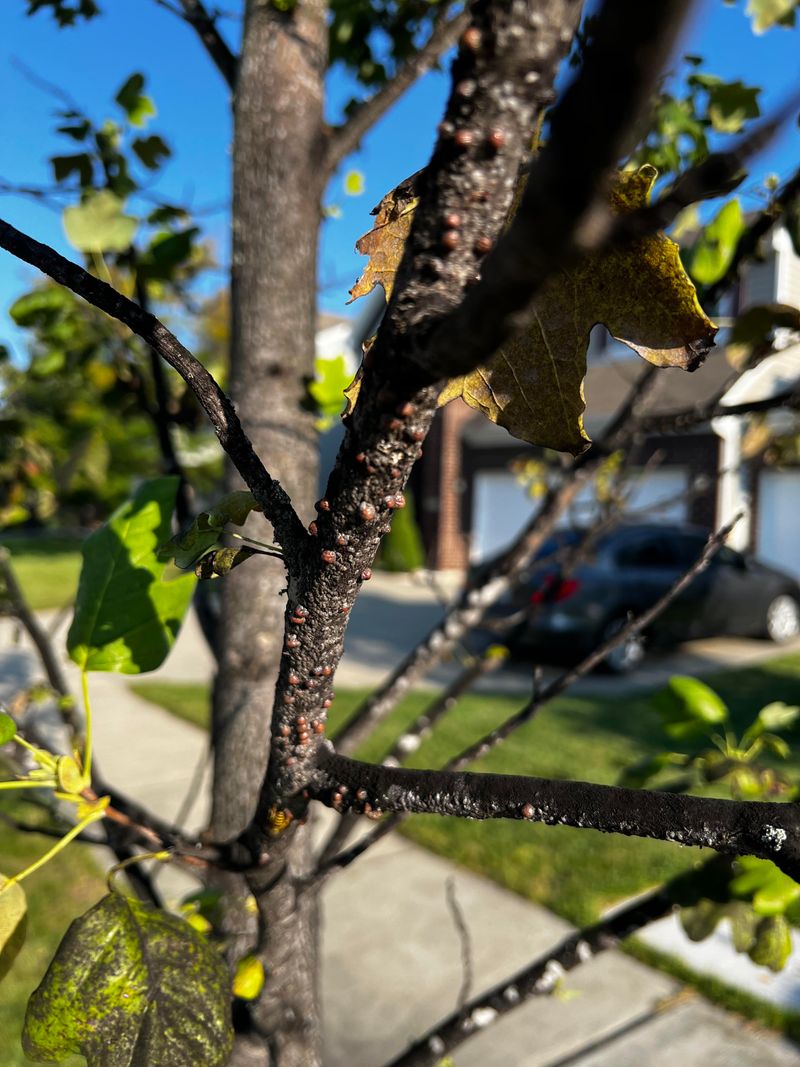
Scale bugs are unusual-looking insects that attach themselves to tree bark, branches, and leaves and stay in one place for most of their lives.
They look more like tiny bumps or shells than actual bugs, which makes them easy to overlook.
Just like aphids, scale insects feed on plant sap and produce honeydew as a byproduct. Because they tend to stay in large groups and feed continuously, they can pump out a lot of sticky liquid over time.
Certain tree species like maples, lindens, and oaks seem to attract scale insects more than others, especially during hot and dry stretches of weather.
Scale insects are harder to treat than aphids because their shell-like covering protects them from many sprays. Horticultural oil works well because it smothers the insects rather than trying to penetrate their outer layer.
Timing matters a lot with scale treatment. Catching them in the crawler stage, when young insects are still moving around and have not yet formed their protective shell, gives you the best chance of getting the problem under control.
If you notice an unusual amount of sticky residue on branches and bark, look closely at the surface. Small, flat, or rounded bumps that do not come off easily are a strong sign of scale.
A professional arborist can help confirm the type and recommend the right treatment plan for your specific tree.
4. Cars Under Trees Often Get Coated First
Ask anyone who parks under a big shade tree in late summer, and they will tell you the same story. The car looks fine in the morning, but by afternoon it is covered in tiny sticky spots that seem impossible to wipe off.
That coating comes from honeydew raining down from the insects living in the branches above.
Cars are especially vulnerable because they sit still for long periods directly under the canopy. The honeydew lands on the paint, the glass, and the mirrors, and then the sun bakes it on within a few hours.
Once it hardens, regular car wash soap often is not enough to cut through it. The sticky layer can also trap dust and pollen, making the mess look even worse.
The best approach is to wash the car as soon as possible after noticing the buildup. Warm water and a gentle car-safe soap work well when the honeydew is still fresh.
For stubborn dried spots, a detailing spray or a diluted vinegar solution can help break it down without scratching the paint. Avoid scrubbing dry spots with a rough cloth, as the trapped grit can leave fine scratches.
Moving the car to a different spot is the simplest short-term fix. If that is not possible, a car cover can protect the surface during peak drip hours.
Dealing with the insects in the tree is the only long-term solution, since the honeydew will keep falling as long as the infestation is active and the weather stays warm.
5. Ants Usually Show Up For The Sweet Stuff
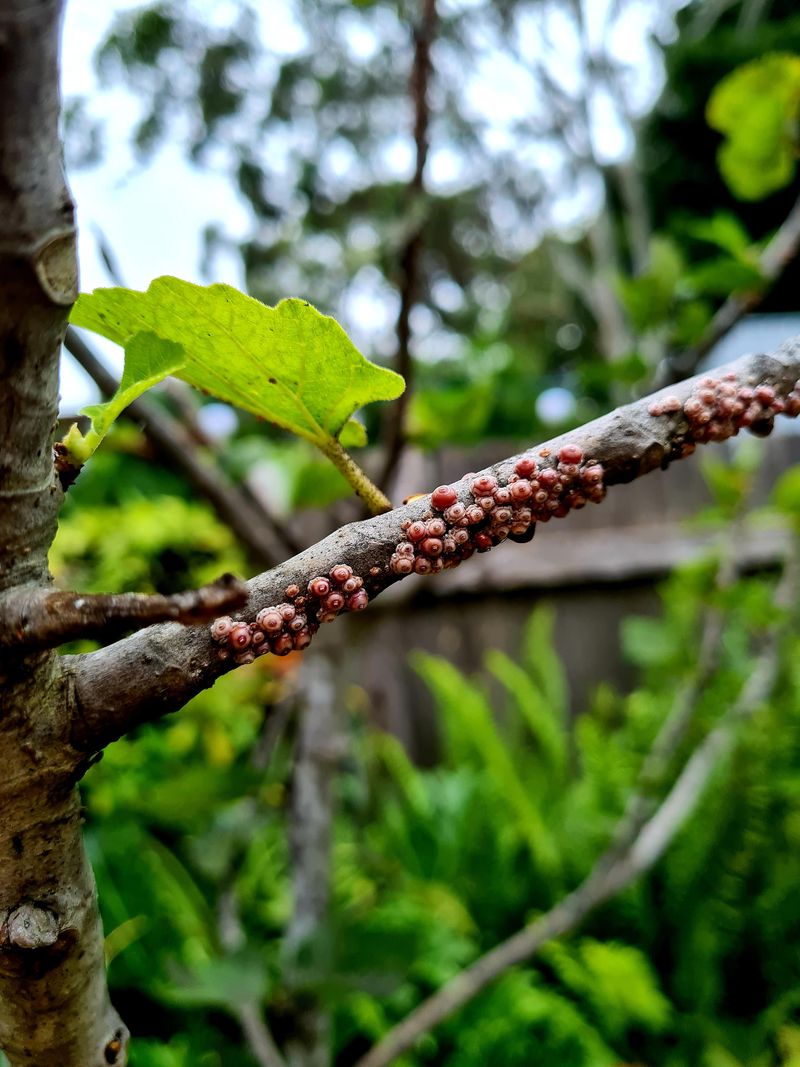
When ants suddenly start marching up and down tree trunks in large numbers, it is almost always a sign that something sweet is waiting for them at the top. Ants are highly attracted to honeydew and will go out of their way to collect it.
In fact, some ant species actually protect aphid colonies from predators just so they can keep harvesting the honeydew supply.
This relationship between ants and aphids is called mutualism, where both species benefit. The ants get a steady food source, and the aphids get protection from insects like ladybugs and parasitic wasps that would otherwise reduce their numbers.
The result is that aphid populations can grow much larger than they would on their own, making the honeydew problem significantly worse over time.
Spotting trails of ants climbing a tree is a useful early warning sign. It often means an aphid or scale infestation is already underway up in the canopy.
Disrupting the ants can actually help reduce the aphid problem indirectly. Sticky tree bands wrapped around the trunk create a barrier that ants cannot cross, cutting off their access to the colony above.
Some Oregon gardeners also use food-grade diatomaceous earth around the base of the tree to deter ants. It is not harmful to pets or people but creates an uncomfortable surface for insects.
Addressing both the ants and the aphids together gives you the best results. Focusing on just one part of the cycle usually means the other side bounces back quickly.
6. Black Sooty Mold Can Follow Soon After
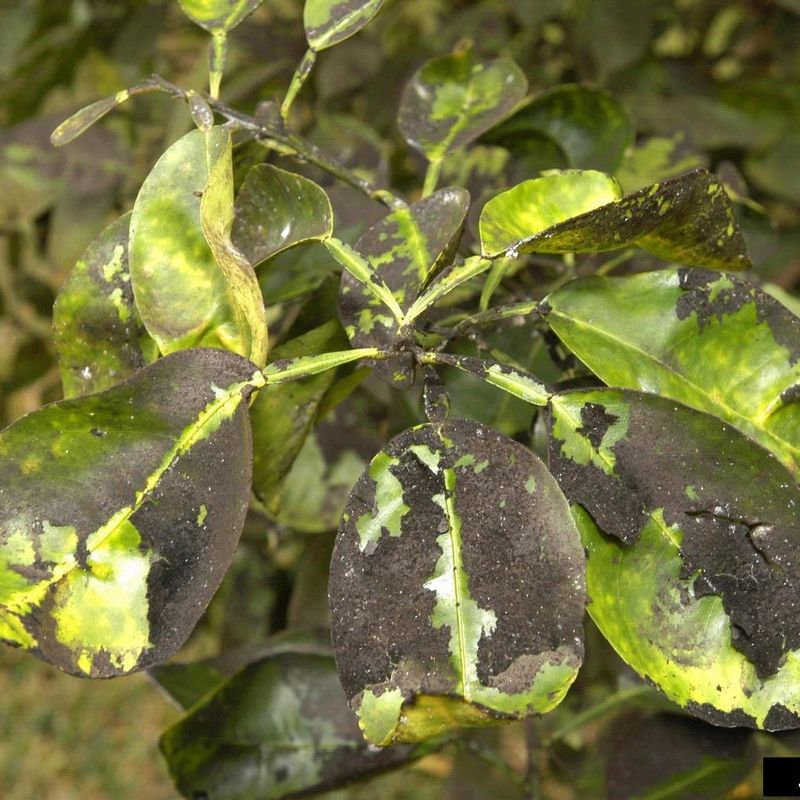
One of the more alarming things that can follow a honeydew problem is a dark, powdery coating that spreads across leaves, branches, and even nearby surfaces.
This is called sooty mold, and while it looks serious, it is actually a fungus that feeds on the sugar in honeydew rather than on the tree itself. Still, it creates its own set of problems that are worth understanding.
Sooty mold thrives wherever honeydew has settled and dried. Spores land on the sticky surface and begin to grow, forming a thin black or dark gray layer that can spread quickly in humid conditions.
The mold itself does not feed on the tree, but it blocks sunlight from reaching the leaf surface, which can slow down photosynthesis over time.
Trees with heavy sooty mold coverage may start to look stressed. Leaves can turn yellow or drop earlier than usual.
The mold also makes the tree look unhealthy and can spread to plants growing below. On hard surfaces like patios or walkways, sooty mold can make things look grimy and neglected even after regular cleaning.
Getting rid of sooty mold starts with eliminating the honeydew source. Once the insects are treated and honeydew stops falling, the mold will gradually dry out and can often be washed away with water.
For heavy buildup on leaves, a mild soap-and-water solution helps loosen and remove it. Patience is key since the mold does not disappear overnight but clears up steadily once the insect problem is under control.
7. Hot Late-Summer Weather Can Make The Problem More Noticeable
Late summer heat plays a big role in how bad the sticky drip problem gets each year. Warm, dry conditions are ideal for aphids and scale insects to reproduce rapidly.
Populations that were small and manageable in spring can explode into the thousands by August if the weather stays hot and dry for extended stretches.
There is also a practical reason why people notice the problem more during late summer. Honeydew evaporates more quickly in the heat, but it also dries onto surfaces faster and becomes stickier and harder to remove.
On a cool spring day, the same amount of honeydew might barely be noticed. In August, it becomes an obvious, frustrating problem that seems to appear out of nowhere.
The warm season also brings more people outdoors. Patios, driveways, and outdoor furniture get more use in summer, which means more contact with the sticky residue.
Cars are parked in driveways more often. Kids play outside under trees.
All of this makes the honeydew more visible and more of a daily annoyance than it would be in cooler months.
In the Pacific Northwest, late summer droughts can stress trees, which may make them less able to defend against insect pressure. A water-stressed tree is often more vulnerable to large aphid populations.
Keeping trees well-watered during dry spells can help them stay stronger. Healthy trees are generally better at recovering from insect feeding without showing as much damage or producing as much honeydew buildup.
8. Washing The Leaves Does Not Fix The Real Cause
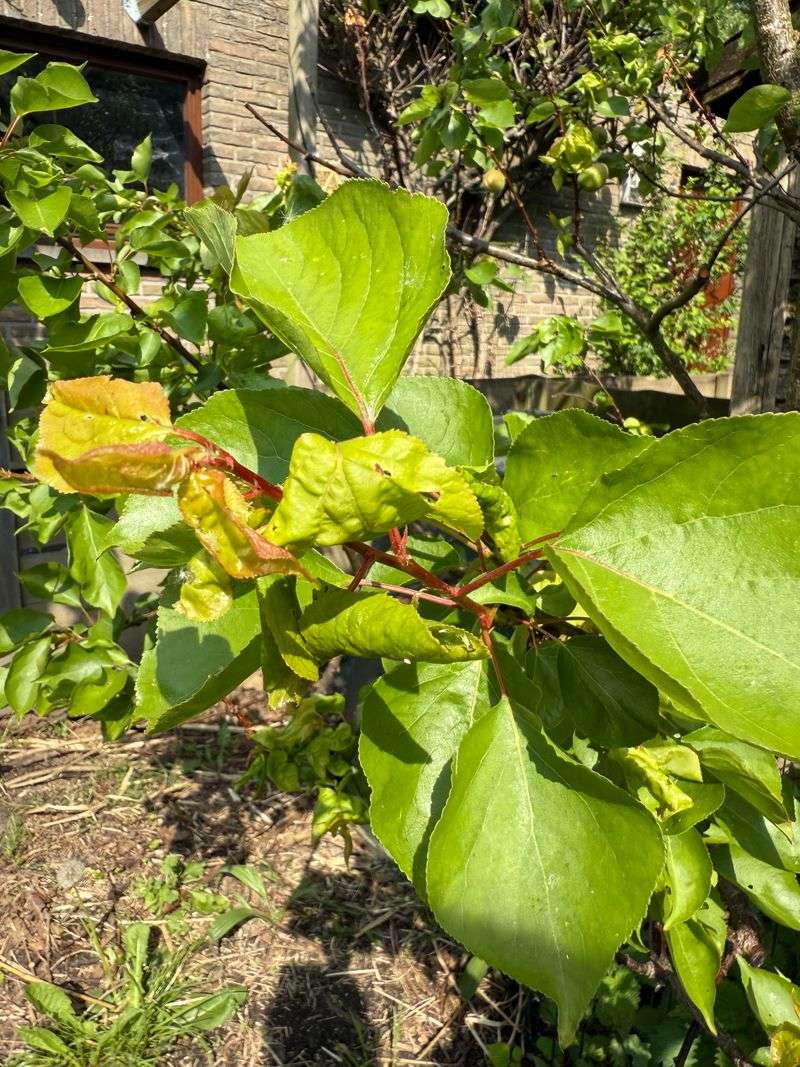
Grabbing a hose and spraying down the tree might feel like the right move when you first notice the sticky mess, and it does help a little. Water can knock aphids off leaves and temporarily reduce the amount of honeydew being produced.
But washing the leaves alone does not solve the underlying infestation, and the bugs will be back within days if nothing else is done.
Many homeowners repeat the hosing routine week after week through the summer without ever seeing a real improvement. The aphids simply move to other parts of the tree or return to the same spots once the water dries.
Scale insects are even harder to dislodge with water because of their protective shells. Without targeting the insects directly, the honeydew problem will continue as long as conditions are favorable.
A more effective approach combines physical removal with a proper treatment plan. Neem oil, insecticidal soap, and horticultural oil are all widely available and work well on many soft-bodied insects.
These products need to be applied directly to the insects to be effective, which means getting good coverage on the undersides of leaves where aphids tend to cluster.
For large trees in Oregon and other parts of the region, reaching the upper canopy can be a challenge.
A licensed arborist can apply systemic treatments that the tree absorbs through its roots or bark, carrying the treatment up into the branches where the insects are feeding.
This approach tends to give longer-lasting results than surface sprays and is worth considering for trees with repeated seasonal infestations.