Finish This New York Fall Task Before The First 40-Degree Night Arrives
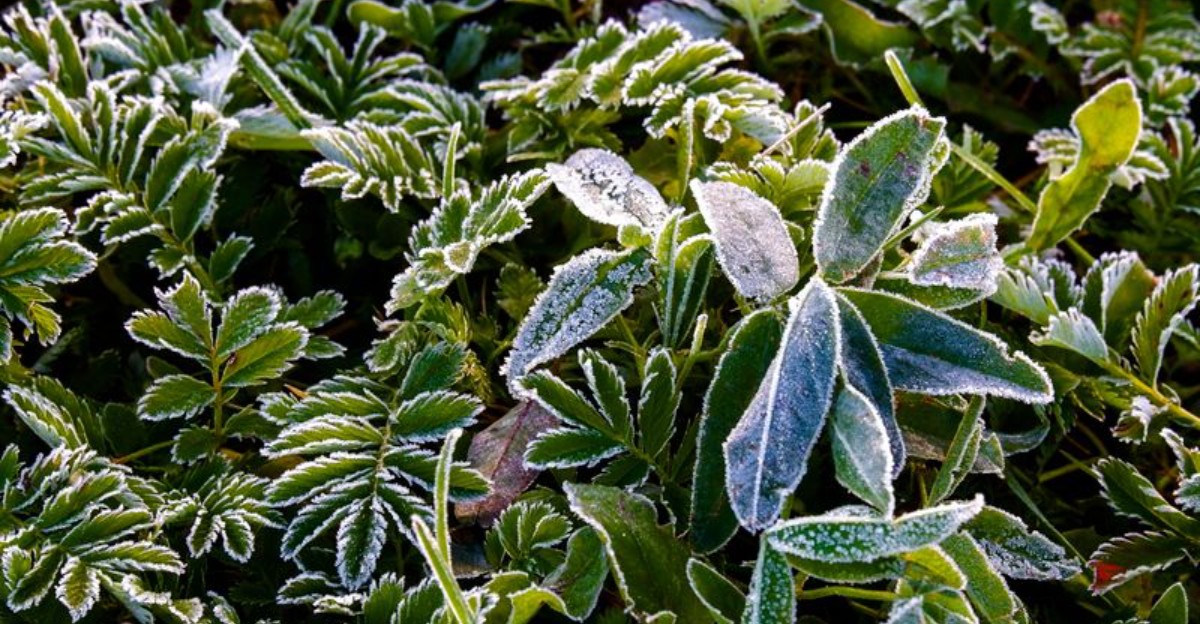
That first 40-degree night can arrive faster than most New York gardeners expect.
One chilly evening may not seem like a big deal. But for some favorite plants, it can signal that summer care needs to shift into winter preparation.
Many homeowners wait until frost is in the forecast. By then, they may have missed the best time to protect their most sensitive plants.
A few simple fall tasks can make a big difference. Knowing what needs attention before that first 40-degree night arrives can help protect your favorite plants and make spring much easier.
The Cold Night Deadline Many Plant Owners Miss

Nobody circles it on a calendar, yet the first 40-degree night is a real deadline for gardeners. Once nighttime temperatures begin trending downward, especially toward the 40s, it is a good time to check which plants may need protection.
Weather in New York can flip fast. Because the state sits in the path of cold air rushing down from Canada, and mountain ranges run north to south, summer can end almost overnight.
A warm week can turn into a chilly surprise before you even notice the season changing.
Many tropical and cold-sensitive plants begin showing stress as temperatures approach the 40s, with some becoming vulnerable even before frost arrives. Plants can feel the stress before a hard frost ever shows up, which is why waiting for visible frost is risky.
The trouble is that many plant owners assume they have more time. They see a warm afternoon and forget that nights cool down much faster in fall. By the time the cold hits, the damage may already be done to leaves and stems.
Keeping an eye on the local forecast is your best defense. When you spot several nights in a row heading toward the 40s, treat that as your warning bell.
Acting a few days early is always smarter than scrambling at the last minute. A small habit of checking evening temperatures each week gives you plenty of time to protect the plants that matter most to you.
Move These Tender Plants Before The Temperature Drops
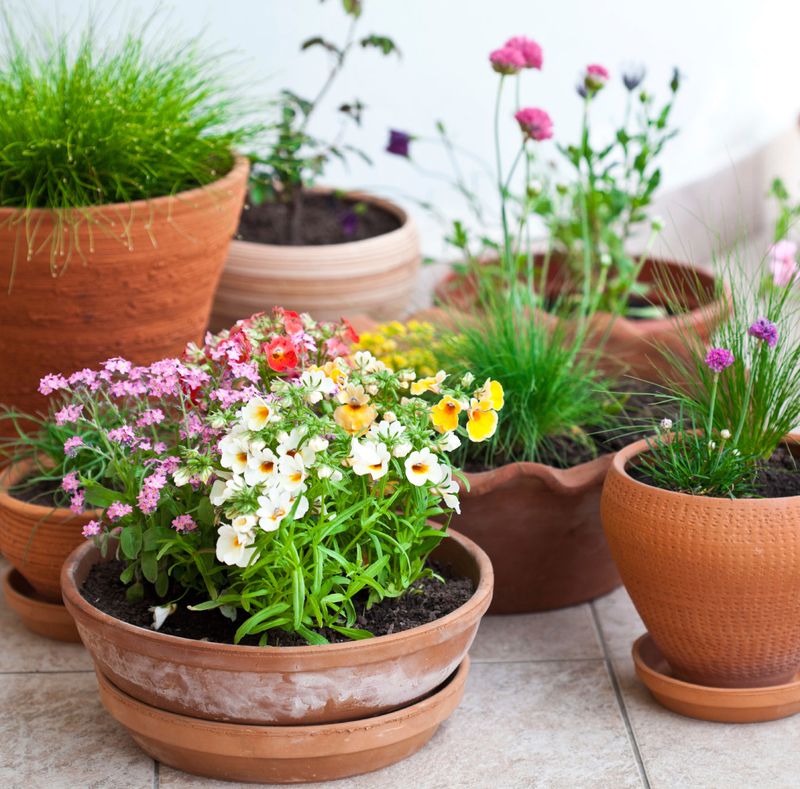
Picture your patio full of lush summer plants soaking up the sun. Those same beauties can be the first to suffer when cool nights roll in, so moving them indoors is the heart of your fall task.
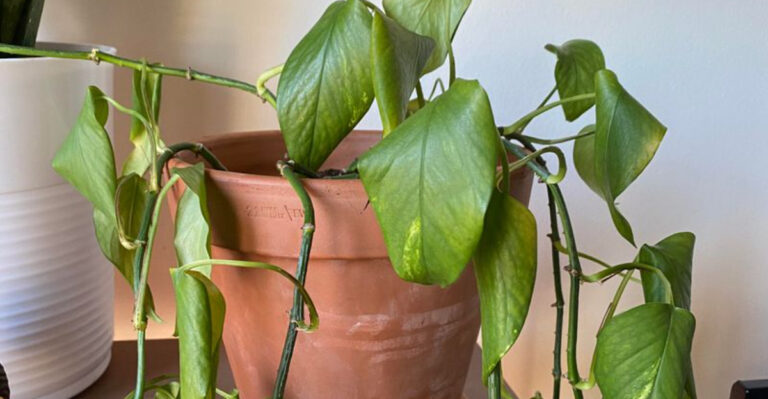
Tender plants, tropicals, and houseplants that vacationed outside all summer should come inside before the first frost or once nights regularly dip below 50 to 55 degrees. Waiting too long puts them at real risk.
Some familiar plants belong at the top of your move-in list. Common examples include tropical hibiscus, citrus grown in containers, coleus, begonias, lantana, and other warm-season plants that spend summer outdoors.
Tropical hibiscus, snail vine, water hyacinths, Egyptian papyrus, and certain succulents also need a warmer spot to spend the colder months.
Before hauling anything inside, give each plant a quick check. Look under leaves and along stems for bugs, since you do not want to invite pests into your home.
Your New York Garden Changes Every Week. Your Plan Should Too.
Gardening in New York changes quickly throughout the season. Every Friday you’ll receive a simple weekly plan showing exactly what to plant, prune, fertilize, harvest, and protect so you never miss the right timing.
A gentle rinse with water or a wipe of the leaves helps keep things clean.
Ease plants into their new home instead of rushing. Set them in a bright window with indirect light so they can adjust to the change in surroundings.
Group them where they get good air flow and stay away from cold drafts.
Gardeners often find this step the busiest part of fall, but knocking it out early feels great. Once your tender plants are safe inside, you can relax and enjoy the rest of the season without worry.
Know Which Plants Can Handle New York’s First Chilly Nights
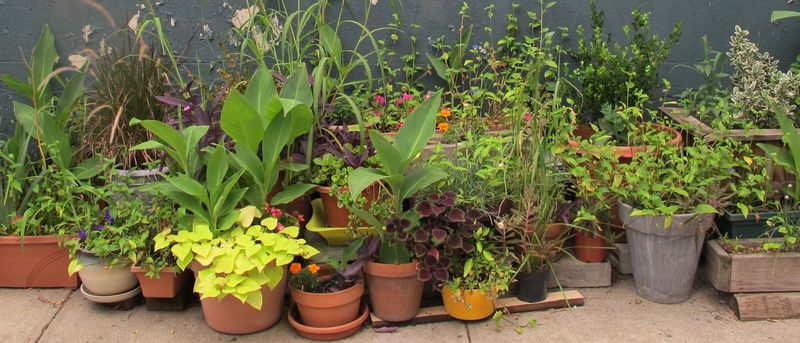
Here is some relief for anyone feeling overwhelmed: not every plant needs babying. Plenty of tough greens shrug off a chilly night without any help from you at all.
Hardy perennials and shrubs usually handle cooler temperatures better, especially when planted in the ground where roots are better insulated than they are in containers. These plants are built for changing seasons and often come back stronger.
Some cool-season annuals tolerate nights around 40 degrees, while warm-season annuals may begin struggling as temperatures drop.
Fuchsias, petunias, nemesia, dianthus, osteospermum daisies, sweet alyssum, snapdragons, bacopa, and dusty miller can keep looking cheerful even as the air turns crisp.
Herb lovers have good news too. Rosemary, sage, thyme, chives, bay laurel, lemongrass, mint, lavender, tarragon, oregano, sweet cicely, and fennel can often make it through with a little protection outdoors. That means fresh flavor for your kitchen a bit longer.
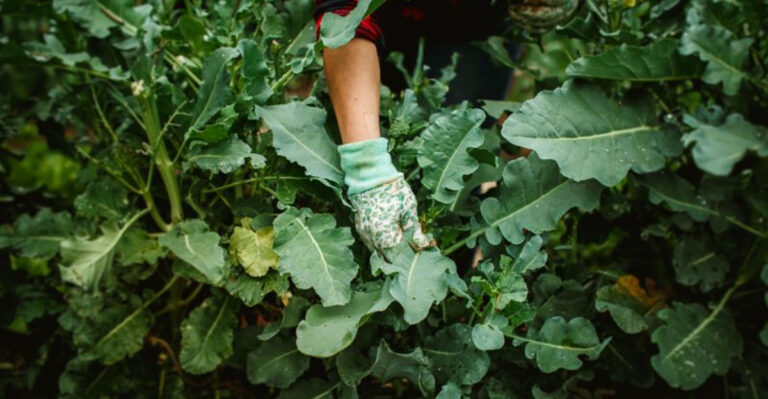
Cool-weather vegetables actually enjoy the drop in temperature. Lettuce, radishes, broccoli, cauliflower, peas, carrots, onions, potatoes, and spinach tolerate 40-degree nights and sometimes taste even sweeter for it.
Knowing the difference saves you time and energy. Instead of dragging every pot inside, you can focus your effort on the plants that truly need rescuing.
Sorting your garden into tough survivors and delicate ones makes the whole job feel manageable. Gardeners who learn these differences spend less time fussing and more time enjoying the beauty of a healthy autumn yard.
Give Container Plants Extra Protection Before Winter
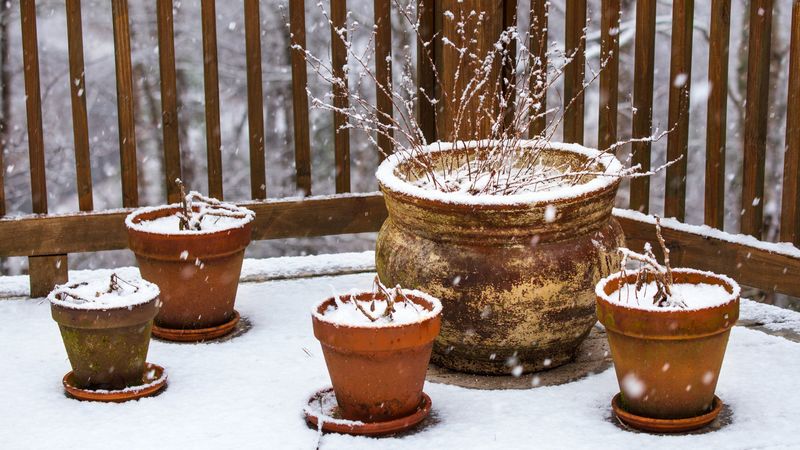
Potted plants live a tougher life in cold weather than their in-ground cousins. Their roots sit surrounded by air on every side, so they lose heat fast the moment temperatures fall.
Ground soil acts like a cozy blanket, holding warmth around roots deep into the season. Containers do not get that luxury.
Without natural insulation, the soil inside a pot cools quickly and leaves roots exposed to the chill.
Repeated freezing and thawing makes things worse. Each cycle stresses the roots and can even crack terracotta pots, leaving you with a mess and a struggling plant.
Winter winds only add to the strain.
A simple rule helps here.Container plants are often less cold-tolerant than the same plants grown in the ground because their roots are more exposed.
Check the plant’s hardiness and consider extra protection in winter. If it is not, that plant needs shelter or extra insulation.
You can wrap pots in reflective insulation, tuck them into mulch, or even bury them in a garden bed to keep roots snug. Clustering pots together also lets them share warmth and block cold gusts.
Watering the soil before a cold night gives roots a bit more protection, since moist soil holds heat better than dry soil. Just avoid soaking it so much that it turns soggy.
Container gardeners across New York quickly learn that pots need a little more attention. Taking these steps now keeps your favorite potted plants healthy and ready to shine again when warmer days return.
Protect Favorite Plants Without Bringing Everything Inside
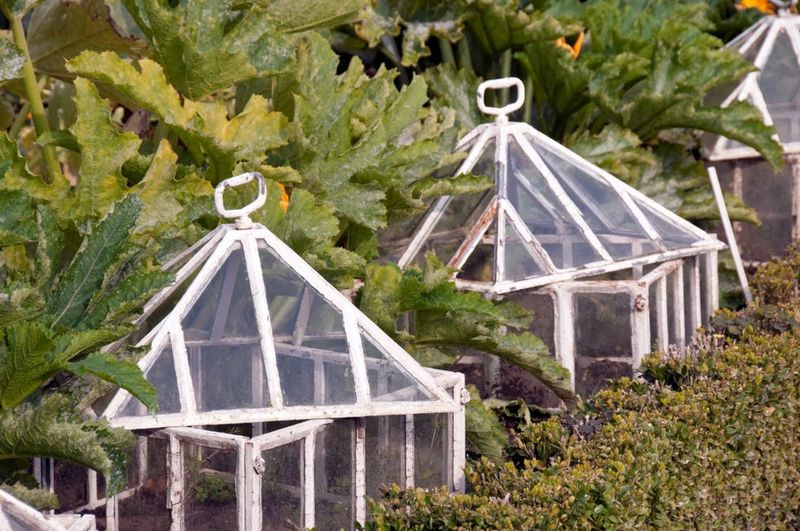
Not everyone has room to turn the living room into a greenhouse. The good news is that you can shield many plants right where they stand with a few clever tricks.
Start by moving containers to sheltered spots. A garage, a covered patio, or a cluster of pots pushed close to the house all offer protection. Buildings hold leftover warmth that helps take the edge off cold nights.
Covers work wonders for plants staying outdoors. Frost cloth, burlap, lightweight cotton sheets, painter’s cloth, old bed sheets, comforters, newspaper, or even cardboard boxes can trap warmth.
Just make sure the cover reaches all the way to the ground so warm air rising from the soil stays close to the plant.
Insulation adds another layer of defense. A 2 to 3 inch layer of shredded bark, compost, straw, or leaves around the base of a plant helps hold heat around the roots.
For colder spots, wrapping pots in reflective insulation or building a burlap wall stuffed with hay around a plant gives serious protection.
Watering before a cold night can help prevent drought stress, and moist soil generally holds heat better than very dry soil, although it is not a substitute for covering or moving sensitive plants. It is a small step that makes a real difference.
Gardeners rely on these outdoor methods when space runs short. With a stack of covers and a little mulch on hand, you can guard your favorites without crowding your home or lifting a single heavy pot up the stairs.
Check These Hidden Cold-Sensitive Plants Around Your Yard
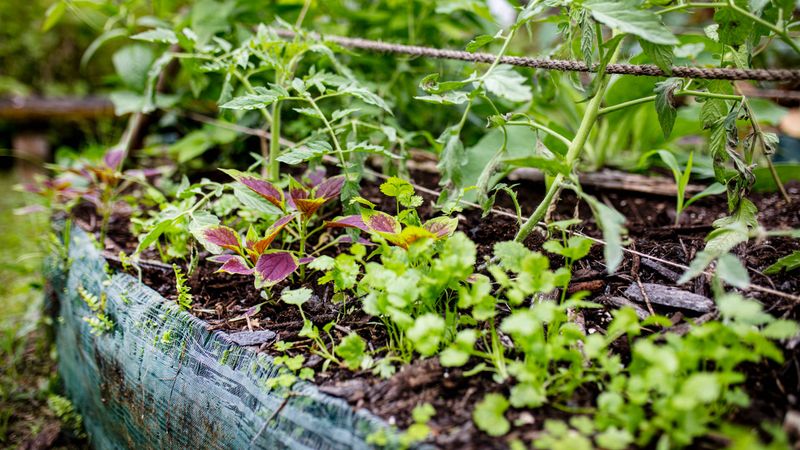
Some plants slip right past even careful gardeners. They blend into the landscape until a cold night reminds you they were never built for chilly weather.
Herbs are the sneakiest of the bunch. Basil, parsley, cilantro, dill, and pineapple sage rarely make it through a New York winter outdoors. Since they often grow in tucked-away corners or kitchen pots, they are easy to forget until it is too late.
Tropical ornamentals deserve a second look too. Ficus trees, bougainvillea, yellow bells, lantana, fairy dusters, and certain succulents all react badly to the cold. Their bold summer looks can trick you into thinking they are tougher than they really are.
Container citrus trees are another surprise. Lemon and lime trees feel the chill more than other citrus types, so they need to move to warmth well before frost. Growing them in pots makes relocation easier, which is a nice bonus.
Then there are the leafy favorites like begonias and coleus. Both bring gorgeous color all summer, yet both need shelter once nights turn cool. People often admire them right up until the cold catches them off guard.
Take a slow walk around your yard and really look. Peek onto porches, along fences, and near the garage where forgotten pots tend to gather.
Making a quick list of these hidden treasures ensures nothing gets left behind. A few minutes of scouting now spares you the disappointment of finding a beloved plant harmed later.
Prepare Garden Beds Before The First Freeze Arrives
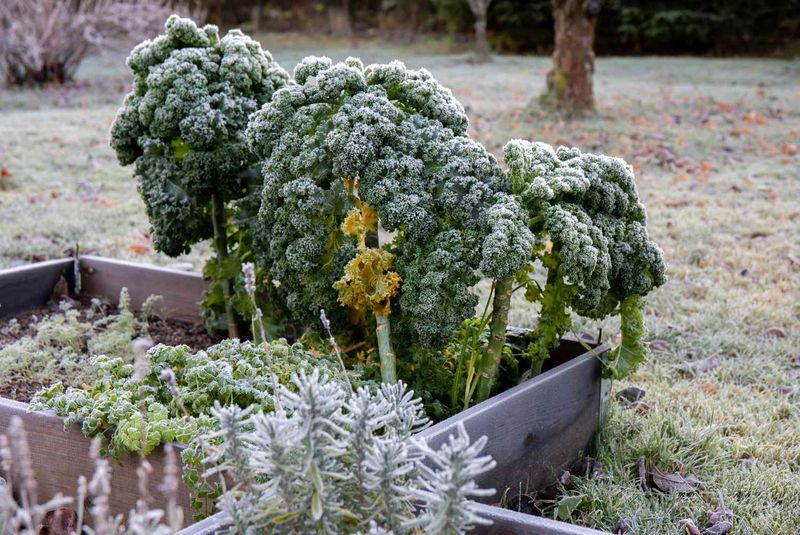
Once your tender plants are safe, the garden beds themselves need a little love. A bit of cleanup now sets the stage for an easier, healthier spring.
Start with the mess that summer leaves behind. Clearing away fallen leaves and debris removes hiding spots for pests and diseases that would otherwise wait out the winter in your beds.
A tidy bed is a healthier bed.
Remove spent annuals when they decline or after frost finishes their season, depending on your garden goals. Most perennials can be cut back too, though a few deserve special treatment.
Plants with basal rosettes like coral bells, or semi-woody stems like lavender and sage, are better left standing for their own winter protection.
Vegetable gardens call for extra care. Pull every finished plant, and keep any diseased ones far from your regular compost pile so problems do not spread next season.
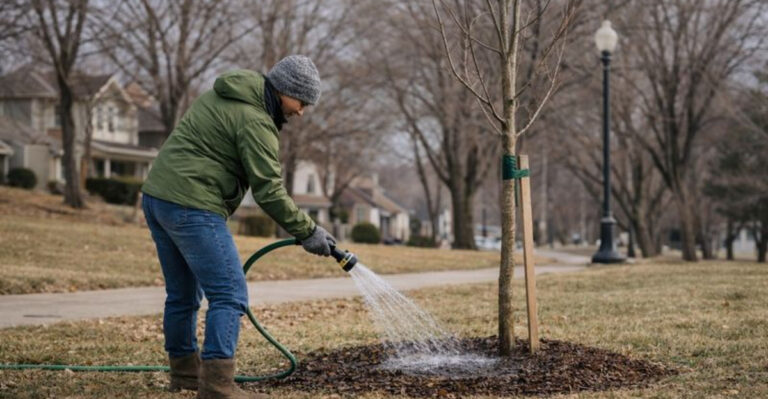
Mulch is your finishing touch. A 2 to 4 inch layer of mulch around the root zone, applied after the soil cools in late fall, helps regulate temperature and conserve moisture.
It also guards young tree bark against hungry rodents, rabbits, and deer looking for a winter snack.
Timing matters, so wait for the ground to firm up before piling on mulch. Rushing it can trap too much warmth and invite trouble.
Gardeners find that a well-prepped bed makes spring planting a breeze, letting them jump straight into the fun part when the weather warms again.
Avoid These Fall Plant Protection Mistakes
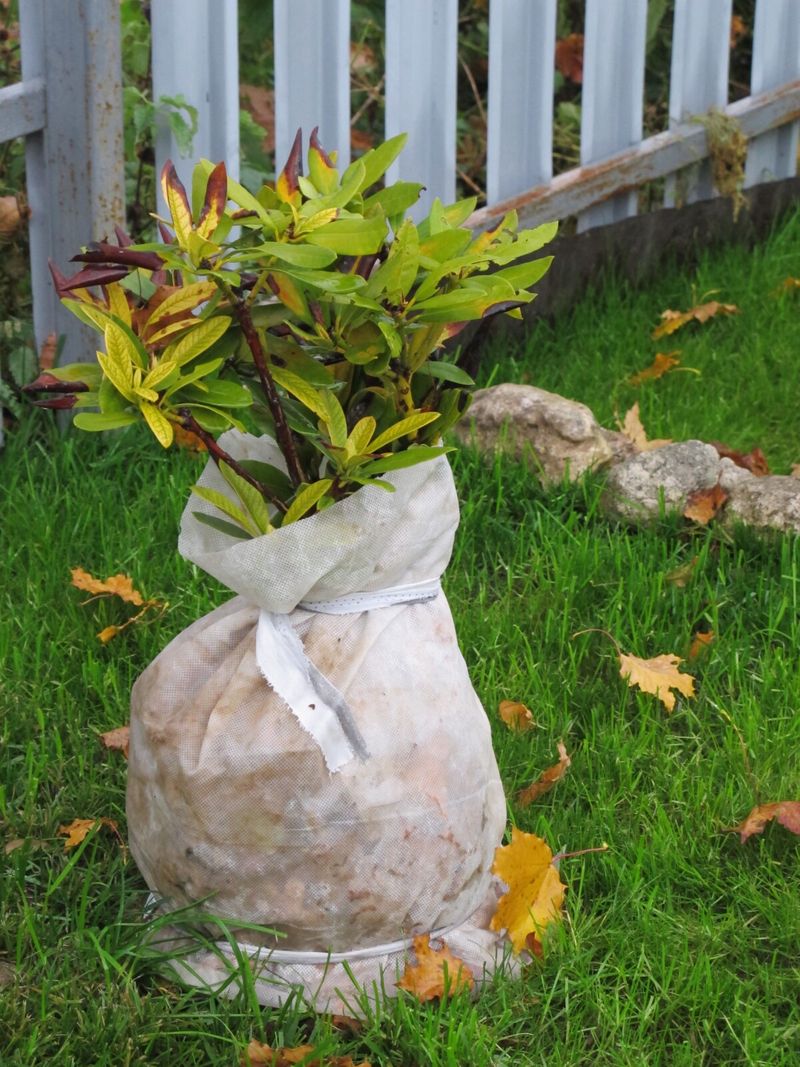
Even seasoned gardeners trip over a few common blunders each fall. Knowing them ahead of time keeps your hard work from going to waste.
Waiting too long tops the list. Many people leave tender plants outside until frost has already stressed the leaves. Move them indoors before nights regularly drop below 50 degrees, not after the damage shows.
Overwatering is another easy slip. Once plants come inside, they slow down for winter and drink far less.
Indoor air also dries slowly, so sticking to summer watering habits leaves soil soggy and roots rotting. Check the soil first and let the top inch or two dry out before adding more water.
Where you park your plants indoors matters just as much. Plants still crave light, fresh air, and steady humidity.
Set them in a bright east or south-facing window, and add a grow light if the room feels dim. Keep them away from drafts and blasting heat or cooling vents that cause sudden temperature swings.
Covering plants the wrong way outdoors causes real harm. Plastic is usually not the best choice because it can trap moisture, heat up during sunny days, and damage foliage. Reach for breathable materials like frost cloth, burlap, or old sheets instead.
Steering clear of these mistakes is simple once you know them. Gardeners who plan ahead avoid the heartache of losing plants they worked all summer to grow, and they head into winter feeling confident.