Pennsylvania Homeowners Are Finally Switching From Arborvitae To These Deer-Resistant Privacy Plants
Arborvitae has been the default privacy plant in Pennsylvania for so long that most homeowners plant it without seriously considering the alternatives. It delivers quick screening, it’s available everywhere, and it looks clean and tidy along a property edge.
The problems only become obvious over time, and in Pennsylvania, those problems arrive reliably. Deer are at the top of the list.
Arborvitae is one of the most heavily browsed plants in the Pennsylvania landscape. A row that looked pristine in fall can be stripped and disfigured by spring, and the damage is often severe enough that recovery takes years.
Combine that with bagworm pressure, disease susceptibility, and the cold hardiness issues that affect certain varieties, and the case for finding something better starts looking compelling.
Pennsylvania has excellent deer resistant alternatives that provide equal or better privacy without becoming a winter buffet for the local deer population.
1. Boxwood
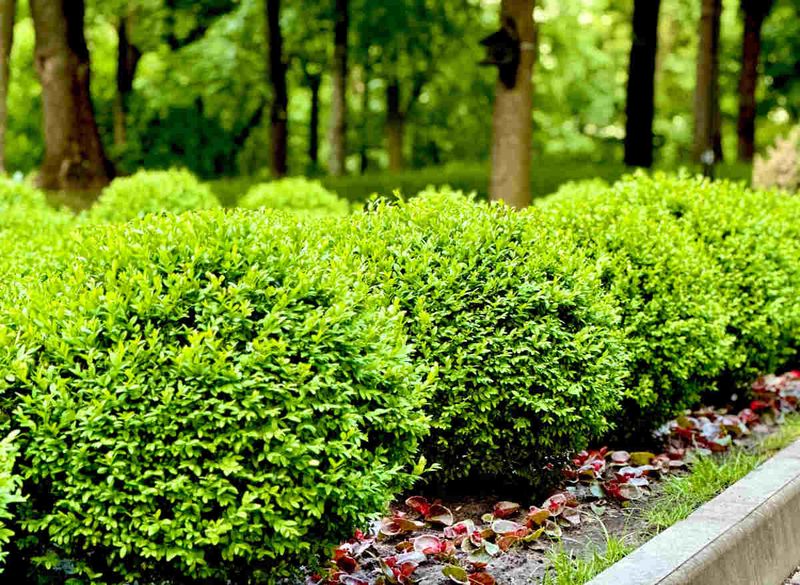
Gardeners who want that classic, tidy look without the deer damage often turn to boxwood first. These dense evergreen shrubs keep their leaves all year, giving you a solid green wall no matter the season.
Deer usually skip boxwood because its leaves contain oils and compounds that taste bitter to them. That natural defense makes it one of the most reliable picks for Pennsylvania yards where deer roam freely.
You can shape boxwood into low borders, rounded balls, or tall hedges, so it fits almost any garden style. Many people use it to line walkways or frame a front porch for a neat, welcoming feel.
Care is pretty simple once the plant settles in. Give it well-drained soil, water it during dry spells, and trim it once or twice a year to keep the shape you want.
Boxwood grows slowly, which some folks love because it means less pruning. Just be patient, since a full hedge can take a few years to fill in completely.
Winter can sometimes turn the leaves a little bronze, but a spot with some afternoon shade helps keep the color rich and green. Mulch around the base also protects the roots from harsh cold.
Fun fact: boxwood has been used in formal gardens for hundreds of years, including at grand estates in Europe. That long history shows just how tough and dependable this plant really is.
For homeowners tired of replacing chewed arborvitae, boxwood offers a fresh start with lasting good looks and very little drama from the local deer.
2. Russian Sage
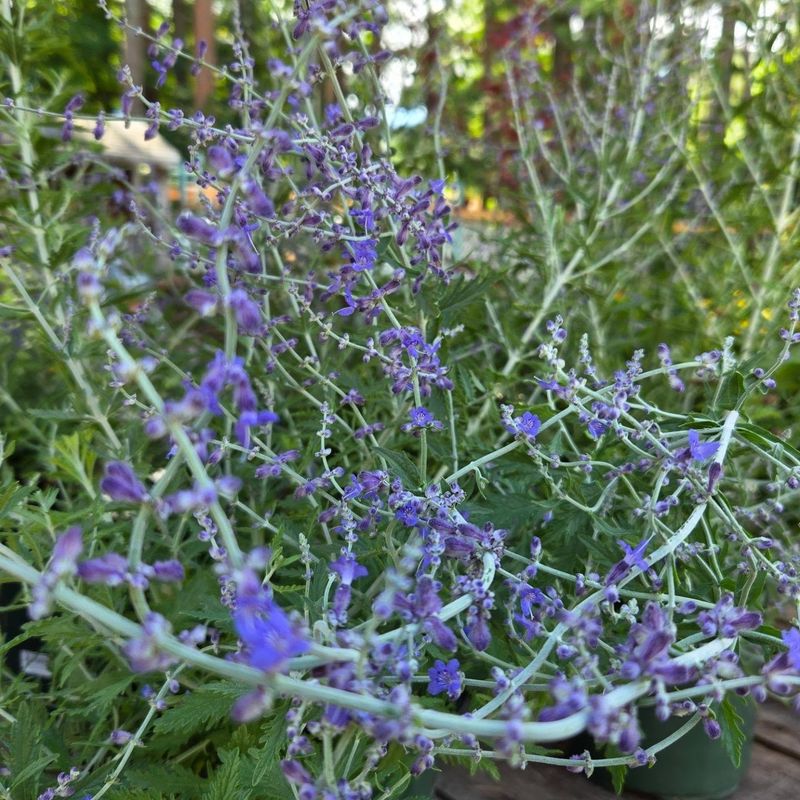
Picture a hazy cloud of purple-blue flowers dancing in the summer breeze, and you have Russian sage. This airy plant adds soft color and movement that instantly lifts a plain yard.
Deer tend to avoid it because of its strong, sage-like scent and slightly fuzzy leaves. What smells pleasant to us is a big turn-off for browsing animals.
Russian sage loves the sun and shrugs off dry conditions once established. That makes it perfect for those sunny spots where other plants struggle during a hot Pennsylvania July.
The silvery stems stand tall, often reaching three to four feet, and pair beautifully with roses, coneflowers, or ornamental grasses. It works well as a backdrop or a colorful filler between other perennials.
Your Pennsylvania Garden Changes Every Week. Your Plan Should Too.
Gardening in Pennsylvania changes quickly throughout the season. Every Friday you’ll receive a simple weekly plan showing exactly what to plant, prune, fertilize, harvest, and protect so you never miss the right timing.
Caring for it is refreshingly easy. Plant it in well-drained soil, skip the heavy watering, and cut the stems back in early spring to encourage fresh, bushy growth.
Bees and butterflies flock to the blooms all summer long, so your garden becomes a busy hangout for helpful pollinators. That extra life makes the whole space feel more vibrant.
One thing to keep in mind is that Russian sage can spread over time. If you want to keep it in bounds, just pull up stray shoots each spring.
Despite its name, this plant actually comes from central Asia, not Russia, which surprises many gardeners. Either way, its toughness and beauty make it a standout swap for anyone leaving arborvitae behind.
3. Juniper
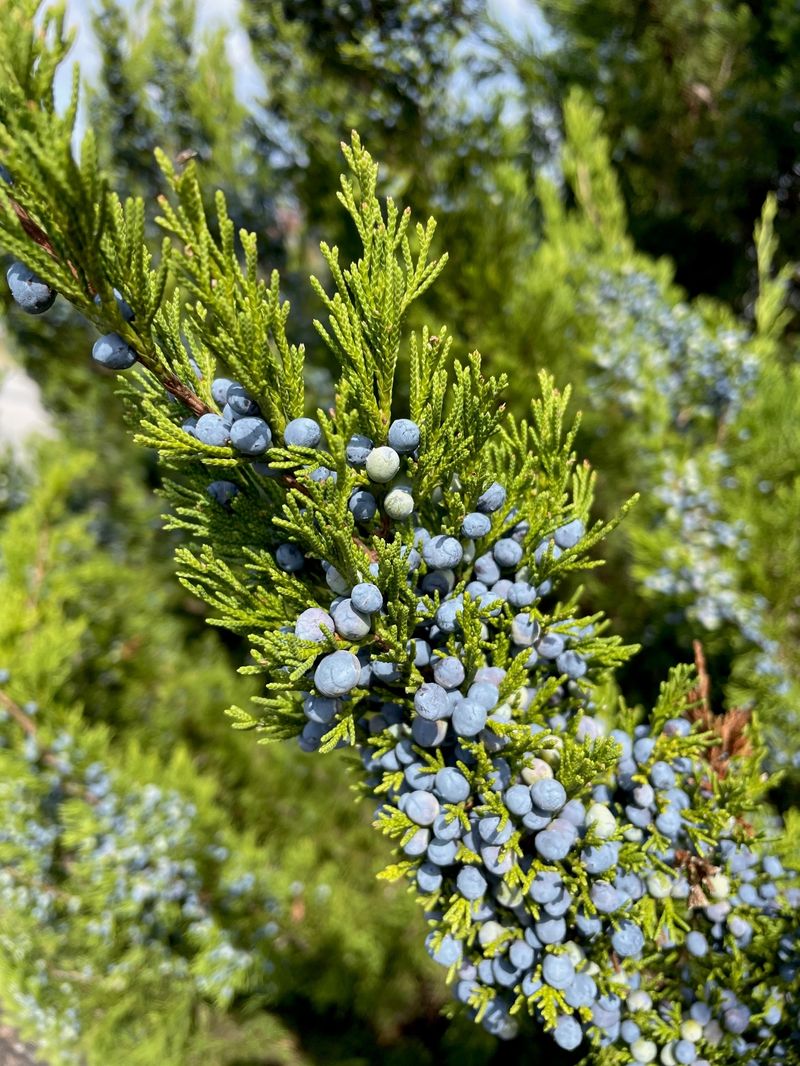
Tough as nails and endlessly useful, juniper has become a go-to for homeowners who want greenery that fights back against deer. Its prickly, aromatic needles simply do not appeal to hungry animals.
You will find junipers in many shapes, from low ground-covers that spread across slopes to tall columns that mimic the privacy of arborvitae. That variety gives you plenty of design freedom.
These evergreens handle poor soil, salty road spray, and blazing sun without complaint. For a state with rough winters and busy roadsides, that resilience is a real gift.
Blue-green foliage is common, but some varieties turn a soft purple in winter, adding surprise color when most of the garden looks bare. Small berry-like cones also attract birds.
Planting juniper is straightforward. Pick a sunny spot with good drainage, since soggy roots are one of the few things it cannot handle well.
Once it takes hold, juniper needs almost no fuss. Water it during long dry stretches and trim lightly if you want to keep a certain shape.
Spreading types work great on hillsides where mowing is a pain, holding the soil in place and cutting down on weeds. Upright types make a lovely living fence.
Here is a neat tidbit: the berries of some junipers are used to flavor gin, giving this plant a fun claim to fame. That same oil is part of what keeps deer away.
For dependable, low-effort greenery, juniper checks nearly every box a frustrated Pennsylvania gardener could want.
4. Catmint
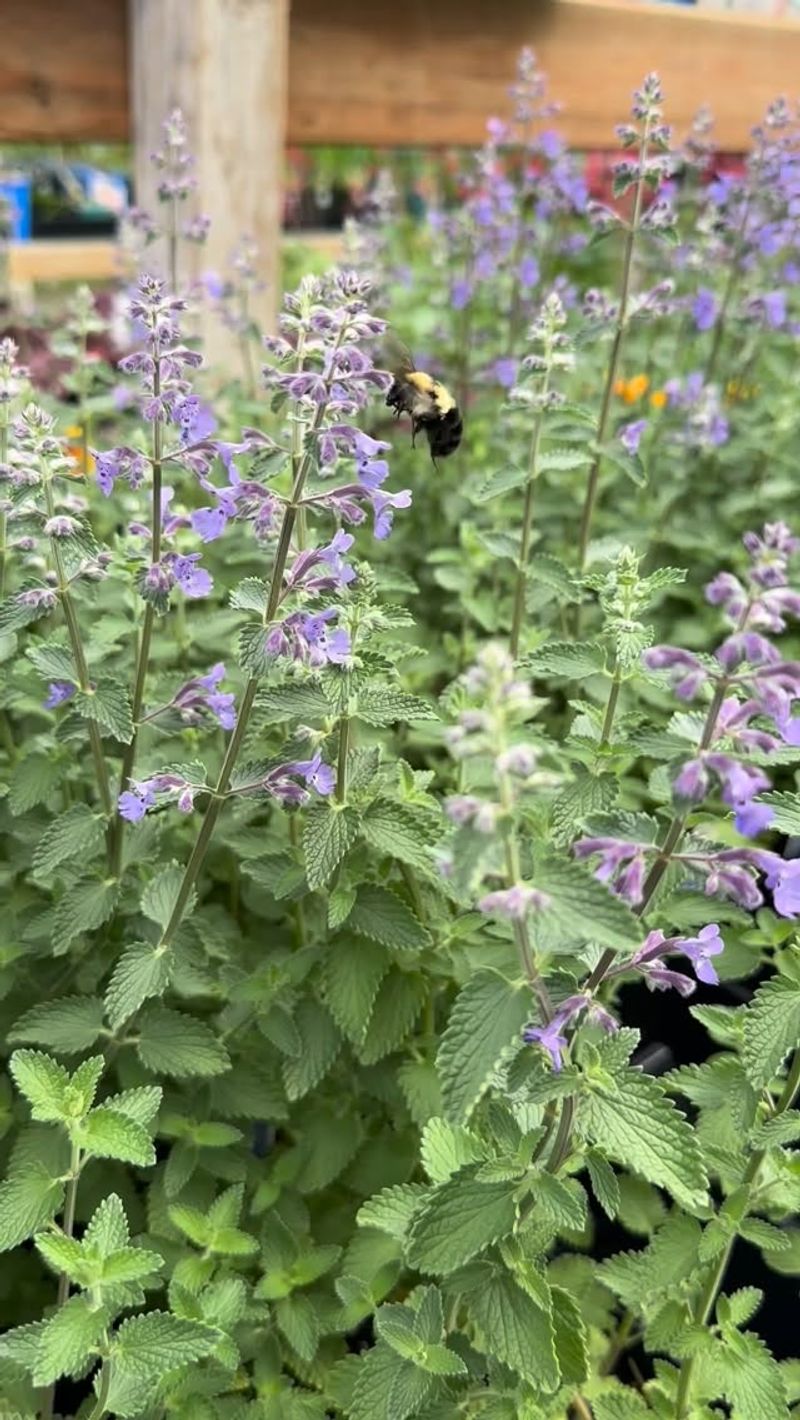
Soft mounds of lavender-blue blooms make catmint one of the prettiest problem-solvers around. It blankets garden edges with color from late spring well into fall.
The secret to its deer resistance is that minty, herbal smell packed into its gray-green leaves. Deer wrinkle their noses and move on to easier snacks.
Catmint asks for very little. Give it sun, decent drainage, and a little water while it gets started, and it rewards you with months of flowers.
After the first big bloom fades, a quick trim brings on a second wave of color. That simple haircut keeps the plant looking full and fresh.
This perennial pairs wonderfully with roses, and the two have been planted together in gardens for generations. The soft blue flowers make rose colors pop even more.
Bees and butterflies adore catmint, buzzing around it happily all summer. If you want a lively, pollinator-friendly yard, this plant delivers.
Some people confuse it with catnip, and while they are cousins, catmint is more about ornamental beauty than driving cats wild. Still, a curious kitty might take an interest.
Because it stays fairly low and mounded, catmint works great as a border along paths, driveways, or garden beds. It softens hard edges and hides the bare bases of taller plants.
It also handles heat and drought like a champ, so you will not be dragging the hose out constantly. For a splash of easygoing color that deer ignore, catmint earns its spot in the swap-out lineup.
5. Ornamental Grasses
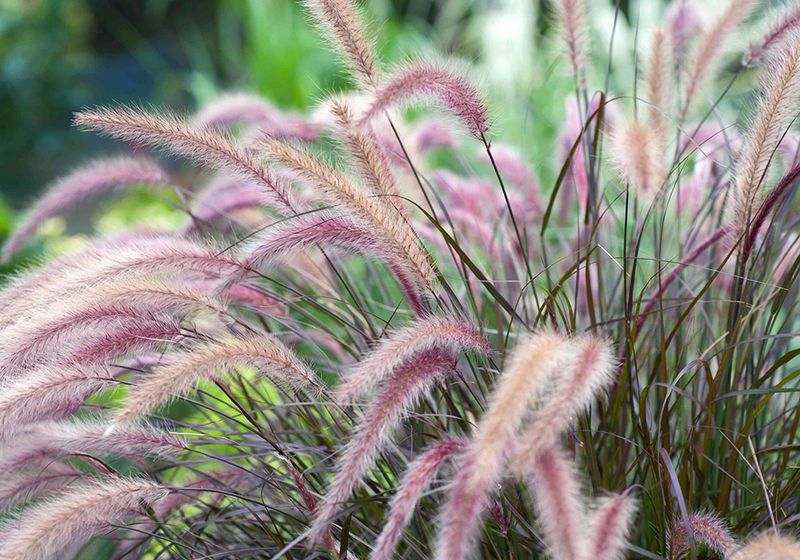
Few plants add motion and drama quite like ornamental grasses. Their tall, feathery plumes sway with every breeze, bringing a garden to life.
Deer generally leave grasses alone because the tough, bladed leaves are not tasty to them. That makes these beauties both eye-catching and worry-free.
Varieties like switchgrass, fountain grass, and maiden grass come in different heights and colors. You can find soft greens, deep reds, and golden tones to match your style.
Many of these grasses are native or well-suited to Pennsylvania, so they handle the local climate with ease. They thrive in sun and tolerate a range of soils.
Once planted, they need almost no babysitting. A single cutback in late winter clears out old growth and makes room for fresh spring shoots.
Tall types can form a natural privacy screen during the growing season, giving you a softer alternative to a stiff hedge. Shorter kinds fit nicely in flower beds.
The plumes stay attractive well into winter, catching frost and snow in ways that add quiet beauty to a sleeping garden. Birds also nibble the seeds.
Grasses pair beautifully with flowering perennials, creating a relaxed, meadow-like feel. That natural look has become very popular in modern yards.
One helpful tip is to space them properly, since some spread wider than expected over a few seasons. Give them room and they will reward you.
For homeowners who want texture, movement, and zero deer trouble, ornamental grasses bring an effortless charm that arborvitae simply cannot match.
6. Lavender
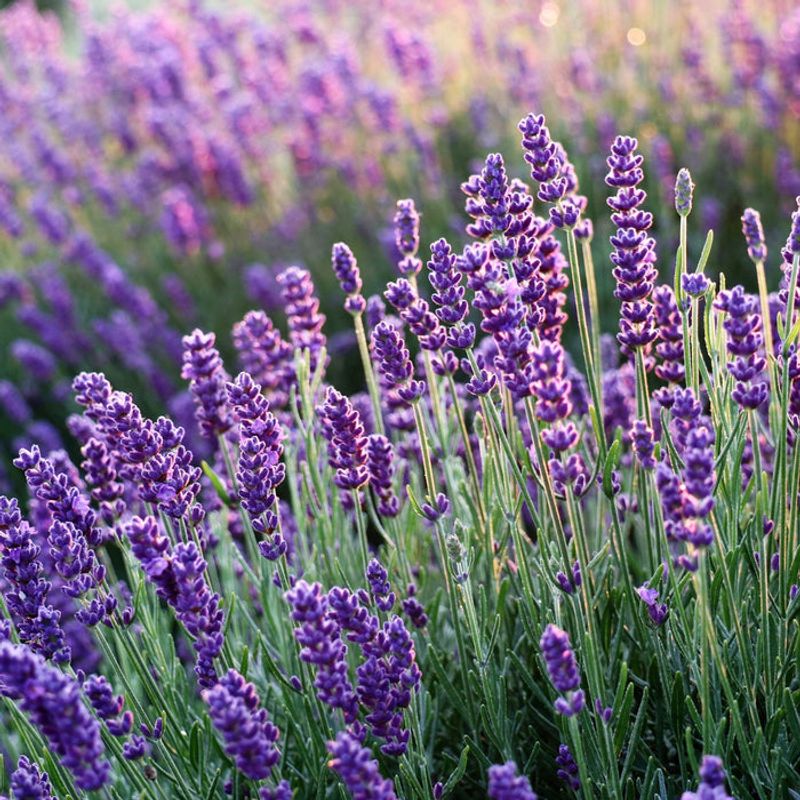
Close your eyes near a lavender plant and that calming, sweet scent takes over instantly. It is the same smell that sends deer packing in the other direction.
Those fragrant oils that we find so relaxing are exactly what make lavender one of the most deer-proof plants you can grow. Animals want nothing to do with it.
Lavender craves sunshine and dry, well-drained soil. If your yard has a hot, sunny corner that feels too harsh for other plants, this could be its perfect home.
The purple flower spikes rise above silvery leaves, creating a look that is both elegant and a little wild. Bunches can even be cut and dried for indoors.
Bees and butterflies cannot resist the blooms, turning your garden into a busy, buzzing haven all summer. That makes lavender a friend to pollinators too.
Care is simple as long as you avoid overwatering. Soggy roots are the one thing lavender truly hates, so let the soil dry between drinks.
A light trim after flowering keeps the plant tidy and encourages fuller growth the next year. Skip cutting into the old woody stems too deeply.
In Pennsylvania, choosing a hardy English lavender variety helps it sail through cold winters. A sheltered spot with good drainage boosts its chances even more.
People have grown lavender for thousands of years for its scent, healing uses, and beauty. Bringing a little of that history into your yard feels rewarding.
For fragrance, color, and a natural deer barrier all in one, lavender is a delightful swap worth trying.
7. Barberry
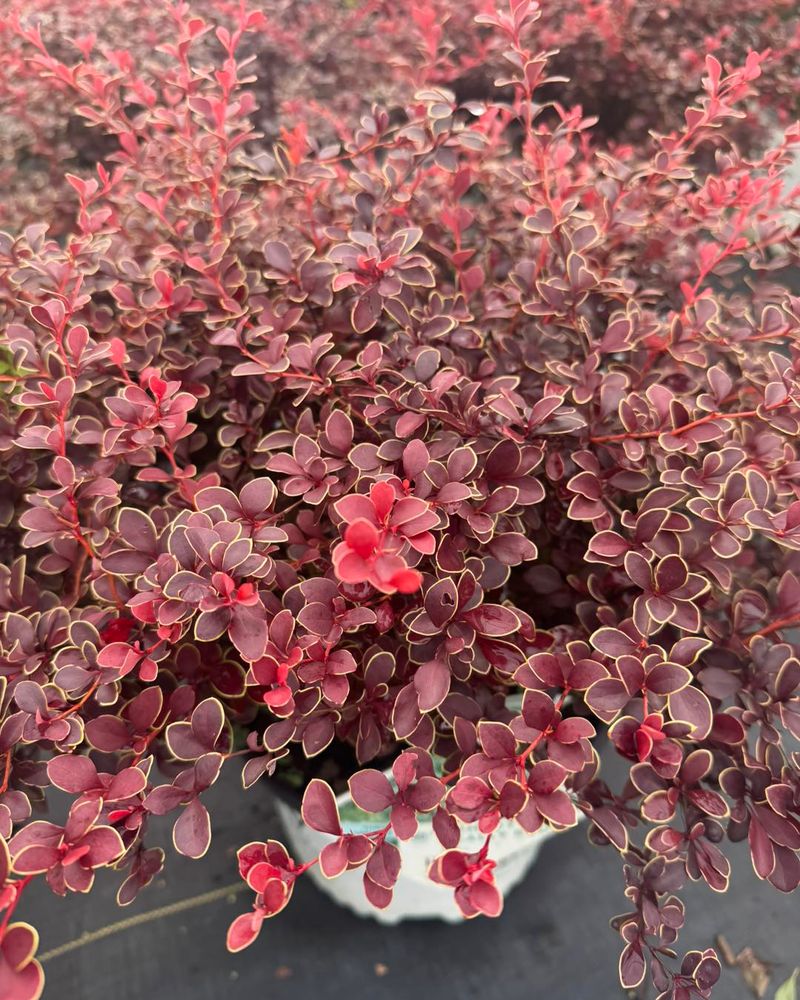
Bold color and built-in protection make barberry a clever choice for deer-weary gardeners. Its bright leaves come in shades of red, gold, and green that light up any bed.
The small, sharp thorns tucked along its stems do a great job of keeping deer at a distance. Animals quickly learn to browse elsewhere.
Barberry stays fairly compact and rounded, which makes it easy to fit into tight spaces or use as a low hedge. It requires very little shaping.
This shrub handles sun or partial shade and is not picky about soil. Once it settles in, it tolerates dry spells without missing a beat.
In fall, many varieties put on a fiery show as the leaves deepen into rich crimson tones. Small red berries add another pop of color for the birds.
Caring for barberry is refreshingly low effort. An occasional light trim keeps it neat, and it rarely suffers from pests.
Because of those thorns, planting it under windows or along fences can gently discourage more than just deer. Just wear gloves when you handle it.
It works beautifully alongside green shrubs and flowering perennials, where its colorful leaves create striking contrast. A few well-placed plants can transform a dull border.
Keep in mind that some regions have rules about certain barberry types, so check for a well-behaved variety at your local nursery. Staff can point you toward the right pick.
With standout color, sturdy toughness, and thorns that keep deer honest, barberry rounds out this list as a stylish, practical replacement for tired old arborvitae.