Can Grass Seed Germinate On Top Of New York Soil Without Raking?
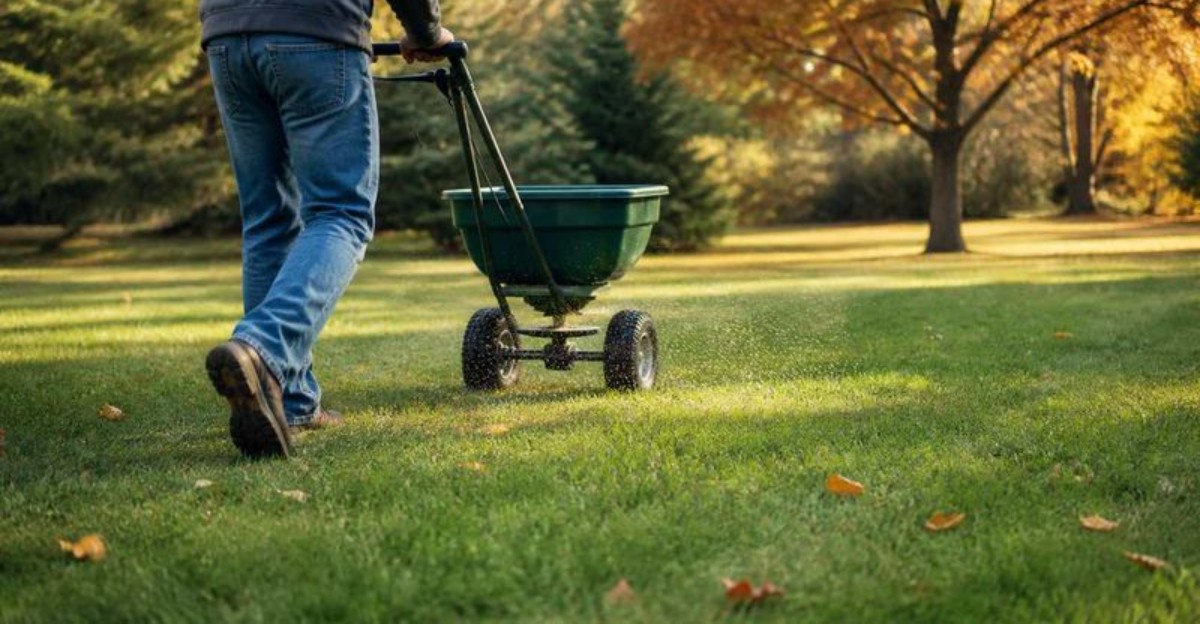
It’s a crisp October morning in New York, a bag of seed in one hand and a patchy yard begging for a little help. You toss, you water, and you wait.
A few brave sprouts might show up. Most of the time, though, the results look thin and spotty, which stings after all that effort and money.
Hungry birds, heavy rain, stubborn thatch, and dry soil all have a say in where your seed ends up. Small choices can make a surprisingly big difference.
A few simple tricks can tilt the odds in your favor without hours of raking. Find out what really happens to seed left on the surface and how to give it a fighting chance.
Some Seed Will Sprout, But Far Less Than You’d Hope
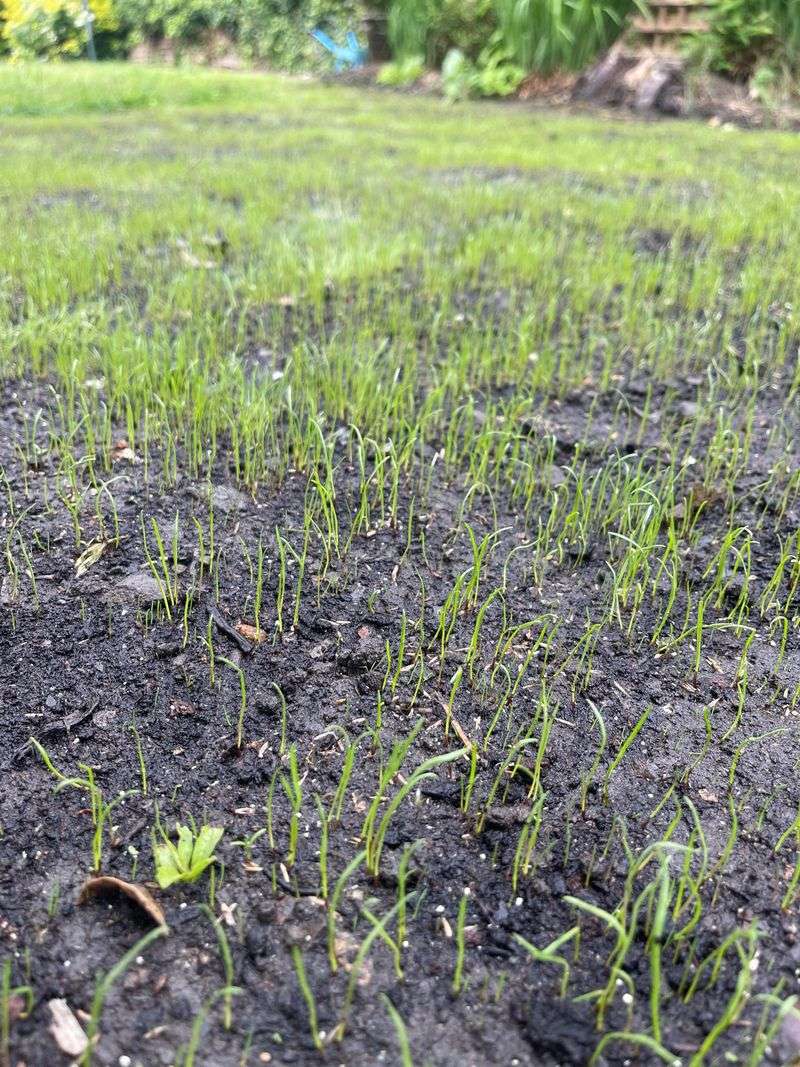
Picture a handful of seed tossed onto bare ground like confetti at a party. A few lucky seeds will land in a crack and sprout within two weeks.
Most of the rest, sadly, sit exposed to sun, wind, and hungry visitors. Their chances drop fast without something holding them down.
Homeowners across New York often report the same story after surface seeding. Thin green threads pop up here and there, leaving bald spots in between.
Germination itself is not the hard part for grass seed. Staying moist long enough to finish the job is the real challenge.
Seed needs steady moisture until it sprouts, which can be under a week for ryegrass and three weeks or more for Kentucky bluegrass. Surface seed dries in hours on a sunny, breezy afternoon.
Uneven coverage creates another headache down the road. Weeds love open soil and will happily fill any gap your grass leaves behind.
So yes, some seed will grow without raking at all. The trouble is that a patchy result usually means buying more seed later.
Think of surface seeding as a gamble with poor odds. Spending twenty extra minutes on prep can make a big difference in how much of your seed actually comes up.
A quick test can help set expectations before a big project. Seed a small square both ways and compare the results after three weeks.
Seeing the difference with your own eyes tends to change minds quickly. Most folks grab the rake after that little experiment.
Seed-To-Soil Contact Is The Deciding Factor
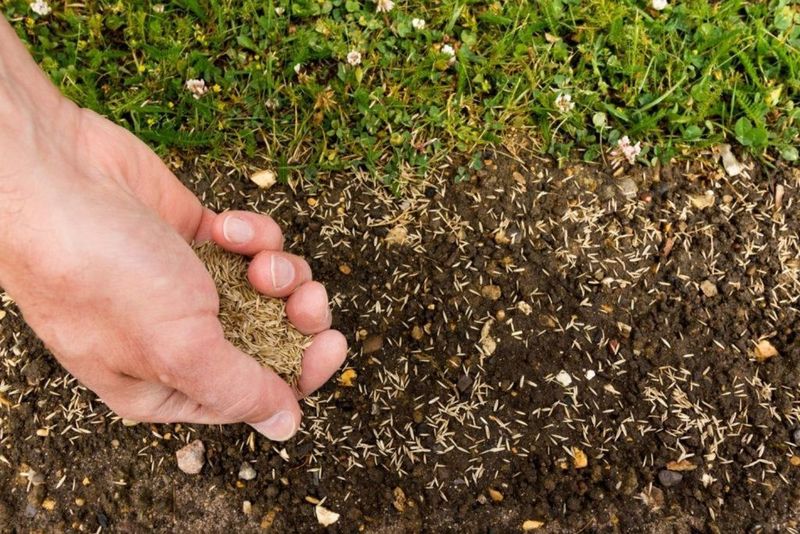
Ask any golf course groundskeeper about new grass, and you will hear one phrase repeated. Seed-to-soil contact matters more than nearly anything else.
Grass seed must soak up more than its own weight in water. Only then does the tiny root, called a radicle, push outward.
Soil acts like a damp sponge wrapped around each seed. It feeds steady moisture, warmth, and nutrients right where the seed needs them.
Air pockets work against you here. A seed resting loosely on a lumpy surface touches soil in only one or two spots.
Poor contact delays sprouting by days or even weeks. Some seeds come up early while others lag, giving your lawn an uneven look.
Your New York Garden Changes Every Week. Your Plan Should Too.
Gardening in New York changes quickly throughout the season. Every Friday you’ll receive a simple weekly plan showing exactly what to plant, prune, fertilize, harvest, and protect so you never miss the right timing.
Good contact also helps that first root anchor quickly. Once anchored, the seedling can handle a hot afternoon much better.
Clay soils common in parts of the state can crust over after drying. Seeds sitting on that hard crust have nowhere to settle in.
Loosening the top half inch before seeding gives seeds a soft landing. A garden rake, a hand cultivator, or even stiff boots will help.
Here is a handy check you can do. Kneel down after seeding and gently press your palm on the ground.
If seeds stick to your hand easily, they are not nestled in yet. Seeds that stay put are in a much better position to sprout.
Seed Sitting On Thatch Or Decaying Grass Dries Out
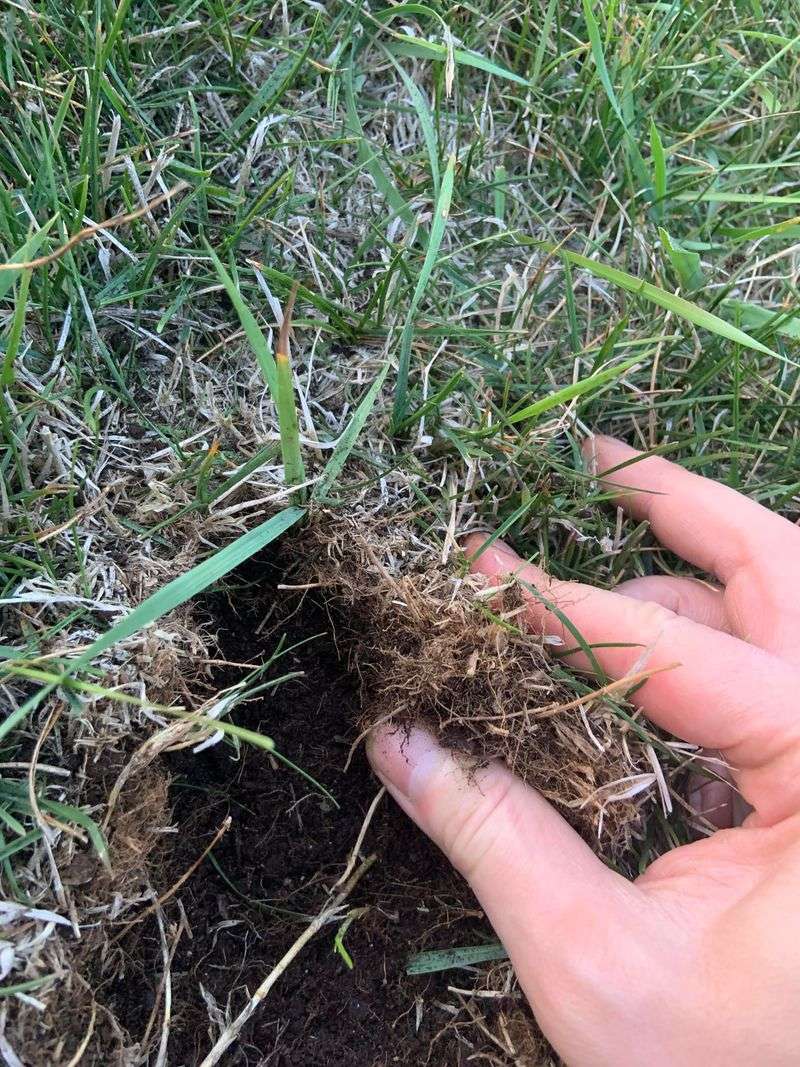
Imagine trying to plant a garden on top of a straw doormat. Seed tossed onto thick thatch faces that exact problem.
Thatch is a mix of living and brown organic matter. It builds up between grass blades and the soil surface over time.
A thin layer under half an inch is fine and even helpful. Anything thicker becomes a spongy barrier that traps seeds above the ground.
Seeds caught in thatch may start to sprout after a rain. Then the thatch dries quickly, and those baby roots have nothing to grab.
Those seedlings often wither before reaching real soil. All that seed and water ends up wasted on a layer of old straw.
Thick thatch also blocks water, air, and nutrients from soaking downward. Your existing grass suffers too, not just the new seed.
Checking thatch depth takes about one minute. Cut a small wedge of turf with a trowel and measure the brown spongy layer.
Dethatching rakes or power rakes pull up that matted material. Late summer works well for cool-season lawns.
Bag or compost the debris you remove rather than leaving it. Piles left behind will smother the very seed you just spread.
Your lawn may look rough right after dethatching. Give it a few weeks, and the new seed will fill in those scuffed areas nicely.
Birds And Rain Carry Off Unprotected Seed
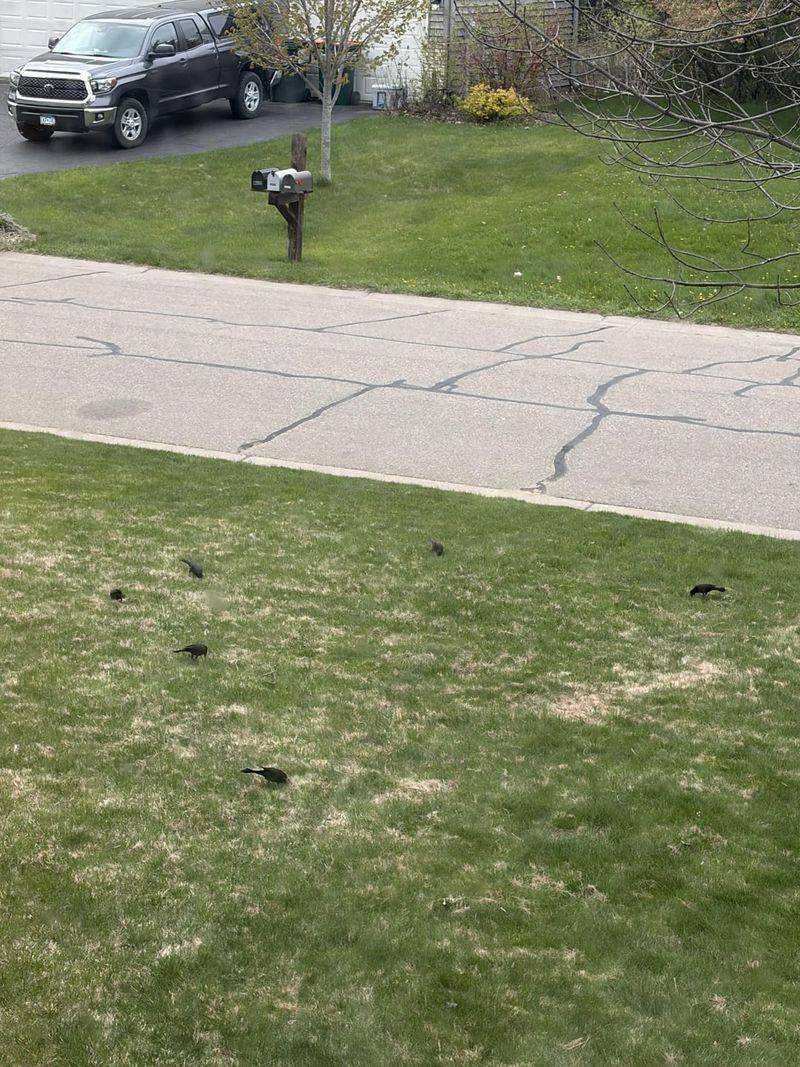
Spread seed on a sunny morning, and a flock of sparrows may show up by lunch. To them, your lawn project looks like a free buffet.
Birds are among the biggest culprits for disappearing seed. The first few weeks after sowing are when they cause the most trouble.
Rain brings a different kind of trouble. Heavy downpours can wash tiny seeds into low spots or right off a slope.
Puddles create yet another issue for young seed. Standing water can suffocate seeds and stop germination in its tracks.
Thunderstorms in summers can drop an inch of rain in an hour. Unprotected seed on a hillside rarely survives that kind of soaking.
Lightweight seed simply cannot hold its ground alone. Without cover, it drifts, floats, and clumps in all the wrong places.
Watering gently right after sowing helps settle seeds downward. Seeds pressed into damp soil are harder for birds to spot.
A thin layer of straw or a seed mat adds extra protection. Choose clean, weed-free straw so you do not plant unwanted guests.
Slopes deserve special care during seeding season. Erosion blankets made of biodegradable netting hold seed in place during storms.
Fun fact: some seed bags include a green coating. That coating holds moisture, yet birds often still find the seeds tasty.
Mowing Low First Gives Seed A Path To The Soil
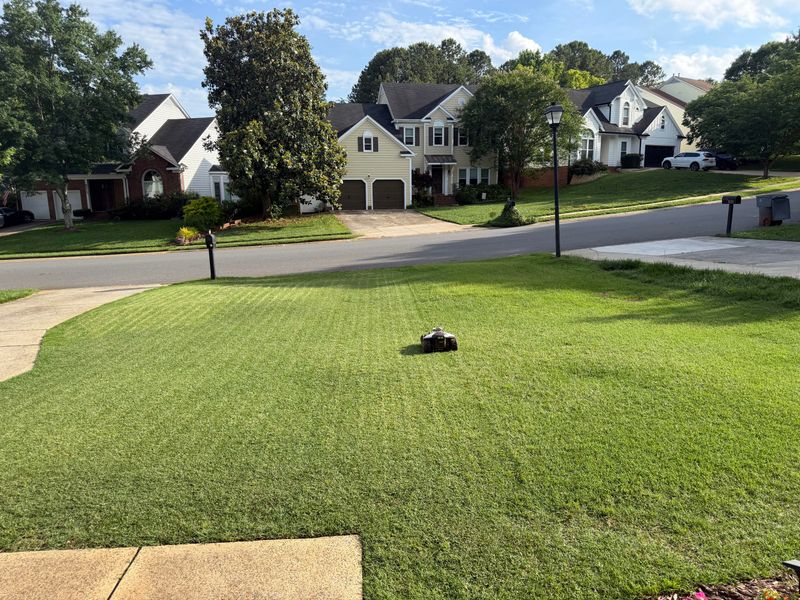
Here is a trick many pros swear by before overseeding. Drop your mower deck lower than usual and give the lawn a short haircut.
Cool-season grasses usually sit around three inches tall. For overseeding, cutting them to about one and a half or two inches works well.
Shorter grass lets seed fall straight down instead of getting stuck. More sunlight reaches the soil, warming it for faster sprouting.
Existing turf competes with new seedlings for light and water. A low cut gives the newcomers a fairer start in that race.
Bag your clippings during this mow rather than mulching them. Loose clippings act like mini thatch and can trap seed above the soil.
Timing matters for a successful low cut. Mid-August to mid-September is prime overseeding time across most of New York.
Avoid scalping the lawn down to bare dirt, though. Cutting too short can stress the older grass you want to keep.
Sharpen your mower blade before this job if possible. Clean cuts heal faster and leave the lawn looking tidier.
After seeding, hold off on mowing for a while. Wait until new grass reaches about three to four inches tall.
Once you do mow, raise the deck back to normal height. Taller grass shades the soil and helps young roots grow deeper.
A Light Raking Tucks Seed Into The Surface
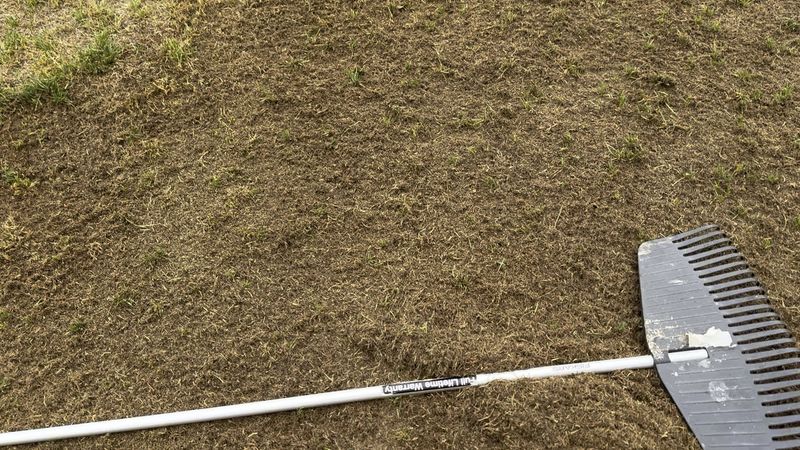
Sometimes the simplest tool in the garage does the most good. A plain rake can turn a so-so seeding job into a great one.
Gentle raking after spreading seed mixes it into the top layer. Most grass seed likes a cover of just one eighth to one quarter inch.
Going deeper than that can backfire on you. Buried seed may run out of energy before reaching daylight.
Flip a leaf rake upside down for a softer touch. The tines skim the surface without pushing seed into piles.
Small strokes in two directions spread seed evenly. Think of brushing crumbs off a table rather than digging a trench.
That light cover does several jobs at once. It holds moisture, hides seed from birds, and keeps rain from washing it away.
Raking also helps break up crusty soil spots. Seeds slip into tiny gaps where moisture lingers longest.
A quick look afterward tells you how you did. Seeing a few seeds still peeking through is perfectly fine and normal.
Water lightly right after raking to settle everything. Aim for damp soil, not puddles, two or three times a day.
Many gardeners find raking takes less time than expected. A small front yard can be finished in under half an hour.
Core Aeration Creates Pockets For Seed
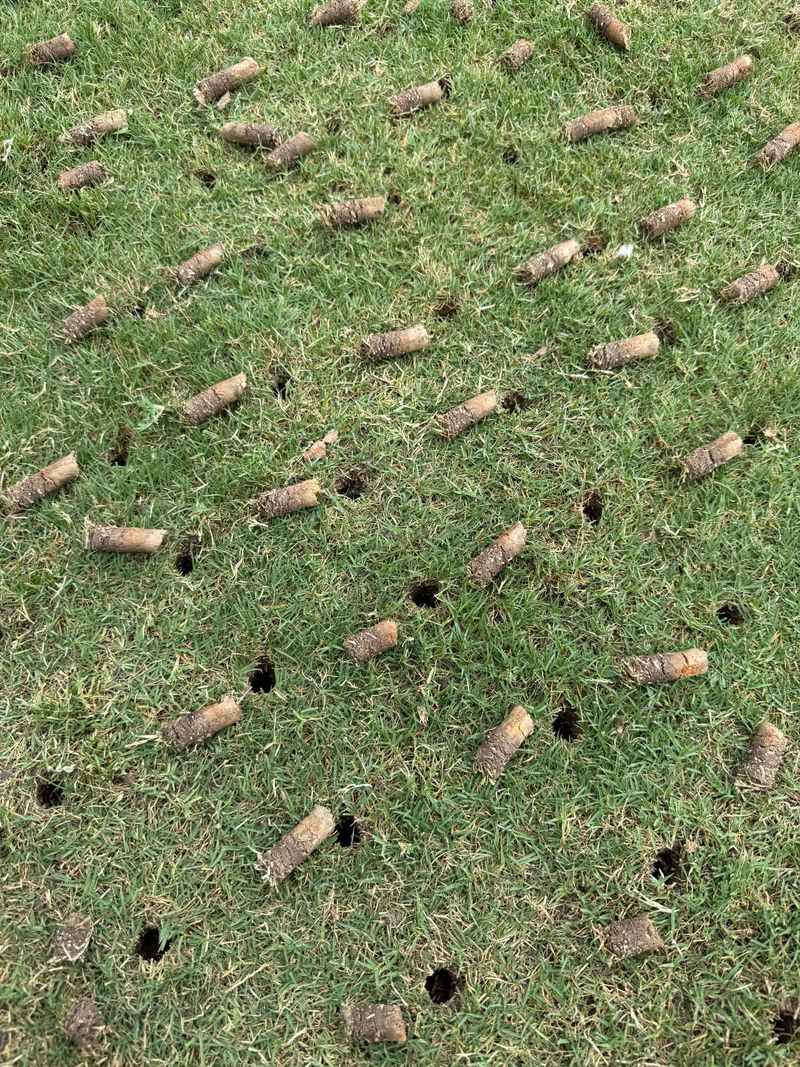
Ever walked across a lawn covered in little soil plugs? Those odd-looking cores are a sign of one of the best seeding tricks around.
Core aerators pull small plugs of soil from the ground. Each hole is roughly two to three inches deep and about half an inch wide.
Those holes let air, water, and nutrients travel deeper. Compacted soil loosens up, and roots finally get room to stretch.
Seed spread right after aerating drops into those pockets. Each hole becomes a cozy shelter with moist walls and soft edges.
Aeration also chips away at thatch along the way. Fewer barriers mean more seeds reach the soil they need.
Leave the plugs on the lawn rather than raking them away. They break down after a few rains and spread soil over nearby seed.
Renting a core aerator costs less than many people expect. Splitting the rental with a neighbor makes it even cheaper.
Mark sprinkler heads and buried lines before you start. Small flags help you steer clear of costly surprises.
Early fall suits aeration in New York thanks to cool nights and warm soil. Grass recovers quickly during that stretch.
Spike aerators that just poke holes do not work as well. Pulling out real plugs is what creates those helpful seed pockets.
A Light Roller Presses Seed In Firmly
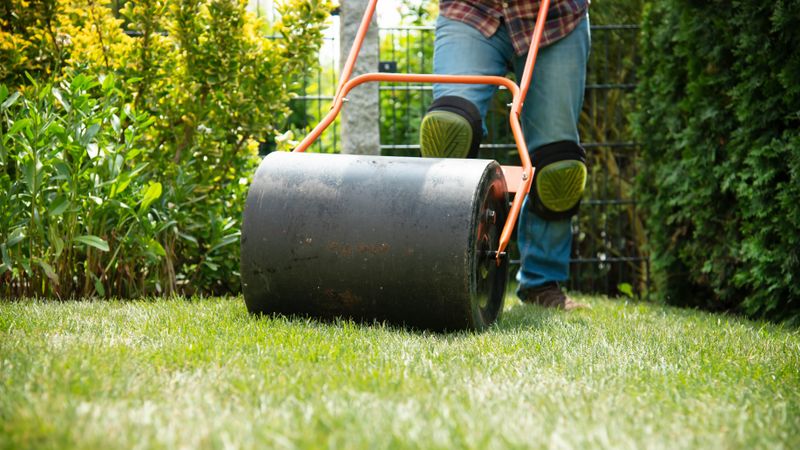
Big sports fields often roll freshly seeded areas, and backyard lawns can benefit too. A lawn roller works like a giant rolling pin for your yard.
Rolling gently presses seed into the surface. Firm contact with soil means faster, more even germination.
Choose a hollow drum roller you can fill with water. Filling it only partway keeps the weight light for seeding jobs.
Heavy rolling can backfire by packing soil too tight. Compacted ground makes it hard for young roots to push downward.
Soil moisture affects how well rolling works. Aim for ground that is damp, but not soggy or muddy.
Wet clay sticks to the drum and pulls seed right up. Bone-dry soil, on the other hand, barely responds to pressure.
A single pass across the area is usually enough. Overlap each strip slightly, like mowing, so nothing gets skipped.
Rolling also smooths small bumps and dips along the way. A flatter surface means water spreads evenly instead of pooling.
Many hardware stores rent rollers for a modest daily fee. Some homeowners skip the roller and walk over small patches in flat shoes.
Pairing a light raking with a quick roll works especially well. Together, they tuck seed under and lock it in place.
A Thin Layer Of Compost Or Topsoil Covers Seed
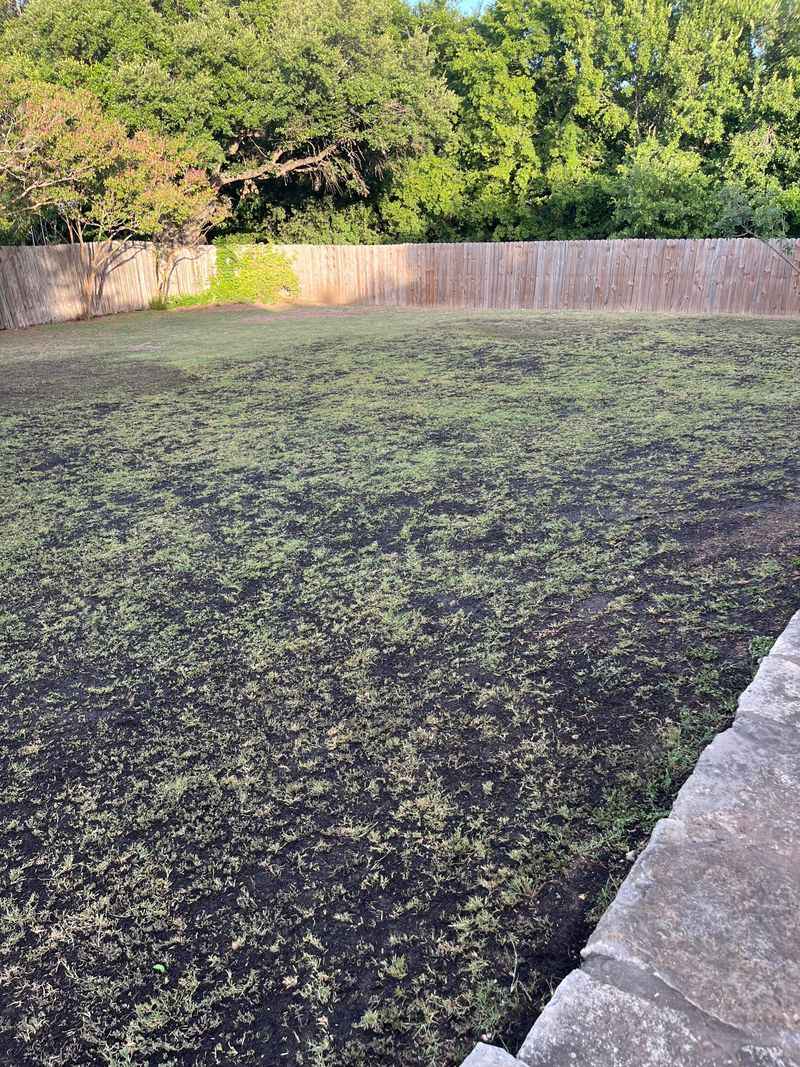
Think of compost as a cozy blanket for your fresh seed. A light dusting can make a surprising difference in how well it grows.
Topdressing with compost or screened topsoil protects seed from birds and wind. It also shields seed from harsh afternoon sun.
Aim for a light layer, about one eighth to one quarter inch thick. Some seed peeking through means you got the depth just right.
Compost offers extra perks beyond simple cover. It holds moisture and feeds the soil with slow-release nutrients.
Piling it on too thick can smother young sprouts. Tiny grass seedlings cannot push through heavy layers of soil.
Spread small shovelfuls around the area first. Then use the back of a rake to level everything out evenly.
Screened material works better than lumpy or chunky soil. Clumps create uneven cover and leave some seeds buried too deep.
Many towns in New York offer free municipal compost to residents. Call your local public works office to see what is available.
Check that any compost you buy is fully finished. Good compost smells earthy and crumbles easily in your hand.
Peat moss is another lightweight cover some people use. It changes color when dry, which helps remind you when to water.
Dormant Seeding Is The Exception Thanks To Freeze And Thaw
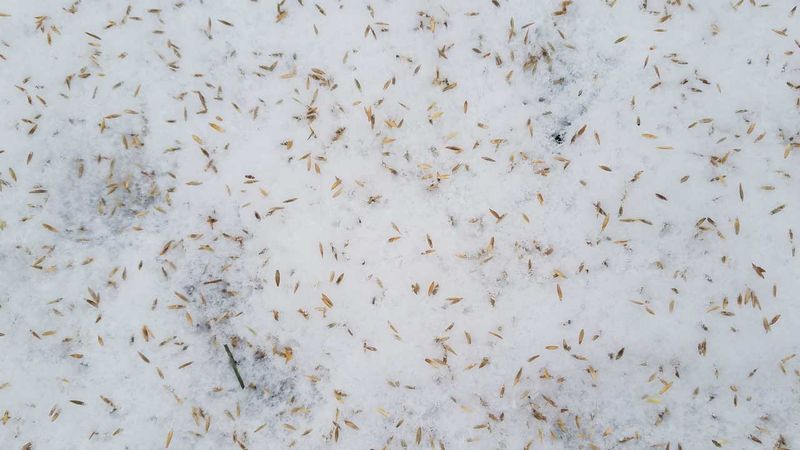
Winter in the Northeast has a hidden talent that few gardeners know about. Frost can actually do your raking for you.
Dormant seeding means spreading seed in late fall or early winter. Soil should be steadily below 40 degrees so seeds stay asleep.
Across upstate and downstate New York, that window often lands in late November or December. Waiting for cold soil keeps seeds from sprouting too early.
Freezing and thawing cause soil to heave and crack. Seeds slip into those tiny openings and get pulled downward naturally.
Melting snow adds moisture as the season goes on. By spring, many seeds are snugly settled into the soil.
Sprouting begins when soil warms up in early spring. Those seedlings often get a head start over spring-sown grass.
Bare or thin spots work best for this method. Thick turf still blocks seed from reaching the soil, even in winter.
Steep slopes may lose seed during heavy snowmelt. Flatter areas usually hold dormant seed much more reliably.
Plan on spreading a bit extra to account for some loss. Birds and runoff will still claim a share over the winter months.
Hold off on weed preventers come spring if you dormant seed. Many of those products stop grass seed from sprouting too.