This Colorful Invasive Vine Can Quickly Spread Through Georgia Yards
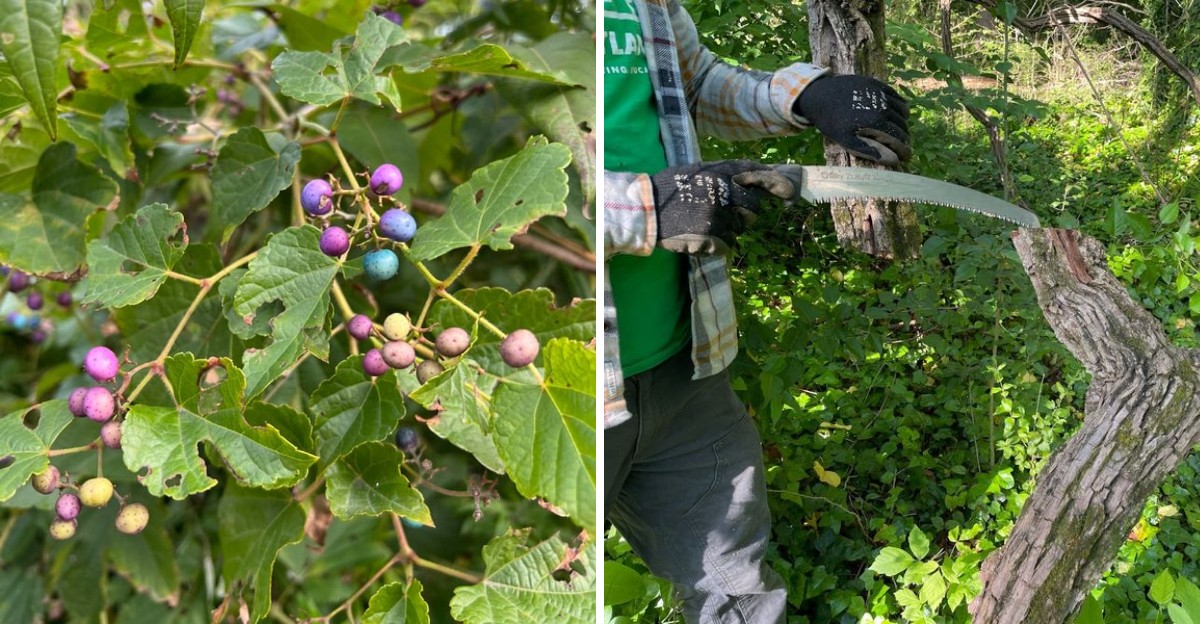
Bright berries and colorful leaves can make an unfamiliar vine look like something worth keeping. That first impression can change quickly once you see how aggressively it grows.
Some ornamental looking vines can climb over shrubs, fences, and young trees while spreading into new spaces.
Porcelain berry is one example Georgia gardeners should learn to recognize before admiring it as a welcome volunteer. Its striking fruit can hide how easily the vine moves beyond one corner.
Leaving a small patch alone can give it more time to become established.
Look closely at the leaves, stems, and berries before deciding the vine belongs in your yard. Correct identification gives you a much clearer idea of what should happen next.
Catch this colorful climber early, and keeping it from spreading becomes far more manageable.
1. Those Colorful Berries Can Hide An Aggressive Vine
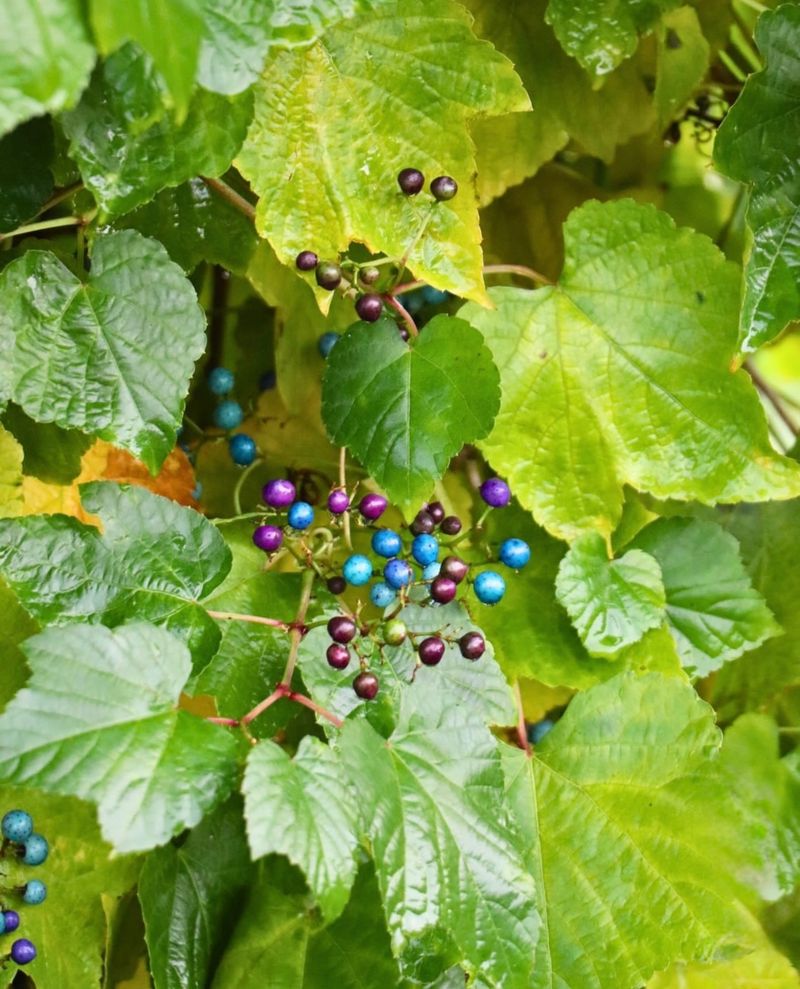
Bright turquoise and violet berries look almost fake sitting on a fence line. That color is exactly what pulls gardeners in, and it is also the warning sign.
Porcelain berry fruit ripens unevenly, so one cluster may hold white, pink, lavender, and deep blue berries at the same time.
Ornamental value is real, which explains why the vine was planted in yards for decades. Sadly, the same plant escaped gardens and now turns up along creeks and roadsides in parts of Georgia.
Berries hang on the stems well into fall, long after the leaves start to fade.
Each berry holds a few small seeds, and those seeds travel easily once wildlife gets involved. One mature vine can produce a surprising amount of fruit in a single season.
Homeowners often assume the plant is harmless because it behaves politely for the first year or two.
Trouble usually starts around year three, when the root system is established and growth speeds up. By then the vine may already be threaded through a hedge.
Pretty fruit does not mean a polite plant, and porcelain berry proves that point in a hurry.
If you spot those multicolored clusters near your property, take a closer look at the stems. Identifying it early saves a lot of work later on.
2. Porcelain Berry Grows Fast Once It Gets Established
Growth rate is the real problem, not the berries.
Once roots settle in, porcelain berry can push out long shoots in a single warm season, sometimes ten feet or more. Actual numbers depend on soil moisture, sunlight, and how much energy the roots already stored.
Warm, humid summers in Georgia give the vine a long window to stretch.
Stream banks, ditch edges, and fence rows suit it well because the soil stays damp. Full sun speeds things along, though the vine tolerates part shade without much complaint.
Cutting the top growth rarely settles anything, since the root crown pushes new shoots within weeks.
New stems climb with tendrils rather than sticky pads, so they grab anything thin enough to wrap around. Wire fencing, tomato cages, and shrub branches all work as ladders.
Older stems turn woody and thick near the base, which makes removal a two-tool job.
Your Georgia Garden Changes Every Week. Your Plan Should Too.
Gardening in Georgia changes quickly throughout the season. Every Friday you’ll receive a simple weekly plan showing exactly what to plant, prune, fertilize, harvest, and protect so you never miss the right timing.
Digging out the root crown gives better results than repeated cutting alone. Expect follow-up visits, because missed root pieces often resprout.
Mulch and regular walks along the fence line help you catch new shoots early. Ten minutes a week beats a full weekend of untangling later.
3. Leaves Can Look Similar To Native Grape Vines
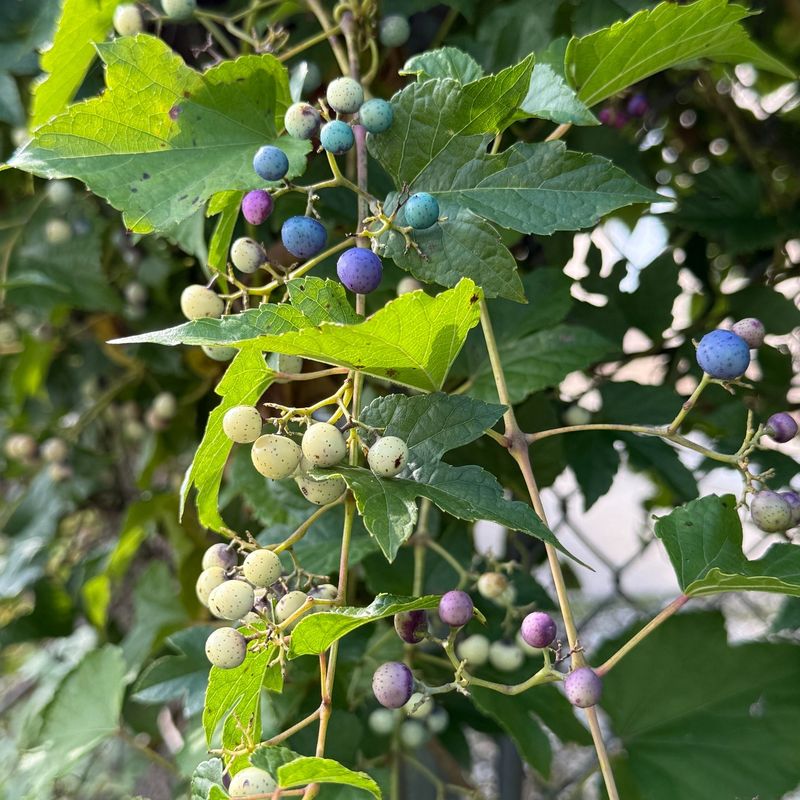
Misidentification is common, and it costs people time.
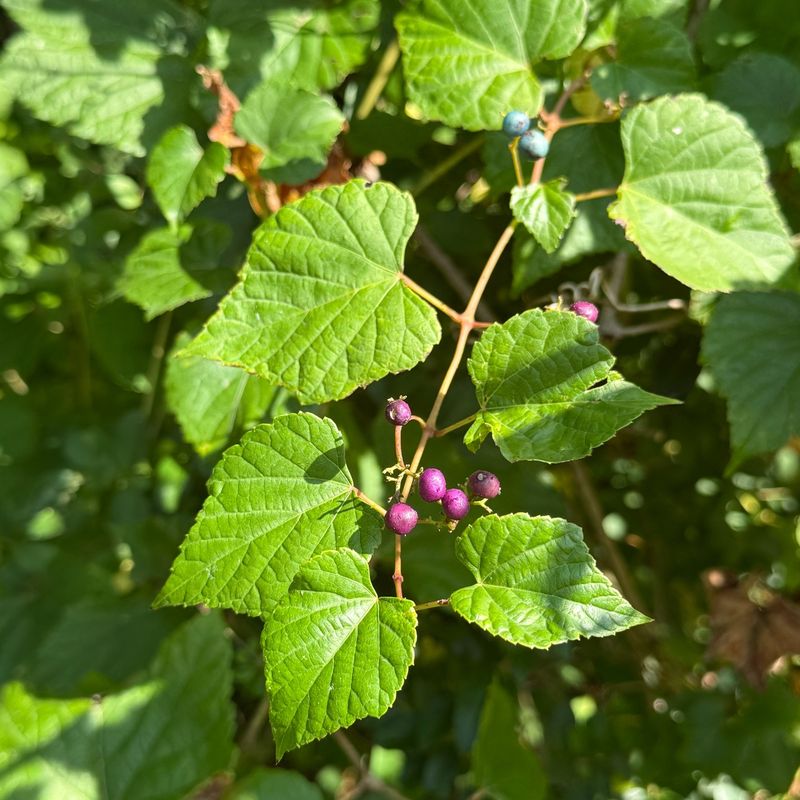
Leaves on porcelain berry are lobed and heart-shaped at the base, which makes them look a lot like wild grape. Both climb with tendrils, and both show up along the same shady fence rows.
Snapping a stem settles the question faster than staring at leaves.
Pith inside a porcelain berry stem is white, while native grape stems have brown pith. Grape vines also carry a small woody divider at each node.
Bark tells another story once stems thicken.
Older grape vines shed bark in long, stringy strips. Porcelain berry keeps tighter bark dotted with raised specks called lenticels.
Muscadine is trickier, since its bark also stays tight with small lenticels. Leaf shape helps there, because muscadine leaves stay rounded with coarse teeth instead of deep lobes.
Fruit color removes any doubt by late summer, since grapes ripen to dark purple or black.
Leaf shape varies quite a bit on porcelain berry, from barely lobed to deeply cut. Variation on a single plant confuses even seasoned gardeners in north Georgia.
Native grapes feed wildlife and belong in the landscape, so pulling them by mistake helps nobody.
4. Birds Carry The Seeds Into New Areas
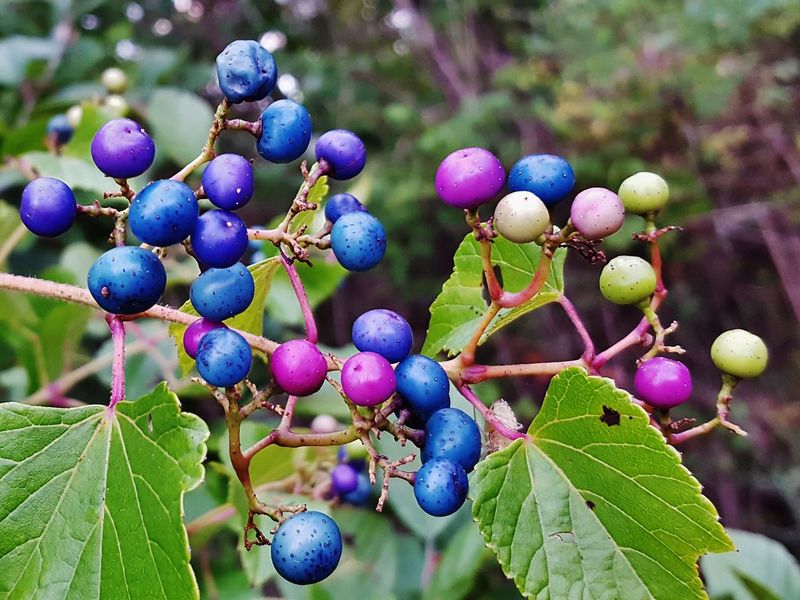
Seeds do not stay put once fruit ripens.
Birds eat the berries in fall and drop seeds wherever they perch. Fence lines, power lines, and shrub tops turn into planting rows without anyone noticing.
Water moves seeds too, which explains why creek banks collect so many vines.
Raccoons and other mammals take the fruit as well, and seeds survive the trip. Spread happens across distance, not just along your own property line.
That is how a neighbor’s ornamental vine becomes your weekend project.
Seedlings often appear in mulch beds, around foundation shrubs, and under bird feeders. Damp, partly shaded spots near hedges seem to hold the most.
Clipping fruit before it ripens cuts down on new plants, though it will not stop seeds arriving from somewhere else.
Removing berry clusters in late summer is quick work with hand pruners. Bag them instead of composting, since seeds can survive an ordinary backyard pile.
Walk your Georgia property line each spring and pull seedlings while the stems are still soft.
Small vines slide out of moist soil with the root attached. Dry ground usually snaps the stem and leaves the root behind.
5. Long Stems Climb Over Shrubs And Small Trees
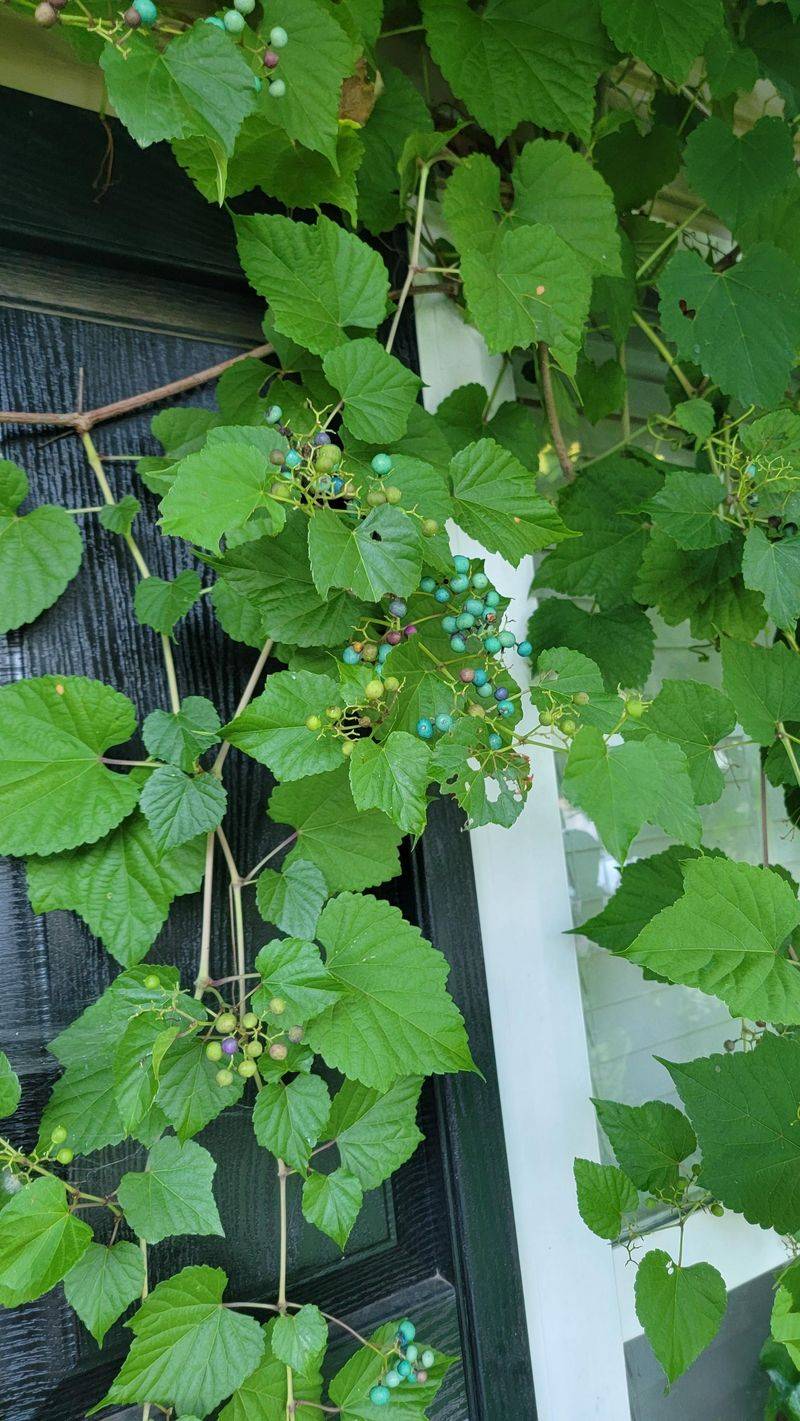
Climbing is where the damage becomes visible.
Tendrils grab twigs, wire, and lattice, then haul the stem upward quickly. Azaleas, hollies, and young dogwoods make easy ladders.
Weight builds as the vine layers over itself season after season.
Bent branches and broken limbs show up after storms, especially on smaller trees. Heavy rain and occasional ice add load that shrubs were never built to carry.
Porcelain berry does not twist tightly around trunks the way wisteria does, so girdling is less of a concern.
Smothering is the real issue instead. Stems spread sideways across the canopy and cover leaves from above.
Yanking a heavy vine straight down often strips bark and snaps branches.
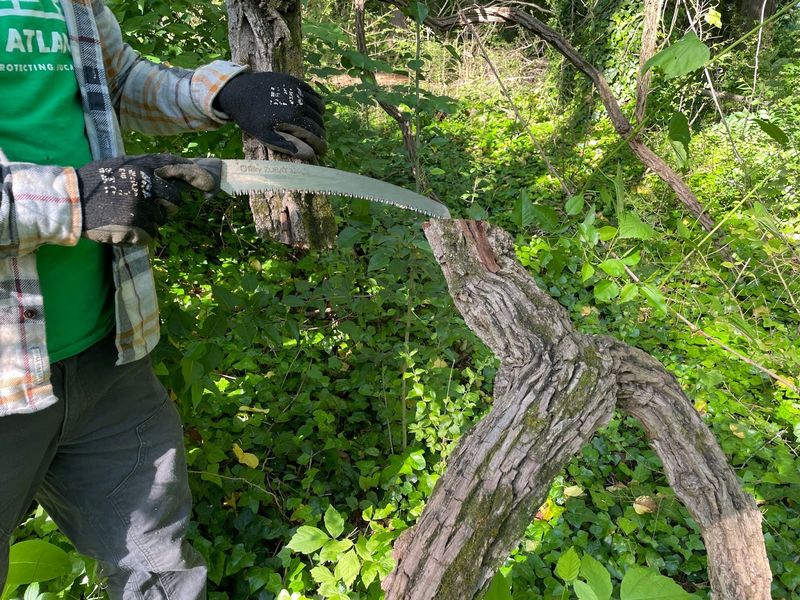
Cut the stem near the ground and let the top growth dry in place. Once brittle, it lifts off far more easily.
Hand pruners handle young stems, but older wood usually calls for loppers or a small saw.
Check arbors, mailboxes, and chain-link fences around Georgia yards, since those spots get taken over first.
Mark cut stems with flagging tape so you can find the stumps again. Regrowth from the base is common, and a quick look every few weeks keeps it manageable.
6. Dense Growth Can Block Light From Plants Below
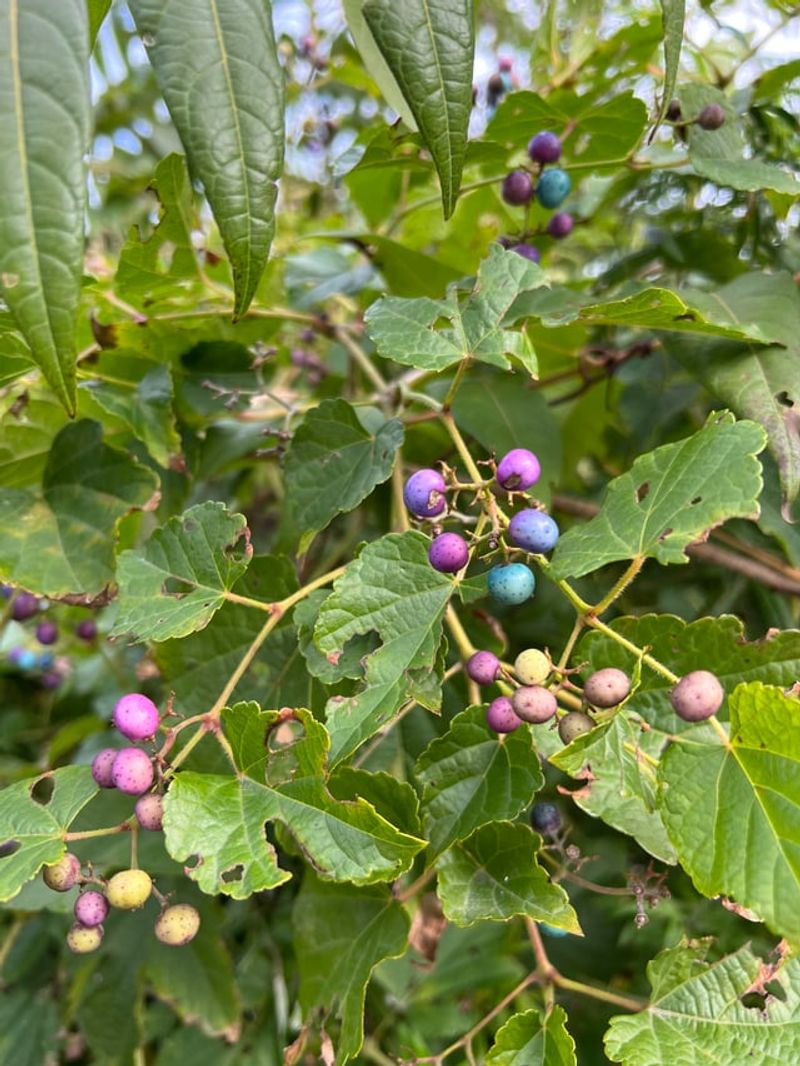
Shade cast by a vine mat is heavier than most people expect.
Leaves overlap in layers, so very little light reaches whatever grows underneath. Perennials thin out, and groundcovers turn patchy within a season or two.
Loss of sunlight also slows shrubs that looked healthy the year before.
Native seedlings struggle the most, because they cannot outgrow the cover. Wooded edges near Georgia neighborhoods show that pattern along fence lines and creek corridors.
Moisture gets trapped under thick growth, and airflow drops.
Damp leaves stay wet longer, which can encourage fungal problems on some plants. Conditions vary, so outcomes depend on the season and the species involved.
Thinning the mat helps, though partial removal usually buys only a short break.
Cutting stems at the base and clearing the tangle restores light much faster. Give shaded plants a full season to recover before deciding whether to replace them.
Open soil is an invitation for whatever seed lands first.
Replanting bare spots with mulch or a tough groundcover lowers the chance of reinvasion. Filling those gaps early gives your own plants the advantage.
Watch low beds under trees, where dropped seeds and shade create ideal starting conditions.
7. Young Vines Are Easier To Control Before They Spread
Timing beats effort with this plant.
First-year seedlings have thin stems and shallow roots, so a light tug usually brings the whole plant. Wait two seasons and you are digging a woody crown out of packed clay.
Spring is the easiest window, right after rain softens the ground.
Pull slowly and steadily so the root comes up with the stem. Snapping the top off leaves a crown that will push new shoots.
Gloves help, since older stems get rough on bare hands.
Repeat checks matter more than one big cleanup day. Missed roots and fresh seedlings keep appearing for a few years after the parent vine is gone.
Herbicide is an option for large infestations, though label directions and timing decide how well it works.
Cut-stump treatment in late summer or fall is a common approach for woody vines. Anyone spraying near water should check state and local rules first.
Georgia gardeners get better results by combining pulling, cutting, and steady follow-up rather than leaning on one method.
Keep pulled vines out of the compost pile and bag any fruit. Small habits like that keep the problem from restarting next spring.