This Georgia Native Shrub Starts Producing Bright Red Berries As Summer Ends
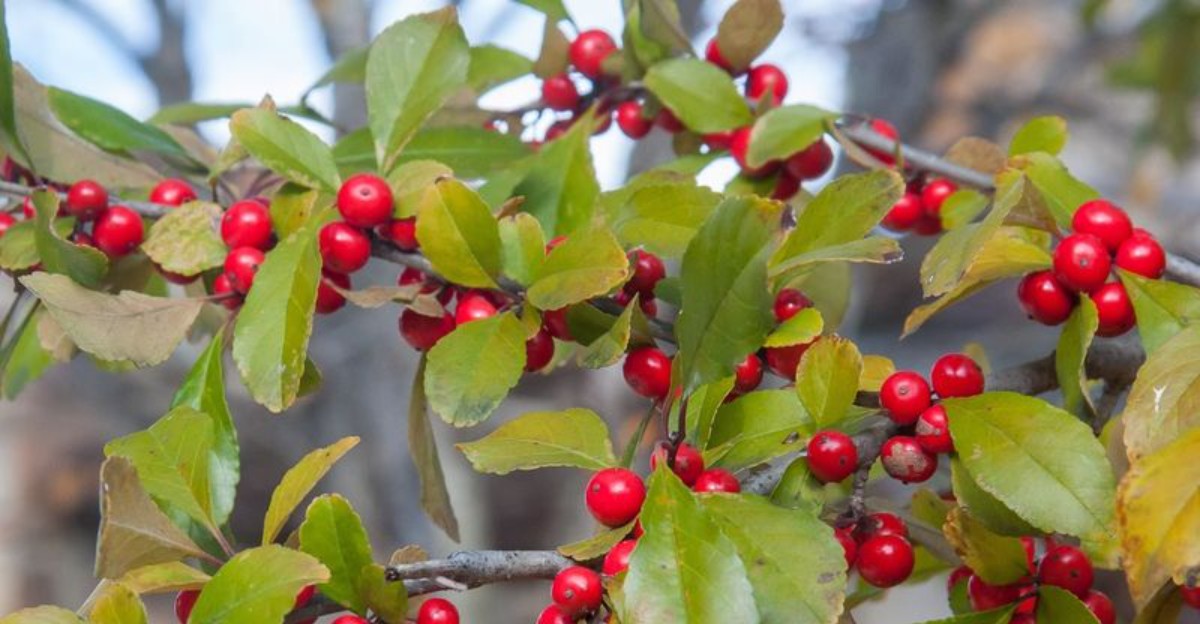
Bright red berries can completely change the look of a shrub that blended quietly into the yard all summer. By early fall, one Georgia native begins showing why it deserves attention.
The colorful fruit arrives just as many summer flowers are starting to lose their spotlight.
That seasonal change gives the shrub a fresh role in the landscape when other plants are slowing down. Its berries also add something useful beyond their bold color.
Birds can visit the fruit as the season moves forward, bringing another layer of activity to your yard.
Before choosing a spot, learn how this native shrub grows and what conditions help it perform well. Good placement lets its best features stand out.
Plant it thoughtfully, and those red berries could become a fall highlight you anticipate every year.
1. Bright Red Fruit Can Suddenly Stand Out Among Green Leaves
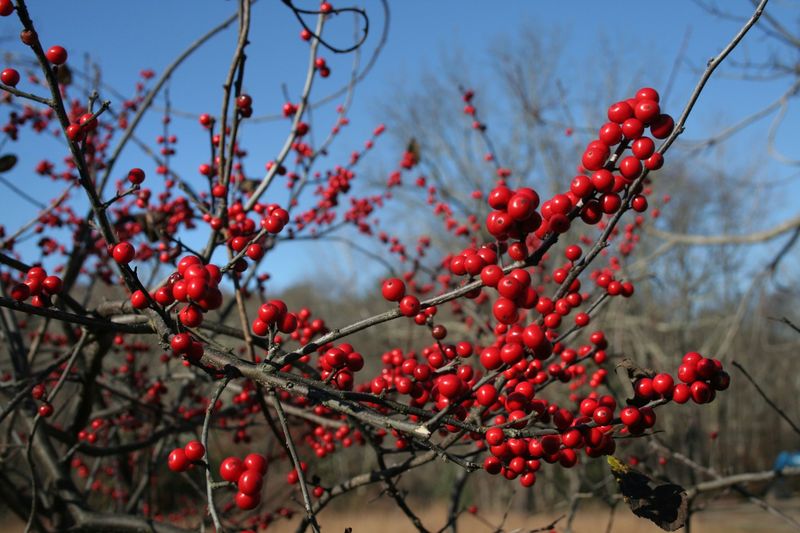
One week the shrub looks ordinary. The next, small beads of red are scattered along every twig, and your eye goes straight to them.
Fruit set actually happens back in late spring, but the berries stay green and hidden for months. Color usually begins arriving in late August or September, depending on the weather that year.
Warm falls can slow the change, and a dry summer sometimes leaves the fruit smaller than usual.
The berries start out orange-tinged before deepening. Older shrubs often color up a little earlier than young ones still building root systems.
Green leaves make the contrast sharper, which is why the shrub grabs attention right at the end of summer in Georgia yards.
Fruit size stays modest, roughly a quarter inch across, but the sheer number of them adds up. A mature plant can carry hundreds of berries along its branches.
Take a walk near a wet ditch or creek bank around Labor Day and you may spot one you have passed a hundred times before.
Keep in mind that the fruit is not meant for people, so leave it for wildlife. Teach kids the same rule if the shrub sits near a play area.
Once you learn to recognize that first flush of red, you start noticing possumhaw everywhere.
2. Possumhaw Holly Puts On A Colorful Seasonal Display
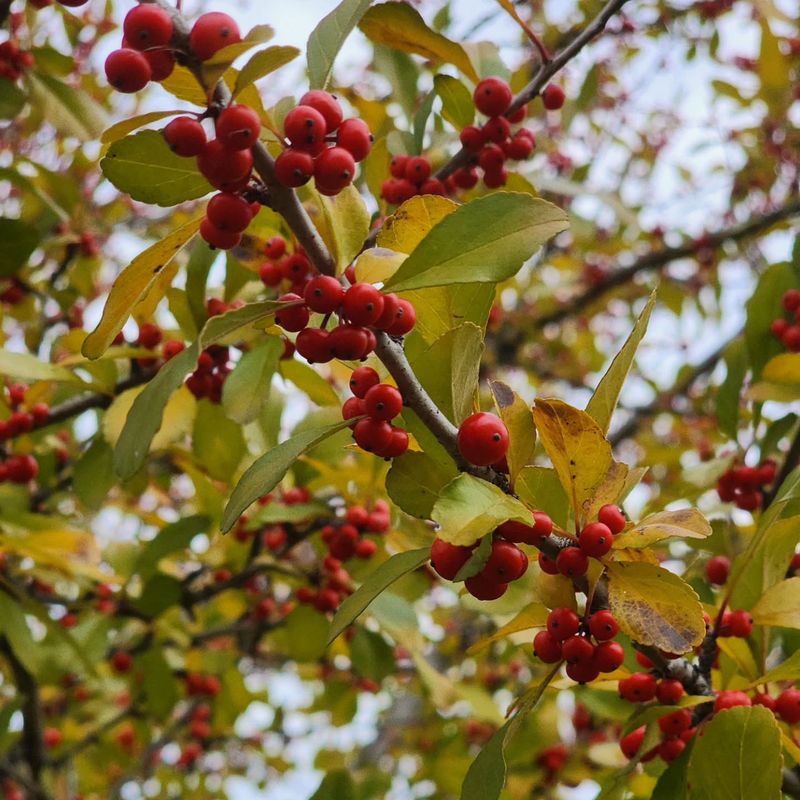
Plain for three seasons, showy for one. That trade-off describes possumhaw holly better than any plant tag ever could.
Botanists call it Ilex decidua, and the second half of that name says a lot. Unlike American holly, it drops its leaves every year.
Growth habit tends toward a large multi-stemmed shrub, often eight to fifteen feet tall, sometimes taller with age.
Bark is smooth and pale gray, which looks surprisingly clean once winter strips the branches. Some gardeners limb up the lower stems and treat it like a small tree.
Spring flowers are tiny, greenish white, and easy to miss entirely.
Summer leaves are small and slightly leathery, with a rounded tip that separates it from similar hollies. Fall color runs pale yellow at best, so nobody plants it for foliage.
The real payoff shows up as summer winds down and the fruit starts glowing.
Your Georgia Garden Changes Every Week. Your Plan Should Too.
Gardening in Georgia changes quickly throughout the season. Every Friday you’ll receive a simple weekly plan showing exactly what to plant, prune, fertilize, harvest, and protect so you never miss the right timing.
Across Georgia you can find it growing wild in floodplains, along fence rows, and at the edges of pine woods. Nurseries carry named selections like Warren’s Red that hold heavy crops.
Give it room when planting, because it suckers slowly and widens over time. Crowding it against a walkway usually leads to pruning headaches later.
3. Female Plants Produce Berries When Pollination Goes Right
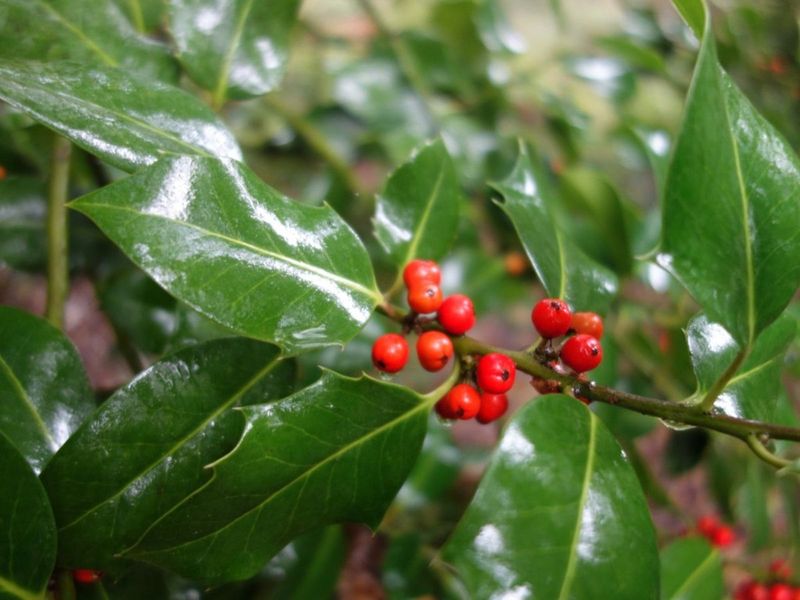
Buy the wrong plant and you may wait years for berries that never arrive. Hollies are dioecious, meaning male and female flowers grow on separate plants.
Only females carry fruit. Males contribute pollen and nothing else, which frustrates plenty of first-time buyers.
Shopping in fall solves most of the guesswork, since fruiting shrubs are obviously female.
Nursery labels usually note the sex, and named cultivars are reliable. Seedlings sold cheaply at plant sales are a coin flip.
Plan on one male for every few females, planted somewhere within about fifty feet.
Bees handle the transfer during spring bloom, so anything that supports pollinator activity helps. Heavy insecticide use during flowering can reduce fruit set noticeably.
Cold snaps or steady rain during bloom week may also thin the crop that year.
Some gardeners in Georgia skip the male entirely and still get berries, usually because wild possumhaw or a nearby winterberry is blooming close enough. That is luck, not a plan.
A male American holly will not reliably pollinate possumhaw, so match the species when you can.
Give a new female shrub two or three seasons before judging it. Young plants often flower lightly and set very little fruit while roots establish.
4. Birds Begin Taking Notice As The Fruit Ripens
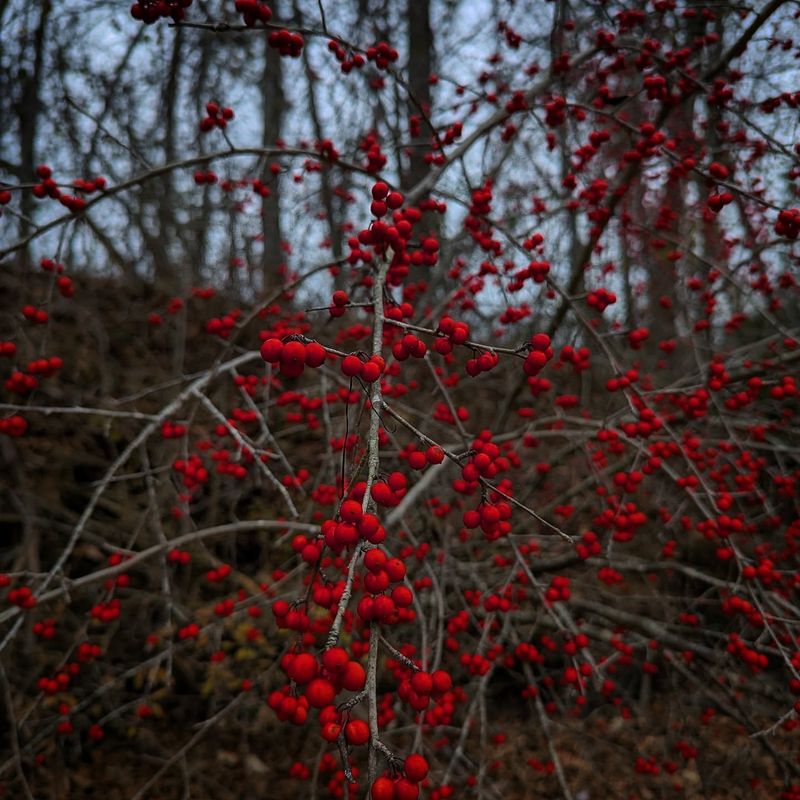
Watch the shrub long enough and the visitors show up. Mockingbirds, robins, cedar waxwings, and bluebirds all work possumhaw fruit at some point.
Ripe berries are not a first choice for most birds, which is actually good news. Softer, sweeter fruits get eaten first in early fall.
Possumhaw berries hang on and become useful later, when pickings thin out.
Repeated freezing and thawing softens the fruit over winter. That is roughly when flocks strip a shrub in a day or two.
Robins moving through in February often clean out an entire plant.
Raccoons, opossums, and deer browse the lower fruit too, which explains the common name. The plant has fed local wildlife long before anyone put it in a landscape bed.
Berry crops swing year to year, so a light season is normal rather than a problem.
Placing the shrub within view of a kitchen window pays off in Georgia during those gray winter weeks. Bird traffic gives you something to watch when little else moves.
Skip cleanup pruning until the fruit is gone, since cutting branches early removes food.
A nearby brush pile or evergreen gives birds cover between trips. Small touches like that make the shrub far more useful to wildlife.
5. Sunlight Can Help Bring Out A Stronger Berry Crop
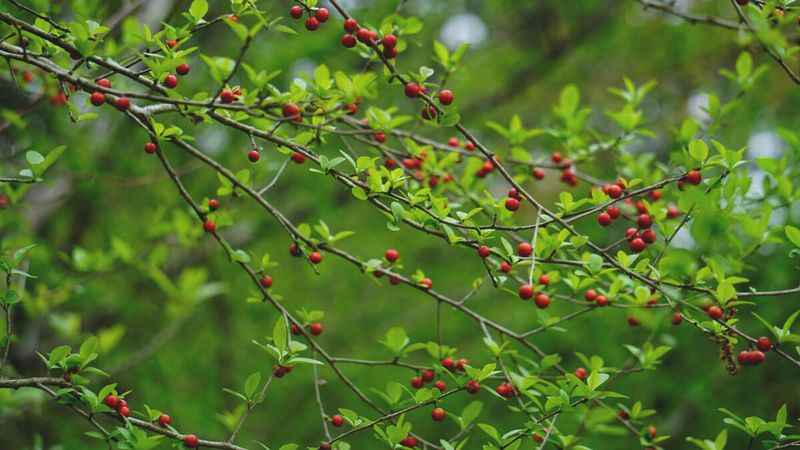
Shade thins the show. Possumhaw tolerates part shade fine, but the heaviest fruiting almost always happens in open sun.
Six hours of direct light is a reasonable target. More sun generally means more flowers, and more flowers mean more chances for fruit.
Plants tucked under tall pines still grow, they just carry fewer berries.
Morning sun with light afternoon shade works well too, especially on drier sites. Full shade is where the plant tends to stretch and look thin.
Fruit on the sunny side of a shrub often colors earlier than fruit on the shaded side.
Site selection matters more than fertilizer here. Rich feeding pushes leafy growth and rarely improves berry counts.
A soil test through your county extension office beats guessing at amendments.
Heavy shearing is another common mistake, since flower buds form on older wood. Cutting the whole shrub back in spring can wipe out that season’s fruit.
Light thinning right after the berries disappear is the safer approach.
Georgia summers bring plenty of heat, and possumhaw handles it without complaint once established. Just avoid hot, compacted spots against south-facing walls where the soil bakes and dries fast.
6. Moist Ground Gives This Native Shrub A Good Home
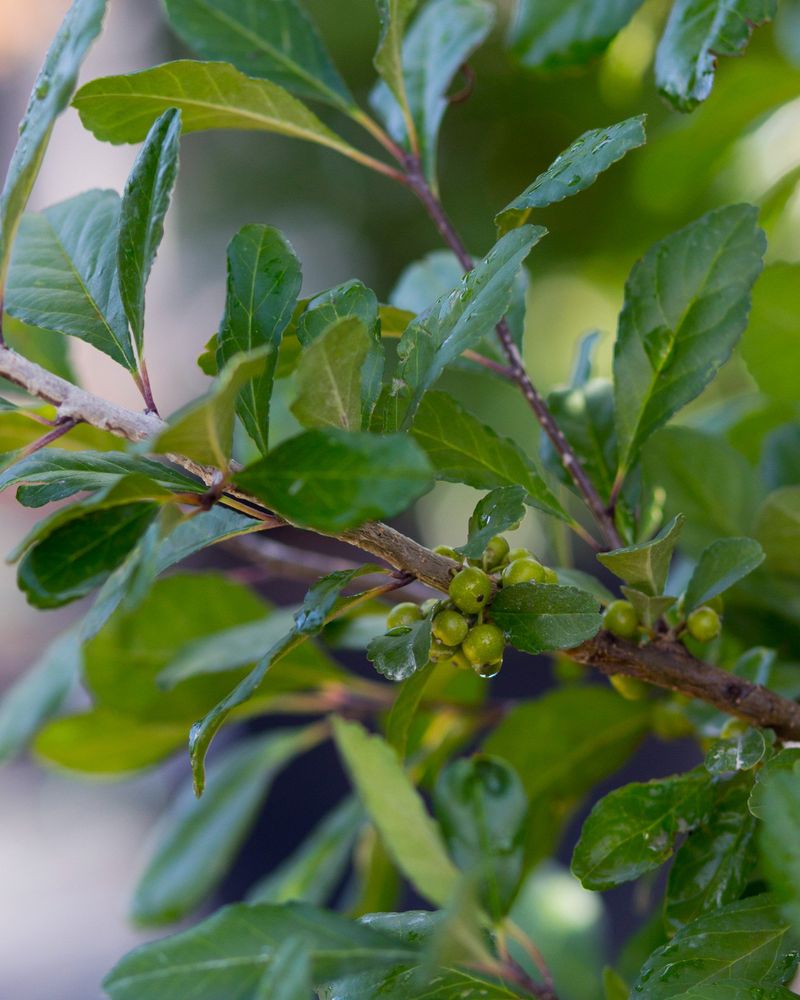
Soggy corners are not a problem for this one. Possumhaw grows naturally in floodplains, swamp edges, and low ground that stays damp much of the year.
Clay works. Standing water after a storm works too, as long as it drains within a few days.
That flexibility makes it useful in spots where azaleas or boxwoods struggle.
Drier sites are still workable once roots go deep, though growth slows and fruit may be lighter. Regular watering through the first two summers makes a real difference.
Mulch a few inches deep, kept off the trunks, holds moisture during dry stretches.
Fall planting suits Georgia well, since cooler air and steadier rain let roots settle before heat returns. Spring planting works, it just requires more attention with the hose.
Slightly acidic soil is typical across much of the region and suits this plant fine.
Rain gardens, drainage swales, and pond edges are all fair game. Pair it with buttonbush or inkberry if you want a native grouping in a wet area.
Avoid planting directly over septic lines or tight utility corridors.
Once established, it needs very little from you beyond occasional pruning. That low-maintenance habit is a big part of its appeal.
7. Its Best Show Often Continues Long After The Leaves Fall
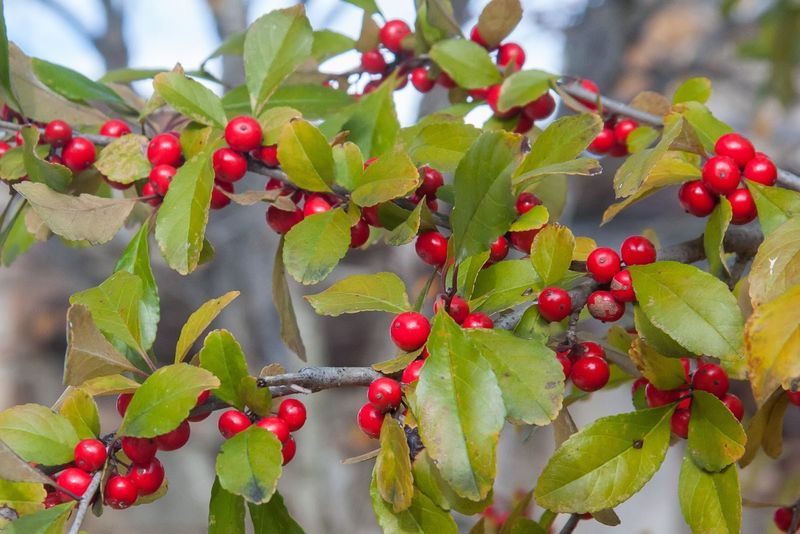
Bare branches, red fruit, gray sky. That combination is the reason people plant possumhaw in the first place.
Leaf drop usually happens in November, and the berries stay put. Suddenly the entire structure of the shrub becomes visible, wrapped in color.
Fruit can hold into February or March if birds leave it alone.
Snow makes it look even better on the rare mornings Georgia gets any. Frost on the berries has a similar effect.
Cut branches also last well indoors and work nicely in holiday arrangements.
Take a few stems for a vase, but leave the bulk for wildlife. Cutting too heavily in December means less food during the leanest weeks.
Winter is a fine time to look at the shrub’s shape and decide what to remove later.
Placement against a dark evergreen backdrop makes the berries pop dramatically. Cedars, hollies, or a fence line all do the job.
How long the display lasts depends on bird pressure and weather, so no two years look the same.
Plant one in a spot you pass daily and you will notice the difference by January. Few native shrubs give that much color when everything else has gone quiet.