These Tips Keep Hanging Flowers Blooming All Summer In Georgia
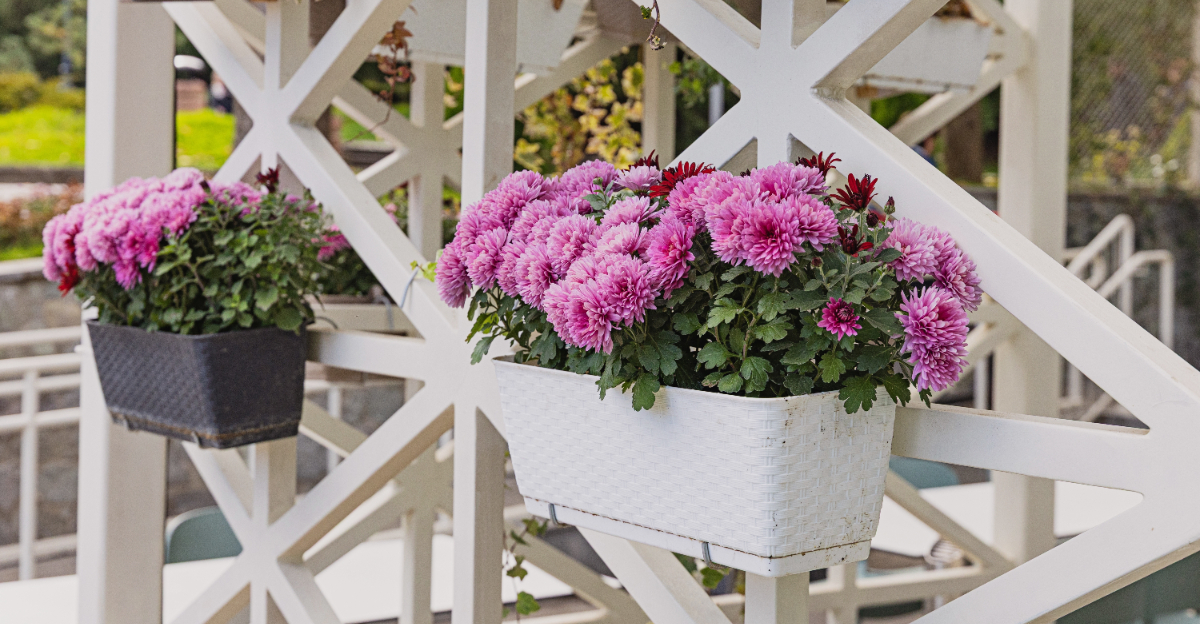
Georgia heat does not wait around, and hanging flowers feel it fast when summer kicks in. What starts out full and colorful can lose its energy quickly, especially when baskets sit in strong sun and dry out before the day is even over.
Long lasting blooms come from staying ahead of that stress instead of reacting to it later.
Simple shifts in timing, shade, and routine care can keep plants active and pushing new growth instead of slowing down when temperatures rise.
With the right setup from the beginning, baskets hold their shape and keep producing color through the toughest stretch of summer. They stay lively, balanced, and far more reliable without needing constant replacements.
1. Water Consistently To Keep Soil Evenly Moist
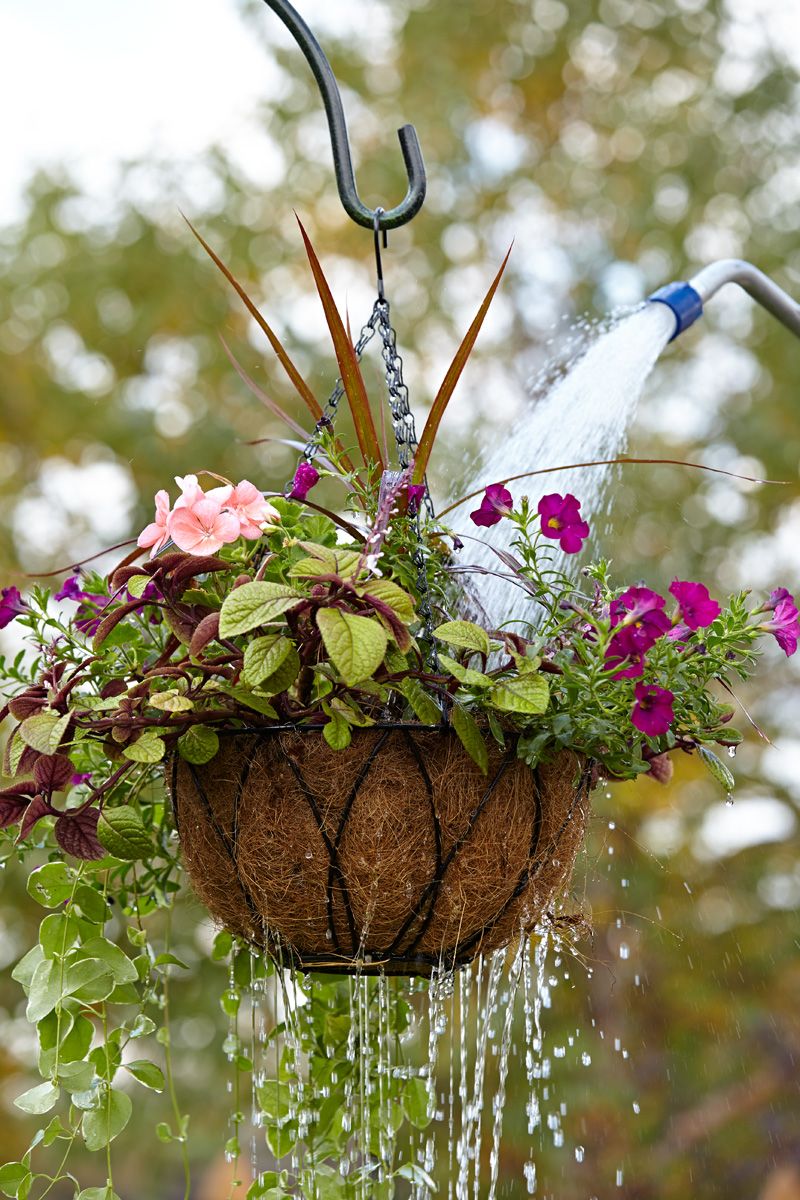
Hanging baskets in Georgia dry out faster than almost any other container you own. The combination of direct sun, warm breezes, and shallow root space means moisture disappears quickly, sometimes within hours on a hot afternoon.
Check the soil every single morning before the heat of the day sets in. Push your finger about an inch into the potting mix.
If it feels dry at that depth, water thoroughly until you see it draining from the bottom of the basket.
Watering lightly and often actually causes more harm than good. Shallow watering encourages roots to stay near the surface, which makes the whole plant more vulnerable during Georgia heat waves.
You want deep, thorough watering that reaches every root.
During peak summer months, many Georgia gardeners find they need to water hanging baskets twice a day, once in the early morning and again in the late afternoon. Morning watering gives plants moisture before heat stress builds up.
Evening watering helps them recover after a long, hot day.
Self-watering inserts and moisture-retaining crystals mixed into the potting soil can genuinely help extend the time between waterings. These are not magic fixes, but they do provide a helpful buffer on those days when you cannot get outside on schedule.
Consistent moisture is the single biggest factor in keeping blooms going strong all summer in Georgia.
2. Feed Regularly To Support Continuous Blooms
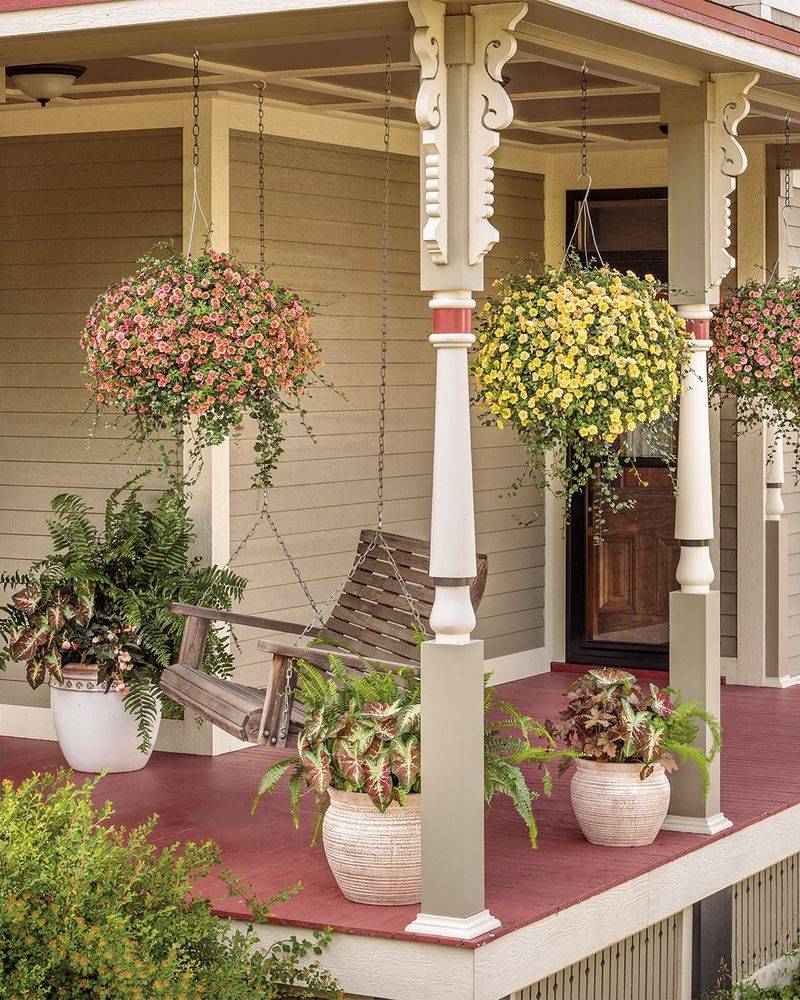
Flowers in hanging baskets are working hard all summer, and they need fuel to keep producing blooms.
Unlike plants in the ground, container plants rely entirely on you to replenish nutrients because frequent watering flushes fertilizer out of the potting mix faster than most people expect.
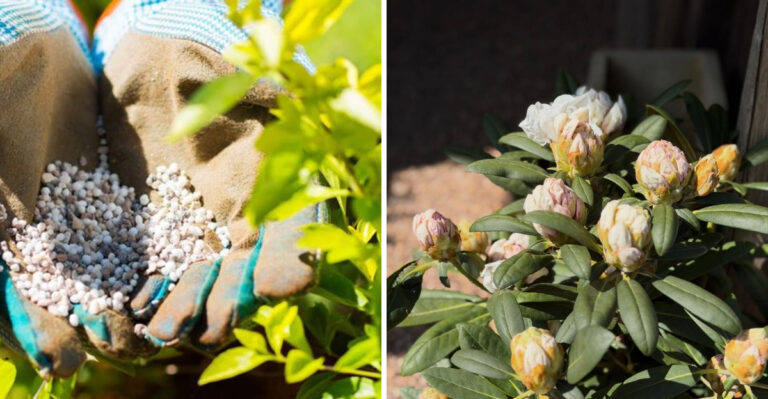
A balanced liquid fertilizer applied every one to two weeks works well for most flowering basket plants. Look for a formula with a higher middle number, which represents phosphorus, since phosphorus directly supports flower production rather than just leafy green growth.
Slow-release granular fertilizer mixed into the potting soil at planting time gives you a decent foundation, but it rarely lasts the full Georgia summer on its own.
Supplementing with liquid feeding every couple of weeks keeps nutrients available and consistent throughout the season.
Signs that your basket needs feeding include pale leaves, fewer blooms than earlier in the season, and stems that look weak or thin. These are not automatic guarantees of a nutrient problem since overwatering can cause similar symptoms, but if watering is already dialed in, fertilizing is the logical next step.
Your Georgia Garden Changes Every Week. Your Plan Should Too.
Gardening in Georgia changes quickly throughout the season. Every Friday you’ll receive a simple weekly plan showing exactly what to plant, prune, fertilize, harvest, and protect so you never miss the right timing.
Skip feeding during extreme heat events above 95 degrees because stressed plants cannot absorb nutrients efficiently anyway. Resume your regular schedule once temperatures drop back to a more manageable range.
Keeping a simple feeding calendar on your phone makes it easy to stay consistent without having to guess when you last fertilized your Georgia hanging baskets.
3. Remove Faded Flowers To Encourage New Growth
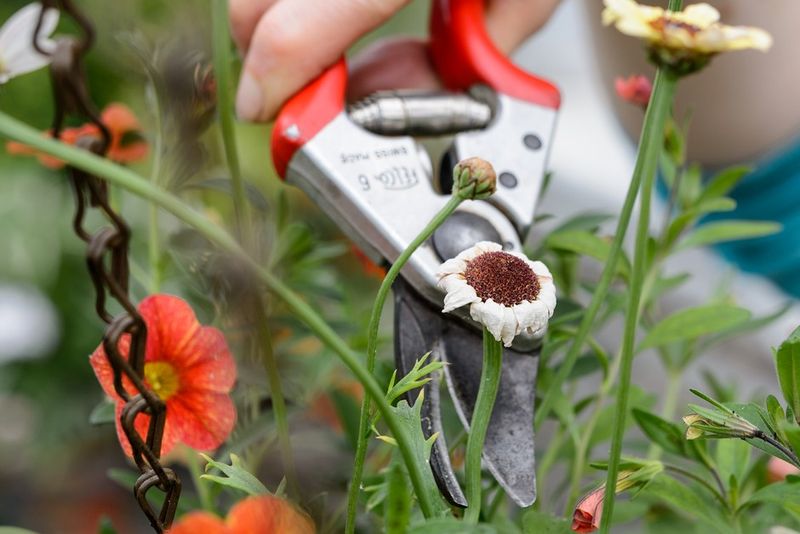
Spent blooms left on the plant send a clear signal to stop producing flowers. Once a flower is pollinated and starts forming a seed, the plant shifts its energy toward seed development rather than creating new buds.
Removing those faded flowers before seeds form keeps the plant focused on blooming.
Deadheading does not need to be complicated. Pinch or snip off the entire flower head along with the small stem just below it.
Leaving just the petals and keeping the seed pod attached does not accomplish much, so make sure to remove the whole structure.
In Georgia, where summer heat pushes plants hard, deadheading every two to three days during peak season makes a noticeable difference.
Petunias, calibrachoa, and impatiens respond especially well to consistent deadheading and can stay in heavy bloom from spring right through early fall with this kind of attention.
Some newer plant varieties are marketed as self-cleaning, meaning they drop spent blooms on their own without forming seeds.
These are genuinely easier to maintain, but even self-cleaning varieties benefit from an occasional light trim to remove any blooms that linger too long on the stem.
Combine deadheading with a quick inspection of the whole basket. Look for any yellowing leaves, signs of pest activity, or stems that seem to be outgrowing the shape of the basket.
Catching small issues early while you are already tending the plant saves a lot of effort later in the Georgia summer season.
4. Use Well Draining Potting Mix To Prevent Root Issues
Roots sitting in waterlogged soil cannot access oxygen, and without oxygen, they stop functioning properly. In a hanging basket, poor drainage is one of the fastest ways to end up with a plant that looks wilted even when the soil feels wet, which is a confusing and frustrating situation.
Garden soil pulled straight from your yard is too dense and heavy for containers. It compacts quickly, blocks drainage, and does not give roots the loose, airy environment they need to thrive in the Georgia humidity.
A quality potting mix designed specifically for containers already includes ingredients like perlite, vermiculite, or bark that keep the structure open and allow water to move through freely.
Some gardeners in Georgia add extra perlite to standard potting mix to improve drainage even further, especially for baskets that get heavy afternoon watering.
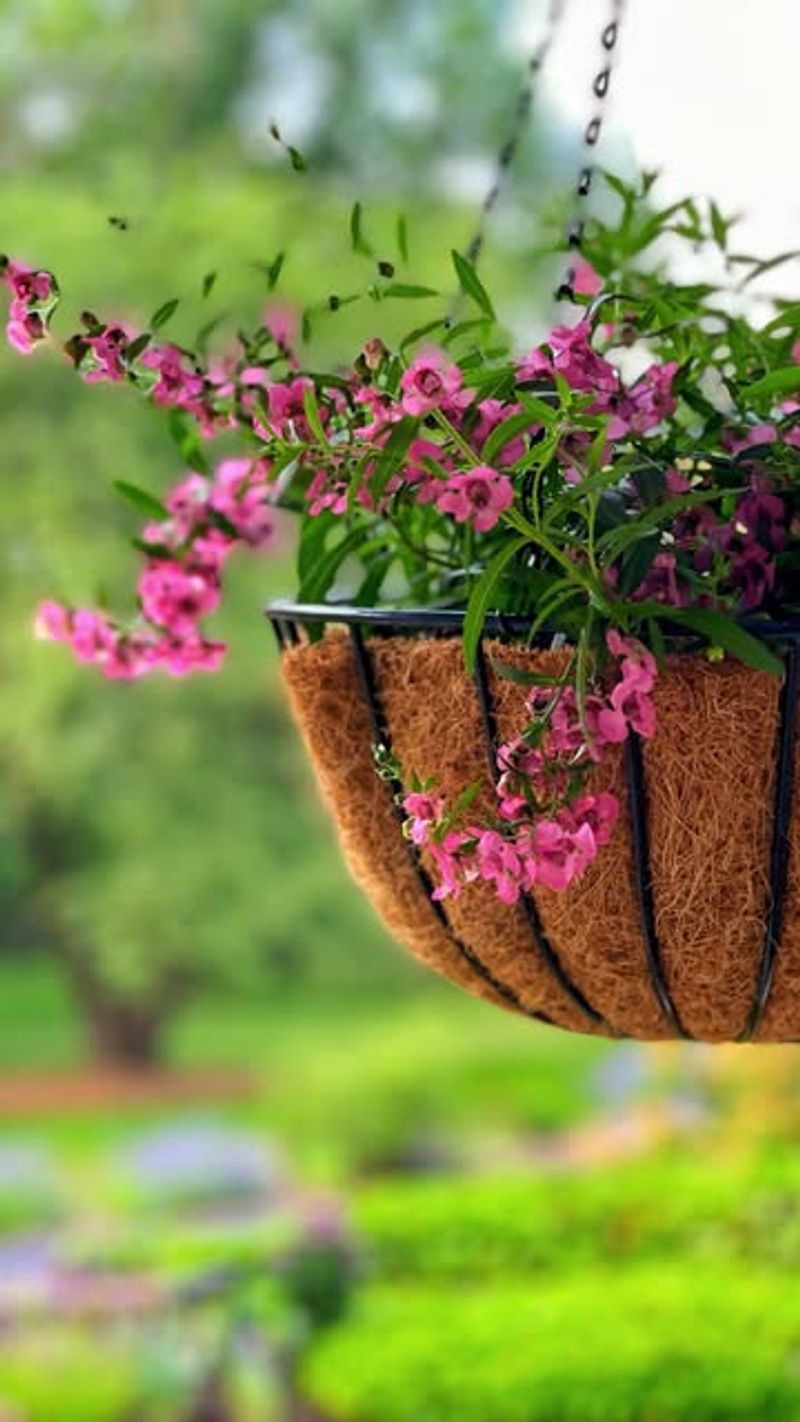
Baskets lined with coco coir or moss tend to drain more freely than solid plastic pots, which is one reason they are so popular for summer hanging displays.
If you are using a solid-bottom container, make sure it has multiple drainage holes and that none of them are blocked by compacted soil or debris.
Refreshing the potting mix at the start of each growing season rather than reusing old mix from previous years gives your plants the best possible start. Old mix breaks down and loses its structure over time, which reduces drainage and can harbor pathogens from past plants.
Starting fresh each spring is a small investment that pays off all Georgia summer long.
5. Place Baskets Where They Get Enough Sunlight
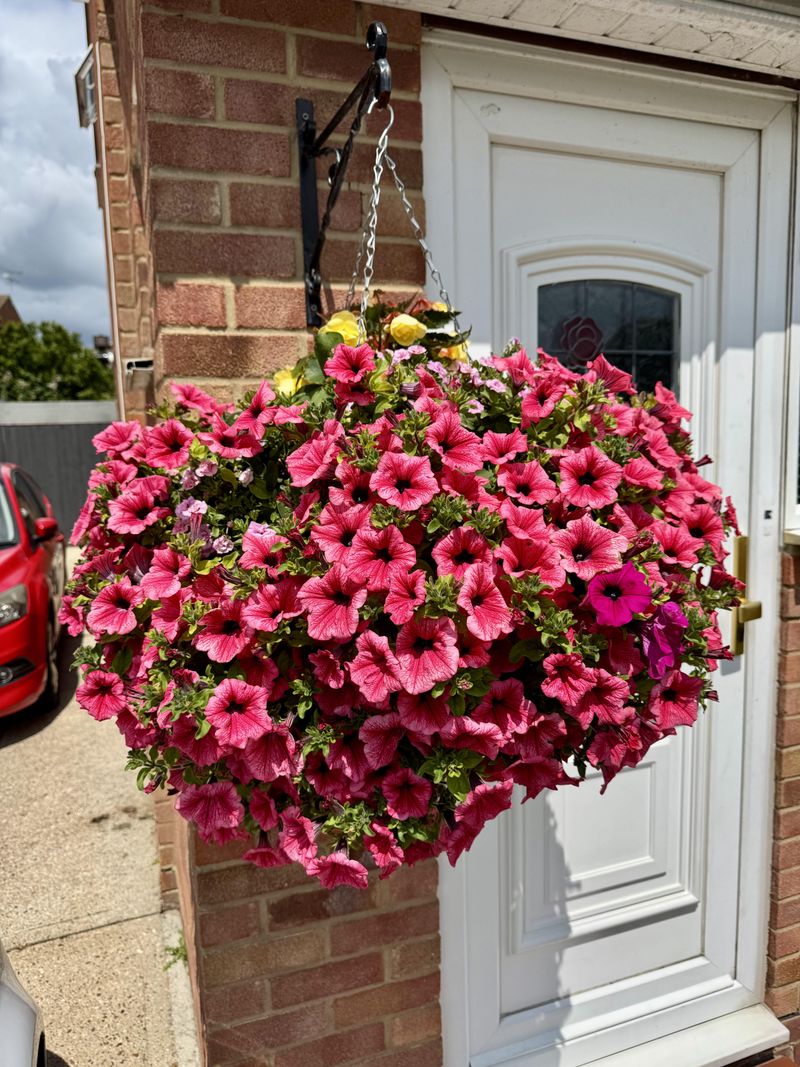
Light requirements vary by plant, but most popular hanging basket flowers need at least four to six hours of direct sun per day to bloom consistently.
Placing a sun-loving plant in deep shade does not just slow its growth, it gradually reduces flower production until you are left with mostly foliage and very few blooms.
Georgia porches often have a mix of sun and shade throughout the day as the sun moves across the sky.
A spot that gets morning sun and afternoon shade is actually ideal for many flowering annuals during the hottest Georgia months because it reduces heat stress while still providing enough light for healthy blooming.
West-facing locations in Georgia can get brutally hot afternoon sun from June through August. Plants hung in those spots need extra water and may benefit from some light shade cloth or natural tree coverage during the hottest hours.
Not every flowering variety handles that kind of direct afternoon exposure well.
Impatiens, fuchsia, and begonias are excellent choices for shadier Georgia spots and will bloom reliably without needing full sun. Petunias, verbena, and calibrachoa prefer more light and perform best in spots that receive at least five to six hours of sun daily.
Observe the light patterns on your porch or patio for a full day before deciding where to hang your baskets. Light shifts significantly with the seasons, and what worked in spring may become too intense by mid-July in Georgia.
Adjusting basket placement as the season progresses is a simple but effective way to protect your blooms.
6. Rotate Containers So All Sides Grow Evenly
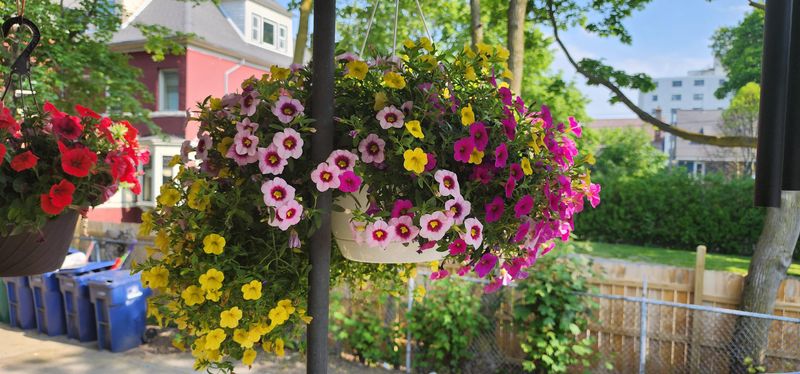
Plants grow toward light, and a hanging basket that never moves will eventually develop one full, lush side and one sparse, leafy side that barely blooms. Rotating your baskets regularly corrects this imbalance before it becomes obvious and hard to fix.
A quarter turn every week or so is usually enough to keep growth even on all sides. You do not need a strict schedule, but making rotation part of your watering routine means it actually gets done consistently rather than being forgotten for weeks at a time.
Georgia porches with a southern exposure tend to have strong, consistent light that minimizes uneven growth.
Covered porches or spots near walls and railings create more directional light situations where rotation makes a bigger difference in how the basket fills out over the course of the summer.
Uneven growth is not just a cosmetic problem. When one side of a basket is shaded and weak, those stems become more susceptible to fungal issues in Georgia’s humid summer air.
Keeping all sides actively growing and receiving light reduces that risk naturally without needing any chemical intervention.
Wire baskets and coco-lined containers are easier to rotate because they are typically hung with swivel hooks that make turning effortless. If your baskets are attached to fixed hooks, consider swapping them out for swivel versions at the start of the season.
It is a small upgrade that makes the whole rotation habit much simpler to maintain throughout the long Georgia growing season.
7. Trim Back Leggy Growth To Keep Plants Full
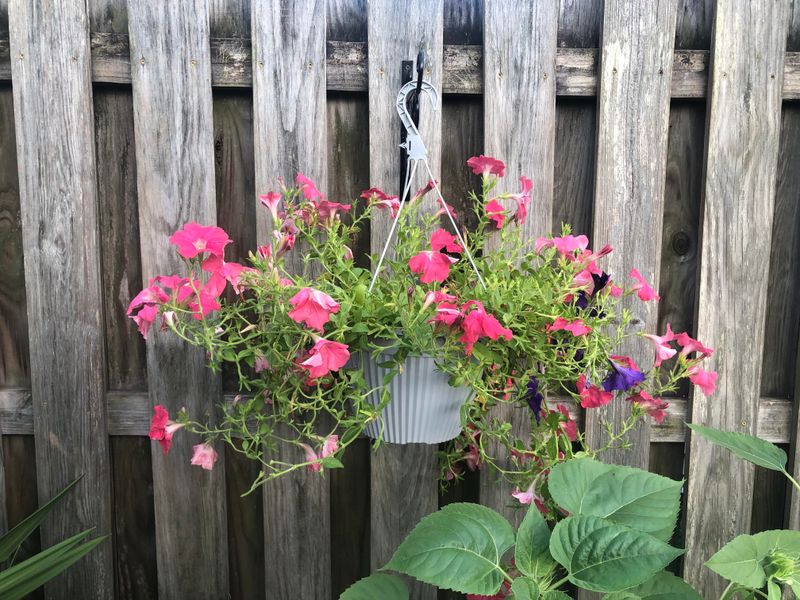
By mid-July in Georgia, hanging baskets that started the season looking full and lush can start to look stretched out and sparse.
Long, bare stems with only a few leaves at the tips are a classic sign that the plant needs a hard trim to reset its energy and encourage compact, bushy regrowth.
Cutting stems back by about one third is a safe starting point for most flowering annuals. Petunias especially benefit from this kind of aggressive pruning mid-season.
It feels counterintuitive to cut off healthy stems, but within two weeks, new branching growth typically fills in much thicker than what was there before.
Sharp, clean scissors or pruning shears make cleaner cuts that heal faster and reduce the chance of introducing disease into the wound.
Wiping blades with rubbing alcohol between plants is a good habit, particularly in Georgia’s humid summer conditions where fungal and bacterial issues spread more easily.
After trimming, give the basket a good deep watering and a dose of liquid fertilizer to support the flush of new growth coming in. The combination of pruning and feeding together accelerates recovery noticeably compared to trimming alone.
Avoid trimming during a heat wave when plants are already stressed. Wait for a cooler stretch, even if it is just a few days of overcast weather, to do your major cuts.
Trimming at the right moment rather than just whenever it looks necessary makes a real difference in how quickly Georgia hanging baskets bounce back and return to full, beautiful bloom.