Why Beaver Dams Can Become A Problem On Georgia Properties
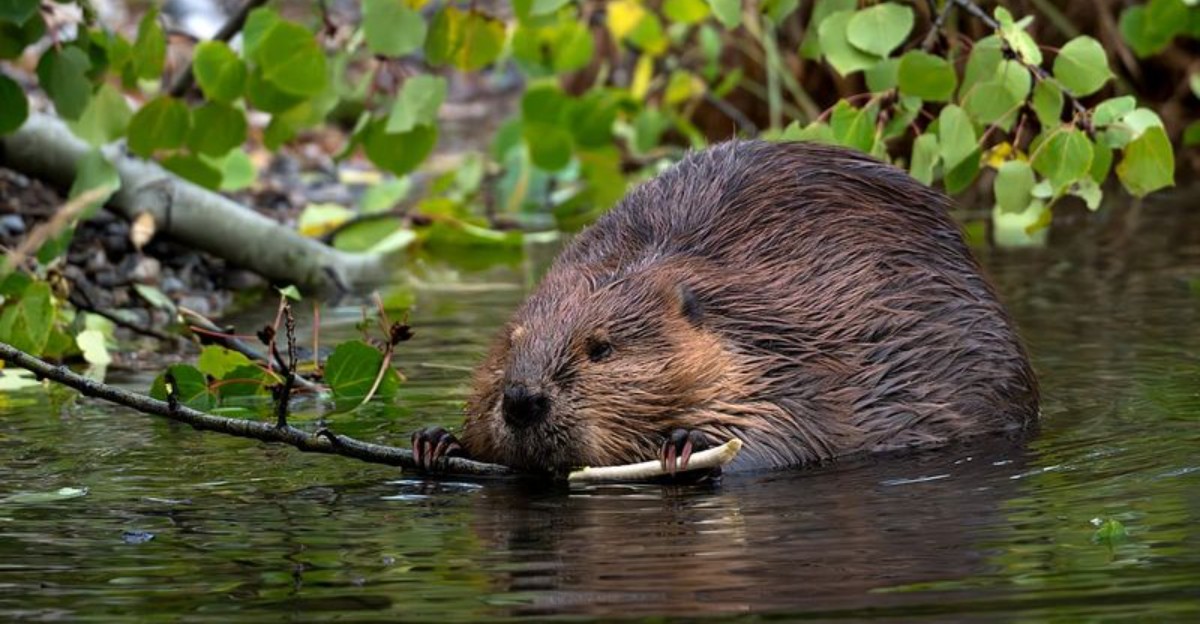
A quiet pond or creek can change surprisingly fast when beavers decide it is the right place to build. Their dams reshape how water moves through the surrounding property.
That engineering is useful in natural habitats, but the same changes can create headaches near homes, roads, and managed land.
Water held behind a dam may spread into places that normally stay dry. On Georgia properties, that can affect drainage long before the structure itself looks especially large.
The important clue is often what the water starts doing beyond the dam.
Watch for new flooding, blocked drainage, or changes near vulnerable areas rather than focusing only on the beavers. Some situations also require professional guidance.
Understanding the impact first helps you choose a sensible response without making the existing problem worse.
1. Strange Changes Near The Water Can Be The First Clue
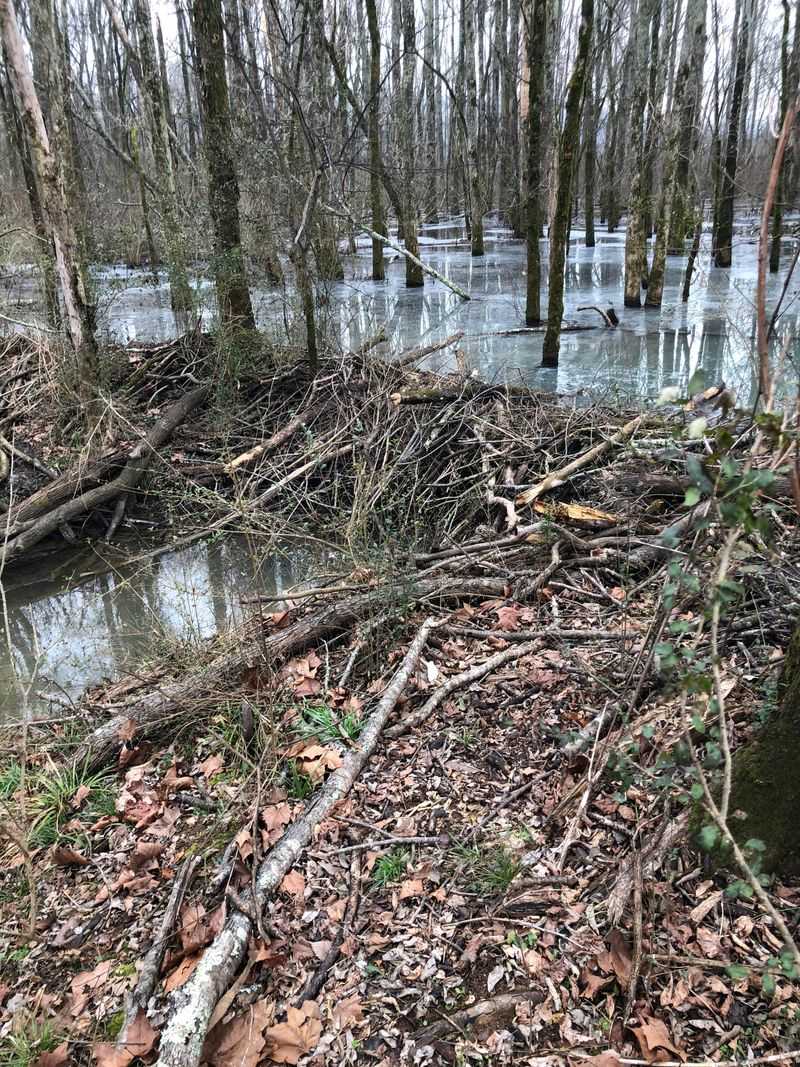
Water rarely lies. When a creek that normally moves starts sitting still, something downstream has changed.
Landowners often notice the small stuff first. Grass along the bank looks soggy, and the sound of running water fades to almost nothing.
Another common clue is a change in the shape of the channel itself.
Sticks and mud may gather in one spot, forming a low ridge that catches leaves and debris. It can look accidental at first glance, but the pattern is usually deliberate.
Water color shifts too, turning cloudier as sediment settles behind the blockage.
Across Georgia, seasonal rain makes this trickier to read, since heavy storms raise water levels on their own. The difference shows up over time, because storm water drops back down while dammed water tends to stay put.
Walking the same stretch every few weeks helps you catch that difference.
Take a photo from the same spot each visit. Comparing images beats relying on memory, especially on properties with several drainage paths.
Sound is worth paying attention to as well.
A creek that once trickled over rocks may go silent, which usually means the flow has been slowed or redirected. That quiet is often the earliest hint that something new has been built upstream or down.
Noticing it early gives you far more options than discovering it after a pasture floods.
2. Beavers Build Dams To Create The Habitat They Need
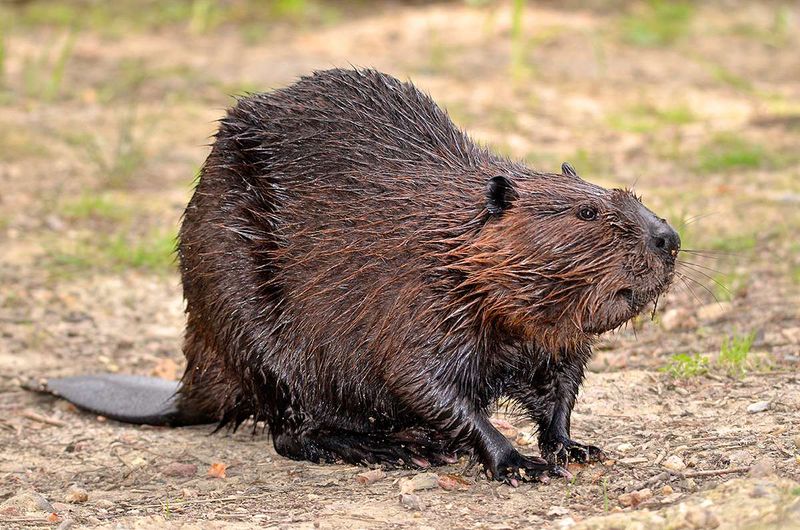
Beavers are not being difficult. They are doing exactly what keeps them safe.
Deep, calm water protects them from predators and gives them easy travel routes. A shallow creek offers neither, so they build until the water rises to a depth they can work with.
That depth matters more than most people realize.
Beavers prefer water deep enough to hide a lodge entrance and to store branches underwater for winter feeding. Once they reach that depth, they tend to stay and keep maintaining the structure.
Their building instinct responds strongly to the sound of running water.
Poke a hole in a dam and they often patch it within a night or two. Persistence like that surprises landowners who expect a one-time fix to hold.
Your Georgia Garden Changes Every Week. Your Plan Should Too.
Gardening in Georgia changes quickly throughout the season. Every Friday you’ll receive a simple weekly plan showing exactly what to plant, prune, fertilize, harvest, and protect so you never miss the right timing.
Georgia offers plenty of what beavers look for, including slow streams, soft banks, and hardwood stands full of preferred food species. Mild winters also mean they stay active through much of the year.
Colonies usually include a pair and their young, which means several animals working steadily.
Understanding the motivation helps you plan better. Instead of fighting the animal, you focus on managing water levels and reducing what makes the site attractive.
Results vary by site, and some locations stay appealing to beavers no matter what you try, so repeat visits from new colonies are always possible.
3. Rising Water Can Reach Areas That Usually Stay Dry
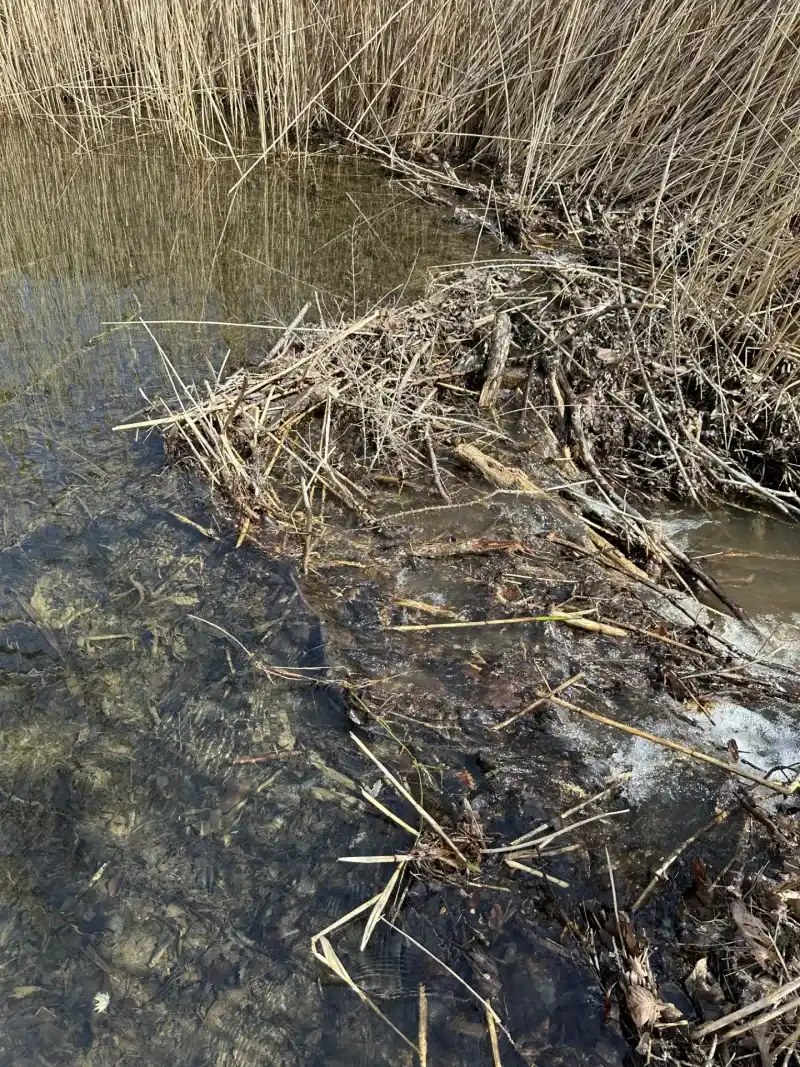
Flooding from a dam creeps rather than rushes. That slow spread is exactly what makes it easy to miss.
Water backs up behind the blockage and pushes sideways into whatever sits lowest. Pastures, garden beds, gravel lanes, and equipment sheds all become fair game.
Fence lines often show the damage first.
Posts standing in saturated soil loosen over time, and wire sags as the ground softens. Repairs get expensive when a whole section shifts.
Driveways take a beating too, especially unpaved ones.
Constant moisture under gravel creates soft spots and ruts that worsen with every truck that passes. Grading helps, but not while water keeps feeding the problem.
Septic systems deserve attention as well, since drain fields need unsaturated soil to work properly. If backed-up water reaches that area, performance can suffer, and a professional evaluation is the safest step.
Rain patterns in Georgia add another layer, because winter and early spring storms often stack on top of already elevated water.
Walk the low corners of your land after a wet stretch.
Standing water that lingers for days rather than hours usually points to a drainage problem, not just heavy rainfall. Marking those spots on a simple sketch of your property makes future comparisons much easier.
Acting while the wet area is still small keeps repair costs manageable.
4. Chewed Trunks Reveal Where Beavers Have Been Active
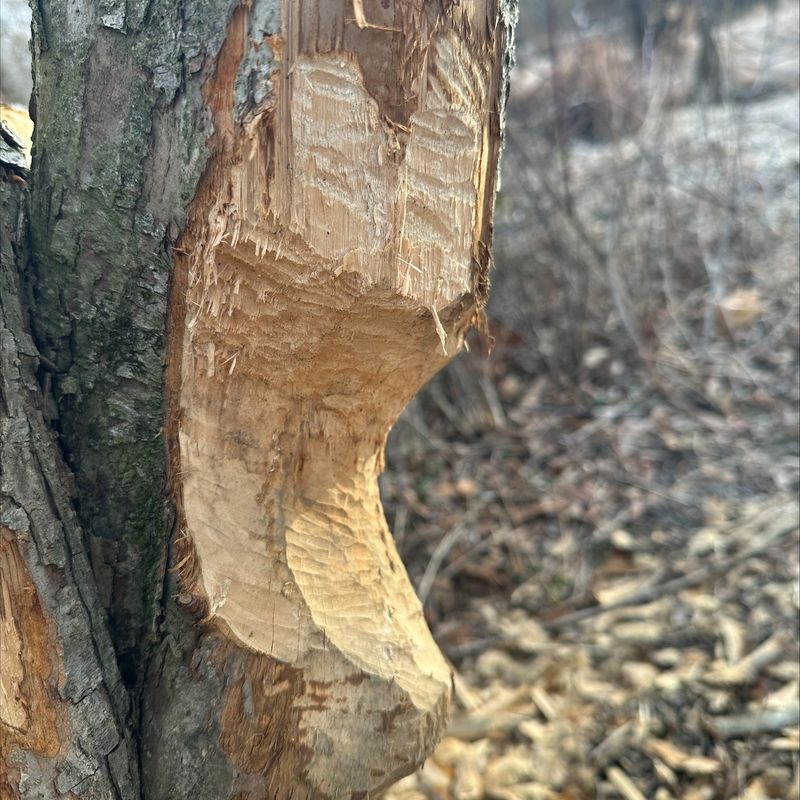
Beaver damage leaves a signature you cannot mistake for anything else.
Look for trunks chewed into a rough hourglass shape, usually within a couple of feet of the ground. Fresh pale wood and scattered chips mean recent activity.
Older cuts weather to gray and lose that bright look.
Comparing fresh and old marks tells you whether a colony is still working the area or has moved on. Both are useful pieces of information.
Certain trees attract more attention than others.
Willow, sweetgum, maple, and young hardwoods near the bank tend to go first, while pines usually get passed over. Beavers rarely wander far from water, so most cutting happens within about a hundred feet of the bank.
Drag trails are another giveaway.
Smooth, muddy paths running from the woods down to the water show where branches have been hauled. Following one often leads straight to the dam or lodge.
Georgia landowners with ornamental or fruit trees near a creek should check them regularly during fall and winter, when cutting activity often picks up.
Wire mesh wrapped loosely around the lower trunk offers reasonable protection for individual trees you value. Leave room for growth and check the wrap each season.
Keeping a running note of which trees show damage helps you judge how active the colony really is.
5. Culverts And Drainage Pipes Can Become Blocked
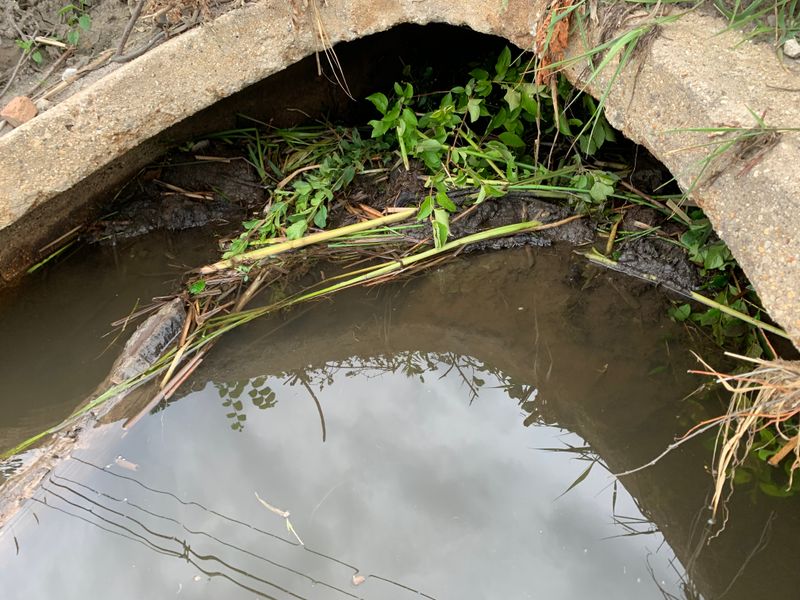
Culverts are a beaver’s dream starting point. Half the work is already done.
Narrow openings concentrate the sound and pressure of moving water, which is exactly what triggers building behavior. Sticks and mud go in fast, sometimes packing a pipe within days.
Blocked culverts create problems well beyond a wet field.
Water rising against a road base softens fill material and can undermine the surface. Shoulder washouts and sinkholes sometimes follow.
Private bridges and low crossings face similar risks.
Checking pipe inlets after storms is a habit worth building, since debris and beaver material often arrive together. A long rake or pole works for light clearing on small pipes.
Bigger blockages call for caution, because water held behind a plug carries real force when it releases suddenly.
In Georgia, culverts under county roads fall under public maintenance, so reporting a blockage to the local road department is the right move rather than clearing it yourself.
Protective devices exist for repeat problem sites.
Fenced culvert guards and pond levelers can reduce blockage by moving water through openings beavers struggle to detect. Effectiveness depends heavily on site design and proper installation.
Keeping a photo record of each culvert during dry weather gives you a clear baseline for comparison later.
6. Nearby Trees May Become More Vulnerable Over Time
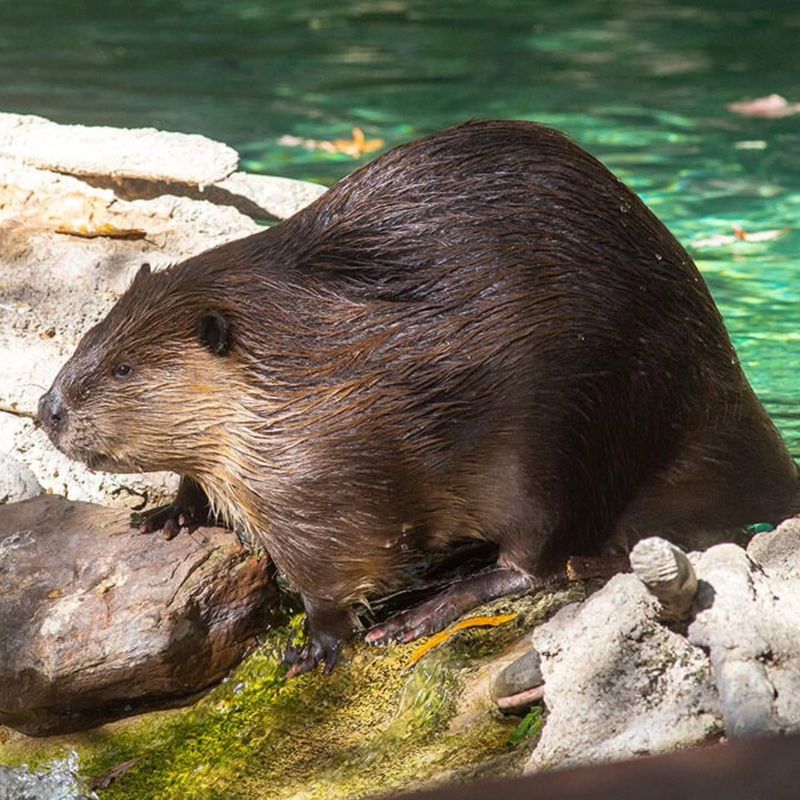
Standing water changes what tree roots can do. Most hardwoods need air in the soil, and saturated ground takes that away.
Signs show up gradually. Leaves may yellow early, thin out, or drop ahead of schedule.
Root systems weaken when soil stays wet for long stretches, which affects how firmly a tree holds in place.
Trees leaning near flooded ground deserve a closer look, especially if they sit near a house, barn, or driveway. A certified arborist can judge the risk far better than a guess from the porch.
Flooding also softens the soil around root plates.
Wind storms hit that combination hard, and shallow-rooted species along a bank tend to be the least stable. Timing varies with weather, soil type, and how long the water stays.
Georgia properties with mixed hardwood stands near creeks often see patchy effects rather than uniform ones, because ground level changes by just a few inches from spot to spot.
Some species handle wet feet better than others.
Bald cypress, black gum, and river birch tolerate saturated soil reasonably well, while dogwoods and many oaks struggle. Replanting flood-prone edges with tolerant species is a sensible long-term move.
Watching a few marked trees over a couple of seasons gives you a practical read on whether conditions are improving or getting worse.
7. Serious Property Problems May Require Professional Help
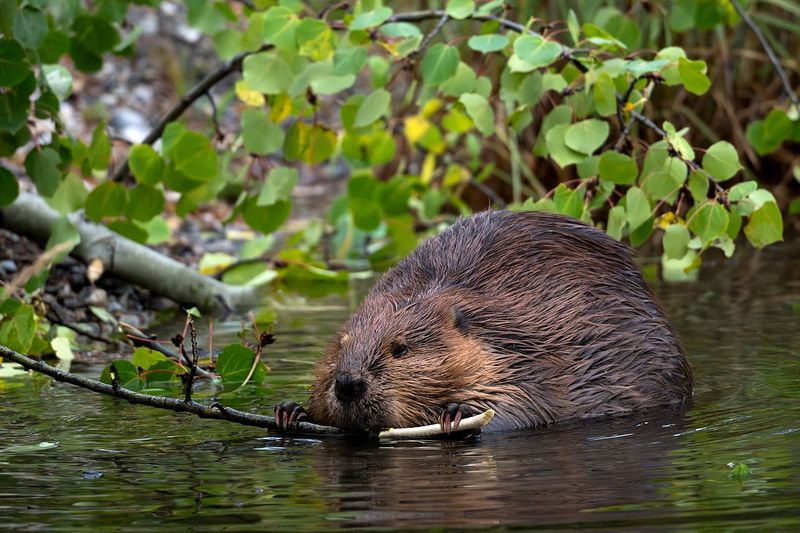
Some beaver situations outgrow a shovel and good intentions.
Once water threatens a road, a septic field, or a building foundation, guesswork gets expensive. Bringing in help early usually costs less than repairing structural damage later.
Rules matter here, and they are not optional.
Beaver management in Georgia falls under state wildlife regulations, so checking with the Department of Natural Resources before taking action is the responsible first step. Requirements can differ depending on method, season, and location.
Removing a dam without a plan often backfires.
Sudden releases send water and debris downstream, which can affect neighbors and create liability you did not expect. Controlled, staged lowering is generally safer.
Licensed wildlife control operators handle both the animals and the structures legally.
Good ones will walk the site, explain options, and tell you honestly whether the location will attract new colonies again. That last point matters, because habitat quality drives repeat visits more than anything else.
Long-term fixes often combine several approaches.
Flow devices, culvert protection, and periodic monitoring tend to work better together than any single method alone. Results still depend on rainfall, terrain, and how determined the local colony happens to be.
Documenting damage with dated photos helps with insurance questions and gives contractors a clearer starting point.