Skip Invasive Wisteria In North Carolina And Grow This Native Vine Instead
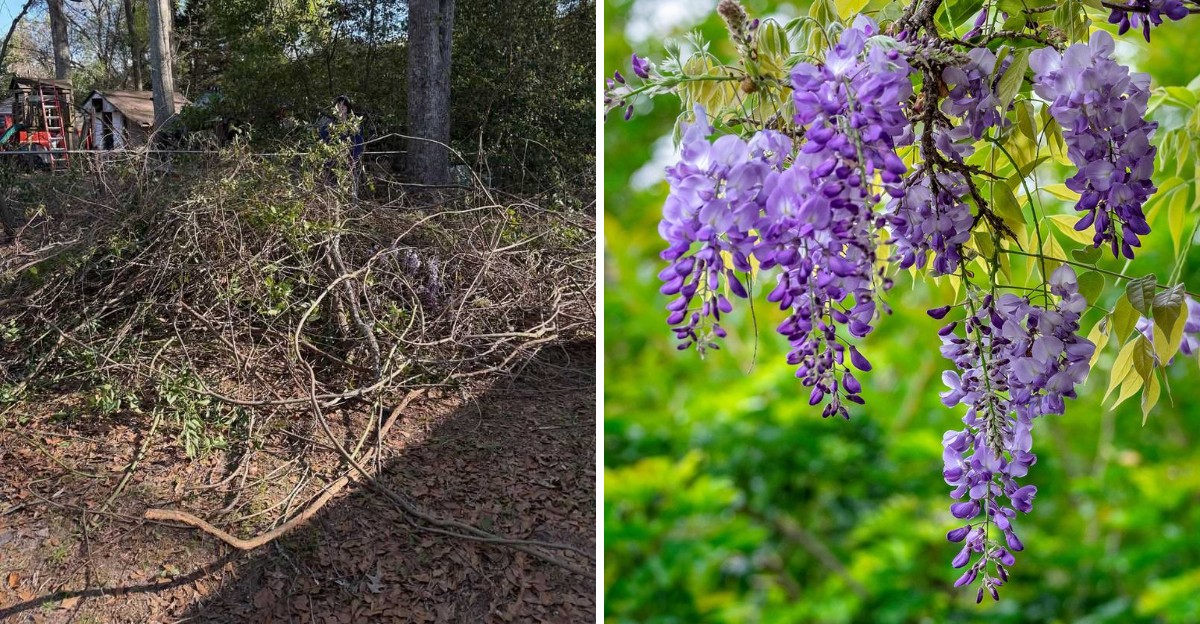
Chinese and Japanese wisteria have become notorious for their invasive tendencies in North Carolina, aggressively climbing and smothering trees, structures, and native vegetation across the state.
These non-native vines can spread by seed, and Japanese wisteria can also spread vegetatively through surface runners that root where stems touch the ground.
American wisteria offers a genuine alternative, producing similarly stunning cascades of purple flowers without the same aggressive, uncontrollable spread.
Because it’s native to the region, this vine also tends to integrate more naturally into North Carolina’s ecosystem, supporting local pollinators without the ecological downsides of its invasive relatives.
Choosing this native option lets gardeners enjoy the same dramatic flowering vine without contributing to the spread that’s made invasive wisteria such a persistent problem statewide.
1. Choose American Wisteria Instead
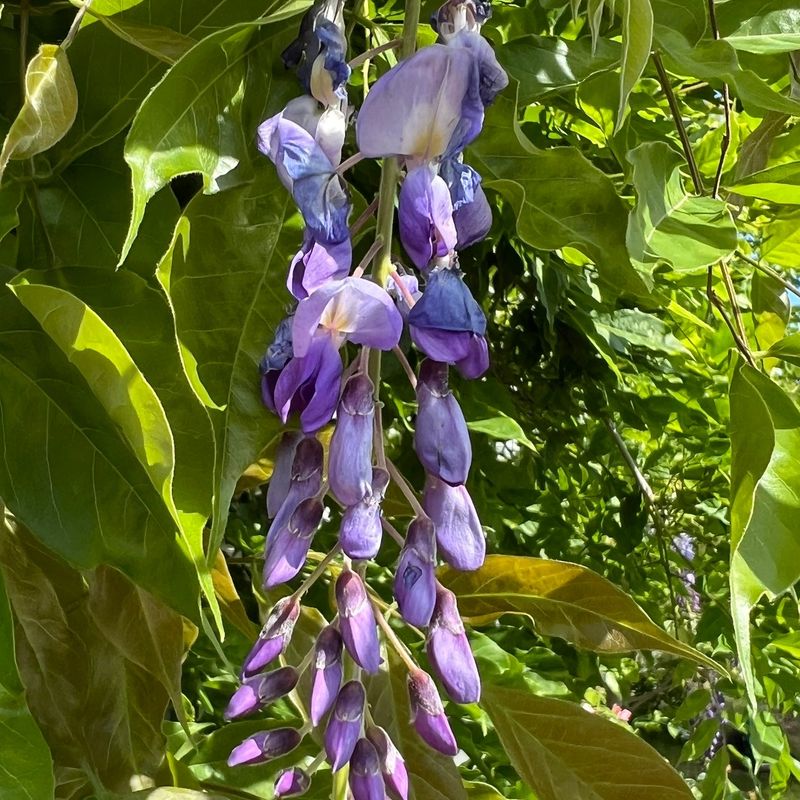
Picture the same cascading purple flowers you love, but from a plant that actually belongs here.
American wisteria, known by scientists as Wisteria frutescens, grows naturally across the southeastern United States, including North Carolina. That makes it a smart pick for local gardeners.
Unlike the imported types, this native vine grew up alongside our soil, weather, and wildlife. It handles humid summers and mild winters without much fuss. Because it fits the local climate, you spend less time babying it and more time enjoying the show.
The blooms appear in tidy hanging clusters, usually in shades of soft lavender and blue. They arrive a little later in spring than the Asian types, which actually helps them avoid surprise frosts.
Many gardeners find the flowers just as charming, only more manageable. Another perk is that American wisteria stays smaller and better behaved.
It still climbs and covers structures nicely, but it does not race across your yard and into the trees. That balance of beauty and control is exactly what most home gardeners want.
Native plants also tend to support the creatures that already live nearby. Bees and other pollinators recognize this vine and visit it happily.
When you shop, always double check the plant tag for the words Wisteria frutescens. Buying the right species from the start saves you from headaches down the road. Choose native, and you plant a garden that works with nature instead of fighting against it.
2. Know Which Wisteria To Avoid
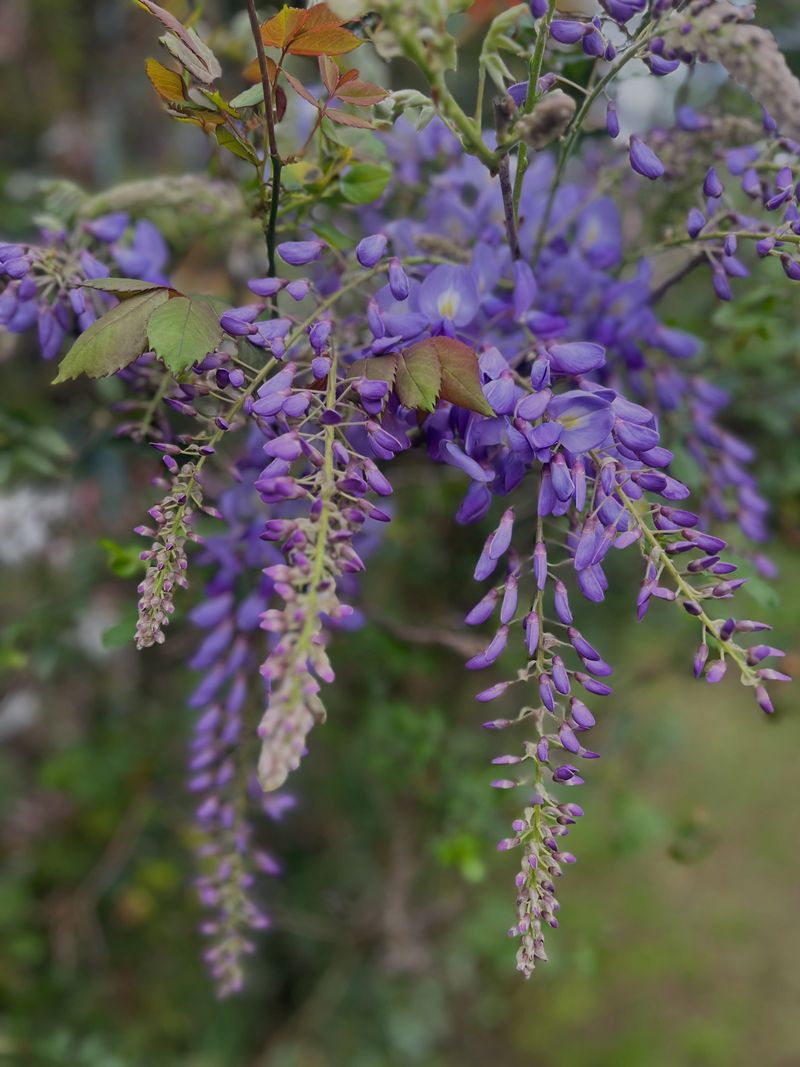
Not all wisteria plays nice, and knowing the troublemakers protects your yard. Two imported types cause the most problems here: Chinese wisteria, or Wisteria sinensis, and Japanese wisteria, or Wisteria floribunda.
Both look tempting at the garden center, but they can turn into a headache fast. These Asian vines grow with amazing speed and strength.
They wrap tightly around trees, fences, and even each other, sometimes stretching many feet in a single season. Left alone, they climb high into treetops and block the sunlight that native plants need.
One tricky part is telling them apart from the native kind. A helpful clue is the way they twist. Chinese wisteria winds counterclockwise, while Japanese wisteria winds clockwise. Their flower clusters also tend to be longer and showier than the native version.
Your North Carolina Garden Changes Every Week. Your Plan Should Too.
Gardening in North Carolina changes quickly throughout the season. Every Friday you’ll receive a simple weekly plan showing exactly what to plant, prune, fertilize, harvest, and protect so you never miss the right timing.
Because they spread so aggressively, these species have escaped gardens and moved into woods and roadsides across North Carolina. Once they settle in, pulling them out becomes a serious chore that can take years.
Always read the plant label carefully before buying. If it says sinensis or floribunda, put it back and look for frutescens instead. Some nurseries still sell the invasive types, so it pays to be a careful shopper.
Sharing this knowledge with neighbors helps too. The fewer aggressive vines planted nearby, the easier it is to keep local landscapes healthy. A little caution at the store goes a long way toward a garden that stays under control.
3. American Wisteria Still Needs Strong Support
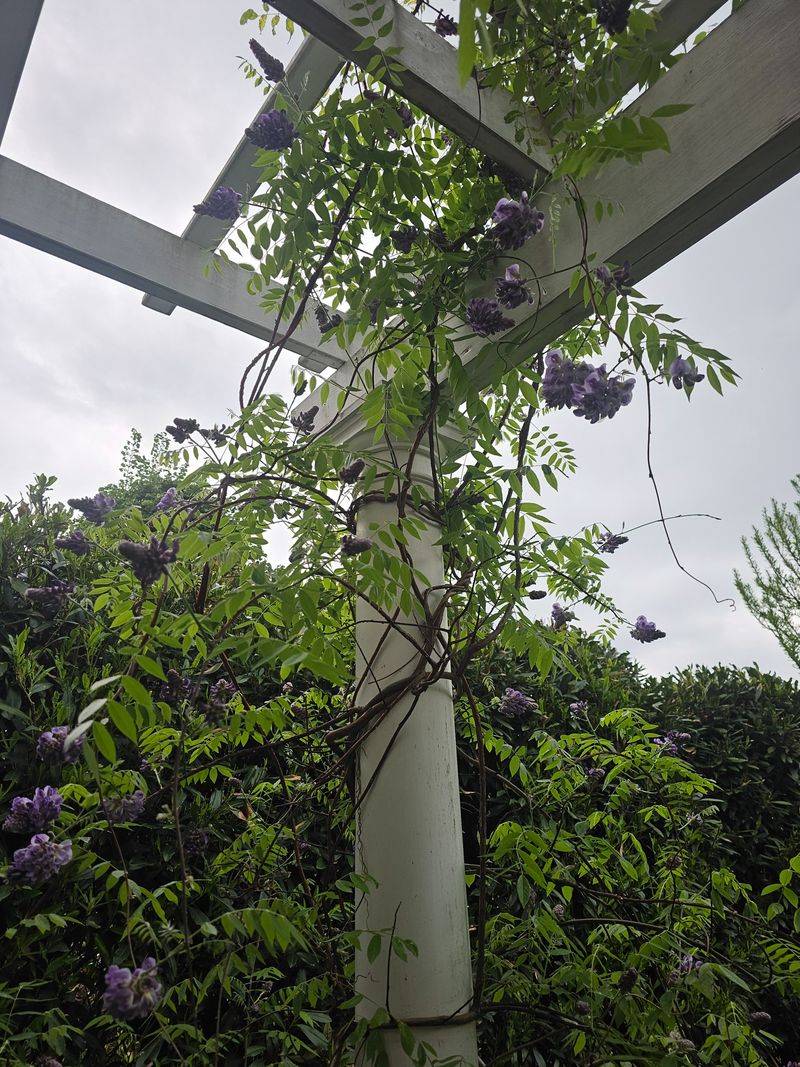
Even the well-mannered native still packs plenty of muscle. American wisteria is a woody vine, which means its stems turn thick and heavy as the years pass. A flimsy support simply will not hold up.
Think ahead when you plant. A wobbly wire fence or a thin plastic trellis might work for the first season, but it will buckle once the vine matures. Building strong support from the start saves you from repairs later.
Good choices include a solid wooden arbor, a metal pergola, or heavy-duty posts anchored deep into the ground. Sink the base firmly so it stays steady during storms and strong winds. The stronger the frame, the more relaxed you will feel as the plant grows.
Keep your structure a safe distance from your house, gutters, and shingles. This vine loves to climb into any nook it can reach, and you do not want it working its way under your roofline. A freestanding arbor gives it a happy place to spread without causing trouble.
As the vine settles in, guide the young stems gently onto the frame. Loose ties made from soft cloth or garden tape help it find the right direction without pinching the stems.
Plan for the long haul, since a healthy vine can thrive for decades. Choosing sturdy materials now means fewer surprises down the road. With a solid base beneath it, your American wisteria will reward you with years of graceful, blooming beauty.
4. Give It Plenty Of Sun
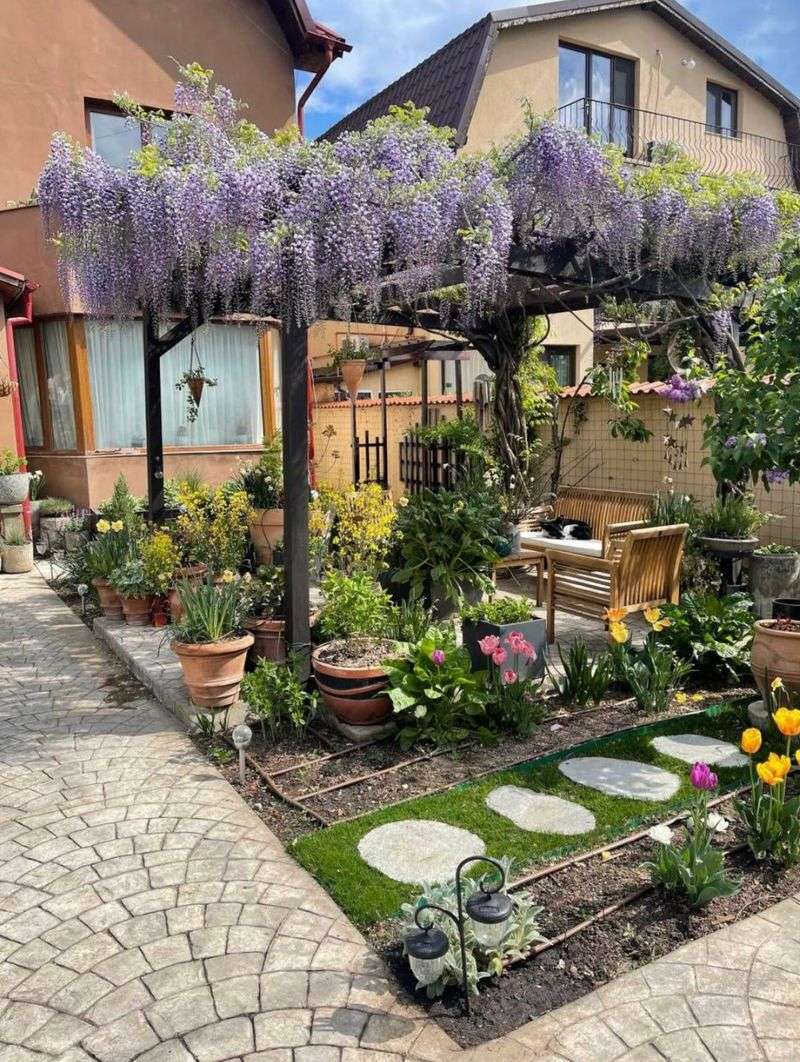
Sunshine is the secret behind those gorgeous flower clusters. American wisteria can survive in partial shade, but it truly shines when it soaks up lots of direct light. More sun means more blooms.
Aim for a spot that gets at least six hours of full sun each day. A south-facing wall, an open backyard, or a sunny corner near the patio all work beautifully. The brighter the location, the fuller and richer the flowering tends to be.
When a vine sits in too much shade, it often grows plenty of leaves but skips the flowers. That leaves you with a big green tangle and none of the color you were hoping for. Placing it in the sun from the start avoids that letdown.
Sunlight also builds a stronger plant overall. Good light helps the stems grow sturdy and the roots dig deep, so the vine handles heat and dry spells better. A healthy, well-fed plant simply looks and performs its best.
Before planting, watch the space through the day to see how the light moves. Trees, sheds, and buildings can cast shadows you might not notice at first glance. A quick check saves you from planting in the wrong spot.
If your yard has a few shady areas, save those for plants that prefer cooler light. Give your wisteria the brightest real estate you have. Reward it with sunshine, and it will thank you with wave after wave of fragrant, eye-catching blossoms every spring.
5. Prune It To Keep Growth Under Control
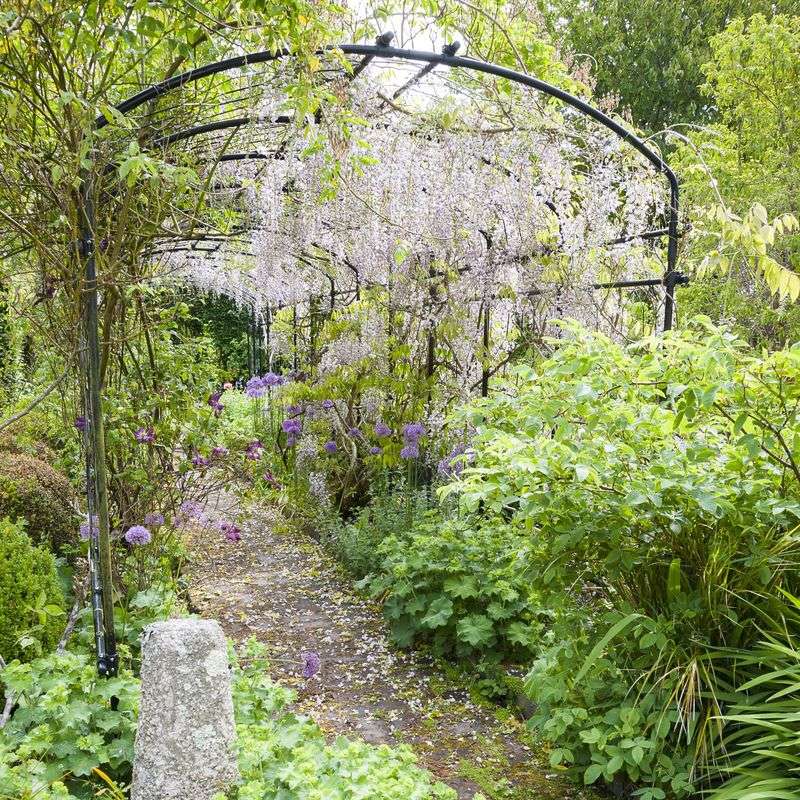
A little snipping goes a long way with this vine. American wisteria behaves better than its Asian relatives, but it still grows fast and loves to reach. Regular pruning keeps it tidy and pointed in the right direction.
Grab your shears twice a year for the best results. A summer trim after the flowers fade cleans up long, whippy shoots. A second cut in late winter, while the plant rests, shapes the frame and encourages more blooms in spring.
Focus on the stems that shoot out too far or wander where you do not want them. Trimming these back keeps the vine neat and stops it from grabbing gutters, nearby shrubs, or the roofline. Shorter side stems also tend to produce more flower buds.
Do not be shy with the cuts. This vine bounces back quickly, so a bold trim rarely harms it. In fact, steady pruning often leads to a healthier, more balanced plant with better airflow through the branches.
Step back now and then to check your shape as you work. Cutting a little at a time helps you avoid taking off too much at once. A calm, patient approach gives you the cleanest look.
Clean your tools before and after pruning to keep the plant healthy. Sharp, tidy blades make smooth cuts that heal faster.
Stick with a simple pruning routine, and your wisteria stays graceful instead of gangly. A few thoughtful minutes each season keeps this climber looking its very best all year.
6. Expect Attractive Fragrant Flowers
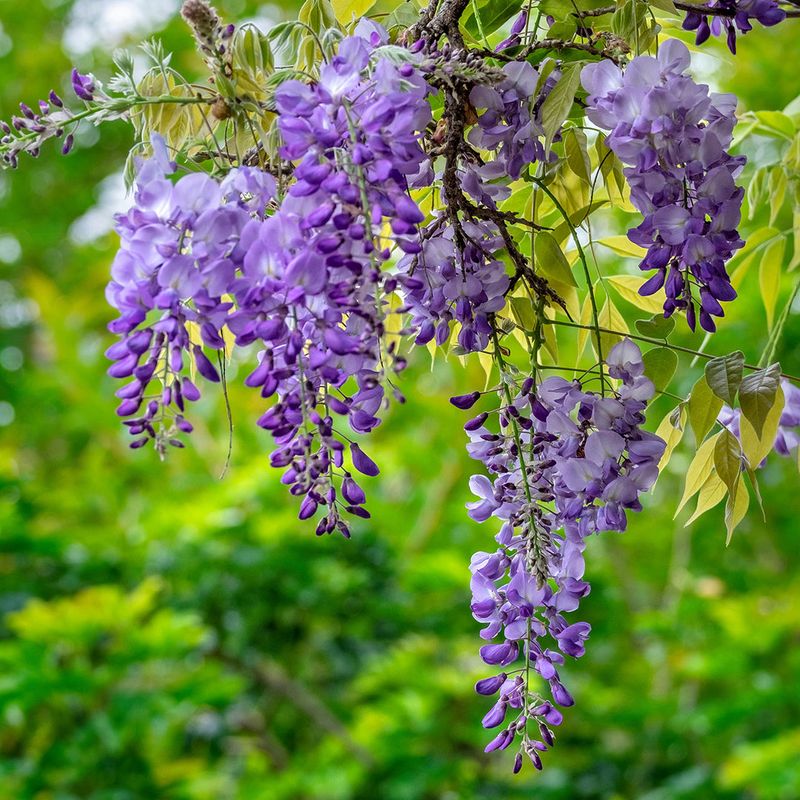
The best part of growing this vine is the flower show. American wisteria produces hanging clusters of blossoms in soft shades of purple, lavender, and blue. They dangle like little bunches of grapes and instantly dress up any arbor.
Along with the color comes a gentle, sweet scent. On a warm spring morning, the fragrance drifts across the yard and makes the whole garden feel like a getaway. Sitting nearby with a cup of coffee becomes a real treat.
These blooms usually appear a bit later than the Asian types, often in mid to late spring. Some plants even send out a smaller round of flowers again in summer, giving you a bonus display. That second flush is a delightful surprise.
The clusters are slightly shorter than those on imported wisteria, but many gardeners love the neat, rounded look. Paired with fresh green leaves, the flowers stand out beautifully. The whole vine looks lush without feeling messy.
Best of all, you get this stunning display without leaning on an aggressive plant. There is no need to sacrifice beauty just to protect your yard. The native vine proves you really can have both.
Snip a few clusters to bring indoors for a simple, sweet-smelling bouquet. Just be sure not to nibble any part of the plant, since wisteria is not safe to eat.
Plant it, wait a couple of seasons, and enjoy the reward. Those fragrant blooms make every bit of care feel worthwhile.
7. Support Native Wildlife With A Diverse Garden
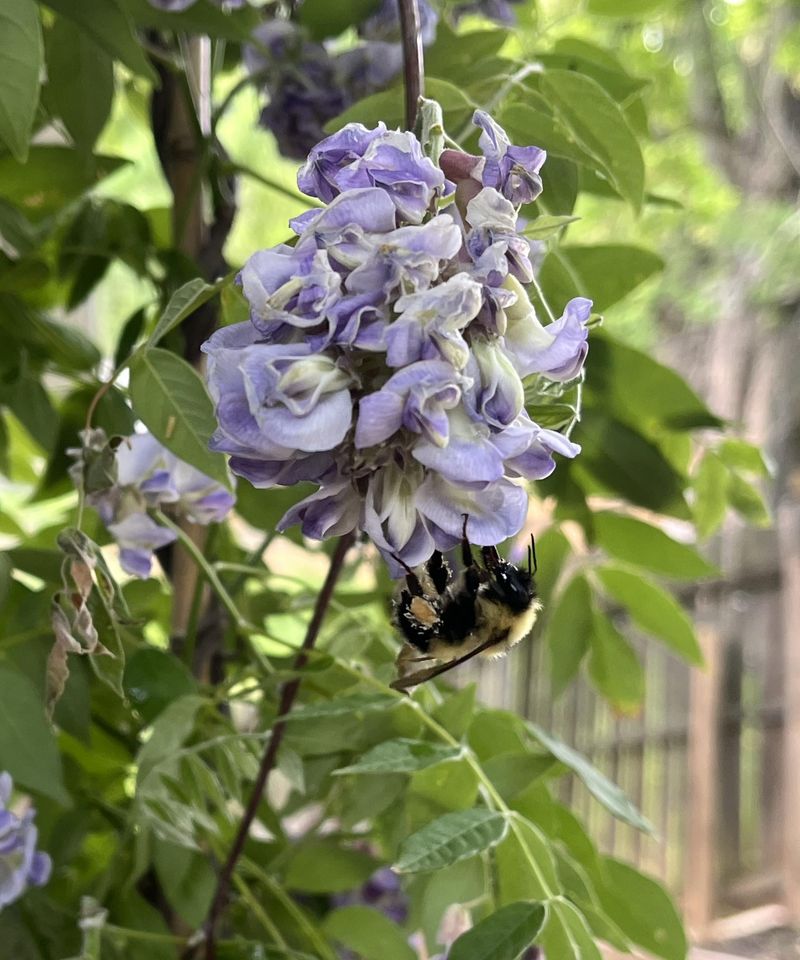
Your garden can be a busy little neighborhood for wildlife. When you plant American wisteria beside other North Carolina natives, you create a welcoming space full of food and shelter. Local creatures notice the difference right away.
Native plants and native animals grew up together over thousands of years. That long partnership means bees, butterflies, and birds recognize these flowers as a reliable meal. Imported plants often leave them hungry by comparison.
The blooms on American wisteria draw in pollinators looking for nectar. Bees buzz happily from cluster to cluster, helping the whole garden thrive. Watching them work adds a fun, lively energy to your yard.
Mixing in other natives makes the space even richer. Try pairing your vine with plants like coneflowers, black-eyed Susans, native azaleas, or serviceberry. Each one offers something different, from seeds to berries to cozy nesting spots.
Variety is the real key here. A yard packed with many kinds of native plants supports far more wildlife than a single plant ever could. Different blooms and heights create layers that shelter all sorts of visitors.
Skipping harsh chemical sprays helps too, since it keeps the food supply safe for pollinators. A gentle, natural approach lets nature find its own balance.
Over time, your garden becomes a small refuge in the middle of the neighborhood. Songbirds stop by, butterflies flutter through, and the whole space feels alive.
Planting native is a simple, joyful way to give back to the wildlife that shares your corner of North Carolina.
8. Remove Invasive Wisteria Carefully
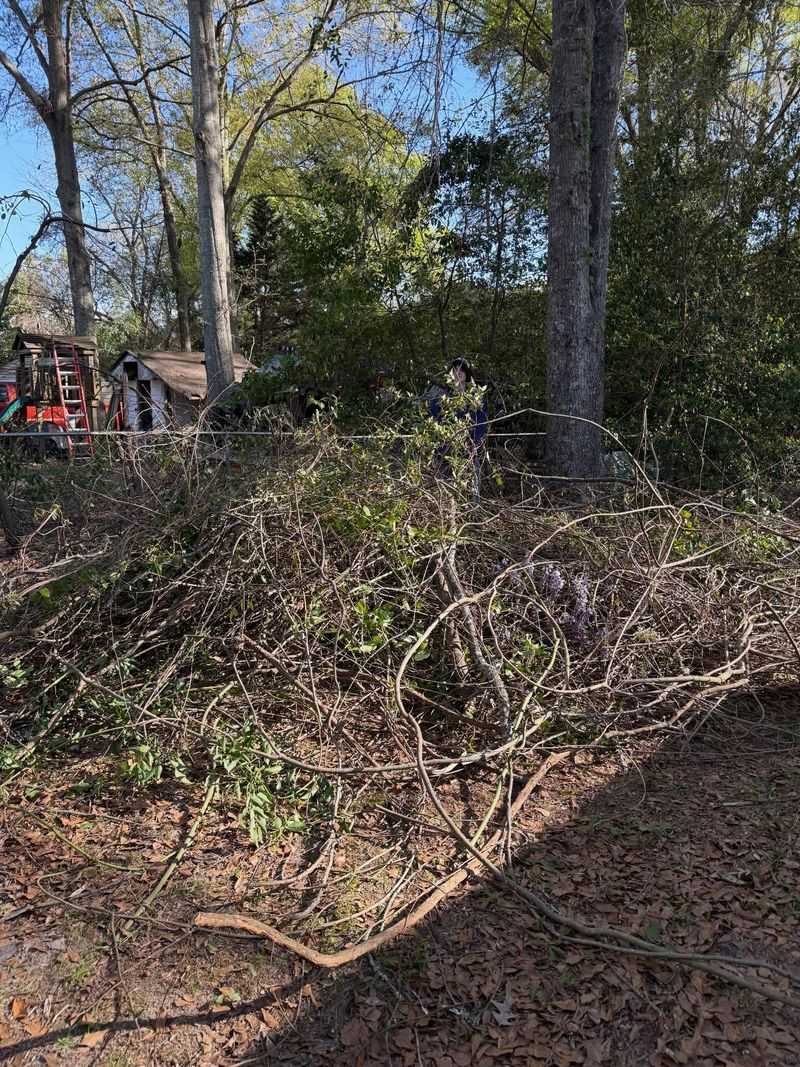
Getting rid of an established invasive wisteria takes patience and a plan. These Asian vines grow strong, deep roots that spread far underground. Cutting the top alone rarely finishes the job.
Start by cutting the main stems close to the ground. The plant will try to resprout, so keep an eye out for new shoots and trim them as they appear. Staying consistent wears the plant down over time.
Digging out the roots helps speed things along, especially for smaller plants. Loosen the soil and follow the roots as far as you can. The more root you remove, the less chance it has to bounce back.
For stubborn, large vines, some gardeners carefully treat freshly cut stems with a targeted herbicide. Always read and follow the label directions closely, and use these products with care around other plants.
Here is the part many people forget: never toss viable pieces into the woods or a compost pile. Bits of stem, root, or seed can take hold in a new spot and start the whole problem over again. Bag them up and dispose of them properly.
Watch for seed pods too, since the plant spreads through them as well. Removing pods before they open stops future seedlings from popping up nearby.
Expect the process to take a couple of seasons for the toughest vines. Stick with it, stay tidy, and keep those fragments contained. Once the invasive vine is gone, you can happily replant with the native kind and enjoy peace of mind.