The One Thing You Must Do To North Carolina Rose Bushes Before September Ends

There is a quiet little chore hiding right under your rose bushes, and there is a very good chance you have been walking past it all season without giving it a second thought.
The mornings are getting cooler, that familiar damp smell is back in the North Carolina air, and something has been quietly settling onto the soil while you have been busy enjoying the fact that summer is finally loosening its grip.
It looks completely harmless sitting there, but what is accumulating under your roses right now can actually influence how your garden gets going next spring. Late September is the perfect moment to deal with it too.
The heat has backed off, the plants are slowing down, and the fix is honestly a lot simpler than you might expect. A little raking goes a long way.
1. Fallen Rose Leaves Can Harbor Disease-Causing Fungi
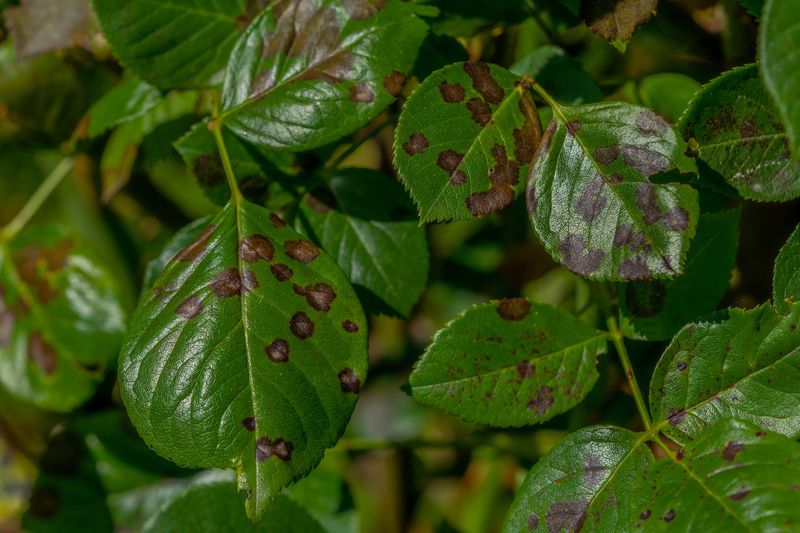
Those crispy leaves scattered under your rose bushes are not always as innocent as they look. Infected leaves can carry disease-causing organisms that may survive in plant debris between growing seasons.
In North Carolina, warm, humid conditions can create an environment where some rose diseases are more likely to develop. Damp leaf litter can provide a place where certain pathogens remain until conditions become favorable again.
When spring arrives, rain and wind can move fungal spores from infected debris onto fresh green leaves. This is part of how some rose diseases continue their cycle from one season to the next.
Clearing infected leaves now removes one source of spores before it can contribute to future disease problems. You are reducing the amount of infected material around the plant.
It helps to check both the obvious piles and the leaves tucked near the base of the plant. Infected debris often hides in the spots we tend to overlook.
Across North Carolina gardens, this simple cleanup step can help lower disease pressure by reducing the amount of infected material left around roses.
You do not need fancy tools for this job either. A pair of gloves and a small rake can handle most of the work.
Try to do a little each week as more leaves drop. Small, steady cleanups feel easier than one giant chore.
Your roses will benefit from having a cleaner growing area as the seasons change.
2. Black Spot Makes September Cleanup Especially Worthwhile
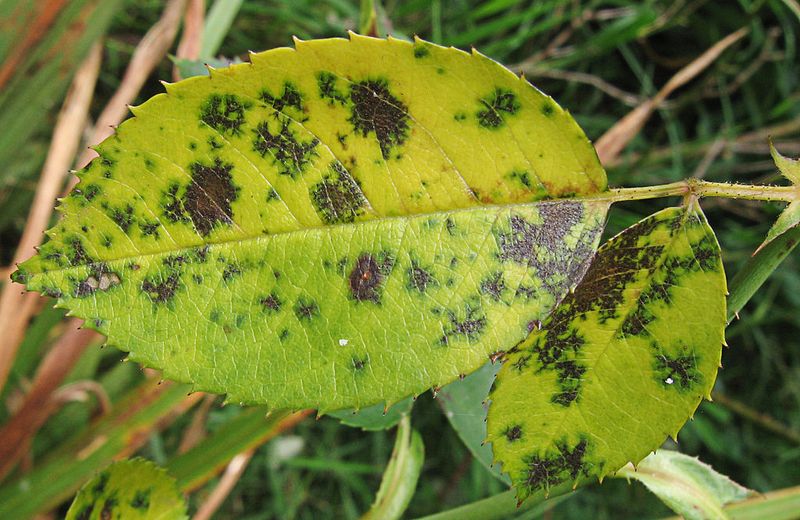
If you have ever spotted dark round marks on your rose leaves, you have likely met black spot. It is one of the most common rose diseases gardeners encounter.
North Carolina’s warm, humid conditions can favor black spot development, especially when leaves stay wet for extended periods.
Leaves with black spot often develop dark lesions, turn yellow, and eventually drop to the ground. Once infected leaves fall, they can still carry the pathogen.
That is exactly why a September cleanup can be helpful. Removing spotted leaves reduces the amount of infected debris available for future disease cycles.
You will usually notice black spot on the lower leaves first. Those bottom branches are often closer to soil splash and may stay damp longer after rain.
Your North Carolina Garden Changes Every Week. Your Plan Should Too.
Gardening in North Carolina changes quickly throughout the season. Every Friday you’ll receive a simple weekly plan showing exactly what to plant, prune, fertilize, harvest, and protect so you never miss the right timing.
By clearing infected leaves now, you reduce one source of future infection. It does not eliminate black spot completely, but it can help lower disease pressure.
Many gardeners find that regular cleanup becomes a useful part of managing rose diseases. It is one simple practice that works alongside other good habits, such as improving airflow and avoiding prolonged leaf wetness.
Bag up heavily spotted leaves rather than leaving them nearby. Keeping infected debris away from the plant reduces the chance that spores remain close to new growth.
Do a quick scan of your bushes as you work too. Spotting trouble early helps you respond before problems spread further.
A little attention this month can help your roses enter the next growing season with fewer disease sources nearby. Your plants will be better prepared for healthy new growth.
3. Diseased Leaves Should Come Off The Ground

Raking is not the most glamorous garden task, but it earns its keep here. Getting infected leaves off the ground is one of the most useful fall cleanup steps for roses.
Around North Carolina rose beds, leaf litter can build up faster than we notice. A few minutes of cleanup helps keep infected debris from collecting around the base of the plant.
Grab a small hand rake or even just your gloved hands. Gently gather the leaves resting around each bush.
Pay close attention to the crown, where stems meet the soil. Leaves often collect in that area and can stay hidden after they fall.
Once collected, place heavily spotted or diseased leaves into a bag or yard waste container. Removing them from the area helps reduce the amount of infected material remaining near the rose.
Try not to shake the branches too hard while you work. Rough handling may disturb debris and move spores around the plant area.
In many North Carolina gardens, regular cleanup through fall makes the task easier to manage. Instead of waiting until every leaf has dropped, small efforts throughout the season keep the bed more manageable.
You might be surprised how much brighter the bed looks afterward. A clear base makes the whole plant easier to inspect.
It also makes it easier to notice other issues, like pests, weeds, or damaged stems. A clean view helps you understand what is happening around your roses.
Give it a try this weekend and see how much easier the bed is to maintain. A little attention around the base of your roses can support healthier growing conditions.
4. Removing Infected Foliage Helps Reduce Future Infection
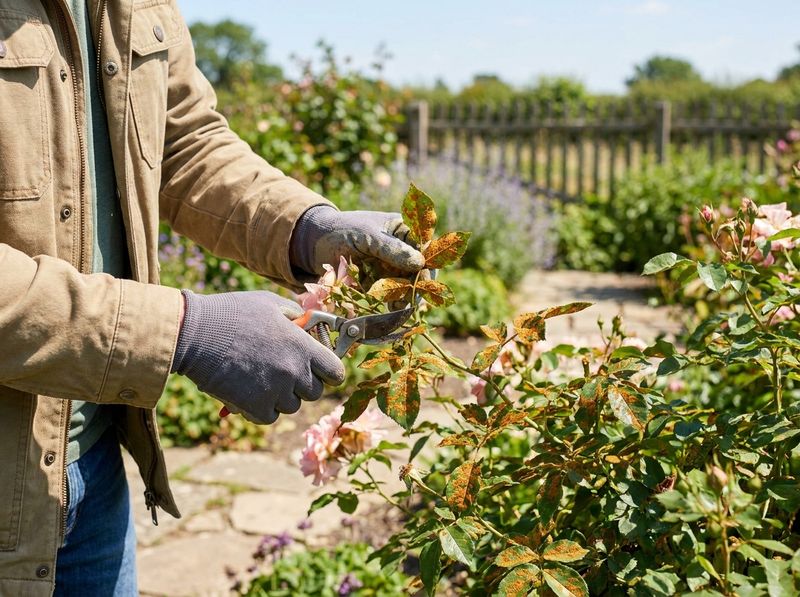
Some infected leaves cling stubbornly to the plant instead of falling. Those are worth gently removing as part of your fall rose cleanup.
Throughout North Carolina, leftover spotted leaves can allow some disease pathogens to remain near the plant between growing seasons. Clearing those leaves reduces one source of infection that could contribute to future disease problems.
Look for leaves with dark blotches, yellowing, or signs of black spot. These are the leaves most likely to need attention.
Pinch or snip them off carefully, one at a time. Slow and steady beats pulling or damaging healthy stems.
Wipe your pruners with a little rubbing alcohol between plants if you are removing diseased material from multiple roses. Clean tools can help reduce the chance of moving pathogens from one plant to another.
Set the removed leaves aside in a bag or container right away. Letting them drop nearby can undo some of the cleanup work you just completed.
During North Carolina’s damp fall weather, reducing infected debris around roses can help lower disease pressure. The goal is not to create a disease-free garden, but to remove some of the material that can contribute to future problems.
You do not need to strip the bush bare, though. Focus on clearly affected leaves and leave healthy foliage in place.
Take a step back now and then to check your progress. A quick look helps you catch spots you may have missed.
This gentle cleanup leaves your roses looking neater while helping create a better environment for the next growing season.
5. Rose Debris Should Stay Out Of The Home Compost Pile
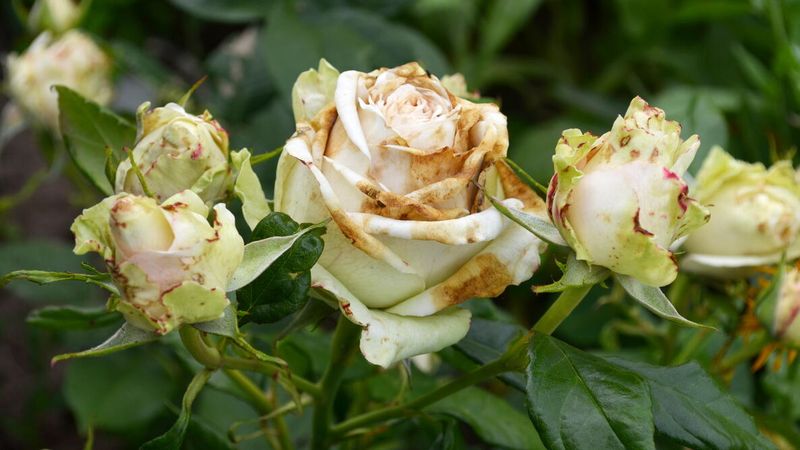
Tossing rose leaves into your compost pile feels natural, but diseased rose debris deserves a little extra thought. Infected leaves are often better kept separate from a typical backyard compost pile.
Many home compost systems do not consistently reach the temperatures needed to break down all plant pathogens. If infected material survives the process, spreading that compost later could potentially return some pathogens to garden areas.
Instead, consider placing heavily diseased leaves into yard waste collection if that service is available in your area. Many North Carolina communities have their own guidelines for handling yard debris, so check local recommendations.
Healthy, disease-free plant material can still be useful in compost. The main concern is material that shows signs of disease, such as widespread black spot damage.
Keeping infected debris separate helps reduce the chance of recycling the same problem back into your garden beds. It is a small step that supports better sanitation practices around roses.
Some gardeners keep a separate container for questionable plant material. That little bit of organization makes fall cleanup easier.
Across North Carolina, this kind of careful sorting can become a simple part of seasonal garden maintenance. You are not removing every possible source of disease, but you are reducing one place where problems can persist.
Think of it as separating healthy garden material from material that needs extra attention. Careful handling helps your compost and your rose beds work better together.
6. Clean Mulch Around Roses Can Reduce Soil Splash Onto Leaves
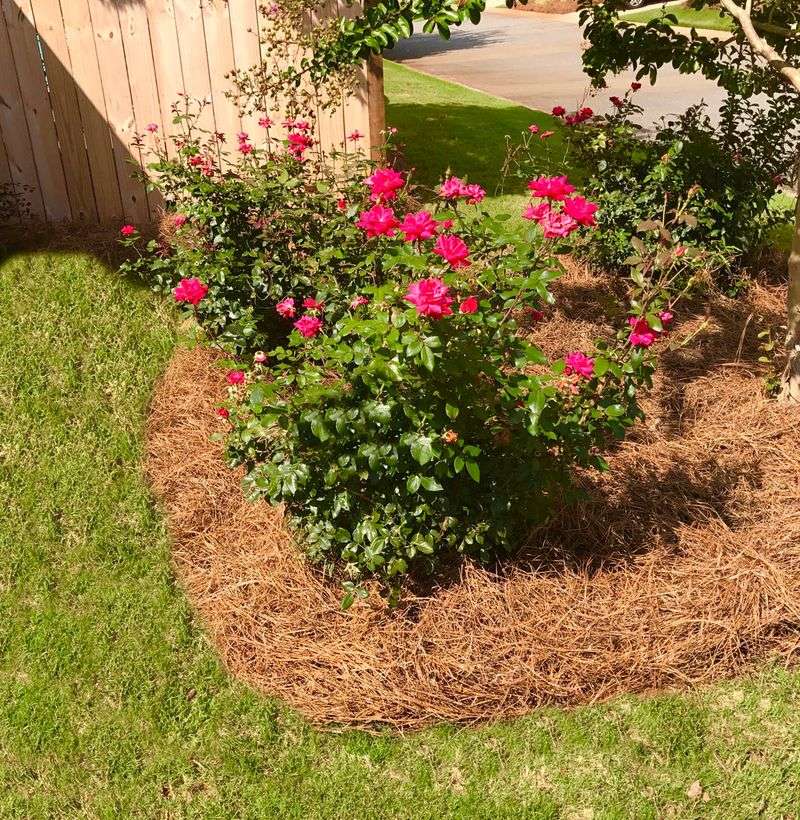
After clearing old leaves, a fresh layer of mulch can be a helpful finishing touch. It does more than just make the rose bed look neat.
When rain hits bare soil, droplets can splash upward. Those droplets may carry soil particles and some plant pathogens onto lower rose leaves.
A layer of mulch can help soften that splash by covering the soil surface. Reducing splash can lower opportunities for certain pathogens to reach foliage.
In North Carolina, where periods of rain and humidity can create favorable conditions for some rose diseases, keeping the soil surface covered is a useful practice.
Spread mulch around each bush, but keep it slightly away from the main stems. Mulch piled directly against stems can create other problems.
Wood chips, shredded bark, or pine straw can all be used depending on what fits your garden. Pine straw is widely available across many parts of North Carolina.
Fresh mulch also helps conserve soil moisture and reduce weed growth. Those benefits make it a useful addition beyond disease management.
Just be sure the ground underneath is cleaned first. Mulching over infected leaves can trap the very debris you are trying to remove.
With a clean base and appropriate mulch, your rose bed is better prepared for changing fall conditions. It is a simple combination that supports healthier garden habits.
7. Cleanup Works Best Alongside Good Air Circulation In Rose Beds

Cleaning up the ground is a great start, but airflow is an important partner. Good air movement helps leaves dry more quickly after rain.
Many fungal diseases are favored by prolonged leaf wetness and conditions where moisture stays around plant foliage for long periods. North Carolina’s humid weather can make drying time especially important.
Take a look at how crowded your rose branches are. Dense growth can reduce airflow through the center of the plant.
Maintaining good spacing and avoiding excessive crowding helps create conditions where foliage can dry more efficiently.
Avoid making major pruning cuts in fall unless there is a specific reason to do so. Many roses are better suited for their main pruning in late winter or early spring.
Watering at the base instead of overhead can also help keep leaves dry. This supports your cleanup efforts by reducing unnecessary leaf wetness.
Pair clean ground with good airflow, and you have two helpful practices working together. One reduces sources of disease, while the other helps create less favorable conditions for some pathogens.
Step back and look through the plant from different angles. Seeing where branches overlap can help you understand where airflow may be limited.
Small adjustments like these can support healthier roses throughout the growing season.
8. Regular Sanitation Can Continue As More Leaves Fall

Here is the thing about fall cleanup: it is not usually a one-and-done task. Leaves keep dropping, so a steady habit works best.
As autumn settles across North Carolina, more foliage will drift down each week. A quick pass every so often helps prevent infected debris from building up around your roses.
Treat it like a light routine rather than a giant project. A few minutes here and there feels easier than one large cleanup session.
Keep a bag or bin handy near your rose bed if you are regularly finding diseased leaves. When you spot fresh fallen leaves with symptoms, removing them is much easier than waiting until the bed is covered.
Regular cleanup can reduce the amount of infected material remaining around the plant. It works best as part of a larger approach that includes good airflow, proper watering practices, and suitable rose care.
You will likely notice your bed staying tidier throughout the season. A clean space makes it easier to monitor the health of your plants.
Many North Carolina gardeners fold this into their weekend garden routine. It becomes a simple part of observing what is happening in the landscape.
As the weather cools, the task can feel lighter and more enjoyable. Crisp air makes garden work feel refreshing.
Keep up the gentle cleanup through fall as needed. By spring, your roses can begin the growing season with less infected debris around them.
Little habits, repeated consistently, can support healthier plants over time. That is the real reward of staying steady.