What To Do With North Carolina Leaves This Fall Instead Of Bagging Them
Bagging up fallen leaves and sending them off to the curb has long been the default in North Carolina yards, but there are better options that put this seasonal resource to actual use.
Leaves can be shredded and worked directly into garden beds, where they break down over time and add valuable organic matter back into the soil.
They can also be piled into a dedicated compost area, eventually becoming a rich, nutrient-dense addition for next year’s plantings.
Even left as a light layer over dormant beds, leaves can provide natural insulation and habitat for beneficial insects through the colder months.
Choosing one of these alternatives instead of bagging turns a fall chore into a genuine benefit for the garden.
1. Mow Leaves Into The Lawn
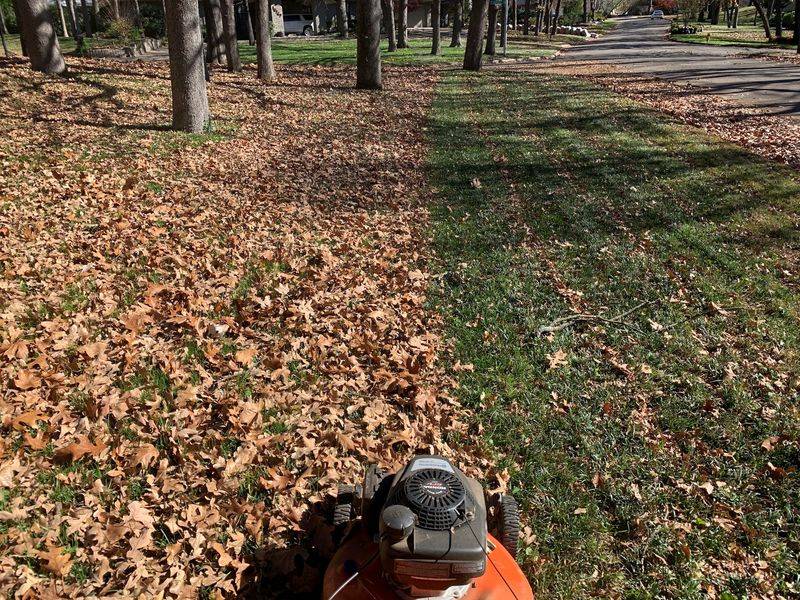
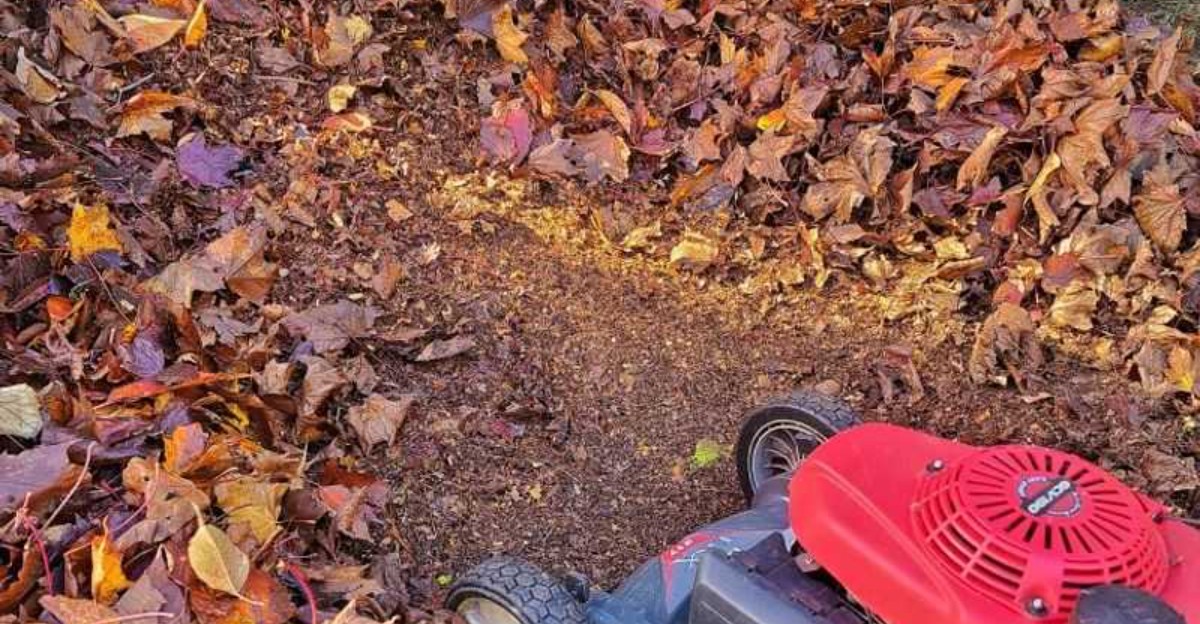
Grabbing your mower is one of the fastest ways to handle a yard full of leaves. When you run the mower over a light layer of leaves, the blades chop them into tiny bits that fall right between the grass blades.
Those pieces break down over time, adding organic matter and returning small amounts of nutrients to the soil while supporting soil life.
The trick is keeping the layer thin. If leaves are piled thick and heavy, they can block sunlight and trap water against your grass, which leads to bare, patchy spots by spring.
For best results, mow when the leaves are dry and crumbly rather than soggy. Dry leaves shred into a fine confetti that disappears into the turf, while wet ones tend to clump and smother.
You may need to make a couple of passes over the same area to get everything chopped up nicely. That extra effort pays off because you skip the raking, the bagging, and the trip to the curb.
North Carolina lawns often stay green well into fall, so this method fits the local climate perfectly. Mulching your leaves also keeps them out of landfills, which is a win for the whole community.
By turning your weekend chore into free lawn food, you help your yard grow thicker and healthier next season while saving both time and money.
2. Turn Leaves Into Garden Mulch
Your garden beds will thank you when you spread a blanket of shredded leaves around them. A layer of leaf mulch acts like a cozy jacket for the soil, holding in moisture so you water less often during dry stretches.
Around trees, shrubs, and flower beds, that same layer keeps roots comfortable by softening the swings between warm afternoons and chilly nights.
In North Carolina, where fall temperatures can bounce around, this steady protection really helps plants settle in.
As the leaves slowly break down, they release nutrients into the ground and improve the texture of the soil. Over time your dirt becomes richer, darker, and easier for roots to push through.
Spread the mulch about two to three inches deep for the best balance. Too little and weeds pop through, too much and water may struggle to reach the roots.
Your North Carolina Garden Changes Every Week. Your Plan Should Too.
Gardening in North Carolina changes quickly throughout the season. Every Friday you’ll receive a simple weekly plan showing exactly what to plant, prune, fertilize, harvest, and protect so you never miss the right timing.
Shredded leaves work far better than whole ones because they stay put and let air and water pass through. Whole leaves can mat together and form a slick barrier that blocks moisture.
Leave a small gap around the base of each plant so stems can breathe. Piling mulch right against a trunk can invite trouble.
Once you see how tidy and healthy your beds look, you will wonder why you ever bagged leaves at all. This free mulch keeps weeds down, feeds your plants, and gives your garden a clean, finished appearance all season long.
3. Add Leaves To The Compost Pile
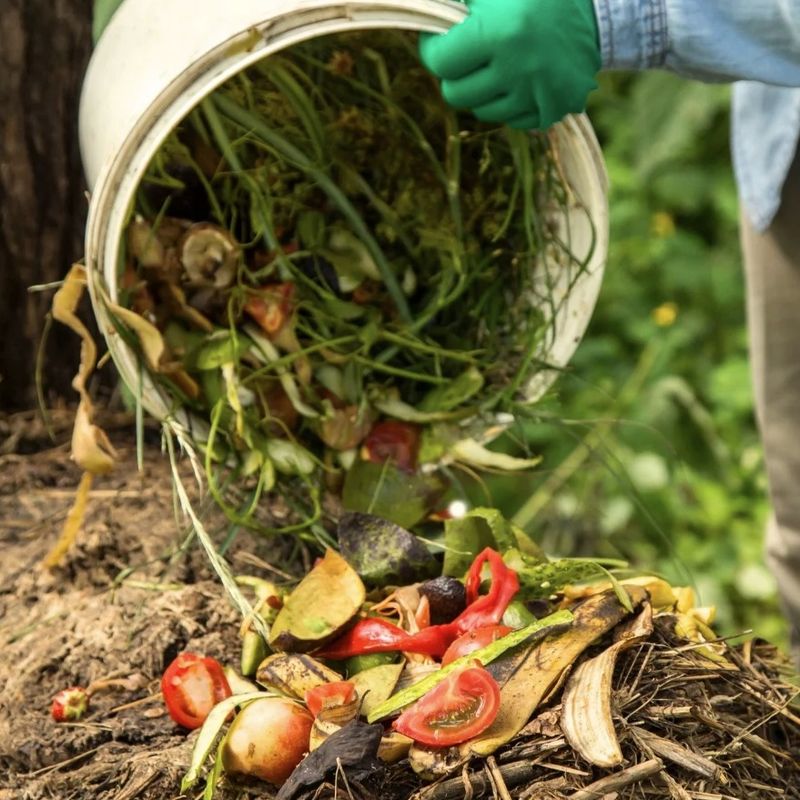
Your compost pile has a big appetite for fallen leaves, and autumn is the perfect time to feed it. Leaves count as a brown, carbon-rich material, which is exactly what a healthy pile needs to stay balanced.
Good compost comes from mixing browns with greens. Greens include grass clippings, veggie peels, and coffee grounds, all of which are packed with nitrogen.
When you layer carbon-rich leaves with nitrogen-rich scraps, the pile heats up and breaks down faster. A common goal is roughly two or three parts brown to one part green, though you can adjust as you go.
Leaves also add bulk and help air move through the pile, which keeps things from turning into a smelly, soggy mess. That airflow lets the tiny helpers inside the pile do their work.
Since North Carolina yards produce piles of leaves each fall, you can even set some aside in a bin or bag. That way you have browns ready to toss in during summer, when green scraps often pile up faster than browns.
Turn your compost every week or two with a fork to keep it mixing and breathing. In a few months you will have dark, crumbly compost that smells like fresh earth.
Spread that finished compost across your garden to feed plants and build stronger soil. It really is like recycling your yard waste into free plant food, and your flowers, veggies, and shrubs will grow better because of it.
4. Shred Leaves Before Using Them
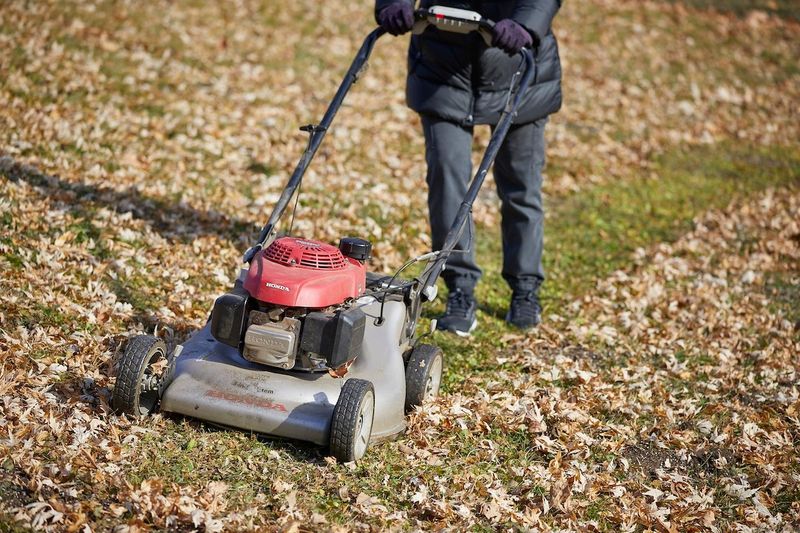
Shredding is the secret step that makes every leaf project easier. Whole leaves are wide and flat, so they tend to stick together and form a soggy mat that blocks air and water.
Once you chop them into small pieces, everything changes. Shredded leaves break down much faster because there is more surface area for worms and microbes to feast on.
You have a few easy ways to shred. Running a lawn mower back and forth over a pile is the simplest, while a leaf blower with a vacuum setting or a dedicated leaf shredder can chop even more.
The smaller bits behave better no matter how you plan to use them. As lawn mulch, they slip between grass blades instead of covering the surface.
Spread as garden mulch, they knit together loosely and let rain soak through to the roots. Tossed into compost, they rot down in a fraction of the time whole leaves would take.
Shredded leaves also take up less space, so you can store more of them in a smaller bin or corner of the yard. That makes it easy to keep a supply on hand for later projects.
In North Carolina, oak and maple leaves are common, and both shred nicely when dry. Try to shred on a dry day for the cleanest results.
Spending a few extra minutes shredding saves you tons of trouble down the road. It really is the small habit that makes leaf recycling work like a charm.
5. Protect Vegetable Beds With A Leaf Layer
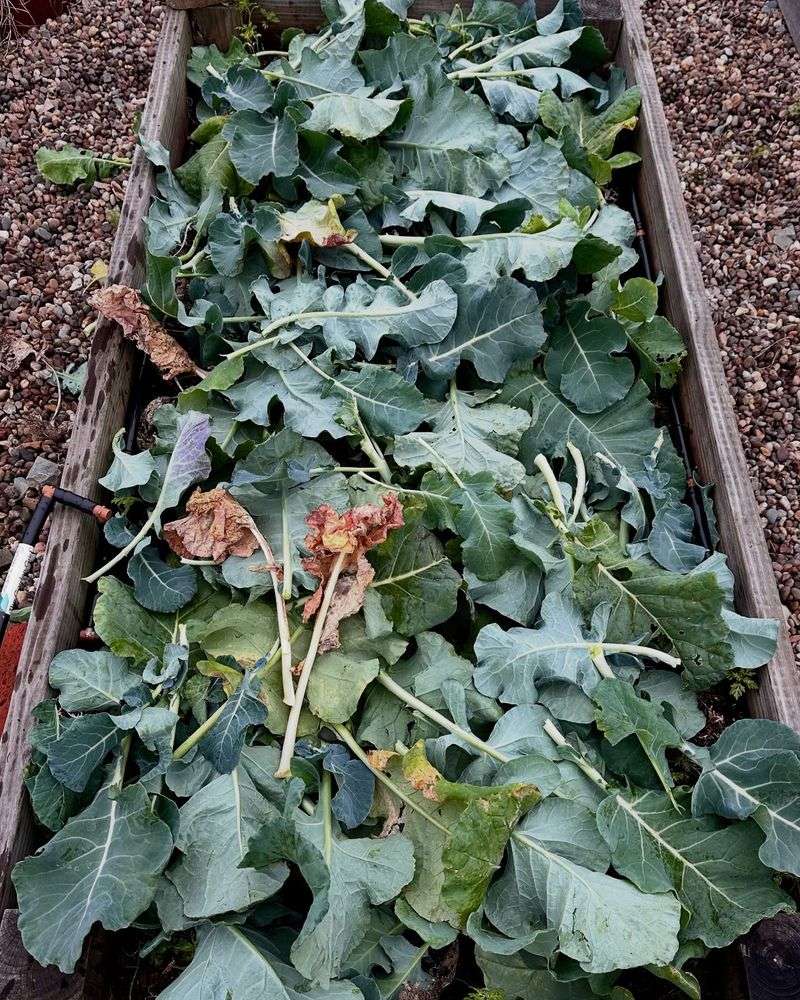
Empty vegetable beds do not have to sit bare and lonely all winter. A moderate layer of shredded leaves spread over the soil works like a protective quilt during the cooler months.
Bare dirt takes a beating from wind and heavy rain, which can wash away the top layer where most of the good stuff lives. Covering that soil with leaves shields it from erosion and keeps everything in place.
Leaves also help steady the temperature of the ground. Instead of freezing hard on cold nights and warming up quickly on sunny days, the covered soil stays more even and calm.
That stability is great for the living things underground. Worms and helpful microbes keep working through the milder North Carolina winters, building richer soil for spring planting.
As the leaves slowly break down, they add organic matter that improves the dirt below. By the time you are ready to plant tomatoes or beans, your beds will be softer and full of nutrients.
Keep the layer to a few inches so it protects without smothering. When spring arrives, you can rake off any leftover leaves or simply mix the crumbly bits right into the soil.
This trick saves you from buying store-bought covers or fancy soil boosters. Your leaves do the job for free while keeping your garden ready to go.
Come planting season, you will notice softer, darker soil that is easier to dig and full of life, all thanks to a simple leaf blanket.
6. Keep Whole Leaves Off Sensitive Plant Crowns
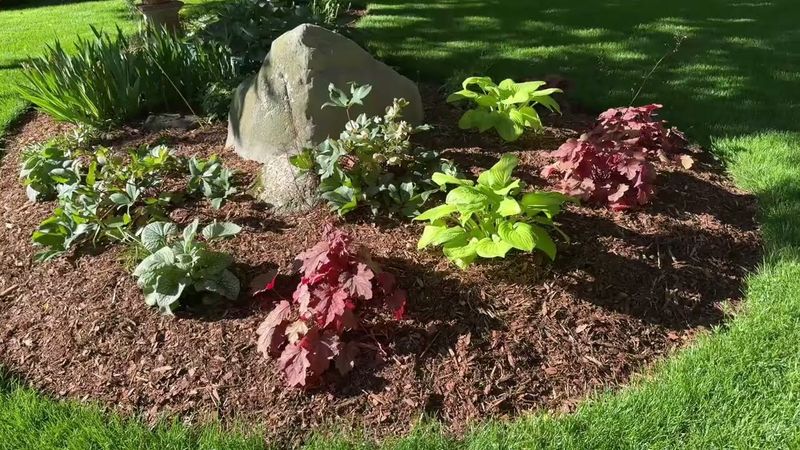
A little caution around your plants goes a long way this time of year. While leaves are wonderful for the garden, piling wet, whole ones right against plant crowns and stems can cause real problems.
The crown is the spot where the stem meets the roots, and it needs air to stay healthy. When soggy leaves press against it, moisture gets trapped and airflow drops to almost nothing.
That damp, stuffy setting is exactly what rot and plant diseases love. Fungi and mold spread quickly when leaves sit wet and heavy against tender growth.
Perennials, strawberries, and many flowers are especially sensitive around their base. A thick clump of leaves there can lead to soft, mushy stems by the time spring rolls around.
The fix is easy. Keep a small open ring around each plant so the crown can breathe, and push mulch a few inches away from the stem.
If you want to use leaves near these plants, shred them first so they stay loose and let air pass through. Loose, airy mulch dries out between rains instead of staying soaked.
In North Carolina, fall often brings rainy stretches that keep whole leaves wet for days. That extra moisture makes this tip even more important for local gardeners.
Taking a moment to clear leaves away from plant bases protects all your hard work. Your perennials will wake up strong and healthy next spring, ready to grow without a fight against rot.
7. Create A Leaf-Mold Pile
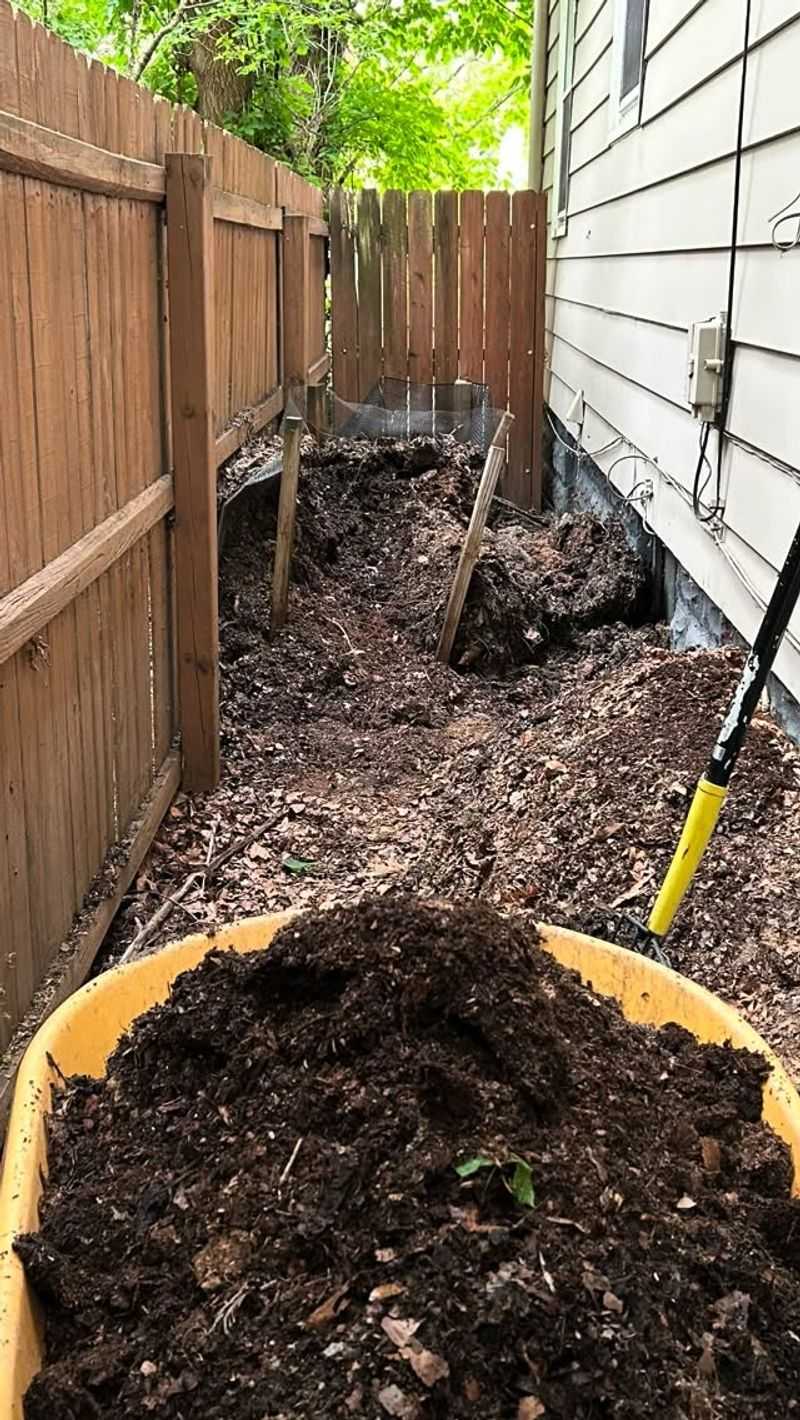
Patience turns an ordinary pile of leaves into garden gold called leaf mold. All you do is gather leaves in a separate spot and let time and moisture do the rest.
Leaf mold forms when leaves break down slowly, mostly with the help of fungi rather than the heat that drives a compost pile. The result is a dark, crumbly, sweet-smelling material that gardeners treasure.
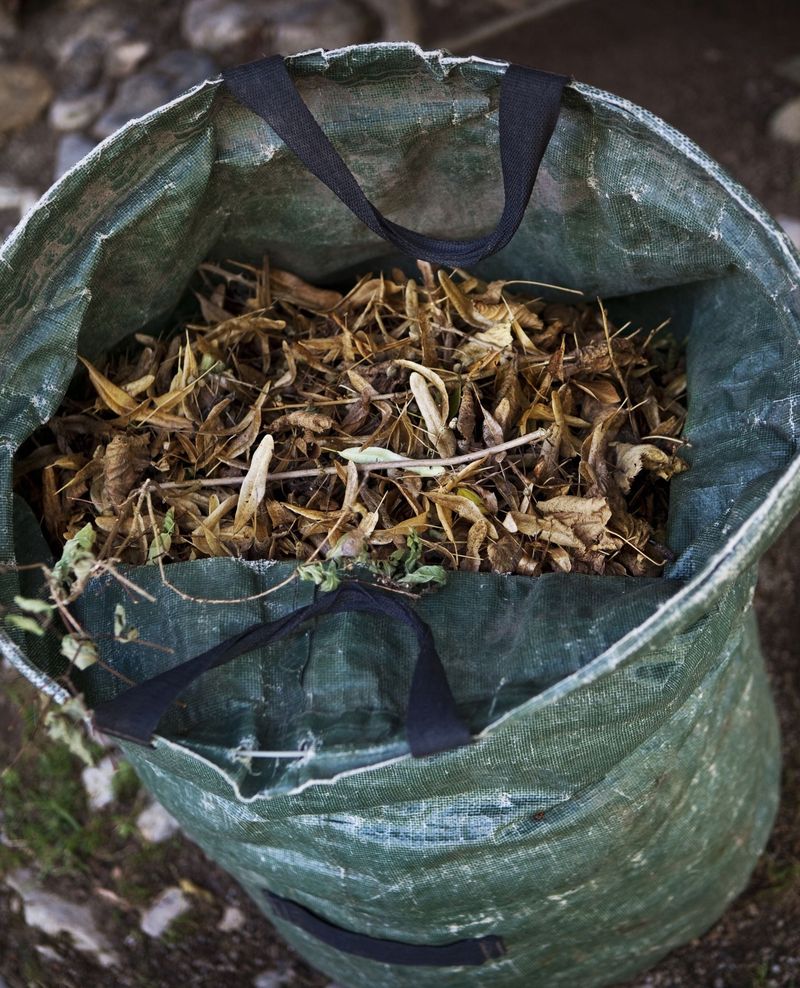
To start, pile your leaves in a corner, an old wire bin, or a big bag with a few holes poked in it. Shredded leaves speed things up, but whole ones work too if you have the patience.
Keep the pile damp, like a wrung-out sponge, and check it now and then. In North Carolina, the wetter fall and winter months help keep the pile moist without much effort.
After several months to a year, the leaves change into a soft, spongy substance that looks nothing like where it began. That transformation is worth the wait.
Leaf mold is amazing for improving soil. Mixed into garden beds, it holds moisture like a sponge and helps loose soil clump together in a healthy way.
It also gives plant roots a comfortable place to grow and invites worms to move in. Unlike fertilizer, leaf mold works gently over time to build better dirt.
Once you try it, you will look forward to raking leaves each fall. Free, rich soil food waiting for you next year is a pretty great reward.
8. Remove Leaves From Problem Areas
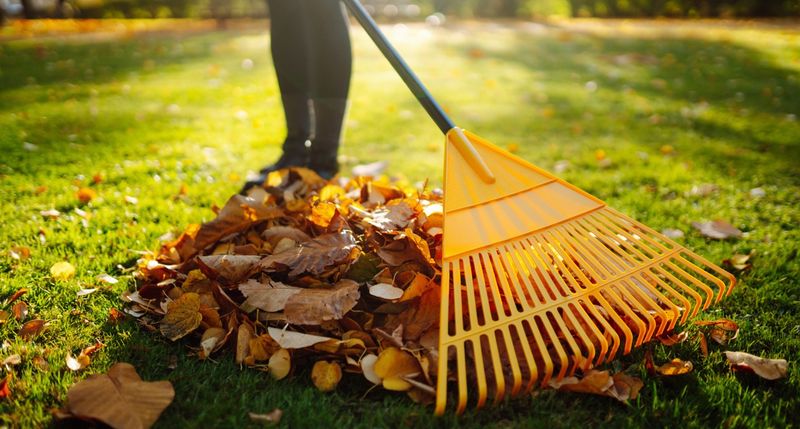
Not every leaf deserves a spot in your garden, and knowing which ones to toss matters. Leaves that show spots, powdery coatings, or strange discoloration may carry plant diseases you do not want to spread.
When you scatter sick leaves around healthy plants, you can accidentally move fungi and bacteria all over the yard. Those troublemakers can wait quietly in the soil and attack new growth next spring.
The same goes for thick, heavy buildup in certain spots. Leaves that pile up in gutters, walkways, or against fences can trap moisture and become hiding places for pests.
Around fruit trees and roses, fallen leaves often hold onto diseases from the growing season. Raking those up and removing them helps break the cycle before it starts again.
In North Carolina, common issues like black spot on roses and various leaf blights can linger in old leaves. Clearing problem material keeps these headaches from returning year after year.
You do not need to bag up every leaf, just the ones that look unhealthy or sit in trouble spots. Avoid composting heavily diseased leaves unless you maintain a hot compost pile capable of reaching pathogen-reducing temperatures.
Keeping your garden clean in these key areas cuts down on future pest and disease problems. A little cleanup now saves you from bigger battles later.
By sorting the good leaves from the bad, you get all the benefits of recycling while protecting the plants you worked so hard to grow.