What a Wren’s Visit Can Mean in an Arizona Yard
Spotting a wren working its way through the shrubs in your Phoenix or Tucson yard is genuinely interesting, but it raises a fair question: what does that visit actually mean? The bird did not show up by accident.
It found something useful, whether that was a tangle of branches, a patch of insects, or a sheltered spot to rest. Understanding what drew the wren in can help you make smarter choices about your desert yard.
Start with the right Arizona wren
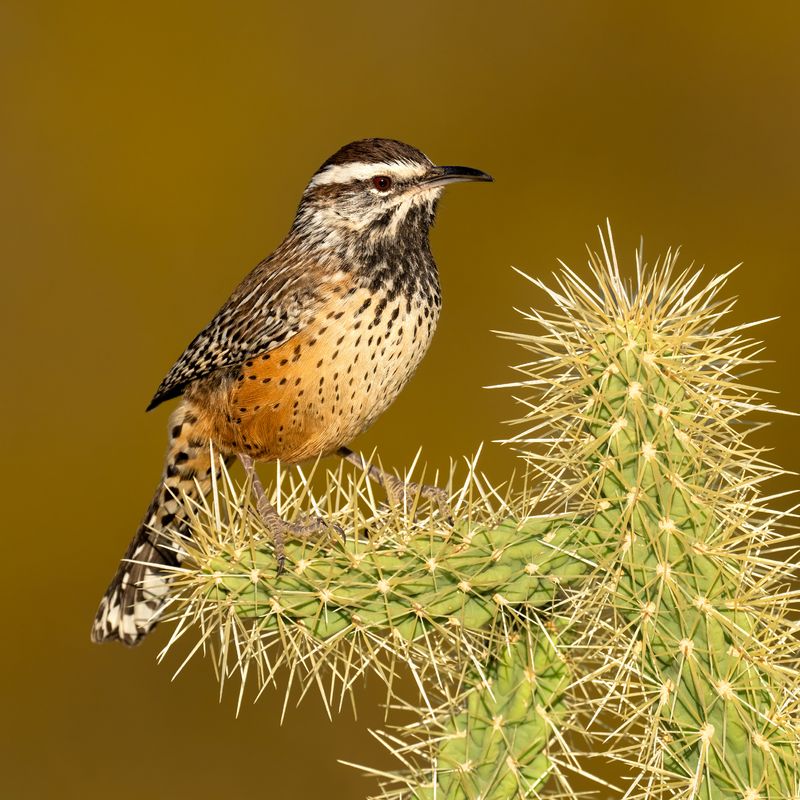
Before anything else, let’s clear up a naming problem. “Arizona Wren” is not a recognized North American species. If you saw a wren in your low-desert yard, the bird was most likely a Cactus Wren or a Bewick’s Wren, and telling them apart matters for understanding what your yard actually offered.
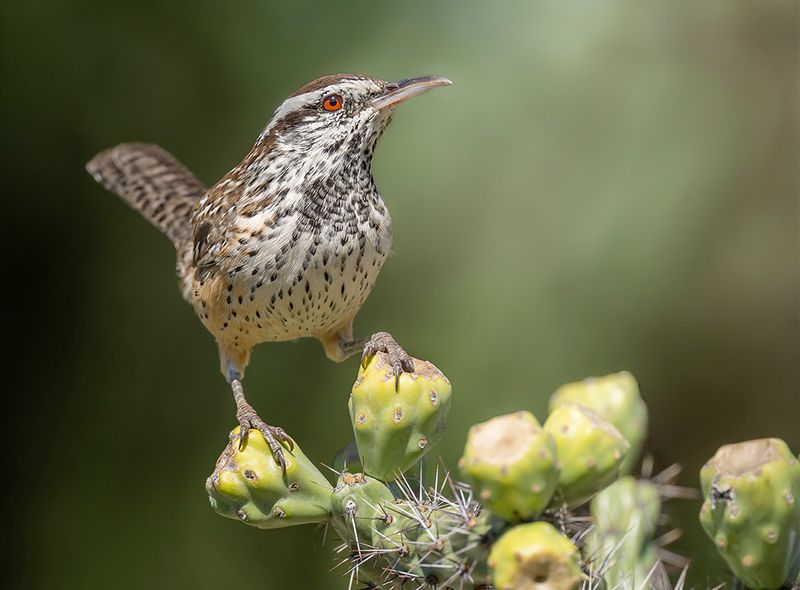
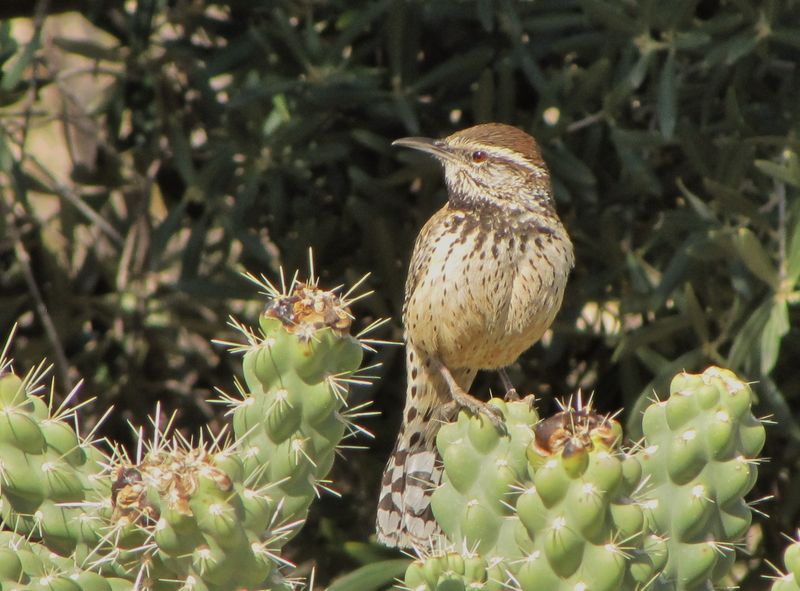
The Cactus Wren is hard to miss. It is a large, boldly patterned bird with a heavily spotted breast, and it is Arizona’s official state bird, present year-round across much of the southern, western, and central parts of the state.
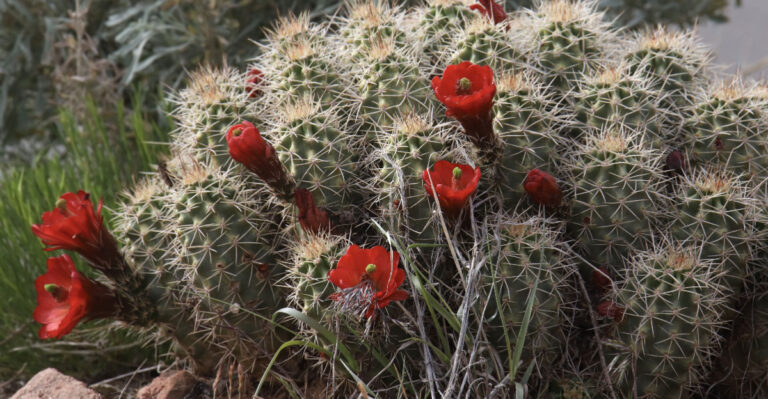
It is strongly tied to thorny desert vegetation: cholla, prickly pear, saguaro, and similar plants. Bewick’s Wren is smaller, grayer, and far less conspicuous.
Carolina Wrens, the birds referenced in many general wren articles, are a different species altogether. They are primarily eastern birds, associated with brushy, wooded, or overgrown habitat across the eastern United States and northeastern Mexico.
They serve as a useful general example of how wrens respond to brushy cover, but they are not typical Phoenix or Tucson birds, and descriptions of Carolina Wren behavior should not be applied directly to what you see in a Sonoran Desert yard.
What a wren’s visit can reveal
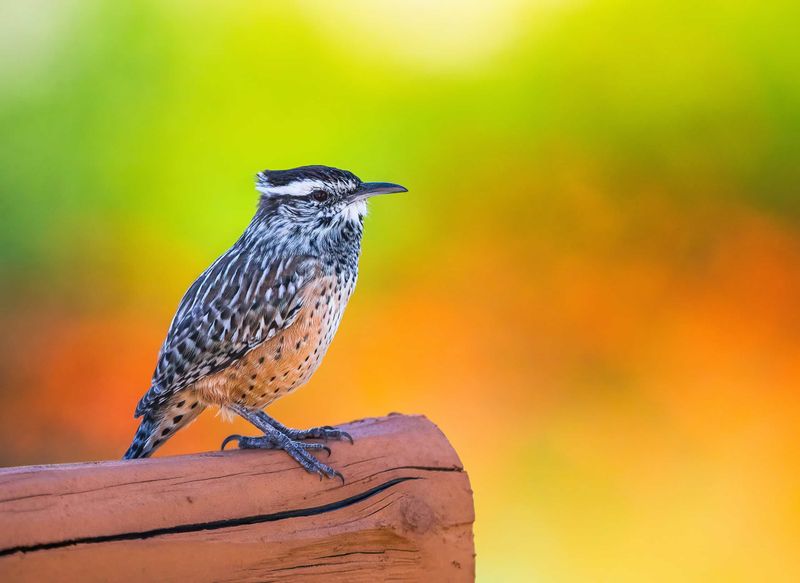
Seeing a wren in your yard is an ecological clue, not a report card. The bird’s presence tells you that at that moment, on that visit, it found at least one resource worth using.
That might be a spider hidden in a gap between rocks, a cluster of insects near a shrub, a sheltered branch for resting, or a thorny plant that felt safe for nesting. It does not tell you that your entire yard functions as healthy habitat or that the bird has decided to stay permanently.
A wren using your yard may be drawing on some of those elements from your property and others from the wash behind the neighborhood, a park two streets over, a neighbor’s mesquite tree, or a seasonal food pulse that has nothing to do with your plantings at all.
A bird may be feeding, passing through on its daily route, defending a territorial boundary, roosting for the night, or actively nesting. Each of those behaviors means something different about how your yard fits into the bird’s larger home range.
Cactus Wrens, for example, are year-round residents that often maintain territories across multiple properties and surrounding desert, not just a single backyard. Treating one visit as proof of anything permanent or comprehensive overstates what the sighting actually shows.
Your Arizona Garden Changes Every Week. Your Plan Should Too.
Gardening in Arizona changes quickly throughout the season. Every Friday you’ll receive a simple weekly plan showing exactly what to plant, prune, fertilize, harvest, and protect so you never miss the right timing.
Wrens use food and shelter across habitat layers
Wrens are insect and spider hunters. Carolina Wrens eat beetles, grasshoppers, crickets, cockroaches, and caterpillars, working through leaf litter and tangled brush at ground level.
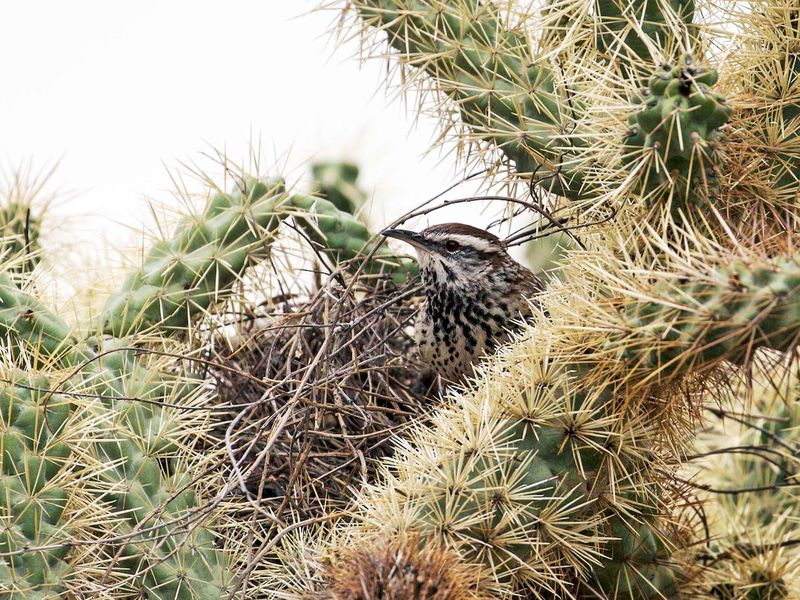
Cactus Wrens cover similar dietary ground, consuming spiders, beetles, ants, wasps, grasshoppers, and butterflies, often foraging directly on cactus pads, sandy soil, and low shrubs. The foraging style of both species depends on layered, textured habitat rather than open, manicured lawn.
For Cactus Wrens, the connection between specific plants and habitat use is well documented. The thorny structure of those plants provides physical protection that matters to a ground-level bird with eggs or chicks.
Beyond nesting, the same vegetation supports insects and spiders throughout the year, making it functional habitat in multiple ways at once.
Bewick’s Wrens rely more broadly on brushy structure: tangled branches, dense shrubs, and insect-rich ground cover. A yard with dry brush, low-growing native shrubs, and some woody debris near the outer edges of the property can offer the kind of foraging and cover habitat Bewick’s Wrens use.
No single plant species guarantees a Bewick’s Wren will appear. What matters is whether the yard provides textured, layered habitat with enough insect life to make foraging worthwhile, and whether that structure is arranged thoughtfully rather than piled randomly near the house.
Build desert habitat without turning the yard into a water burden
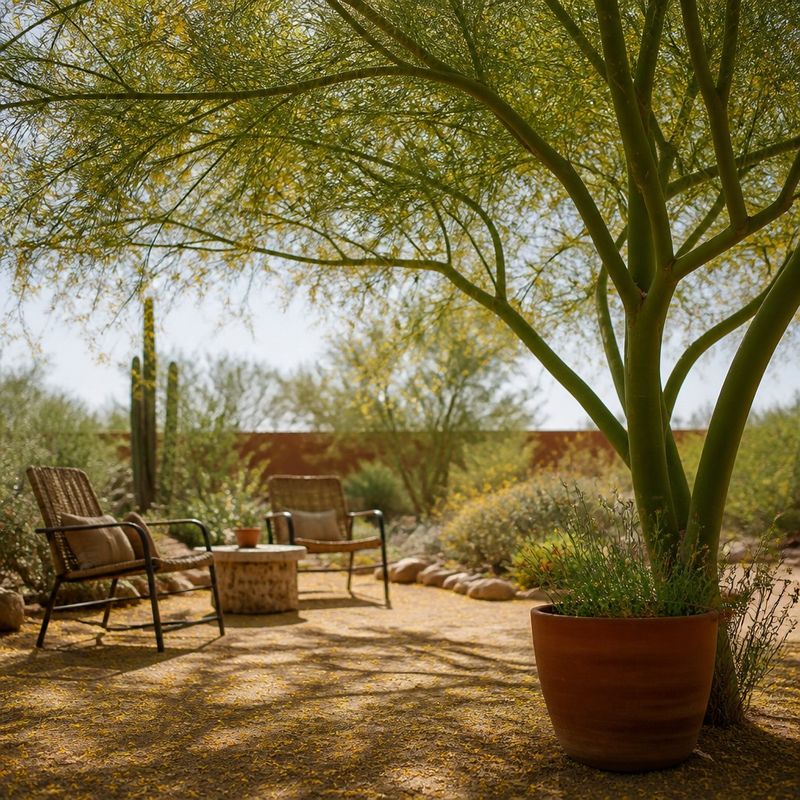
Habitat-friendly does not mean water-hungry. In the Phoenix and Tucson metros, where rainfall is scarce, evaporation is high, and summer temperatures regularly exceed 100 degrees, building layers of desert-adapted vegetation is both practical and ecologically sound.
The goal is a yard with deliberate structure: some taller trees for shade and bird perches, mid-level shrubs for cover and foraging, lower cacti and ground-level plants for insects and nesting sites, and open patches where wrens and other birds can move freely.
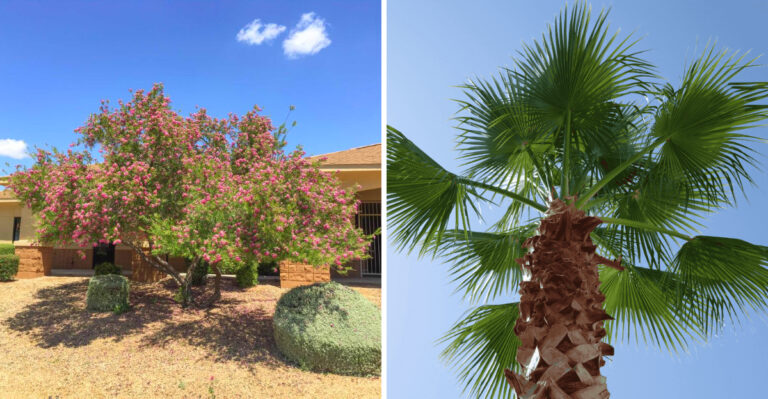
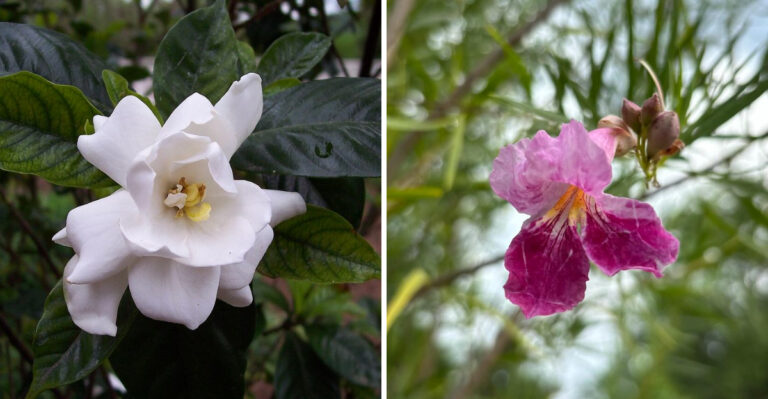
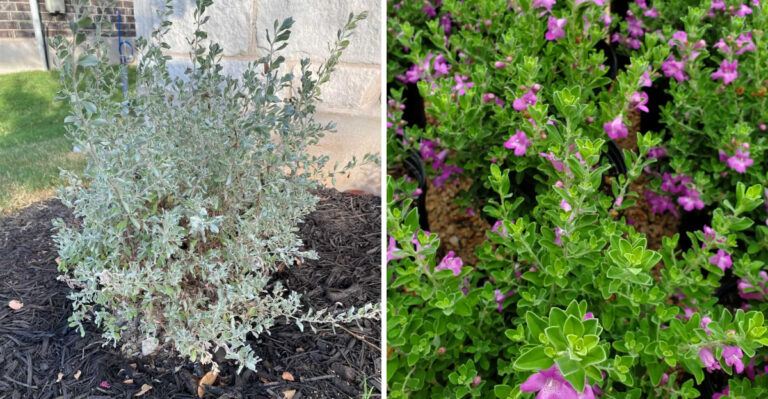
Native and desert-adapted plants generally fit this picture better than water-demanding alternatives. Palo verde, desert willow, mesquite, cholla, prickly pear, catclaw acacia, and similar species are not just wren-friendly choices; they are plants that belong in this climate.
Plant arrangement and site conditions matter more than any guaranteed species list. A palo verde planted in the wrong spot, in compacted caliche soil with no drainage, will struggle regardless of how well it suits the region.
Fall is Arizona’s practical planting window for most trees, shrubs, and many perennials, not the spring timeline borrowed from cooler climates.
Keep new habitat alive with irrigation and good drainage
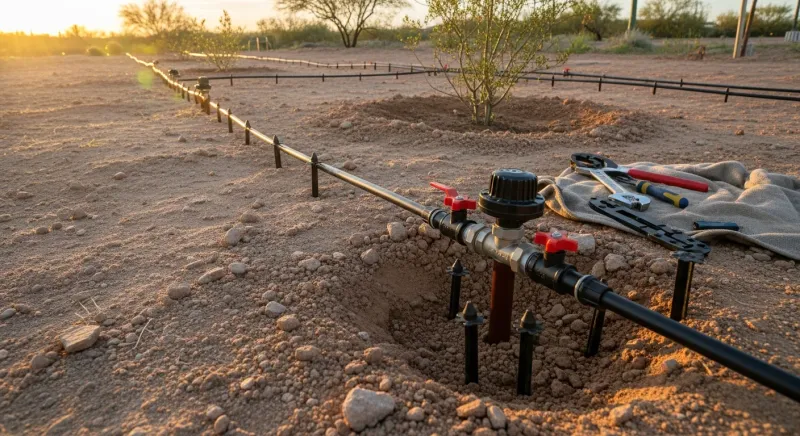
One of the most common mistakes in desert landscaping is planting a native species and then walking away, assuming it needs no water. That is not how establishment works.
Southwestern native trees and shrubs retain real water needs, especially in the first one to three years after planting and during prolonged heat or drought. The University of Arizona’s guide on irrigating native Southwestern trees and shrubs makes this clear: even well-adapted species need supplemental water during establishment and may need occasional deep watering during extreme conditions even after they are mature.
Drainage deserves attention before you plant anything. Arizona’s alkaline soils and caliche layers can restrict root growth, slow water movement, and limit nutrient availability.
A simple drainage test, digging a hole and filling it with water to see how quickly it drains, can tell you a lot before you invest in a tree or shrub. Solid caliche may need to be broken through or removed to give roots room to grow.
A birdbath is optional, not a required feature for every desert yard. Cactus Wrens rarely drink free-standing water; they get most of their moisture from the insects and fruit they eat.
If you provide water for other birds, keep it clean. The University of Arizona recommends cleaning birdbaths and letting them dry thoroughly at least twice a week.
The CDC advises emptying and scrubbing any water container at least weekly to prevent mosquito breeding. A neglected birdbath does more harm than good in an Arizona summer.
Support birds without promising pest control
Wrens eat a lot of insects and spiders. That is real, and it is part of what makes them satisfying birds to have around.
Research does show that birds can contribute to pest regulation in some contexts. A 2023 meta-analysis published in Pest Management Science found an overall positive effect of birds on pest regulation across agricultural and agroforestry systems.
But those findings come from farm-scale studies and managed landscapes, not from residential backyards in Phoenix or Tucson.
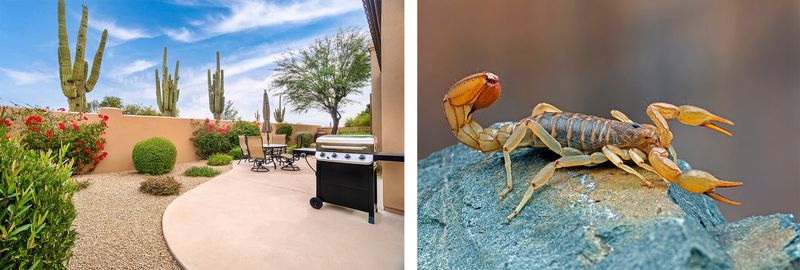
For household pests specifically, the evidence does not support treating a wren as a reliable treatment. Scorpions are not meaningfully addressed as a wren-control problem in any reviewed Arizona source.
University of Arizona guidance on scorpion management focuses on exclusion: removing loose boards, rocks, and debris near the home, sealing gaps and entry points, and using caution when moving outdoor materials. A Cactus Wren foraging in your cholla patch is not a substitute for those precautions.
The same caution applies to mosquitoes and ticks. Birds may consume some of each, but no reviewed source establishes reliable mosquito or tick control by Arizona wrens in ordinary residential yards.
Dense vegetation, irrigation, and habitat materials placed carelessly near the house foundation can create the moisture and shelter conditions that scorpions and other pests prefer. University of Arizona pest-proofing guidance is direct on this point: brush, wood, and debris near the home create harborage.
Habitat design and pest exclusion are not in conflict, but they require thoughtful separation. Place your densest plantings and habitat features away from the foundation, keep the house edge dry and well-sealed, and let the wildlife-friendly zone do its work at a safe distance.
Use the sighting as feedback, not a final grade
When a wren turns up in your yard, the most useful response is to watch it for a few minutes and notice what it is actually doing. Which plant did it land in?
Was it foraging along the ground, probing bark, or moving through a shrub?
That behavior points directly to which habitat feature the bird found worth using, and that is more actionable information than a general sense that the yard is “working.”
One visit shows that one bird found at least one usable resource at that moment. A yard that consistently draws wrens across different seasons, supports foraging and possible nesting, and does so without creating pest or drainage problems near the house is a meaningfully better outcome than a single sighting.
Building toward that takes time, deliberate plant choices, and honest attention to what the site actually supports.
A wren’s visit is honest feedback about your yard, not a final grade. The bird noticed something real.
The question worth asking is what that something was, and whether you can build more of it thoughtfully over time.