Never Transplant Fall Greens During North Carolina’s Afternoon Heat (Here’s Why)
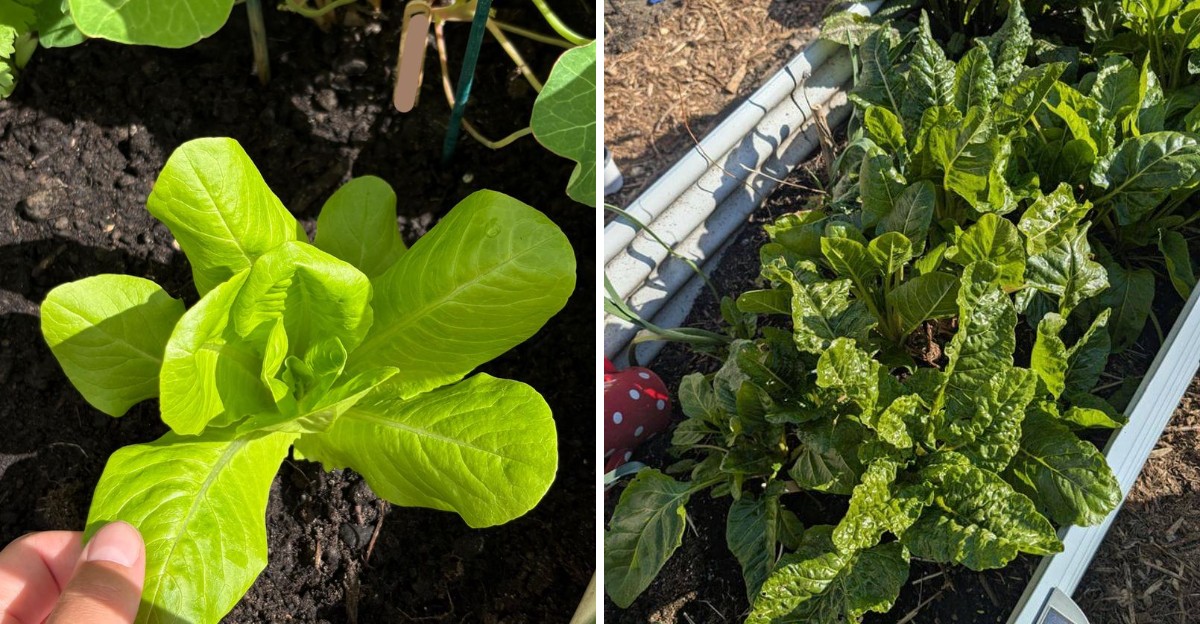
A lettuce start can look perfectly fine in its tray at noon, then slump over completely by suppertime. No warning, no obvious cause, just a healthy seedling turning limp within a few short hours.
That quick collapse says something important about timing. Fresh transplants lose water through their leaves fast, and afternoon heat pushes that loss even faster than usual.
Many gardeners get this backwards without realizing it. Water well, firm the soil, walk away, assume the job is basically done.
Fall greens do not work that way. Roots need real time to settle before they can keep pace with what the leaves are losing above ground.
One small shift in timing changes that whole equation completely.
Get the hour right, and a tray of lettuce stops being an afternoon casualty and starts being tomorrow’s harvest.
1. Midday Heat Stresses Fresh Transplants Fast
A warm September afternoon in North Carolina can feel deceptively mild while the sun still works overtime on anything freshly planted.
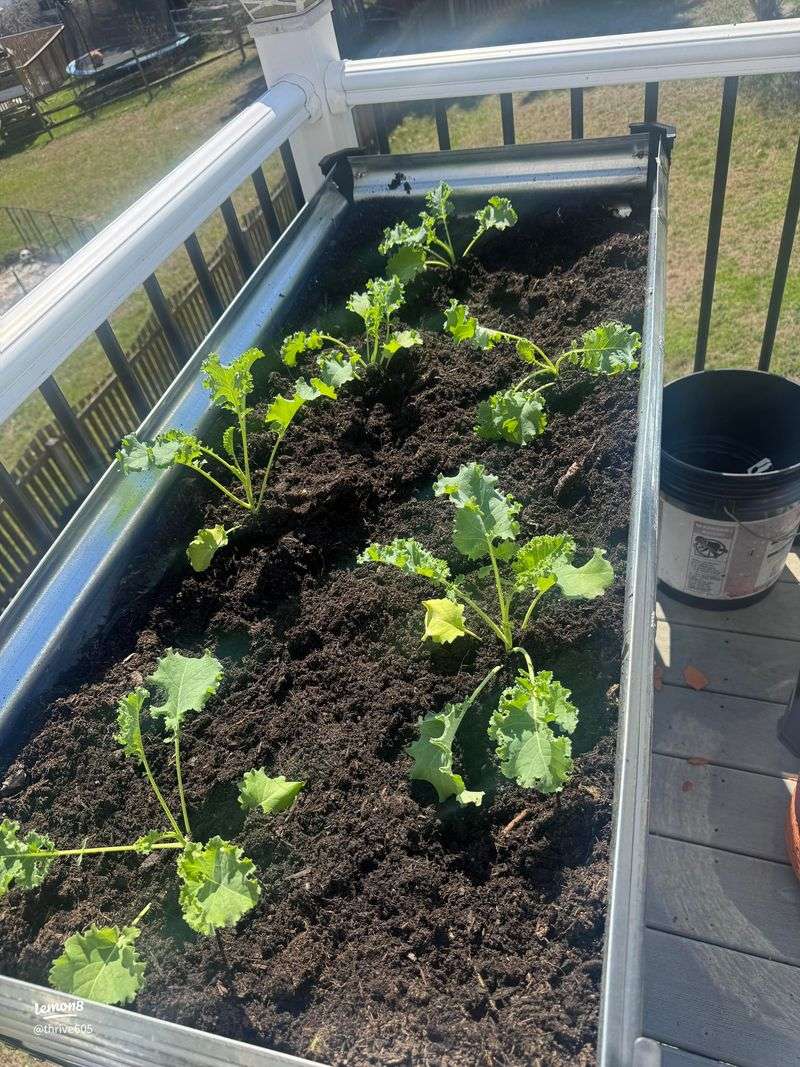
Kale, lettuce, and collards moved into the ground during that window face a rough combination right from the start.
Roots get disturbed at exactly the wrong moment. Warmth and sun speed up water loss from the leaves, while those same roots have not settled enough to keep pace with the demand.
Here is the part that trips people up. The plant looks perfectly fine in its tray at noon. A few hours later, planted and exposed to peak heat, that same plant suddenly looks like it regrets the whole move.
Cooler stretches of the day give transplants a much easier path forward. Less heat pulling moisture out means less pressure on roots that are still figuring out their new home.
That timing shift costs nothing extra. No special tools, no complicated technique, just a different hour on the clock.
Fall greens already deal with plenty of change during their first days in the ground. Skipping the harshest heat of the afternoon removes one major stressor from that list entirely.
A small scheduling tweak like this saves a surprising amount of trouble. Your lettuce starts will likely thank you by staying upright through the evening instead of collapsing dramatically before dinner.
2. Roots Have Not Adjusted To New Soil
A seedling in a brand new hole works a bit like someone breaking in stiff new shoes. Everything technically fits, but nothing feels quite comfortable yet, and that discomfort takes real time to work itself out.
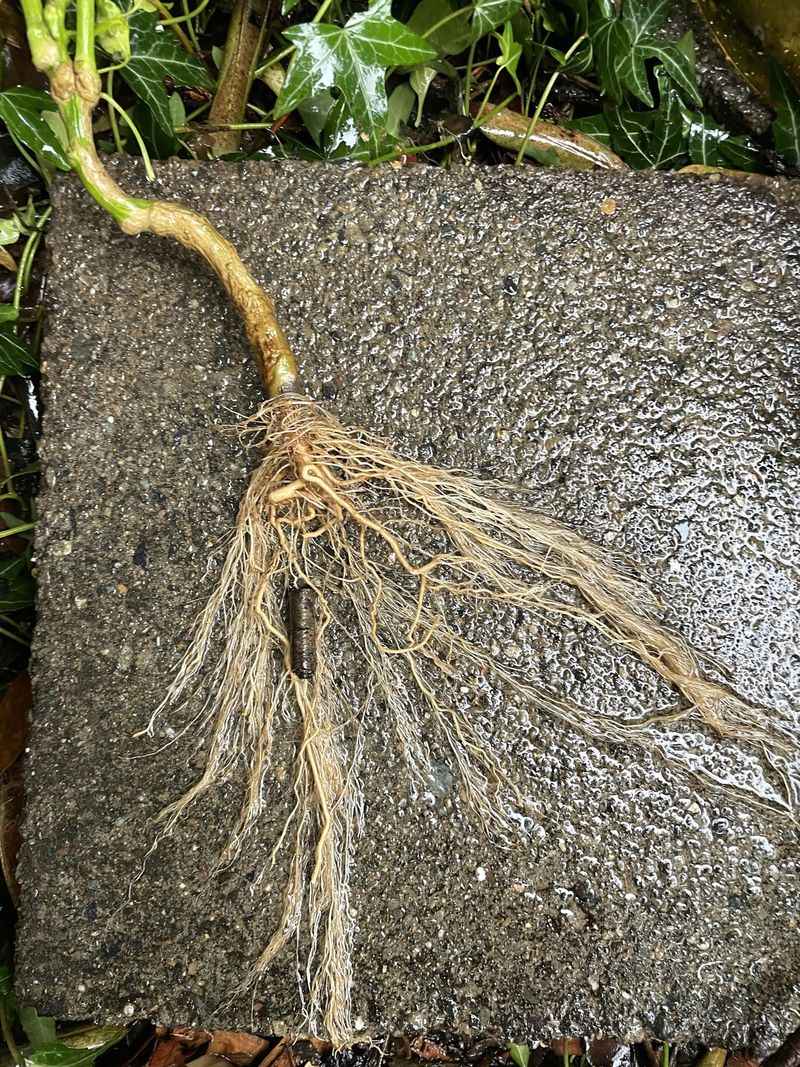
Roots have not settled into the surrounding soil at this early stage. That means pulling in water smoothly is not really possible yet, even with soil firmed nicely around the base.
Meanwhile, the leaves up top are not waiting around for that adjustment period to finish. They keep losing moisture to dry air and sun exposure, creating a gap between water going out and water coming in.
That gap is really the whole story behind afternoon transplant struggles. Leaves lose faster than roots can replace, and the wider that gap gets, the rougher those first days become.
Your North Carolina Garden Changes Every Week. Your Plan Should Too.
Gardening in North Carolina changes quickly throughout the season. Every Friday you’ll receive a simple weekly plan showing exactly what to plant, prune, fertilize, harvest, and protect so you never miss the right timing.
So what closes that gap fastest? Time helps, but timing helps more. Giving roots a calmer window to start adjusting, away from peak heat and harsh sun, narrows that troublesome gap considerably.
A few days of patience makes a real difference here too. Most transplants settle in noticeably once roots finally start making genuine contact with the soil around them.
New shoes eventually stop pinching. New transplants eventually stop struggling. Both situations improve with a little time and a little less pressure applied right at the start.
3. Wilting Now Can Set Growth Back
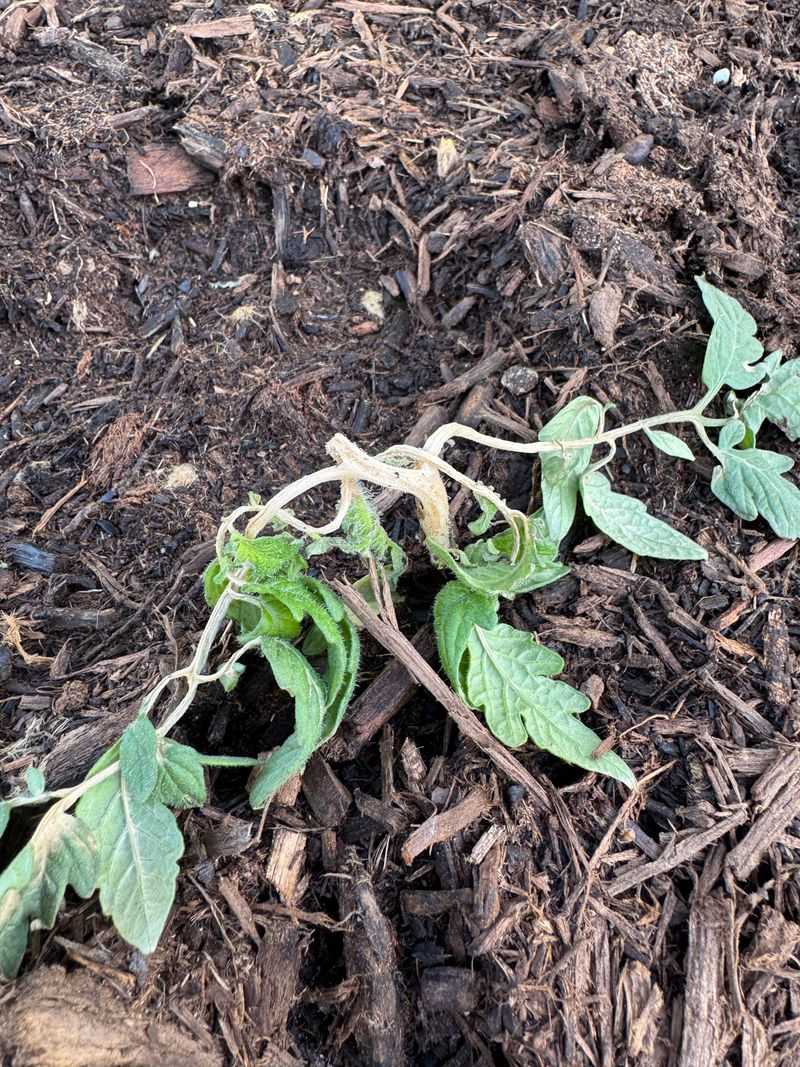
One droopy evening rarely spells disaster for a young transplant. It can still shift the whole timeline for the rest of that plant’s season in ways that are easy to miss.
Greens spending hours badly wilted have to redirect energy toward recovery first. That energy would otherwise go toward new roots and fresh leaves, so recovery time becomes growth time lost along the way.
North Carolina gardeners often notice that setback later as stalled growth, some yellowing, or older leaves looking rough for a stretch longer than expected. Nothing dramatic, just a slower pace than the plant should really be running.
Even a plant that pulls through completely fine can end up smaller at harvest time. That fall maturity date everyone circles on the calendar might slide later too, all traced back to one rough afternoon early on.
Here is the frustrating part. None of that setback shows up immediately. Days pass before the slower pace becomes obvious, by which point the connection to that first hard afternoon is easy to forget entirely.
Avoiding that rough start in the first place saves the guesswork later. A calmer planting window means less recovery time needed, which means more energy available for actual growing right from day one.
Small choices at planting time echo for weeks afterward. Give your greens a gentler beginning, and the whole season tends to move along more smoothly from there.
4. Evening Transplanting Reduces Real Shock
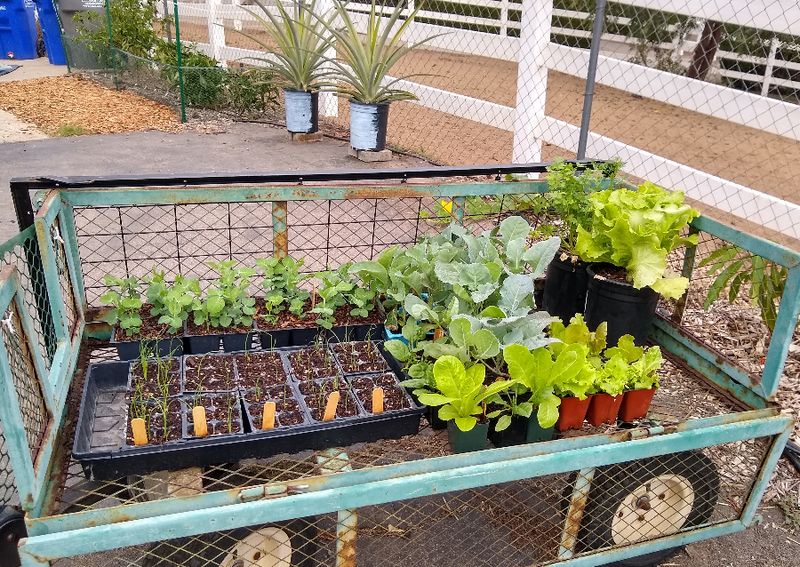
Late day planting sounds almost too simple to matter much. It happens to work with the plant’s natural rhythm instead of fighting against it every step of the way.
Cooler evening air brings the temperature down. Lower sun angles reduce that harsh midday intensity. A full night ahead gives roots real time to reconnect with moist soil before the next day’s heat shows up again.
That combination does not erase transplant shock completely. Nothing fully removes the adjustment period a fresh transplant goes through. It does soften the roughest part considerably, which makes a noticeable difference in how plants look the next morning.
North Carolina’s warm fall stretches make this timing especially useful. Lettuce, spinach, mustard, and cabbage family starts all tend to handle an evening move far better than a bright afternoon one.
Here is a nice bonus that comes with this approach. Evening planting often fits better into a busy schedule anyway, since the harshest sun has already backed off by the time work or other obligations wrap up.
So the easiest fix here barely counts as effort. Just shift the planting window later in the day, and the plant handles most of the rest on its own overnight.
A little evening timing goes a long way toward calmer, steadier fall greens. Sometimes the simplest habit turns out to be the most useful one in the whole garden.
5. Cloudy Days Offer An Easier Window
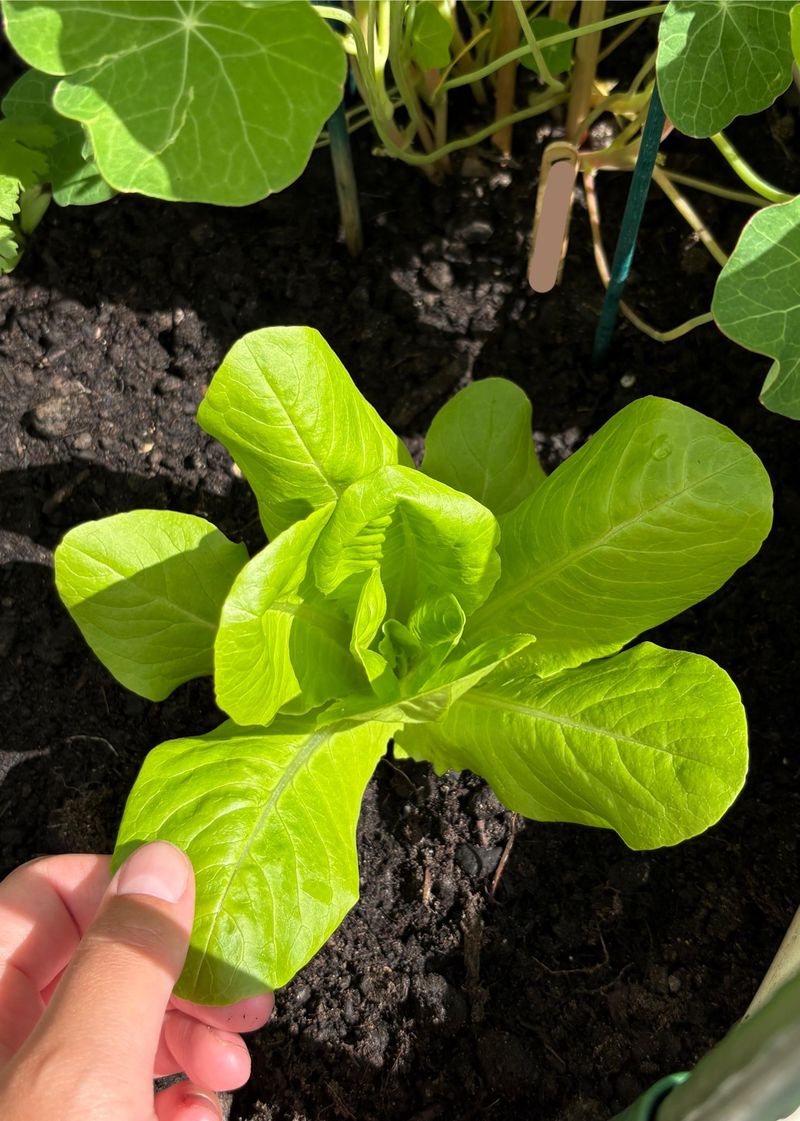
Gray skies rarely feel exciting to look at, yet they can work out as a real advantage for anyone planting fall greens. Filtered sunlight changes the whole equation for a fresh transplant.
Leaf temperatures stay lower under cloud cover. Water loss slows down as a result, giving newly planted greens a gentler start compared to a bright, blazing afternoon with full sun bearing down.
That softer window still calls for careful handling though. Seedlings need the same gentle touch regardless of weather, and a thorough watering right after planting still matters just as much on a cloudy day.
North Carolina fall weather does offer these overcast stretches fairly often, especially as the season shifts and storm systems roll through more regularly. Watching the forecast for one of these calmer days can pay off nicely.
Here is a fun way to think about scheduling around this. Treat an overcast day like a coupon your garden did not know it was getting. Cash it in for tender greens instead of saving it for something less useful.
Full sun planting works out fine plenty of times too, especially with good timing otherwise. Overcast conditions just remove one more variable working against your transplants during those tricky first days.
A little weather awareness rounds out good planting timing nicely. Pair a calmer day with a calmer hour, and fall greens get about as easy a start as North Carolina weather allows.
6. Water Immediately After Moving Transplants
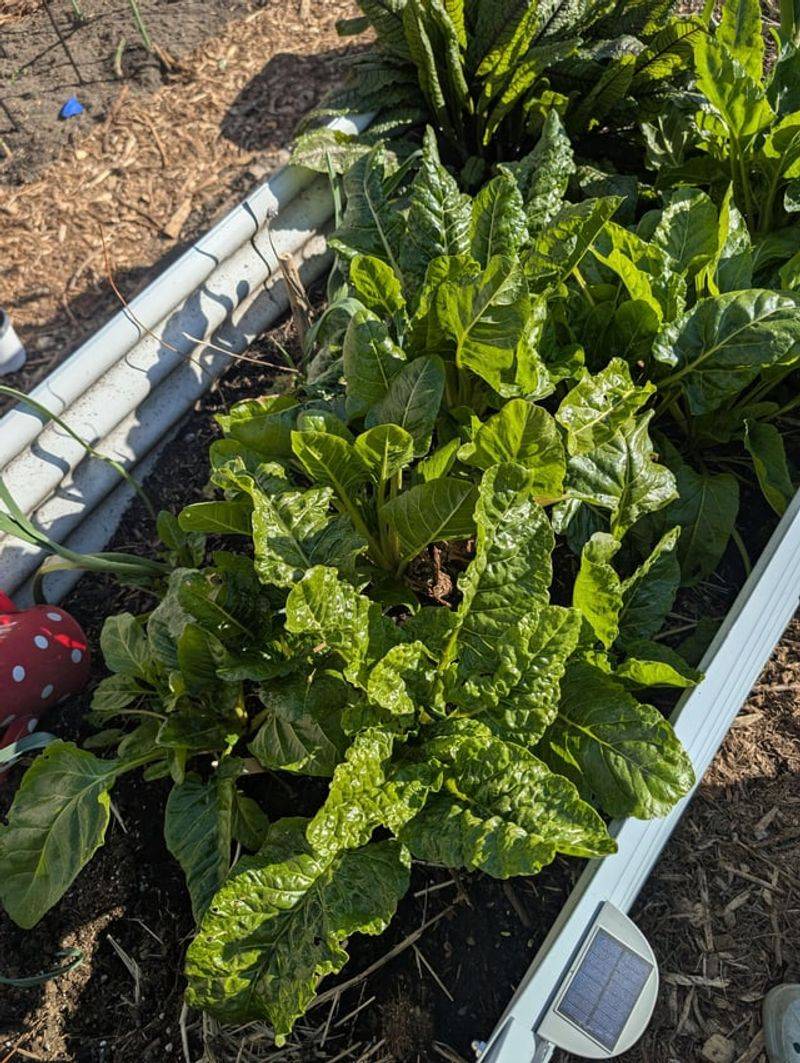
The first drink a transplant gets after moving into the ground carries more weight than people usually assume. This step is not some optional extra tacked onto the end of planting.
Water settles soil around the roots properly. It removes air pockets hiding in the surrounding ground, helping that small root ball make real contact with the soil it now needs to rely on for support.
Skipping this step or rushing through it leaves gaps that slow root establishment right from the start. Those gaps mean less contact, less support, and a rougher path toward settling into the new spot.
Give each transplant a thorough soaking right after it goes in the ground. Not a quick splash, a real soaking that reaches down toward where the roots actually sit.
Keep watching moisture levels over the following days too. Fall weather can shift quickly, and a transplant still settling in needs steady attention rather than a one-time watering and nothing else afterward.
With good timing and steady care, many fall greens bounce back within a day or two and get back to growing at a normal pace. That recovery window shrinks considerably when watering gets handled properly from the very start.
A thorough soak right after planting sets the tone for everything that follows. Pair that habit with good timing, and your fall greens have about the smoothest start North Carolina weather will allow.
7. Hardening Off Transplants Pays Off Later
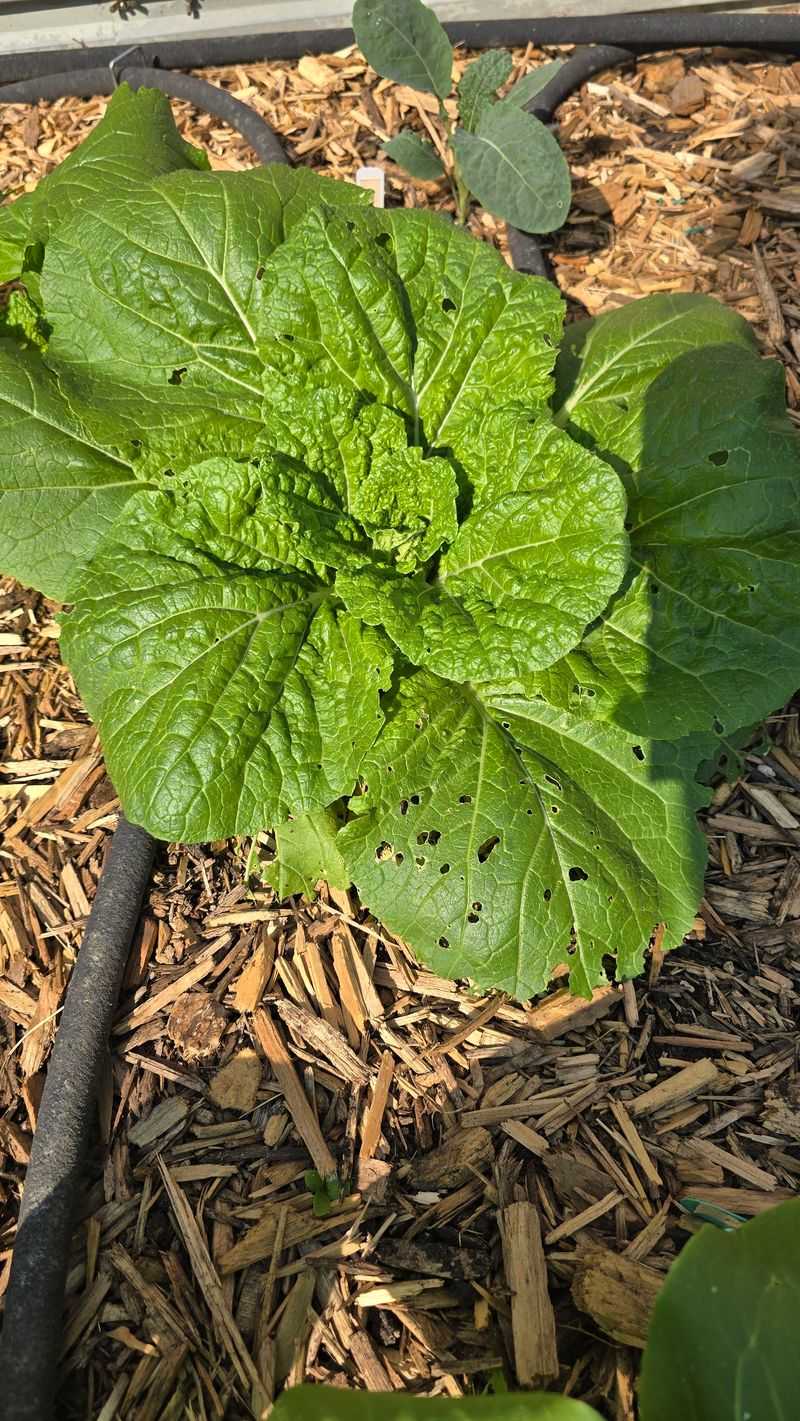
Seedlings raised indoors or in a sheltered spot are not quite ready for full sun and open air the moment they leave their trays. That adjustment period matters more than most gardeners expect going into fall.
Hardening off simply means easing plants into outdoor conditions gradually rather than dropping them straight into the ground and hoping for the best. A few days of increasing sun exposure and outdoor time makes a real difference.
Skip that step, and even a well-timed evening transplant can still struggle. The leaves simply are not toughened up enough to handle direct sun and moving air right away.
Start by setting trays outside in a shaded spot for a few hours a day. Gradually increase both sun exposure and time outdoors over four or five days before planting.
Wind matters here too, not just sunlight. Seedlings kept indoors rarely deal with much air movement, so a breezy afternoon can dry them out faster than expected once they finally go in the ground.
This step takes a little patience upfront, especially when you are eager to get greens in before the fall window closes. That patience usually pays for itself within the first week after planting.
A hardened-off transplant handles its first real North Carolina afternoon far better than one going straight from a cozy tray into open ground. Give that adjustment period its due, and the rest of your timing strategy works even better.
8. A Little Temporary Shade Goes A Long Way
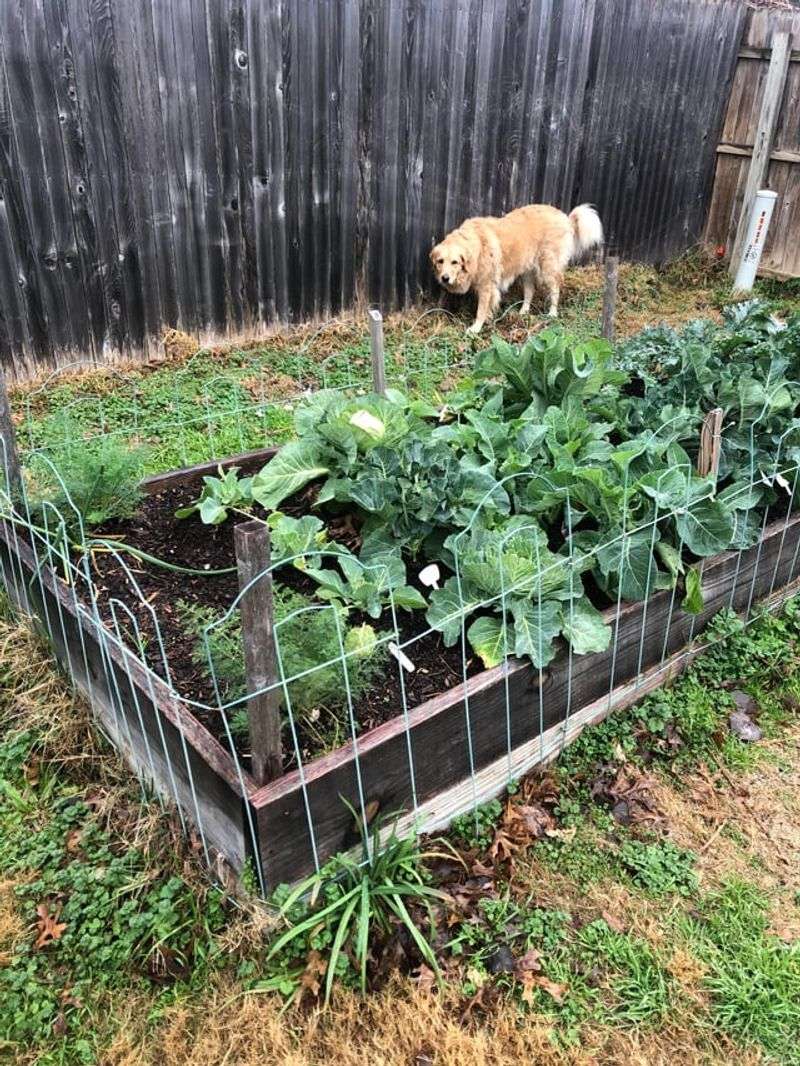
Even a perfectly timed evening planting can run into trouble if the next afternoon turns out hotter than expected. North Carolina fall weather has a habit of throwing in a few warm surprises.
Some light, temporary shade covers those gaps nicely. A simple cloth, an old sheet, even a propped-up piece of cardboard can take the edge off midday sun for a few critical days after transplanting.
That cover does not need to stay up long. Just enough time for roots to make real progress settling into the soil, usually somewhere around three to five days depending on the weather.
Row cover material works especially well for this since it lets some light and air through while still cutting down on the harshest sun. Garden centers carry lightweight versions made just for this purpose.
Remove the shade gradually rather than pulling it off all at once. A day or two of partial exposure before full sun helps the transition go more smoothly.
This trick works particularly well for lettuce and other tender greens that wilt fastest under stress. Sturdier crops like collards can usually handle a bit more exposure without the extra help.
A scrap of fabric feels like a small thing to fuss over. For a tray of stressed transplants during an unexpected warm spell, it can be the difference between bouncing back quickly and losing several days to recovery.
9. Check The Extended Forecast Before You Plant
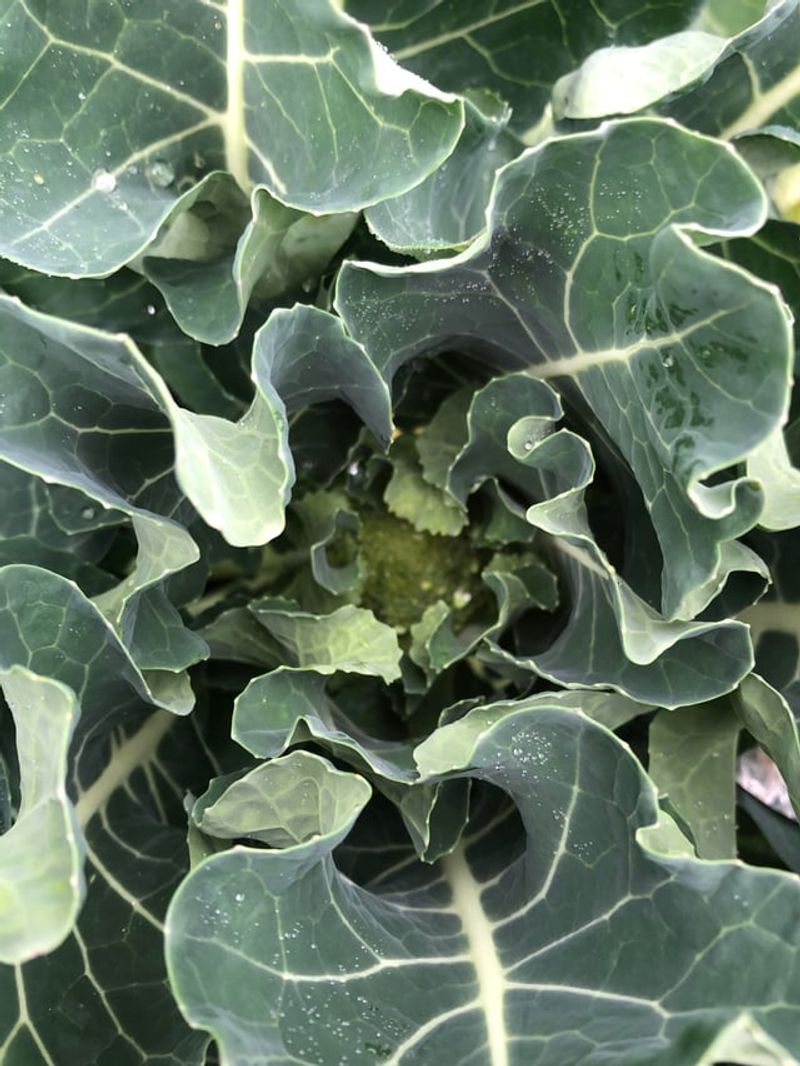
Good timing on any single day only goes so far if a heat spike or dry stretch is sitting right around the corner. A quick look at the extended forecast can save a whole tray of transplants from unnecessary stress.
Planting greens right before several days of unusually warm or windy weather sets up a rough recovery period, even with perfect evening timing and a thorough first watering.
A short cooler stretch, even just a few degrees milder than the recent run of days, gives new transplants a much easier window to settle in.
Roots make faster progress when they are not also fighting extra heat stress on top of the usual adjustment period.
Rain in the forecast helps too, though it should not replace that first deep watering you give transplants by hand. Natural rainfall on top of good initial care just adds another layer of support.
If the forecast looks rough for the coming week, it is often worth waiting a few extra days rather than pushing ahead on schedule.
Fall greens have some flexibility in planting dates, and a short delay rarely costs much in terms of final harvest size.
Checking the forecast takes two minutes and costs nothing. Skipping that check can mean fighting avoidable stress for an entire week after planting, right when those young roots need the easiest path possible.
A little weather awareness rounds out good timing nicely. Pair a smart planting hour with a smart planting week, and your fall greens get about as smooth a start as the season allows.