Desert Plants Arizona Homeowners Use for a Thanksgiving Centerpiece Straight From the Yard
Long before grocery store pumpkins, Sonoran Desert families ground sweet tree pods into flour for their autumn tables. That harvest tradition still echoes in Arizona yards, where fall gathering can happen a few steps from your patio.
Desert plants put on a quiet show in October, with feathery pink plumes and long seed pods dangling overhead. Many of these same plants also feed hummingbirds and shelter quail long after the holiday dishes are washed.
I love how a centerpiece clipped from my own yard tells guests something real about where we live. You also skip the florist bill, and your water-wise Arizona garden gets a light trim at the right time.
Some of my favorite picks are prickly, some are fragrant, and one might surprise you at the dinner table. So which backyard treasures deserve a spot between the turkey and the cranberry sauce this year?
1. Desert Willow
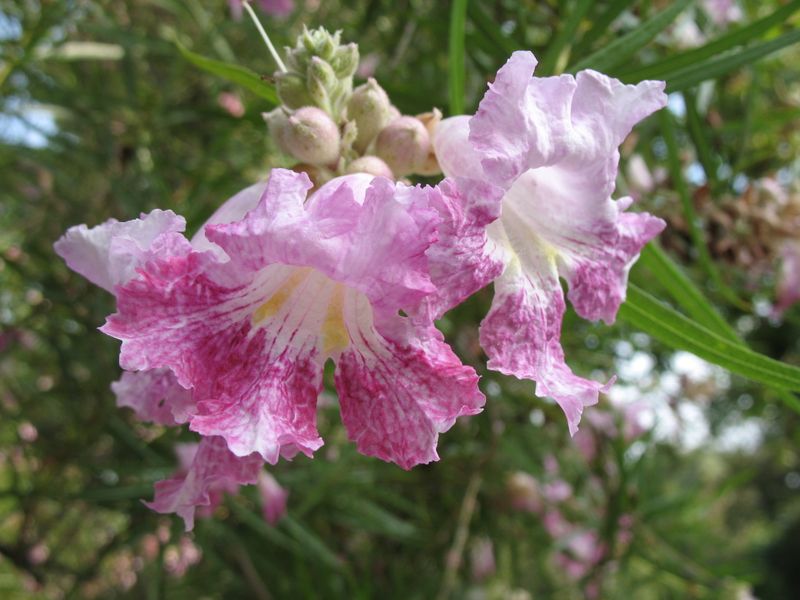
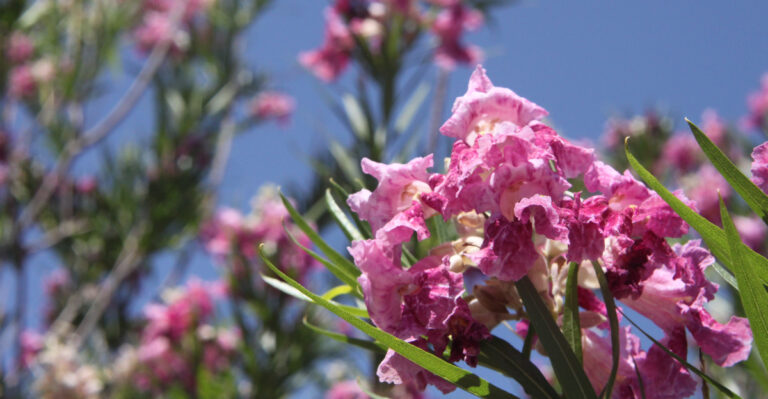
Hummingbirds treat a blooming desert willow like a roadside snack bar, zipping between its orchid-like pink trumpets all summer long. By October, the flowers start fading, and long skinny seed pods dangle from the branches like brown ribbons.
Those pods are my secret weapon for a centerpiece, because they curl and twist into shapes no store can copy. I like laying a few across a wooden tray, then tucking in any last blossoms that still cling to the tips.
Chilopsis linearis is not a true willow at all, despite the narrow leaves that fool almost everyone at first. It grows naturally along dry desert washes across the Southwest, reaching roughly fifteen to twenty-five feet tall in home landscapes.
You need to go easy on the hose, since too much water often leads to weak, floppy growth on these trees. Full sun and fast-draining soil keep them happy, and established trees usually manage with occasional deep summer soaks.
Leave plenty of pods on the tree after your clipping session, because songbirds often pick at the seeds during cooler months. Your table gets a little drama, and the backyard birds still get a decent share of the harvest.
2. Red Yucca
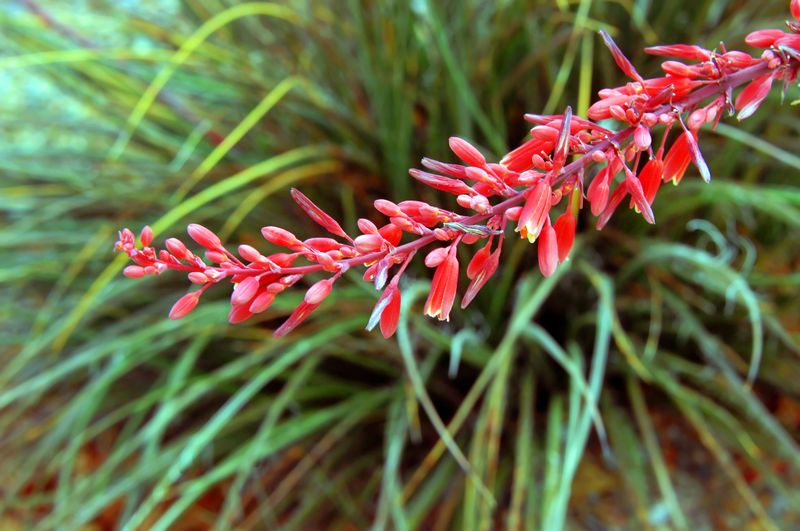
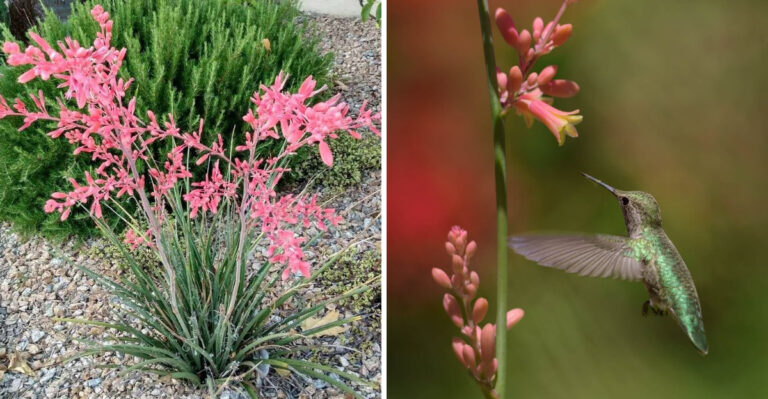
Coral flower spikes waving above a grassy clump might be the most cheerful thing in a desert yard during fall. Red yucca often keeps blooming from spring into autumn, so October tables can still borrow a few bright stems.
Funny enough, Hesperaloe parviflora is not a true yucca, though its stiff leaves and tall stalks give that impression. It is native to Texas and northern Mexico, and it handles desert heat with very little fuss in most yards.
I clip one or two arching flower stalks and stand them in a tall bottle for instant height on the table. The rosy blooms pair nicely with orange squash, and the curving stems add movement that short arrangements usually lack.
Hummingbirds adore those tubular flowers, so you might notice them fighting over the stalks you decide to leave outside. Cutting a few stems is harmless, since the plant sends up new ones as long as warm weather holds.
Plant red yucca in full sun with good drainage, and water deeply now and then during the hottest months. The leaves lack the sharp tips of real yuccas, which makes it friendlier near walkways and patios where kids play.
3. Parry’s Agave
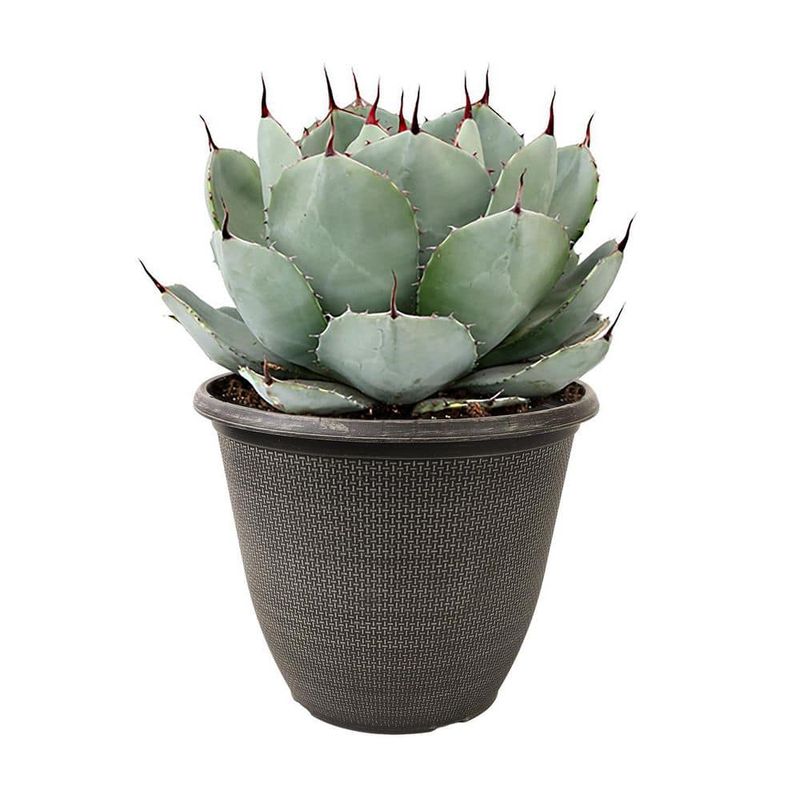
Lesser long-nosed bats travel hundreds of miles following blooming agaves, sipping nectar from the towering flower stalks at night. That alone earns agave a place on my list, even before it lands in the middle of a dinner table.
For a centerpiece, I skip cutting leaves and simply pot up a small pup from the mother plant. Agave parryi forms a tidy gray-blue rosette that looks like a sculpted artichoke, and guests usually ask about it first.
You need to place it away from elbows, because each leaf ends in a sharp dark spine. A pair of thick gloves and old newspaper make pulling pups much safer when you separate them from the parent.
Outdoors, Parry’s agave handles cold snaps well and asks for little water once its roots settle into gritty soil. Morning watering that drains quickly helps, since soggy bases and piled leaf litter can give scorpions cozy hiding spots.
After the holiday, replant your table agave in a sunny corner rather than leaving it in a dim room. It will slowly fill in, and one day it might send up a flower stalk for visiting bats.
4. Brittlebush
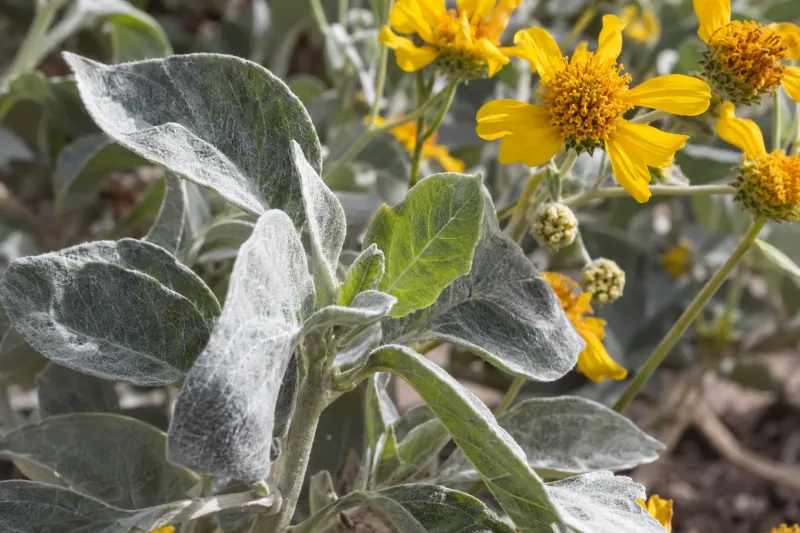
Rub a brittlebush leaf between your fingers, and you’ll feel a soft, almost velvety coat of tiny silver hairs. That fuzz reflects harsh sunlight, which helps Encelia farinosa stay cool in places where most shrubs would wilt.
I have to admit those pale leaves are my favorite filler for a fall arrangement on a dark wood table. They glow beside rust-colored candles, and a few sprigs soften the spiky look of cactus or agave nearby.
The big yellow daisy show mostly arrives in late winter and spring, though fall rains can coax some early blooms. Bees and butterflies flock to those flowers, while finches later pick through seed heads left standing on the stems.
The name comes from brittle stems that snap easily, so use clean pruners rather than tearing branches by hand. Light trimming in fall keeps the mound tidy without hurting next spring’s flower display in your sunny yard.
Once established, brittlebush often needs water only every few weeks, even through blazing summer stretches. Its open, airy branches also leave fewer dense hiding spots than thick hedges, which many homeowners appreciate during scorpion season.
5. Velvet Mesquite
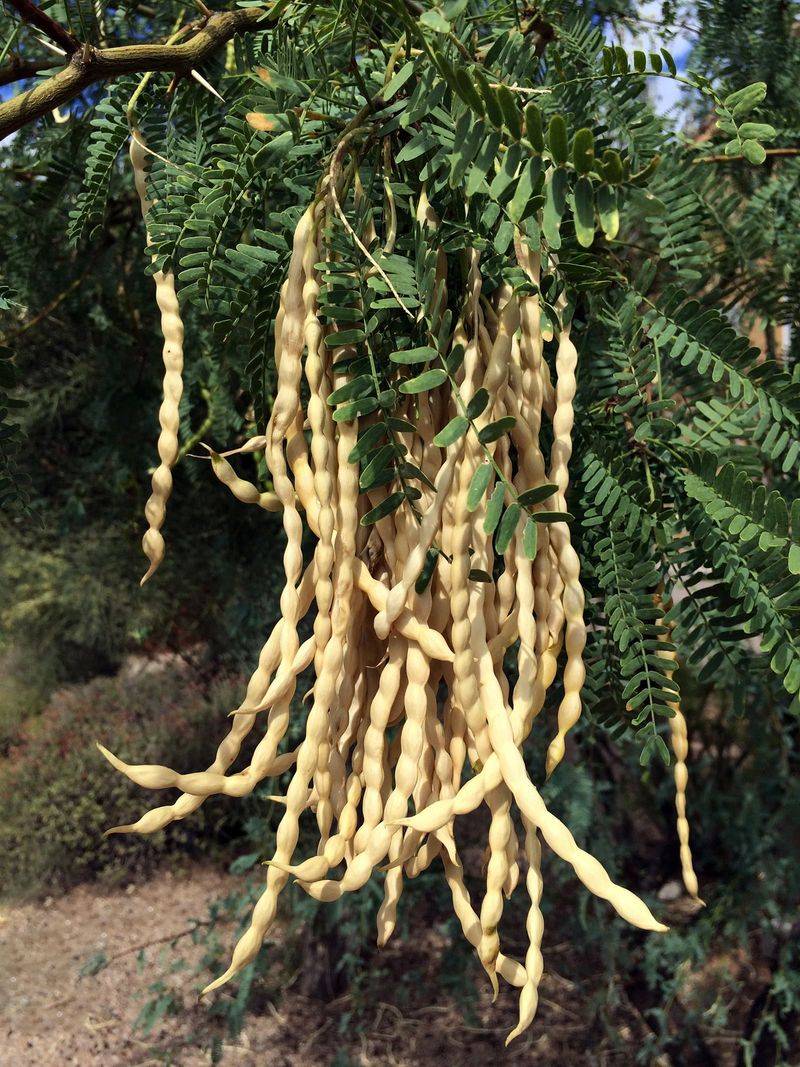
Tohono O’odham families have gathered mesquite pods for generations, grinding them into a naturally sweet flour for breads and porridge. Holding a handful of those tan pods at Thanksgiving feels like connecting with a much older harvest story.
Velvet mesquite, or Prosopis velutina, ripens its pods in summer, but many stay clinging to branches into fall. I gather the driest ones and pile them in a shallow wooden bowl with mini pumpkins for an earthy look.
Personally, I love the twisted dark branches too, especially small pruned pieces with interesting bends and knots. A single gnarled twig laid down the table runner looks like something from a fancy design magazine, yet costs nothing.
Birds treat mesquite canopies like apartment buildings, nesting and roosting while hunting insects hiding in the bark. Quail and doves also feed on fallen pods, so leave some under the tree for your feathered neighbors.
Established trees usually manage with deep monthly watering, and they provide welcome shade over patios during hotter months. Avoid shallow frequent sprinkling, which encourages weak surface roots that leave trees vulnerable when strong monsoon winds arrive.
6. Palo Verde
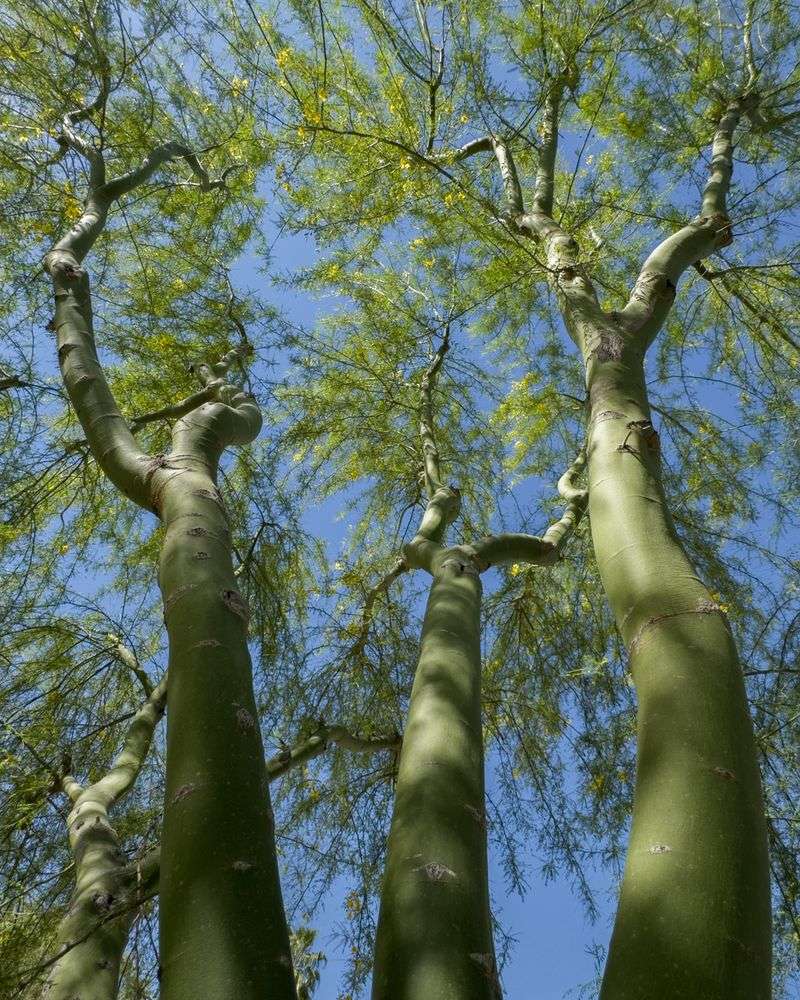
Green bark is the trick that makes palo verde unforgettable, because the branches themselves carry out photosynthesis. During drought, the tree can drop its tiny leaves and keep making food through that bright green skin.
That glowing color makes slender palo verde twigs a surprising accent for a Thanksgiving table filled with browns and oranges. I snip a few thin, spineless pieces and weave them around candle holders for a fresh splash of green.
The famous yellow flower show happens in spring, but leftover seed pods can still hang around for decorating. Look for pods that have dried to a papery tan color, then scatter them loosely near place settings.
Several types grow well here, including the Desert Museum hybrid, which has fewer thorns than its wild relatives. Foothills and blue palo verde are native to the Sonoran Desert, and both offer filtered shade with modest water.
Native palo verdes host local insects, and those insects feed birds and bats that cruise your yard at dusk. A light trim of interior twigs in fall works fine, though heavy pruning is better saved for cooler winter weeks.
7. Rosemary
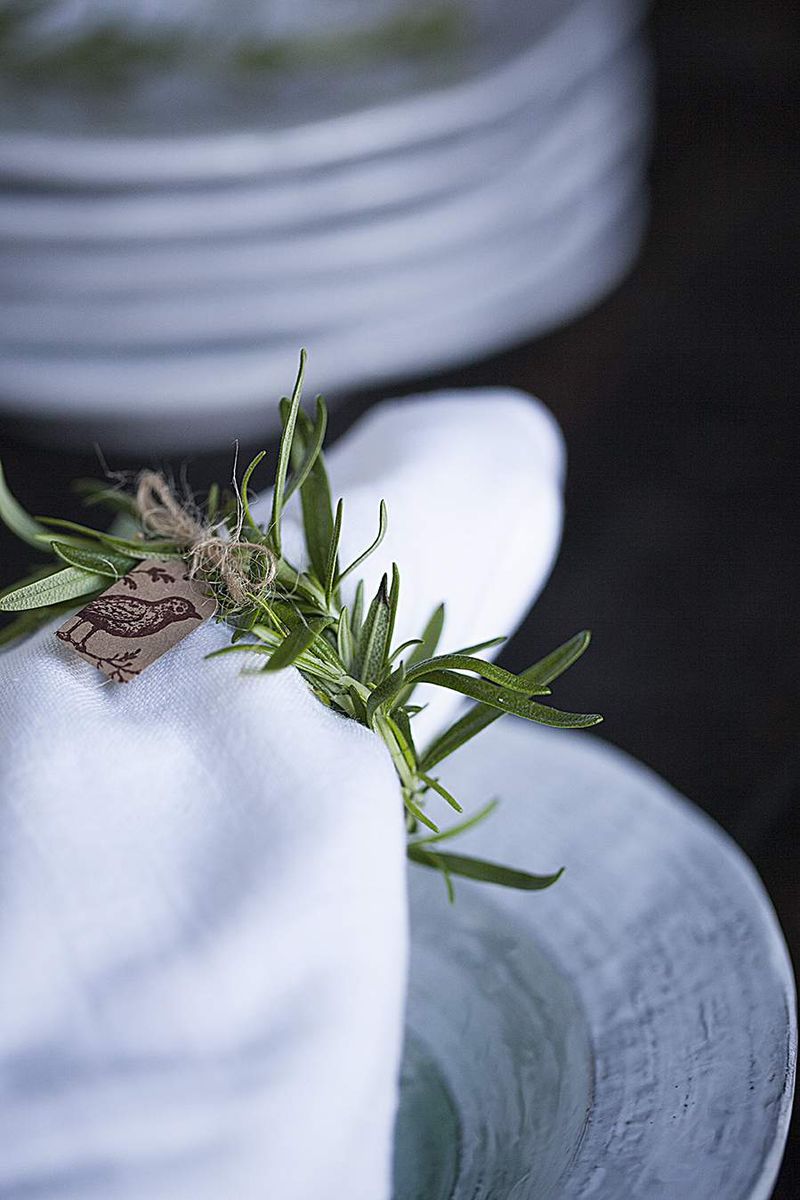
Brush past a rosemary hedge on a warm afternoon, and the piney scent follows you all the way inside. Few yard plants do double duty so well, flavoring the turkey while also decorating the table beside it.
Rosemary is a Mediterranean herb rather than a desert native, but it thrives in hot, dry gardens across the Southwest. Full sun and fast-draining soil suit it best, and established shrubs need only occasional deep watering here.
I like tying a short sprig around each folded napkin with plain kitchen twine before guests arrive. You might notice people lifting them to sniff, which turns a simple table detail into an easy conversation starter.
Longer stems can fill a low bowl, and the narrow leaves stay fresh for several days with a little water. Pale blue flowers often appear during cooler months, adding soft color that pairs beautifully with silver brittlebush leaves.
Bees visit those small blossoms eagerly, giving pollinators a snack when few other plants are flowering nearby. Some gardeners claim the strong scent bothers flies and mosquitoes, though that effect is modest outdoors, so enjoy it mainly for flavor.
8. Pink Muhly Grass
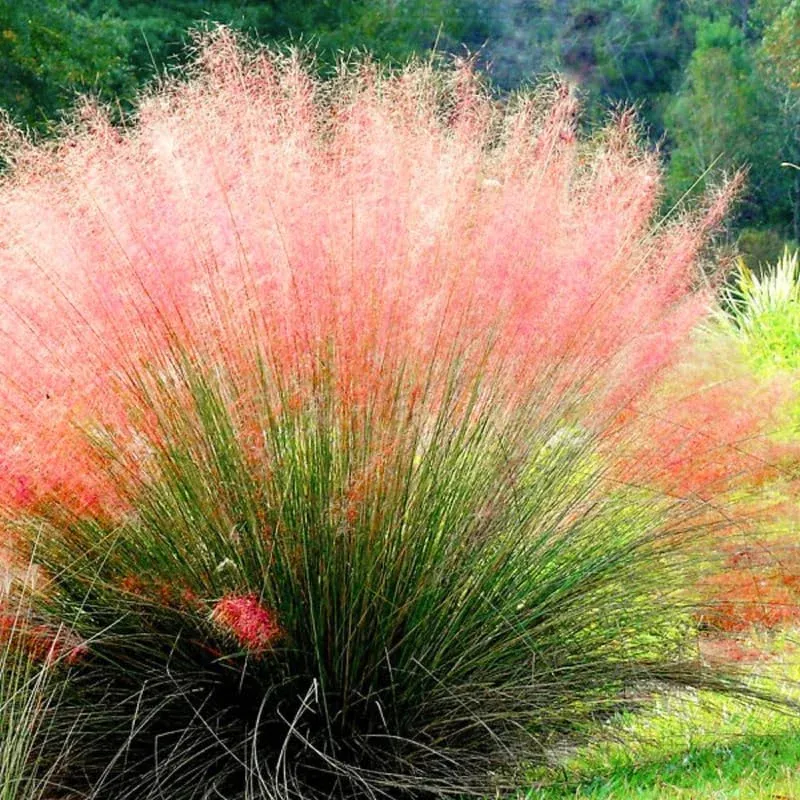
October is when pink muhly finally shows off, turning ordinary green clumps into clouds of rosy cotton candy. Backlit by late afternoon sun, those airy plumes almost seem to float above the gravel in my front yard.
Timing makes this grass a natural fit for Thanksgiving, since the plumes usually peak right around the holiday. I cut a handful of stems and place them in a tall vase, where they look soft and dreamy indoors.
Muhlenbergia capillaris is native to the eastern and central United States, yet it handles desert heat surprisingly well. Landscapers in Phoenix and Tucson use it widely, and it stays well behaved rather than spreading aggressively through gardens.
Give it full sun and well-drained soil, plus deeper watering during summer heat while roots get established. Wait until late winter to trim old foliage back, because fresh growth appears once warmer spring days return again.
Leaving most plumes in place helps small birds, which hide among the clumps and nibble on tiny seeds. Your vase gets a few fluffy stems, while sparrows enjoy the rest during the cooler months ahead.
9. Desert Spoon
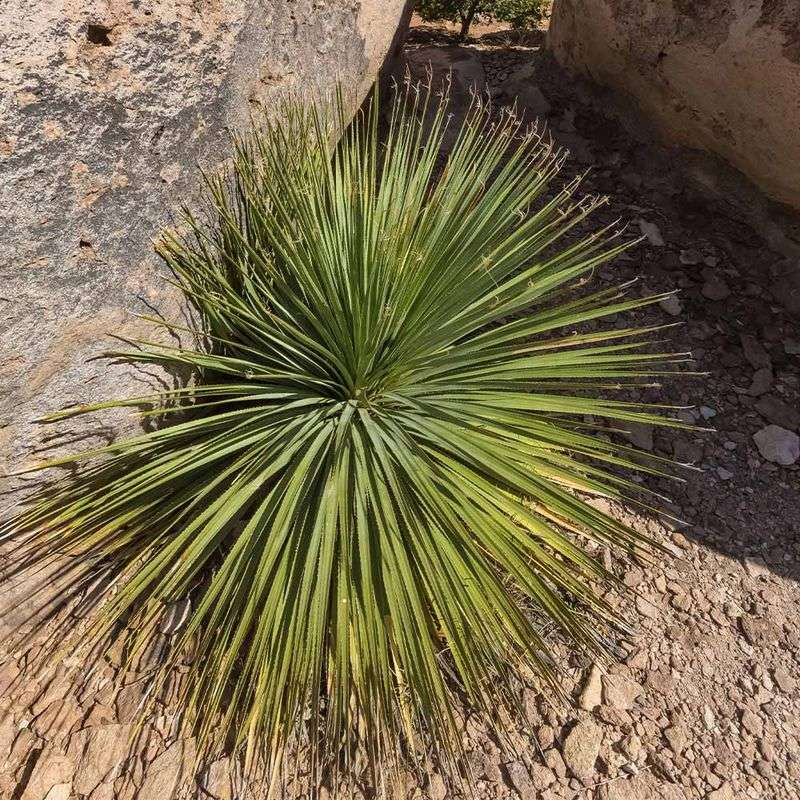
Pull a single leaf from a desert spoon, and you’ll find a smooth, cupped base shaped exactly like a serving spoon. Crafters have long dried these little spoons for wreaths and arrangements, which feels perfectly suited to a harvest table.
Dasylirion wheeleri is native to rocky slopes of southern Arizona, New Mexico, and northern Mexico. Its rosette of narrow, silvery leaves can reach several feet across, creating a spiky starburst that looks dramatic beside boulders.
I gather lower leaves that already loosen naturally, then trim the long blades down to show off the pale spoon. A cluster of them fanned around a candle looks rustic and clever, and guests rarely guess where they came from.
Wear sturdy gloves, because the leaf edges carry small hooked teeth that snag skin and sleeves surprisingly fast. Plant it in full sun with excellent drainage, and established plants rarely need more than occasional summer water.
Older plants eventually send up a tall flower stalk, which draws bees and other pollinators to the cream-colored blooms. You might also notice lizards basking near the base, enjoying the warm rocks and shelter tucked underneath the rosette.
10. Engelmann’s Prickly Pear
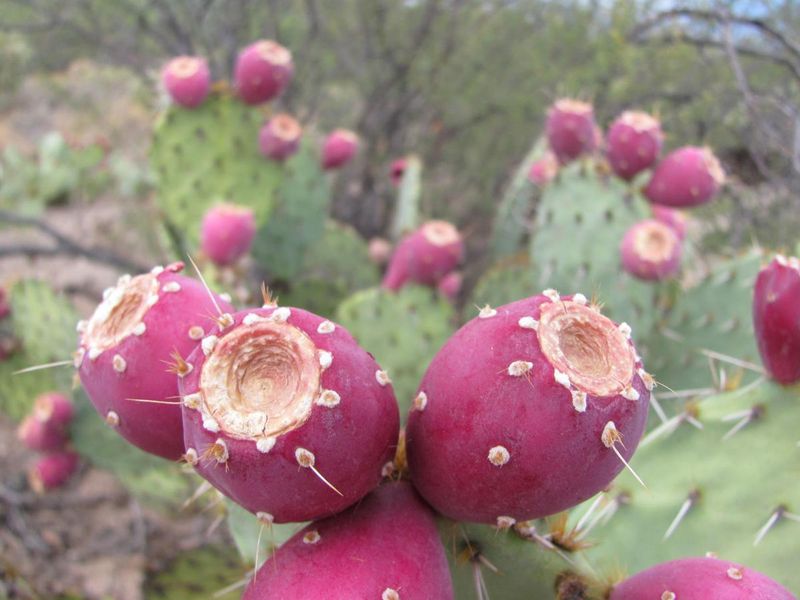
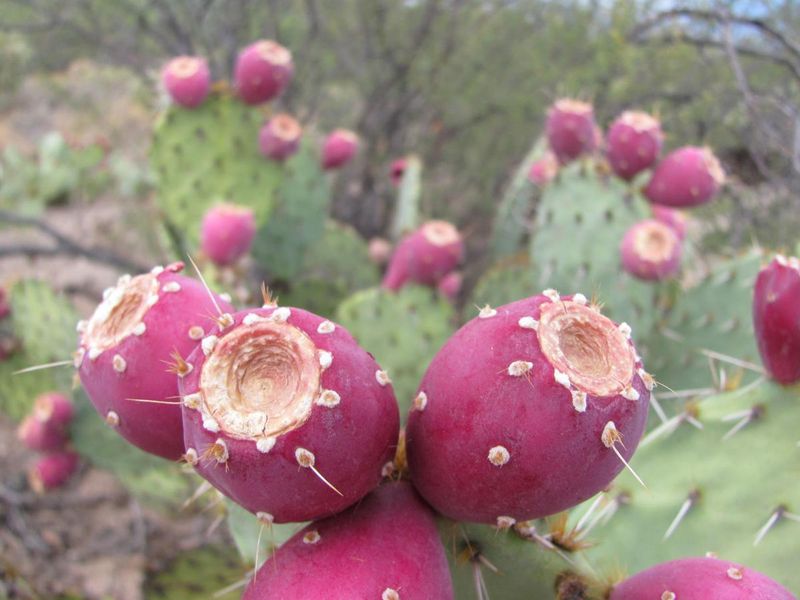
Deep magenta fruits perched on flat green pads look almost like someone glued holiday ornaments onto a cactus. Engelmann’s prickly pear ripens those fruits in late summer, and some often linger on the pads into early fall.
A few ripe fruits in a shallow dish bring rich jewel color that matches cranberry sauce surprisingly well. I use kitchen tongs to pick them, because tiny hairlike spines called glochids stick to fingers very easily.
Opuntia engelmannii is native across the Sonoran Desert, so it shrugs off heat and drought with almost no help. Plant pads in fast-draining soil and full sun, and water rarely once roots take hold in warmer months.
Wildlife adores this cactus, with javelinas, birds, and even tortoises feasting on fallen fruit in many neighborhoods. Roadrunners sometimes hunt lizards around clumps, which is a fun bonus if you enjoy watching yard visitors.
Before adding fruits to the table, rinse them well and set them on a plate rather than linen. The bright juice stains readily, and you’ll want that color in your arrangement, not soaked into Grandma’s favorite tablecloth.