Why Now Is The Moment To Plant Mums In Ohio For Blooms Until Frost

The garden centers are stacking mums by the entrance again, and it’s tempting to grab one just for the color and figure out placement later. Timing matters more than most people think here, and right now is later in that window than it feels like.
Mums need real time in the ground before they bloom, and before cold weather slows everything down. Plant too late and the show gets cut short, sometimes before it even gets going.
Plant now, while soil is still warm and there’s real growing season left, and the payoff is different. Steady color that holds right up until frost finally ends it, instead of a rushed bloom that fades fast.
Ohio’s fall window for this isn’t long. What actually determines whether a mum blooms for weeks or barely blooms at all comes down to a handful of details most people get wrong at the garden center.
1. Plant Fall Color Before Frost Arrives

Timing is the whole ballgame with fall mums in Ohio. Garden centers start stocking them in late summer, and that early window is the sweet spot for anyone who wants the plants to return next year.
In Northeast Ohio, early September is the target. Statewide, the rule of thumb is to get roots in the ground four to six weeks before a hard frost hits your area.
Why the rush? Roots need those warm September weeks to spread out and anchor themselves.
A plant that goes in during late October simply has not had time to build the underground network it needs when soil starts freezing and thawing all winter.
Late planting is one of the most common reasons newly planted mums struggle through their first winter. The plant was healthy, the label said hardy, but the roots never got established.
So treat this weekend like the endline it is. Buy your plants, dig your holes, and water them in while the soil is still holding summer warmth.
You get the immediate payoff of thick color on the porch and in the beds, plus a real shot at seeing those same plants push up green shoots next spring. Few garden tasks deliver that much for so little effort.
2. Choose Budded Plants For Longer Blooms

Here is the shopping mistake almost everyone makes: reaching for the mum that looks like a solid ball of open flowers. It photographs beautifully in the cart and fizzles two weeks later.
Pick the plant that looks slightly boring instead. You want a mound packed with tight, closed buds and only a handful of flowers already open.
Those buds are stored-up color. They unfurl gradually over several weeks, which stretches your display well into October instead of ending it by mid-month.
A plant covered in open flowers gives you immediate color, but one with more unopened buds usually provides a longer display. You are essentially buying the tail end of the show and paying full price for it.
While you are inspecting, flip the leaves and check the stems. Yellowing foliage, limp leaves, or long spindly stems all point to a stressed plant that was underwatered somewhere along the way.
Your Ohio Garden Changes Every Week. Your Plan Should Too.
Gardening in Ohio changes quickly throughout the season. Every Friday you’ll receive a simple weekly plan showing exactly what to plant, prune, fertilize, harvest, and protect so you never miss the right timing.
Give the pot a lift, too. A container that feels feather light has probably dried out more than once, and dried-out mums drop buds instead of opening them.
Pick two or three plants with the same bud stage if you want a coordinated look in a bed. Stagger the bud stages if you would rather have color rolling in waves from one plant to the next until frost.
3. Give Flowers Full Sun For Bigger Displays

Sunlight is the fuel behind every one of those blossoms. Mums planted where the sun hits hard produce noticeably more flowers than the same variety tucked beside a shady garage.
Aim for at least six hours of direct sun each day. Morning sun through mid afternoon works especially well in Ohio, since the light is strong but the plants get a break from late-day heat.
Skimp on light and you get thin, leggy growth with sparse flowers. Sometimes the buds form but stay stubbornly shut, never opening into anything worth looking at.
Watch your yard for a day before you dig. Shadows shift a lot between August and October as the sun drops lower and neighboring trees thin out.
A spot that looked shady in July may actually brighten up considerably once the oaks and maples start dropping leaves. That corner might be your best fall real estate.
Porch pots deserve the same thought. If your front steps face north and sit under a deep overhang, rotate those containers into the sun for part of each day or swap them out weekly.
South-facing beds along a driveway or foundation are usually the jackpot. Warm masonry radiates heat back at night, which can nudge blooms along a little longer.
4. Move Containers Into Garden Beds

Those thin black nursery pots are shipping containers, not homes. Roots inside are usually circling in a tight spiral by the time the plant reaches your car.
Getting mums out of that plastic and into real soil changes everything. Roots spread, moisture stays steadier, and the plant handles temperature swings far better than it would sitting on a hot concrete step.
Dig a hole about twice as wide as the pot and only as deep as the root ball so the crown sits at the same level it was growing in the container. Backfill with the existing soil mixed with compost if needed to improve structure.
Burying the stem too deep invites rot. Setting it too high leaves roots exposed to drying wind, so eye-level checks matter here.
Space plants 18 to 30 inches apart. That gap feels generous now, but mums fill out fast and crowded plants trap damp air between their leaves.
Good airflow between mounds is your best defense against fungal spots, mildew, and the insects that love humid, stagnant foliage.
Prefer containers? Upgrade to a wider decorative pot rather than leaving plants in the nursery liner.
More soil volume means fewer emergency watering runs on warm October afternoons.
Water thoroughly right after transplanting to settle soil around the roots and remove air pockets.
5. Water Deeply Through Warm Fall Days

Thirsty is the default setting for a mum. All those flowers and dense leaves pull water fast, and Ohio Septembers routinely serve up 80-degree afternoons that dry pots out by dinnertime.
Stick a finger into the top inch or two of soil each morning. Dry to the second knuckle means it is time to water, no matter what the calendar says about autumn.
Containers may need a drink every single day during a warm stretch. In-ground plants can usually go a few days, though a deep soak beats a light sprinkle every time.
Aim the hose or can at the base of the plant, right at soil level. Splashing water across the leaves and blooms invites fungal trouble and knocks petals loose.
Do not wait for drooping. Once a mum wilts, it often responds by dropping buds, and those buds do not come back.
The target is steadily damp soil, never soggy. Mums want good drainage as much as they want moisture, so check that pots have open holes at the bottom.
Morning watering gives foliage all day to dry off. Evening watering leaves leaves damp overnight, which is exactly the condition fungus enjoys most.
6. Protect Blooms From Early Frost Damage
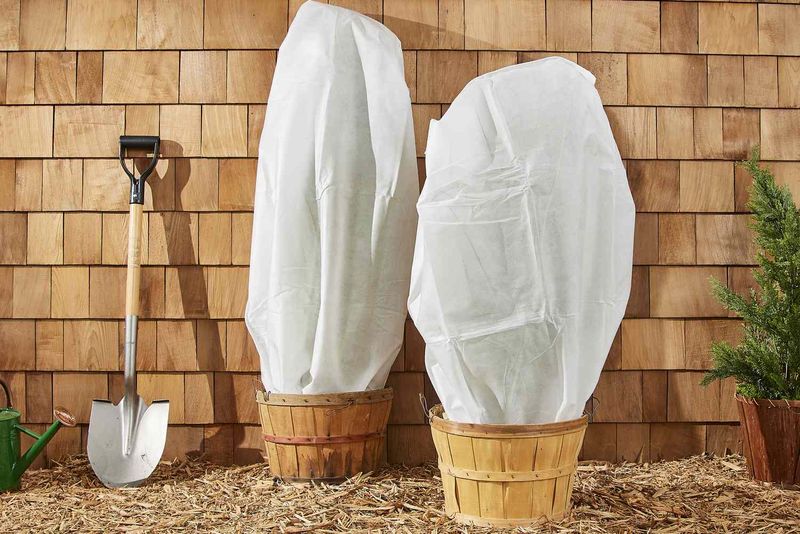
Ohio loves a surprise. One October night the thermometer dips, and by morning those velvety petals look scorched brown at the edges.
Mums handle chilly weather better than most fall flowers, but an early hard frost can still spoil open blooms. A little advance work keeps the color going for weeks longer.
Watch the forecast, and when a heavy frost is predicted, drape plants with an old bed sheet, a light blanket, burlap, cheesecloth, or a row cover. Cover before sunset so daytime warmth gets trapped underneath.
Skip laying plastic straight on the foliage. If plastic is all you have, prop it up on stakes or tomato cages so it never touches the petals.
Water the soil well that afternoon. Moist ground holds heat longer than dry ground and releases it slowly around the root zone overnight.
Potted mums have the easiest escape route. Slide them into a garage, shed, or covered porch for the night and set them back out once the sun climbs.
Pull covers off in the morning so plants get their sunlight and airflow. Leaving sheets on through a warm day traps humidity and undoes your good work.
Two or three rescue nights often buy you a full extra month of color.
7. Trim Spent Flowers For More Color

Ten minutes with your fingertips can add weeks to the show. Pinching off faded flowers, called trimming, is the least glamorous and most rewarding mum chore there is.
Removing spent flowers keeps plants looking fresh and directs energy toward remaining buds and overall plant health.
Snap or snip each tired flower just above the next healthy set of leaves. Clean cuts heal quickly and keep the mound looking tidy rather than chewed on.
Once a week during peak bloom is plenty. Grab a cup of coffee, walk the beds, and clear out anything brown or crispy while you enjoy the morning.
You will notice smaller buds hiding underneath the finished flowers. Removing the old growth lets sunlight reach them so they open on schedule instead of stalling.
The visual difference is immediate. A trimmed mum reads as fresh and full, while an untouched one takes on that rusty, past-its-prime look even when plenty of buds remain.
Toss the trimmings in the compost pile, not back onto the soil. Old petals sitting on damp ground can encourage mold around the crown.
Keep it up through October and your plants will still be putting on color when neighbors have swapped theirs out.
8. Mulch Roots Before Winter Temperatures Drop

Ohio winters do not just get cold, they get indecisive. Soil freezes, thaws during a January warm spell, then freezes again, and that push-pull can heave plants right out of the ground.
Mulch is the fix. A blanket over the root zone steadies soil temperature and holds moisture where the roots can reach it.
Timing matters more than material. In colder areas, a deeper layer of loose mulch around the crown can help protect overwintering plants.
Resist the urge to cut stems back in fall. Those dry stems trap snow and insulate the crown, and spring pruning gives plants a better shot at surviving a rough winter.
Shredded leaves work beautifully and cost nothing. Straw, pine needles, and bark mulch all do the job too, so use whatever your yard produces.
Come late March or early April, pull the mulch back so new shoots can find sunlight and the soil can warm up.
Skipping this step is how hardy varieties quietly fail to reappear.
9. Pick Hardy Varieties For Ohio Gardens

Not all mums are built the same, and the label tells you more than the flower color does. Ohio’s USDA zones generally range from 5b through 7a.
Look for tags that say hardy mum or garden mum, then double-check the zone rating printed on the back. The word hardy gets used loosely, so verification pays off.
Florist mums, the kind sold in foil-wrapped pots indoors, are a different animal. Those are bred for one glorious indoor season and rarely return outside.
Some standouts worth hunting down: Chrysanthemum x rubellum Clara Curtis, with soft pink daisy-style flowers, and its cousin Mary Stoker in creamy apricot.
The Mammoth series is a genuine workhorse, rated hardy all the way to zone 3 and capable of forming cushions three feet across after a few seasons.
Dixter Orange has a reputation for shrugging off cold that few others match. Overture brings red and yellow daisy blooms, Dernier Soleil glows yellow shifting to reddish orange, and Bienchen offers tidy yellow pompoms.
Fun bit of history: garden mums trace back thousands of years to Chinese cultivation, where they were grown as a herb long before anyone planted them by the porch steps.