Why Ohio Carrots And Kale Taste Sweeter After The First Frost
One frosty night can make a vegetable taste like it spent the evening dipping itself in sugar. Gardeners have bragged about this for generations, and plant scientists say they are right.
The cold does not ruin certain crops. It flips a switch inside them, and the flavor shifts within days.
I still remember pulling one orange root on a frosty Ohio morning and wondering if someone had swapped it for candy.
You might have tasted the difference at a farmers market without knowing why. Late-season greens can lose their harsh edge, and roots can turn crisp and sweet.
I think it is one of the best rewards of the whole gardening year.
The secret behind that extra sweetness lies in how certain plants respond to freezing temperatures. The answer involves chemistry, survival, and a little patience on your part.
1. Frosty Carrot Roots Are Hiding A Clever Survival Trick
Plants cannot pull on a coat when the weather turns cold. Instead, carrots and kale change what is going on inside their cells, and that shift is the heart of the sweetness story.
Scientists call this process cold acclimation. As days shorten and nights cool, these crops start getting ready for freezing weather.
They do this slowly over days and weeks, which is why a steady chill matters more than one sudden cold snap.
The biggest danger for any plant in freezing weather is ice forming inside its cells. Sharp ice crystals can tear cell walls apart, leaving leaves mushy and roots soft.
Tender crops like tomatoes and peppers have no real defense against this, so they collapse after a hard frost.
Carrots and kale come from a different playbook. Their wild relatives grew in cool climates, so they carry a built-in toolkit for handling cold nights.
Kale belongs to the cabbage family, while carrots are related to parsley and celery.
I love that the tastiest part of fall gardening is really a side effect of a plant protecting itself. The flavor you enjoy is a clue that the plant is working hard to stay healthy as winter creeps closer.
2. Stored Starch Turns Into Natural Plant Antifreeze
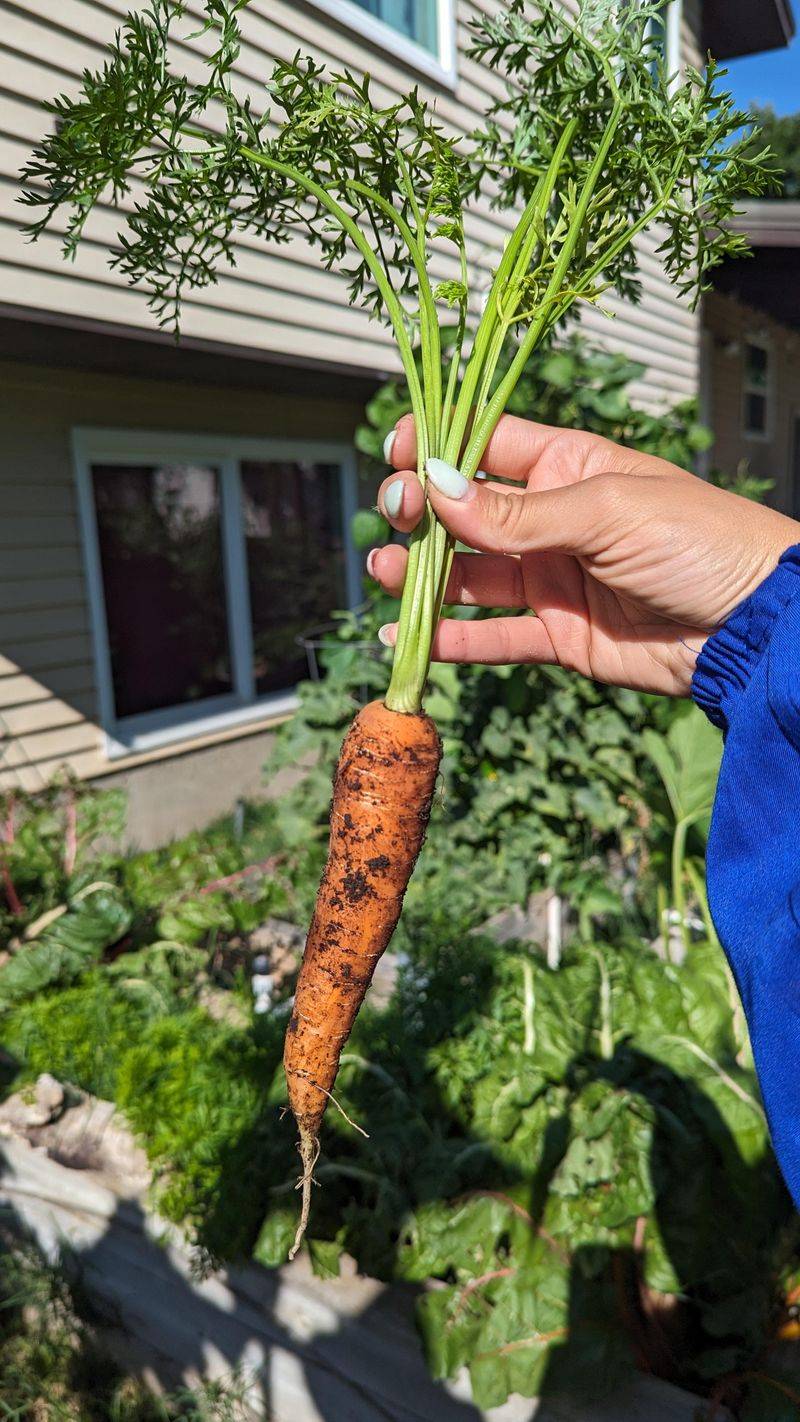
Sugar is the secret ingredient here. When temperatures drop, carrots and kale break down stored starch into simpler sugars like sucrose, glucose, and fructose.
Those sugars dissolve in the water inside plant cells. Just like salt on an icy sidewalk, dissolved sugar lowers the temperature at which water freezes.
That gives cells extra protection, so ice is less likely to form and cause damage.
Starch itself does not taste sweet to us. Once it turns into sugar, though, your tongue notices right away.
That is why a carrot pulled in late October can taste so different from one pulled in August.
Research on cold-hardy vegetables has measured this rise in sugar many times. University extension services often point to it when explaining why fall crops taste better.
The effect is real, though the size of the change depends on the variety and the weather.
A fun way to test it yourself is a simple taste trial. Pull one carrot before your first frost and save it in the fridge.
Pull another a week or two after a few frosty nights, then taste them side by side. Your family might be surprised by the winner.
3. Bitter Kale Leaves Mellow Out After Chilly Nights
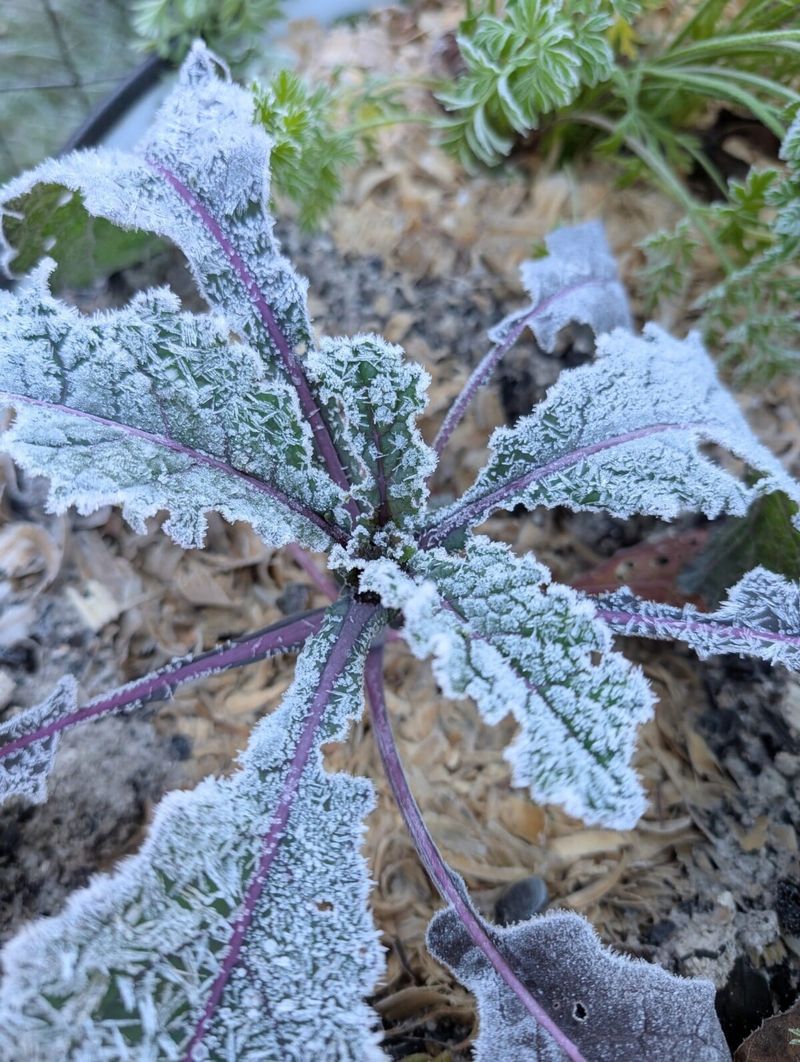
Summer kale can taste a little harsh, almost like it is arguing with your salad. A few cold nights can calm that flavor down in a big way.
Kale contains natural compounds called glucosinolates. These sulfur-based chemicals give cabbage-family plants their sharp, slightly bitter bite.
Hot weather and stress tend to make that bitterness stronger.
When cool weather arrives, kale builds up more sugar in its leaves. That extra sweetness balances the bitter notes, so the leaves taste milder and rounder.
Some studies also suggest cool conditions can change bitter compound levels, but the sugar boost is the best-supported reason for the flavor shift.
Texture often improves too. Many gardeners find frost-kissed leaves feel more tender in quick sautés and soups.
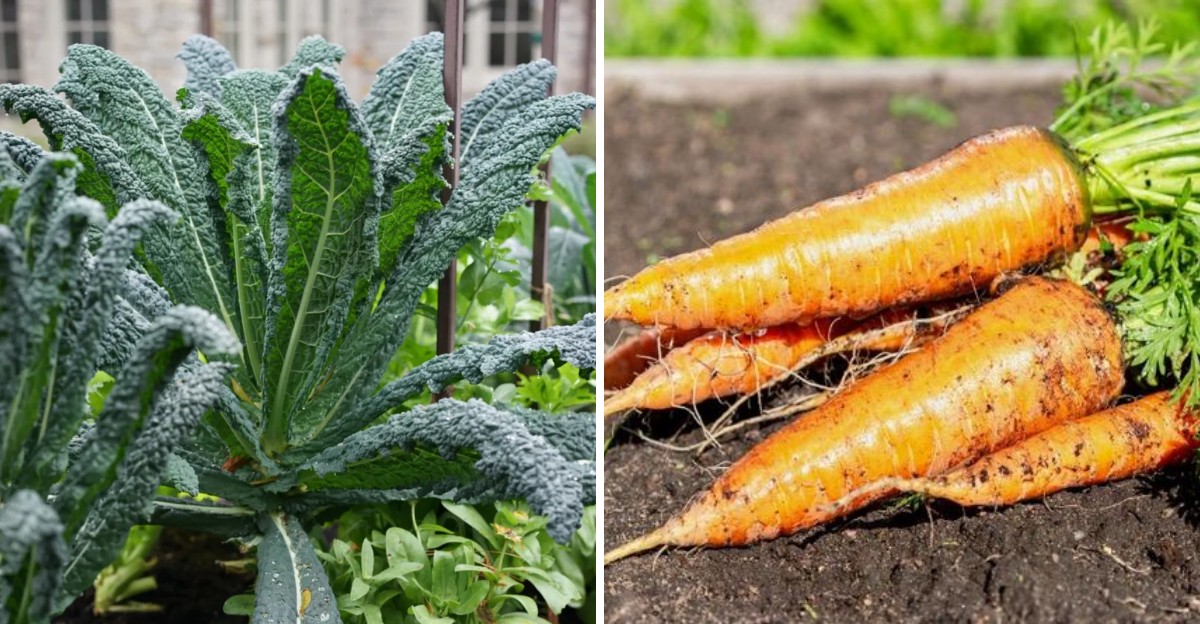
Varieties like Lacinato, Red Russian, and Winterbor are well known for handling cold. Healthy, established kale can often take temperatures in the low 20s Fahrenheit, and sometimes lower, before leaves show serious damage.
One handy tip is to wait until frozen leaves thaw before you pick them. Handling icy leaves can bruise them.
By late morning, they usually soften back up and are ready for the kitchen.
4. Carrots Get A Double Flavor Boost In Cool Soil
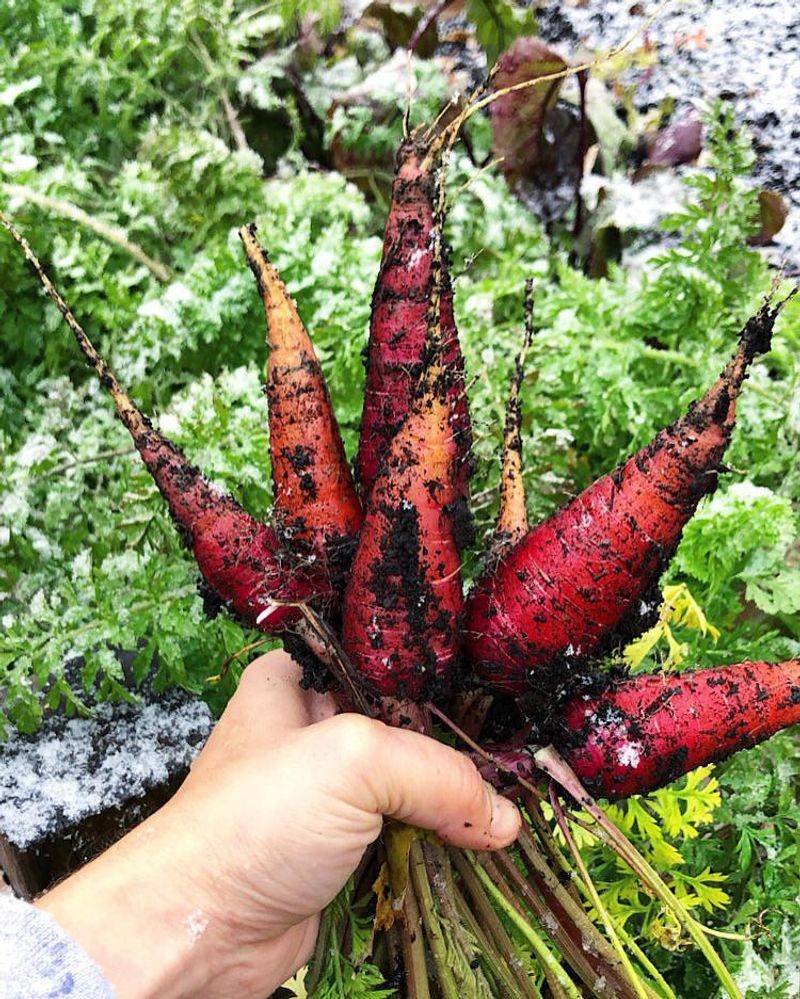
Carrots have an extra trick that kale does not share. Along with more sugar, cool weather affects the compounds that give carrots their earthy or harsh taste.
Those compounds are called terpenes. They are aromatic chemicals, and in large amounts they can make a carrot taste soapy, piney, or bitter.
Research suggests carrots grown in hot conditions tend to carry more of these strong flavors.
When soil temperatures fall in autumn, the balance often tips toward sweetness. More sugar plus fewer harsh notes creates that clean, candy-like crunch many gardeners rave about.
Soil acts like a cozy blanket for roots. Even when the air drops below freezing at night, the ground usually stays warmer for a while.
That lets carrots enjoy cool conditions without freezing solid right away.
Variety still matters a lot. Some carrots are bred for sweetness, like Nantes types, and others are bred for storage.
If flavor is your main goal, look for seed packets that mention sweetness or fall harvest.
Also keep watering steady. Carrots that swing between dry and soaked soil can crack or develop odd flavors, which no amount of frost can fully fix.
5. Ohio Frost Dates Help You Plan The Sweetest Harvest
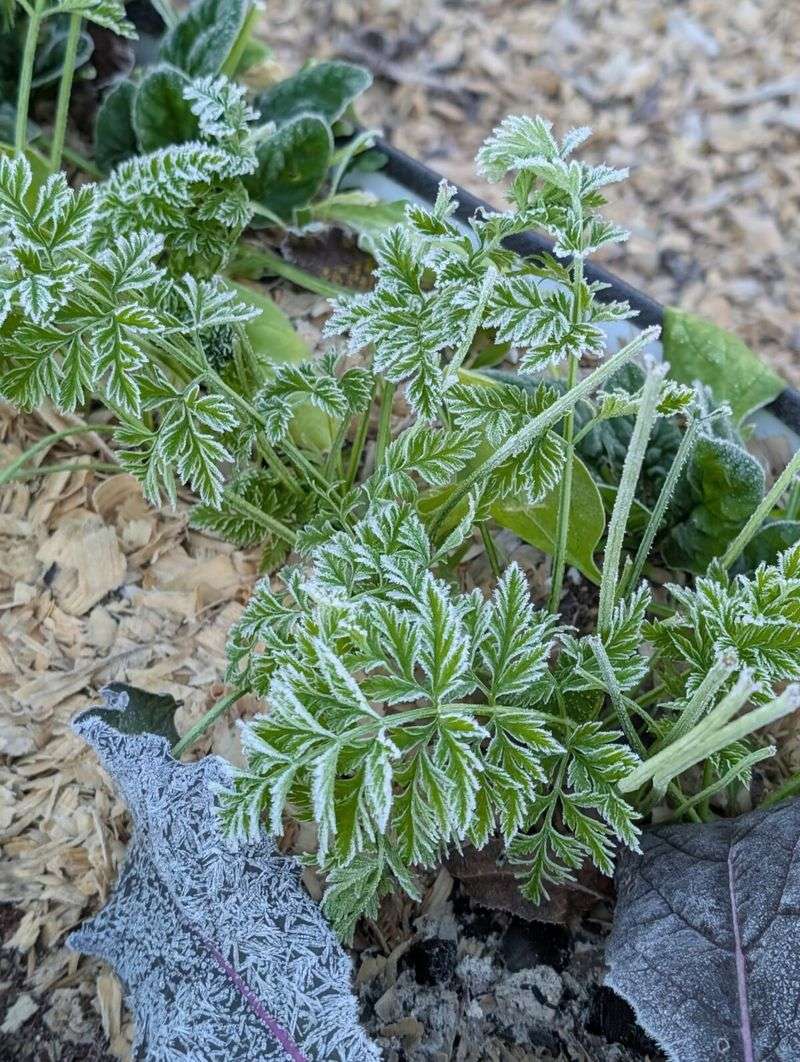
Timing is everything with fall sweetness. In much of Ohio, the average first fall frost lands in October, often somewhere in the middle of the month.
That date shifts across the state. Northern counties and higher areas usually chill earlier, while spots near Lake Erie can stay mild a bit longer because the lake holds summer heat.
Southern Ohio often sees its first frost later than the north.
Ohio falls mostly in USDA zones 5b through 7a. Those zones describe winter low temperatures, not frost dates, so check a local frost date tool or your county extension office for better planning.
Planting time matters just as much. Fall carrots are usually sown in mid to late summer, about 10 to 12 weeks before the expected first frost.
Kale transplants often go in during late July or August.
The goal is mature plants by the time cold weather arrives. A full-grown carrot or a sturdy kale plant has more stored energy to turn into sugar.
I like to jot down my frost dates in a notebook each year. After a few seasons, you get a feel for your own backyard patterns.
6. A Thick Layer Of Straw Mulch Keeps Carrots Ready To Dig
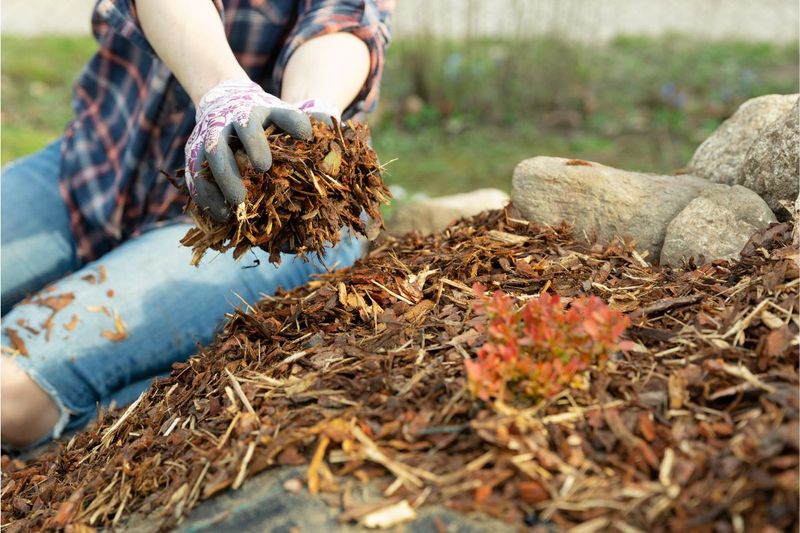
Leaving carrots in the ground after frost is a smart move, but frozen soil can turn harvesting into a wrestling match. A simple mulch blanket solves much of that problem.
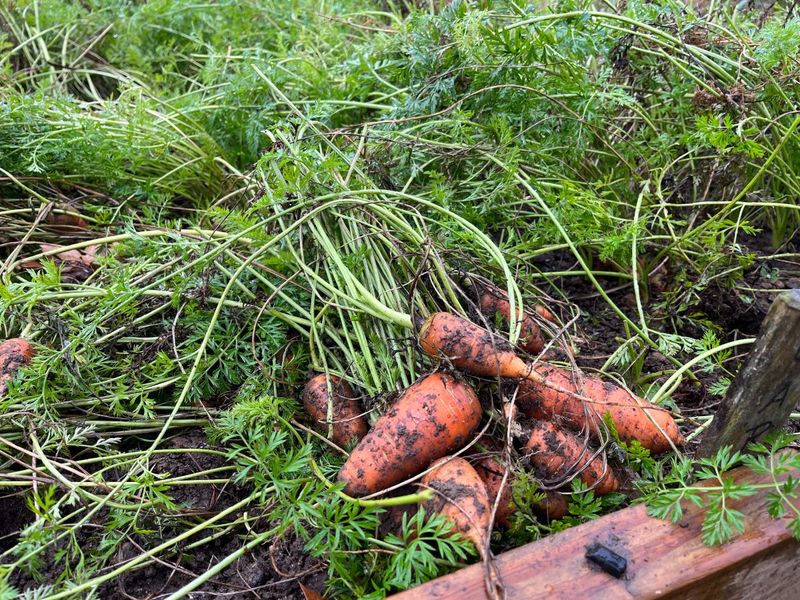
Once nights get cold, spread a thick layer of straw or shredded leaves over your carrot bed. Many gardeners use 8 to 12 inches.
That covering slows soil freezing and keeps roots easier to dig.
Use straw rather than hay when you can, since hay often carries weed seeds. Shredded leaves from your own yard are free and work well too.
In milder parts of the state, mulched carrots can sometimes be harvested well into winter. In colder spots, the ground may still freeze hard during deep cold spells, so plan on digging most of your crop before January.
Kale needs a different kind of help. Floating row covers or low tunnels can trap a little warmth around the leaves and extend picking time by several weeks.
Keep an eye out for voles hiding under thick mulch. These small rodents enjoy carrots just as much as you do.
Checking the bed now and then helps you spot trouble early.
7. Hard Freezes Can Still Push Kale And Carrots Too Far
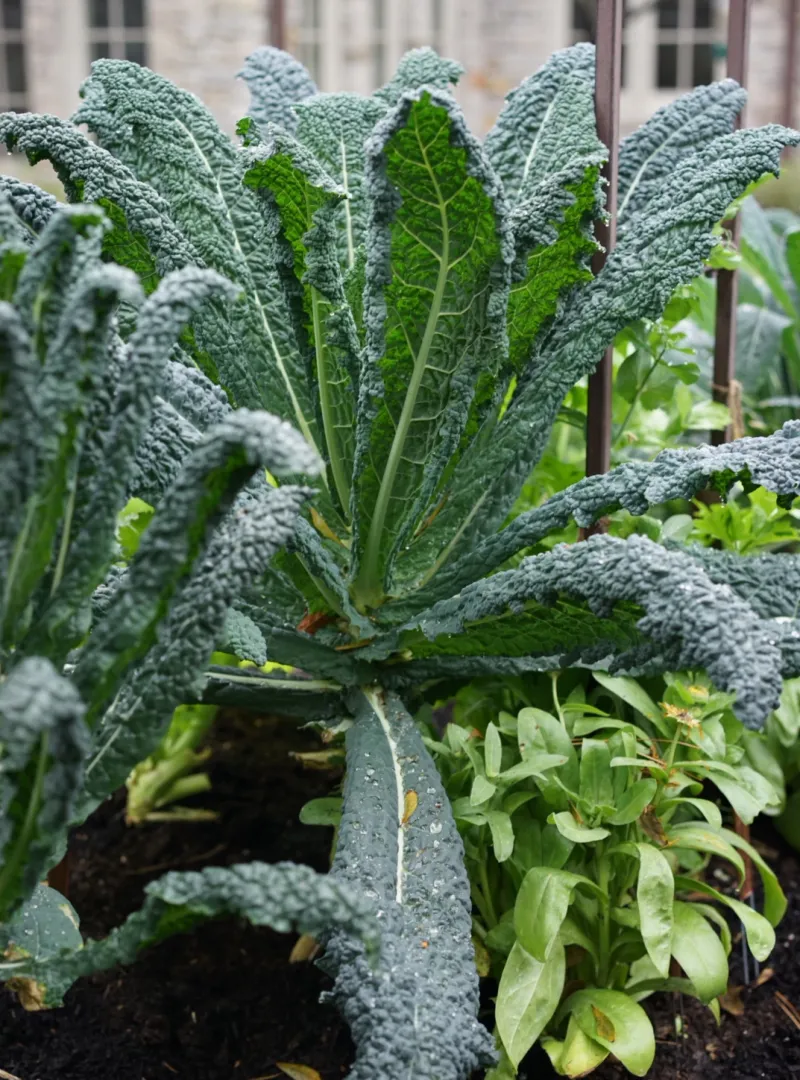
Cold-hardy does not mean cold-proof. Light frosts sweeten your crops, but a deep, sudden freeze can still cause real damage.
A light frost usually means temperatures around 29 to 32 degrees Fahrenheit. A hard freeze is often defined as 28 degrees or lower for several hours.
Kale and carrots handle the first type with ease and often survive the second, especially after gradual cooling.
Trouble often comes from fast swings. A warm week followed by a single plunge into the teens gives plants little time to prepare.
That is when you may see limp, darkened, or water-soaked kale leaves.
Carrot tops can look rough after hard cold, but roots below ground are usually better protected. Exposed shoulders sticking above the soil may get damaged, so hilling soil or mulch over them helps.
Watch the forecast through November and December. If a severe cold blast is coming, harvest a good supply ahead of time or add extra covers.
Damaged kale leaves can be trimmed away. New growth from the center often keeps coming during mild stretches, which feels like a bonus gift from the garden.
8. Your Fall Kitchen Deserves These Frost Sweetened Veggies
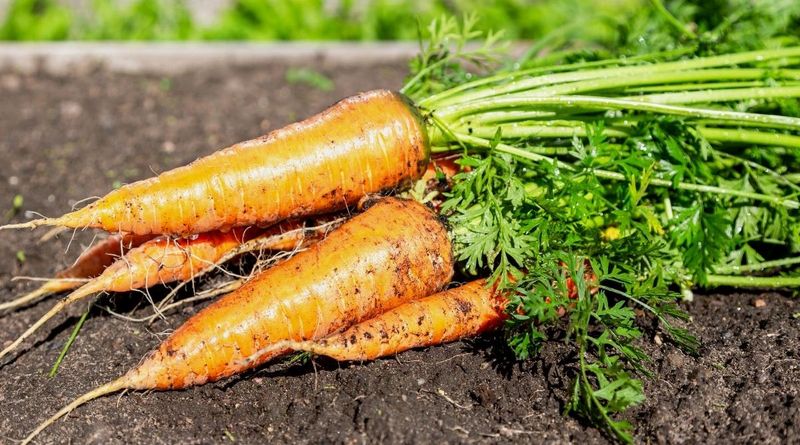
All that plant chemistry pays off at dinner. Frost-sweetened carrots and kale shine in simple recipes that let their natural flavor take center stage.
Roasting is my favorite trick for late carrots. High heat caramelizes their extra sugar, and a little oil and salt is often all they need.
Raw carrot sticks taste amazing too, especially for kids who usually skip veggies.
Kale picked after frost works beautifully in soups, stir-fries, and massaged salads. Rub torn leaves with a bit of olive oil and lemon for a minute, and they turn soft and friendly.
Store carrots smartly to keep that sweetness. Cut off the green tops, leave the roots unwashed, and keep them cold and humid in the fridge.
Tops pull moisture from roots, so removing them helps carrots stay crisp longer.
Kale keeps best wrapped loosely in a damp towel inside a bag. Use it within a week for the best taste.
Next season, try planting a fall row of both crops on purpose. Once you taste the difference cold weather makes, summer harvests may feel like the warm-up act for the real show.