Before the ground hardens, plant these 8 native Wisconsin wildflowers that need a cold winter to sprout
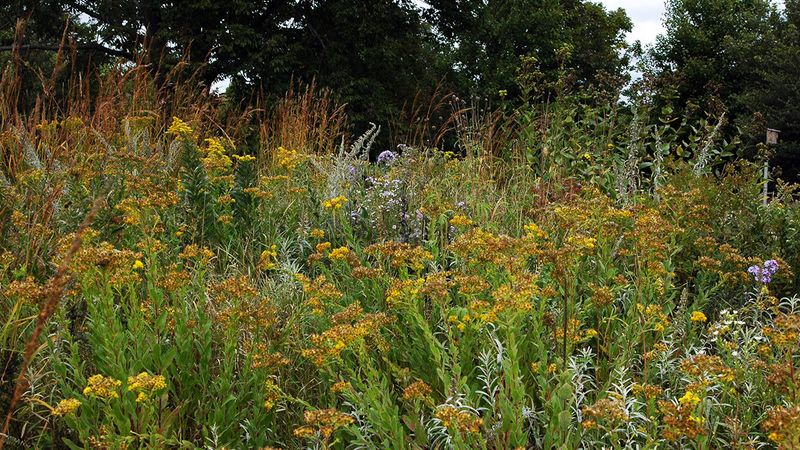
As the last leaves fall and the first frosts settle across Wisconsin, gardeners have a special window to get seeds in the ground. Many native wildflowers actually need a cold, freezing winter to wake up and sprout in spring.
By planting now, before the soil hardens, you let nature do the chilling work for you. Here are eight beautiful native wildflowers to scatter across your yard while there is still time.
1. Common Milkweed (Asclepias syriaca)
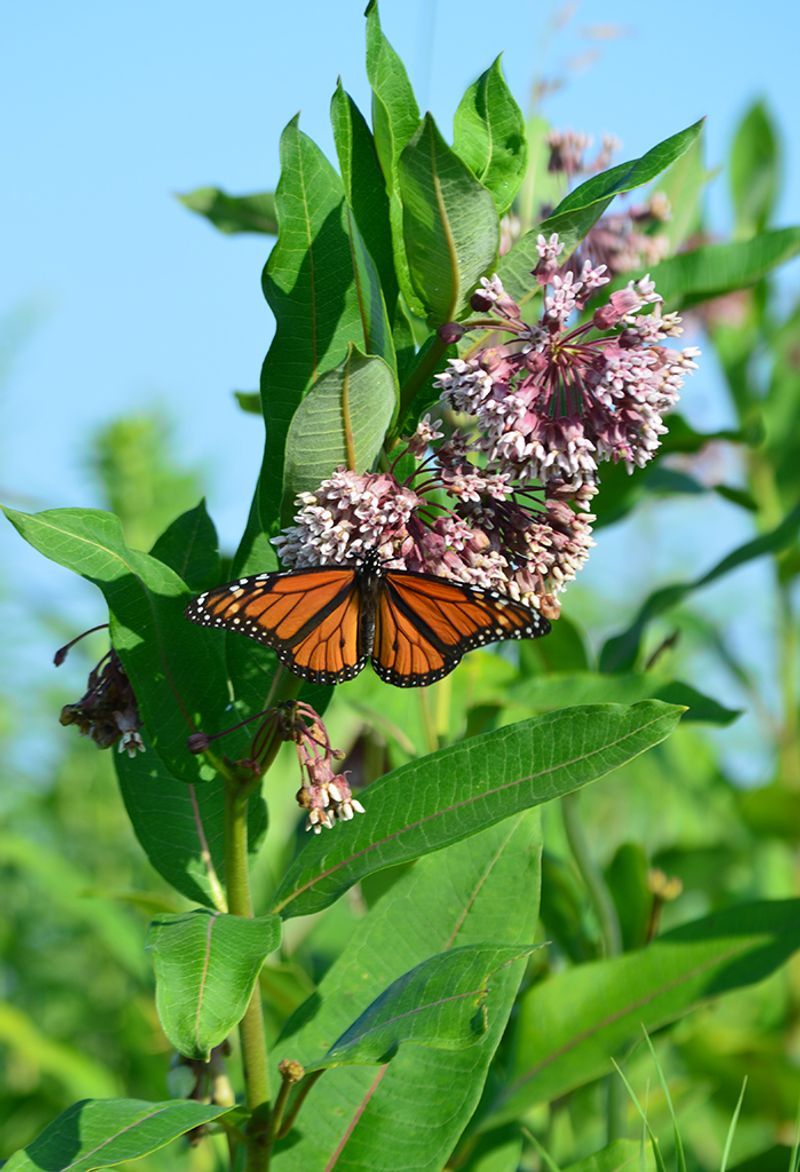
Ask any monarch butterfly where it likes to lay eggs, and common milkweed would be the answer. This Wisconsin native is the single most important host plant for monarch caterpillars, making it a garden hero.
Milkweed seeds need 30 to 60 days of cold, moist stratification at around 34 to 40 degrees Fahrenheit to break dormancy. Fall planting in Wisconsin hands them that chill naturally, so you skip the fridge trick many gardeners use indoors.
Press the flat brown seeds lightly into the soil surface rather than burying them, since they need a bit of light to germinate. Come spring, you will have sturdy stalks that feed both caterpillars and, later, bees drawn to the sweet pink flower clusters across Wisconsin gardens.
2. Purple Coneflower (Echinacea purpurea)
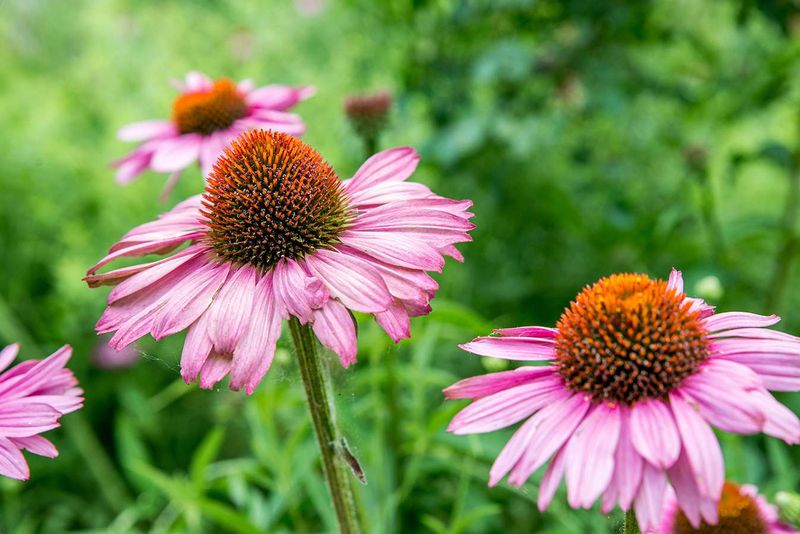
Few flowers say summer prairie quite like the purple coneflower, with its droopy pink-purple petals and spiky copper center. Pollinators adore it, and goldfinches will pick the seed heads clean by autumn.
While coneflower can sprout without a chill, it germinates far more reliably after 30 to 60 days of cold, moist stratification. Sowing seeds this fall in Wisconsin gives them that head start for a stronger spring showing.
Like milkweed, coneflower seeds want light, so scatter them on the surface and press gently instead of burying deep. A Wisconsin flower bed planted with these now will reward you with blooms tough enough to shrug off summer heat and drought.
3. Black-Eyed Susan (Rudbeckia hirta)
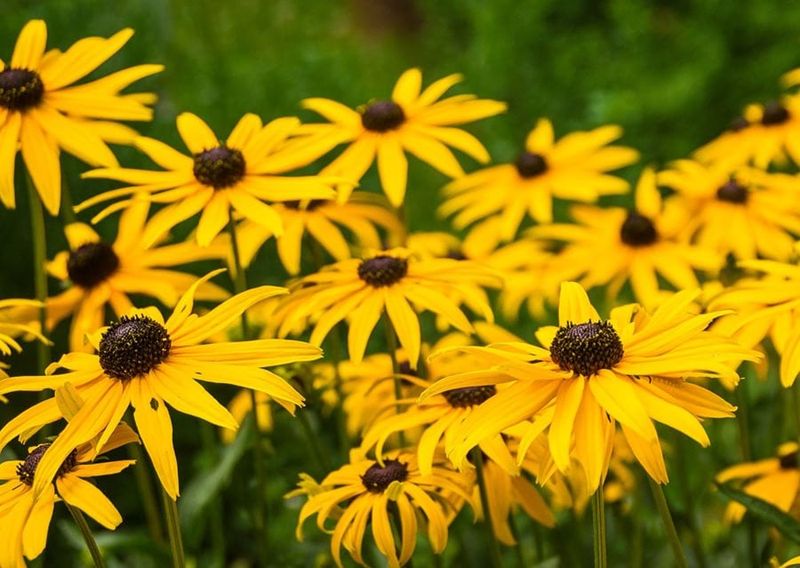
Cheerful is the word that fits black-eyed Susan best. Those golden petals ringing a chocolate-brown button pop up all over Wisconsin roadsides and gardens from midsummer into fall.
Most Rudbeckia seeds need at least 30 days of cold, moist stratification, though relatives like R. fulgida do better with a full 60. Plant them before the ground freezes and Wisconsin winter handles the timing for you.
Give the tiny seeds light to sprout by pressing them into the soil with just a thin dusting on top to hold moisture. Once warm spring days arrive, they can sprout in as little as one to two weeks, filling a bare Wisconsin patch with color fast.
4. Wild Bergamot (Monarda fistulosa)
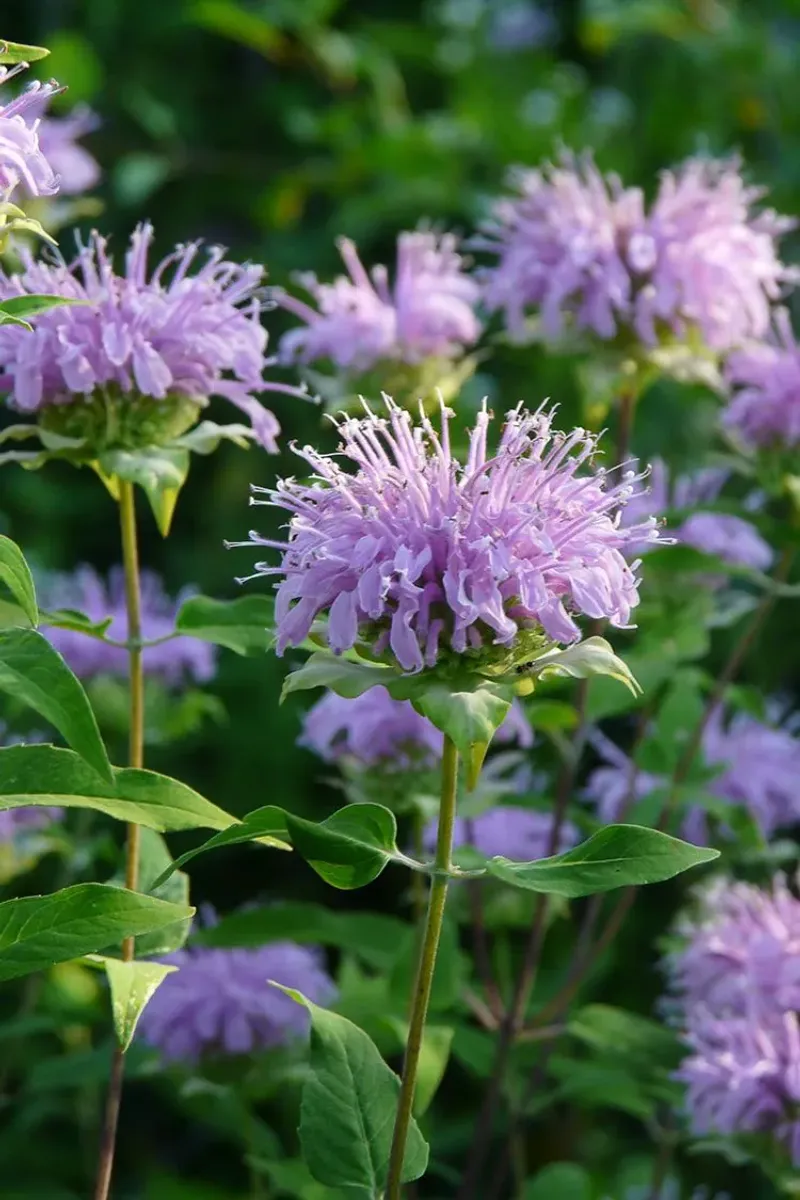
Crush a leaf of wild bergamot and you get a spicy, minty scent that hints at its old use in teas. Also called bee balm, this fragrant Wisconsin native throws up shaggy lavender crowns that bees, butterflies, and hummingbirds cannot resist.
Its seeds want at least 45 days of cold stratification before they will reliably germinate. Late fall sowing across Wisconsin delivers that long, steady chill through the coldest months.
Your Wisconsin Garden Changes Every Week. Your Plan Should Too.
Gardening in Wisconsin changes quickly throughout the season. Every Friday you’ll receive a simple weekly plan showing exactly what to plant, prune, fertilize, harvest, and protect so you never miss the right timing.
Wild bergamot spreads happily once established, so a small fall planting can grow into a buzzing patch within a couple of seasons. Plant it near a walkway in your Wisconsin yard where you can brush past and enjoy that herbal aroma.
5. Blue Vervain (Verbena hastata)
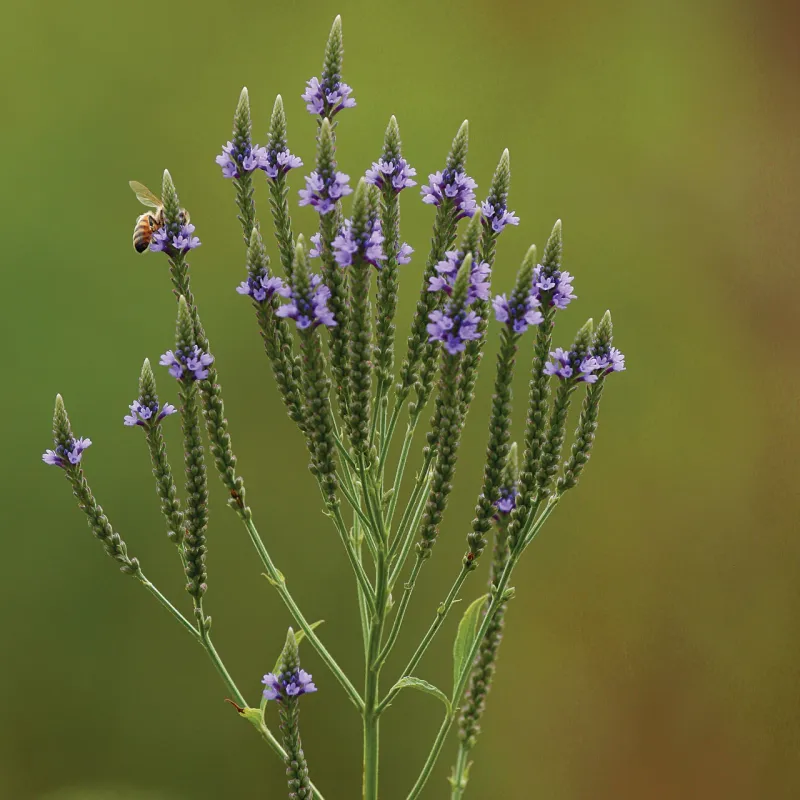
Standing tall and slender, blue vervain sends up candelabra-like spikes studded with tiny blue-purple blooms. It loves the damp, low spots where other flowers sulk, making it a smart pick for soggy corners.
The seeds lean heavily on cold treatment, needing at least 45 days of cold, moist conditions to wake up. Getting them into Wisconsin soil before it freezes is the surest way to hit that mark.
Pollinators flock to the small flowers, and the vertical spikes add welcome structure to a flower bed. If you have a rain garden or a wet ditch on your Wisconsin property, this is the native wildflower that will finally thrive there.
6. Stiff Goldenrod (Solidago rigida)
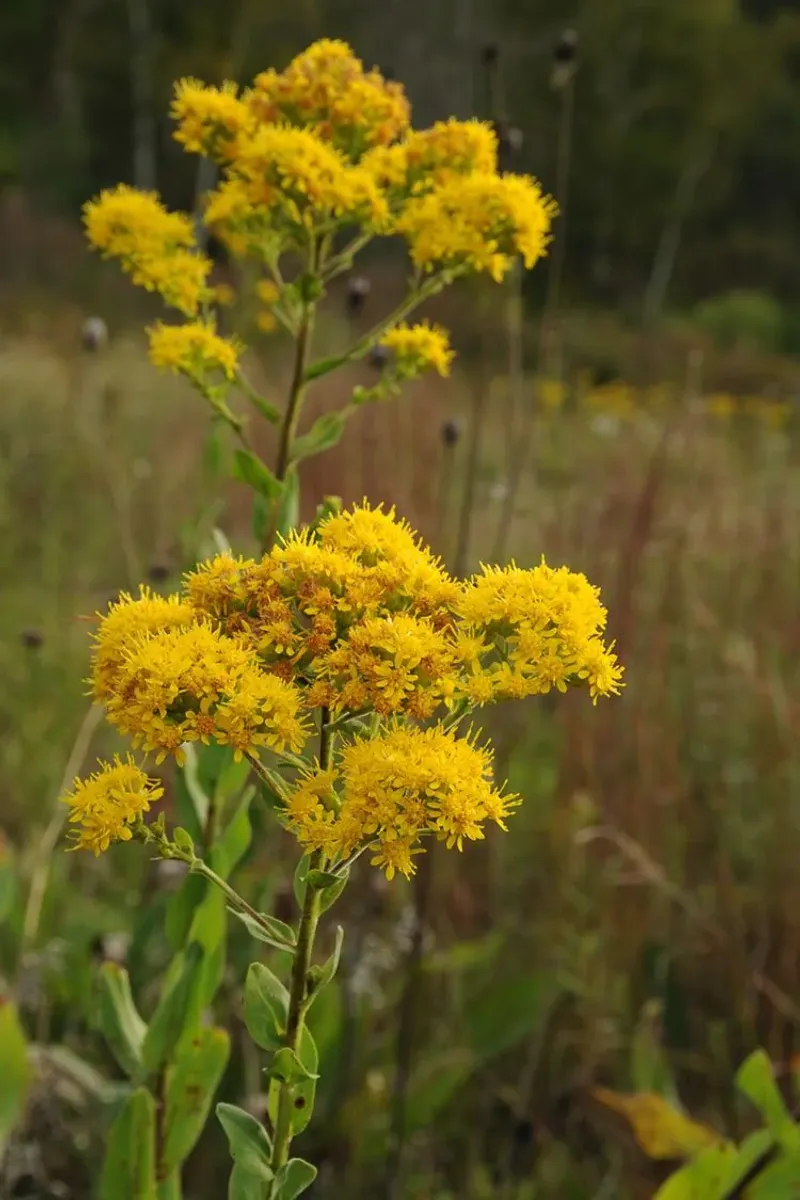
Goldenrod gets unfairly blamed for allergies, but the real culprit is ragweed nearby. Stiff goldenrod is actually a late-season lifesaver, offering flat golden flower clusters full of nectar when little else is blooming across Wisconsin.
These seeds generally need 30 to 60 days of cold, moist stratification to overcome dormancy. Scatter them in fall and the natural freeze-thaw of a Wisconsin winter does the rest.
The seeds are dust-fine and require light, so press them into the surface or simply scatter and let rain settle them in. For shady spots, try the related elm-leaved goldenrod, another Wisconsin native that brightens up dappled corners.
7. Smooth Blue Aster (Symphyotrichum laeve)
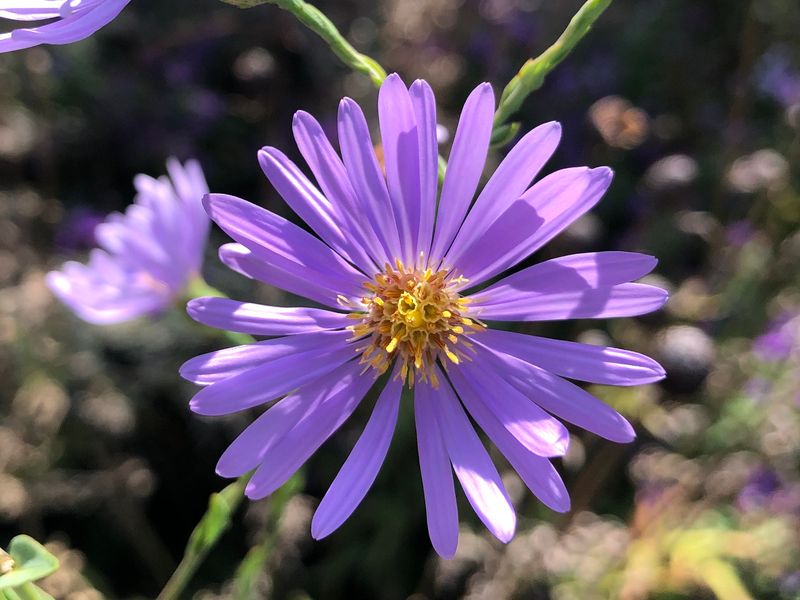
When frost threatens and most blooms have faded, smooth blue aster steps up with clouds of pale blue-purple daisies. That late timing makes it a crucial fuel stop for migrating butterflies and bees heading into fall.
The seeds need at least 45 days of stratification for good germination rates, and the closely related New England aster benefits from the same cold treatment. Planting in fall means they soak up the full stretch of a Wisconsin winter.
Pair smooth blue aster with goldenrod for a purple-and-gold finale that keeps your Wisconsin garden humming right up until hard frost. It is one of the easiest ways to stretch your bloom season into October.