The Bird Feeder Placement Mistake That Can Hurt Wisconsin Backyard Birds
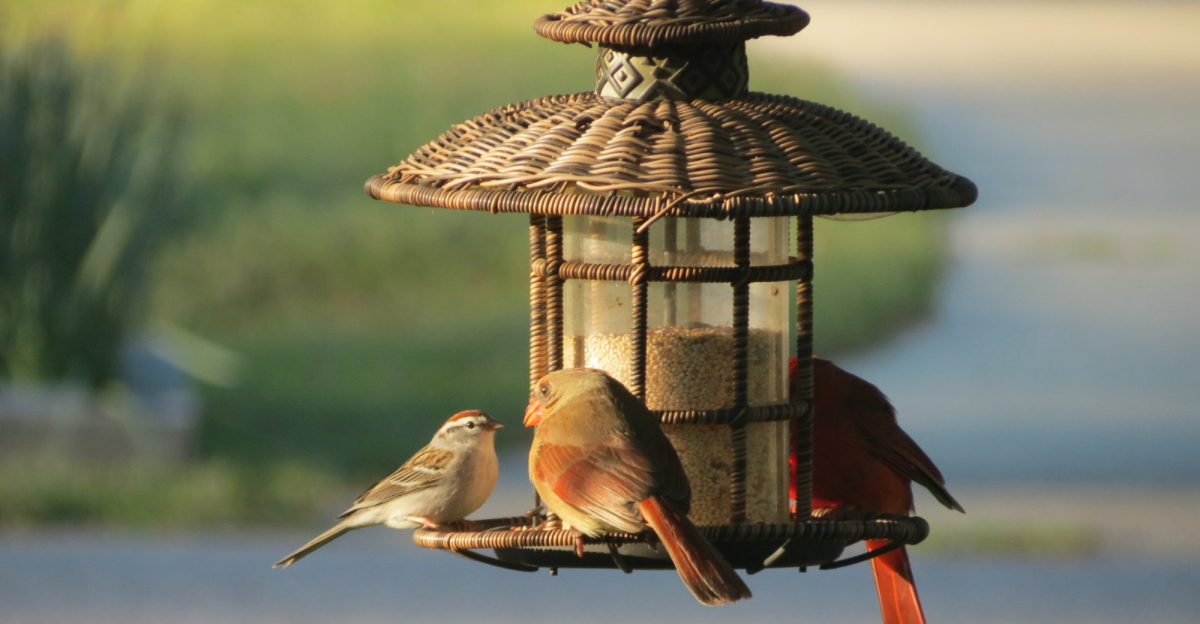
Glass confuses more songbirds than any predator in your yard. Wisconsin backyards hide a hazard most owners never notice.
Feeders placed too close to windows create constant confusion for visiting birds. Birds cannot see reflections the way you do.
Speed and surprise combine the instant wings take flight. Winters in Wisconsin push more visitors toward feeders than any other season.
Distance changes everything about outcomes near glass. Placement decisions happen fast, often without much thought.
Instinct tells you closer means better, though instinct misleads here. Experts measure safe zones using exact, specific criteria.
Nobody explains this before a collision ever happens. Each strike against your window carries consequences you may not see.
Something shifts the moment you notice the pattern. Fixing it takes minutes, not major renovations or expense.
Your yard could be working against the birds you love. A single number stands between your yard and every bird’s wellbeing.
Why Feeder Placement Matters More Than You Think
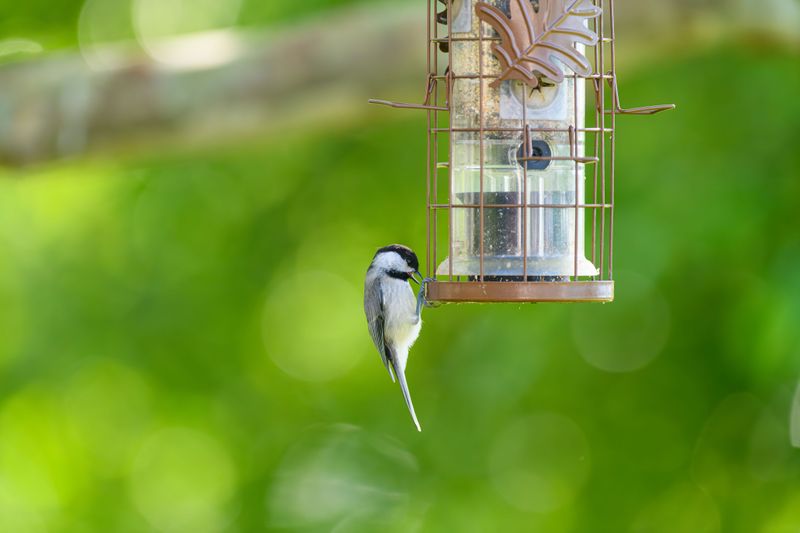
Your feeder is not just a snack bar. It is also a flight path, a landing zone, and sometimes a trap.
Most people focus on what seed to buy or which feeder looks nicest. Very few stop to ask where exactly the feeder should hang.
Bird feeder placement is one of the biggest factors in backyard bird safety. A poorly placed feeder can send birds straight into a window at full speed.
Windows look like open sky to a bird in flight. They reflect trees, clouds, and light in ways that fool even the sharpest-eyed songbird.
American Bird Conservancy estimates up to one billion birds collide with windows each year in the U.S. alone. That number is staggering, and backyard feeders play a big role.
When a feeder sits in what experts call the danger zone, birds build up too much speed before hitting glass. The result is a hard, fast strike that can cause serious harm.
Knowing the right placement is not complicated once you understand the basic rule. It just takes a small shift in thinking before you hang that next feeder.
Wisconsin backyard birds like cardinals, chickadees, and nuthatches are especially active near feeders from fall through spring. That means more traffic, more flight paths, and more chances for a dangerous mistake.
Good placement protects the birds you love to watch. It also makes your backyard a lower-risk space instead of an accidental hazard.
The Danger Zone Distance Most People Get Wrong
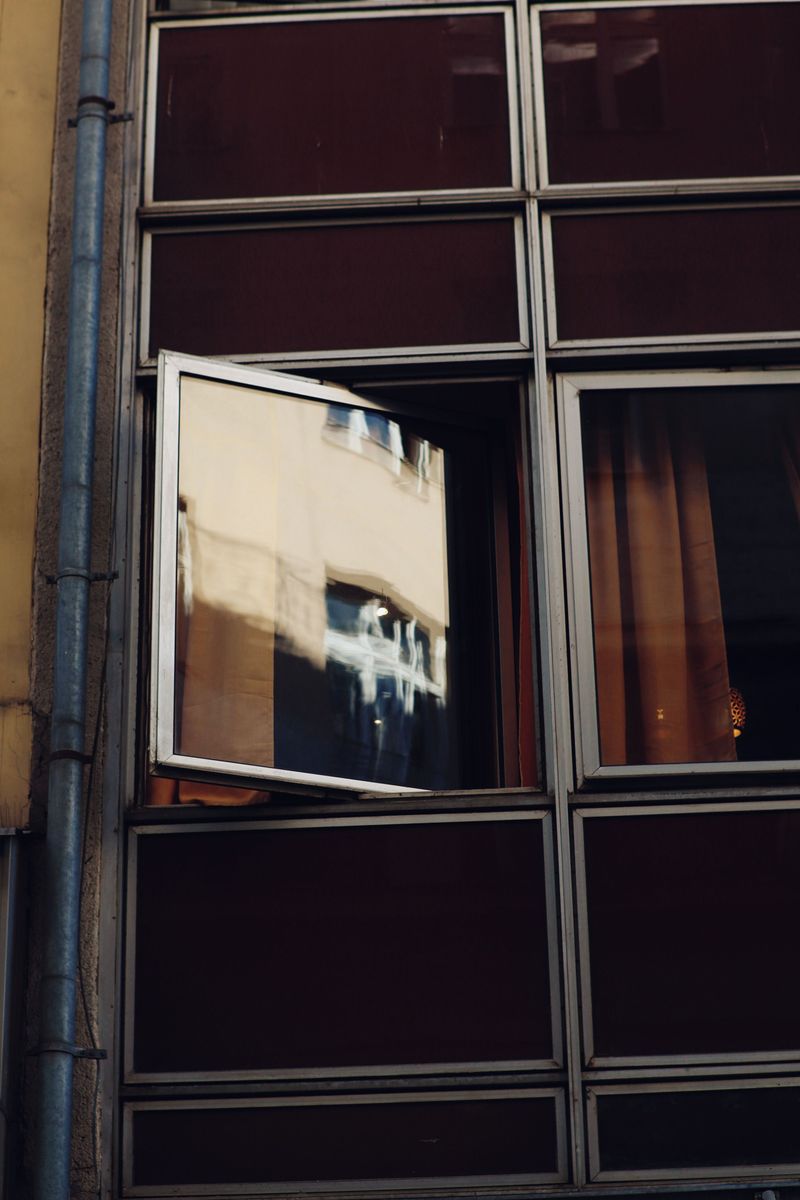
Most people hang their feeders wherever looks good. That instinct, unfortunately, lands feeders right in a genuinely risky spot.
The danger zone sits between three and thirty feet from any window. Feeders placed in that range give birds just enough room to build up speed before impact.
At that distance, a startled bird launches off the perch and gains enough speed to cause real injury before hitting glass. The strike happens too quickly for the bird to course-correct.
Bird feeder placement in this zone is a remarkably common backyard mistake across the country. Most homeowners have no idea the range even exists.
Your Wisconsin Garden Changes Every Week. Your Plan Should Too.
Gardening in Wisconsin changes quickly throughout the season. Every Friday you’ll receive a simple weekly plan showing exactly what to plant, prune, fertilize, harvest, and protect so you never miss the right timing.
A feeder at fifteen feet from a window feels like a safe, visible distance to a human. To a flying bird, fifteen feet is just a short burst of speed away from a hard impact.
Studies by ornithologist Dr. Daniel Klem Jr. helped establish this danger range decades ago. His research changed how wildlife experts advise backyard birders about feeder setup.
The fix is not complicated, but it does require moving your feeder to one of two safer zones. You either go much closer to the glass or much farther away.
Closer than three feet limits the speed a bird can build before contact. Farther than thirty feet gives birds enough space to steer clear of the reflection.
Neither option requires special equipment or a big yard overhaul. A simple tape measure and a willingness to relocate the hook makes all the difference.
How Window Strikes Happen To Backyard Birds
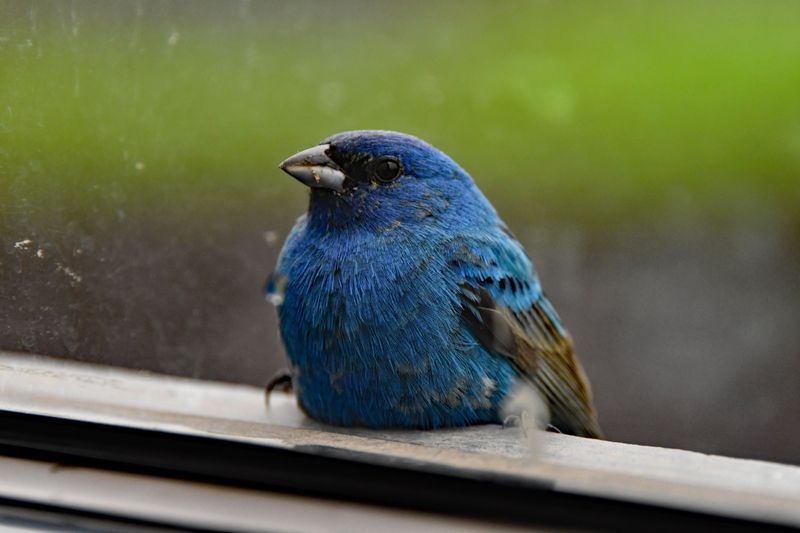
Picture a chickadee sitting at your feeder on a crisp October morning. Something startles it, and it launches fast in a random direction.
If a window sits nearby, the bird sees a reflected forest in the glass. To that tiny brain processing the world at high speed, it looks like a clear flight path.
The bird does not slow down because nothing in its instincts signals danger. Glass is invisible to birds in a way it simply is not to humans.
Reflective surfaces are the core problem, not the window itself. On sunny days, glass mirrors the surrounding yard so perfectly that even experienced birds get fooled.
Window strikes happen most often in the morning and late afternoon. That is when sunlight hits glass at angles that create the strongest, most convincing reflections.
Birds that survive a strike often flutter to the ground and sit dazed. That vulnerable state makes them easy targets for neighborhood cats or hawks circling overhead.
Not every strike causes immediate harm that is visible to the human eye. Some birds fly off looking fine but carry internal injuries that affect them hours later.
Migratory species passing through Wisconsin in spring and fall are especially at risk. They are unfamiliar with your specific yard and have no learned memory of your windows.
Understanding why strikes happen is the first step toward stopping them. Once you see your yard from a bird’s point of view, the danger becomes obvious and fixable.
The Right Distance To Keep Birds Safe
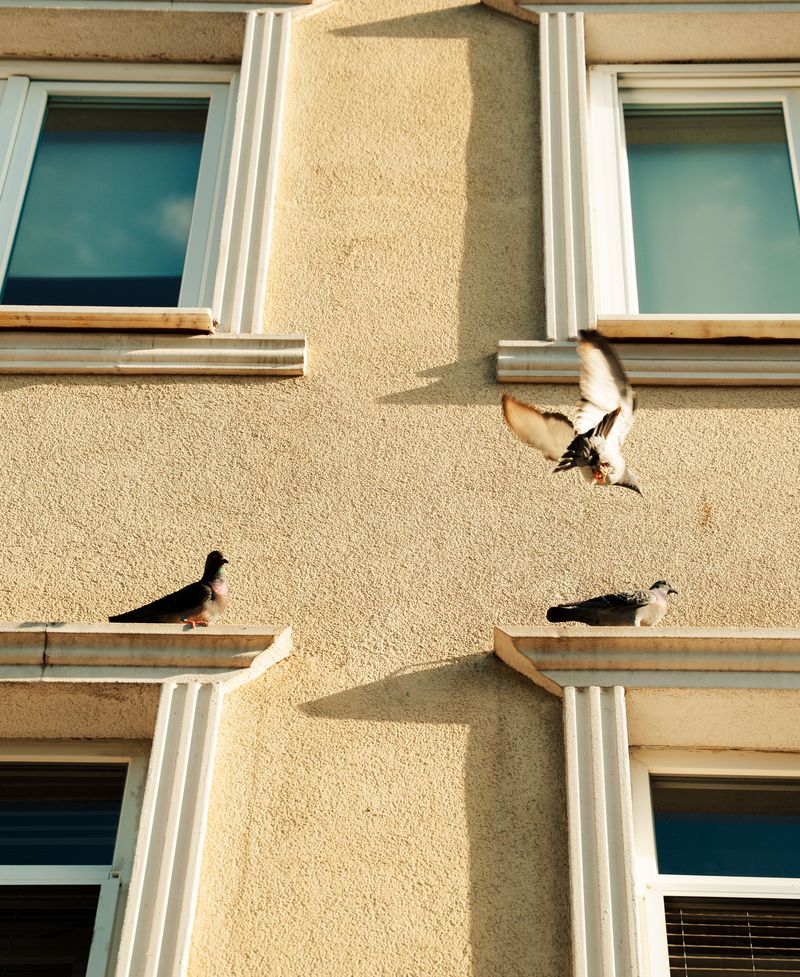
Safety comes down to two simple numbers: under three feet or over thirty feet from any window. Placing a feeder within three feet of glass means any bird that launches off it cannot build enough speed to cause serious harm.
The short gap acts like a natural speed limit. Window-mounted feeders that suction directly to the glass are a fantastic option for this close-range zone.
Birds land, eat, and take off with nowhere to accelerate dangerously. The over-thirty-feet rule works differently but just as effectively.
Pole-mounted feeders set well away from the house are ideal for the far-zone approach. A sturdy pole in the middle of your yard, surrounded by shrubs, works beautifully.
Bird feeder placement at the right distance also tends to give you better views. A feeder near a window or far out in the open yard both offer clear sightlines from inside.
Do not forget about sliding glass doors, which are just as dangerous as standard windows. Apply the same distance rules to any large glass surface on your home.
Adding window clings, tape strips, or frosted film to nearby glass also helps. These visual markers break up reflections and alert birds that something solid is ahead.
Getting the distance right is the single most impactful change you can make. Everything else is just a bonus layer of protection on top of that foundation.
Other Risky Spots To Avoid In Your Yard
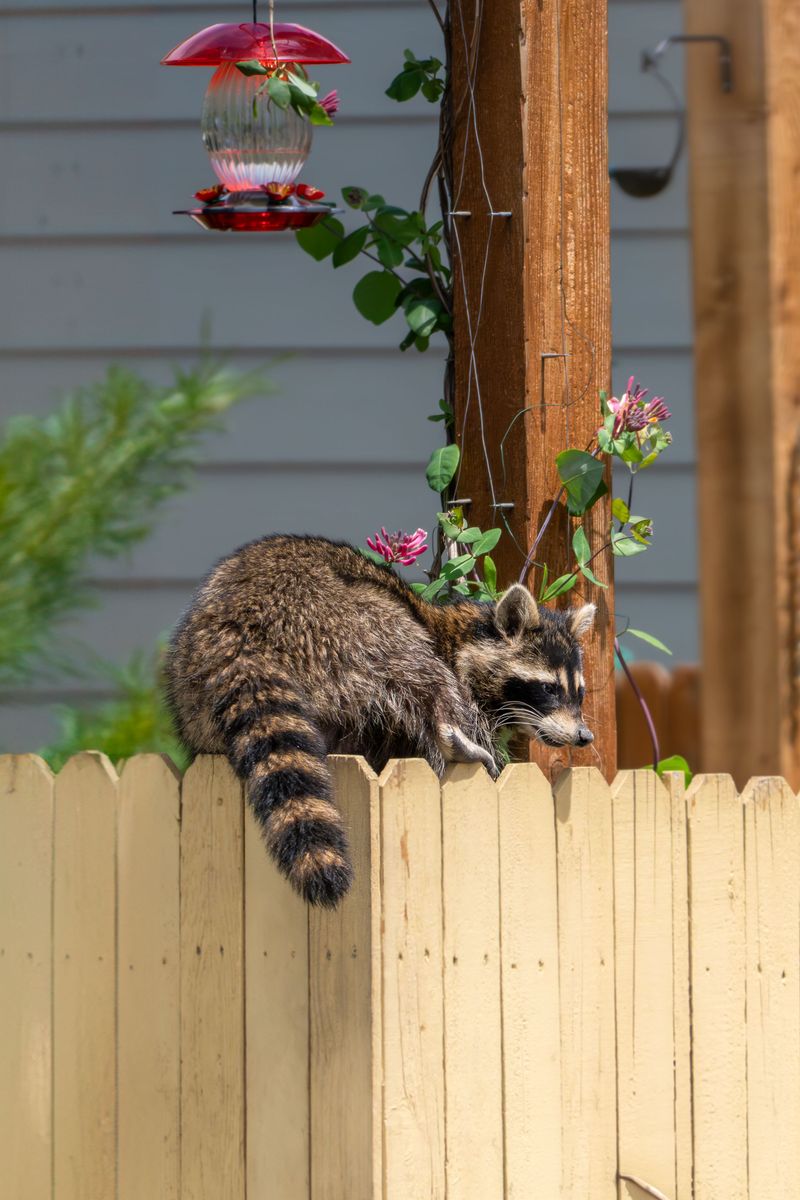
Windows are the biggest threat, but they are not the only one worth knowing about. Your yard has a few other spots that can quietly work against the birds you are trying to help.
Avoid hanging feeders directly above open ground with no nearby cover. Birds need a quick escape route, and a feeder in the middle of an exposed lawn offers none.
Cats are a serious and underappreciated hazard near feeders. Placing a feeder low to the ground or close to dense shrubs where cats can hide creates an ambush zone.
Keep feeders at least five feet off the ground to reduce the risk from ground-level predators. A baffle on the pole adds another layer of protection against climbing threats.
Spots near busy driveways or garage doors are also worth reconsidering. Sudden movement, noise, and exhaust fumes stress birds and push them into erratic flight patterns.
Feeders hung too close to other feeders can create crowding and territorial fights. Aggressive species like house sparrows will bully smaller birds away from a cramped feeding station.
Think about wind exposure when choosing your spot. A feeder swinging wildly in strong gusts spills seed constantly and makes it harder for birds to land and eat comfortably.
Shaded spots under dense tree canopies may feel cozy, but they can attract squirrels and block the clear sightlines birds use to watch for predators.
A good feeder location balances visibility, shelter, safety from cats, and the right window distance. Getting all four right turns your yard into a genuinely bird-friendly space.
Simple Changes That Protect Wisconsin Birds
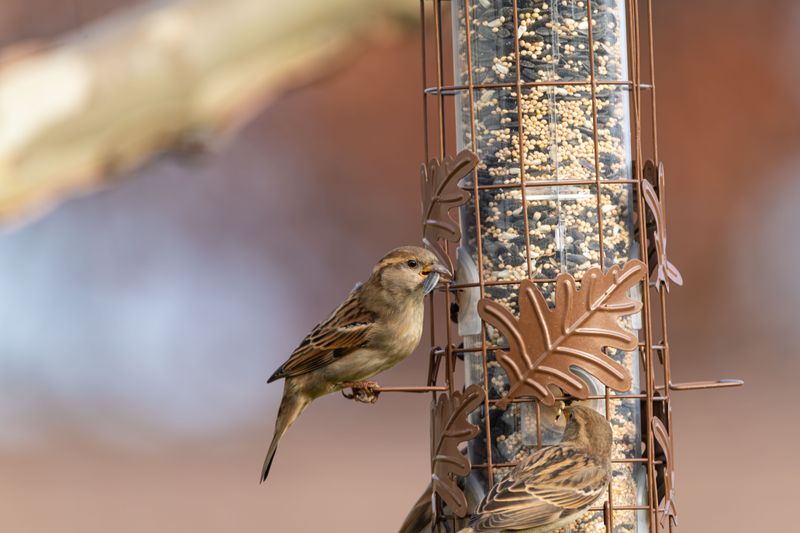
Protecting your backyard birds does not require a major renovation. A few targeted tweaks can dramatically lower the risk of window strikes and other hazards.
Start by measuring the distance between your current feeder and the nearest window. A basic tape measure takes thirty seconds and gives you the information you need right away.
If your feeder falls in the danger zone, relocate it that same afternoon. Moving a hook a few feet can shift a risky setup into a safe one instantly.
Apply bird-safe window film or UV-reflective decals to glass near any feeder. These products are inexpensive, easy to install, and shown to help reduce bird collisions.
Bird feeder placement near natural windbreaks like hedges or shrub borders adds a safety layer. Birds can duck into cover fast if a hawk or outdoor cat appears nearby.
Switch to a window-mounted feeder if you want close-up views without the danger zone risk. These clear acrylic feeders attach directly to glass and keep birds in the safe close range.
Clean your feeders regularly, roughly every one to two weeks, to prevent mold and bacteria buildup. Healthy birds are more alert and better at avoiding hazards than birds weakened by illness.
Talk to your neighbors about these simple fixes too. A whole block of bird-aware households creates a much safer corridor for migratory species passing through each season.
Protecting Wisconsin backyard birds starts with one honest look at where your feeder hangs. Move it, mark your windows, and turn your yard into the lower-risk space it can easily be.