This Native Pennsylvania Shrub Produces Fall Fruit Migrating Birds Depend On
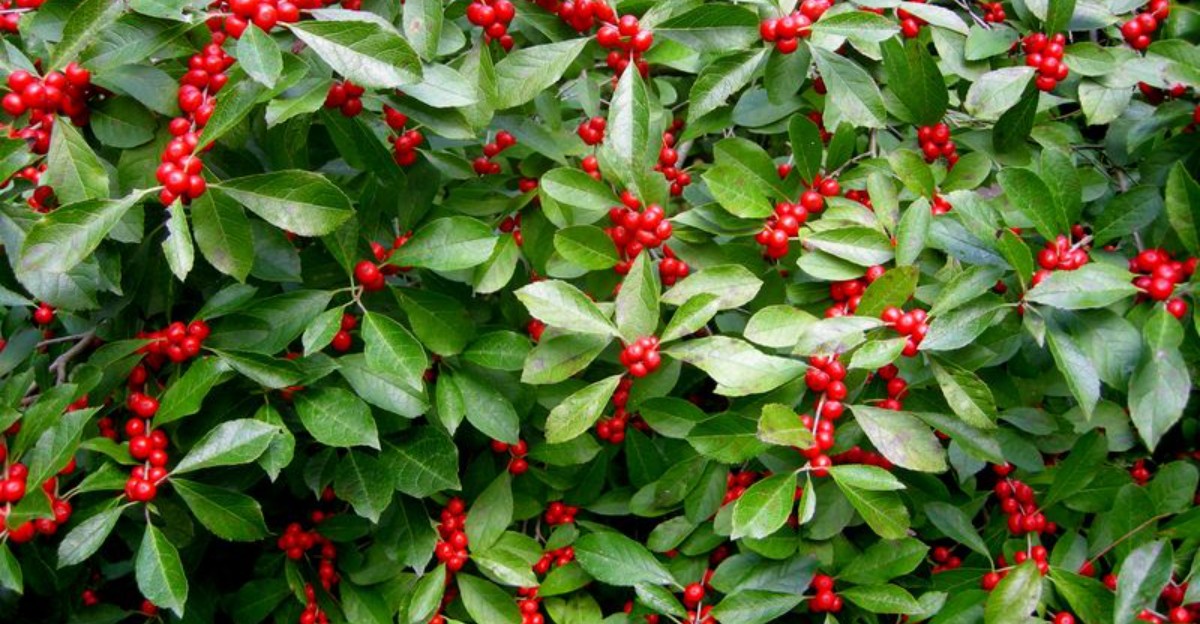
Migration season in Pennsylvania is one of the most remarkable wildlife events the state offers, and most of it happens at the edges of properties that homeowners never think to prepare for.
Migrating birds traveling through in fall are burning enormous energy and actively seeking reliable food sources along their route.
Yards with the right plants become meaningful rest stops. Yards without them get passed over entirely.
One native Pennsylvania shrub produces fall fruit that migrating birds depend on with a consistency that makes it one of the most ecologically valuable plantings a homeowner can make right now.
It’s not widely planted despite how much it delivers. Most homeowners have never considered it specifically for its role in supporting fall migration.
Here’s the native Pennsylvania shrub that migrating birds are looking for this fall and why your yard should have one.
Plant Winterberry Holly For Fall And Winter Wildlife Food
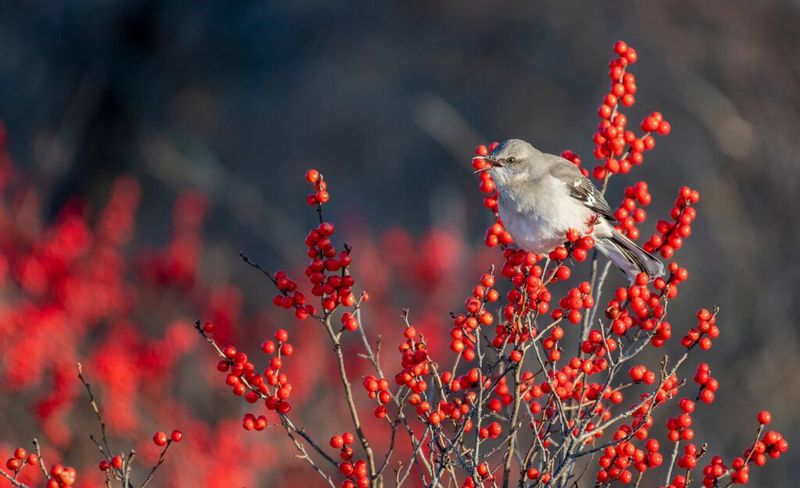
Picture a shrub that looks plain all summer, then explodes with fiery red berries just as the leaves fall away. That surprise is exactly what makes winterberry holly, known by its scientific name Ilex verticillata, such a treasure in Pennsylvania yards.
Unlike many holly plants, this one drops its leaves each autumn. Once the green foliage is gone, thousands of glossy red berries stay clinging to the bare branches. The effect is stunning against gray skies or a blanket of snow.
What really matters is the timing. By late fall, a lot of natural food sources have already been eaten or have faded. Berries from summer plants are long gone, and insects grow harder to find.
Winterberry steps in right when the buffet is closing everywhere else. Its fruit ripens in autumn and holds firm through much of winter, giving wildlife a reliable meal.
This shrub is native to the eastern United States, so it belongs here. It grew in Pennsylvania long before gardens existed, which means local wildlife already knows and trusts it.
Gardeners love it because it does double duty. You get eye-catching color for months, plus a plant that actually supports the natural world around you.
Growing between three and twelve feet tall depending on the variety, winterberry fits into many yard sizes. Smaller cultivars work well in tight spaces, while larger ones make bold statements.
Adding one to your landscape is a simple way to help wildlife without much fuss. It rewards you with beauty during the dullest season of the year and keeps giving back long after other plants have quit.
Why Winterberry Berries Matter To Birds
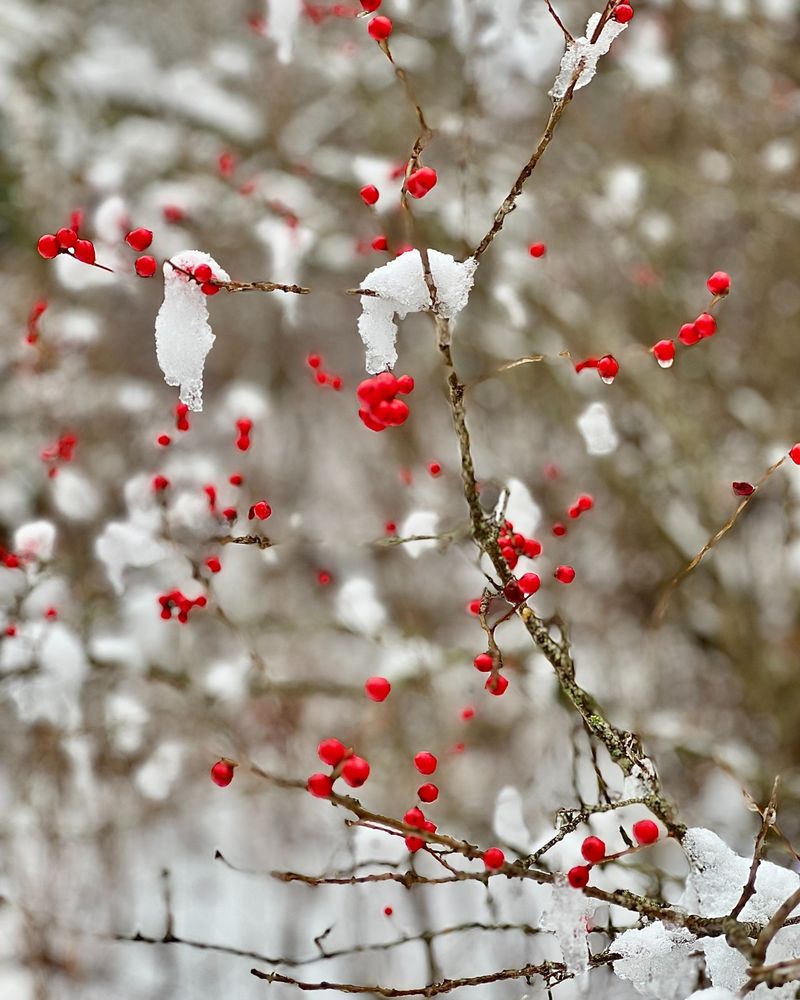
Imagine being a bird on a long journey south, flying for hours with an empty stomach. Finding food can mean the difference between a strong trip and a struggling one. Winterberry berries offer that lifesaving snack right when it counts.
Many birds pass through Pennsylvania during fall migration, and others stay all winter. Robins, cedar waxwings, bluebirds, mockingbirds, and even some woodpeckers happily feast on these red fruits.
The berries are packed with the energy migrating birds need to keep going. A quick meal here helps them build up strength for the miles ahead.
Your Pennsylvania Garden Changes Every Week. Your Plan Should Too.
Gardening in Pennsylvania changes quickly throughout the season. Every Friday you’ll receive a simple weekly plan showing exactly what to plant, prune, fertilize, harvest, and protect so you never miss the right timing.
There is a smart trick to how these berries work, too. They are not the tastiest fruit early on, so birds often eat other foods first and save winterberry for later.
This means the berries stay available deep into the cold season. When snow covers the ground and other food is scarce, hungry birds still have something to eat.
Watching this happen in your own yard is a real treat. On a quiet winter morning, a whole flock of waxwings might swoop in and strip a bush clean within minutes.
Feeding birds naturally is better than relying only on feeders. Native plants like winterberry give birds the exact food their bodies are built to handle.
You also help support the larger food chain. Healthy bird populations keep insect numbers balanced and spread seeds across the landscape.
By planting winterberry, you turn your yard into a rest stop for travelers with wings. It is a small act that makes a big difference for wildlife during the hardest months.
Give Winterberry Holly The Right Growing Conditions
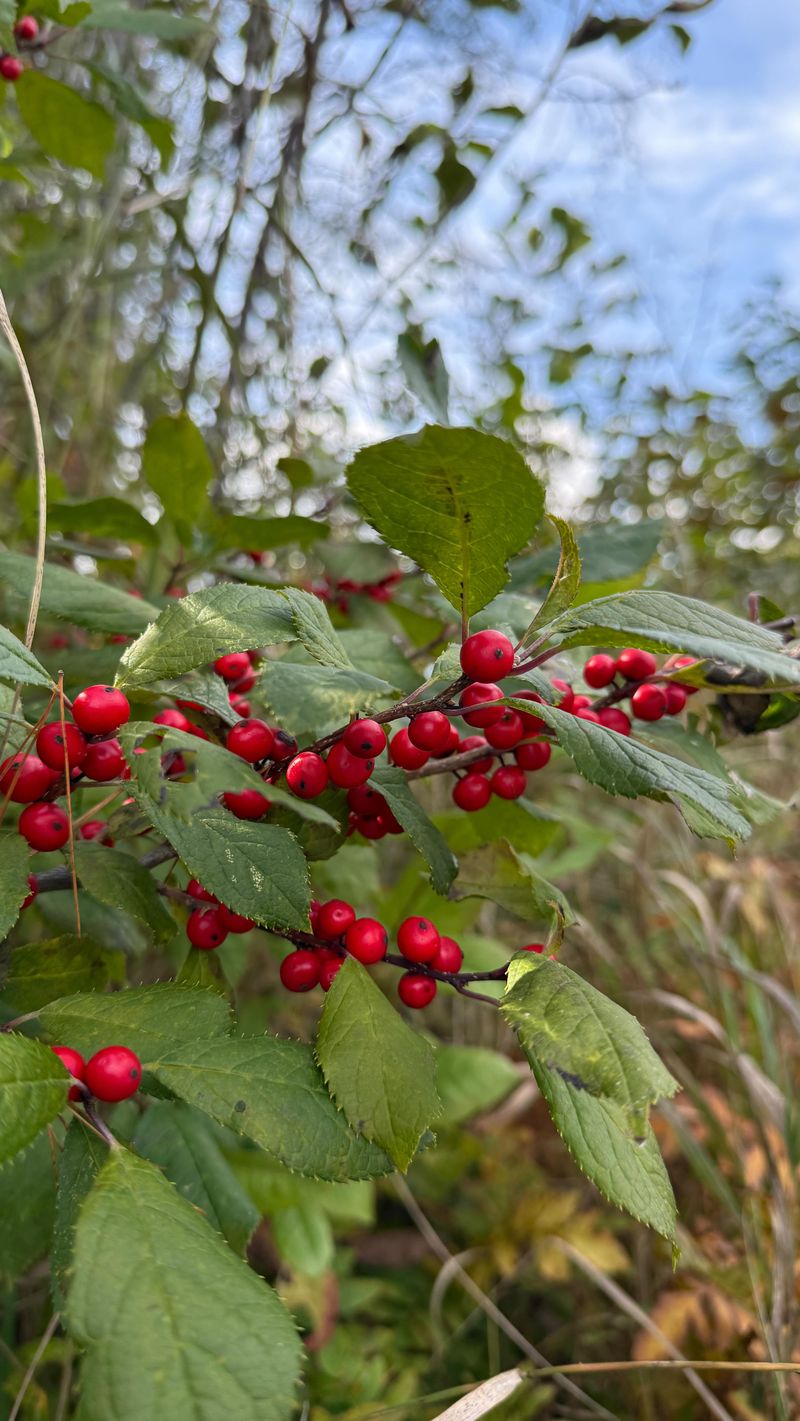
Getting a plant to thrive starts with understanding where it likes to live. Winterberry holly has some clear preferences, and matching them makes all the difference in how well it grows.
In the wild, this shrub often shows up along the edges of wetlands, ponds, and swampy areas. That tells you it enjoys moist soil and does not mind wet feet now and then.
If you have a low spot in your yard that stays damp, winterberry will feel right at home there. It handles soggy ground that would trouble many other shrubs.
Sunlight also plays a big role. This plant produces the most berries when it gets full sun, meaning about six hours or more each day.
It can still grow in partial shade, but you will notice fewer berries. For the best show, aim for a bright, open spot.
Soil type matters as well. Winterberry prefers acidic soil, which is common across much of Pennsylvania.
Heavy clay or wet earth suits it fine, but it struggles in ground that dries out fast. If your soil is sandy or drains quickly, add mulch and water during dry spells.
The good news is that this shrub is fairly adaptable once established. Plenty of gardeners grow it successfully in regular garden beds with a little extra care.
Mulching around the base helps lock in moisture and keeps roots cool. A few inches of wood chips or leaves works nicely.
Plant it in spring or fall, water it well while it settles in, and give it room to spread. With the right conditions, winterberry will reward you for many years.
Why You Need Both Male And Female Plants
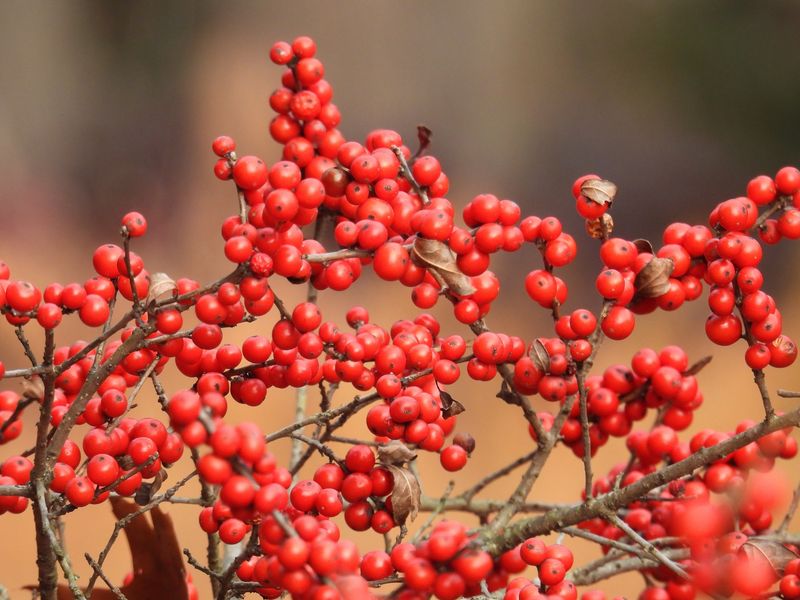
Here is a fact that surprises many new gardeners. Not every winterberry shrub grows berries, and knowing why can save you a lot of frustration.
Winterberry plants come in male and female versions. Only the female plants produce those famous red berries that birds love so much.
But female plants cannot do it alone. They need a nearby male plant to provide pollen so their flowers can turn into fruit.
Think of the male plant as a helpful partner working behind the scenes. It never grows showy berries itself, yet without it the females stay bare.
When you shop for winterberry, check the plant labels carefully. Nurseries usually mark whether a shrub is male or female.
A common rule is to plant one male for every three to five female shrubs. That single male can pollinate all the females around it.
Placement counts too. The male should be planted fairly close, ideally within about fifty feet, so pollinators can carry pollen between them.
Bees do most of the pollinating work in late spring when the small flowers bloom. Keeping the plants near each other makes their job easier.
Timing is another detail worth noting. Male and female plants need to bloom at the same time for pollination to succeed.
Many nurseries sell matched pairs designed to bloom together. Popular combinations include a female like Red Sprite with a male like Jim Dandy.
Ask your local garden center for a good match if you are unsure. Getting the pairing right guarantees a bush loaded with berries every fall, keeping both you and the birds happy all winter long.
How Winterberry Supports A Native Landscape
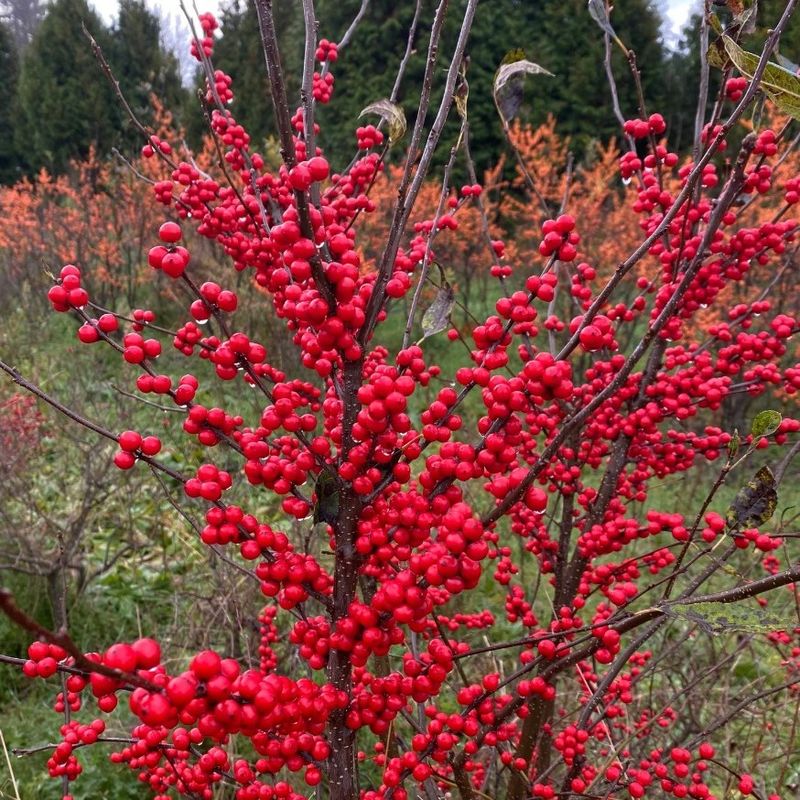
Berries may be the star of the show, but winterberry holly offers so much more to your yard. This shrub becomes a busy hub of life across every season.
During spring, tiny white flowers cover the branches. These blooms attract bees and other pollinators that keep the whole garden buzzing.
Those hardworking insects then move on to pollinate nearby vegetables and flowers. So your winterberry quietly helps the rest of your garden thrive too.
As the plant fills out in summer, its leafy branches create cozy hiding places. Small birds duck inside for shelter from wind, rain, and hungry predators.
Come winter, the bare red-berried branches offer a splash of color when everything else looks dull. That beauty lifts your spirits on gray days.
Being a native plant, winterberry fits naturally into local ecosystems. It has grown alongside Pennsylvania wildlife for thousands of years.
Native plants like this one need less fuss than exotic imports. They already know how to handle the local weather, soil, and pests.
That means fewer chemicals, less watering, and lower effort for you. A native landscape works with nature instead of fighting against it.
Winterberry also pairs beautifully with other native plants. Grouping it with milkweed, coneflowers, or serviceberry builds a richer habitat.
Together these plants support butterflies, bees, birds, and countless other creatures. Your yard becomes a small piece of thriving wilderness.
Choosing native plants is one of the kindest things you can do for local wildlife. Winterberry proves that a single shrub can offer food, shelter, and beauty all in one, making your landscape both lovely and truly alive.
Add Winterberry Holly To Your Pennsylvania Yard
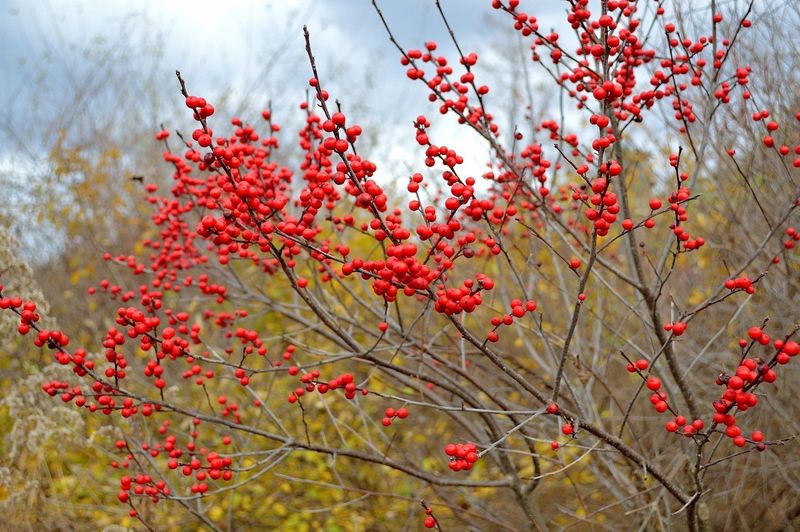
Ready to bring this bird-friendly beauty home? Winterberry holly fits into all kinds of spots, so almost any yard can find a place for it.
Along a property line, a row of winterberry makes a lovely natural border. In summer it gives privacy, and in winter it glows with red berries.
Got a soggy corner where water tends to collect? That is the perfect spot for a rain garden, and winterberry loves those damp conditions.
Rain gardens do more than look nice. They soak up extra rainwater and filter it before it reaches streams, helping keep local water clean.
For a wilder look, plant winterberry in a naturalized area where you let plants grow freely. Mix it with native grasses and wildflowers for a meadow feel.
If wildlife is your main goal, group several shrubs together near trees or other cover. Birds feel safer eating when shelter is close by.
You can also use winterberry as a bold focal point in a garden bed. A single loaded shrub draws the eye and starts conversations.
Cutting a few berry-covered branches makes gorgeous holiday decorations too. They add cheerful color to wreaths, vases, and mantels indoors.
When planting, give each shrub enough room to reach its full size. Check the tag for the mature width and space them accordingly.
Remember to include a male plant nearby so your females fruit well. Water new plants regularly during their first year.
With just a little planning, you will enjoy a shrub that feeds birds, cleans water, and brightens winter. Your yard becomes a friendlier place for wildlife and a prettier place for you.