Don’t Give These Popular Florida Trees A Major Pruning In September
September has a way of making every overgrown tree in the yard look like it’s asking for a trim. Growth has slowed, some branches are getting unruly, and the weather’s finally cool enough to actually want to be outside working on it.
For a handful of popular Florida trees, that instinct backfires badly. Major pruning this time of year cuts into growth that’s either about to bloom or hasn’t fully hardened off yet, leaving fresh wounds exposed right as certain pests and fungal problems are most active.
Some of these trees are also gearing up for a bloom cycle that a heavy cutback in September can wipe out entirely, with no way to get it back until the following year. The damage doesn’t always show up right away.
Sometimes it’s months before a tree that got the wrong pruning at the wrong time reveals what that cut actually cost it.
Florida’s growing season runs differently than most people assume, and a few popular trees pay for that assumption more than others.
1. Leave Live Oaks Alone Before Fall Growth Slows
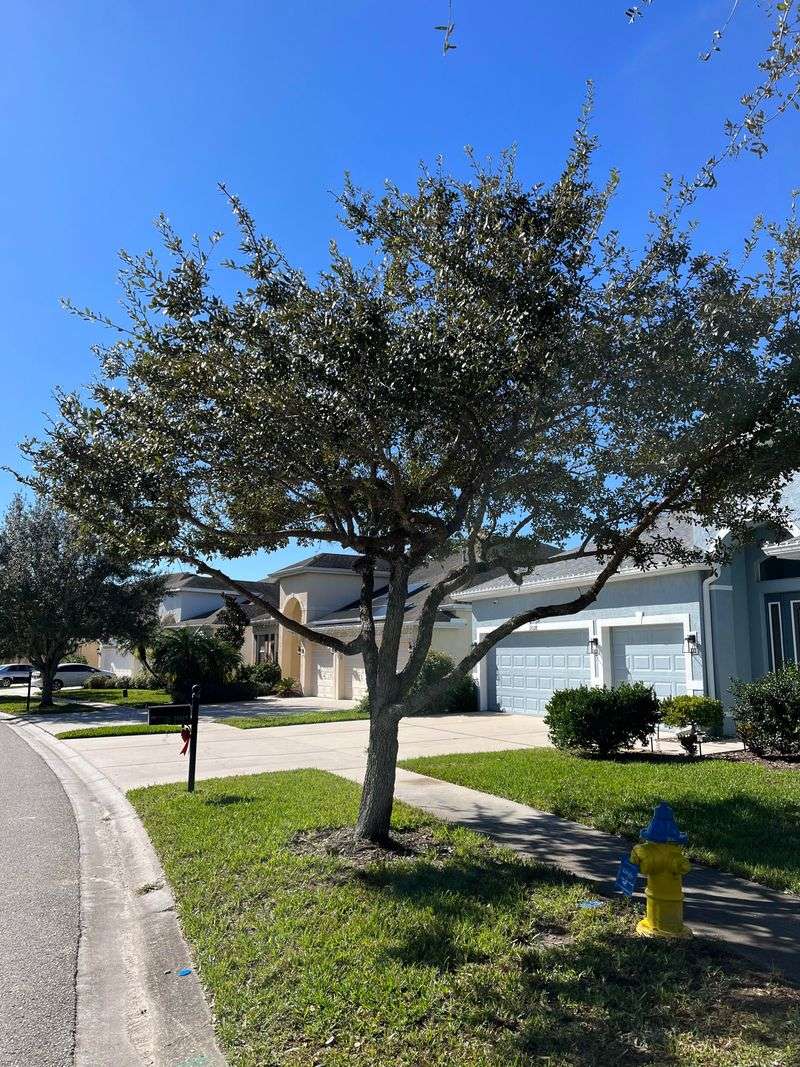
That sprawling live oak shading half your driveway did not get so grand by being rushed. Its wood grows slowly, and its wounds seal on its own schedule.
Arborists in Florida point to the coldest stretch of the year, roughly December through January, as the smartest window for major oak cuts. The air is drier, the tree is resting, and wounds close up with far less fuss.
September sits well outside that window. Warm, wet weather keeps fungal spores and sap-feeding beetles busy, and those beetles are the ones linked to spreading oak wilt, a serious problem for the tree’s plumbing system.
Spring and early summer, roughly April through July, carry the highest beetle risk, but late summer still leaves you cutting during the humid season rather than the quiet one. Fresh wounds simply have a harder time sealing when moisture hangs in the air.
If a limb is cracked, rubbing a roofline, or hanging over the sidewalk, handle that safety issue now and keep the cut small. Cosmetic thinning, raising the canopy, or reducing a big side branch can comfortably wait.
Mark your calendar for winter, sharpen your tools in the meantime, and let the oak coast through fall. Patience with oaks pays off in decades, not weeks.
2. Skip Crape Myrtle Cuts After Summer Flowering Ends
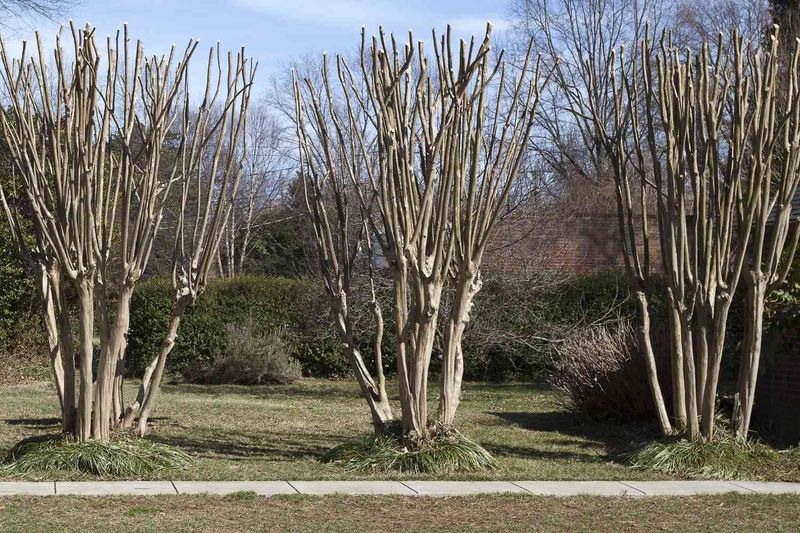
Few trees get chopped up more enthusiastically than the crape myrtle. Neighborhood crews love to top them into knobby stubs, and the tree never asked for any of it.
In Florida, the sweet spot for real pruning runs from late January into early March, depending on how far south you garden. That timing lands after the last chance of frost but before buds break, so the tree wakes up and pours its energy into fresh, flower-bearing shoots.
Cutting in early fall works against that rhythm. Removing lots of wood in September nudges the plant into pushing soft new growth that has little time to toughen up before a cold snap rolls through.
Your Florida Garden Changes Every Week. Your Plan Should Too.
Gardening in Florida changes quickly throughout the season. Every Friday you’ll receive a simple weekly plan showing exactly what to plant, prune, fertilize, harvest, and protect so you never miss the right timing.
Snipping off faded seed heads is a different story. That light touch can coax a few more blooms and will not shock the tree, so trim spent flowers if the look bothers you.
Anything bigger, like shortening branches for height or opening up the middle, belongs on the late winter list. Same goes for suckers at the base, which are easier to see once the leaves drop.
Fun bit of trivia: that peeling, cinnamon-colored bark is one of the tree’s best winter features, and it shows off beautifully when you have not hacked the trunk into knuckles.
3. Avoid Mango Pruning Before Cooler Weather Arrives
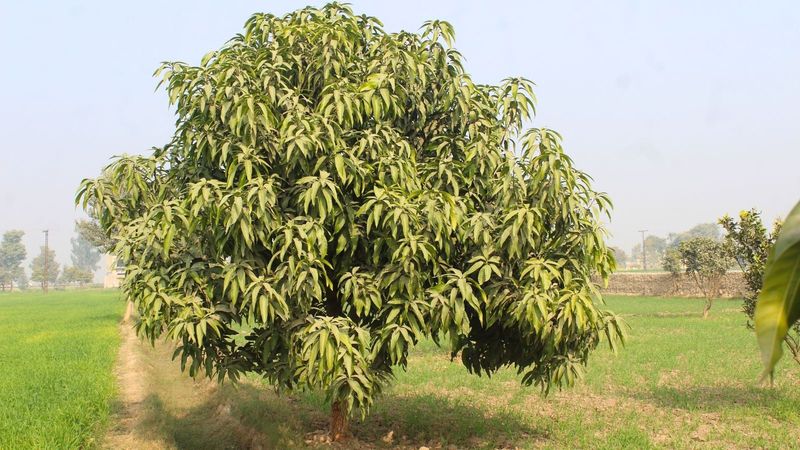
Mango growers watch the calendar like hawks, and for good reason. Next summer’s fruit depends on choices made right now.
Light tipping of branches after harvest is standard practice, but the recommendation is to wrap up that work by August or the very beginning of September. Push past that, and you invite a flush of tender growth at exactly the wrong time.
Here is why the date matters so much. New shoots need roughly four to five months to mature and firm up, so growth that appears in late September is still soft when December and January chill arrives.
Soft growth also flowers poorly. A tree busy making leaves in fall often produces a weak bloom in late winter, which means fewer mangoes hanging over the fence next summer.
There is a second catch. Heavy cuts can remove the very wood that would have carried flower panicles, so you lose fruit twice over.
Broken limbs or branches scraping the roof deserve attention whenever they appear, and small corrective snips are fine. Save canopy reduction and height control for right after next season’s harvest instead.
Give the tree a good soak during dry spells, keep mulch away from the trunk, and let it settle into fall quietly. Restraint now equals fruit later.
4. Protect Avocado Trees From Late Season Stress
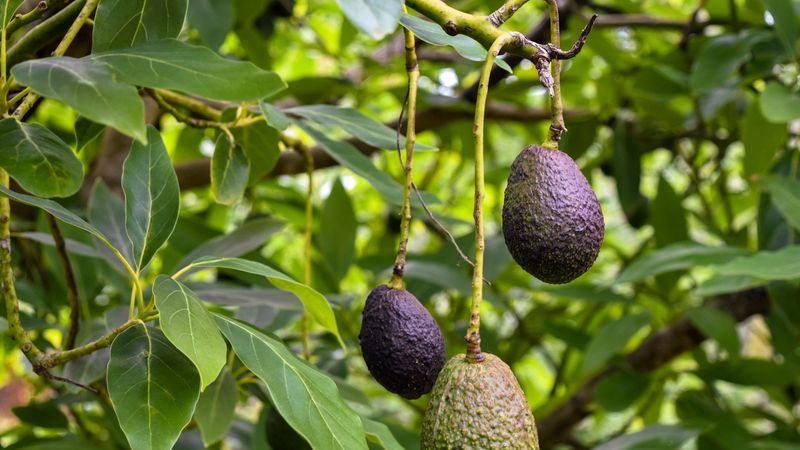
Avocados have thin bark and a low tolerance for sudden exposure. Open the canopy too much and the branches underneath can scorch in Florida sun.
Major shaping is best saved for late winter into early spring. Cuts made then avoid cold damage and line up neatly with the tree’s own flowering rhythm.
Trim heavily in fall and you take on two risks at once. Newly exposed limbs can sunburn, and the fresh growth that follows may steal energy from the bloom that sets next season’s crop.
Timing troubles show up clearly in late fall pruning. Cutting in November, for example, can stir up shoots right as flower buds are forming, which reduces the fruit you harvest the following year.
September falls into that same awkward zone. The tree is winding down from a long, wet growing season and does not need extra stress layered on top.
Small fixes are still reasonable. Clip out a rubbing branch, remove a broken piece, or shorten one limb blocking a walkway, then stop.
While you wait, do the easy things that actually help: refresh mulch out past the drip line, water during dry weeks, and check for standing water near the roots. Avocados dislike soggy feet far more than they dislike a shaggy silhouette.
5. Hold Back Citrus Pruning Until The Timing Is Right
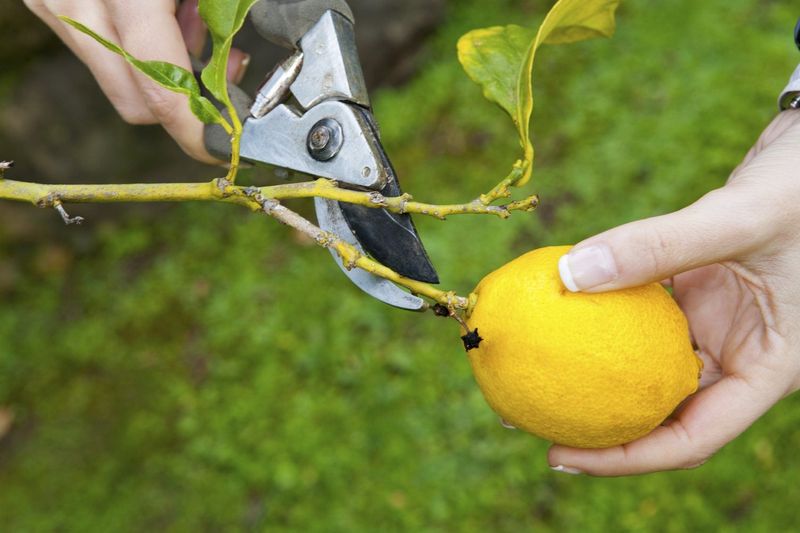
Ask any Florida citrus grower about pruning and you will hear the same answer: wait for winter’s end. Late January through February suits Central Florida especially well.
Working in that window puts your cuts in place just before the spring growth flush. Fresh wounds also face far less chance of frost damage once the coldest nights have passed.
Cutting hard in September creates a different set of headaches. Tender, out-of-season shoots appear, and they are the first thing to suffer when temperatures dip.
Canopy size matters more than most people realize. A full, leafy canopy holds warmth around the branches on chilly nights, so shrinking it in fall takes away built-in cold protection.
There is also fruit to consider. Trees carrying a developing crop should not be pruned heavily, since removing limbs means removing oranges, grapefruit, or tangerines you were counting on.
Stick to housekeeping for now. Pull off sprouts coming from below the graft, snip out any branch that is clearly damaged, and clear low growth touching the soil.
Keep watch for pests, feed according to a citrus-specific schedule, and rake up fallen fruit to keep things tidy. Come February, you can shape the tree properly and it will reward you with a strong spring push.
6. Do Not Heavily Trim Jacarandas Before Winter

Purple confetti in spring, feathery shade in summer, and wood that is honestly a bit brittle. That is the jacaranda in a nutshell.
Late winter or early spring, right before growth kicks off, is when this tree handles pruning best. Cuts made then heal quickly and the tree channels its energy into strong shoots that carry future blooms.
Early to middle fall, September included, is a stretch to skip. Trimming now can trigger fresh, vulnerable growth that has not toughened up before cooler nights and frost reach it.
The wood itself adds another reason for caution. Because jacaranda branches are relatively weak, big wounds often sprout a thicket of watersprouts, those skinny vertical shoots that ruin the tree’s graceful shape.
Timing also affects the flower show. Pruning in late spring or summer removes the wood that would have bloomed, leaving you with a green tree and no purple carpet underneath.
What can you do in September? Remove anything cracked or hanging, keep an eye out for limbs over the driveway, and sweep up the seed pods rolling across the sidewalk.
Then let it be. Plan your shaping session for the tail end of winter and the spring display will thank you for the wait.
7. Delay Bald Cypress Pruning Until Dormancy Arrives
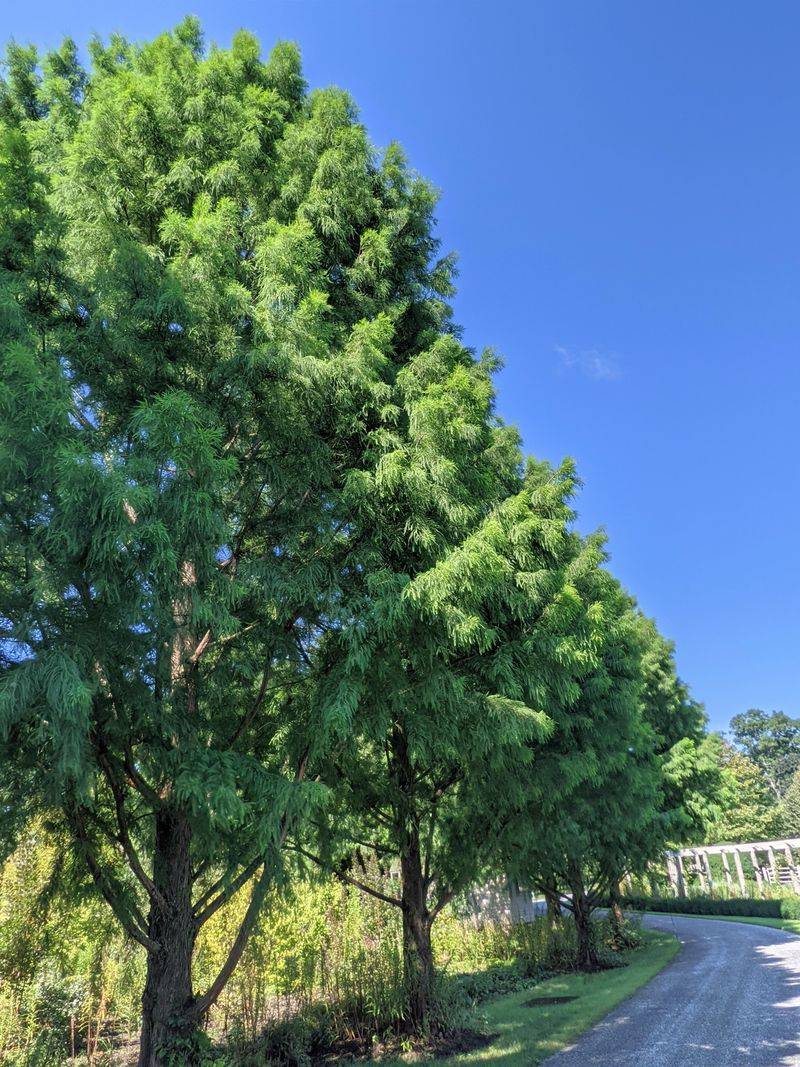
Those odd woody knobs poking up around a bald cypress, called knees, are a hint that this tree plays by its own rules. It is a native that handles swampy ground, storms, and heat with remarkable calm.
Winter is the standout season for cypress pruning. Structural work and removal of awkward branches go smoothly while the tree is dormant and its needles have dropped.
Dormant timing gives you two advantages. You can actually see the branch framework clearly, and corrections do not interrupt the tree during its busy growing months.
Late summer allows for light, conservative work if something poses a hazard. A hanging limb after a storm is worth removing right away, and nobody should wait months on a safety issue.
Bigger cuts are a different matter. Reducing height, thinning the crown, or reshaping the leader should be pushed to the dormant stretch rather than squeezed into September.
Fall is a fine time for observation instead of action. Walk around the tree, note branches crossing or growing toward the house, and snap a few photos so you remember what to address later.
Mulch lightly, avoid piling soil against the trunk, and let the needles turn rusty orange in their own time. Winter will give you a much better working view.
8. Avoid Major Southern Magnolia Cuts In September
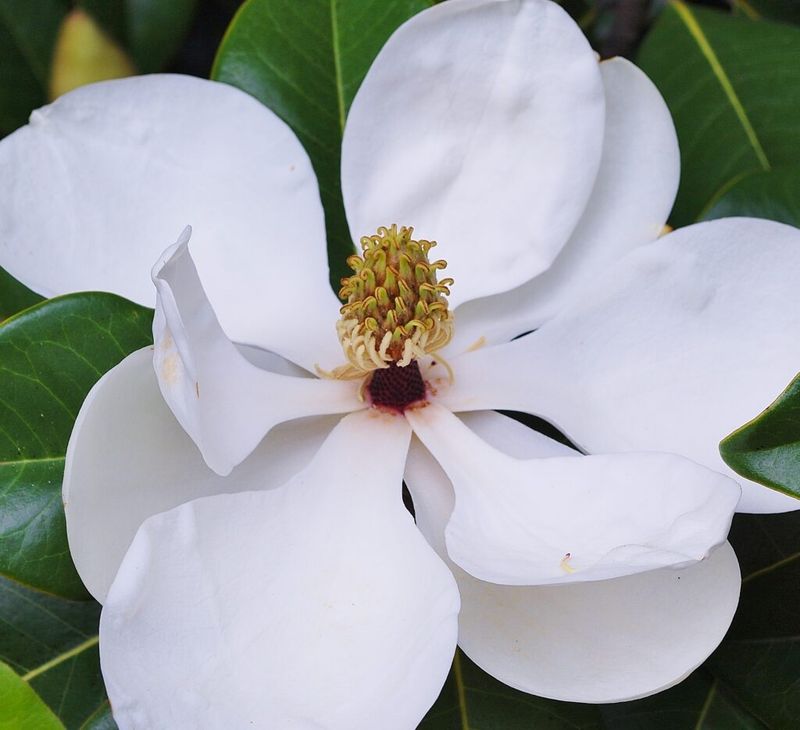
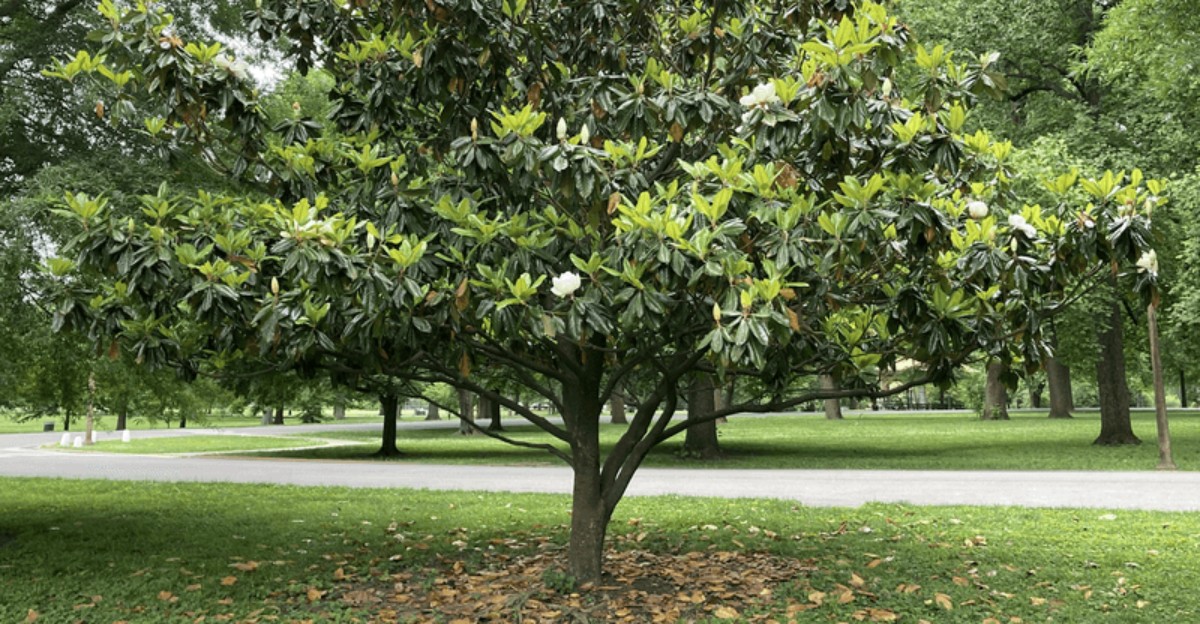
Big glossy leaves, saucer-sized white flowers, and a scent that stops people mid-walk. The Southern magnolia earns its reputation honestly.
It is also a tree that prefers minimal interference. Magnolias naturally grow into a tidy pyramid shape, so heavy cutting usually creates problems instead of solving them.
Common guidance points to two reasonable windows: late winter before growth begins, or shortly after the flowers finish. Both keep you clear of the humid stretch when wounds are slow to seal.
September falls in between and offers little benefit. Removing large limbs now can push soft growth late in the year, and the low branches you cut off will not grow back to shade the trunk.
Speaking of low branches, many gardeners rush to limb up a magnolia for a neater look. Those bottom limbs actually shield the bark from harsh sun, so think twice before clearing them.
Light work is perfectly fine. Snip out any twig that looks damaged, tidy a branch scraping the gutter, and rake up the leathery fallen leaves that pile beneath the canopy.
Save the real shaping for late winter, keep the tree watered during dry weeks, and enjoy the fact that this southern classic asks for so little from you.
9. Protect Red Maple By Limiting Fall Pruning

Red maples are the show-offs of North and Central Florida, turning scarlet while everything else stays stubbornly green. They also grow fast, which tempts people into frequent trimming.
Some local guidance suggests late summer or early fall for maple work, reasoning that wounds have time to close before cool weather. For light thinning, that logic holds up reasonably well.
Across maple species, though, late winter is widely favored. February into early March finds the tree dormant with minimal sap movement, which means cleaner cuts and less trouble from pests or disease.
The riskiest period comes later in fall. Through October and into early November, the tree is shifting toward dormancy, and heavy cuts may seal slowly or spark growth that is too soft for cold nights.
So where does September land? Right on the edge, which makes it a good month for small touch-ups and a poor one for a major overhaul.
Trim a rubbing branch, remove withered wood, and clear anything crowding the roof. Then step back.
Save crown reduction and structural work for late winter, when the bare branches make your decisions easier. Water during dry weeks, keep mulch a few inches off the trunk, and let those leaves put on their annual red performance without interruption.