9 Places You Should Avoid Hanging A Bird Bath In Michigan
A bird bath seems like a simple addition to any Michigan yard, but where it’s placed can make a bigger difference than most people expect.
Certain spots put birds at greater risk from predators, expose the water to too much direct sun, or make regular cleaning and refilling far more difficult than it needs to be.
Some locations near heavy foot traffic or loud, active parts of the yard can also discourage birds from ever using the bath at all.
Because location affects both bird safety and how easy the bath is to maintain, a poor placement can quietly undermine the whole point of having one.
A few specific spots consistently cause problems and are worth avoiding from the start.
1. Directly Next To Dense Shrubs Where Cats Can Hide
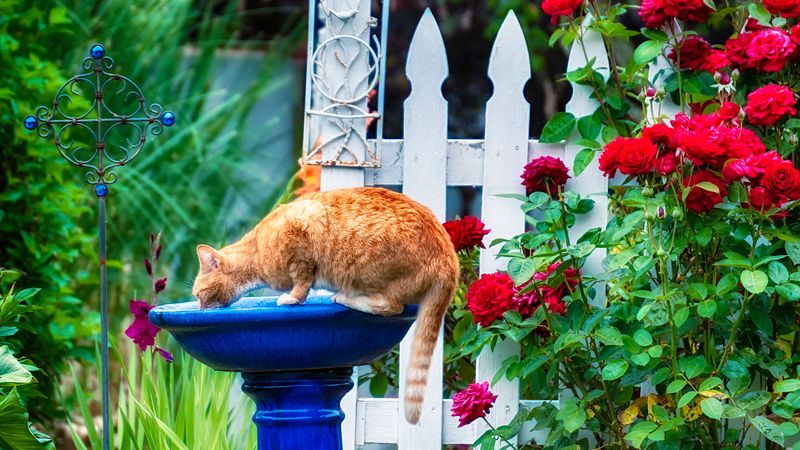
Thick bushes might look pretty, but they can turn your bird bath into a risky spot. Cats and other sneaky hunters love using dense cover to creep up close before pouncing on birds enjoying a drink.
When water sits right next to heavy shrubs or tall brush, birds lose their view of what might be lurking. A splashing robin cannot see a cat hiding just a few feet away in the leaves. That surprise attack happens fast, and birds rarely get a second chance to fly off.
Michigan yards often have lilac bushes, junipers, and thick ground cover that give predators plenty of shadows to blend into. Placing your bath tight against these areas basically sets a trap without meaning to.
Give birds breathing room instead. Leave several feet of open space around the bath so they can spot movement and react quickly. Open ground makes it much harder for anything to sneak within striking distance.
You still want some cover nearby for quick getaways, but there is a big difference between shrubs a few feet away and shrubs pressed right against the water. Aim for a safe gap that lets birds relax and stay alert at the same time.
Watch how birds behave once you move the bath. If they linger longer and visit more often, you picked a smart spot.
A little planning keeps your backyard friends splashing happily instead of always looking over their shoulders while they sip.
2. Under Trees That Drop Excessive Debris
Trees seem like a natural fit for shade, but hanging a bath right under heavy branches creates a messy problem. Leaves, seeds, sap, and twigs constantly rain down into the water below.
Michigan is full of maples, oaks, and pines that shed all season long. Maple seeds spin down in spring, sticky sap drips in summer, and leaves pile up in fall.
All that material lands straight in the bath if it sits underneath. Dirty water does more than look gross. Rotting leaves and floating debris feed algae, which turns the water green and slimy.
Birds avoid murky, smelly water, so your bath ends up empty of visitors. Cleaning also becomes a daily chore. Instead of a quick rinse, you find yourself scooping out gunk every morning just to keep it usable.
Your Michigan Garden Changes Every Week. Your Plan Should Too.
Gardening in Michigan changes quickly throughout the season. Every Friday you’ll receive a simple weekly plan showing exactly what to plant, prune, fertilize, harvest, and protect so you never miss the right timing.
That extra work makes many people give up on the bath entirely. Sap can be especially frustrating. It coats the basin, traps dirt, and gets sticky on bird feathers, which harms their ability to stay clean and fly well.
Try placing the bath near a tree but not directly beneath the thickest branches. You still get filtered shade without the constant shower of debris falling into the water.
A cleaner bath means healthier birds and less scrubbing for you. When the water stays fresh and clear, robins and finches will keep coming back, and you will spend more time watching them than cleaning up after the trees above.
3. In Full Sun All Day Long
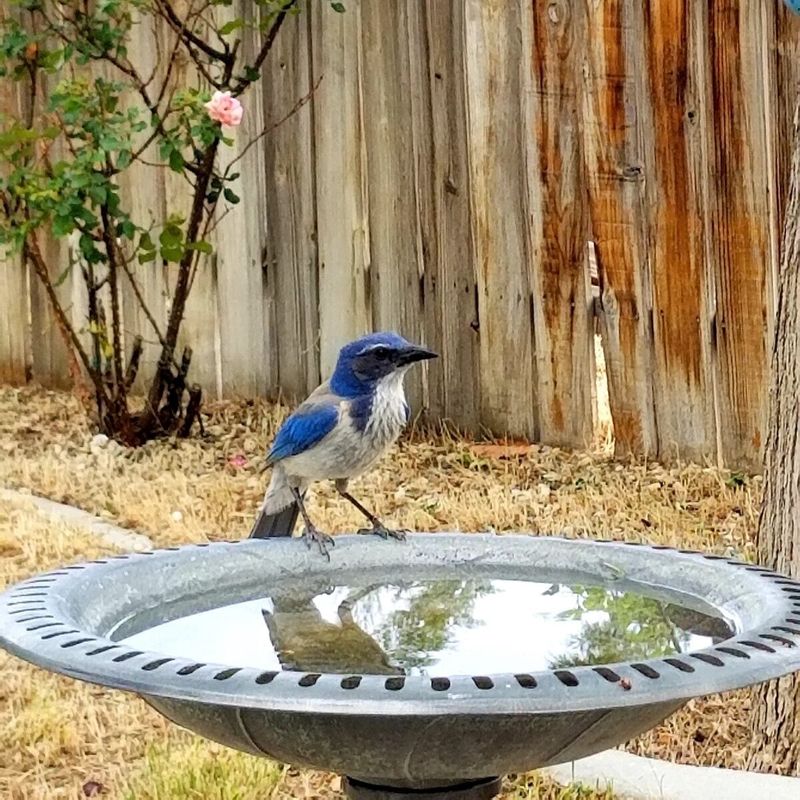
A sunny spot might seem cheerful, but leaving a bird bath baking all day creates problems fast. Michigan summers get hot, and water sitting in constant sunlight warms up quickly.
Warm water is a magnet for algae. Those green, slimy patches grow like crazy when the sun heats the basin hour after hour. Within a day or two, clear water can turn cloudy and uninviting.
Birds also prefer cool, fresh water, just like we do. Hot water in a metal or dark stone bath can feel unpleasant, and some birds will skip it altogether during a heat wave.
Evaporation speeds up too. Full sun dries out the bath faster, which means you refill it constantly just to keep enough water for birds to bathe and drink.
All that heat and algae growth adds up to more scrubbing on your end. Nobody wants to clean a slimy basin every single day, especially during busy summer weeks.
The fix is simple. Pick a spot that gets a mix of morning sun and afternoon shade. Filtered light from a nearby tree or a partly shaded corner keeps the water cooler and slows algae way down.
Cooler water stays cleaner longer, saving you time and keeping birds comfortable. A shaded location also protects visitors from overheating while they splash around on a scorching Michigan afternoon.
Balance is key. You want enough light for birds to feel safe and spot danger, but not so much that the bath turns into a warm, green soup by noon.
4. Too Far Away From Cover
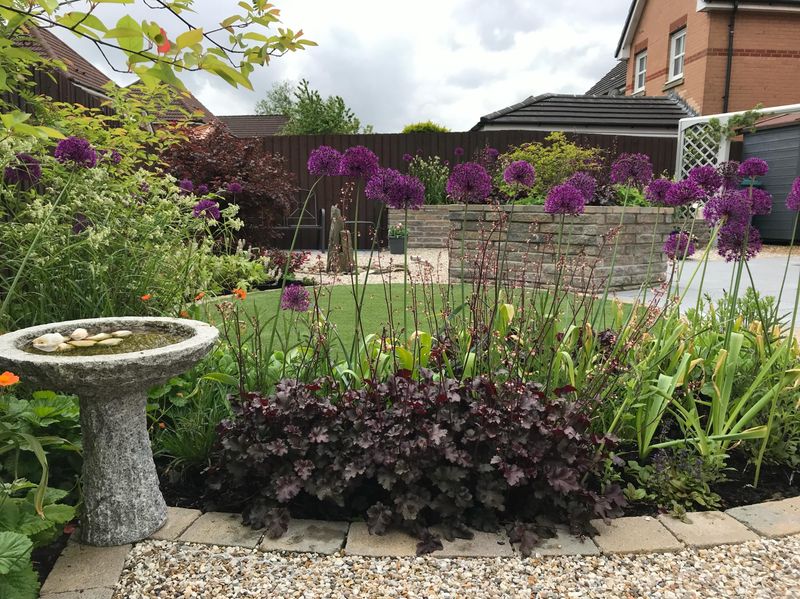
Placing a bath in the middle of a wide, empty yard sounds safe, but birds often see it differently. Without any nearby branches or bushes, they have nowhere to dart if a hawk swoops in.
Birds feel exposed in open spaces with zero escape routes. A finch splashing in the water needs a quick place to hide, and an isolated bath leaves it stranded far from safety.
Hawks and other flying hunters take advantage of open lawns. They can spot a bird from above and dive with nothing to block their path. Smart birds sense this danger and simply avoid baths that feel too risky.
At the same time, birds do not want cover pressed right against the water, since that hides ground predators. The trick is finding the sweet spot in between.
Aim to place the bath around ten to fifteen feet from a tree or shrub. That gives birds a clear view of open ground while keeping a safe branch within a short flight.
Michigan backyards with dogwoods, small maples, or berry bushes work perfectly for this. Birds can perch, watch, and then hop down to the water when the coast looks clear.
Notice how much busier your bath gets once cover is nearby but not too close. Birds relax when they know an escape is only seconds away.
A little distance planning makes a huge difference. Give your feathered guests both open sightlines and a quick getaway, and they will treat your bath like a favorite neighborhood pool.
5. Near Busy Roads Or Driveways
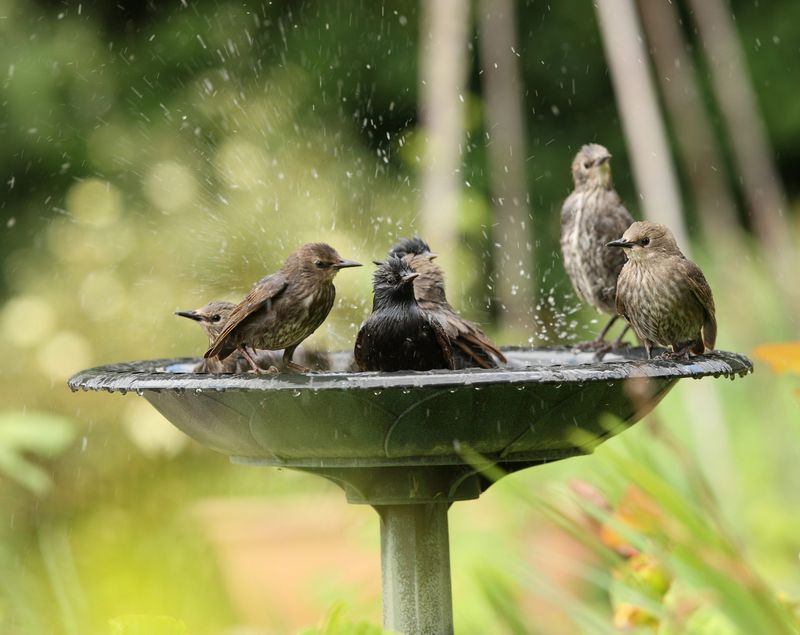
A bath near the street might be easy to see from your window, but it stresses out birds. Cars zooming by create constant noise and movement that keeps birds on edge.
Traffic areas bring real dangers too. Birds startled off a bath near a road can fly straight into the path of a passing vehicle, especially the younger, less experienced ones.
Runoff is another hidden issue. Rainwater near roads and driveways often carries oil, salt, and other pollutants.
During Michigan winters, road salt spreads everywhere and can end up in nearby water sources.
Birds that drink contaminated water can get sick. Even small amounts of chemicals from car fluids or de-icing salt make the water unsafe for regular sipping and bathing.
Noise pollution also matters more than people realize. Birds communicate through songs and calls, and steady traffic sound makes it harder for them to hear each other and stay alert to threats.
Tuck your bath into a quieter part of the yard instead. A back corner or a spot behind the house shields birds from road noise and keeps runoff from reaching the water.
Distance from pavement also cuts down on dust and grime blowing into the basin. Cleaner surroundings mean cleaner water and happier visitors.
Birds reward peaceful spots with more visits. When they feel calm and safe, they linger longer, sing more, and turn your yard into a lively gathering place far from the rush of passing cars.
6. Under Bird Feeders
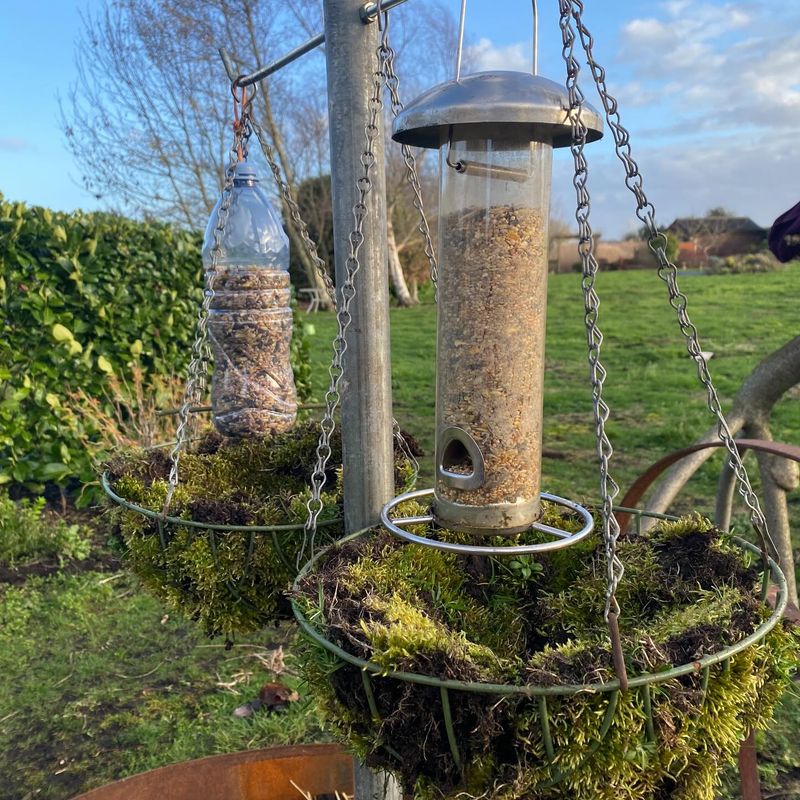
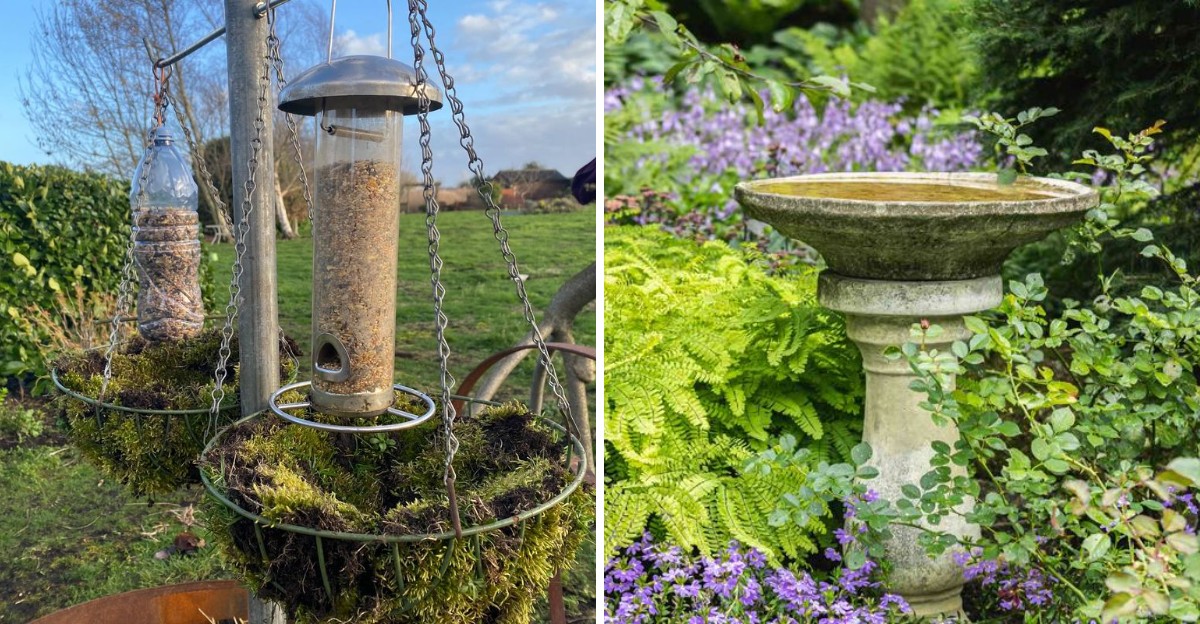
It feels smart to group your feeder and bath together, but stacking them causes a messy tangle. Everything that falls from the feeder lands right in the water below.
Seed hulls, cracked shells, and leftover bits drop constantly as birds eat. Those pieces float on the water, sink to the bottom, and start rotting within hours.
Droppings make it worse. Birds perched at a feeder naturally leave waste behind, and gravity pulls it straight down into the bath. That contaminates the water fast and spreads germs.
Dirty water full of hulls and waste becomes a breeding ground for bacteria. Birds can pass sicknesses to each other when they share a fouled water source, which is the last thing you want.
Cleaning turns into a nonstop battle. Instead of a quick refresh, you scrub out soggy seeds and grime every single day just to keep the bath usable.
Separate the two by several feet. Place the bath away from the drop zone below feeders so falling food and waste stay out of the water entirely.
A short walk between feeder and bath actually mimics nature better. In the wild, birds eat in one spot and find water in another, so spacing them feels normal to them.
Keeping them apart cuts your cleaning time and protects bird health at the same time. Clear, fresh water pulls in more visitors, and a tidy setup means you spend more time enjoying the show than mopping up after it.
7. On Slippery Or Unstable Surfaces

A bath that wobbles or leans sends birds a clear warning. Shaky footing makes them nervous, and nervous birds fly off before they even get comfortable.
Uneven ground causes plenty of trouble. A bath tilted on soft soil or bumpy grass can tip over, spilling water and startling every bird in the area.
Michigan weather adds to the challenge. Rain turns dirt to mud, freeze and thaw cycles shift the ground, and a bath that seemed steady in June can lean badly by fall.
Slippery bases are risky too. If the pedestal sits on smooth stone or slick tile, it can slide during a storm or when a heavier bird lands on the rim.
Birds notice instability right away. They test surfaces before trusting them, and a rocking bath feels unsafe, so they choose steadier water sources nearby instead.
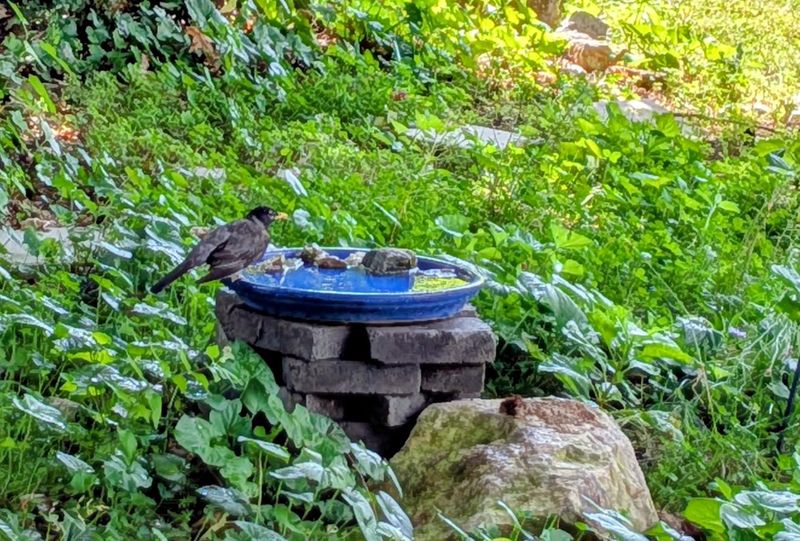
Set your bath on firm, level ground for the best results. A patch of packed soil, a flat paver, or a solid stone base keeps everything steady through wind and weather.
Check the balance often, especially after heavy rain or spring thaw. A quick nudge tells you whether the base needs adjusting before it becomes a problem.
You can also press the pedestal into the ground slightly or use bricks underneath for extra grip. A rock solid setup gives birds the confidence to perch, drink, and splash without fear.
Stability might sound boring, but it truly matters. A steady bath invites more visitors and saves you from constantly refilling spilled water.
8. Near Areas Treated With Chemicals
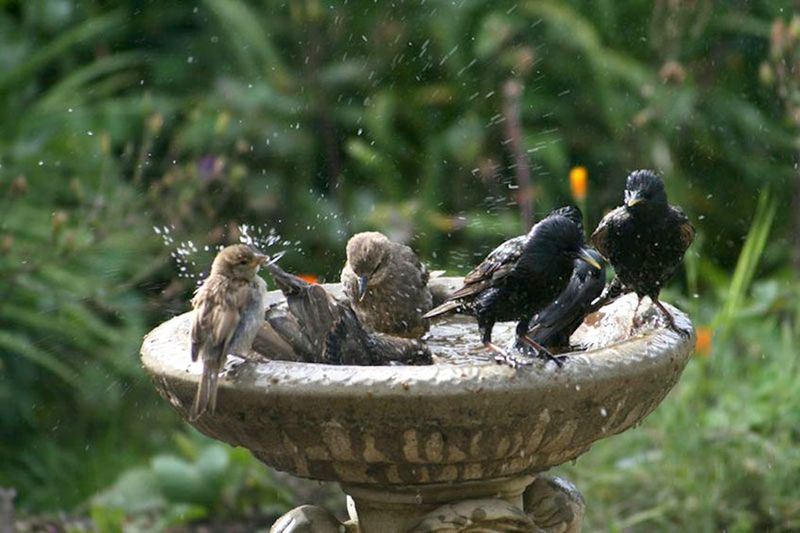
Chemicals and clean water do not mix. Placing a bath near freshly treated lawns or gardens puts birds at real risk every time they take a sip.
Lawn sprays drift farther than you might think. Pesticides, herbicides, and fertilizers can float on the breeze or wash into nearby water after a rain shower.
Once those chemicals reach the bath, the water becomes unsafe. Birds have small bodies, so even tiny amounts of lawn treatment can make them very sick.
Michigan homeowners often spray for weeds and bugs during the growing season. If your bath sits near those treated zones, contamination happens without you even noticing.
Wet feathers make the danger worse. Birds bathe to stay clean, but if the water holds chemical residue, they end up coating their feathers with the very thing that harms them.
Keep the bath far from any spot you treat regularly. Put plenty of distance between the water and areas where you apply fertilizer or bug spray.
Timing helps too. If you must treat the lawn, cover or move the bath first, then wait for the product to settle before setting it back out.
Rinsing the basin often adds another layer of safety. Fresh water washes away any residue that might have drifted in from surrounding areas.
Choosing a chemical-free zone protects the birds you love watching. When the water stays pure and clean, your backyard becomes a truly safe spot where wildlife can drink, splash, and thrive without hidden hazards lurking in every drop.
9. In A Location You Cannot Maintain

The prettiest bath spot means nothing if you cannot reach it easily. A bath tucked in some far corner quickly turns into a forgotten, dirty puddle.
Fresh water is the whole point. Birds need clean water to drink and bathe, and stale, green water does more harm than having no bath at all.
Hard to reach spots discourage regular care. If refilling means dragging a hose across the whole yard or climbing over garden beds, you will skip it more often than you should.
Michigan weather demands frequent attention. Summer heat grows algae, fall drops debris, and spring pollen coats everything, so the bath needs steady cleaning to stay useful.
Standing water that sits too long also draws mosquitoes. Those pests breed fast in neglected basins, turning your bird gift into a backyard nuisance.
Pick a spot you pass by often. A location near a path, a faucet, or a window you check daily makes upkeep quick and easy to remember.
Convenience keeps the water fresh. When refilling takes just a minute, you actually do it, and birds notice the clean water right away.
Easy access also lets you spot problems early. You can catch algae, debris, or low water before they push birds away for good.
Think of the bath like any pet dish that needs regular care. A spot you can tend to without hassle keeps the water sparkling and the birds returning day after day, happy and healthy in your welcoming Michigan yard.