How To Keep Hummingbirds Coming Back To Your Georgia Yard Through Fall Migration
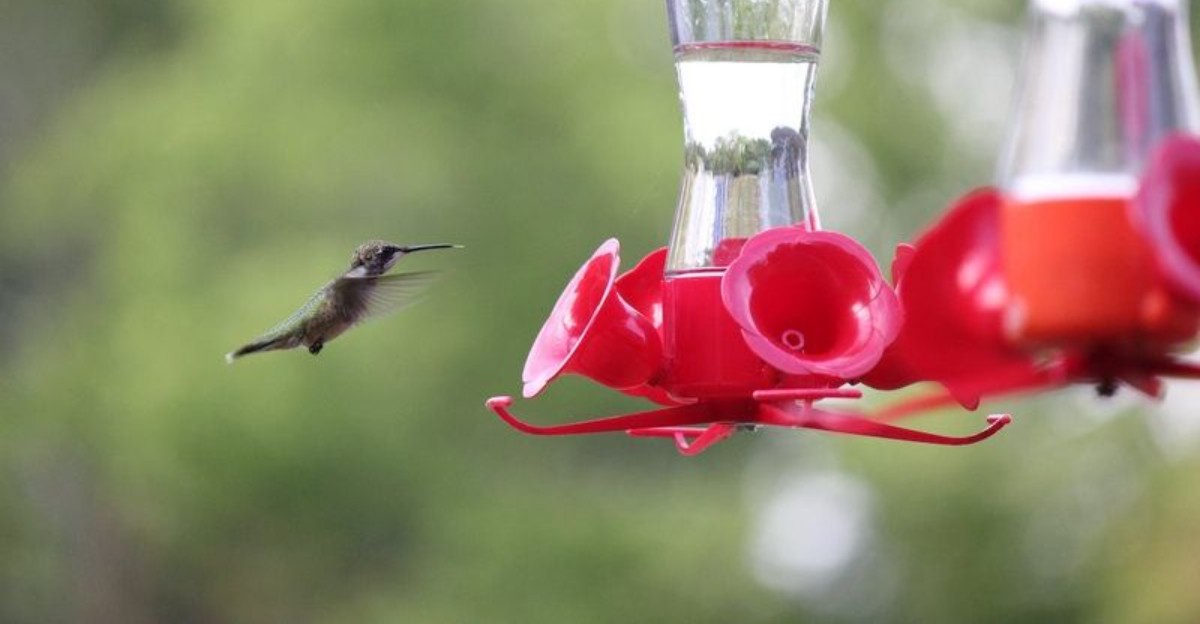
Your hummingbird feeder may stay busy even as summer flowers begin fading, because migration keeps bringing new visitors through the yard. What they find there can shape how long they stay.
Some birds are familiar summer residents, while others may be travelers stopping briefly to refuel.
That constant turnover makes fall different from the quieter feeding patterns you noticed earlier. In Georgia, migration can continue well after the first signs of seasonal change appear.
Keep your setup dependable rather than changing everything once September arrives.
Hummingbirds benefit from finding reliable resources along their route, and your yard can provide a stop. Simple choices can make that space easier for passing birds to use.
Support them through migration, and those quick flashes of color may continue brightening your yard for weeks.
1. Keep Feeders Up While Fall Travelers Are Still Passing Through
Pulling feeders down on Labor Day weekend is a habit worth breaking.
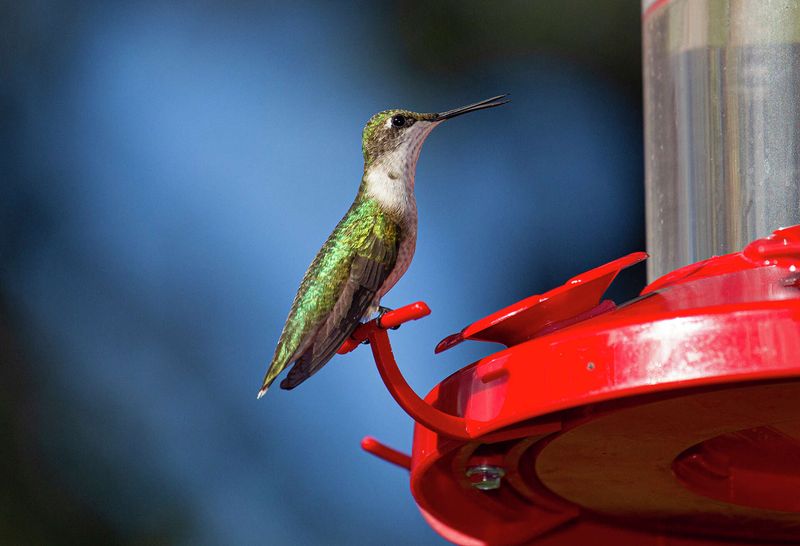
Ruby-throated hummingbirds move through Georgia well into October, and a few linger later still. Late travelers depend on food they remember from earlier stops.
Feeders do not hold birds back from heading south.
Day length and built-in timing drive migration, not a full sugar dish. Local nesters usually clear out first, often by mid to late September.
Birds showing up after that are frequently visitors from farther north.
Most stop for a day or two, feed hard, then keep going. Keeping one feeder filled through October gives them a stop they can count on.
Some folks leave a single feeder out all winter, just in case.
Rufous hummingbirds occasionally turn up in the Southeast during cold months, though sightings stay uncommon. Weather and luck decide that, so treat it as a bonus rather than an expectation.
Feeder traffic can drop off sharply for a week, then pick back up.
Cooler mornings in the mountains push birds along earlier than along the coast. Timing varies by year, so watching your own yard beats following a fixed date.
Empty feeders during quiet stretches teach passing birds to skip your yard. Filling halfway cuts waste while visitor numbers bounce around.
Mark mid November on the calendar as a reminder to check one last time.
2. Refresh The Sugar Water Before It Turns Cloudy
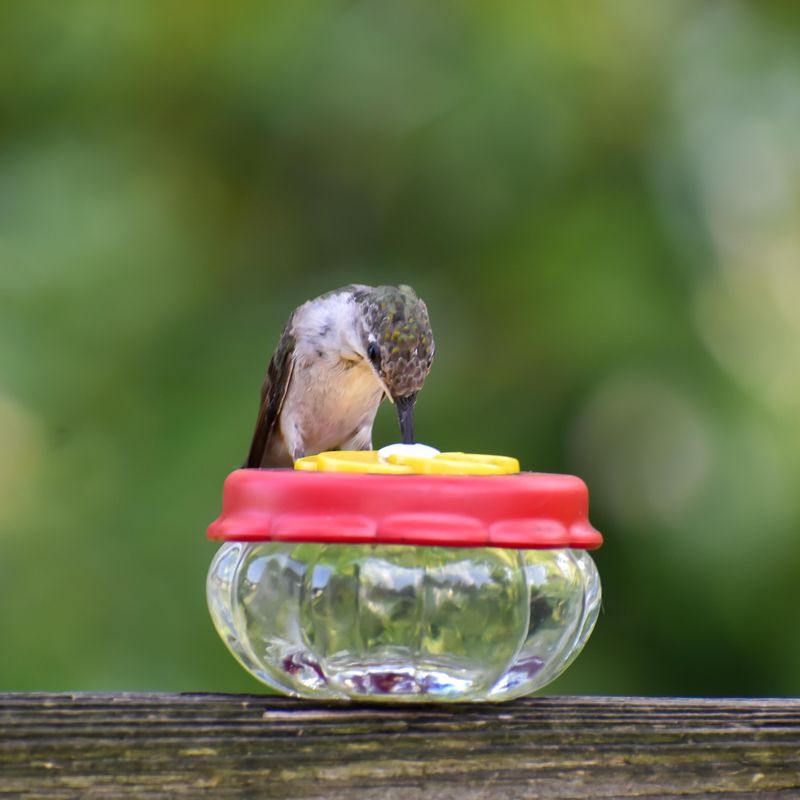
Cloudy nectar is a warning sign, not a minor cosmetic issue.
Plain white sugar and water, one part sugar to four parts water, is all hummingbirds need. Skip red dye, honey, and brown sugar, since none of them help and some can cause problems.
Hot tap water dissolves sugar fine, though boiling makes it faster.
Extra nectar keeps in the refrigerator for about a week. Mixing a small batch beats dumping out a big one.
Warm early fall days in Georgia speed up spoiling more than most people realize.
When afternoons sit in the 80s, swap the nectar every two or three days. Above 90, every day or every other day is safer.
Cloudiness, stringy bits, or a sour smell all mean it is time to dump it.
Your Georgia Garden Changes Every Week. Your Plan Should Too.
Gardening in Georgia changes quickly throughout the season. Every Friday you’ll receive a simple weekly plan showing exactly what to plant, prune, fertilize, harvest, and protect so you never miss the right timing.
Sun exposure speeds fermentation, so a feeder in afternoon shade stays fresh longer. Morning sun with shade later is a decent compromise.
Fill only a quarter of the reservoir once traffic slows in late fall.
Keeping a marked jar in the fridge makes refills quick on busy mornings. Label the lid with the date so nothing sits too long.
Birds notice fresh nectar and return more often when it tastes right. Stale sugar water quietly pushes them toward the neighbor’s feeder.
A quick rinse before each refill keeps old residue from souring the new batch.
3. Clean Feeders Regularly During Warm Fall Weather
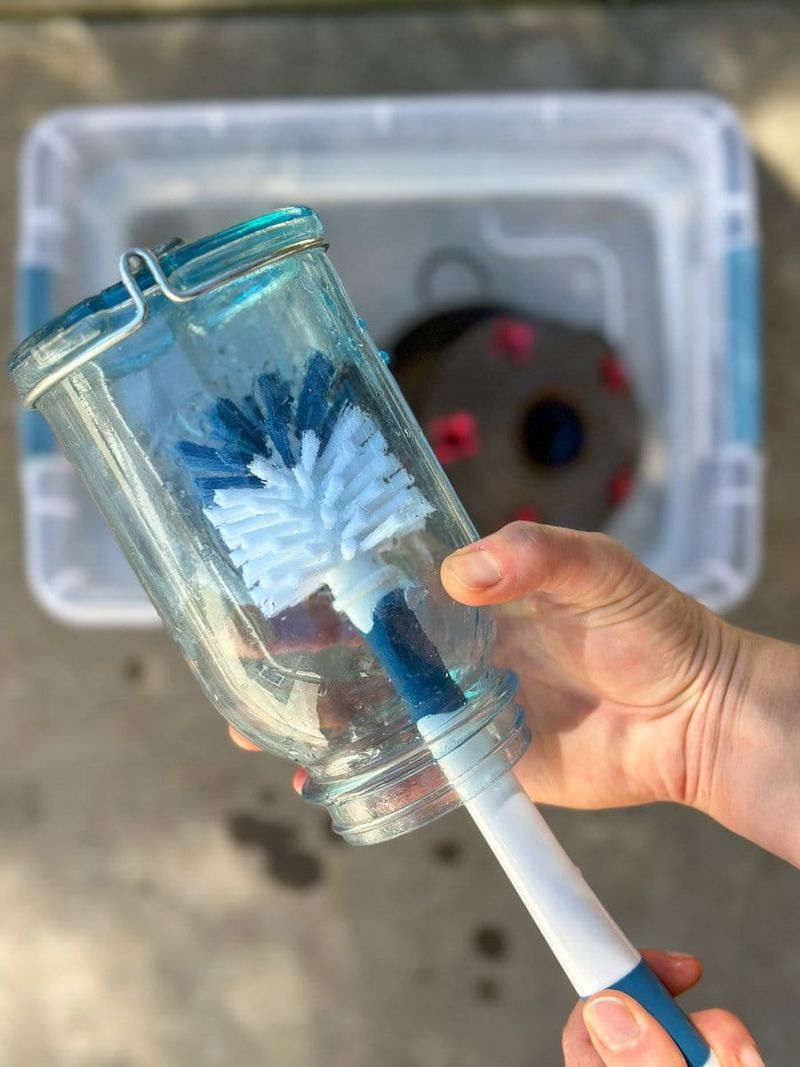
Black specks around the feeder ports usually mean mold showed up first.
Humid autumn air across much of Georgia keeps sugar water friendly to mold and yeast. Cleaning matters as much in October as it does in July.
Hot water and a bottle brush handle most of the job.
Small port brushes or pipe cleaners reach the spots a sponge misses. Buildup hides inside ports, under gaskets, and in narrow seams.
A soak in one part white vinegar to four parts water loosens stubborn film.
Rinse everything well afterward so no vinegar taste remains. Dish soap works too, but leftover residue can turn birds away.
Saucer-style feeders come apart easily and stay cleaner than bottle designs.
Owning two feeders lets one dry while the other hangs outside. Rotating them cuts skipped cleanings during busy weeks.
Wipe the outside too, since dripped nectar draws ants and wasps.
An ant moat above the feeder helps, and bee guards limit wasp visits. Neither works perfectly, so expect some insect competition anyway.
Set a cleaning day each week and pair it with another yard chore. Habits stick better when they ride along with something you already do.
Cleaning takes about five minutes, and skipping it can quietly empty your feeder.
Let parts air dry fully before refilling to slow new growth.
4. Leave Late Blooming Flowers Available For Natural Nectar
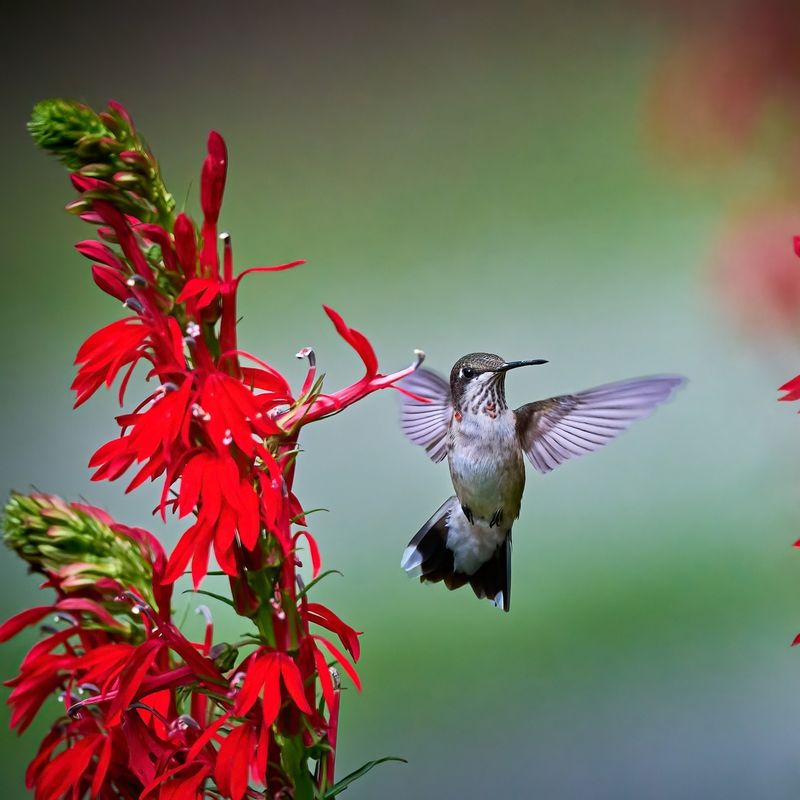
Flowers do something feeders cannot: they bring insects along with the nectar.
Tiny gnats, aphids, and spiders make up a real share of a hummingbird’s diet. Protein matters even more before a long flight south.
Pineapple sage often blooms into October in Georgia gardens, right when migrants arrive.
Salvia guaranitica, sometimes sold as Black and Blue, keeps flowering until frost. Cardinal flower, cuphea, lantana, and Turk’s cap also stretch the season.
Jewelweed grows wild in damp, shady spots and pulls in plenty of visitors.
Deadheading spent blooms nudges plants into producing more. Skip the shears on anything still budding in September.
Grouping several plants together makes them easier for passing birds to spot.
Bloom times shift with rainfall, heat, and how early frost arrives. A wet, mild fall can stretch flowering by several weeks.
Heavy pesticide use knocks out the small insects hummingbirds hunt.
Trumpet honeysuckle sometimes puts out a second flush of red blooms in fall. Native vines like that need little fussing once established.
Spot-treating problems beats spraying the whole garden. Container salvias can be shifted into brighter spots as the sun angle drops.
Pair flowers near the feeder so birds find both on one stop. Natural nectar also carries them through days when feeders run empty.
Leave a few seed heads and stems standing for insects to shelter in.
5. Give Hummingbirds Small Perches Near Feeding Areas
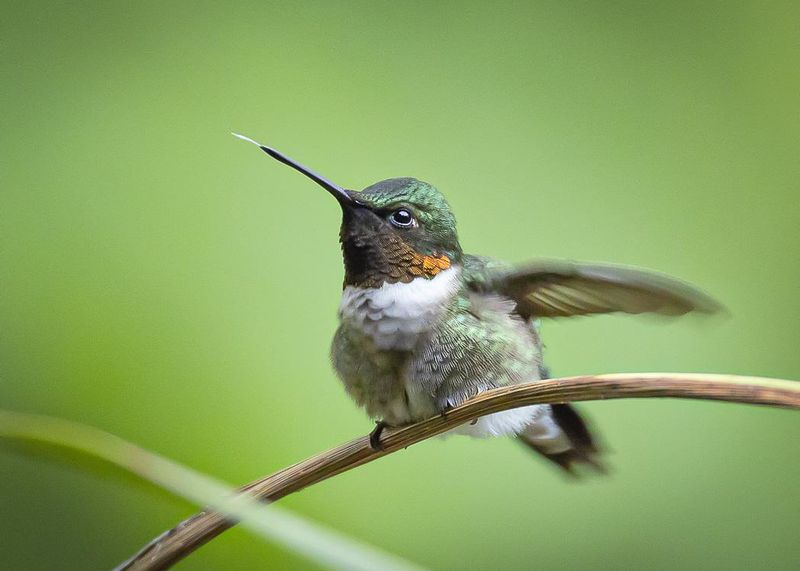
Hummingbirds sit still far more than their reputation suggests.
Much of their day goes to resting, preening, and digesting between feeding runs. A good perch gives them a place to do all three.
Pencil-thin twigs suit their tiny feet better than thick branches.
Bare branches near the top of a shrub work especially well. Males often pick the highest spot to watch a feeder they are guarding.
Ten to fifteen feet from the feeder is close enough to be useful.
Slightly above feeder height gives a clear view of arrivals. Birds spend less energy when they can watch without hovering.
Skip pruning every bare twig when you tidy shrubs in early fall.
Those thin, leafless stems are exactly what perching birds prefer. Dense growth right at the feeder is better trimmed back.
A thin dowel zip-tied to a shepherd’s hook makes a simple perch.
Trellises, tomato cages, and clothesline wire also get plenty of use. Nothing fancy is required, just something narrow and steady.
Watch where birds already land, then add perches nearby. They tend to reuse favorite spots once they settle into a routine.
Perches also help you get a better look at markings and behavior. Sitting birds are far easier to study than hovering ones.
Place at least one perch out of easy reach of nearby fences or rooftops.
6. Keep Cats Away From Their Favorite Feeding Spots
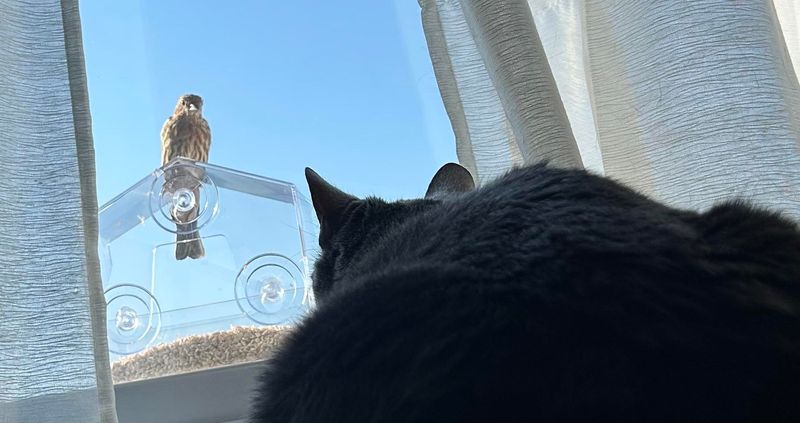
One roaming cat can shut down a busy feeder in a couple of days.
Hummingbirds pause at flowers and feeders, which puts them within reach of a waiting cat. Birds that feel watched simply stop coming back.
Keeping house cats indoors is the most reliable fix available.
An enclosed catio gives outdoor time without the risk to birds. Supervised leash walks work for some cats as well.
Mount feeders at least five feet up, away from fences and deck rails.
Cats launch from low walls, woodpiles, and dense shrubs. Clearing those staging spots under a feeder makes a real difference.
Open ground beneath the feeder leaves nowhere to crouch unseen.
Motion-activated sprinklers discourage repeat visitors without harming anything. Most cats decide the spot is not worth the trouble.
Feeding stray cats near your feeders sends mixed messages to the whole yard.
Neighborhood cats roam widely across suburban Georgia yards. Talking with neighbors about indoor cats often does more than any gadget.
Collar bells give mixed results and should not be your only step. Physical distance and open sightlines matter more.
Check the ground under feeders now and then for signs of visits. Paw prints in mulch or flattened plants are easy clues.
Small changes in placement can bring shy birds back within a week.
Move the feeder again if cats continue using the same route through the yard. Giving hummingbirds a clearer, quieter feeding spot can help them return with confidence.
7. Offer A Shallow Moving Water Source Nearby
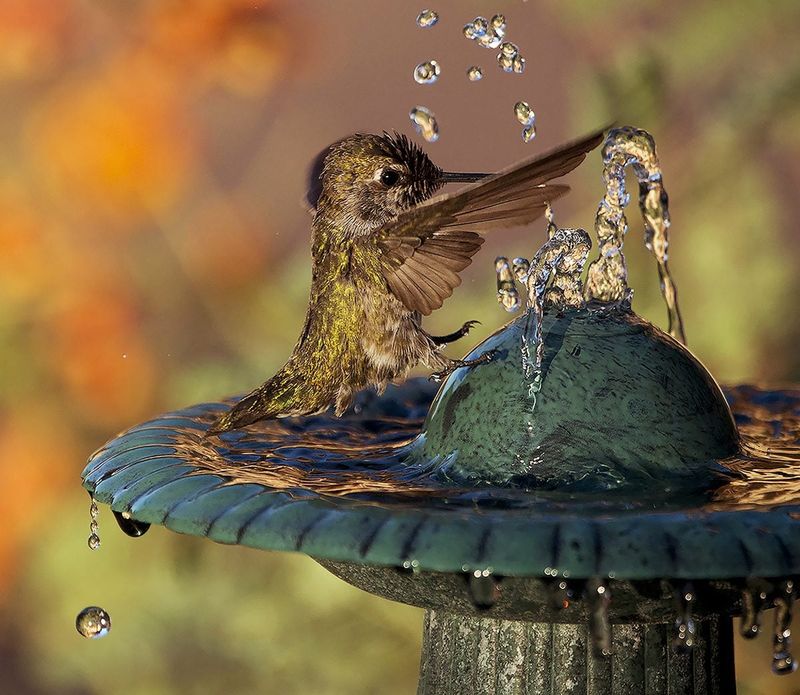
Standard birdbaths are useless to a bird weighing about three grams.
Hummingbirds cannot wade, so deep water offers them nothing. Moving water, on the other hand, catches their attention fast.
A simple mister attached to a garden hose often does the trick.
Fine spray hung near leafy branches lets birds fly through it. Some prefer rubbing against wet leaves instead of bathing directly.
Drippers that release slow drops into a basin also draw them in.
Fill an existing birdbath with flat stones to shrink the depth. A quarter inch of water is plenty.
Small solar fountains keep the surface rippling on sunny afternoons.
Fall in Georgia can turn dry for weeks at a stretch. Reliable water during those spells keeps birds circling back.
Scrub the basin weekly to keep algae from taking over.
Place water within sight of the feeder but not directly under it. Dripped nectar in a bath spoils quickly.
Run the mister during late morning, when birds are most active. Timers help if you would rather not stand there with the hose.
Keep the spray gentle, since strong jets scatter birds instead of inviting them. Adjust the nozzle until it feels like light drizzle.
Butterflies, warblers, and chickadees show up for the same spray, so one water feature ends up serving the whole yard.
8. Let Migrating Birds Decide When It Is Time To Move On
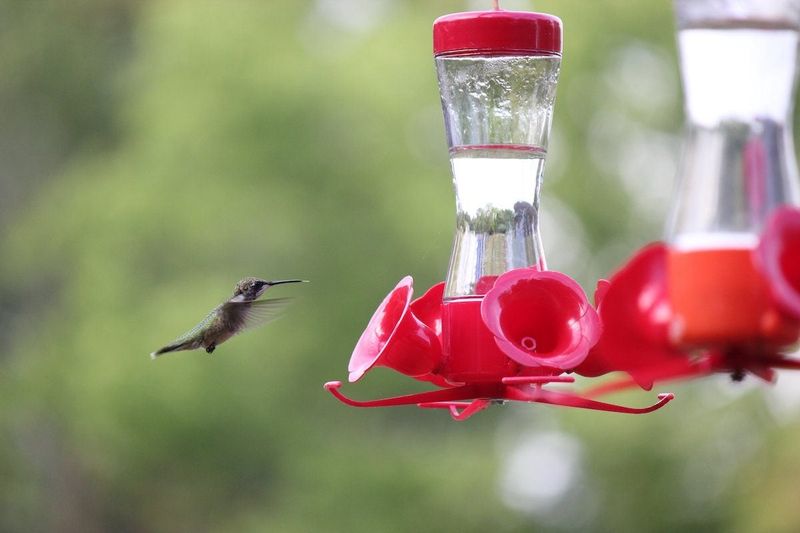
Nobody needs to nudge hummingbirds south; they leave on their own clock.
Shortening days trigger the urge to travel, not an empty feeder. Pulling nectar early only removes fuel from birds already committed to going.
A common rule of thumb: keep feeders up two weeks past your last sighting.
That buffer covers stragglers passing through from northern states. Some are young birds on a first trip, moving slower than adults.
Late-season visitors sometimes arrive thin and worn out from the flight.
Easy calories help them rest and continue when conditions improve. Cold snaps can pin birds down for days at a time.
Any hummingbird still hanging around Georgia in December deserves a closer look.
Western species such as Rufous occasionally winter in the Southeast. Local birding groups appreciate reports of unusual sightings.
Cut nectar batches down to a few ounces once visits become rare.
When you finally take feeders in, wash and dry them completely. Storing clean parts saves scrubbing next spring.
Keep glancing at the flowers into November, since surprises happen. Migration timing shifts year to year with weather patterns.
Write down first and last sightings each season in a notebook. Those notes turn into a useful personal record after a few years.
Patience costs almost nothing and often pays off with one more visitor.
Leaving a feeder available a little longer gives those final travelers a dependable place to refuel. There is no need to rush the seasonal change while hummingbirds may still be passing through.