This Shade-Loving Groundcover Is An Underrated Pachysandra Alternative In Michigan Gardens
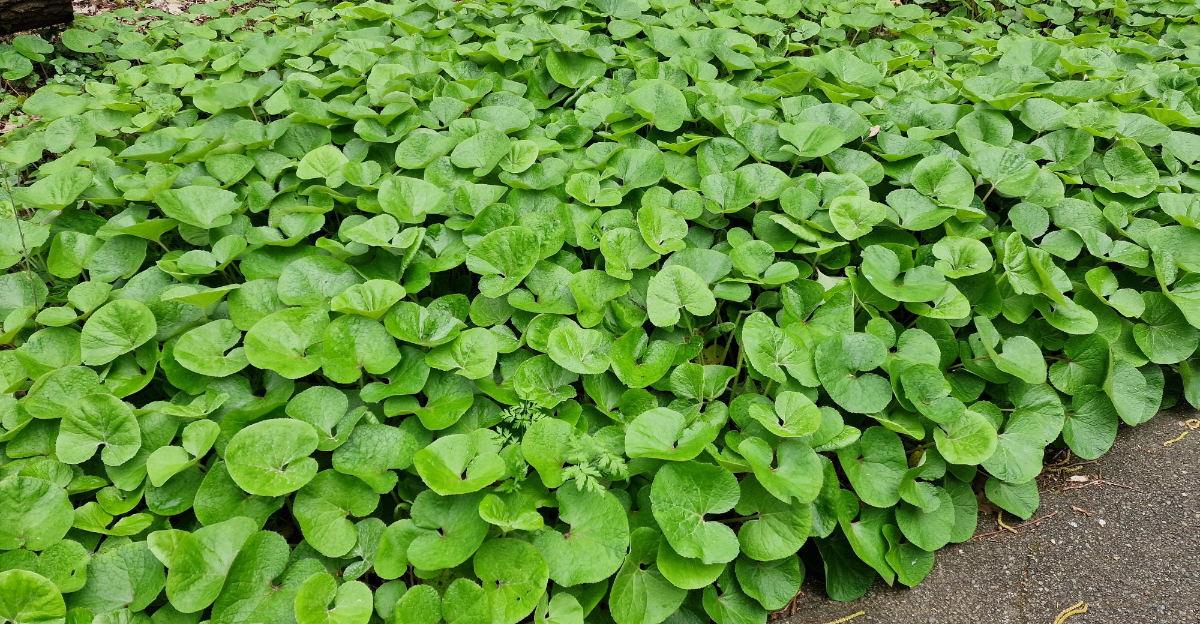
Wild ginger offers Michigan gardeners a native, shade loving alternative to pachysandra that often gets overlooked despite its many benefits.
This low growing groundcover spreads steadily in shaded areas, forming a dense mat that suppresses weeds effectively over time.
Its heart shaped leaves add attractive texture, offering visual interest that feels more natural than the uniform look of pachysandra.
Wild ginger also supports local pollinators, providing ecological value that non native groundcovers typically cannot match.
Unlike pachysandra, it tolerates Michigan’s clay soil well without requiring significant soil amendments beforehand.
Once established, this plant needs very little maintenance, thriving happily in the same shaded spots where pachysandra is traditionally used.
Its slower initial growth eventually gives way to a full, lush carpet across garden beds. Choosing wild ginger brings native beauty and function to shaded areas often filled with overused alternatives.
1. A Native Perennial Built For Michigan Shade Gardens
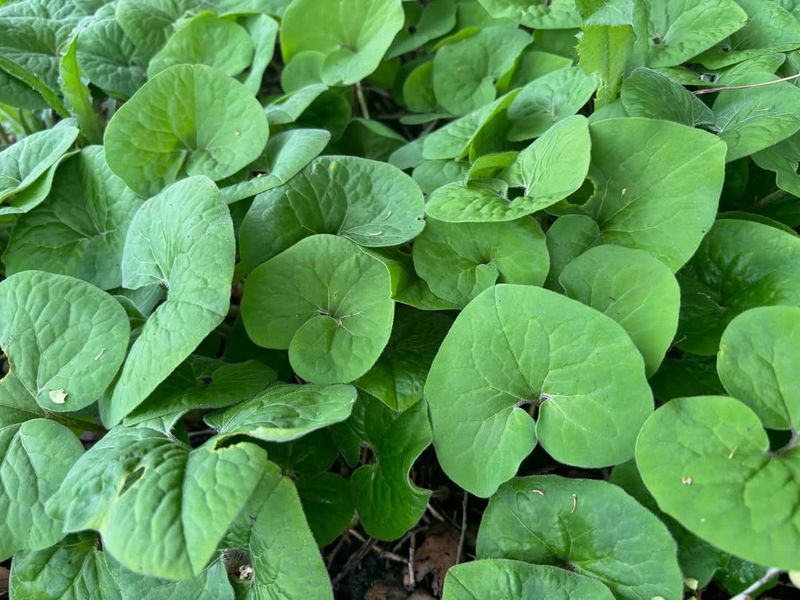
Not every plant earns the title of “underrated,” but Wild Ginger, or Asarum canadense, genuinely deserves that label in Michigan gardens.
Native to the eastern and central United States, this low-growing perennial has been carpeting forest floors long before anyone thought to put it in a backyard garden bed.
It belongs here, and Michigan’s climate and native soil conditions suit it beautifully.
What makes Wild Ginger such a compelling alternative to Japanese Pachysandra is its regional relevance. Pachysandra terminalis, the familiar evergreen groundcover found in countless American yards, originally comes from Japan and China.
Wild Ginger, by contrast, is part of Michigan’s own natural landscape. Planting it beneath your deciduous trees or along woodland borders means you are working with nature rather than against it.
Native insects, particularly certain beetle species, interact with Wild Ginger in ways that support a healthier backyard ecosystem overall.
One important detail every gardener should know upfront: Wild Ginger is deciduous. Its broad leaves emerge in spring, grow through summer, and fade back in autumn.
Unlike Pachysandra, it will not provide a carpet of green foliage during Michigan’s cold winter months. Gardeners who want year-round evergreen coverage will need to plan accordingly or combine Wild Ginger with other plantings.
For those who appreciate the natural rhythm of a woodland garden, though, its seasonal cycle feels entirely appropriate.
Embracing that cycle rather than fighting it is part of what makes growing Wild Ginger so satisfying and rewarding.
2. Wild Ginger Thrives Beneath A Shady Canopy
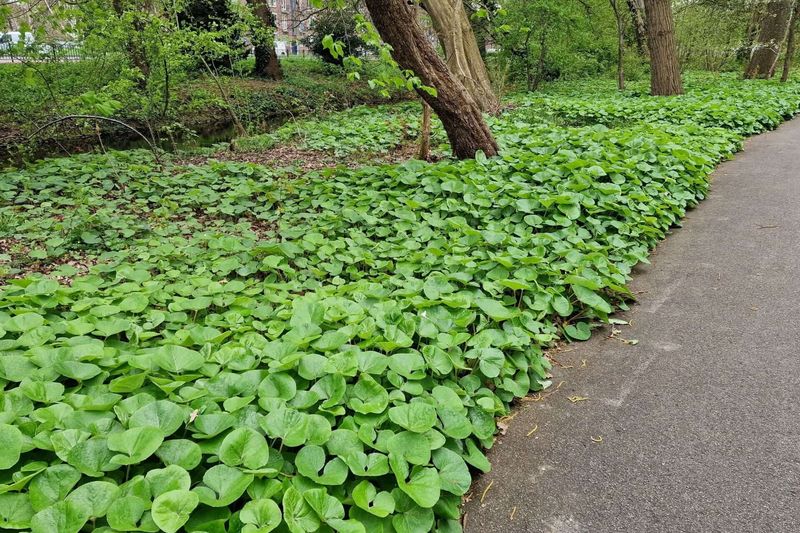
Shade gardening can feel like a puzzle, especially when lawn grass thins out and sun-loving perennials refuse to cooperate under a thick tree canopy. Wild Ginger was practically designed for exactly these conditions.
In its natural habitat, it grows across the forest floor beneath towering oaks, maples, and beeches, thriving where filtered light and cool, moist soil create the right environment for steady growth.
Partial shade and full shade are both manageable for Wild Ginger, which gives Michigan gardeners a lot of flexibility when placing it in the yard.
Spots that stay shaded for most of the day, particularly beneath mature deciduous trees, are often ideal. The plant handles the low-light conditions that make other groundcovers struggle or look sparse and patchy over time.
Your Michigan Garden Changes Every Week. Your Plan Should Too.
Gardening in Michigan changes quickly throughout the season. Every Friday you’ll receive a simple weekly plan showing exactly what to plant, prune, fertilize, harvest, and protect so you never miss the right timing.
Here is something worth knowing before you grab a shovel, though. Shade alone does not guarantee success with Wild Ginger, or any plant for that matter. The area beneath a large, established tree can be surprisingly competitive.
Tree roots pull moisture and nutrients from the soil aggressively, and if the ground stays extremely dry during summer, even shade-tolerant plants can struggle to get established.
Before planting, take a close look at the soil. Is it reasonably moist after rain, or does it dry out quickly?
Is the ground heavily compacted from years of root activity? Answering those questions honestly will help you choose the best spots and set your Wild Ginger up for genuinely strong, satisfying growth from the very start.
3. Broad Leaves Create A Lush Woodland Carpet
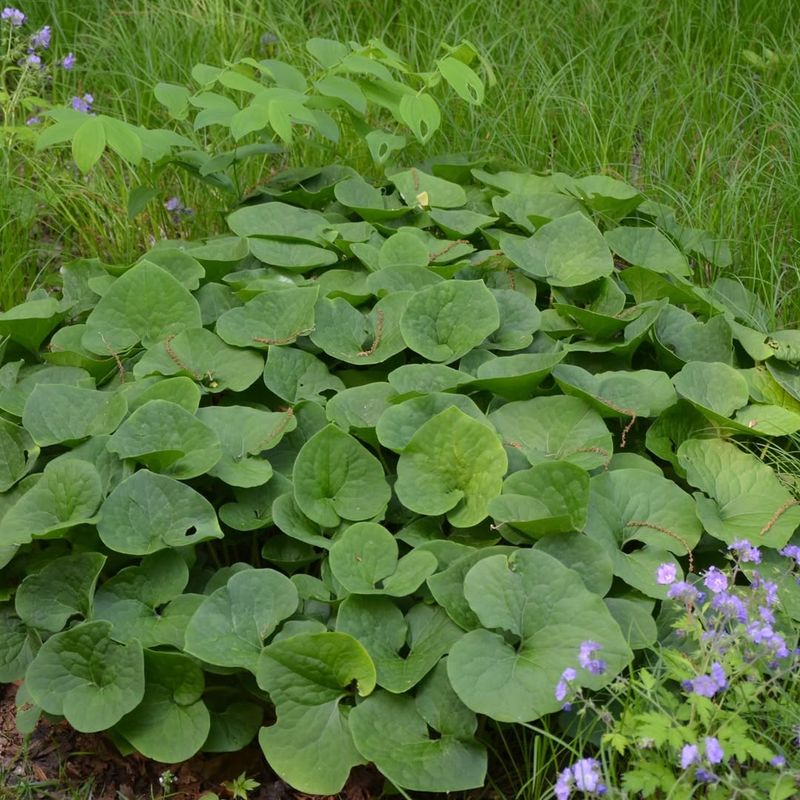
There is something deeply satisfying about the way Wild Ginger fills a garden bed. The leaves are broad, heart-shaped, and velvety in texture, reaching anywhere from three to six inches across depending on growing conditions.
When plants are healthy and well-established, they overlap in a way that creates a rich, continuous layer of green that looks genuinely lush from late spring straight through to early fall.
That bold leaf shape does a lot of visual work in a shaded garden. It softens bare soil that might otherwise look neglected, and it provides a natural, welcoming backdrop for other woodland plants.
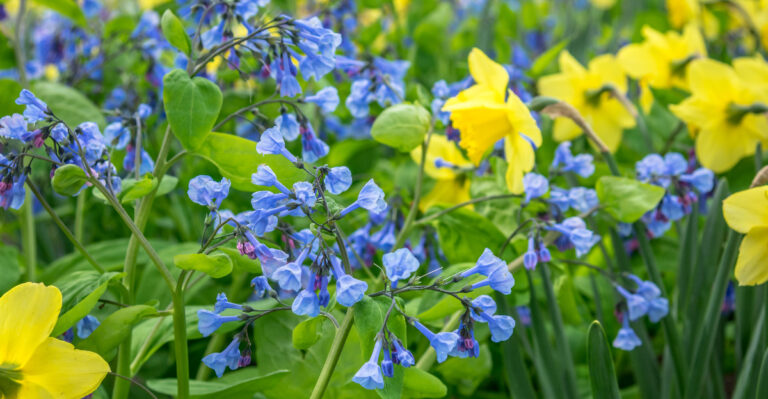
One of its most practical talents is concealing fading spring bulb foliage. After tulips, daffodils, or Virginia bluebells finish blooming, their leaves need time to yellow and fade naturally before you remove them.
Wild Ginger spreads right over that messy transition, keeping the garden looking tidy without any extra effort on your part.
Compared to Japanese Pachysandra, Wild Ginger has a noticeably more relaxed, naturalistic appearance.
Pachysandra tends to create a neat, almost formal-looking mat with its glossy, whorled leaves, which works well in tidy, structured landscapes.
Wild Ginger has a softer, more organic quality that feels at home in naturalistic designs, woodland gardens, and transitional spaces between trees, shrubs, garden paths, and perennial borders.
If your goal is a garden that looks like it grew there naturally rather than one that was carefully arranged, Wild Ginger delivers that aesthetic with very little effort required from you.
4. Rhizomes Help Wild Ginger Form Expanding Colonies
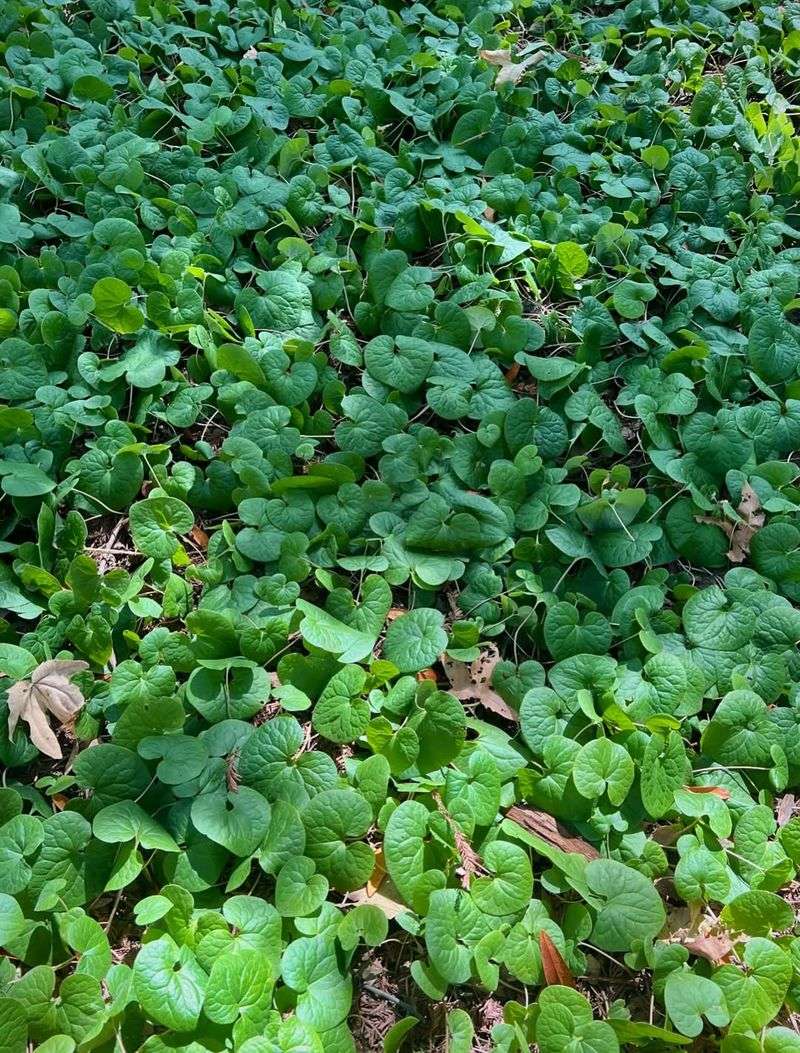
One of Wild Ginger’s most useful qualities as a groundcover is the way it spreads.
Rather than producing seeds that scatter unpredictably, Wild Ginger expands through underground rhizomes, which are horizontal stems that creep slowly through the soil and send up new leaf shoots as they go.
Over time, a small planting develops into a connected colony that fills the space in a steady, organized way. This growth habit makes Wild Ginger genuinely practical for covering open soil in shaded Michigan beds.
You are not dealing with a plant that stays exactly where you put it forever, nor are you dealing with one that aggressively takes over everything in sight.
The spread is gradual and manageable, which suits most home gardeners perfectly. Plant a few groupings in a shaded area, give them a couple of growing seasons, and you will start to see the gaps fill in naturally.
Patience is key, and that is worth saying plainly. Wild Ginger does not rush. During the first season or two, plants focus energy on establishing their root systems rather than spreading outward aggressively.
Open spaces between young plants can attract weeds during that establishment window, so staying on top of weeding early on makes a real difference.
Pulling perennial weeds before they get established is much easier than trying to remove them later once Wild Ginger has filled in around them. Think of that early maintenance as an investment.
Once the rhizomes knit together and coverage becomes dense, weed pressure naturally decreases and the garden practically takes care of itself.
5. Rich Soil And Consistent Moisture Support Full Growth
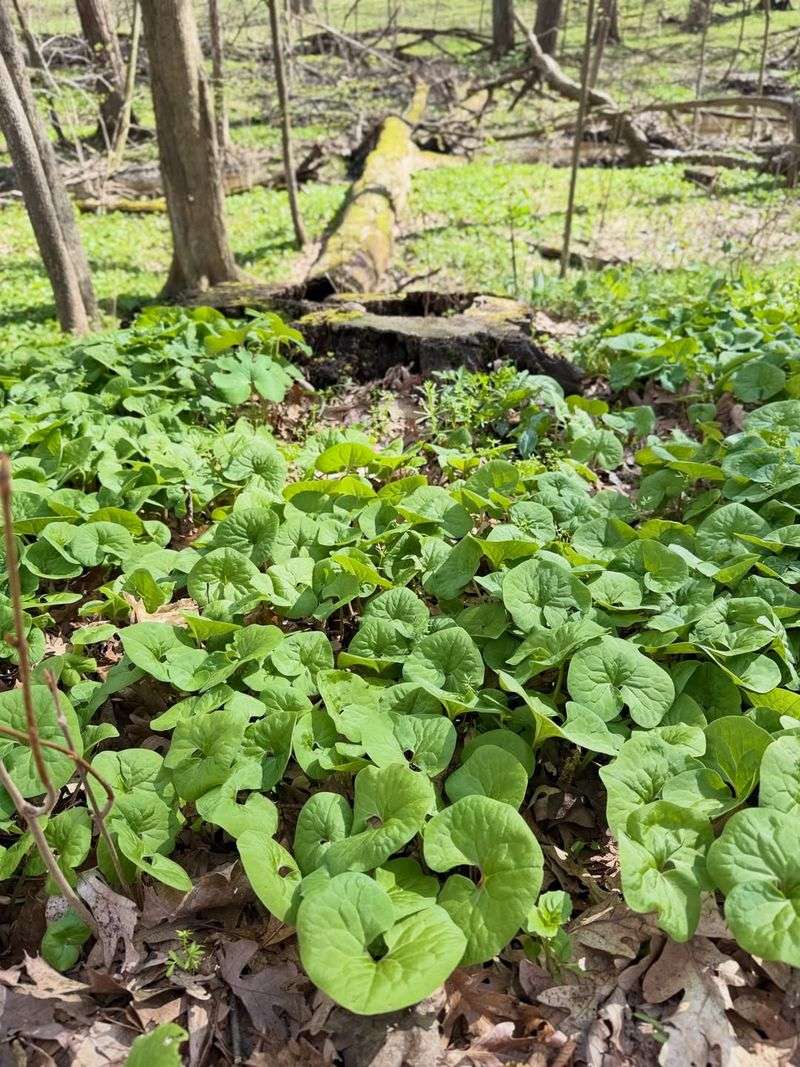
Wild Ginger is not a fussy plant, but it does have preferences, and understanding them makes a meaningful difference in how quickly and fully it establishes.
In nature, it grows in the rich, dark, moderately moist soils found on the floors of eastern deciduous forests.
Those conditions tell you a lot about what to aim for in your garden. Soil that contains plenty of organic matter, holds some moisture without staying waterlogged, and has decent drainage is close to ideal.
When you prepare a new planting area, work compost or leaf mold into the top several inches of soil if possible. This improves both moisture retention and soil structure, which benefits Wild Ginger and any companion plants you include nearby.
Good organic matter also feeds the soil biology that supports healthy root development over time, which helps the rhizomes spread more confidently through the bed.
Watering consistently during the first growing season is genuinely important. Newly planted Wild Ginger needs reliable moisture while its roots settle in and begin exploring the surrounding soil.
Deep, infrequent watering encourages roots to grow downward rather than staying shallow and vulnerable to dry spells.
Covering the soil with a light layer of shredded leaves or organic mulch helps retain moisture between waterings and keeps soil temperatures steady.
Once plants are established over a season or two, they can handle occasional dry periods reasonably well.
That said, fuller, denser coverage is consistently more dependable in spots where soil moisture stays reasonably steady rather than swinging between soaking wet and bone dry throughout the summer months.
6. Hidden Spring Flowers Add Woodland Character
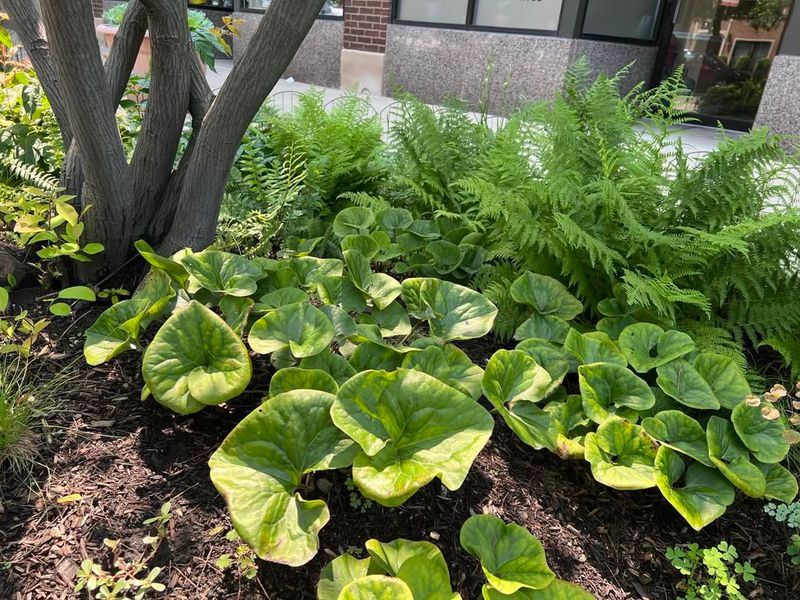
Most people grow Wild Ginger for its foliage, and that makes complete sense. But tucked beneath those broad heart-shaped leaves every spring is one of the more fascinating floral details you will find in any shade garden.
Wild Ginger produces small, reddish-brown, cup-shaped flowers that sit right at or just below soil level, almost completely hidden by the canopy of leaves above them.
These flowers are genuinely unusual. Their dark coloring and low position make them easy to miss entirely, which is part of their quiet charm.
They bloom in mid to late spring, roughly around the same time the new leaves are expanding and filling out. If you want to see them, you have to look for them, gently lifting a leaf or two to peek underneath.
It feels a little like finding something secret, which makes the discovery oddly satisfying for curious gardeners who enjoy those small moments of surprise in the garden.
From a purely practical standpoint, do not plant Wild Ginger expecting a showy floral display. The flowers are not going to stop visitors in their tracks or provide the kind of colorful spring show you get from bleeding heart or trillium.
What they offer instead is a subtle, woodland authenticity that makes the planting feel more genuine and layered. The real ornamental value here is the foliage, and that is where your design thinking should focus.
Place Wild Ginger where its dense, lush leaf coverage does the heavy lifting, and treat the hidden flowers as a quiet seasonal bonus that rewards the gardeners who pay close attention to their plants.
7. Wild Ginger Blends With Other Michigan Shade Plants
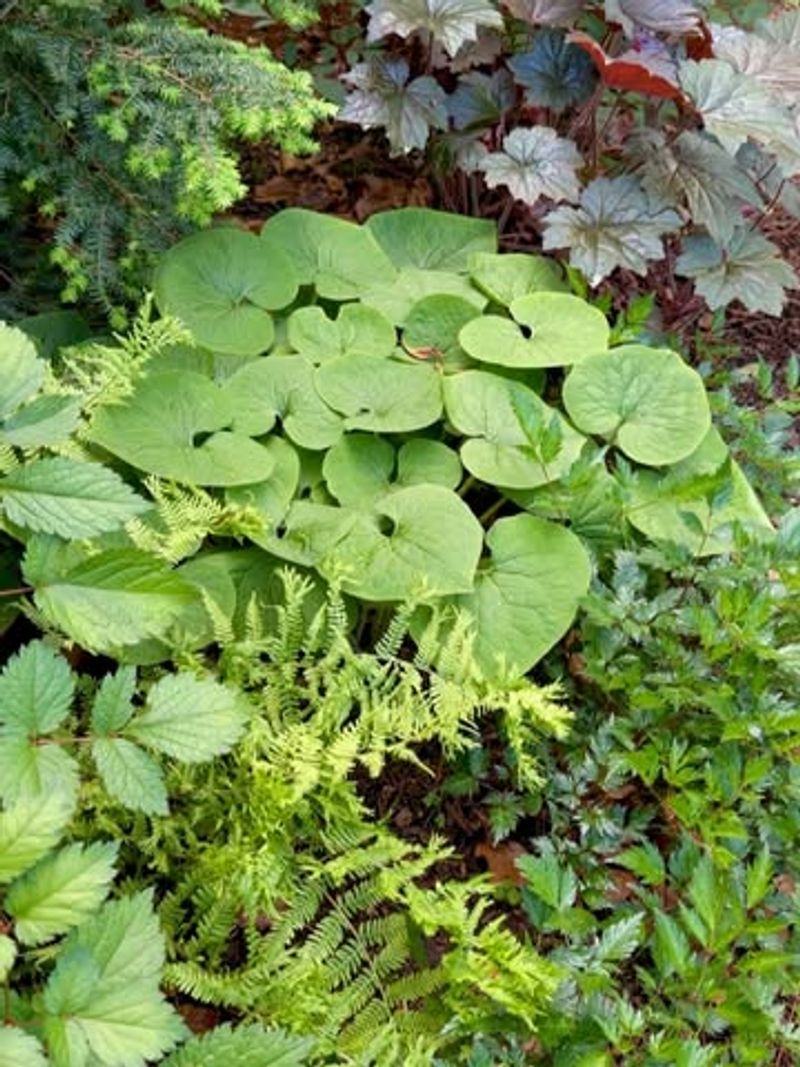
A groundcover looks its best when it is part of a thoughtfully layered garden rather than planted alone in an empty bed.
Wild Ginger pairs beautifully with a wide range of Michigan-native and shade-tolerant plants, and working it into a mixed planting creates something that feels genuinely alive and visually interesting rather than simply functional.
Ferns are a natural companion. The fine, feathery texture of species like ostrich fern or cinnamon fern contrasts wonderfully with Wild Ginger’s bold, rounded leaves, creating a layered look that feels like a real woodland floor.
Sedges, particularly native species like Pennsylvania sedge, work equally well, adding fine-textured greenery that bridges the gap between the low groundcover layer and taller plants above.
Spring-blooming woodland perennials such as trillium, Jacob’s ladder, and Virginia bluebells pop beautifully when surrounded by Wild Ginger’s broad green foliage, which keeps the bed looking full and intentional even after those early bloomers fade.
Shade-tolerant shrubs like native viburnums or itea give the planting vertical structure and seasonal interest, while Wild Ginger quietly holds the ground level together beneath them.
One design tip that makes a real difference: rather than scattering individual plants randomly across a bed, plant Wild Ginger in repeated groups of three to five.
Grouped plantings knit together faster, create a more continuous groundcover effect sooner, and give the garden a sense of rhythm and cohesion that isolated plants simply cannot achieve.
That repetition transforms a collection of individual plants into a unified, designed space that looks intentional and polished from the very beginning.
8. Proper Planting Helps Wild Ginger Replace Pachysandra Successfully
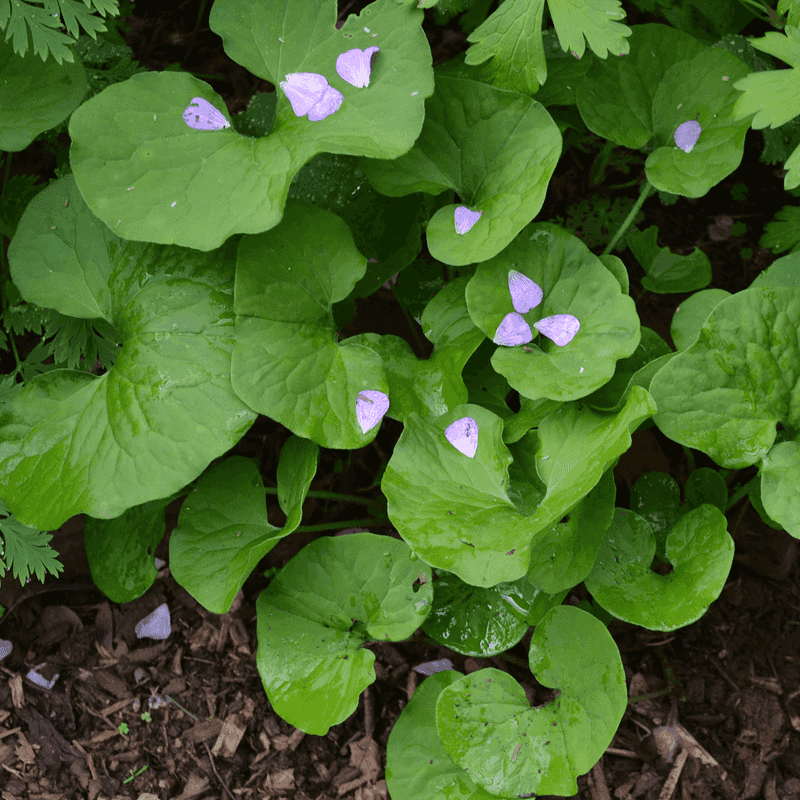
Switching from Pachysandra to Wild Ginger is very doable, and having a clear plan makes the process much smoother. Start by removing any existing vegetation from the planting area.
If you are working around established Pachysandra, remove it in sections rather than all at once if you prefer a gradual transition.
Clear the area of perennial weeds thoroughly because those are much harder to manage once Wild Ginger fills in around them.
Soil preparation matters, but work carefully in shaded beds that sit beneath established trees. Large tree roots are valuable and worth protecting, so avoid deep digging or aggressive tilling.
Instead, loosen just the top few inches of soil in the spaces between visible roots, add a generous layer of compost, and mix it in lightly.
That modest improvement goes a long way toward giving new plants a comfortable start without stressing the tree above.
Arrange Wild Ginger plants in groups rather than in rigid rows, spacing them roughly eight to twelve inches apart to encourage natural-looking coverage.
Water new plantings thoroughly right after planting, and keep soil consistently moist during the first growing season, especially during dry summer stretches.
A light layer of shredded leaf mulch over the soil helps retain moisture and mimics the natural leaf litter Wild Ginger enjoys in the wild.
Watch the open spaces between young plants during that first and second season, pulling any weeds that appear before they get established.
Wild Ginger rewards patient gardeners who accept gradual, natural establishment over quick results. The payoff is a native, self-sustaining groundcover that genuinely belongs in a Michigan garden.