Why Hummingbirds Chase Each Other Away From Michigan Feeders
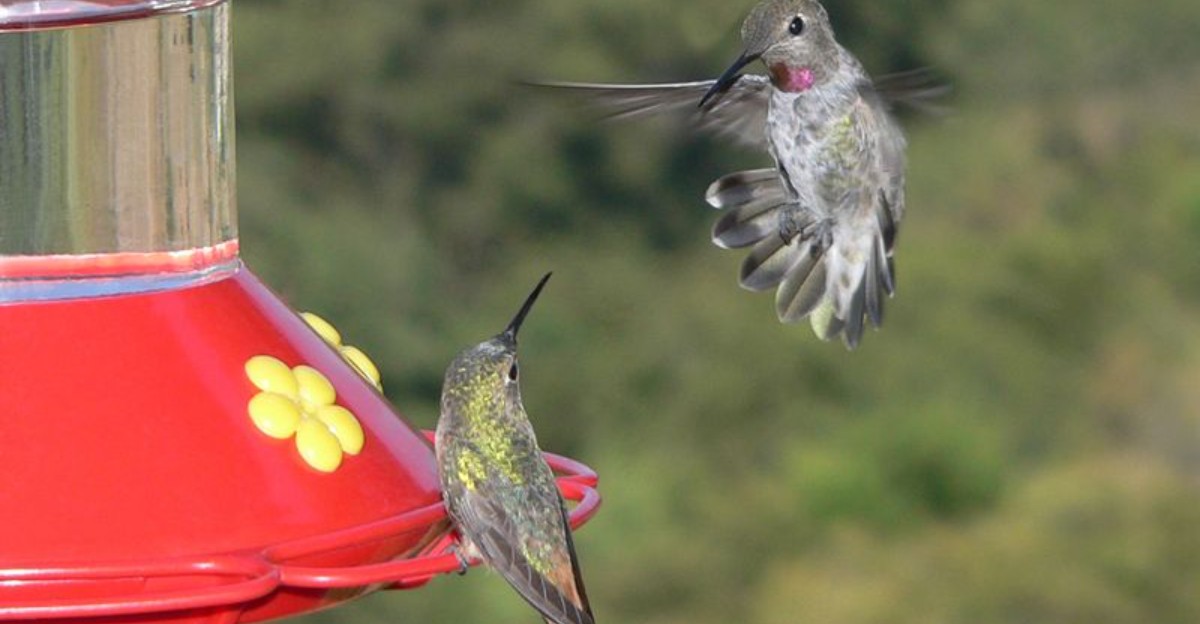
Hummingbirds have a reputation for being surprisingly aggressive around feeders, and Michigan yards are no exception once these tiny birds show up in numbers.
This behavior comes down to resource guarding, since a single hummingbird will often try to claim an entire feeder as its own personal food source rather than share it with others.
Because hummingbirds burn through energy so quickly, protecting a reliable nectar source can matter more to survival than it might seem from the outside.
This territorial behavior tends to increase during migration season, when more birds are passing through and competing for the same limited feeding spots.
Watching these fast, feisty standoffs is actually a sign of just how seriously these birds take their food supply.
1. They Are Defending A Valuable Food Source
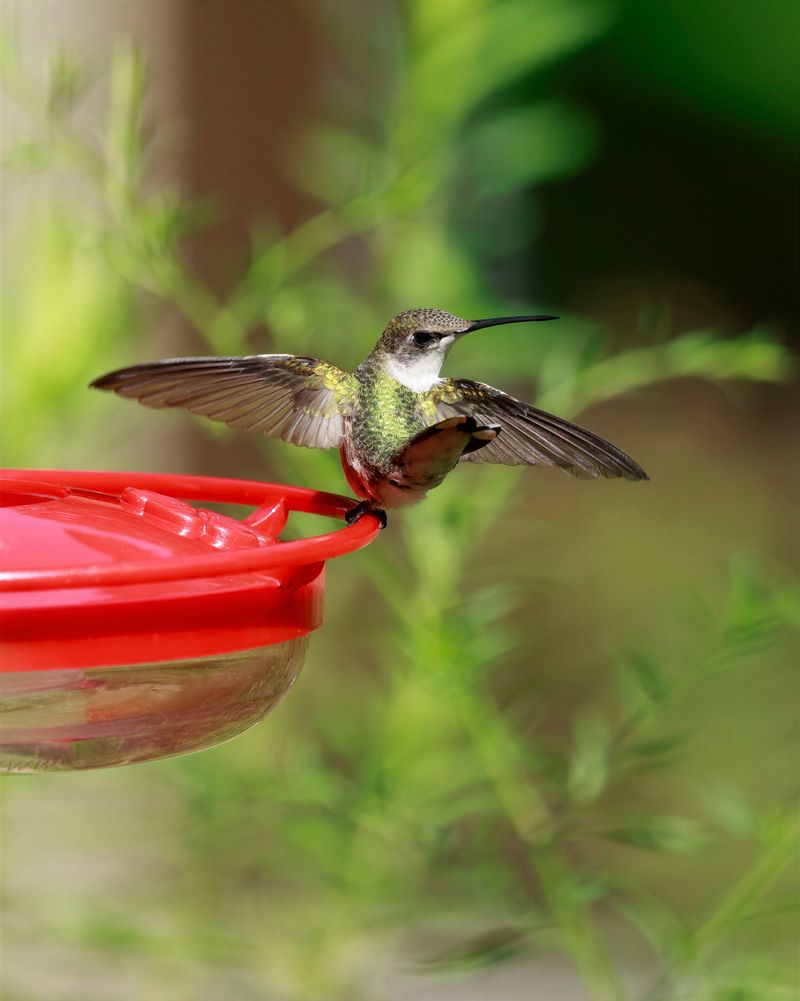
Nectar is like gold to a hummingbird. These little birds burn energy at an incredible speed, so a feeder full of sweet nectar becomes a treasure worth protecting.
When one bird finds a steady supply, it often decides that spot belongs to it alone.
Hummingbirds are naturally territorial, which surprises many people who expect such small creatures to be gentle. In the wild, they defend patches of flowers, and a feeder works the same way in their minds.
A reliable food source means survival, so they treat it seriously. Because nectar gives them the fuel they need for their fast wingbeats and busy days, a hummingbird will guard it fiercely.
It may sit on a nearby branch and watch the feeder like a tiny guard on duty. Any bird that comes too close gets a warning or a quick chase.
This behavior is not about being unfriendly. It comes from millions of years of instinct that tells them food equals life. A feeder that never runs out feels like the perfect prize to hold onto.
For Michigan gardeners, this means you might see one bold bird ruling the feeder all season. The good news is that this behavior is completely normal and healthy.
Understanding it helps you appreciate what you are watching instead of worrying about it. Once you know a hummingbird is simply protecting its energy source, those dramatic chases start to make a lot more sense and become even more fun to observe.
2. One Hummingbird May Claim The Entire Feeder
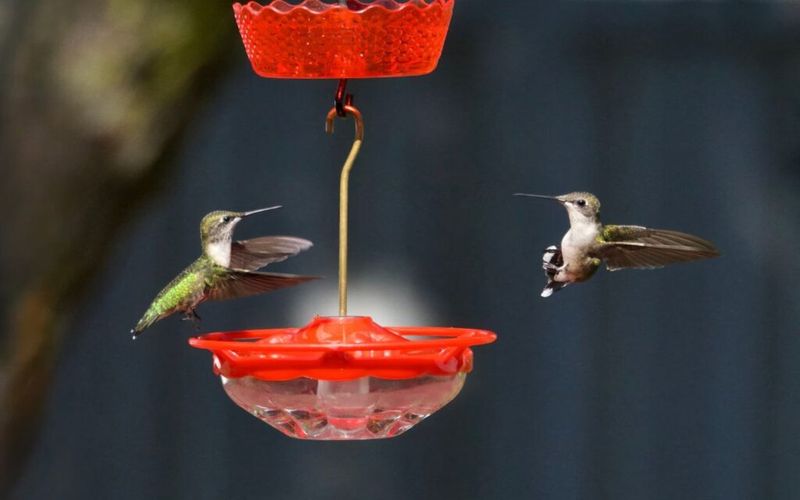
Ever notice how one bird seems to rule your whole feeder? That is because a single dominant hummingbird often takes charge, treating the feeder as its personal property and blocking everyone else from getting a sip.
This usually happens when only one feeder is available in your yard. With just one nectar source, the strongest or boldest bird has an easy job. It only needs to watch one spot and chase off any visitor that dares to approach.
The dominant bird picks a perch close by, often on a wire, branch, or fence. From there it keeps a sharp eye on its prize.
The moment another hummingbird flies in, it launches into action with a quick chase and a burst of angry chirping.
Your Michigan Garden Changes Every Week. Your Plan Should Too.
Gardening in Michigan changes quickly throughout the season. Every Friday you’ll receive a simple weekly plan showing exactly what to plant, prune, fertilize, harvest, and protect so you never miss the right timing.
Smaller or younger birds usually back down and search elsewhere. This can leave you thinking you only have one hummingbird when several are actually nearby, just too shy to fight for a turn.
If you want more birds to feed in peace, this behavior gives you a clue about what to do next. A single feeder is simply too easy to guard, which is why one bird can control it so well.
Watching this power struggle can be entertaining, almost like a tiny drama playing out in your backyard. The bold bird acts like the boss of the buffet.
Knowing why it happens makes those aerial standoffs more interesting, and it points you toward simple changes that can spread the fun among many more feathered visitors.
3. Fall Migration Can Increase Competition
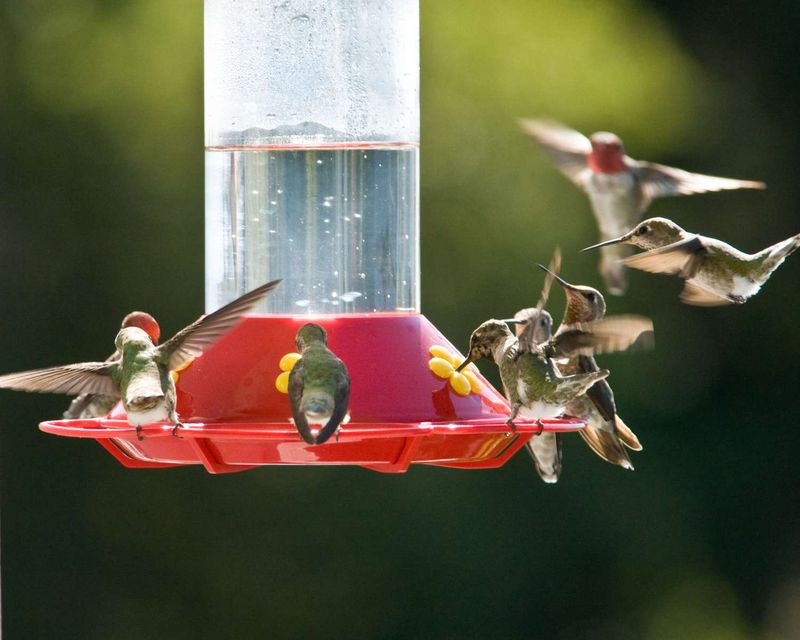
Late summer and early fall bring a burst of hummingbird activity to Michigan yards. This is migration season, when birds passing through need to load up on energy for their long journey south.
During these weeks, your feeder may suddenly feel like a busy airport. Along with your local birds, travelers from farther north stop by to refuel.
More hummingbirds in one spot naturally means more competition for every drop of nectar.
Ruby-throated hummingbirds face an amazing trip ahead, some flying all the way to Central America. To make it, they must build up fat reserves quickly. That urgent need turns your feeder into a hot spot worth fighting over.
With so many hungry visitors, chasing and squabbling become far more common. A bird that guarded the feeder calmly all summer might suddenly find itself surrounded by newcomers who refuse to give up easily.
Michigan gardeners often report their busiest hummingbird weeks in August and September. It can look chaotic, but this frenzy is a wonderful sign that your yard is helping birds on their way.
To support all this traffic, keep your feeders full and fresh during these important weeks. The extra energy you provide could make a real difference for a traveling bird.
Seeing so much action is a treat you will not want to miss. Those crowded, competitive feeders mean your garden has become a valuable rest stop.
Enjoy the excitement, because the busy show usually calms down once the migrating crowd moves along toward warmer places.
4. Male Hummingbirds Are Often More Aggressive
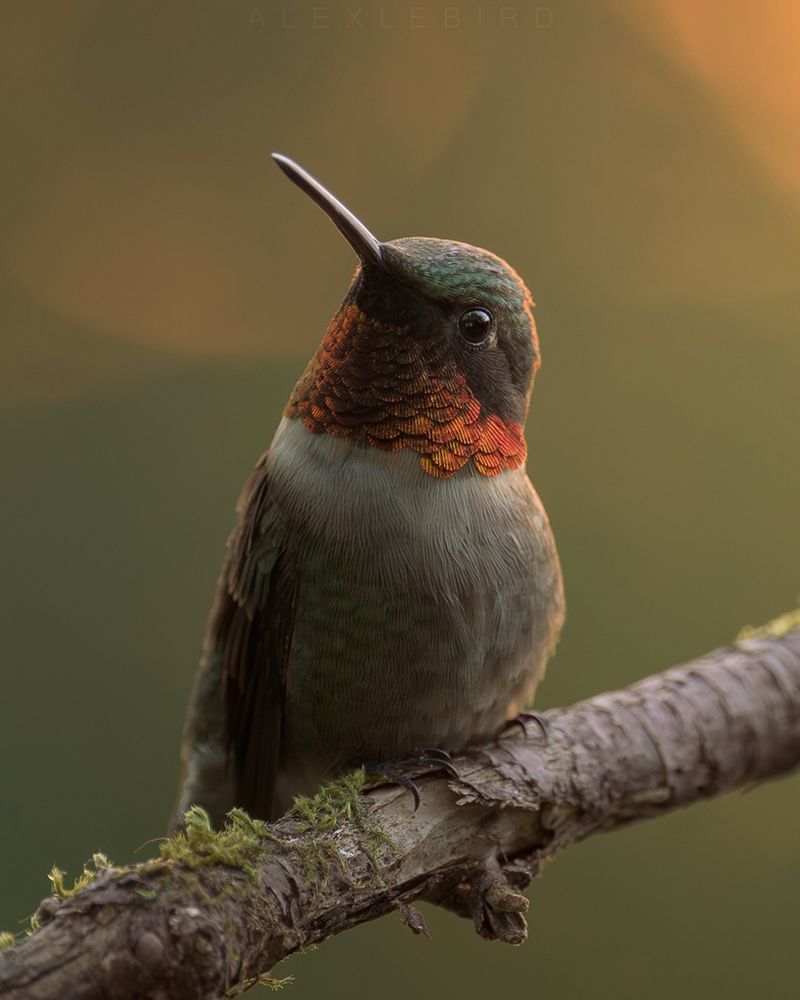
Flash a bright red throat and you have spotted a male ruby-throated hummingbird, often the boldest bird at the feeder. These males are famous for their fiery attitude and love of a good chase.
Males defend feeding areas with dramatic flair. They use showy displays, swooping flights, and quick aerial fights to warn other birds away.
During breeding season, this behavior gets even stronger because they are trying to prove their strength.
A male might fly high into the air and then dive down in a fast, curving swoop. This display shows off his power and his shiny feathers. Other hummingbirds get the message loud and clear.
When another male shows up, sparks can really fly. The two may zip around each other in tight circles, chirping sharply and darting through the air at impressive speeds.
It looks like a tiny dogfight in your yard. These battles are not meant to harm anyone. They are more like contests to decide who gets the best food and territory.
The stronger bird usually wins the right to stay. Females and young birds tend to be less pushy, so you will often see the males causing most of the drama. During migration, the fighting spirit rises even higher as everyone competes for fuel.
Watching a male hummingbird defend his turf is one of the most exciting things you can see in a backyard. His bold energy and flashy moves make him hard to ignore.
Once you know what he is doing, every dive and chase becomes part of a fascinating natural show.
5. The Feeder Location May Create A Defensible Territory
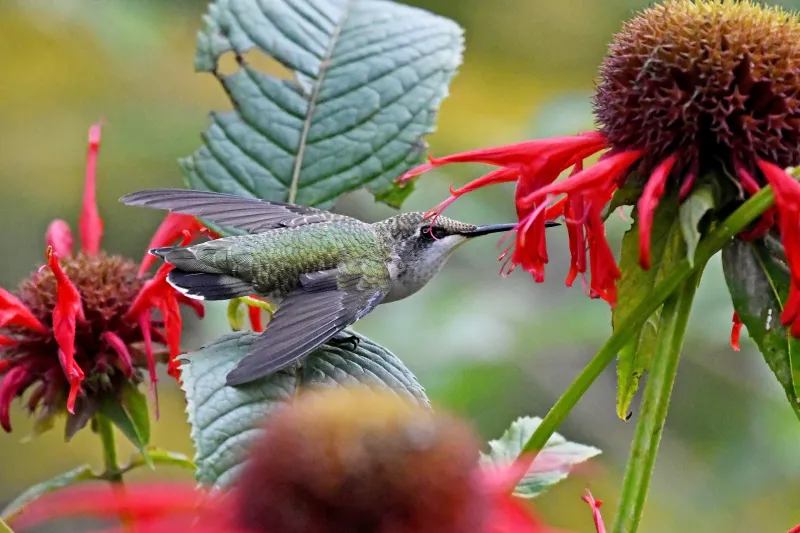
Where you hang your feeder matters more than you might think. A spot near shrubs, trees, or tall plants gives a hummingbird the perfect lookout, turning your feeder into an easy place to guard.
Hummingbirds love a good perch. When there is a branch or twig close by, a bold bird can sit and watch the feeder without using much energy. From that high seat, it spots every visitor right away.
This makes the feeding area very easy to defend. The guarding bird only needs to hop off its perch, chase away the intruder, and return to its post. Everything is within quick reach.
A feeder tucked next to cover becomes a strategic base. The bird controls the food and has a safe place to rest, all in one convenient location. No wonder it wants to keep others out.
If your feeder hangs near thick bushes or a leafy tree, one bird may claim it more easily. Open spots without nearby perches are harder to guard because the bird has nowhere close to watch from.
Understanding this can help you plan your yard. Sometimes moving a feeder to a more open area, or spreading feeders across different spots, changes who gets to feed.
Location shapes the whole feeding scene in ways many gardeners never realize. A clever perch can turn one hummingbird into the ruler of your backyard buffet.
By paying attention to where you place your feeders, you gain a simple tool for keeping the peace and welcoming more birds.
6. Adding More Feeders Can Reduce Conflicts
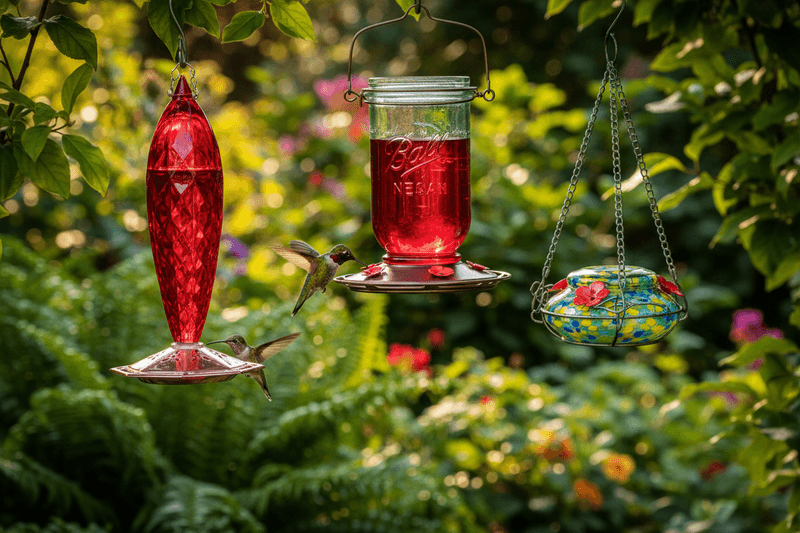
Here is one of the simplest tricks for calmer feeders: add more of them. When you place several feeders in separate spots, one bird can no longer guard them all, and the fighting drops fast.
Think about it from the hummingbird’s view. Guarding a single feeder is easy, but watching three or four scattered around the yard is nearly impossible.
The bold bird gets worn out just trying. Spacing feeders far apart is the key. If they sit right next to each other, one bird might still control the whole cluster.
Spread them out around corners, along fences, or on different sides of the house. With feeders out of sight from one another, more birds get a chance to eat in peace. The dominant bird simply cannot be everywhere at once.
Shy birds finally find room to feed. This trick often surprises gardeners with just how well it works. A yard that seemed to have one hummingbird suddenly reveals five or six once the pressure eases. They were there all along, just hiding.
More feeders also mean more chances to enjoy watching these amazing birds. You can set up viewing spots by different windows and catch the action from many angles.
Keeping several feeders full does take a little extra effort, but the reward is worth it. A peaceful, busy yard full of feeding hummingbirds beats one tense feeder any day.
This easy change can transform your backyard into a welcoming stop for far more visitors all season long.
7. Natural Flowers Also Influence Competition

Flowers can be your secret weapon for happier hummingbirds. A yard bursting with nectar-rich blooms spreads the birds out, so they no longer crowd around one single feeder.
When natural food is everywhere, the pressure on your feeder drops. Hummingbirds can sip from many flowers instead of fighting over one sweet spot.
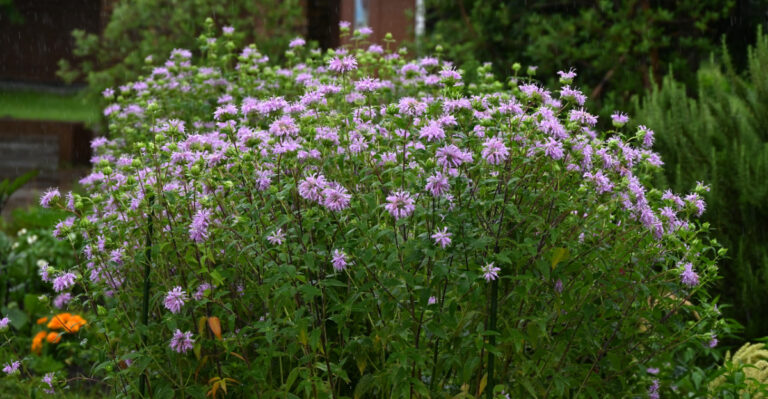
This gives everyone more room to feed. Native Michigan plants like bee balm, cardinal flower, and columbine are hummingbird favorites. Their bright tubular shapes hold nectar perfectly suited for tiny beaks.
Birds happily move from bloom to bloom. With so many choices, no single bird can guard all the food. A feeder plus a flower-filled garden creates a whole buffet, and buffets are hard to control.
The result is fewer chases and calmer feeding. Planting flowers also brings beauty and life to your yard beyond the feeder. Butterflies and bees join the party, turning your garden into a lively, colorful space full of movement.
Flowers offer another bonus too. They provide backup food when a feeder runs low, so birds always have something to eat nearby. Nature and your feeder work together as a team.
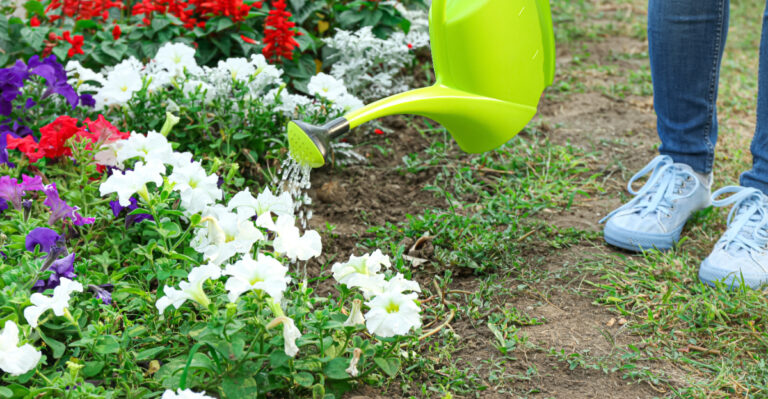
Choosing red, orange, and pink blooms tends to attract the most attention. Hummingbirds are drawn to these warm colors like tiny magnets. Grouping several plants together makes an even bigger draw.
Building a flower-rich yard takes some planning, but it pays off beautifully. More natural nectar means more relaxed, contented hummingbirds.
Your garden becomes a living feeder that helps these birds thrive while giving you endless enjoyment.
8. Chasing Does Not Mean You Should Remove The Feeder
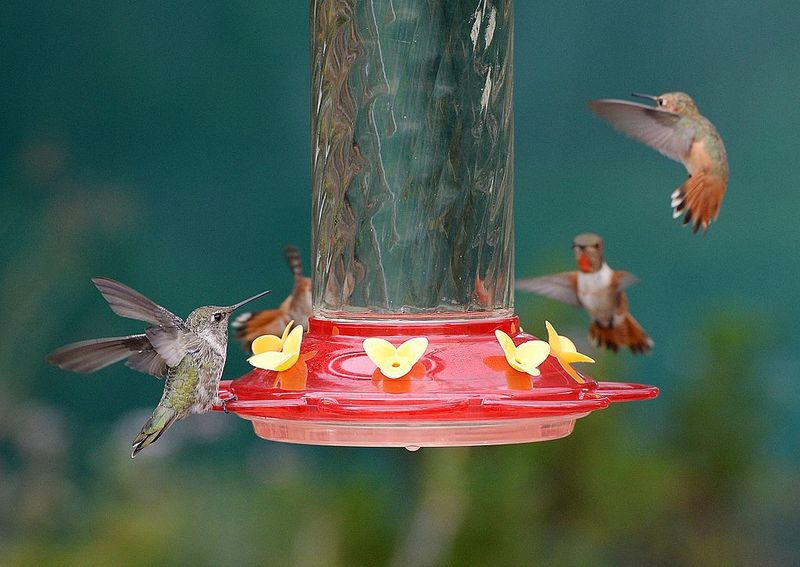
All that chasing might make you wonder if your feeder is causing trouble, but the answer is no. Hummingbird aggression is a normal, healthy part of their nature, and taking down the feeder helps no one.
Chasing is simply how these birds behave in the wild. They compete for flowers the same way, so a busy feeder just brings that natural drama into view. It is a sign your yard is doing something right.
Even with all the squabbling, many birds still get their share. The chases are quick, and hungry hummingbirds keep coming back until they find a chance to sip. They are tougher than they look.
Removing your feeder would take away a valuable food source, especially during migration when birds truly need the energy. A well-kept feeder supports both local birds and travelers passing through.
What really matters is good maintenance. Keep the feeder clean, refill it with fresh nectar, and check it often. A clean feeder keeps birds healthy and coming back.
Rinse the feeder every few days and scrub away any buildup. Cloudy nectar or mold can make birds sick, so freshness is your top job as a feeder host.
Instead of worrying about the chases, sit back and enjoy them. That energy and action mean your yard is full of life.
By keeping your feeder filled and spotless, you give hummingbirds exactly what they need. The occasional buzzing battle is just part of the wonderful world you have invited into your backyard.