The Aromatic Herbs Michigan Gardeners Plant When Deer Keep Sampling Everything
Michigan gardeners learn fast that deer have strong opinions.
A bed can look full at sunset and suspiciously shorter by morning. Hostas lose their leaves. Tender perennials get sampled.
New growth disappears right when it finally starts looking good. The whole garden begins to feel less like a landscape and more like a late-night snack route.
Strong scent can help change the pattern.
Fragrant herbs are not magic shields, and a very hungry deer may still taste almost anything. But many aromatic plants are less appealing because their leaves carry sharp, resinous, minty, oniony, or medicinal oils that deer tend to avoid.
That makes them useful as borders, buffers, and container accents around more vulnerable plants.
They also bring flowers, pollinators, kitchen harvests, and texture, which means the garden gets more than a warning scent at the edge.
So which aromatic herbs make the most sense for Michigan gardeners dealing with browsing pressure?
Start with tough, fragrant plants that fit your sun, soil, and winter conditions, then use them where deer enter, pause, or sample first.
1. Lavender
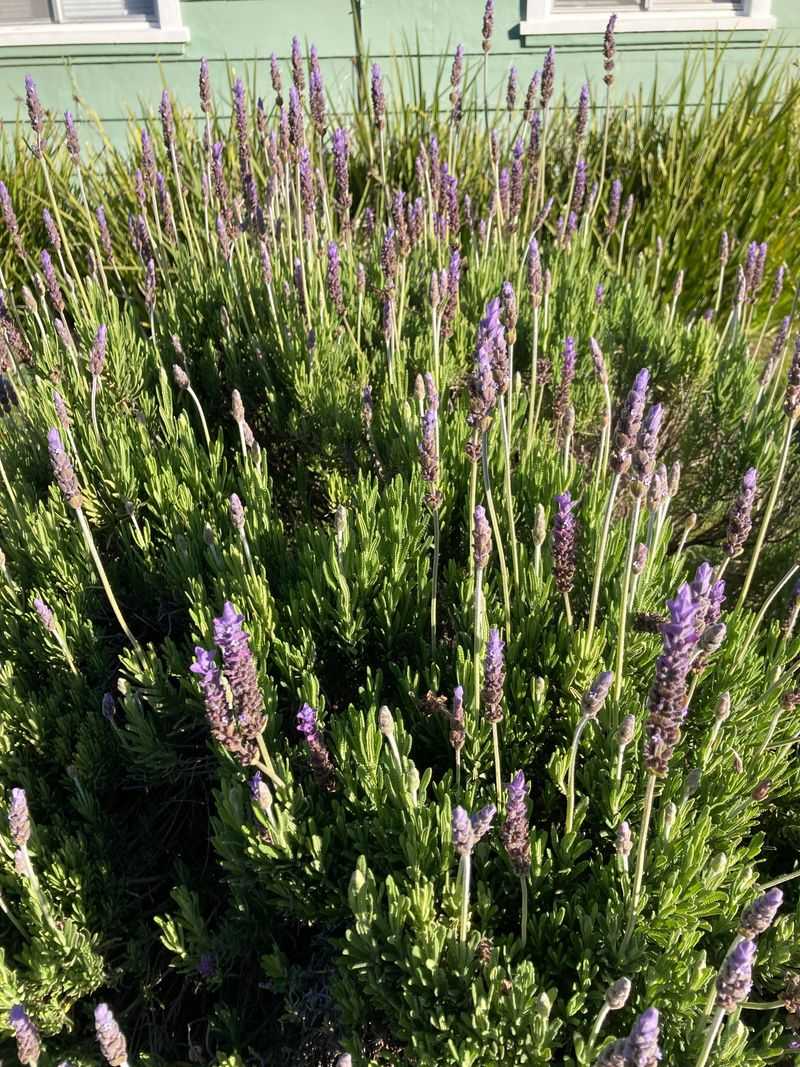
A sunny border with chewed perennials and untouched silver foliage tells a useful story.
Lavender earns its place because the entire plant is fragrant, not just the flowers. The leaves and stems carry strong essential oils that release a sharp, clean scent when brushed by warm air, hands, or passing animals.
Deer usually find that fragrance less inviting than softer, juicier garden growth nearby.
Michigan gardeners need the right spot for it.
Lavender wants full sun and excellent drainage. Heavy wet soil, especially through winter, is the main problem.
Raised beds, gravelly edges, sandy loam, slopes, and south-facing borders give it a much better chance than low clay pockets that stay damp.
English lavender types are often the safest choice.
Compact varieties such as ‘Hidcote’ and ‘Munstead’ bring good cold tolerance, tidy growth, and classic purple flower spikes. They work beautifully along sunny paths, front borders, and the outer edge of beds where deer tend to approach.
Spacing matters.
Give each plant enough room for air to move around it. Crowded lavender can hold moisture at the crown, which it does not appreciate in a Michigan winter.
Bees and butterflies love the blooms.
That makes lavender a double-duty plant: less attractive to deer, very attractive to pollinators, and useful in the kitchen or linen closet.
Trim lightly after flowering to keep plants neat.
Lavender does not need constant fuss. It needs sun, drainage, and a gardener willing not to drown it with kindness.
2. Thyme
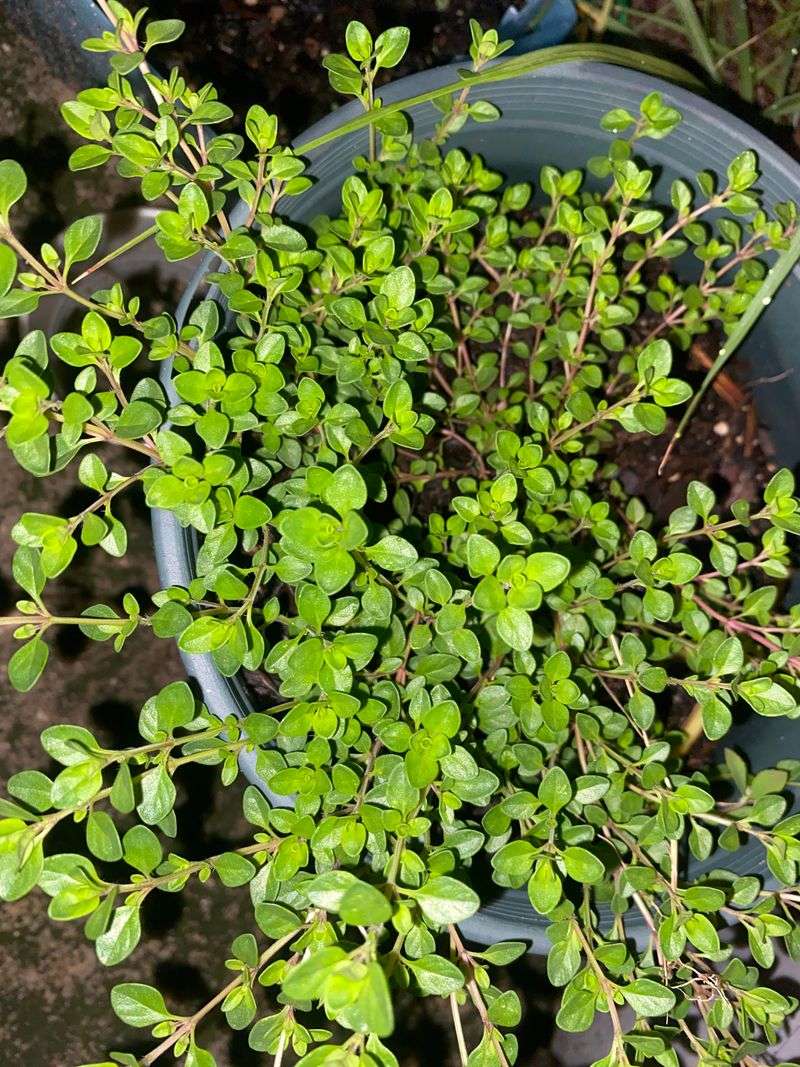
Low edging can do more than frame a path.
Thyme creates a fragrant ground-level buffer that releases a sharp herbal scent when brushed, stepped near, or warmed by the sun. That aroma makes deer less interested, while the low growth helps cover bare soil around more vulnerable plants.
This herb is especially useful near walkways.
Creeping thyme can fill spaces between stones, soften bed edges, and create a scented mat along a raised bed. Woolly thyme adds a softer, silvery texture, while culinary thyme brings kitchen value along with garden toughness.
Your Michigan Garden Changes Every Week. Your Plan Should Too.
Gardening in Michigan changes quickly throughout the season. Every Friday you’ll receive a simple weekly plan showing exactly what to plant, prune, fertilize, harvest, and protect so you never miss the right timing.
Michigan sun helps it thrive.
Thyme prefers full sun and well-drained soil. It handles dry spells once established, which makes it a strong choice for hot edges, slopes, and sandy areas where thirstier plants struggle.
Wet winter soil is the bigger concern.
Plant thyme where water drains away from the crown. A slightly raised edge, gravelly pocket, or amended planting strip can prevent the soggy conditions that shorten its life.
Harvesting keeps it dense.
Regular snips encourage branching and stop the plant from becoming sparse in the center. Take small amounts often rather than cutting too hard all at once.
The flowers bring pollinators too.
Tiny blooms may look modest from a distance, but bees notice them quickly. A thyme border can hum with activity in early summer while still acting as a fragrant deer-discouraging edge.
Thyme is small, but it is not weak.
It works at ankle height, where many garden defenses forget to show up.
3. Rosemary
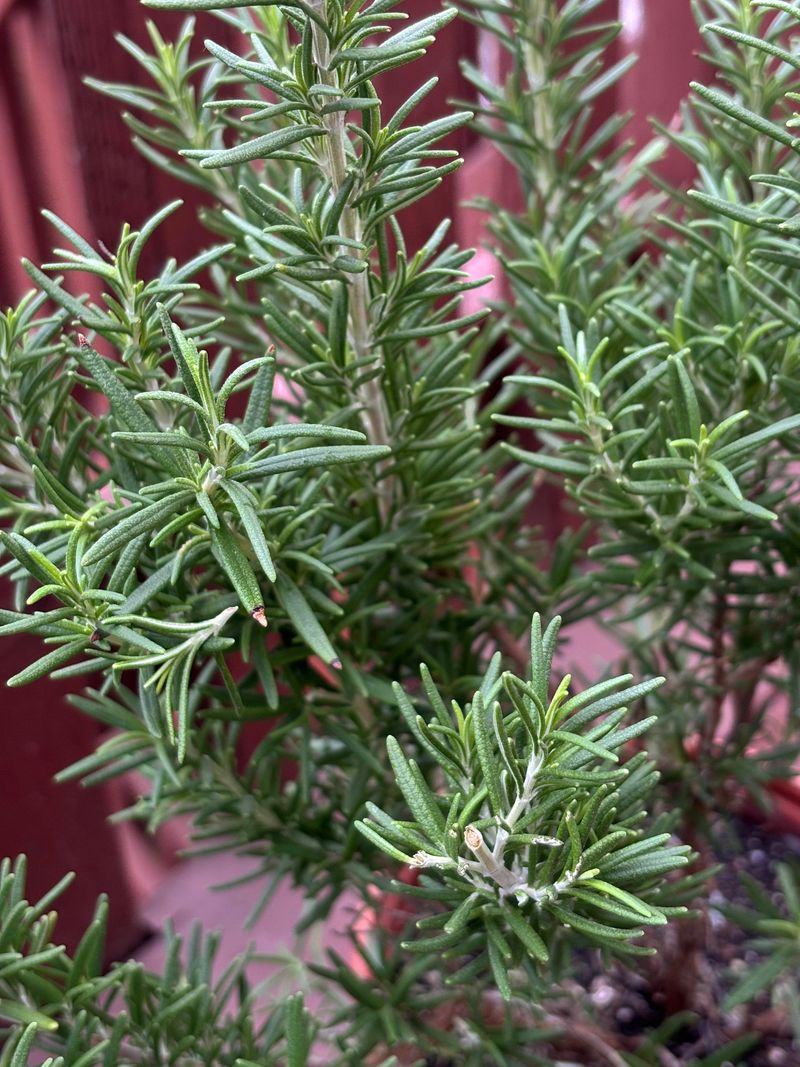
Containers become the secret weapon for this strongly scented herb.
Rosemary has a resinous, piney fragrance that deer tend to avoid, making it useful near patios, gates, porch steps, and garden entrances. In Michigan, though, it usually cannot stay outdoors in the ground through winter.
That is where pots shine.
A container lets rosemary work as a seasonal deer-deterrent accent during the growing season, then move indoors before hard frost. Large pots are best because they hold moisture more evenly and give roots room to support a sturdy shrub.
Place it where deer approach.
A pair of rosemary pots near a gate, along a porch rail, or at the opening of a vulnerable bed can add a strong aromatic signal right where browsing often begins. Warm weather intensifies the scent, especially when leaves are brushed.
Full sun is essential.
Rosemary wants bright light, sharp drainage, and soil that does not stay wet. A potting mix made for herbs or Mediterranean plants works better than dense garden soil.
Bring it inside before freezing weather settles in.
A bright cool window, sunroom, or grow-light setup can carry it through winter. Keep watering modest indoors because rosemary dislikes soggy roots, especially when growth slows.
Upright varieties bring structure.
They look handsome in containers and can be clipped lightly for cooking. Fresh rosemary is also one of the better rewards for having a deer-management plant near the kitchen door.
Michigan winter may not suit it outside.
A movable pot solves that problem neatly.
4. Sage
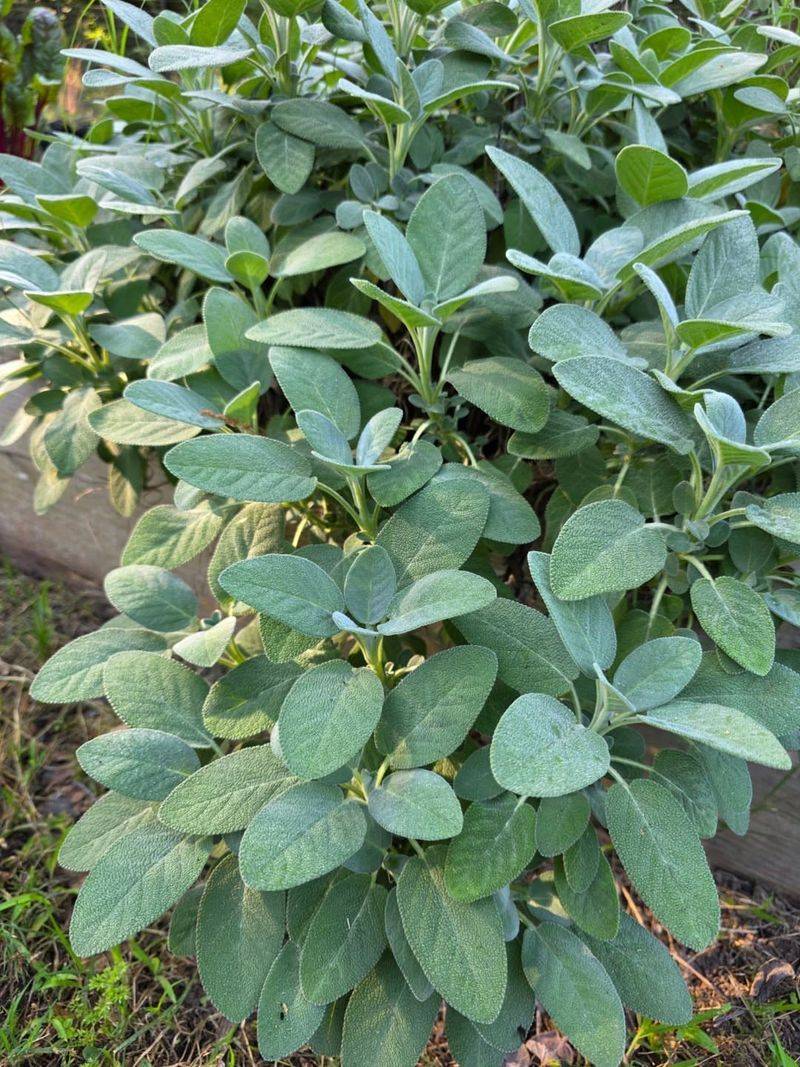
Soft gray leaves can send a surprisingly strong message.
Sage has a savory, earthy scent and fuzzy leaf texture that make it less appealing to deer than many tender perennials. The foliage looks ornamental all season, which makes it useful even before the kitchen harvest begins.
Common garden sage is a strong choice.
It can grow as a perennial in many Michigan gardens, especially in full sun with good drainage. The silvery leaves brighten borders and mix well with lavender, catmint, thyme, and ornamental grasses.
Texture helps the cause.
Deer often prefer soft, smooth, juicy growth. Sage leaves are velvety, aromatic, and a little rough, which gives the plant several reasons to be skipped.
Early summer flowers add another bonus.
Purple bloom spikes draw bees and other pollinators, turning a practical border plant into something lively and useful. Cut flowers back after bloom to keep the plant looking compact.
Do not overwater.
Sage handles dry conditions much better than soggy soil. In heavy clay, plant it slightly high or improve drainage before planting. Wet roots in winter are harder on sage than summer dryness.
A spring trim keeps growth fresh.
Cut back lightly to encourage a bushier shape, but avoid cutting into old woody stems too harshly. Younger growth carries the best leaves and the strongest appearance.
Sage looks calm, smells bold, and asks for little.
That is exactly the kind of garden ally Michigan deer-pressure beds need.
5. Oregano
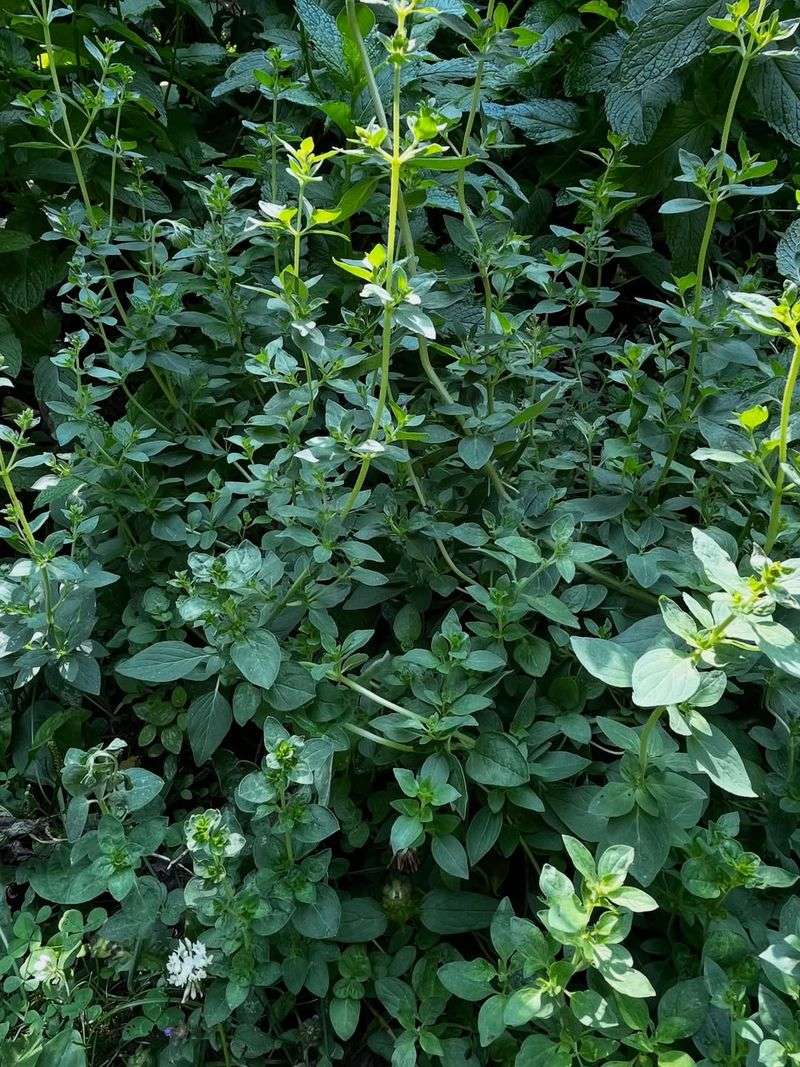
A spreading mat with a pizza-shop scent has real border value. Oregano brings a bold, peppery fragrance that strengthens in warm weather.
Deer usually show less interest in that intense aroma, which makes the plant useful around sunny beds where more vulnerable perennials keep getting sampled.
Greek oregano is especially fragrant.
It has strong culinary value and a sharper scent than many ornamental types. In a Michigan herb border, it can fill gaps between taller plants while creating a low aromatic layer near the front of the bed.
Full sun brings out the best flavor and growth.
Oregano likes well-drained soil and can handle dry, lean conditions once established. Rich, wet soil may make it floppy, so avoid overfeeding and overwatering.
The spread can be useful.
Unlike herbs that stay in one tight clump, oregano can slowly fill space. That helps cover bare soil, suppress weeds, and create a broader scented zone around plants you want to protect.
Flowers feed pollinators.
Small pink, white, or lavender blooms appear in summer and attract bees, butterflies, and beneficial insects. Let part of the patch flower before trimming it back, especially in wildlife-friendly gardens.
Harvest often.
Cut stems regularly to keep the plant dense and productive. A midsummer trim can refresh growth and prevent the patch from getting too loose.
Oregano is practical in every direction.
It flavors dinner, feeds pollinators, covers ground, and makes deer think twice about lingering at the edge.
6. Chives
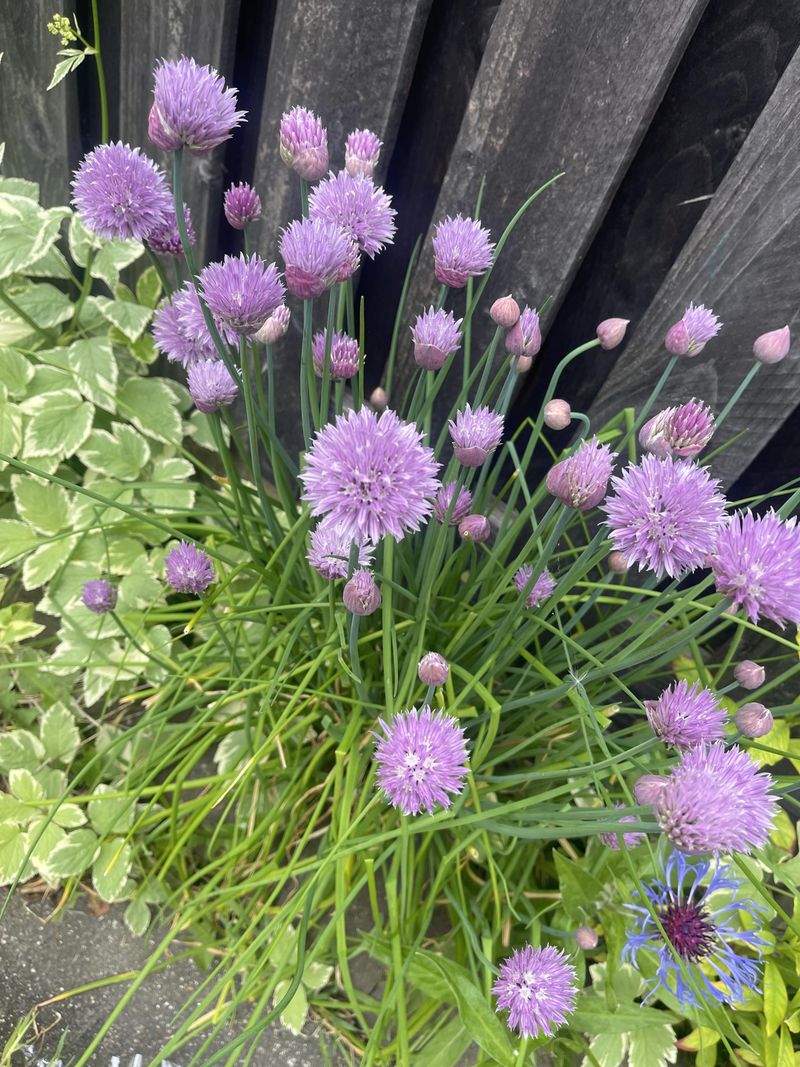
Onion fragrance is not subtle to a browsing animal.
Chives release a distinct allium scent when their hollow leaves are brushed, cut, or crushed. That smell is one reason deer tend to leave them alone, even when nearby plants look much more tempting.
They are wonderfully easy in Michigan.
Chives return reliably each spring, form tidy clumps, and tolerate full sun to partial shade. They are not demanding about soil as long as drainage is decent, making them one of the simplest herbs to tuck into mixed borders.
The flowers are a major perk.
Purple globe-shaped blooms appear in late spring and bring cheerful color before many summer perennials get going. Bees visit them eagerly, and the flowers can even be used in the kitchen when harvested young.
Use them as edging.
A row of chives along a bed, walkway, or vegetable garden border creates a neat, fragrant line. They are especially handy near plants that deer often inspect first.
Keep clumps productive by harvesting.
Snip leaves down to about an inch above the soil, and fresh growth returns quickly. Regular cutting keeps the plant tender and useful instead of tired and tangled.
Remove spent flowers to limit self-seeding.
Or leave a few for pollinators and charm. Chives are polite compared with truly aggressive spreaders, but seedlings can pop up when flowers mature.
This herb is small but persistent.
In a deer-sampled Michigan garden, a tidy clump of chives feels like a practical little boundary marker with purple pompoms.
7. Mint
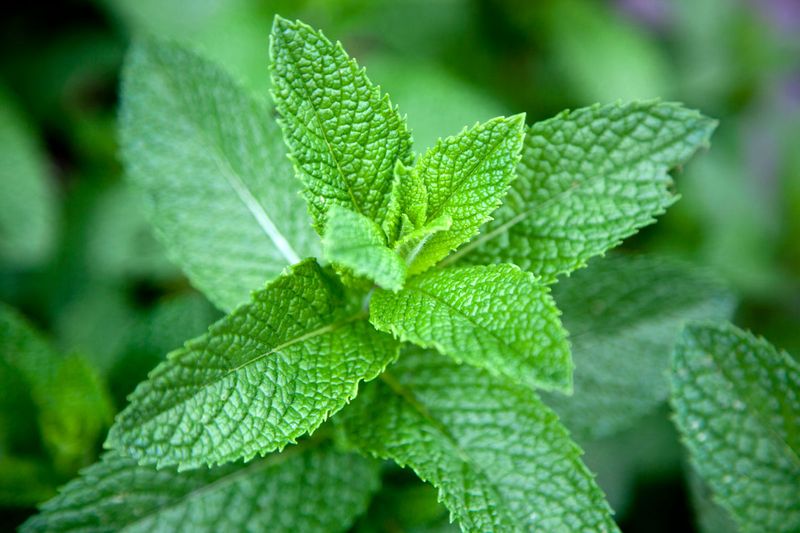
A pot near a gate can do quiet patrol work.
Mint carries a strong menthol scent that deer usually dislike, and its fragrance travels well on warm summer evenings. That makes it useful near fence gaps, patio edges, porch steps, and other places where deer tend to enter or pause.
The container is not optional.
Mint spreads aggressively through runners when planted directly in the ground. In one season, it can move beyond its welcome and crowd neighboring plants. A large pot, half-barrel, or contained planter keeps the scent without the takeover.
Peppermint is especially strong.
Spearmint, apple mint, chocolate mint, and other types can work too, but peppermint often delivers the sharpest fragrance. A few containers can be moved around as deer patterns shift through the season.
That mobility is useful.
Deer may learn the easy routes through a yard. Moving pots occasionally keeps the scent in problem areas without committing the plant to one permanent location.
Keep mint bushy with regular harvests.
Cut stems often for tea, summer drinks, desserts, and kitchen use. The more you harvest, the more fresh scented growth the plant produces.
Water containers consistently.
Mint likes more moisture than lavender, sage, or thyme. A dry pot can decline quickly during hot Michigan weather, so check it often in July and August.
Mint is too enthusiastic for open beds.
In a container, that enthusiasm becomes useful. It smells strong, grows fast, and stands guard where the garden needs backup.
8. Catmint
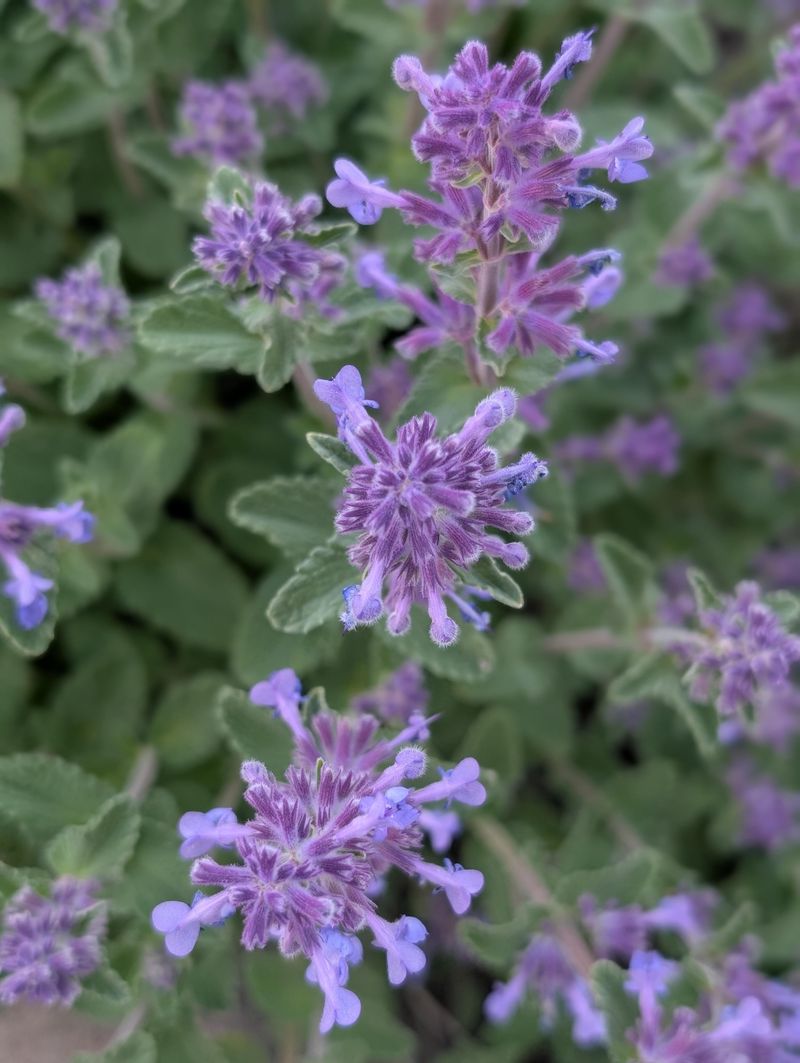
A soft mound of lavender-blue flowers can be tougher than it looks.
Catmint brings fragrant gray-green foliage, long bloom time, and lower deer appeal than many ornamental perennials. It works beautifully along sunny borders where browsing pressure has made softer plants a gamble.
This is not the same as catnip.
Garden catmint varieties, such as ‘Walker’s Low’ and ‘Six Hills Giant,’ are grown for their tidy mounding habit and abundant flowers. They create a relaxed edge without looking messy when given enough room.
The scent is gentle but effective.
Brush the leaves and they release a herby, slightly minty fragrance. Deer often avoid it, while bees seem to treat the flowers like a favorite summer stop.
Full sun gives the best bloom.
Catmint prefers well-drained soil and handles dry spells once established. It is a strong fit for Michigan borders that get heat, sun, and occasional drought between rains.
A haircut brings a second act.
After the first big bloom flush, cut the plant back by about half. Fresh growth follows, and many plants bloom again later in summer. That keeps the border looking clean instead of flattened.
Use it as a buffer.
Plant catmint between lawn and a vulnerable bed, along a sidewalk, or around roses and perennials deer tend to sample. The scented foliage creates a soft aromatic zone at the front of the planting.
Catmint looks pretty, works hard, and rarely complains.
That combination belongs in every Michigan garden where deer have been acting a little too confident.