Georgia Homeowners May Notice Hundreds Of Yellow Butterflies Moving Through Yards This Fall
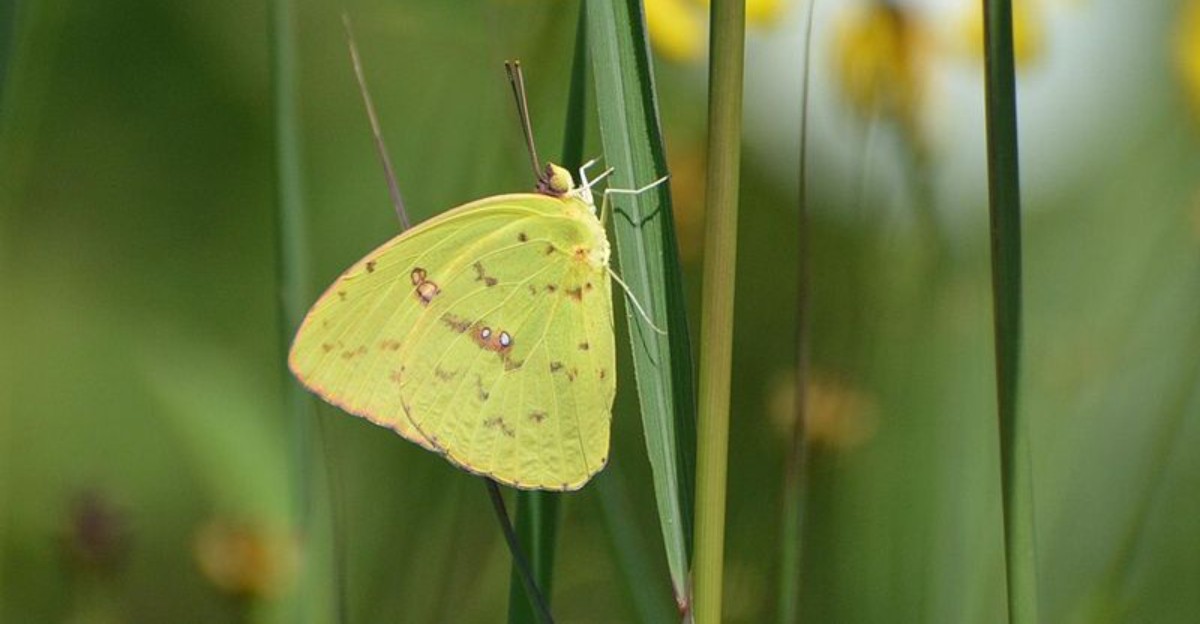
Yellow butterflies can suddenly seem to fill roadsides, gardens, and open yards when fall begins changing the landscape. Their numbers may make the movement look extraordinary.
What you are watching can be part of a seasonal pattern rather than a sudden population explosion.
Cloudless sulphurs are strong fliers that become especially noticeable during their southward fall movement. Georgia sits along routes where these bright butterflies may pass through in impressive numbers.
Flowers can turn your property into a brief feeding stop while that movement continues nearby.
Notice which blooms receive the most visitors and leave useful nectar sources available when possible. The butterflies may not remain for long.
Their yellow wings can transform an ordinary fall day, but understanding the journey makes that temporary burst of activity even more fascinating.
1. Those Bright Yellow Wings Can Suddenly Fill Fall Yards
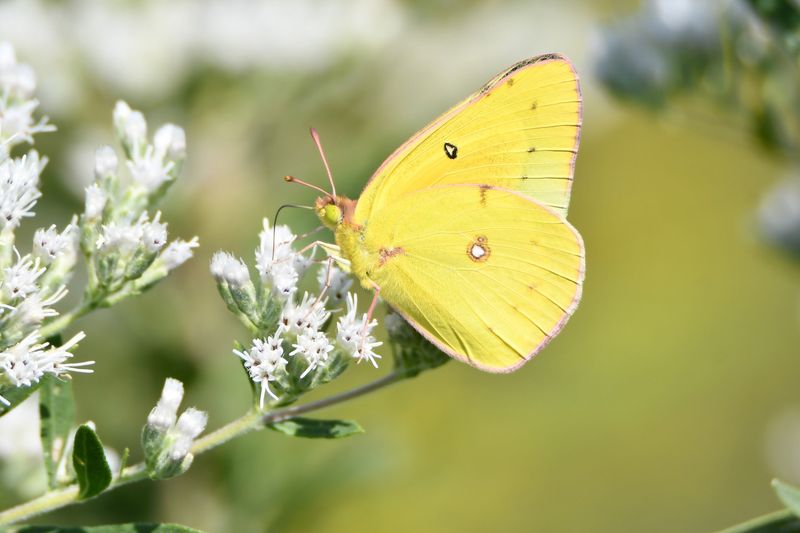
One quiet September afternoon, a Georgia yard can look like someone tossed lemon confetti into the breeze. Yellow butterflies drift past fences, mailboxes, and flower beds in a steady stream.
Neighbors often assume a huge hatch happened somewhere down the street.
What is really happening is travel, not a local population boom. Most of those butterflies were born elsewhere and are simply passing through.
Numbers can climb from a few dozen an hour to several hundred on warm, calm days.
Movement usually peaks in the middle of the day, when sunlight warms open ground. Cloudy stretches slow things down, though a few stragglers still cruise by.
Backyards near fields, roadsides, and power line cuts tend to see the heaviest traffic.
Counting them is oddly fun, and it costs nothing but a lawn chair. Pick one spot, watch for ten minutes, and note how many cross the same line.
Kids catch on quickly, since the pattern is easy to see once someone points it out.
Weather, local blooms, and timing all shift the show from year to year. Some autumns feel packed, while others pass with only light traffic.
Nothing about the sight signals a problem in the yard. Adults sip nectar and keep moving, so damage to plants is not a concern.
2. Cloudless Sulphurs Are Behind This Seasonal Movement
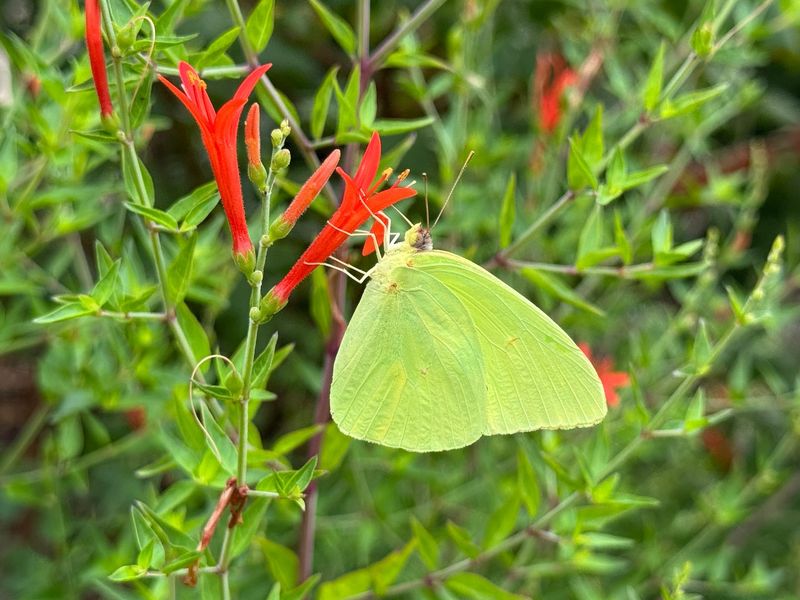
Most of those lemon-colored travelers belong to one species, the cloudless sulphur.
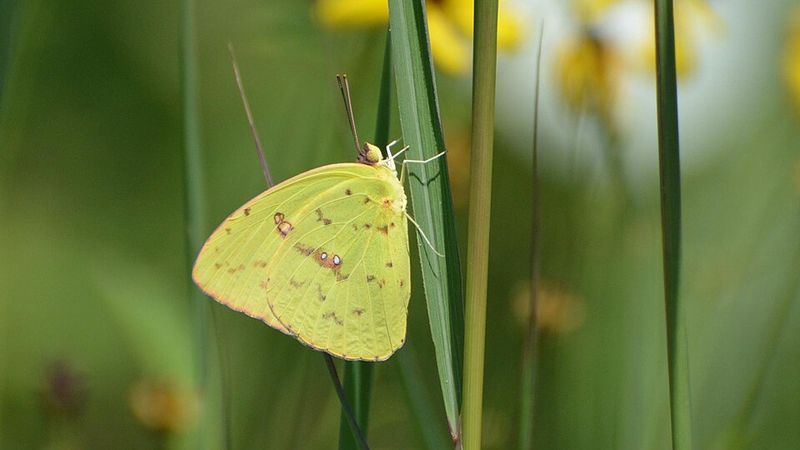
Wingspans run around two to three inches, and adults look bright yellow with almost no dark markings. Females often show a thin dark edge and a couple of small spots.
Undersides carry faint silvery marks that show up when a butterfly rests with wings closed.
Caterpillars feed on plants in the pea family, especially wild and cultivated sennas. Partridge pea grows along many roadsides across Georgia, and it is a favorite.
Gardeners who plant senna sometimes end up hosting a second or third round of caterpillars by late summer.
Chewed leaves on senna are normal and usually temporary. Plants typically push out new growth once feeding slows.
Adults are strong fliers and cover ground faster than most garden butterflies.
Look-alikes exist, including orange sulphurs and clouded sulphurs, which are smaller and often show darker borders. Size and that clean yellow color are the easiest clues.
Your Georgia Garden Changes Every Week. Your Plan Should Too.
Gardening in Georgia changes quickly throughout the season. Every Friday you’ll receive a simple weekly plan showing exactly what to plant, prune, fertilize, harvest, and protect so you never miss the right timing.
Photos help, since the butterflies rarely sit still long enough for a careful look.
Nectar plants like lantana, zinnias, and salvia give them a reason to pause. A short stop at a bloom is often the only chance to study one up close.
Warm mornings after a cool night can bring several down to the same flower patch at once.
3. Large Numbers Begin Moving South As The Season Changes
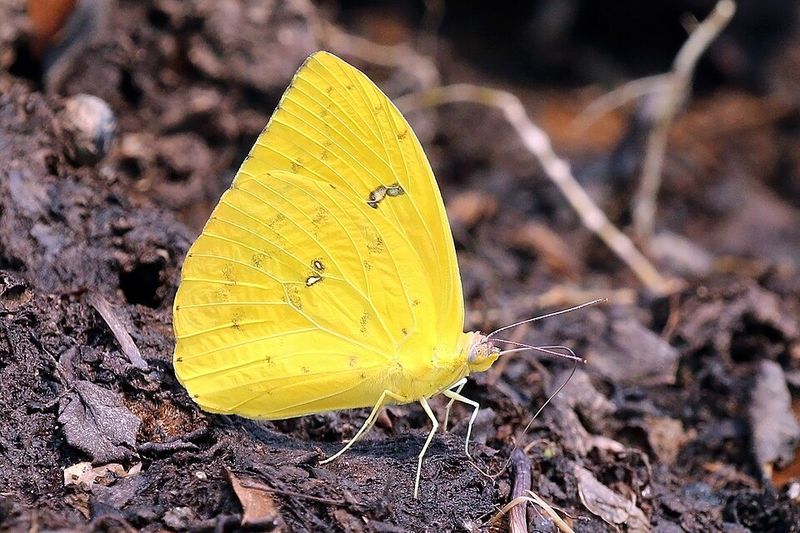
Late August starts it, and by September the traffic gets obvious.
Butterflies that spent summer breeding across the Southeast begin drifting in one general direction. Fall broods add to the crowd, so numbers build week by week.
Shorter days and cooler nights appear to trigger the shift, though timing varies with weather.
Peak movement in the Piedmont often lands between mid September and mid October. Coastal counties can see activity a bit later, especially during warm spells.
Georgia sits right in the path, which is why yards here get such a good view.
Rain and cold fronts can stall the flow for a day or two. Once sunshine returns, the parade usually picks up where it left off.
Watching from a porch is enough, since no special gear is needed.
Open corridors matter more than yard size. Butterflies follow fields, fence lines, highways, and river edges because those routes stay clear.
Homeowners near such openings often report the heaviest flights. Wooded lots usually see fewer, though a sunny gap can still pull them in.
Morning counts tend to run lighter than afternoon counts on cool days.
Keeping a simple calendar note each year helps compare seasons. Over time, patterns in your own neighborhood become easier to spot.
Numbers rarely match from one autumn to the next, and that unpredictability is part of the appeal.
4. Most Are Heading Toward Warmer Areas For Winter
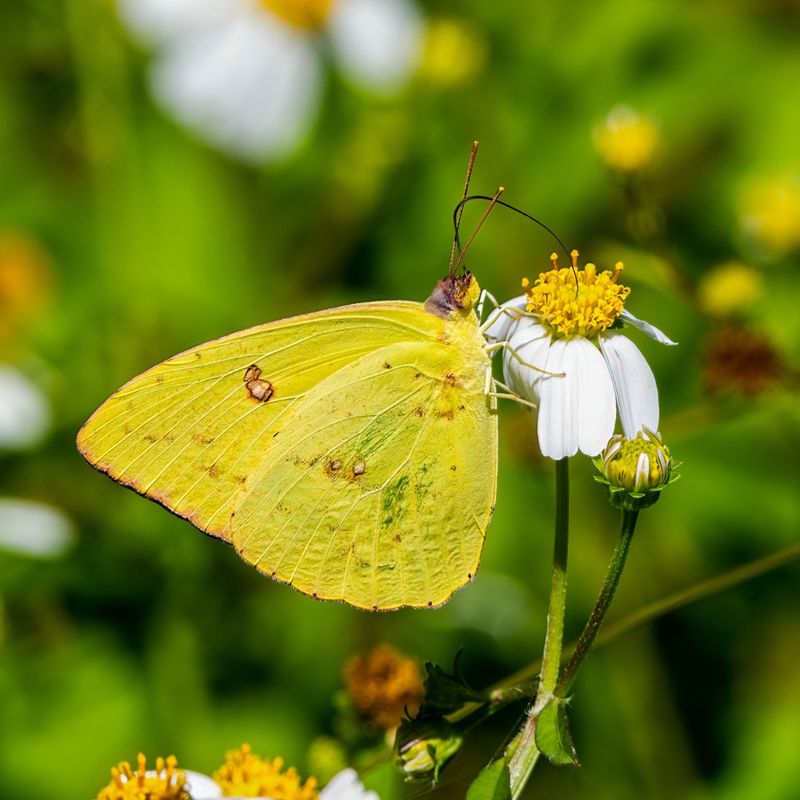
Cold is the reason behind the whole trip. Cloudless sulphurs stay active only where frost is rare and food keeps blooming.
Southern Florida, the Gulf Coast, and parts of Texas serve as common wintering ground.
Unlike monarchs, sulphurs do not gather at famous roosting sites. Individuals spread out and keep breeding where conditions allow.
No single butterfly makes a round trip like a migrating bird.
Later generations move back north in spring, refilling yards across Georgia and neighboring states. Movement in both seasons happens gradually, one brood at a time.
Some details of their seasonal movement remain unclear because these fast moving butterflies are difficult to track.
What we can say is that direction and timing follow the weather closely.
Homeowners cannot change where they go, but a few late blooms can help them along. Small stops matter when the journey covers hundreds of miles.
Yard chemicals are worth thinking about during peak flight weeks. Broad sprays on flowering plants can affect visiting butterflies, so spot treatment is a safer choice.
Timing applications for evening, after traffic slows, also reduces the risk.
Water puddles on bare soil sometimes attract them too. A damp gravel patch can serve as a quick roadside stop.
5. Their Direct Flight Makes Migrating Butterflies Easy To Notice
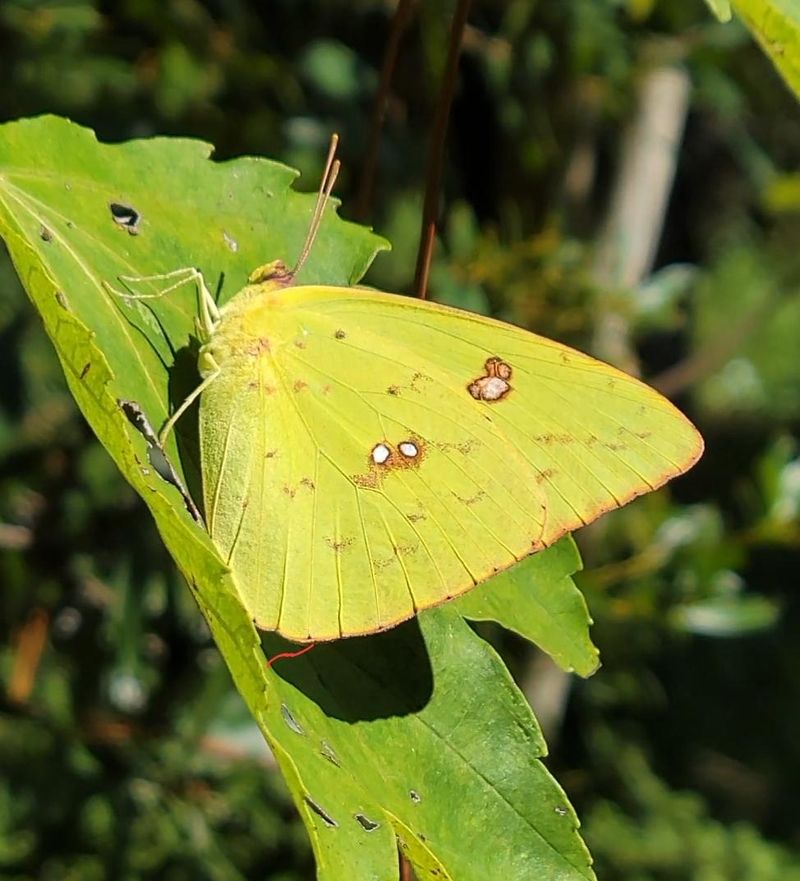
Migrating sulphurs fly like they have somewhere to be.
Instead of looping around a flower bed, they hold a steady line and keep going. Height usually runs from knee level to about fifteen feet.
Speed surprises people the first time they try to follow one across a yard.
Summer butterflies wander, circling shrubs and returning to the same patch. Fall travelers barely pause, which makes the contrast easy to see.
Wind changes the picture, pushing them lower and closer to hedges and fences.
Drivers along rural highways in Georgia often notice them crossing the road in a steady stream. Slower back roads give the best look.
Standing at the edge of an open lawn works better than standing under trees.
A few will drop to flowers for a quick drink, then lift off in the same direction. Patience pays if you want a photo.
Binoculars help less than you would think, since the butterflies pass so quickly.
Kids and guests usually spot the pattern within minutes once you describe it. Pointing out the shared direction makes the whole thing click.
Counting works best with a fixed reference, like a fence post or mailbox. Ten minutes of watching gives a rough sense of how heavy the flight is.
Warm, sunny afternoons with light wind tend to produce the clearest shows.
6. Late Blooming Flowers Can Offer Food Along The Way
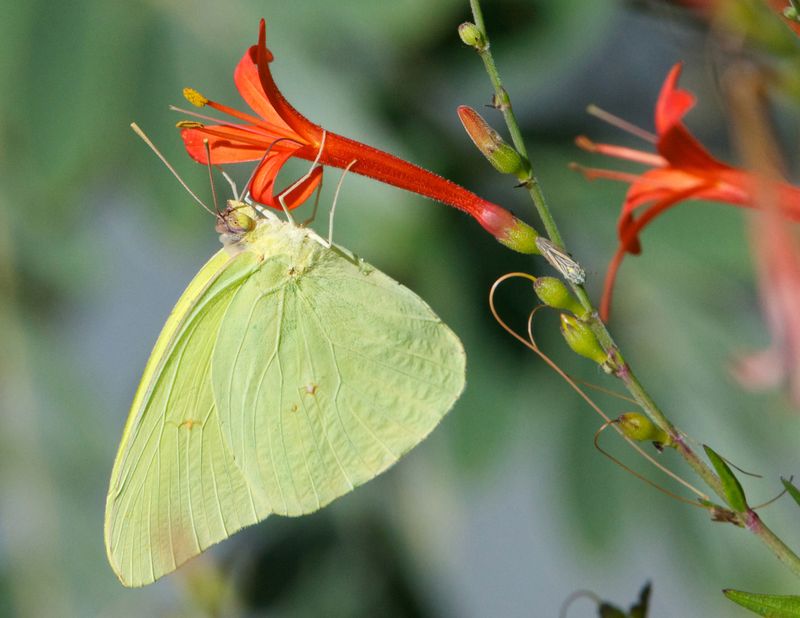
Fuel matters more than shelter during a long flight.
Nectar keeps traveling butterflies going, and fall gardens can supply plenty of it. Blooms that hold up through October are the most useful.
Lantana, zinnias, salvia, pentas, and Mexican sunflower rank among the reliable choices.
Native options include goldenrod, asters, ironweed, and mistflower, which handle Georgia falls well. Growth and bloom time still depend on soil, water, and planting date.
Clustering several plants of one kind draws more visitors than scattering singles.
Sunny spots see more traffic than shady beds. Butterflies need warmth to stay active, so open placement helps.
Deadheading spent blooms through September can stretch flowering a few extra weeks.
Container plantings work fine for renters and small patios. A pot of lantana near a sunny step can pull in several sulphurs a day.
Skip the pesticide on anything in bloom, since visiting insects feed directly from those flowers.
Senna plantings serve double duty by feeding caterpillars earlier in the season. Expect chewed foliage, and place them where tidy looks matter less.
Watering during dry September stretches keeps nectar production going. Stressed plants often cut back on blooms before they drop leaves.
A shallow dish of damp sand adds a simple resting spot near the flowers.
Results vary by yard, so treat any plant list as a starting point.
7. Cold Weather Eventually Brings The Migration To An End
First hard frost changes everything. Flight activity drops off fast once nights settle below freezing.
Late October and November usually mark the wind-down in north Georgia yards.
Warm afternoons can still produce a surprise sighting in December along the coast. Such stragglers are normal during mild stretches.
Cloudless sulphurs do not overwinter as adults in cold regions the way some butterflies do.
Frost also clears out the nectar supply, which removes their reason to linger. Empty flower beds mean fewer stops and less traffic.
Cleanup can wait until late winter if you want to leave shelter for other insects.
Leaving senna stems standing costs nothing and helps the yard bounce back. Spring growth usually starts before the first sulphurs return.
Expect the northbound movement to show up gradually, often by April or May.
Mulching flower beds before the first freeze protects roots on tender perennials. Lantana often returns in warmer parts of the state, though results vary.
Potted nectar plants can move to a garage or porch during cold snaps.
Keeping notes on your last fall sighting makes next year more interesting. Comparing dates across seasons reveals how much weather shapes the schedule.
Nothing needs to be done for the butterflies themselves once temperatures drop. They handle the season on their own schedule.