The Most Underrated Soil Test North Carolina Gardeners Do Before Fall Planting
Late summer in North Carolina smells like warm clay, cut grass, and rain that keeps threatening but rarely shows up. The garden looks tired, and so does the person holding the hose.
Most of us respond by buying something instead. A bag of fertilizer, a flat of fresh transplants, maybe a fancy amendment with a leaf on the label and a price tag to match. The cart fills up before the real question ever gets asked.
But the reason last season’s collards sulked and the fall lettuce stalled is usually hiding under your boots, quiet and invisible. It costs almost nothing to find, and the state will help you look.
The gardeners with the ridiculous November greens are not lucky, and they are not hiding some secret variety. They just asked the dirt a question first, before spending a single dollar. Everyone else finds out the answer the hard way.
The Soil pH And Lime Reading Most Gardeners Skip
Ask a longtime Piedmont grower what fixed their garden and you will often hear one word: lime. Not fertilizer, not compost, just lime applied at the right rate.
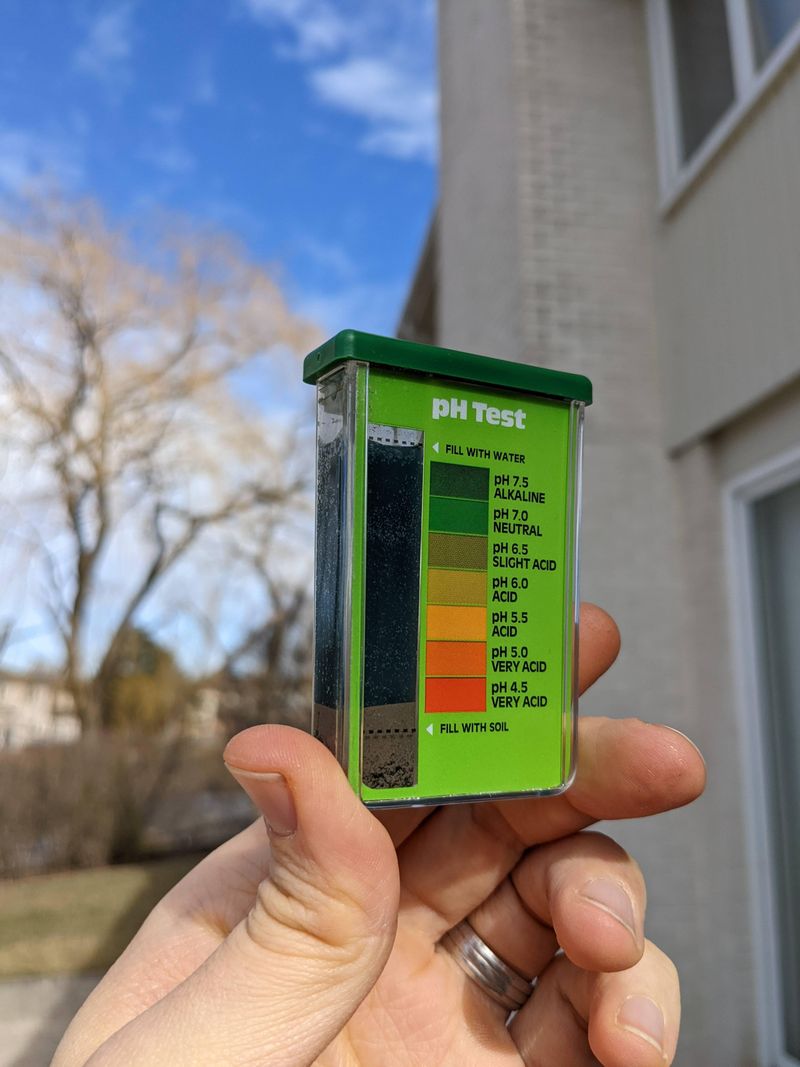
Soil pH measures how acidic or sweet your soil is, on a scale where 7 sits in the middle. Much of North Carolina drifts acidic, since heavy rainfall washes calcium and magnesium out of the Piedmont clay and Coastal Plain sand alike.
When pH slides below about 5.5, something frustrating happens. The nutrients are still down there, but the roots cannot pick them up. You fertilize, nothing changes, and you blame the seed company.
A standard soil test reports pH alongside buffer acidity, which pins down how much lime your soil needs. Sandy soil might need forty pounds per thousand square feet, heavy clay three times that.
Guessing at lime is where people go wrong in both directions. Too little does nothing measurable, and too much locks up nutrients in a different way.
Fall timing matters because lime works slowly, taking three to six months to shift pH meaningfully. Spread it now, water it in, and your spring beds wake up ready.
The report costs nothing between April and November. Paying for guesswork instead is the expensive option.
Late Summer Timing And The Free Testing Window
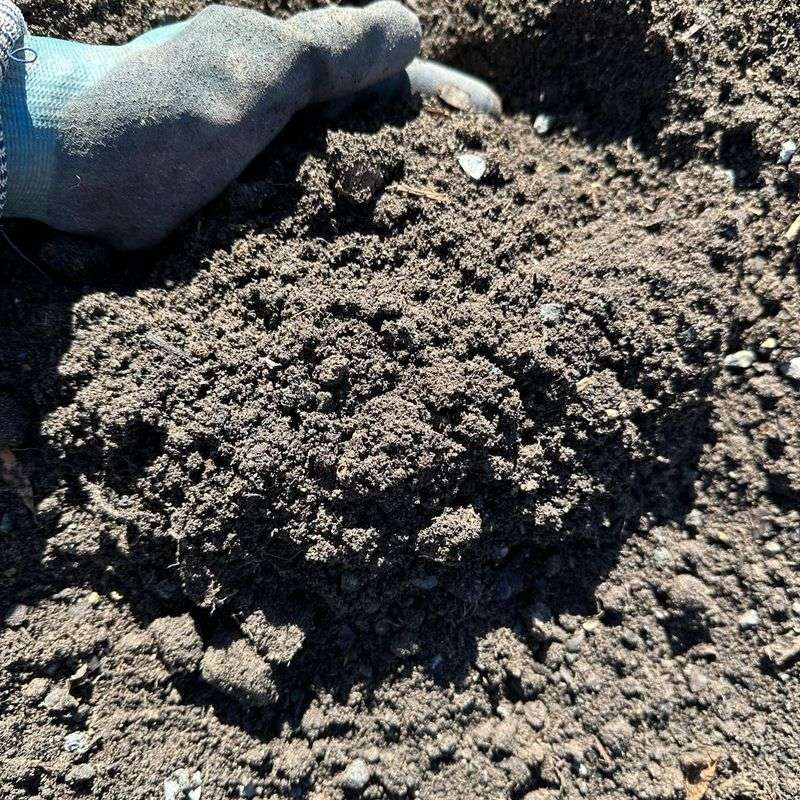
There is a calendar quirk in North Carolina: from late November through March, the state agronomic lab charges a peak-season fee. The rest of the year, testing is free.
August and September sit right in that sweet spot. You get no charge, fast turnaround, and enough runway to actually act on the results before you plant garlic, spinach, or cover crops.
Turnaround time swings wildly by season. Submit in September and results often post online within a week or two. Submit in January alongside every farmer in the state and you may wait a month while your planting window slips past.
Sampling in late summer also gives you an honest picture. The soil has been through a full growing season, so the report reflects what your plants actually drew down rather than what you dumped in last spring.
Your North Carolina Garden Changes Every Week. Your Plan Should Too.
Gardening in North Carolina changes quickly throughout the season. Every Friday you’ll receive a simple weekly plan showing exactly what to plant, prune, fertilize, harvest, and protect so you never miss the right timing.
Collect samples when soil is moist but not soggy, a few days after rain. Wet clay smears and clumps, which makes lab handling messier and slightly less accurate.
One more practical note. Results arrive through the online PALS portal, so register an account before you mail anything, and your report lands in your inbox instead of getting lost.
Beat the rush, keep the fee at zero, and let autumn do the slow work of adjusting your soil for you. By spring, your beds are already caught up instead of playing catch-up.
Sampling Errors That Ruin An Otherwise Good Report
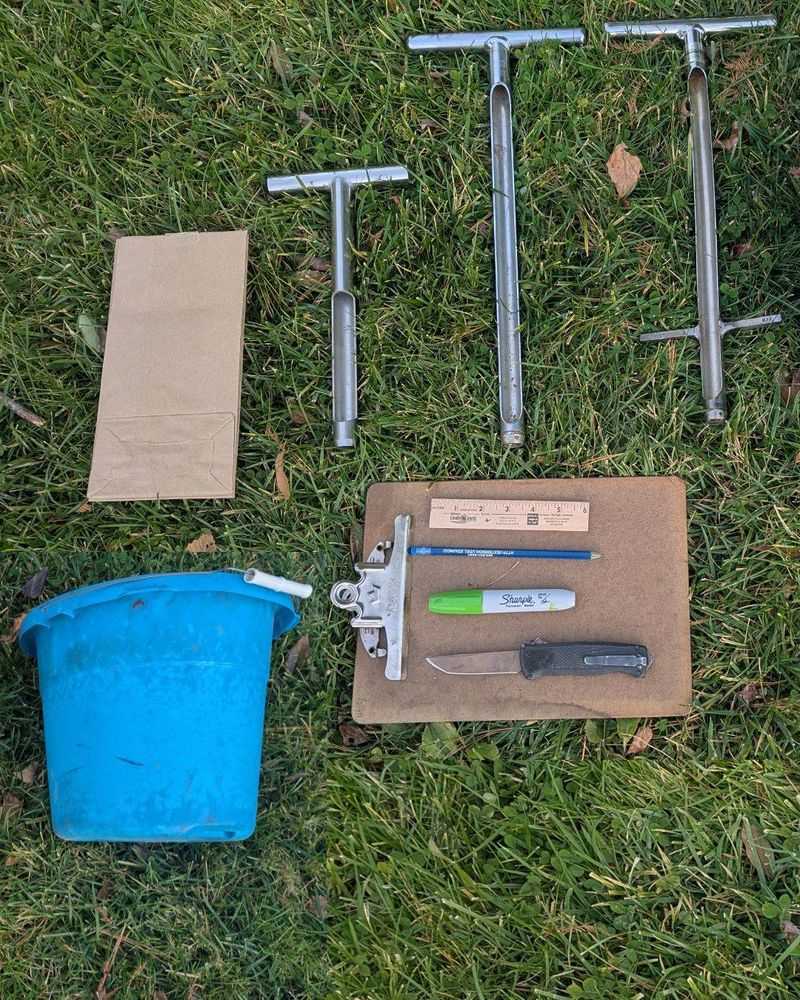
A lab report is only as honest as the handful of dirt you send it. That is the part nobody mentions.
The most common mistake is scooping a single trowel of soil from one spot near the tomatoes and calling it a garden sample. One scoop only represents the few inches around it, not a bed, and gardens vary enormously across even a small yard.
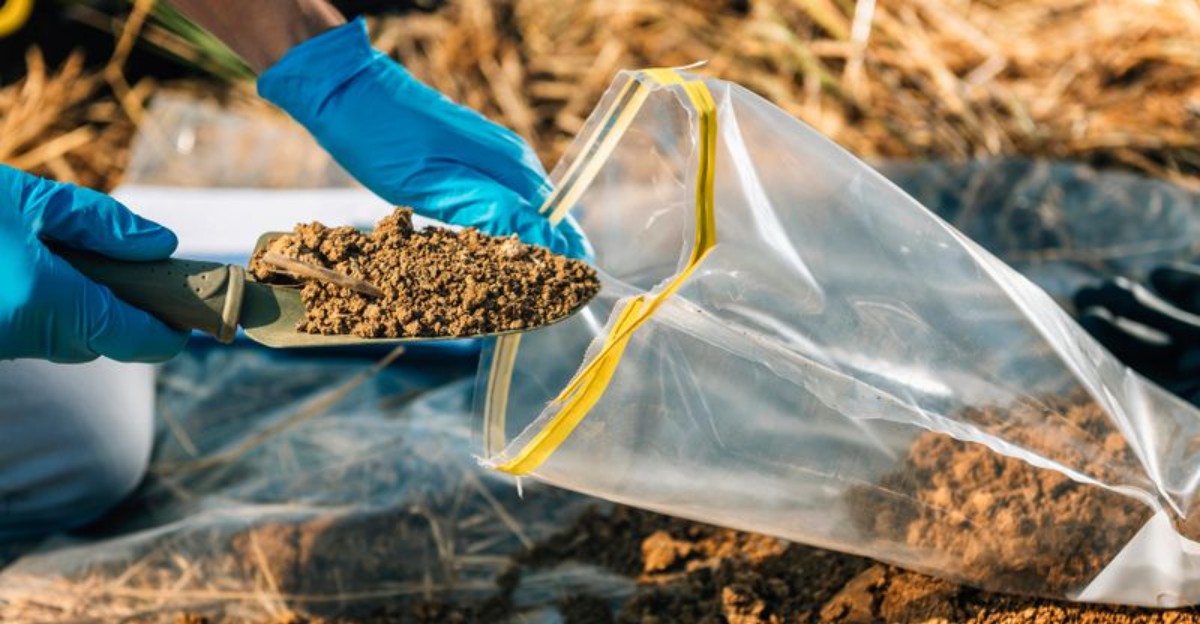
Better practice is pulling ten to fifteen small cores from across the area, going four to six inches deep for vegetable beds. Drop them all in a clean plastic bucket, crumble and mix thoroughly, then fill the sample box from that blend.
Metal buckets can skew micronutrient readings, especially zinc and copper. A cheap plastic pail from the hardware store works fine.
Keep separate areas separate. Your raised beds, your in-ground rows, your blueberry patch, and your lawn each want different pH targets, so lumping them into one box produces an average that fits nowhere.
Avoid sampling right after you have spread fertilizer or lime, since the reading will reflect the amendment rather than the soil. Wait a few weeks.
Let damp soil air dry on newspaper before boxing it. Soggy samples slow the lab down and can leak in transit.
Label each box with a code you will recognize later, like BACKBED or BLUEBERRY. Two months from now, sample one and sample two will mean nothing to you.
Reading The Report Without The Headache
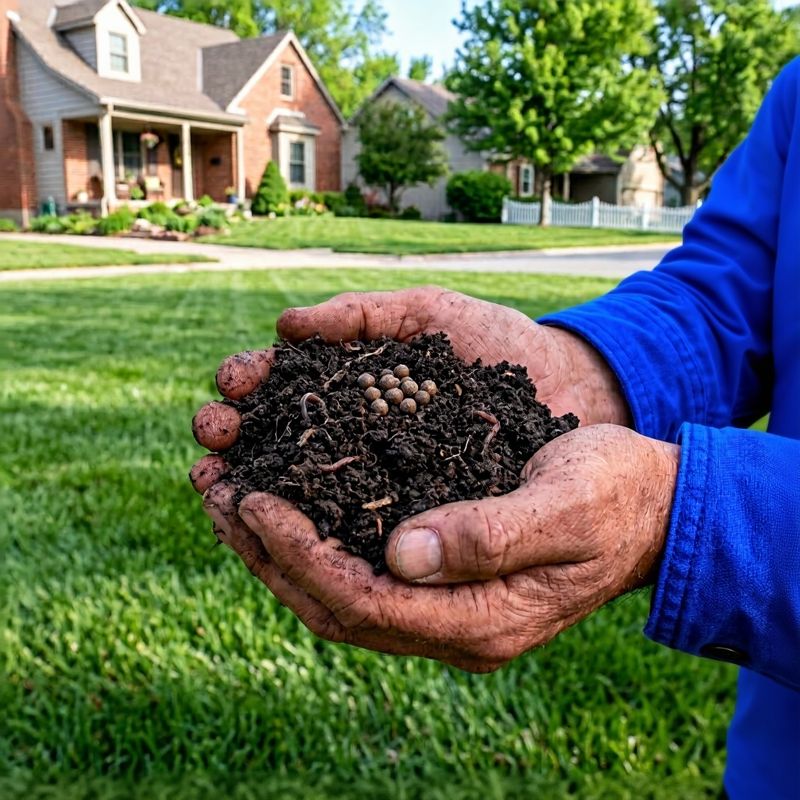
The first time a North Carolina soil report lands in your inbox, it looks like a tax form designed by a chemist. Stick with it, because three numbers carry most of the weight.
Start with soil pH and the lime recommendation printed right beside it. That single line tells you the biggest correction your garden needs, and it is usually the cheapest one to make.
Next, look at the phosphorus and potassium indexes. North Carolina reports these as an index number rather than parts per million, where 50 means sufficient.
Anything above 70 means you’re past what the plants can use, and adding more is wasted money that can wash into creeks. Skip the phosphorus-heavy bag next spring and save the cash.
Many home gardeners discover their phosphorus index sits well above 100 from years of all-purpose fertilizer. The fix is simple: switch to a nitrogen-only source and let the excess draw down naturally.
Humic matter shows your organic content, a rough gauge of how much compost history your soil carries. Low numbers point toward adding leaf mold, aged manure, or a cover crop rather than another bag of granules.
Cation exchange capacity, listed as CEC, describes how well your soil holds nutrients. Sandy coastal soils run low and need lighter, more frequent feeding, while clay holds on tightly.
The recommendation box at the bottom does the math for you. Follow it literally, and you have already outpaced most of the neighborhood.
Fall Amendments That Actually Move The Needle
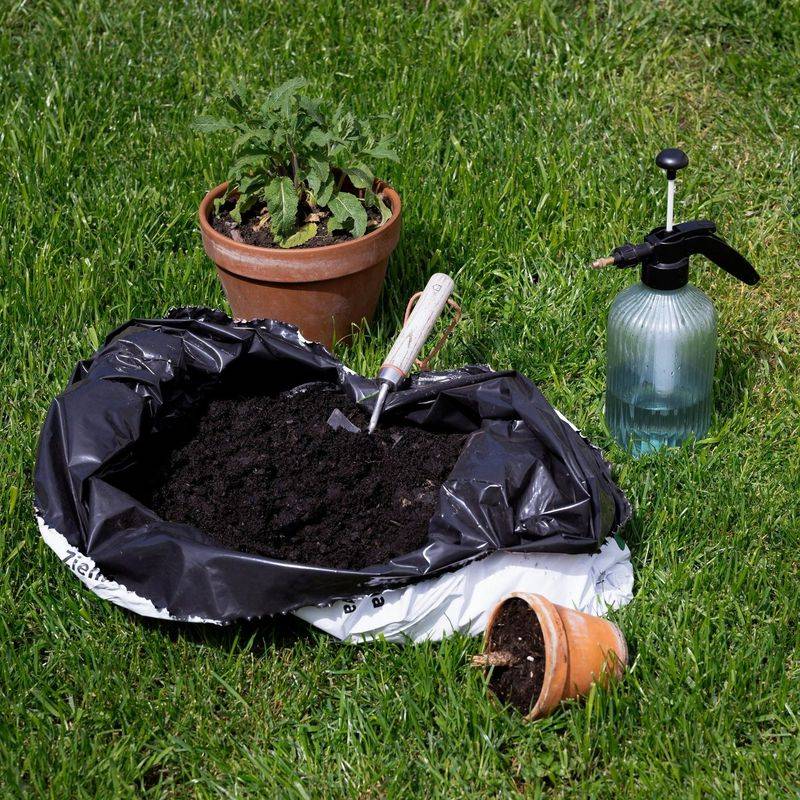
Results in hand, this is where the fun starts. Autumn is the most forgiving season to amend soil because you have months before anything needs to grow.
If lime is recommended, pelletized lime is easier to spread evenly than the powdered kind and drifts less on breezy days. Work it into the top few inches where roots live, since lime barely moves downward on its own.
Dolomitic lime adds magnesium along with calcium, which suits many North Carolina soils. Your report will specify if magnesium is already sufficient, in which case calcitic lime is the smarter pick.
Blueberry growers get the opposite assignment. Those plants want pH near 4.5, so elemental sulfur rather than lime is the tool, and fall application gives soil microbes time to convert it.
When organic matter runs low, sow a cover crop like crimson clover or cereal rye in October. Clover pulls nitrogen from the air, rye builds root mass, and both protect bare soil from the driving winter rains that strip Piedmont slopes.
Hold off on heavy nitrogen right now. Rain will carry most of it below the root zone before spring, which helps nobody and nothing.
Compost is the safe bet in almost every scenario, though even compost can push phosphorus higher if you already tested high. Do the work in October, then let winter quietly finish the job for you.
Building A Testing Rhythm Year After Year
One test is useful. Three tests across three years is where the real picture appears.
Soil shifts constantly. Rain leaches calcium, plants remove potassium, and organic matter breaks down, which means the numbers you got this fall will not describe your garden in 2028.
Most extension agents suggest retesting vegetable beds every two to three years, or yearly if you are actively correcting a problem like severe acidity. Lawns and ornamental beds can stretch a bit longer.
Keep the old reports in a folder, digital or paper. Watching your pH climb from 5.2 to 6.3 over two seasons is genuinely satisfying, and it proves the lime worked rather than leaving you to wonder.
Use consistent sample labels so your history lines up. If the north bed is labeled NORTH every time, you can compare apples to apples across years.
Your county Cooperative Extension office will help you read the report for free, and they know local soil quirks that a statewide lab cannot capture. Mountain gardens in Watauga County behave nothing like sandy beds in Brunswick County.
Over time you stop guessing entirely. You will know your soil holds potassium poorly, or that it needs lime every third autumn, and you will buy only what it asks for.
That quiet confidence, built from a few cardboard boxes of dirt, is what separates a garden that struggles from one that hums along. Everyone else is still guessing at the hose.