Why North Carolina Gardeners Who Grow These Flowers See More Carpenter Bee Activity Than Others
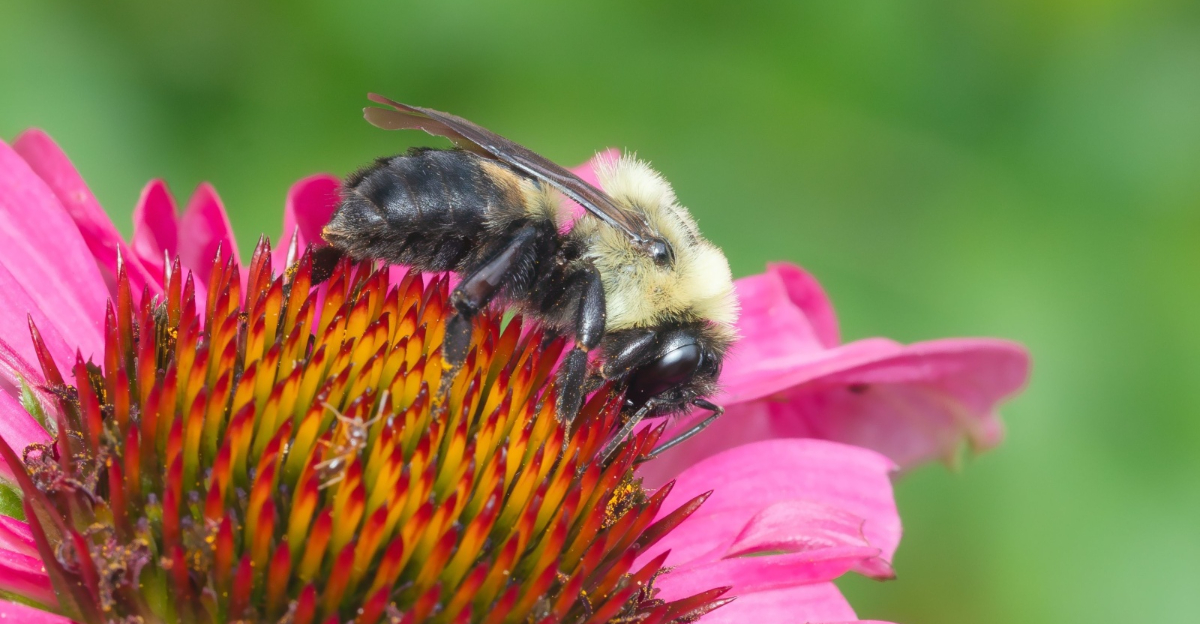
If you have spent any time in a North Carolina backyard during late spring or summer, you have almost certainly had a large shiny black bee hover directly in front of your face like it is conducting some kind of personal inspection.
Carpenter bees are everywhere across North Carolina once the warm weather arrives, and certain flowering plants bring noticeably more of them into view than others.
These bees are serious foragers with very specific taste in blooms, which is why a pollinator friendly garden can suddenly feel like the busiest bee neighborhood on the block.
One thing worth knowing upfront: the flowers attract foraging bees, while nesting activity is tied to bare or weathered wood nearby, not your flower bed.
Understanding that distinction makes everything you are seeing in your yard make a lot more sense.
1. Sunflowers Bring Carpenter Bees Close
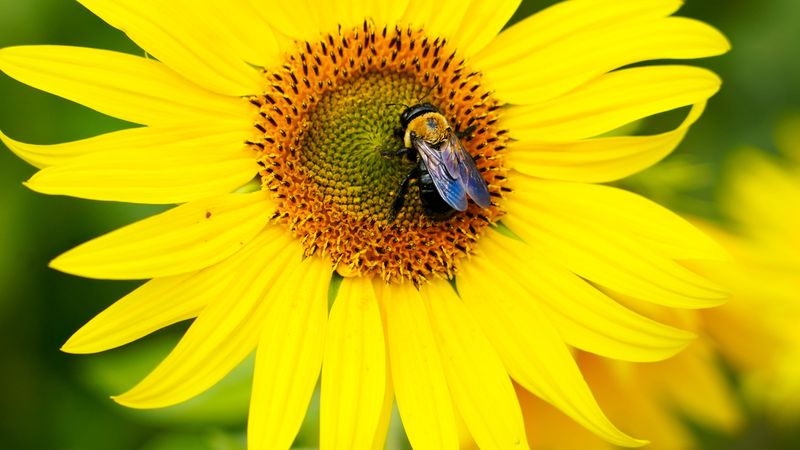
Few flowers stop a carpenter bee mid-flight quite like a sunflower in full bloom. The wide, open center disk of a sunflower is loaded with pollen and nectar, making it one of the most accessible foraging spots in any North Carolina garden.
Carpenter bees, which tend to favor large open flowers over smaller tubular ones, find sunflowers easy to work and hard to pass up.
In North Carolina, sunflowers typically bloom from midsummer into early fall, which lines up with peak carpenter bee activity.
Gardeners who plant sunflowers along sunny borders or near fences often notice bees returning to the same blooms repeatedly throughout the day.
This kind of repeat foraging is completely normal and reflects how productive the flowers are as a food source.
One thing worth noting is that sunflowers planted near wooden fences, decks, or sheds may make carpenter bee activity more visible simply because the bees are already in the area.
The sunflowers are not causing nesting, but they can draw bees into spaces where exposed or unfinished wood is nearby.
If you notice bees hovering around railings or eaves near your sunflower bed, the wood, not the flowers, is the more likely nesting attraction. Growing sunflowers in a yard is a rewarding choice for pollinator gardening.
2. Native Asters Keep Bees Busy Late
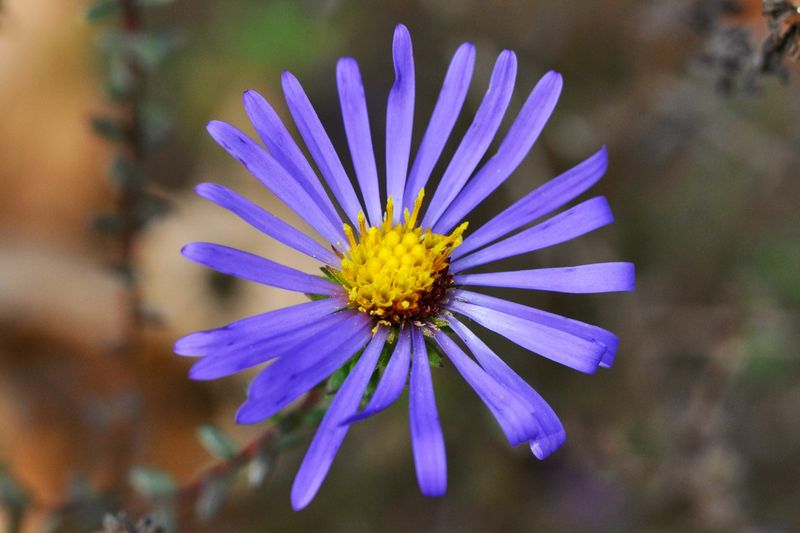
When most summer flowers have finished blooming, native asters are just getting started. These cheerful, daisy-like flowers bloom in late summer and fall across North Carolina, arriving right when many other nectar sources are winding down.
For carpenter bees that are still active in September and October, asters can feel like a welcome late-season buffet.
Several native aster species grow well in North Carolina, including smooth blue aster and New England aster. Both produce clusters of small flowers with open, accessible centers that carpenter bees can forage efficiently.
Gardeners who include native asters in their beds often notice more bee activity in fall than neighbors who skip these plants entirely.
Late-season bee activity can sometimes seem surprising, especially when the weather is still warm and bees are visiting flowers in October. Carpenter bees remain active as long as temperatures stay mild, and asters give them a reason to keep foraging close to home.
Your North Carolina Garden Changes Every Week. Your Plan Should Too.
Gardening in North Carolina changes quickly throughout the season. Every Friday you’ll receive a simple weekly plan showing exactly what to plant, prune, fertilize, harvest, and protect so you never miss the right timing.
If your asters are planted near wooden structures like fences, trellises, or garden benches, you may see bees moving between the flowers and the wood.
That combination of food source and potential nesting material can make the activity look more intense than it really is.
Growing native asters is a low-effort way to support pollinators deep into the North Carolina fall season without adding much maintenance to your garden routine.
3. Purple Coneflower Offers Easy Foraging
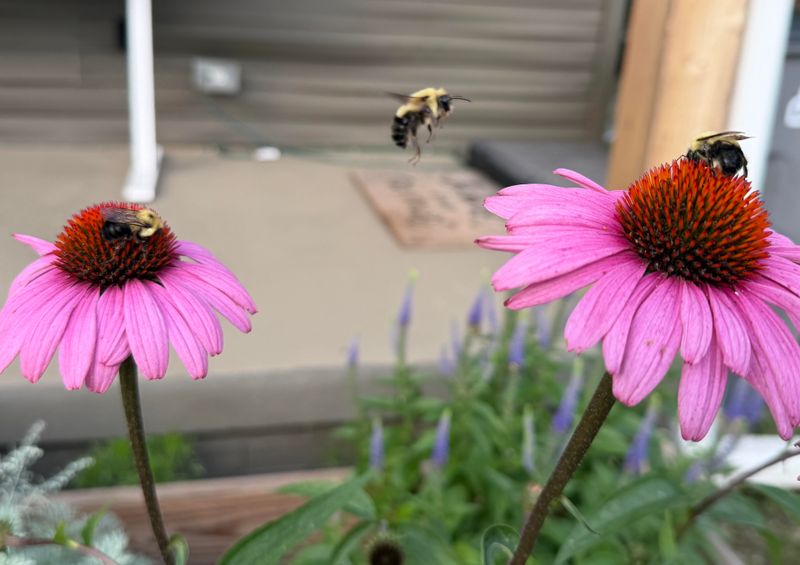
Purple coneflower, known botanically as Echinacea purpurea, is one of the most widely grown native perennials in North Carolina, and it earns its place in pollinator gardens without much effort.
The raised, spiky center cone of each bloom is surrounded by long, drooping petals that make landing easy for larger bees.
Carpenter bees seem to appreciate that accessibility, and they visit coneflowers regularly during the summer months.
What makes coneflower especially useful in a North Carolina yard is its long bloom period. Plants can stay in flower from early summer well into fall, giving carpenter bees a reliable food source across several months.
Gardeners who grow coneflowers in mixed pollinator borders tend to notice a steady stream of bee activity that is easy to observe up close.
Because purple coneflower is a native plant, it has developed alongside the native bee community in North Carolina over a very long time. That relationship shows in how effectively the flower supports local pollinators, including carpenter bees.
If you grow coneflowers near a wooden porch, pergola, or garden shed, keep in mind that any carpenter bees you see on the blooms may also be investigating nearby wood for potential nesting spots.
The flowers bring the bees close, but weathered or bare wood is what tends to attract nesting behavior.
4. Black-Eyed Susan Draws Summer Pollinators
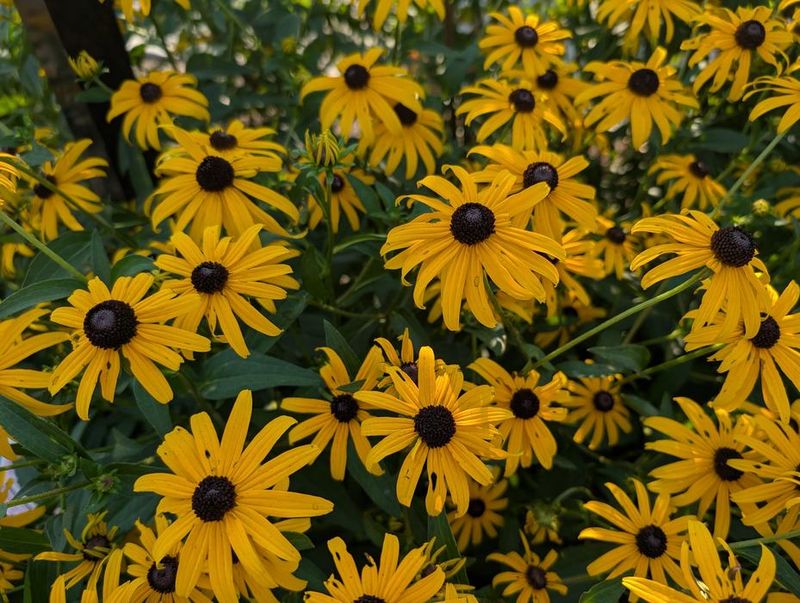
Walk past a sunny flower bed in a North Carolina yard during July or August and you are likely to spot black-eyed Susans putting on a show.
These cheerful yellow wildflowers with dark brown centers are native to North Carolina and have a long history of supporting summer pollinators.
Carpenter bees are among the regulars that visit these blooms, drawn in by the open flower structure and generous pollen supply.
Black-eyed Susan blooms are wide and flat, which makes them easy for larger bees to land on and work. Unlike narrow tubular flowers that favor smaller bee species, black-eyed Susans give carpenter bees plenty of room to collect pollen without much effort.
That ease of access may be part of why these flowers tend to attract noticeable bee traffic in residential gardens.
In North Carolina, black-eyed Susans typically bloom from early summer through early fall, giving them a long window of usefulness in a pollinator garden.
They tend to naturalize well in sunny spots and require very little care once established, making them a favorite for low-maintenance garden borders.
Gardeners who grow them near decks or wooden raised beds might notice carpenter bees working the flowers and then drifting toward nearby wood.
The flowers are doing their job as a food source, while any nesting interest remains tied to the condition and exposure of the wood itself rather than the blooms nearby.
5. Bee Balm Turns The Garden Into A Bee Stop
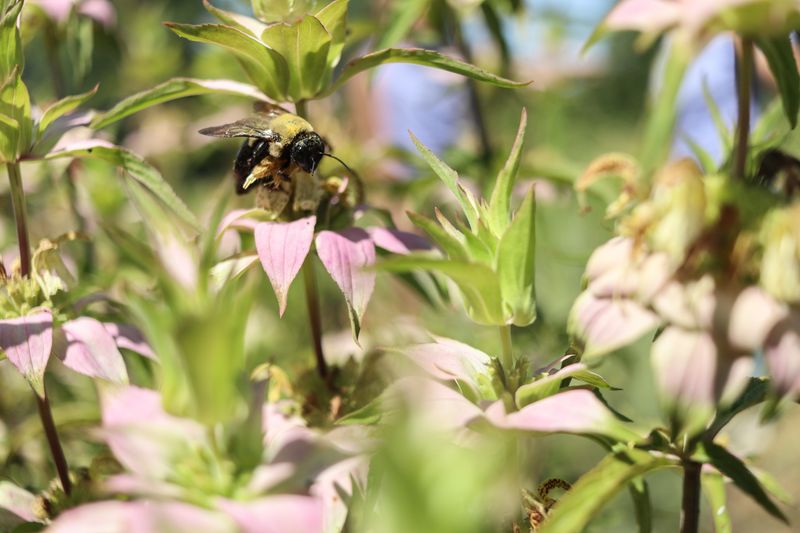
There is something almost theatrical about a patch of bee balm in full bloom. The shaggy, crown-like flower heads come in shades of red, pink, and purple, and they seem to attract every bee in the neighborhood once they open.
Carpenter bees are drawn to bee balm, particularly the varieties with wider, more accessible florets that allow larger bees to reach the nectar.
Bee balm, also known as Monarda, is a native perennial that thrives in North Carolina gardens with moderate moisture and decent sunlight.
It typically blooms in early to midsummer, which coincides with a time when carpenter bees are highly active and foraging intensively.
Gardeners who plant bee balm in borders near the house often comment on how lively the garden feels during peak bloom.
One practical thing to understand is that bee balm brings foraging activity, not nesting activity. Carpenter bees visiting bee balm are there for food, and they will move on once the blooms fade.
However, if bee balm is growing near a wooden fence, porch post, or garden structure with bare or weathered wood, the combination can make bee presence feel more concentrated.
Homeowners sometimes mistake heavy foraging traffic near the garden for a nesting problem when the two behaviors are actually separate.
Planting bee balm in a North Carolina yard is a smart move for supporting native pollinators through the warmest months of the growing season.
6. Mountain Mint Brings Heavy Bee Activity
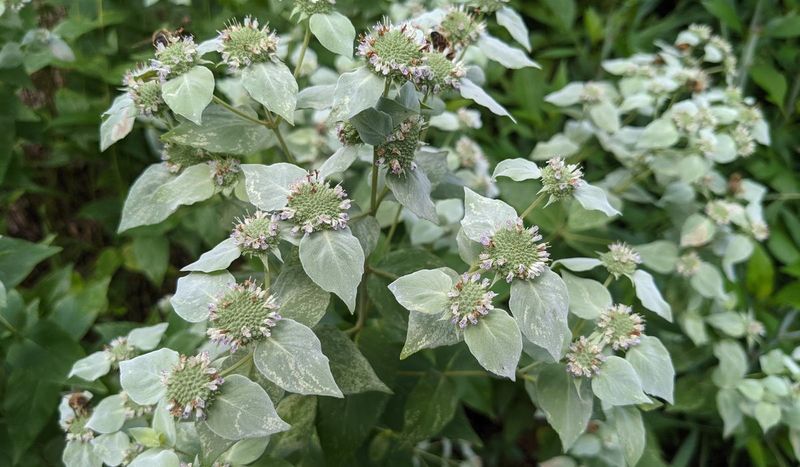
Anyone who has grown mountain mint in a North Carolina yard knows that the plant practically vibrates with bee activity when it is in bloom.
This native perennial, which belongs to the genus Pycnanthemum, produces clusters of small white flowers that are packed with nectar and incredibly attractive to a wide range of bees.
Carpenter bees are among the visitors, and they can be spotted foraging on mountain mint throughout its summer bloom period.
Mountain mint is one of those plants that earns its reputation quickly. Gardeners who add it to a pollinator border often notice a significant jump in overall bee activity within the first season.
The flowers are small but numerous, and the plant spreads steadily to form dense clumps that provide a generous food source for weeks at a time.
In North Carolina, mountain mint blooms from midsummer into early fall, overlapping with the active foraging season for carpenter bees.
The plant grows well in sunny to partly shaded spots and tolerates a range of soil conditions, making it adaptable to many residential yard situations.
If you grow mountain mint near a wooden deck, pergola, or outbuilding, the heavy bee traffic around the plant might make it seem like the garden is the source of any nearby nesting activity.
Bare or unfinished wood remains the real factor in nesting decisions, but mountain mint can certainly make your garden feel like a busy pollinator hub during summer.
7. Goldenrod Feeds Bees Late In The Season
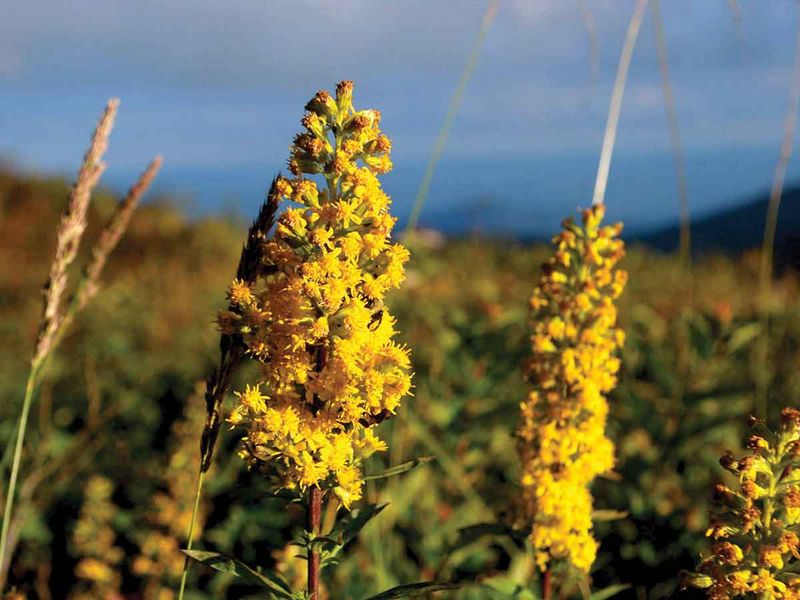
Goldenrod has a bit of an unfair reputation among gardeners, often blamed for fall allergies that are actually caused by ragweed blooming at the same time.
In reality, goldenrod is one of the most valuable late-season plants for pollinators in North Carolina, and carpenter bees take full advantage of its generous pollen and nectar supply.
The bright yellow flower plumes are hard to miss in a fall garden, and so are the bees working them.
Several goldenrod species are native to North Carolina, including stiff goldenrod and tall goldenrod.
These plants tend to bloom from late summer through October, giving carpenter bees a critical food source during the weeks before cooler temperatures slow activity down.
Gardeners who leave goldenrod standing in their yards or naturalized borders often notice noticeably more late-season bee foraging than neighbors who remove it.
Goldenrod grows well in sunny spots with average soil, and it spreads reliably once established, making it a low-effort addition to a North Carolina pollinator garden.
The plant can grow tall and may need some space, but its ecological value is hard to match for supporting bees in fall.
If goldenrod is growing near wooden structures like garden sheds, fences, or porch railings, carpenter bees foraging on the flowers may also investigate the wood nearby.
The goldenrod is feeding them, while any nesting interest comes down to the availability of suitable exposed wood in the surrounding area.
8. Passionflower Has A Carpenter Bee Connection
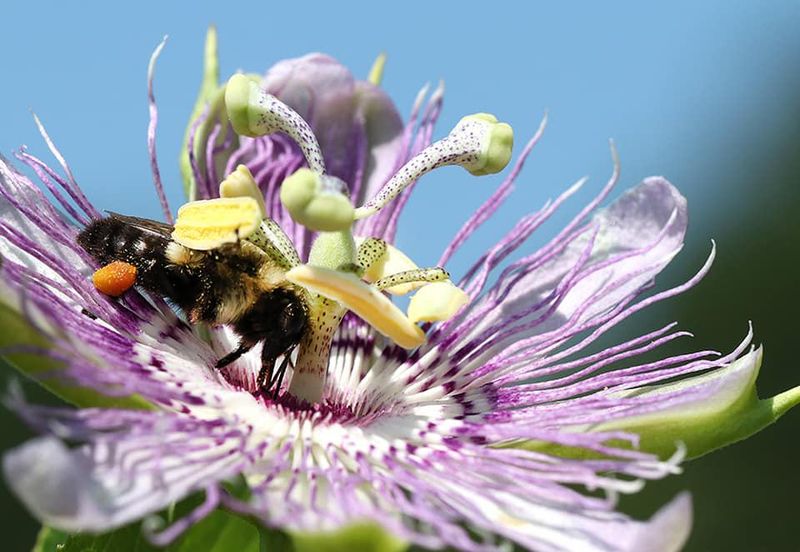
Passionflower is one of those plants that makes people stop and stare. The blooms look almost tropical, with intricate fringed crowns of purple and white that seem out of place in a backyard vine.
But Passiflora incarnata is actually native to North Carolina, and it has a well-documented relationship with native bees, including carpenter bees that are drawn to its large, open flowers and accessible nectar.
The structure of a passionflower bloom is wide and open, which suits carpenter bees well. These bees are large enough to reach the reproductive parts of the flower while foraging, making them effective pollinators.
Gardeners who grow passionflower on a trellis or fence often notice carpenter bees visiting the blooms regularly during summer, sometimes appearing more focused on this vine than on other nearby flowers.
Here is where things get interesting for homeowners: passionflower vines are often grown on wooden trellises, pergolas, or fences, which are exactly the kinds of structures carpenter bees may investigate for nesting.
The combination of an attractive flower and nearby wood can create a situation where bee activity seems concentrated in one spot.
The vine itself is not encouraging nesting, but it brings foraging bees close to surfaces that may appeal to them for other reasons.
Understanding that distinction helps North Carolina gardeners appreciate the passionflower connection without worrying that the plant is responsible for any wood damage they might notice nearby.