Check This After Heavy Rain Or Slugs Will Take Over Your North Carolina Hostas
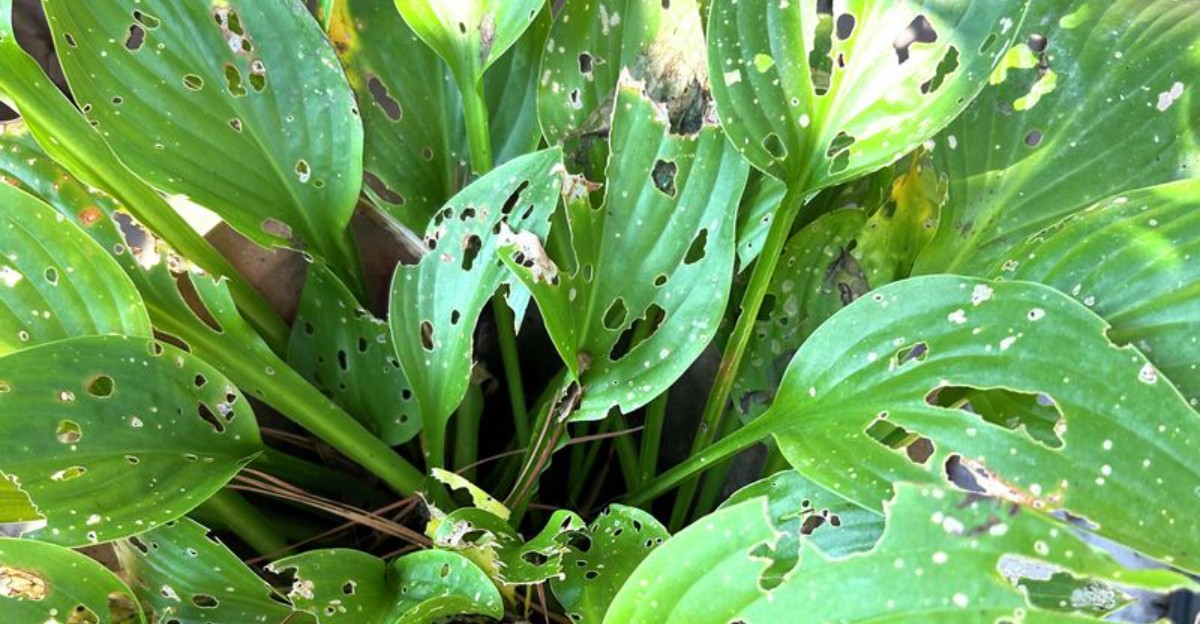
Heavy rain does more than water your hostas. It also sends slugs out in force. Wet soil and damp nights give them perfect conditions to move, feed, and multiply.
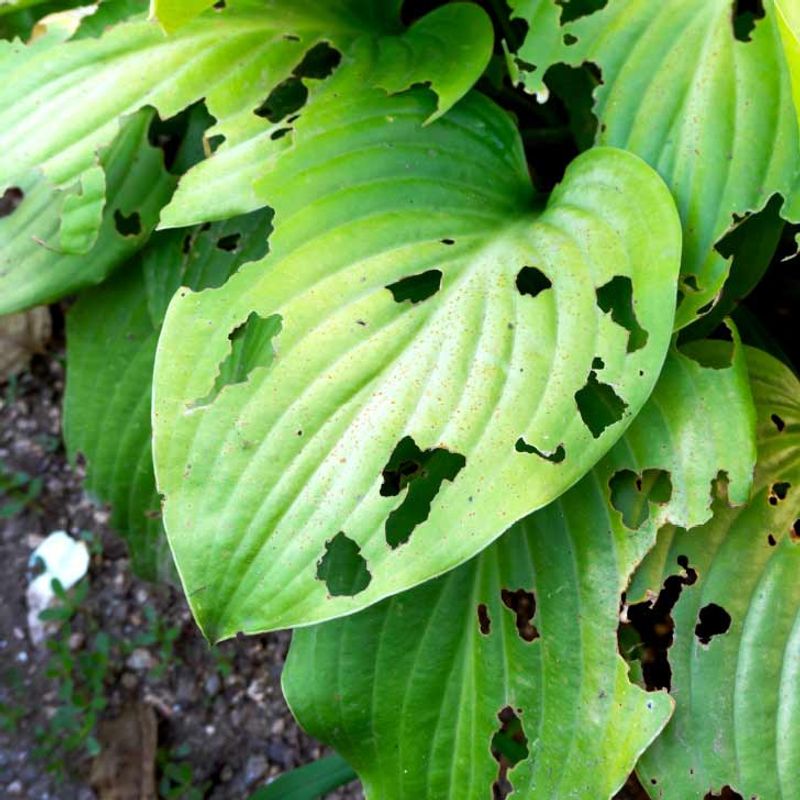
They hide by day and chew by night, so you rarely catch them in the act. What you see instead is the damage. Ragged holes spread across the leaves, and shiny trails glisten on the ground at dawn.
North Carolina’s humid fall makes the problem worse than many gardeners expect. A quick check after a storm can stop a small group from becoming a big one.
Knowing where slugs hide, and when they are easiest to find, gives you a real advantage. Spend a few minutes looking now, and your hostas keep their leaves.
1. Fresh Holes And Slime Trails On The Leaves
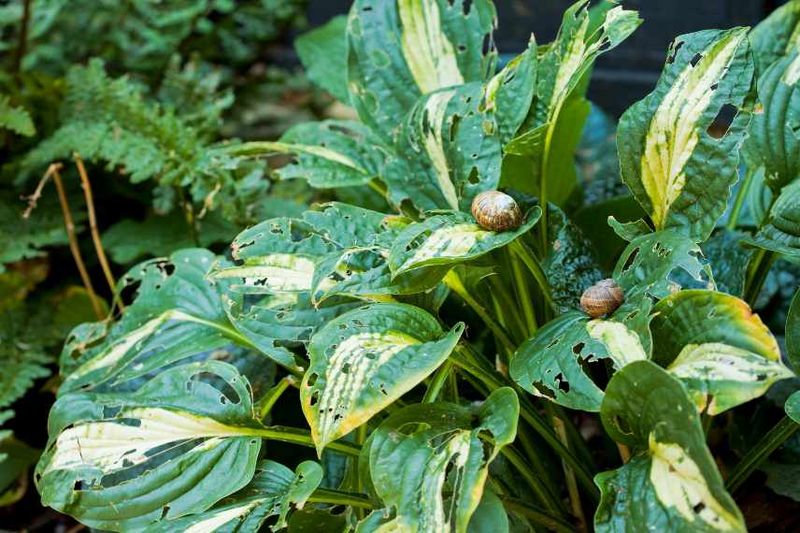
Your hostas can tell you a story if you know how to read them. After a heavy rain, the leaves often hold the first clues that slugs have moved in for a midnight snack.
Slugs get busy when the weather turns wet. Moist air lets them travel farther without drying out, so a stormy night becomes a free buffet. They chew ragged, uneven holes in the middle and along the edges of hosta leaves.
Unlike the neat cuts left by some insects, slug damage looks messy and torn. Shiny, silvery trails are the other big giveaway.
Slugs leave this slime behind as they glide, and it dries into a sparkly streak you can spot on leaves, stems, and even nearby stones. Fresh holes with moist edges mean the pests fed recently, which signals a growing problem.
Head outside the morning after a storm, ideally with a cup of coffee in hand. Walk slowly through your bed and look at each plant. Make a mental note, or even a quick list on your phone, of which hostas have the most new holes.
Those plants are your hot spots, and they deserve your attention first. Focusing your effort on the hardest-hit areas saves time and works better than treating everything at once.
You can set traps, hand-pick slugs, or add bait right where the damage is worst. North Carolina makes this habit extra useful. Summer thunderstorms roll through almost every afternoon in some areas, and fall rains keep shady beds damp for weeks.
Those conditions are a dream for slugs. Catching the damage early means a few torn leaves instead of a ruined plant by August.
2. The Undersides Of Leaves And Around The Crown
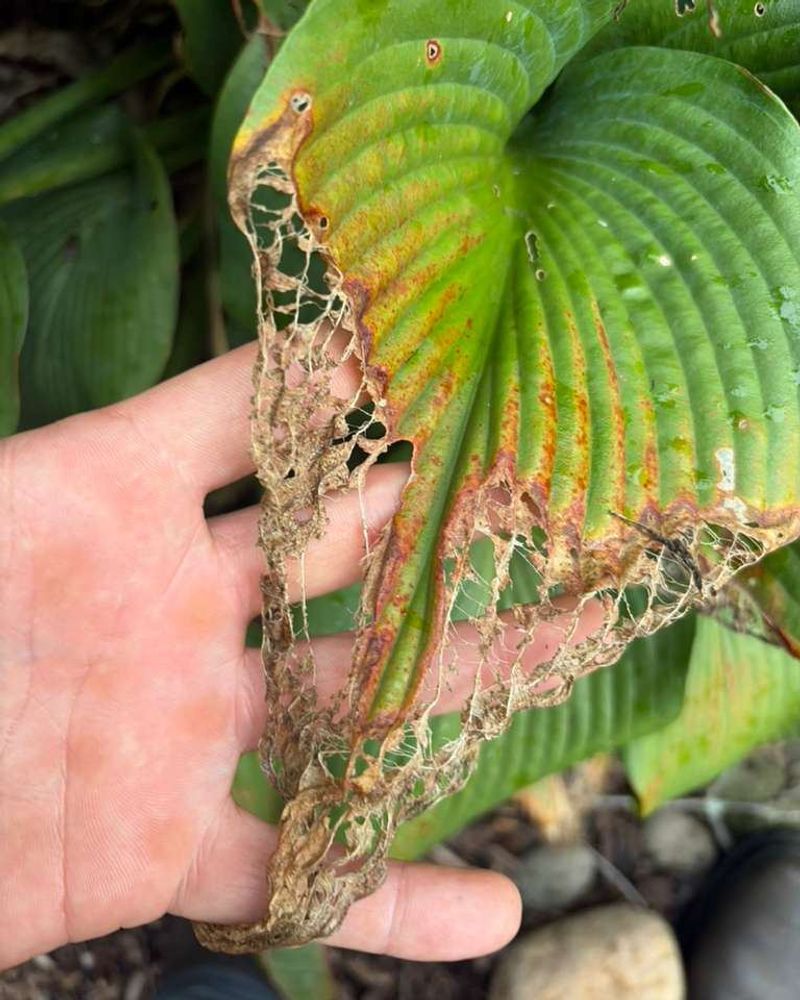
Slugs are sneaky little hiders. During the day, you might stare right at a hosta and never see a single one, even though a dozen are tucked away nearby.
Sunlight and dry air are their worst enemies. A slug’s soft body loses moisture fast, so it seeks out cool, shaded spots to rest. The undersides of big hosta leaves make a perfect umbrella.
The crown, where the stems meet the soil and leaves overlap, stays damp and dark long after the rain stops.
Your North Carolina Garden Changes Every Week. Your Plan Should Too.
Gardening in North Carolina changes quickly throughout the season. Every Friday you’ll receive a simple weekly plan showing exactly what to plant, prune, fertilize, harvest, and protect so you never miss the right timing.
Timing matters when you go looking. Early morning and evening are the best windows, since slugs are either finishing a meal or getting ready for one. Gently lift each leaf and peek underneath.
Then part the foliage near the base and check the crown closely. Bring along a small container of soapy water. When you find a slug, drop it in, and it will not return to your garden. A plastic cup or an old yogurt tub works great.
Some folks use chopsticks or tweezers, while others just wear garden gloves if touching slime sounds gross.
Hand-picking may sound slow, yet it works surprisingly well. Removing even a handful of slugs each day cuts down feeding quickly, especially if you stay consistent for a week or two after a storm.
North Carolina gardeners often grow hostas in big, lush clumps that fill shady corners beautifully. Those thick clumps also offer slugs endless places to hide.
The fuller your plants get, the more important it becomes to look beneath the surface. A few minutes of leaf lifting can protect a whole season of gorgeous foliage.
3. Boards, Pots, And Rocks Near The Bed
Ever flip over a garden stone and find a little slug party underneath? That surprise is a clue to where your hosta pests spend their daylight hours.
Slugs need a cozy daytime hideout. Boards, flowerpots, stones, plastic edging, and even forgotten garden tools trap moisture and stay cool long after a rain shower. Slugs crowd beneath them while the sun is out.
Once evening arrives, they slide over to the closest hostas and start munching. A quick sweep of the area can uncover a surprising number. Lift anything sitting on the soil near your hosta bed and check the underside and the ground below.
Remove any slugs you find and toss them into soapy water. You might be amazed at how many gather in one spot.
Clutter makes the problem worse. Stacks of empty pots, old bricks, or leftover lumber give slugs a safe home right next door to their food. Clearing away anything you do not need takes away those shelters and makes your garden less inviting.
Here is a clever twist, though. You can turn this habit against the slugs by placing a few flat boards on purpose near your hostas. Lay them on damp soil overnight.
Each morning, flip them over and scrape off the slugs hiding underneath. It is a cheap, chemical-free trap that works especially well after rain.
Shady North Carolina gardens tend to hold moisture for days after a heavy storm, especially under tall oaks and pines.
That lingering dampness keeps those hiding spots appealing much longer. Checking boards and pots daily during wet stretches helps you stay a step ahead.
4. Clusters Of Slug Eggs In Soil And Mulch
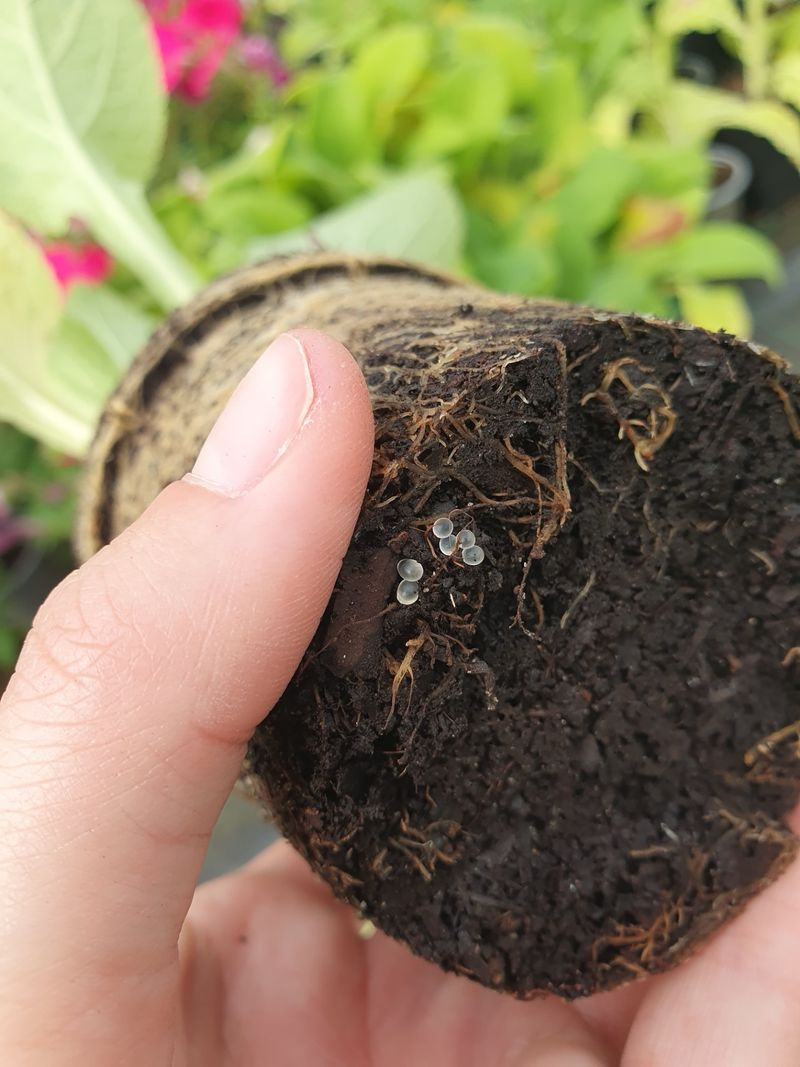
Stopping slugs before they hatch is one of the smartest moves a gardener can make. One small cluster of eggs could turn into dozens of hungry mouths by next month.
Slug eggs are easy to miss unless you know what to look for. They are small, round, and shiny, almost like tiny pearls or tapioca balls. Most look clear to whitish, and they sit together in clumps.
Slugs lay them in moist soil, under mulch, and beneath leaves or other debris where they stay damp and protected.
A rainy spell is the perfect time to hunt for them. Grab a hand rake or just use your fingers to pull back the mulch around your hosta crowns. Look closely at the soil surface and the bottom layer of the mulch.
When you spot a cluster, scoop it up with a trowel and dispose of it in the trash or crush it. Removing eggs means fewer slugs feeding on your plants later. It is a little like weeding before the seeds spread. The work is quick, and the payoff lasts for weeks.
Make it a routine instead of a one-time task. Check again every few weeks during wet seasons, since slugs keep laying as long as conditions stay moist. Afterward, push the mulch back into place, keeping it a bit away from the crown.
North Carolina gives slugs two big egg-laying seasons. Spring brings mild temperatures and steady showers, and fall often turns cool and rainy again. Gardeners here who check for eggs in both seasons usually see far less hosta damage the following year.
5. How Deep And Wet The Mulch Is
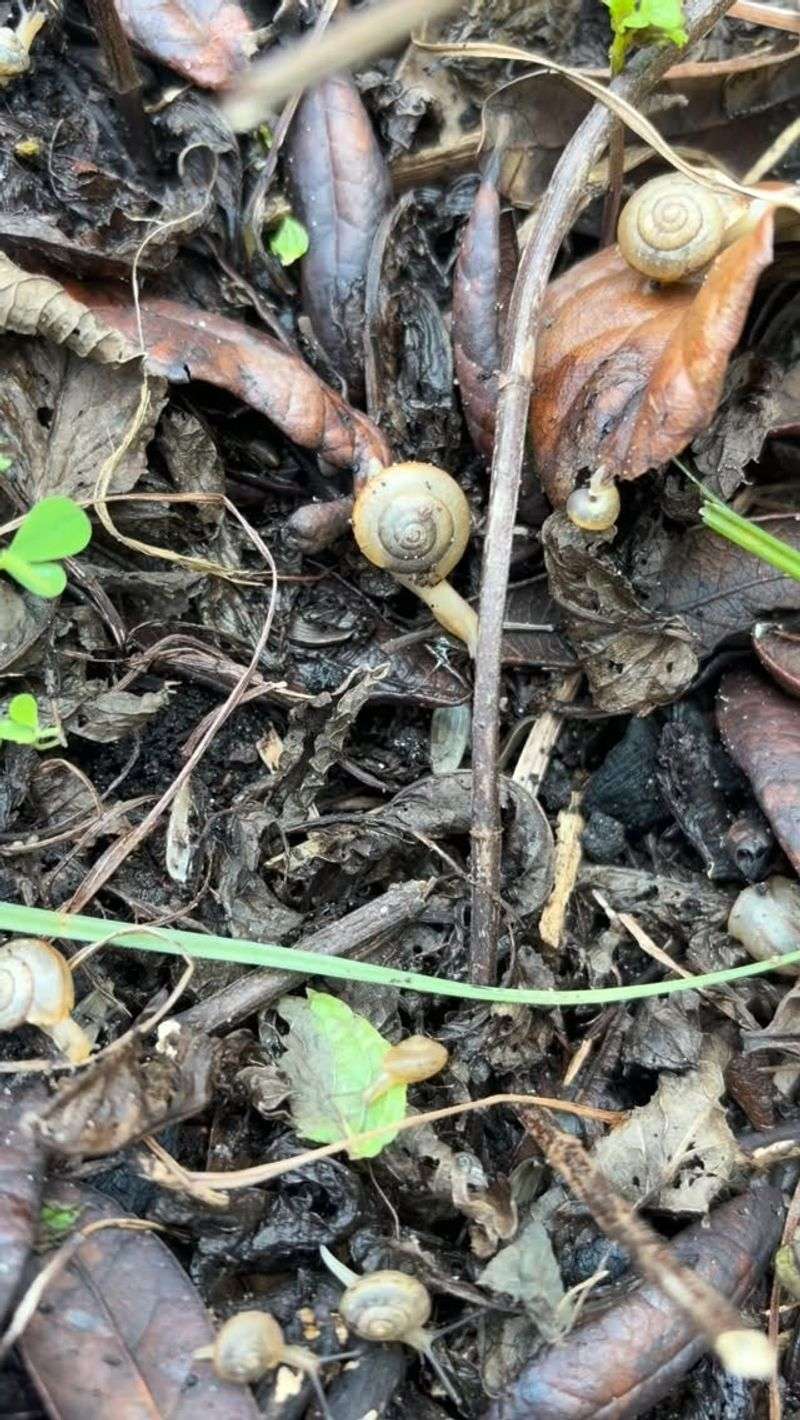
Mulch is a gardener’s best friend most of the time. It holds moisture, keeps weeds down, and makes beds look tidy. Too much of a good thing, however, can roll out the welcome mat for slugs.
Thick, soggy mulch creates a cool, damp shelter right next to your hostas. Slugs can rest inside it all day, then crawl a few inches to dinner each night. They hardly have to travel at all, which makes feeding easy and constant.
Poke your finger into the mulch after a heavy rain. If it feels soaked several inches down or forms a heavy, matted layer, slugs are probably loving it. A depth of about 2 inches works well for most hosta beds. Anything deeper tends to hold too much water.
Give the crowns some breathing room as well. Pull the mulch back a few inches from the base of each plant so the soil there can dry between rains. That small gap makes it harder for slugs to hide right where the leaves start.
The type of mulch matters, too. Coarser materials like pine straw let air move through and dry out faster than fine, shredded mulch that packs down. Avoid thick blankets of finely ground bark or leaves that clump together and stay wet.
North Carolina gardeners have a handy advantage here. Pine straw is easy to find across the state and often costs less than bagged mulch.
In shady hosta beds, where moisture can linger for days after a storm, choosing a lighter, airier mulch keeps slug numbers much easier to manage.
6. Leaves Resting On The Ground
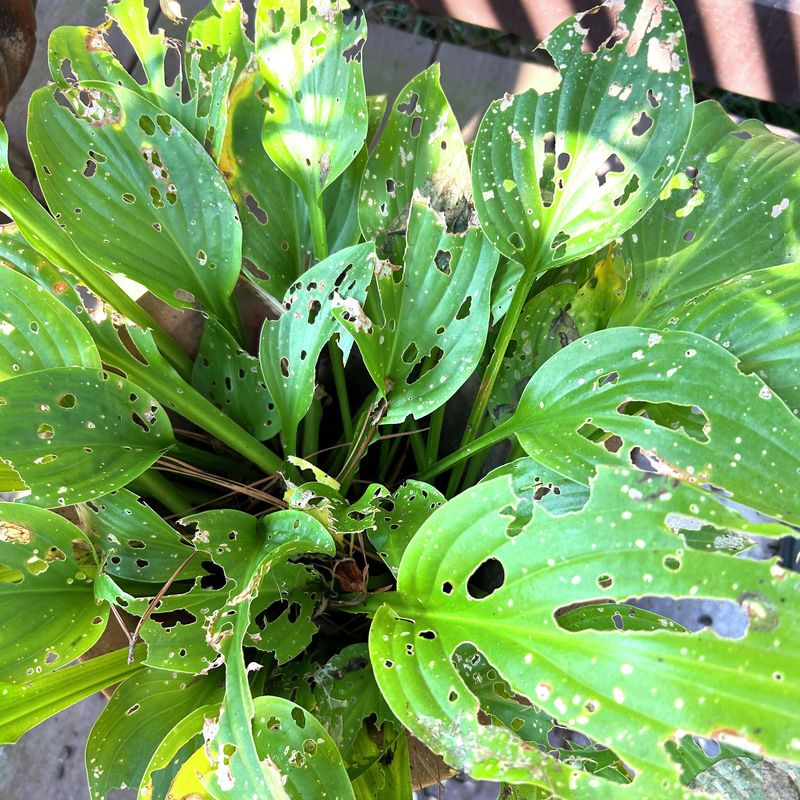
Think of a hosta leaf touching the soil as a ramp built just for slugs. Nothing could be easier for a hungry pest than sliding straight from wet ground onto a juicy leaf.
Slugs move best across damp surfaces. When lower leaves flop onto moist soil or mulch, slugs can glide right up without climbing a stem. Leaves held higher off the ground take more effort to reach, so they often stay in better shape.
Heavy rain tends to beat down older leaves, and many end up lying flat afterward. Take a look around the outer edge of each plant. If you see worn, torn, or yellowing lower leaves resting on the soil, snip them off at the base with clean pruners.
Your hostas will look neater, and slugs lose an easy entry point. Weeds and fallen debris create the same kind of bridge.
Pull weeds that grow close to your plants and rake up old leaves, twigs, and petals that collect after a storm. A clean bed leaves slugs with fewer places to rest and fewer ways to climb.
Crowded clumps deserve attention, too. When hostas grow tightly packed, the air barely moves between them and everything stays wet. Dividing overgrown clumps in early spring or early fall gives each plant more room and a little extra airflow.
That airflow is a big deal in North Carolina, where humid summers can make gardens feel like a steam room. Beds with good spacing dry faster after afternoon storms, and drier conditions make slugs much less comfortable.
7. Whether Bait And Traps Still Need Refreshing
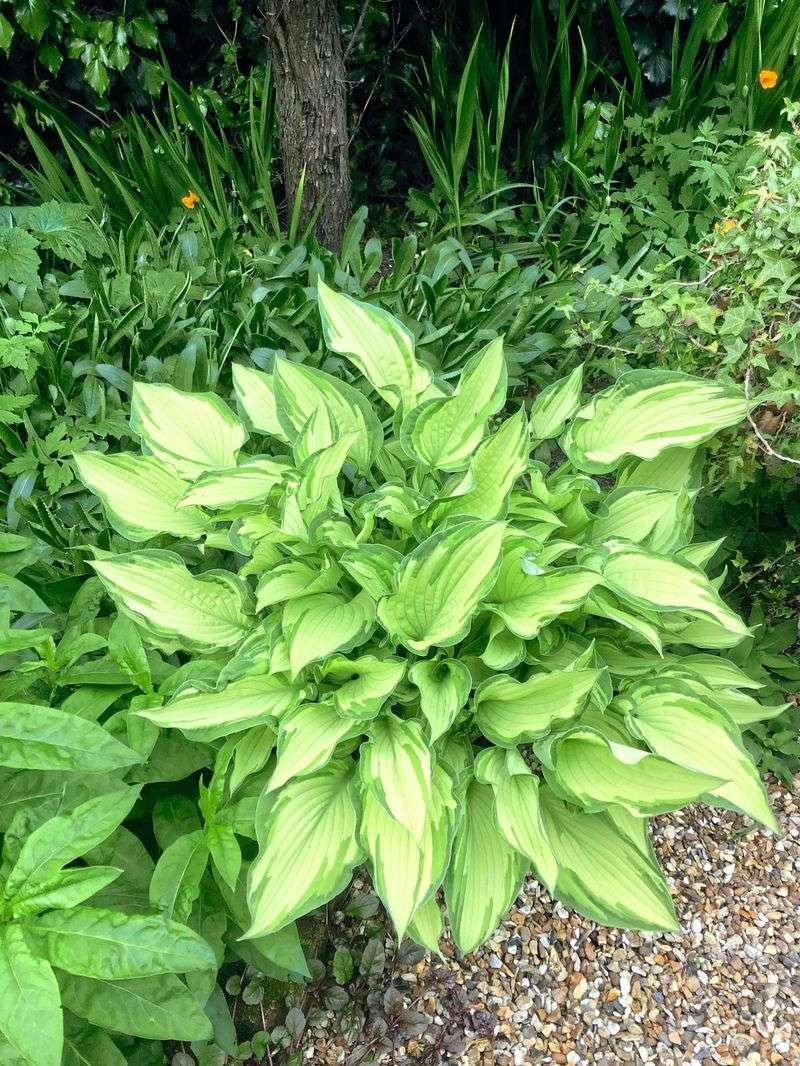
You set your traps, sprinkled your bait, and felt ready for anything. Then a summer storm dumped two inches of rain overnight. Your slug defense might need a quick tune-up.
Heavy rain can weaken most slug control methods. Beer traps fill up with rainwater, which dilutes the beer and cuts down on the smell that draws slugs in. Some baits break down or wash away when they get soaked over and over.
A quick check after each storm keeps your plan working instead of quietly failing. Start with the beer traps. Empty them, rinse them out, and add fresh beer so the scent pulls slugs in again. Shallow containers buried with the rim slightly above the soil work best.
Next, look at any bait you have used. Iron phosphate slug bait is a popular choice because it is labeled for use around ornamental plants and is considered lower risk to pets and wildlife than older products.
Reapply it as the label directs, scattering pellets lightly around plants instead of piling them up.
Planning ahead helps, too. Some hostas naturally resist slugs better than others. Varieties with thick, heavily textured, or blue leaves, such as Sum and Substance, Blue Angel, and Halcyon, tend to hold up well because their tough leaves are harder to chew.
Adding a few to future plantings can lighten your workload. North Carolina summers and falls bring frequent rain, so slug control rarely ends after one round.
Treat it like watering or weeding, a regular part of caring for your shade garden, and your hostas will reward you with lush, beautiful leaves.