What To Do With Snapdragons In Pennsylvania When Summer Heat Finally Breaks
Your garden has been quietly lying to you all through the sweltering summer months, and it just got caught. Those wilted stems scattered across your beds are actually planning a full comeback that nobody saw coming this year.
Mornings across Pennsylvania have begun carrying a noticeably different chill that most people brush right past. Few notice until your own beds surprise you with a fresh wave of color.
Roots that seemed finished for the season are quietly gathering fresh strength underground at this very moment. Timing decides everything from here forward, and missing this narrow window costs you weeks of color you could otherwise have kept.
Pennsylvania weather hands you a narrow stretch of days to act, and it closes faster than most people ever expect. What happens next inside your beds depends entirely on a move you have not made yet.
1. Cut Back The Leggy Stems For Fresh Fall Blooms
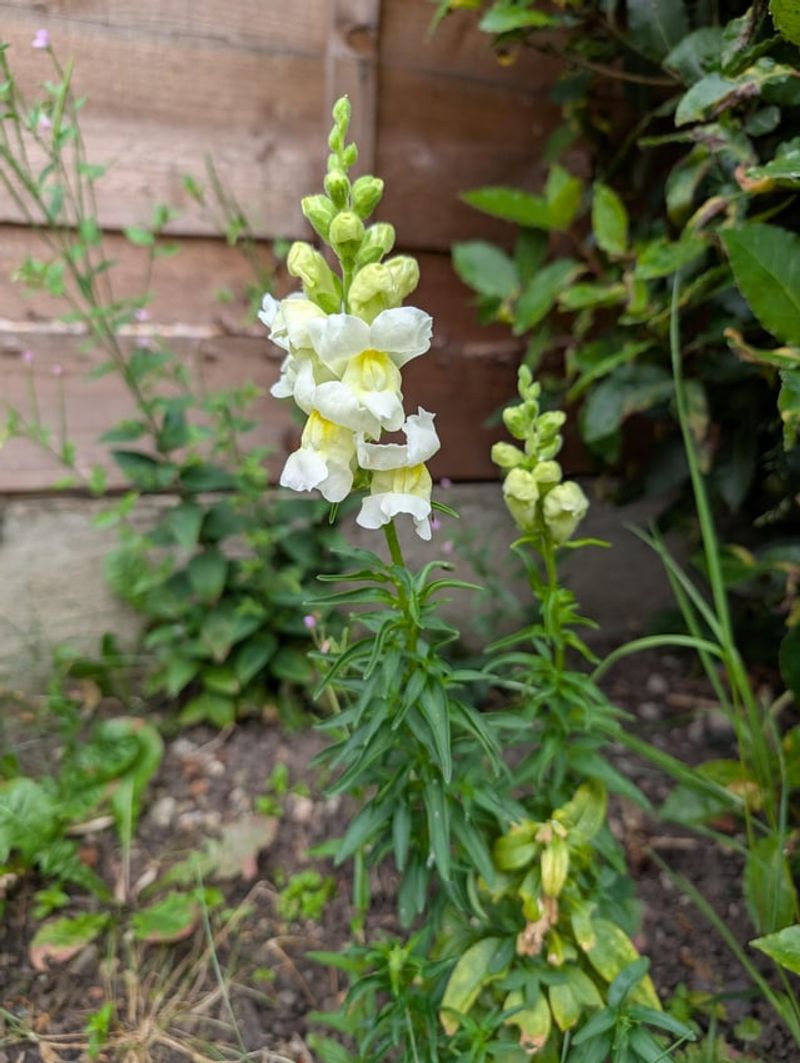
By late August, plenty of Pennsylvania gardeners look at their beds and see a tangle of stretched stems with a few tired blooms clinging to the tops. That leggy shape is a sign the plant spent July simply coasting instead of growing.
Grab clean pruners and trim each stem back by about a third, or halfway down if it’s badly flopped over. Make each cut just above a set of leaves, since new shoots push out from those spots.
Timing matters more than exact measurements here. Once nighttime temperatures settle into the fifties, roots perk up and send out fresh growth fast. Pruning during the first two weeks of September often means new buds by early October.
Toss the trimmings on the compost pile unless you spot brown blotches or powdery gray patches on the leaves. Anything that looks unhealthy belongs in the trash bag instead.
Water the plants well right after pruning, then let them rest for a week or two. The bed may look like it got a rough haircut, but the plants bounce back bushier and carry more flower spikes than they managed all summer.
Gardeners around Erie and the Poconos should shift this chore about a week earlier than folks near Philadelphia, since cool air arrives up there sooner. A quick look at your ten day forecast tells you more than any garden calendar ever will.
2. Feed The Soil With A Light Autumn Fertilizer
Think of a summer weary plant as a hiker who just finished twenty miles without a snack. Food helps, but a giant meal right before bedtime causes problems.
Use a balanced granular fertilizer, something close to a 10-10-10 or a 5-10-10 blend, and apply it at half the rate listed on the bag. Scatter it around the base of each plant, keeping the granules off the leaves, then water it in thoroughly.
A liquid feed works too, and many Pennsylvania gardeners like a diluted fish and seaweed mix every other week through September. The nutrients reach the roots quickly, which suits a plant racing to set buds before the season closes.
Your Pennsylvania Garden Changes Every Week. Your Plan Should Too.
Gardening in Pennsylvania changes quickly throughout the season. Every Friday you’ll receive a simple weekly plan showing exactly what to plant, prune, fertilize, harvest, and protect so you never miss the right timing.
Skip anything loaded with nitrogen at this point. Heavy nitrogen pushes soft, floppy leaf growth that struggles once cold nights roll in across the state. Phosphorus and potassium do the useful work now, supporting flower buds and sturdy roots.
Stop feeding around the first week of October in most of the state, or late September in the northern tier counties. Plants need time to harden up before real cold weather settles in.
One more trick worth trying: mix an inch of finished compost into the soil surface around each clump. Compost feeds slowly, improves drainage in our heavy clay soils, and holds moisture during those odd warm spells that show up in autumn.
The payoff shows within two or three weeks as deeper green leaves and thicker flower spikes appear.
3. Water Deeply And Mulch For Cooler Root Zones
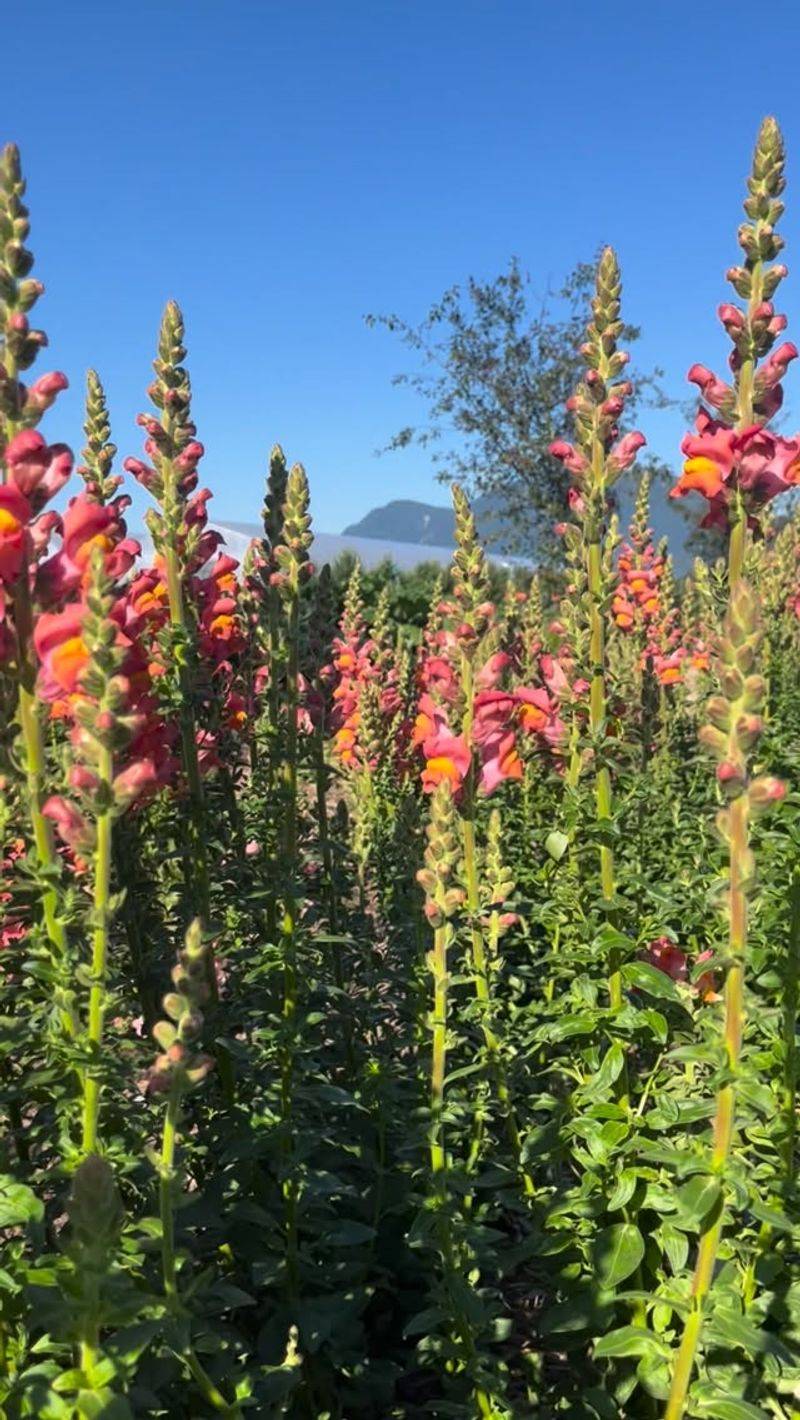
September in Pennsylvania plays tricks. One week brings three inches of rain from a coastal storm, and the next serves up eighty degree afternoons with zero moisture.
Check the soil two inches down with your finger, and water only once it feels dry there. Give the bed a slow soak so moisture reaches six inches, which pushes roots to spread instead of staying shallow.
Morning watering beats evening watering by a mile. Leaves dry off before nightfall, and that simple habit cuts down on the fungal spots that love our humid Mid-Atlantic air.
After watering, spread two inches of shredded bark, chopped leaves, or pine straw around the plants, leaving a small gap at the stems for airflow. Mulch keeps soil temperatures steady, blocks weeds, and slows evaporation when rain stays away.
Chopped autumn leaves cost nothing and work beautifully. Run the mower over a pile on your lawn, rake up the shreds, and you have free mulch that breaks down into rich organic matter by spring.
One caution for the clay-heavy soils around Lancaster and Chester counties: soggy ground causes more trouble than dry ground. If water pools after a storm, hold off watering and consider raising the bed next season.
Steady moisture plus cool roots equals flower spikes that keep pushing well into fall.
4. Snip Spent Flower Spikes For Nonstop October Color
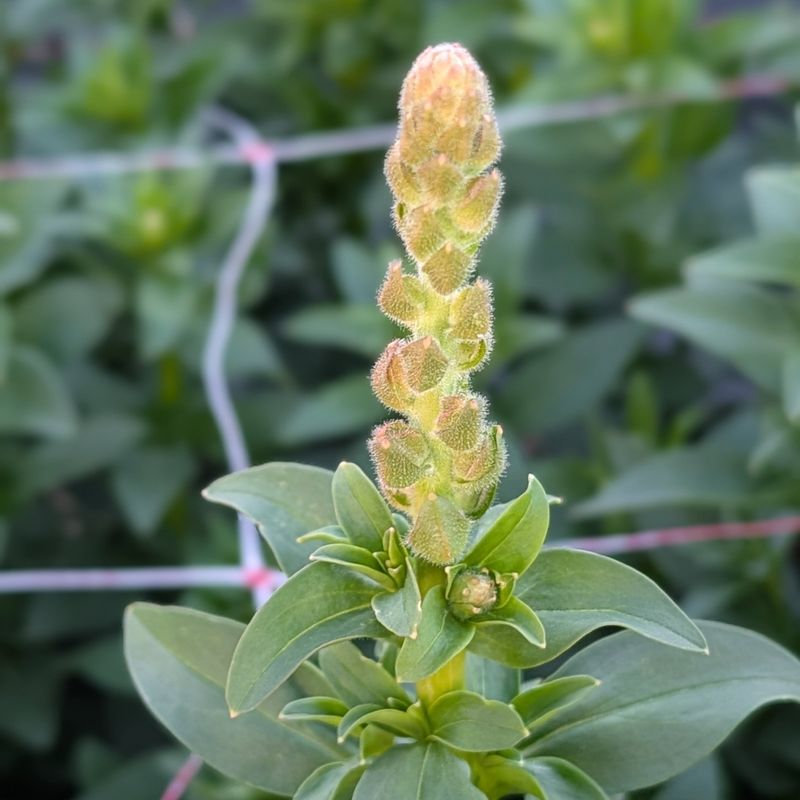
Here is a fact that surprises new gardeners: a plant carrying seed pods slows way down on making new flowers. Seeds signal that the job is finished for the year.
Your move is to interrupt that message. Follow each faded spike down to the first healthy set of leaves or side shoot, then snip cleanly with scissors or small pruners. Removing just the brown tips does not accomplish much, so go a few inches lower.
Do a walk through twice a week during September and October. The whole chore takes about five minutes for a typical border, and the plants reward you within days by pushing side branches loaded with buds.
Fresh cut spikes belong in a vase, too. Cut them in the cool morning once a third of the florets have opened, strip the lower leaves, and drop them in water right away. They’ll hold up eight to ten days on a kitchen table.
Leave a couple of spikes alone on purpose if you want seeds later. Mark those stems with a bit of yarn so you do not absentmindedly trim them during your next pass.
One neighborly note: a small bucket clipped to your belt or set at your feet keeps clippings from scattering across the lawn. It beats picking soggy petals out of the grass later, especially with the Steelers game starting in ten minutes.
5. Tuck In New Transplants For A Quick Second Show
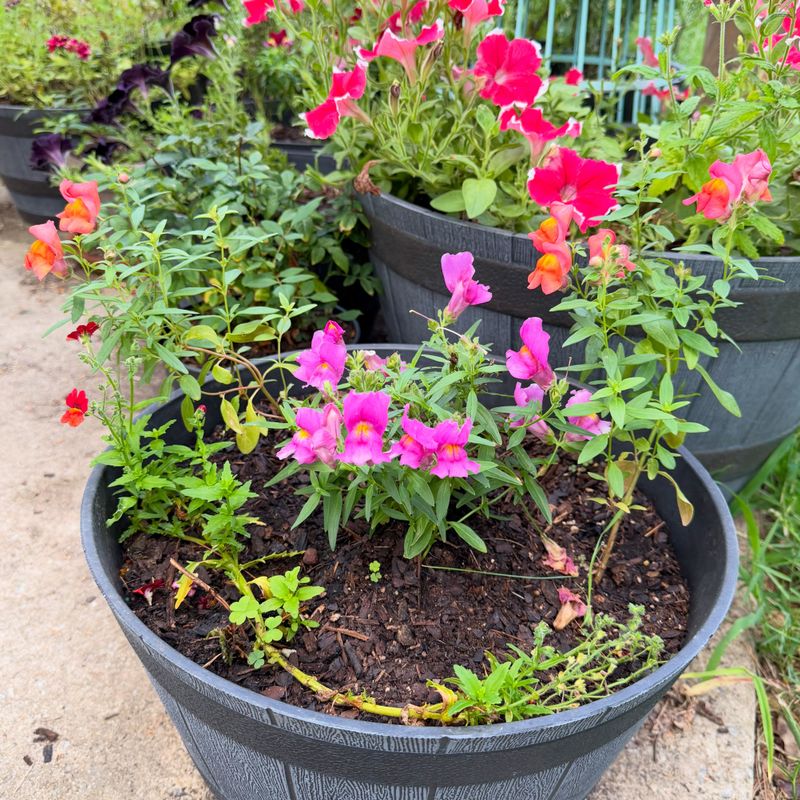
Garden centers across Pennsylvania quietly mark down flats in late summer, and that is where the bargains hide. Those overlooked six packs can carry a bed straight through Halloween.
Shop for stocky plants with green leaves and fat buds rather than tall ones already in full bloom. Loosen the root ball gently, set each plant at the same depth it sat in the pot, and space them eight to twelve inches apart depending on the variety.
Aim to plant by the second week of September in most of the state. Roots need three to four weeks of warm soil to settle in before cold nights arrive, and our soil stays surprisingly warm long after the air cools.
Water every day for the first week, then back off to a deep soak twice weekly. A handful of compost in each planting hole gives the roots something to chew on while they establish.
Containers deserve attention as well. A window box or porch pot refreshed with new plants looks sharp next to mums and ornamental kale, and the color combination beats the same tired orange display every neighbor sets out.
These flowers crossed the Atlantic with European settlers in colonial times, and early Pennsylvania gardeners tucked them in alongside vegetables and herbs near the house.
Blooms usually open two to three weeks after transplanting, right as the maples turn.
6. Save Seeds From Your Strongest Plants For Next Spring
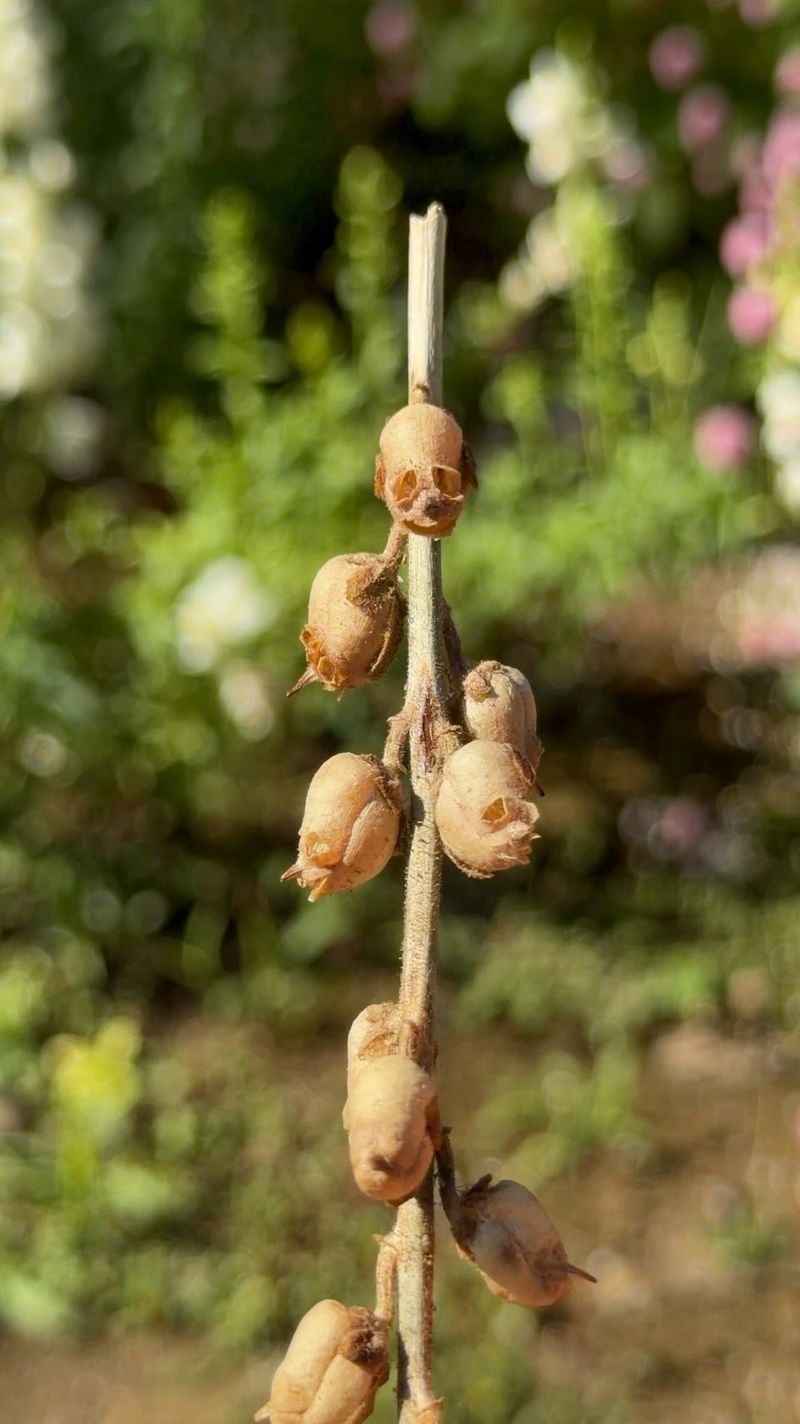
The seed pods on these plants look like miniature carved faces, with deep hollow openings where eyes would sit. Kids find that either thrilling or a little spooky, with reactions all over the map.
Wait until the pods turn tan and papery before harvesting. Green pods hold seeds that have not finished developing, and those rarely sprout well. Shake a pod gently near your ear, and a soft rattle tells you the seeds inside are ready.
Clip the whole stem, hold a paper bag underneath, and tip the pods so the dust-fine seeds pour out. One healthy spike holds hundreds of them, so a single stem supplies your whole neighborhood.
Spread the seeds on a paper plate for a few days in a dry indoor spot. Once fully dry, pour them into a labeled paper envelope and store the envelope in a jar in your refrigerator. Cold, dry storage keeps them viable for three years or more.
Pick your donor plants thoughtfully. Choose the ones that shrugged off August humidity, stood upright without staking, and bloomed the heaviest, since those traits often carry into the next generation.
Keep in mind that most modern varieties are hybrids, so the seedlings may look different from the parent. Colors sometimes come out muddier, sometimes prettier, and that gamble is half the fun.
Start your saved seed indoors in late February under lights, roughly ten weeks before Pennsylvania’s last frost date, and you will have transplants ready when the soil warms.
7. Shield The Beds From The First Hard Frost
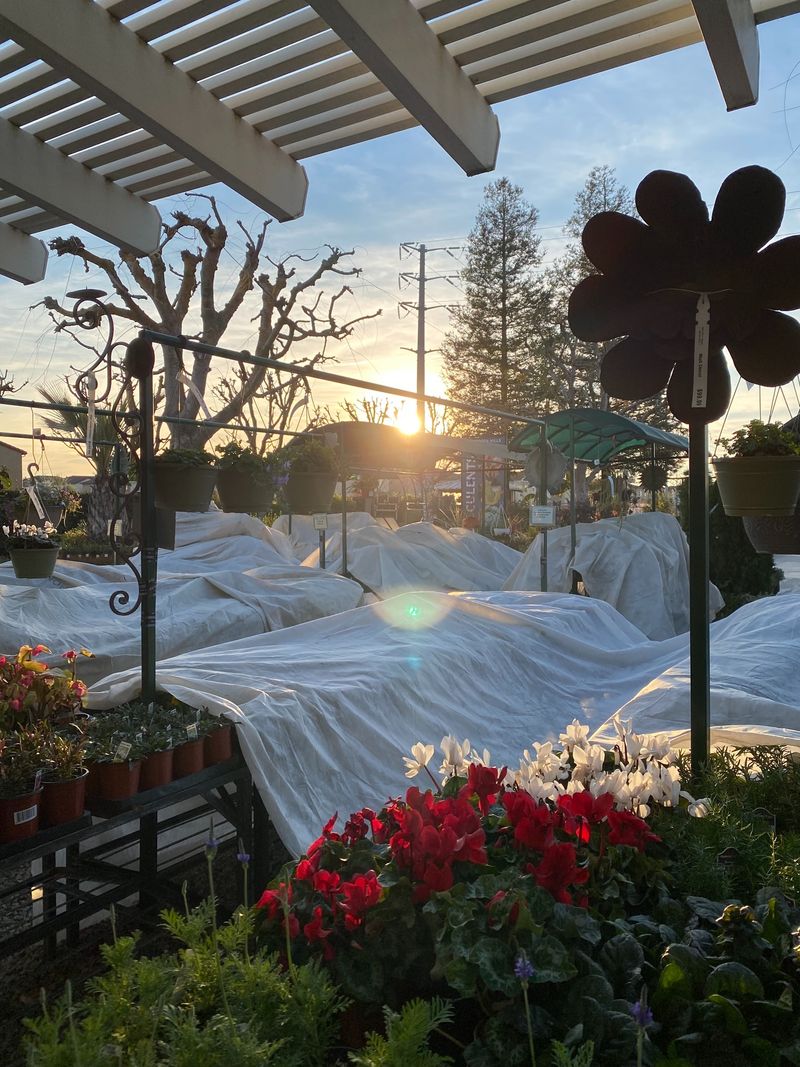
A light frost barely bothers these plants. They handle temperatures down around twenty five degrees and often look fresher the morning after a chilly night than they did in August.
The trouble starts when the thermometer drops into the low twenties, which happens in mid-October across the northern counties and closer to early November near the southeastern corner. Watch your local forecast once nights begin dipping under forty.
Keep an old bedsheet, a lightweight frost blanket, or a few cardboard boxes handy in the garage. Drape the cover in the late afternoon while warmth is still trapped in the soil, and pull it off the next morning once temperatures climb above freezing.
Support the cover with tomato cages or a few stakes so the fabric does not crush the flower spikes. Plastic sheeting works in a pinch, though it must come off early because it cooks plants once the sun hits.
Watering the bed the afternoon before a cold night helps as well. Moist soil holds heat better than dry soil and releases it slowly overnight, which buys a few degrees of protection.
Container plants get hit hardest since their roots sit exposed on all sides. Slide pots against a south-facing wall or tuck them into an unheated garage for the night.
Gardeners who bother with a sheet or two often stretch their color into November, sipping coffee on the porch while the rest of the block stares at bare mulch.
8. Overwinter The Crowns For A Surprise Spring Return
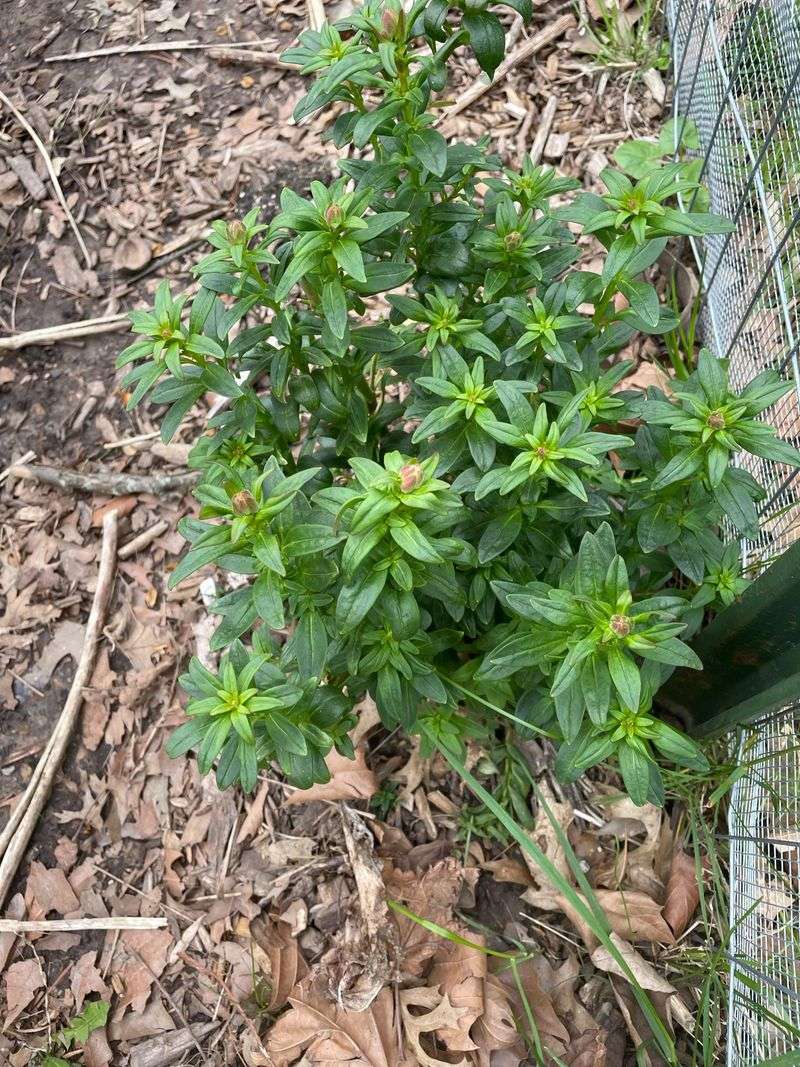
Most seed packets label these flowers as annuals, and most catalogs agree. Pennsylvania gardeners know better, because plants in zones six and seven frequently come back on their own.
Give them a fair shot. After the first hard freeze, trim stems to about four inches and pile four to six inches of straw or shredded leaves over the crowns to guard against our freeze-thaw winters.
Hold off on rich compost right at the crown, since moisture sitting against the stems invites rot. Loose, airy mulch does the job better.
Pull the covering back in early April and look closely. Small green shoots at the base mean the plant made it through, and those returning plants bloom several weeks earlier than anything you buy at the nursery in May.
Self-sown seedlings show up too, often in sidewalk cracks or gravel paths where you never planted anything. Move them in spring while they are small, or just let them stay and enjoy the accident.
Southeastern counties around Philadelphia and Bucks see the best return rate. Up in Potter or Tioga County, survival gets spotty, though a sheltered spot along a foundation wall improves the odds noticeably.
Worst case, you lose nothing but a wheelbarrow of leaves. Best case, you get free flowers in April while your neighbors are still waiting for the garden center to open.