The Perfect Pennsylvania Weather For Fall Garden Chores: What To Finish Before November
There’s a stretch of fall in Pennsylvania that’s practically made for yard work. The air is crisp but not cold. The sun still feels warm on your back.
You can rake, dig, and haul without breaking a sweat or losing feeling in your fingers. That sweet spot doesn’t last long.
By November, chilly winds, early sunsets, and frozen mornings make outdoor chores a lot less pleasant. The soil starts to harden, plants slip into dormancy, and many tasks become harder or simply too late to do well.
Right now, though, conditions are close to perfect. It’s the ideal time to plant bulbs, clean up beds, protect shrubs, prep the lawn, and put tools and hoses away before the first hard freeze.
A few comfortable afternoons now can save you a lot of hassle later. Make the most of this mild weather while it’s still here.
1. Plant Garlic And Spring Bulbs Now
Few things feel more hopeful than tucking a bulb into cold soil and walking away. You will not see a thing for months. Then one April morning, bright tulips and daffodils will wave at you like old friends.
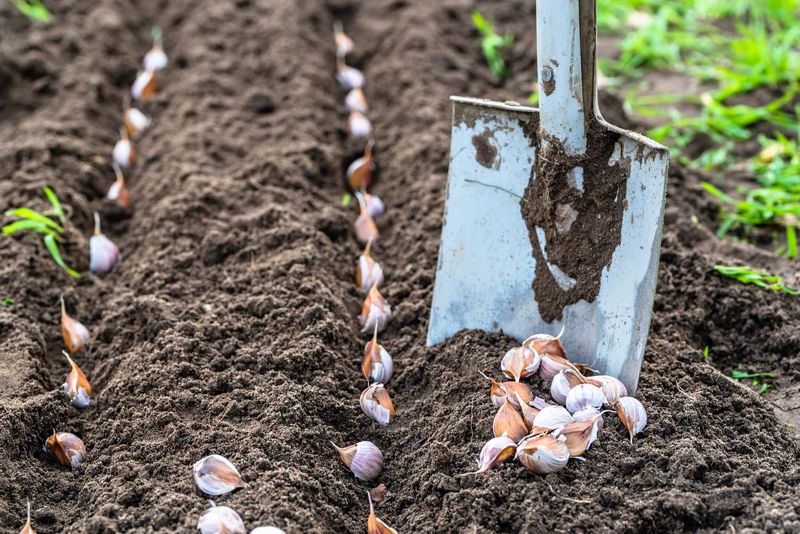
Fall is the best time to plant garlic cloves and spring bulbs in Pennsylvania. Tulips, daffodils, crocuses, and hyacinths all need a cold winter to bloom well. Garlic works the same way. It needs a long chill to form big, tasty heads by next summer.
The trick is timing. Bulbs need about four to six weeks to grow roots before the ground freezes. In most of the state, that means planting from late September through October.
Folks in the northern counties should aim for the earlier side of that window. Planting is simple. Dig a hole about two to three times as deep as the bulb is tall.
Set the pointy end up and cover it with soil. For garlic, break the head into single cloves and plant each one about two inches deep and six inches apart.
Pick a sunny spot with soil that drains well. Bulbs hate soggy ground and can rot if water sits around them. Mixing in a little compost helps a lot.
After planting, give the bed a good drink of water. Then add a layer of straw or shredded leaves on top, especially over garlic. That blanket keeps the soil temperature steady through freezing and thawing.
Here is a fun fact. Daffodils are toxic to squirrels and deer, so pests usually leave them alone. If critters keep digging up your tulips, try mixing in daffodils or planting crocuses under a layer of chicken wire.
2. Get New Trees And Shrubs In The Ground
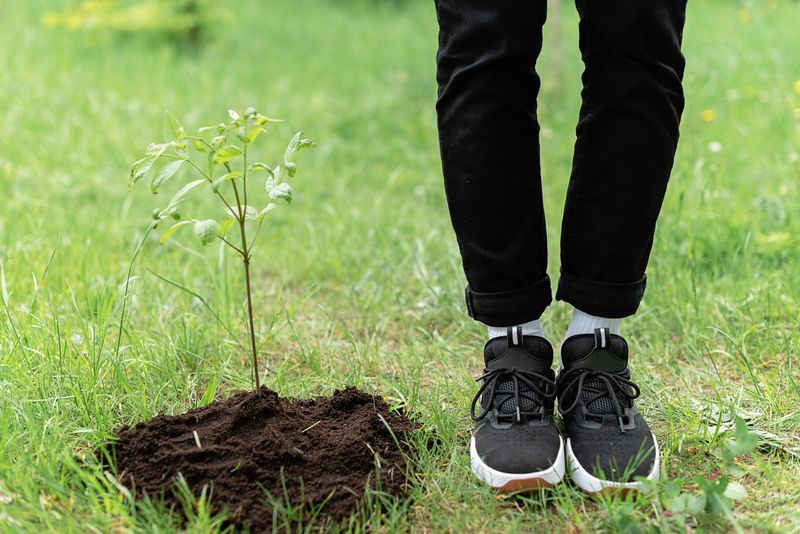
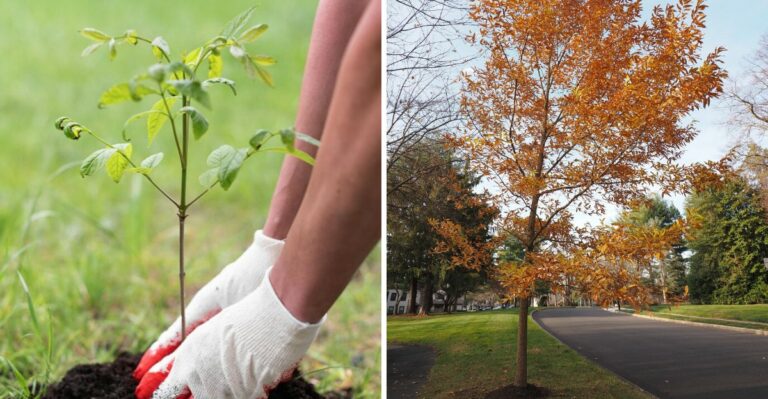
Garden experts love to say that fall is for planting, and they have good reason. The air cools off, but the soil keeps much of its summer warmth. That combo is a dream for young trees and shrubs.
Warm soil helps roots keep growing even when the leaves up top are slowing down. Cool air means less stress on the plant. It does not lose as much water through its leaves, so it can focus all its energy below ground.
Your Pennsylvania Garden Changes Every Week. Your Plan Should Too.
Gardening in Pennsylvania changes quickly throughout the season. Every Friday you’ll receive a simple weekly plan showing exactly what to plant, prune, fertilize, harvest, and protect so you never miss the right timing.
Planting before November gives new trees and shrubs several weeks to settle in. That head start matters most in northern Pennsylvania, where the ground can freeze earlier than in places like Philadelphia or Pittsburgh. If you live up near the New York border, try to finish by mid-October.
Start by digging a hole two to three times wider than the root ball. Keep it no deeper than the root ball itself.
Trees planted too deep often struggle for years, so look for the flare where the trunk widens and keep it just above the soil.
Loosen any circling roots with your fingers before setting the plant in place. Fill the hole with the soil you dug out. Skip heavy fertilizer for now, since it can push tender growth that will not survive the cold.
Water deeply right after planting. Keep watering about once a week until the ground freezes, unless rain does the job for you. Dry roots going into winter are a common reason new plants fail.
Finish with two to three inches of mulch. Keep it a few inches away from the trunk, like a donut instead of a volcano. Your tree will thank you next spring.
3. Split Up Crowded Perennials
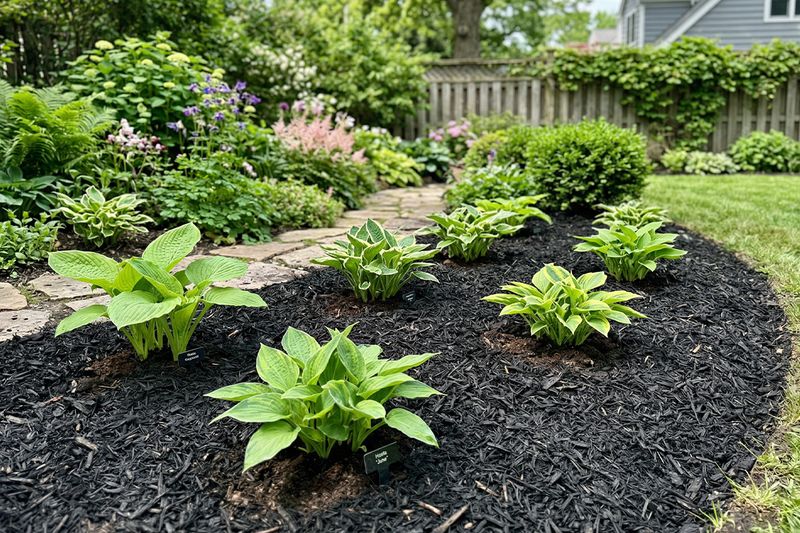
Ever notice a daylily patch that blooms less every year? The plant is not being lazy. It is simply out of room, and the roots are fighting each other for food and water.
Dividing perennials is like giving them a fresh start. You split one big clump into several smaller ones. Each new piece grows stronger, and you end up with free plants to fill empty spots or share with neighbors.
Early to mid-fall is a great time to divide summer bloomers in Pennsylvania. Daylilies, hostas, black-eyed Susans, and ornamental grasses all handle it well. The soil is still soft and workable, and the new clumps have time to root in before winter.
So how do you know it is time? Look for a dry-looking center with growth only around the edges. Fewer flowers and floppy stems are also clues. Most perennials need dividing every three to five years.
To start, water the plant the day before. Then use a spade or garden fork to dig around the whole clump and lift it out. Shake off some soil so you can see the roots.
Next, pull or cut the clump into sections. Each piece should have healthy roots and at least three or four shoots. Tough plants like daylilies may need a sharp spade or even two forks pushed back to back.
Replant the divisions right away at the same depth they were growing. Water them well and add a light layer of mulch. Try to finish by mid-October so the roots have a few good weeks.
One quick tip: skip dividing spring bloomers like peonies late in the season unless needed. They prefer a gentler schedule.
4. Bag Up Sick And Spotted Plants
Tomato blight is the uninvited guest that keeps showing up every summer. You see brown spots, yellow leaves, and fruit that rots on the vine. The bad news is that it can come back next year if you do not clean up now.
Many plant diseases are sneaky. Fungus spores and bacteria can hide in old leaves and stems all winter long. When spring rains splash soil onto new plants, the trouble starts all over again.
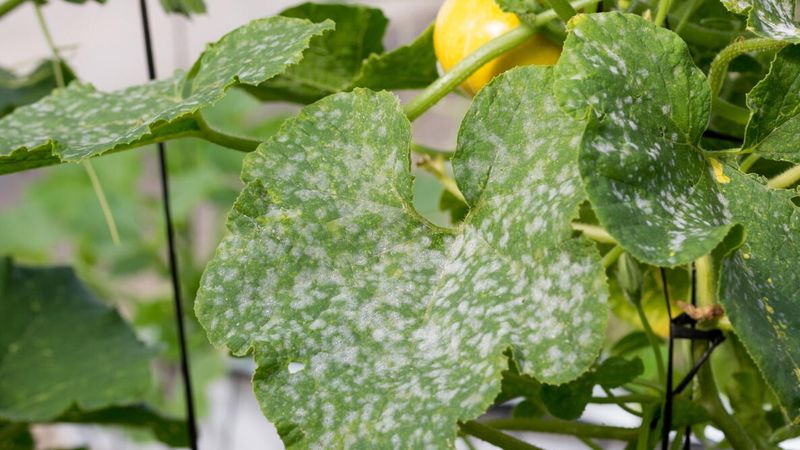
That is why fall cleanup matters so much. Pull out tomato plants that had early blight or late blight. Cut back peony, phlox, and bee balm foliage that showed powdery mildew or leaf spots. Do not forget fallen fruit and leaves on the ground.
Here is the key part. Bag or trash diseased material instead of tossing it in the compost pile. Most home compost bins do not get hot enough to wipe out disease. You could end up spreading the problem all over your garden next spring.
Wear gloves and work on a dry day if you can. Wet leaves spread spores more easily. After you finish, clean your pruners with rubbing alcohol or a mix of one part bleach to nine parts water.
Healthy plant material is a different story. Spent zinnias, bean vines, and clean leaves can go straight into compost. Some gardeners even leave healthy stems standing, since bees and helpful bugs use them for winter shelter.
A smart trick for next year is to rotate where you plant tomatoes. Moving them to a new spot each season helps break the disease cycle. Picking blight-resistant varieties can make a big difference, too.
5. Test Your Soil And Add Lime If Needed
Guessing what your soil needs is a bit like guessing your shoe size. You might get close, but you will probably be uncomfortable. A simple soil test takes the guesswork out of feeding your lawn and garden.
Many Pennsylvania soils are naturally acidic. Lots of rain over thousands of years has washed away minerals like calcium. When soil gets too sour, plants cannot use nutrients well, even if you add plenty of fertilizer.
Penn State Extension sells soil test kits for a small fee. You can find them at county extension offices, some garden centers, or online. The kit comes with clear directions and a mailing envelope.
Collecting a sample is easy. Use a trowel to grab thin slices of soil from about ten spots in your lawn or garden. Dig down around four to six inches for gardens and three inches for lawns. Mix them together in a clean bucket and fill the bag.
Your results will show your soil pH and nutrient levels. Most lawns and vegetables grow best with a pH between 6.0 and 7.0. If yours is lower, the report will tell you exactly how much lime to add.
Fall is the perfect time to spread lime. It works slowly, often taking months to change the soil. Rain, snow, and freezing and thawing all help work it into the ground over winter.
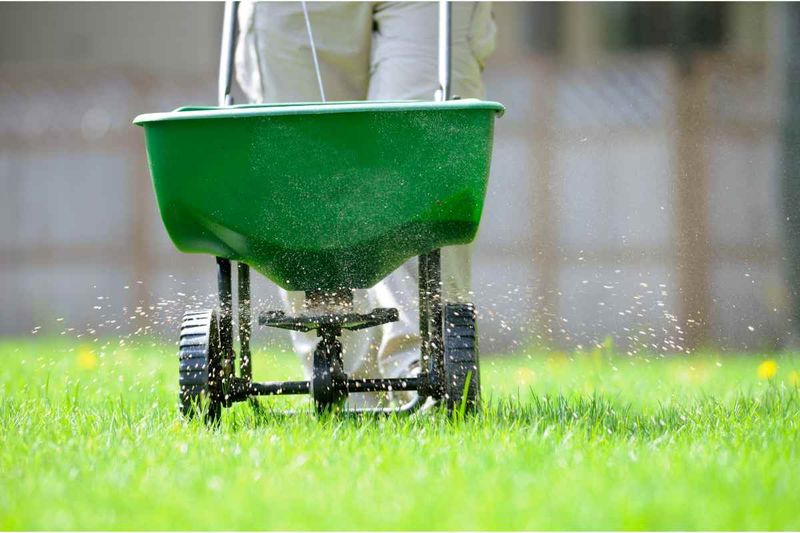
Pelletized lime is the easiest kind to use. You can spread it with a regular lawn spreader. Just avoid liming around acid-loving plants like blueberries, azaleas, and rhododendrons. They actually prefer sour soil and would not appreciate the change.
6. Feed The Lawn And Mulch Those Leaves
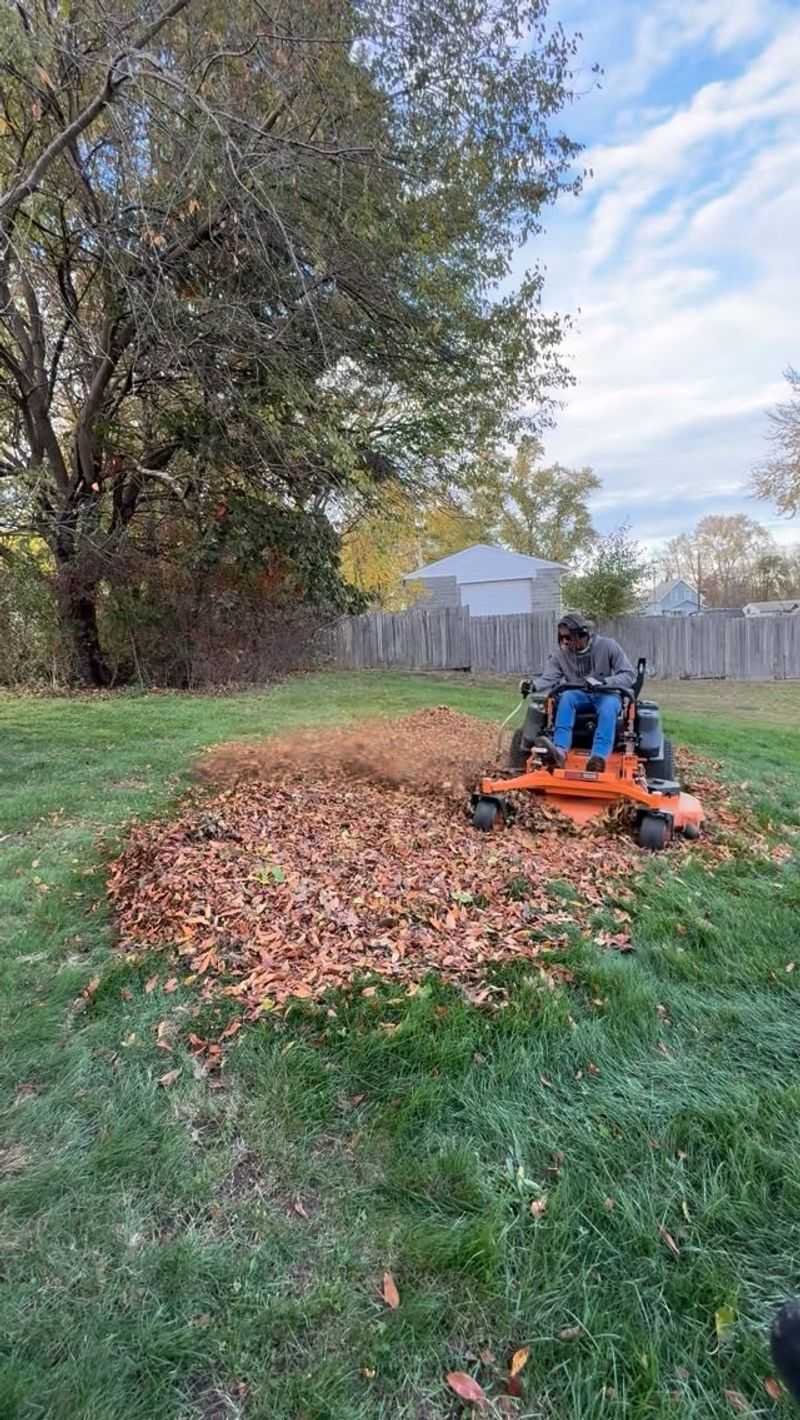
Raking leaves for hours is a fall tradition, but it may not be necessary. Your lawn mower can do much of that work for you. Even better, those leaves can actually help your grass.
Let’s start with feeding. Most Pennsylvania lawns are filled with cool-season grasses like Kentucky bluegrass, tall fescue, and perennial ryegrass. These grasses do most of their root growing in fall, not summer.
A late-fall fertilizer application gives them a big boost. Apply it after the grass stops needing frequent mowing but while it is still green, often in late October or early November. The grass stores that food in its roots and uses it to green up fast in spring.
Follow the directions on the bag and use a spreader for even coverage. Sweep any fertilizer off sidewalks and driveways so it does not wash into storm drains and streams. The Chesapeake Bay will thank you.
Now for the leaves. Instead of bagging them, set your mower to its highest setting and run right over them. The blades chop leaves into tiny pieces that slip down between the grass blades.
Those shredded bits break down over winter and add nutrients to the soil. Earthworms love them, too. Studies at Michigan State University found that mulching leaves can even reduce weeds like dandelions.
Just do not let a thick layer of whole leaves sit on the lawn. A heavy, wet mat blocks sunlight and can smother the grass.
If you can still see more than half of the grass after mowing, you are in good shape. Extra leaves make great mulch for flower beds or a rich addition to compost.
7. Drain Hoses And Shut Off Outdoor Water
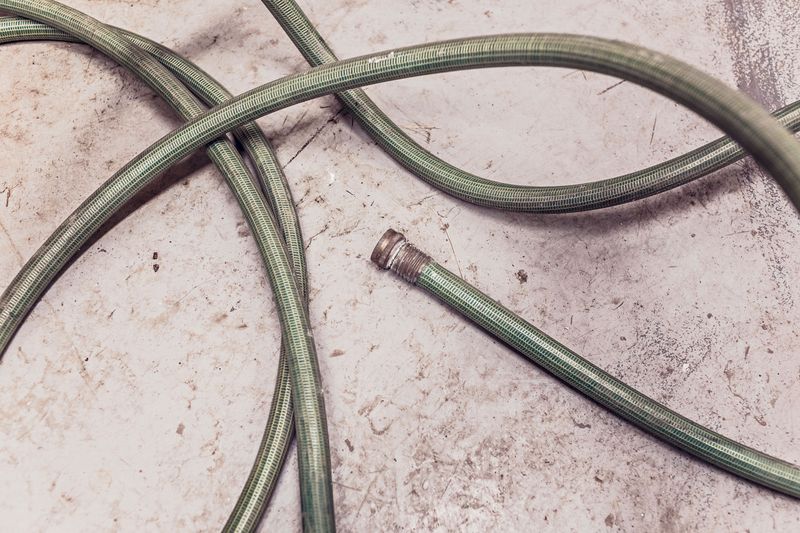
Nobody wants to discover a burst pipe on the first warm day of spring. One forgotten hose can cause a water leak inside your walls. A few minutes of work now can save you hundreds of dollars in repairs.
Water expands when it freezes. If it is trapped inside a hose, faucet, or pipe, that pressure has to go somewhere. Often, it splits the metal or plastic wide open.
Pennsylvania usually sees its first hard freeze sometime in October or November. Northern and mountain areas can get one even sooner. So it pays to handle this chore before the forecast drops into the twenties.
Begin with your garden hoses. Disconnect them from the outdoor faucets. Stretch each hose out on a slight slope to let the water run out, then coil it loosely and store it in a garage or shed.
Next, find the shut-off valve for your outdoor faucets. It is usually inside the house, often in the basement near where the pipe goes through the wall. Turn it off, then go outside and open the faucet to let any leftover water drain.
If you have a frost-free spigot, you still need to remove the hose. A connected hose can trap water and defeat the whole design.
Got an irrigation system? Those lines need to be emptied, too. Many homeowners hire a pro to blow out the lines with an air compressor, which takes about thirty minutes.
Do not forget rain barrels, fountains, and birdbaths. Empty them and flip them over or bring them inside. Then you can relax with a warm drink, knowing your garden is tucked in for winter.