Protect Your Alaska Garden From This Fast-Spreading Slimy Pest
Your kale looks flawless at dusk, then visibly damaged by dawn. Something moves through your garden after dark, leaving no sound. Alaska’s damp September nights create ideal hiding conditions.
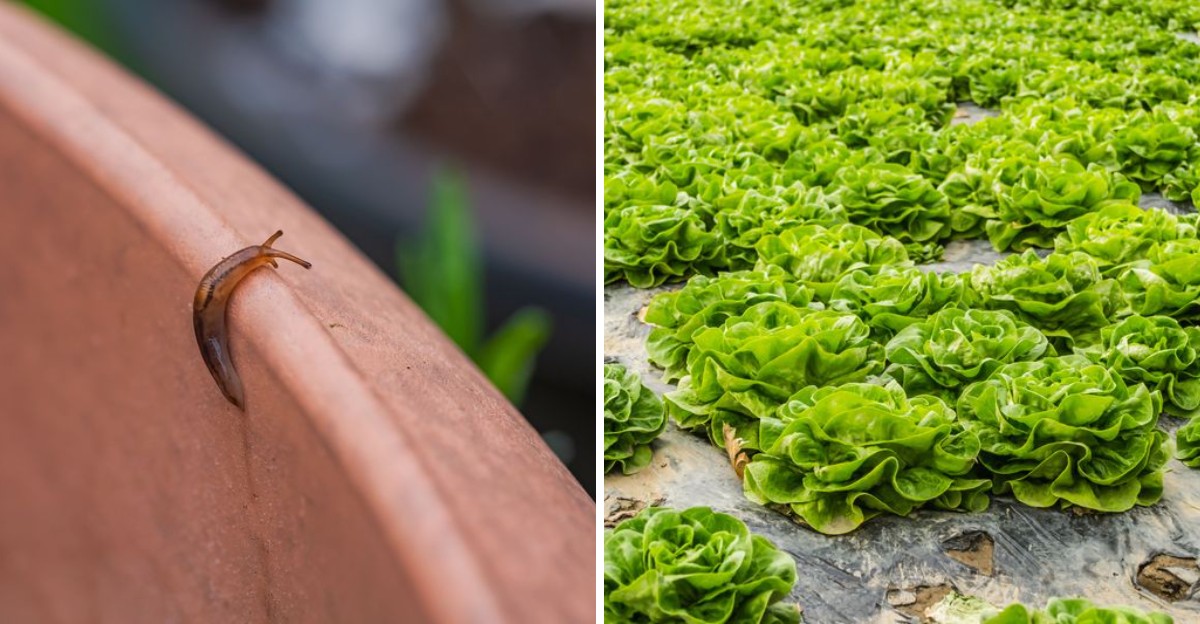
Rain keeps your beds moist, pulling hungry visitors from hiding. Boards and pots offer no warning before dusk falls. Lettuce leaves turn lacy within a single quiet night. Frustration builds fast when a lush bed looks stripped.
Populations grow quickly once wet weather settles in. Waiting even a few days can cost your Alaska harvest. Night temperatures still let hidden feeders move with ease. Moist mulch near your porch becomes a hideout.
Holes appear on your leaves within a quiet evening. Silvery trails mark paths you rarely notice at first. Gardeners like you spot damage before spotting the cause.
Small, deliberate moves now can shift things back your way. Understanding what drives this invasion is your only way to stop it.
Know Your Nighttime Visitor Before You Act
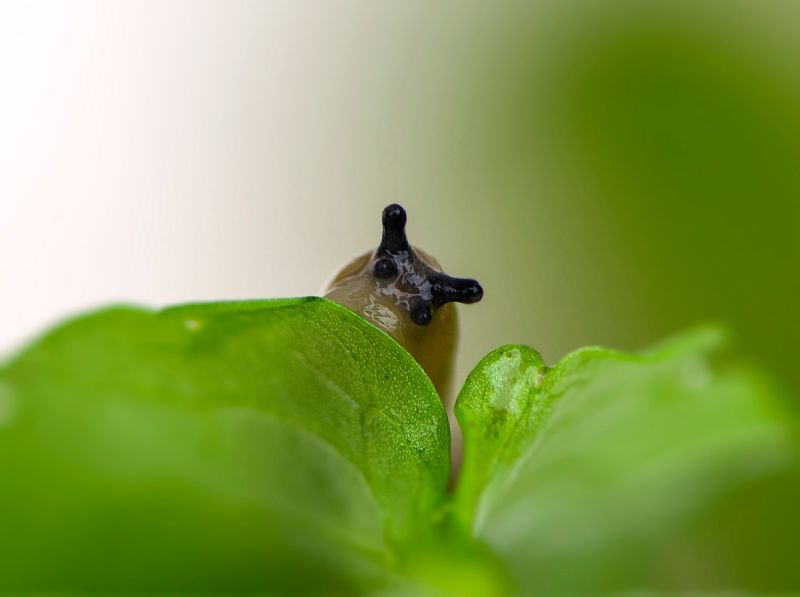
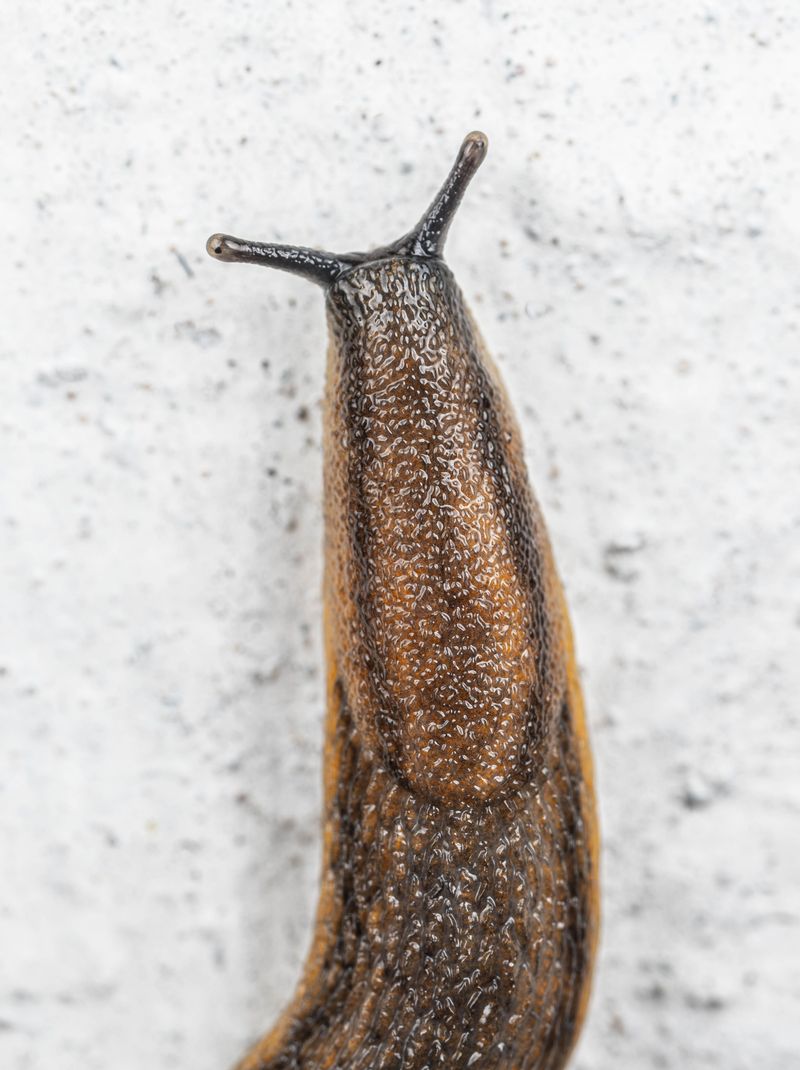
Slime trails are basically a signature, and once you learn to read them, the mystery clears up fast. Slugs glide on a layer of mucus that dries into those glittery silver lines across leaves, soil, and even greenhouse glass.
Alaska hosts several types, including the gray garden slug (Deroceras reticulatum) and the smaller native meadow slug that hides in mulch. Some can stretch several inches long, while others stay tiny enough to slip between lettuce leaves unnoticed.
Their damage looks different from insect feeding. Slugs rasp irregular holes in the middle of leaves with a tongue-like structure called a radula, leaving ragged edges rather than clean cuts.
Caterpillars chew from leaf margins inward and leave dark pellets behind. If you find holes plus shine and no pellets, you have your answer.
Grab a flashlight around ten at night and walk your beds slowly. September darkness returns early in Alaska, so you will not need to stay up until midnight to catch them in action.
Check the undersides of leaves, the rims of containers, and the soil right against your raised bed frames. That is where they gather before feeding begins.
Here is a quirky bit of trivia: slugs evolved from shelled ancestors, trading shell protection for the flexibility to fit into tight, hidden spaces.
Knowing exactly what you are dealing with saves money and effort. Once you confirm slugs, every step that follows becomes far more targeted and effective.
Handpicking After Dark Remains Highly Effective
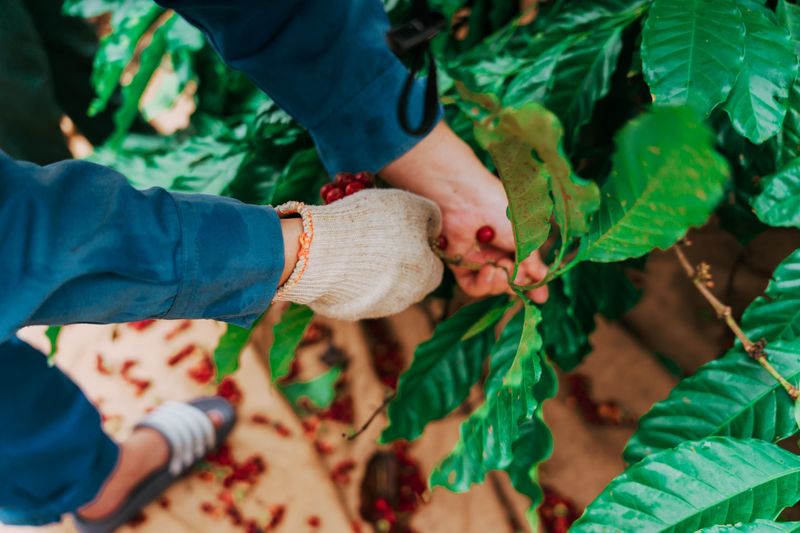
Ask any longtime Southcentral gardener what works, and you will hear the same low-tech answer: a headlamp and a bucket. It sounds tedious, but twenty minutes of patrol can remove dozens of slugs from a small bed.
Timing matters more than effort. Slugs come out roughly an hour after sunset, and they are most active on damp, still evenings when the air feels heavy with moisture.
September in Alaska delivers exactly those conditions, so you have a real window right now. Wear gloves, since the mucus clings stubbornly to skin and resists plain water.
Drop what you collect into a container of soapy water. A lidded bucket keeps things tidy and lets you dispose of the contents in the compost pile far from your beds.
Focus your search on the plants they love: hostas, lettuce, cabbage, basil, delphiniums, and young brassica starts. Then check the shaded soil beneath them, since stragglers linger there.
Repeat three or four nights in a row for the biggest impact. Populations tend to drop once you disrupt the breeding cycle, and follow-up patrols each week can help keep numbers low.
Some gardeners turn it into a family routine, tracking nightly totals on a tally chart. Kids find it hilarious, and you gain free labor.
Handpicking costs nothing, harms no bees, and works immediately. For a quick fix before a harvest weekend, little else compares.
Traps That Lure Them Away From Your Greens
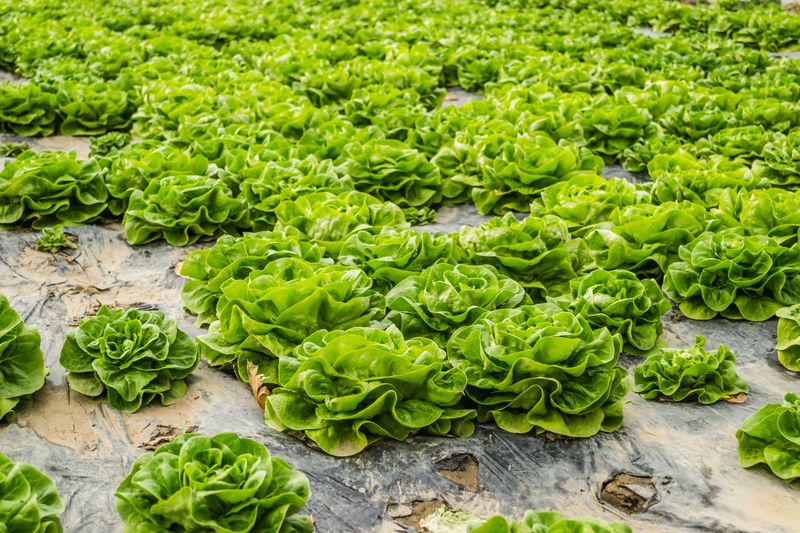
The classic beer trap earned its reputation honestly. Slugs are drawn to the yeast smell, and a shallow dish sunk level with the soil pulls them in from a few feet away.
Use a tuna can, yogurt cup, or margarine tub with the rim sitting just above soil height. That small lip helps ground beetles, which are your allies, avoid tumbling in.
Cheap lager works fine, and a homemade mix of water, sugar, flour, and baker’s yeast works just as well for less money. Refresh the liquid every couple of days, especially after Alaska’s frequent September rain.
Space traps about every ten feet through problem beds. Placing them near the garden edge rather than right beside prized plants pulls slugs away instead of inviting them closer.
Board traps offer a no-liquid alternative. Lay a scrap of plywood, an old shingle, or a folded damp newspaper on bare soil in the evening.
By morning, slugs will be tucked underneath seeking shade. Flip the board, scrape the residents into soapy water, and set it back for tomorrow.
Hollowed grapefruit or melon halves work the same way and smell appealing to slugs. Turn them cut side down with a small gap at the edge.
Traps alone rarely solve a heavy infestation, but paired with patrols and habitat cleanup, they steadily shrink the population. Consistency over two or three weeks is what really shifts the balance.
Dry Out Their Favorite Hiding Spots
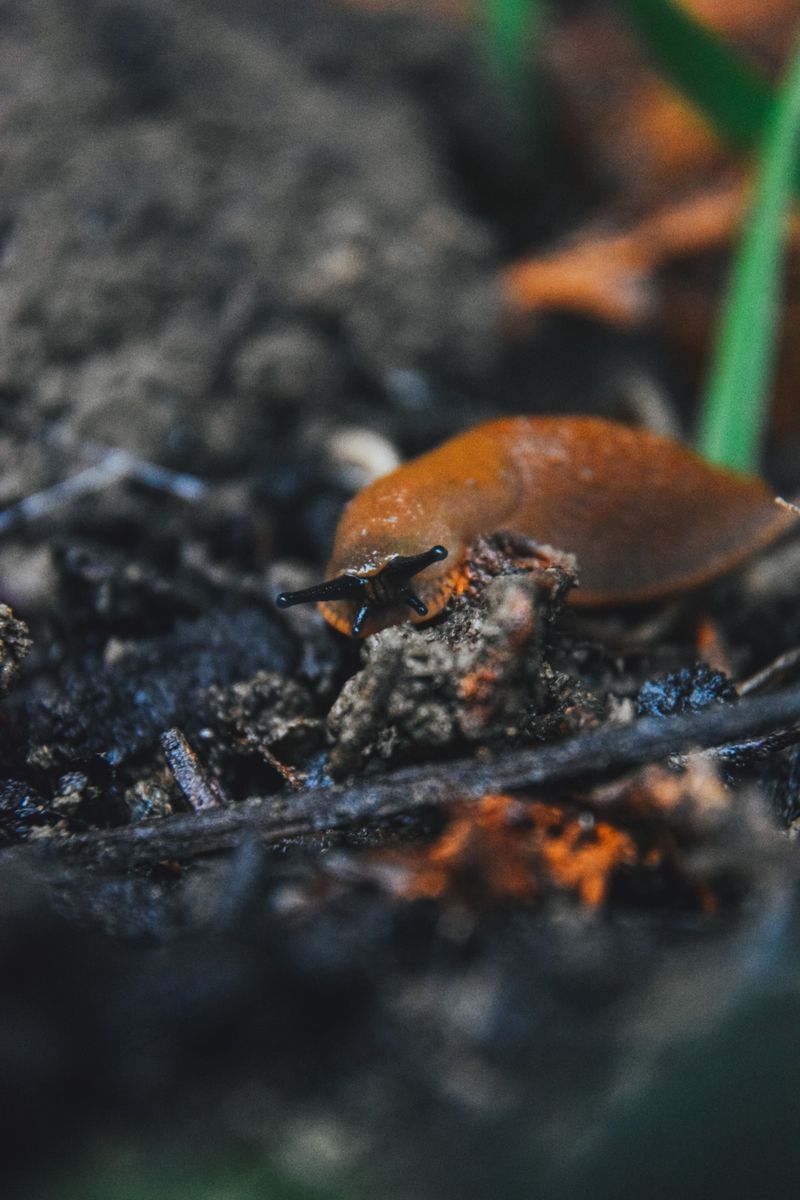
Slugs need moisture the way we need air, and your garden may be offering ideal shelter without you realizing it. Boards, overturned pots, thick mulch, and piles of grass clippings all create the cool, damp shelter they crave.
Walk your yard with fresh eyes this week. Lift anything sitting flat on the ground and see who is living underneath.
Clearing weeds along fence lines and bed edges removes both shelter and food. Those shaggy borders often act as a route into your vegetables.
Water in the morning instead of the evening whenever possible. Soil that dries by nightfall is far less inviting than soggy ground at dusk.
Drip irrigation and soaker hoses help too, since they deliver water to roots without soaking leaves and pathways. Overhead sprinklers make conditions more favorable for them.
Space plants generously so air moves between them. Crowded rows of cabbage or lettuce stay damp for hours and give slugs a shaded highway.
Consider swapping heavy wood-chip mulch near vulnerable crops for a thinner layer, or use gravel in pathways. Coarse, dry surfaces slow slugs down considerably.
Fall cleanup carries extra weight in Alaska. Removing spent plants and fallen leaves in September and October takes away the overwintering sites where eggs sit through the cold months.
Fewer eggs surviving winter means a gentler slug season next June. A tidy garden today pays you back next spring.
Barriers That Make Slugs Turn Around
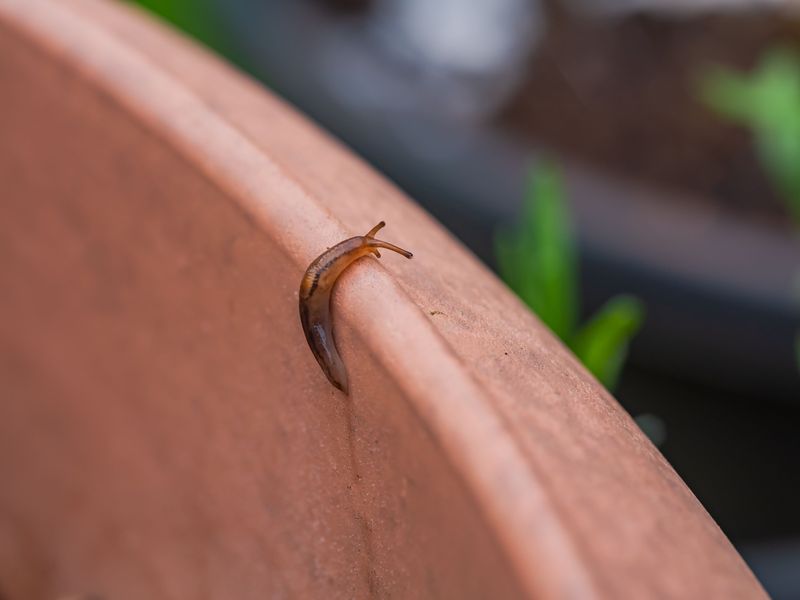
Picture a slug reaching the edge of your raised bed and simply deciding the trip is not worth it. That is the whole idea behind barriers, and a few of them genuinely deliver.
Copper tape is the best known option. When slug mucus touches copper, it creates a mild electrical sensation that sends them in the opposite direction.
Wrap a band around pot rims, raised bed frames, or greenhouse benches. Use a strip at least two inches wide, since narrow tape is easy for a determined slug to stretch across.
Keep the copper clean, because dirt and oxidation reduce the effect. A quick wipe every few weeks restores it.
Coarse grit offers a cheaper route. Crushed eggshells, sharp sand, wood ash, and diatomaceous earth create scratchy footing slugs prefer to avoid.
Rain is the weakness here. Alaska’s wet autumn washes these materials flat, so plan on refreshing them after each soaking storm.
Plastic collars cut from yogurt containers protect individual transplants beautifully. Push the collar an inch into the soil and leave a couple inches above ground.
Some gardeners report success smearing a petroleum jelly band around container rims. It stays put through rain and needs replacing only occasionally.
Barriers work best on contained spaces like pots, cold frames, and raised beds. Combine them with trapping, and your vulnerable seedlings finally get better protection.
Safer Baits And Helpful Garden Allies
When patrols and traps need reinforcement, iron phosphate bait is the pellet worth reaching for. It breaks down into iron and phosphate, both of which already exist in soil.
Slugs that eat it stop feeding within a day and retreat to hiding spots. Your lettuce gets relief without the leftover mess on leaves.
Older metaldehyde products pose real risks to pets, birds, and curious toddlers. Check the label and choose iron phosphate formulas instead, especially if a dog patrols your yard.
Scatter pellets thinly rather than piling them up. A light sprinkle across the soil surface reaches more slugs than a concentrated heap, and the label rate is your guide.
Apply in the evening on damp soil for the strongest pull. Reapply after heavy rain, since Alaska’s September showers wash pellets away quickly.
Nature offers backup too. Ground beetles, garter snakes in some regions, shrews, and ducks all treat slugs as a favorite snack.
Ducks in particular have a strong appetite for them, and a few runners patrolling a fenced garden can clear an area remarkably fast. Keep them out of tender seedling beds, though, since they trample.
Encourage beetles by leaving a few undisturbed perennial clumps and skipping broad-spectrum insecticides. Those beetles hunt slug eggs in the soil all season.
Layering these tools together builds steady pressure. Your garden stays productive right through the last harvests of the year.