Why A Green Plant Is Not Automatically Fire-Safe In A California Yard
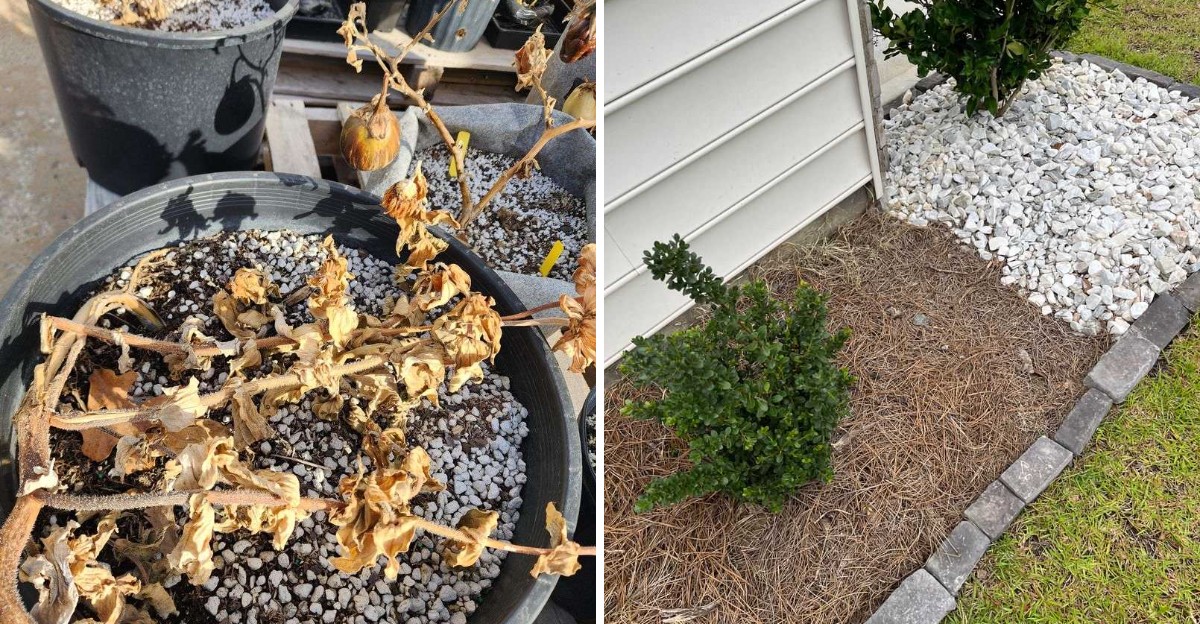
Green leaves everywhere. A yard that looks lush, healthy, safe. And yet, fire officials keep pointing at exactly these kinds of plants and calling them a hazard.
That mismatch trips people up constantly. A hedge gets watered, trimmed, admired by neighbors, and somehow still ends up on a warning list nobody expected.
So what is actually going on here? Color turns out to be one of the least reliable signals a plant can give you.
Something invisible is happening inside those leaves, something that has nothing to do with how green or healthy a plant appears from the driveway.
A few small details separate a plant that resists fire from one that quietly feeds it. Oils, moisture, hidden debris, even how close two shrubs sit to each other, all of it plays a role most homeowners never think to check.
Stick around, because once you know what to look for, that lush green hedge might tell a very different story than the one you assumed.
1. Moisture Content Matters More Than Color

A freshly watered hedge looks like the safest thing in the yard. Green, glossy, practically glowing with health. But looks can be deceiving when it comes to fire behavior.
Moisture content inside the plant tissue matters far more than surface color. A shrub can appear perfectly hydrated on the outside while staying dry where it counts on the inside.
Here is a simple trick worth trying. Touch your plants regularly, not just glance at them. Wilting, brittle stems, or leaves that feel papery instead of supple are all clues that moisture has dropped lower than the color suggests.
Hot, windy days speed this process up dramatically. Heat waves paired with low humidity pull water out of foliage fast, sometimes faster than a garden hose can replace it.
Soil tells a story too. Check how quickly it dries after watering, especially during the hottest stretches of summer and fall. Fast-drying soil often means your plants are working overtime just to stay hydrated.
None of this means you need to become a full-time plant detective. A quick weekly check, especially during heat waves, goes a long way.
Green is nice to look at. It just is not the whole picture. Pay attention to how a plant feels, not only how it looks, and you will catch fire risk long before it becomes obvious from the sidewalk.
2. Oily Foliage Burns Even When Green
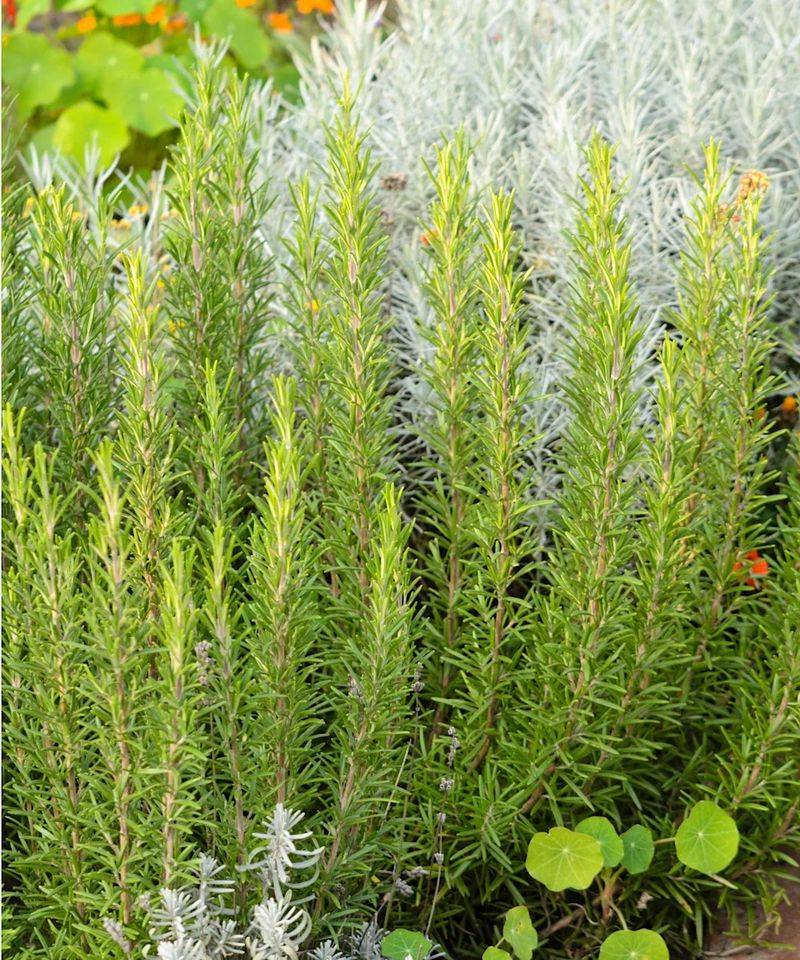
Rosemary smells incredible. Junipers look tidy and low maintenance. Both also happen to carry oils and resins that can make them burn more readily than their calm green appearance suggests.
That is the tricky part about oil-rich plants. Nothing about their look warns you. No wilting, no browning, nothing visually different from a completely safe neighbor plant sitting right next to it.
Here is where a little extra homework pays off. Before planting near your home, ask about a species’ oil content, not just its watering needs or sun preference.
Nurseries and fire officials can usually point you toward lower-risk alternatives that still look great.
Your California Garden Changes Every Week. Your Plan Should Too.
Gardening in California changes quickly throughout the season. Every Friday you’ll receive a simple weekly plan showing exactly what to plant, prune, fertilize, harvest, and protect so you never miss the right timing.
Placement matters just as much as plant choice. If you already have oil-rich shrubs like juniper or rosemary, give them extra breathing room from windows, decks, and fences. Distance buys you time if something does spark nearby.
Mixing plant types helps too. Instead of lining an entire bed with the same oily species, break it up with lower-risk plants that add variety without adding fuel.
None of this means banishing rosemary from your garden forever. It just means being thoughtful about where it lives and what surrounds it.
A plant smelling wonderful and looking green tells you almost nothing about its fire chemistry. Ask a few extra questions before planting, and your yard stays both fragrant and a little safer.
3. Dry Material Hides Inside Live Growth
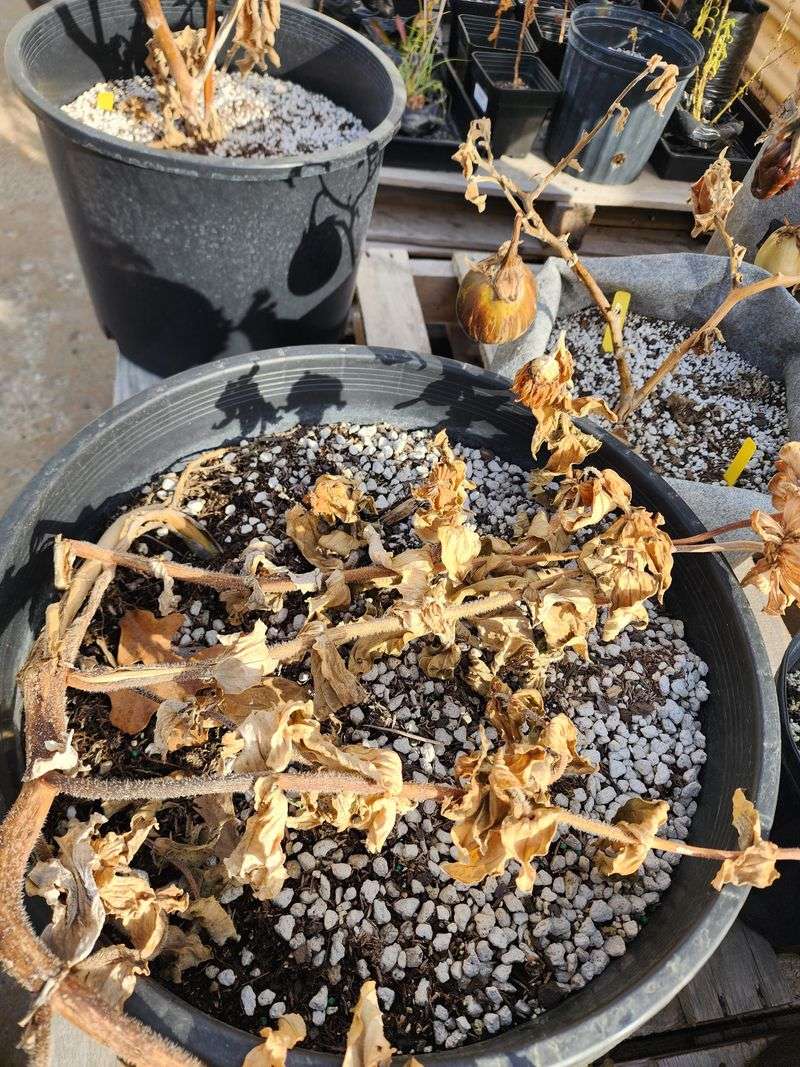
A shrub can look completely alive from the sidewalk while hoarding a pile of dry, brittle material right in its center. Sneaky, right?
Dense growth has a way of hiding old leaves, dry needles, and small twigs deep inside, tucked away where sunlight and eyes rarely reach. From the outside, everything still reads green and healthy.
That hidden litter adds up fast. Even a plant that looks perfectly maintained can be sitting on a private stockpile of kindling nobody notices until it matters.
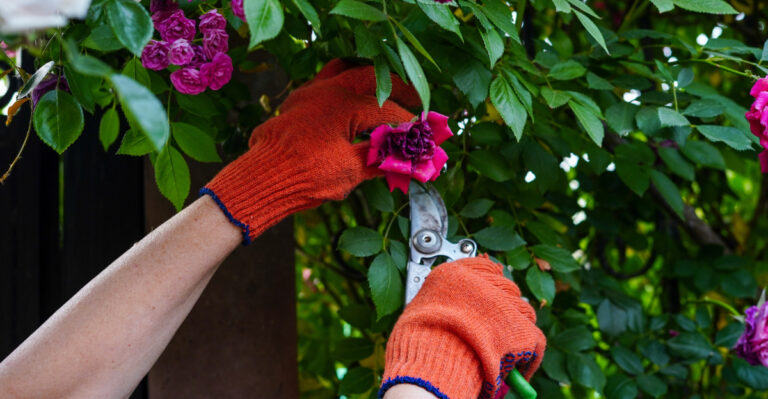
So how do you catch something you cannot easily see? Put on gloves and get in there. Gently part the branches and check the center of dense shrubs for dry, brittle buildup.
If you find it, prune it out. Removing that old, dry material from the inside takes more effort than a quick surface trim, but that hidden layer is exactly what fire officials worry about most.
Clear fallen debris from underneath the plant too. Leaves and twigs pile up at the base just as easily as they collect inside, creating a second hidden fuel source right at ground level.
Regular maintenance beats a one-time deep clean. A shrub checked every few months rarely builds up enough hidden material to become a real concern.
Green on the outside does not guarantee clean on the inside. A little detective work with gloved hands keeps that secret stash from growing into something bigger.
4. Resinous Plants Carry Fire Fast
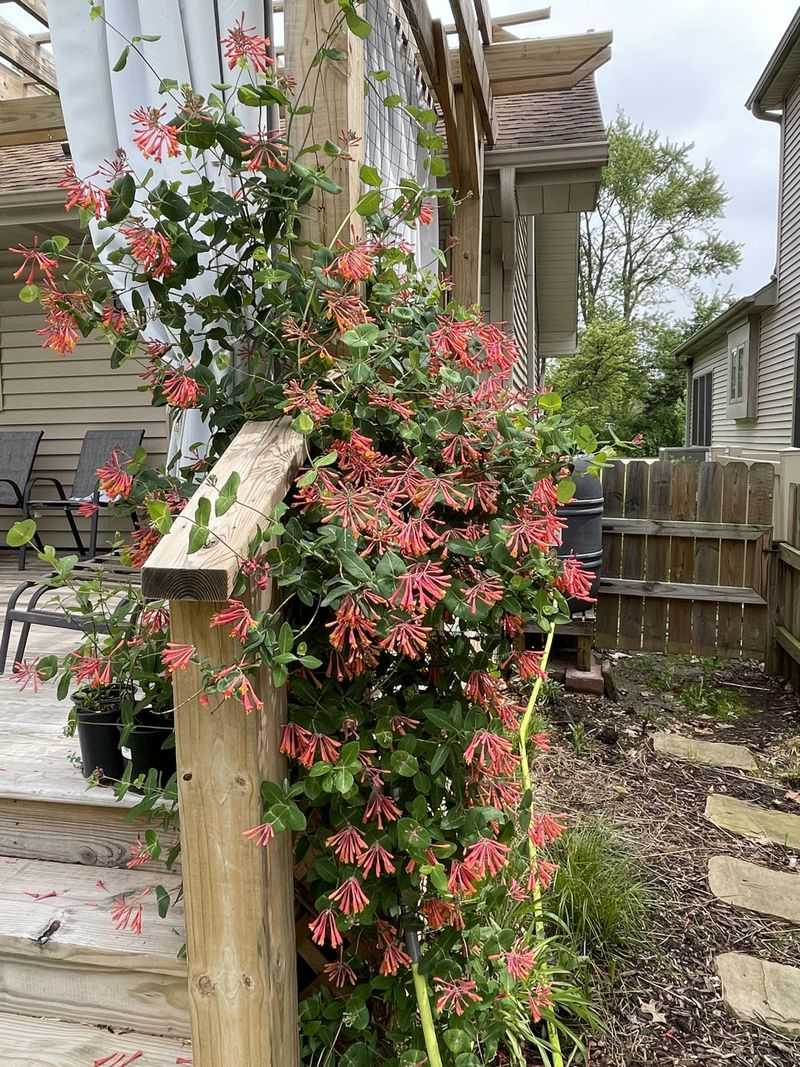
Some plants hold onto sticky, resinous compounds that can turn a small spark into fast-moving flames. Once these plants catch, things can move quicker than most homeowners expect.
Resins and similar sap-like compounds affect how readily a plant ignites and how fast fire travels through it afterward. That chemistry explains why some green, healthy-looking shrubs support fire spread more than others sitting right next to them.
Here is the part that catches people off guard. A resinous plant does not need to look dry, stressed, or unhealthy to carry this risk. Fully green, well-watered plants can still contain plenty of resin doing its own thing beneath the surface.
So what should you actually do with that information? Location becomes your best tool. Keep resin-heavy species farther away from windows, decks, fences, and anything else you would rather not lose.
Mixing plant types near the house helps break up continuous fuel paths. Instead of one long stretch of resinous shrubs, alternate with lower-risk plants that slow things down if a spark ever finds its way in.
If you already have resinous plants close to your home, distance is your friend. A few extra feet of separation can matter more than people assume, especially during dry, windy stretches.
Sticky sap sounds harmless sitting in a garden bed. Treated with a little respect and some smart spacing, resinous plants can still have a place in your yard, just not right against the house.
5. Irrigation Habits Change Fire Behavior
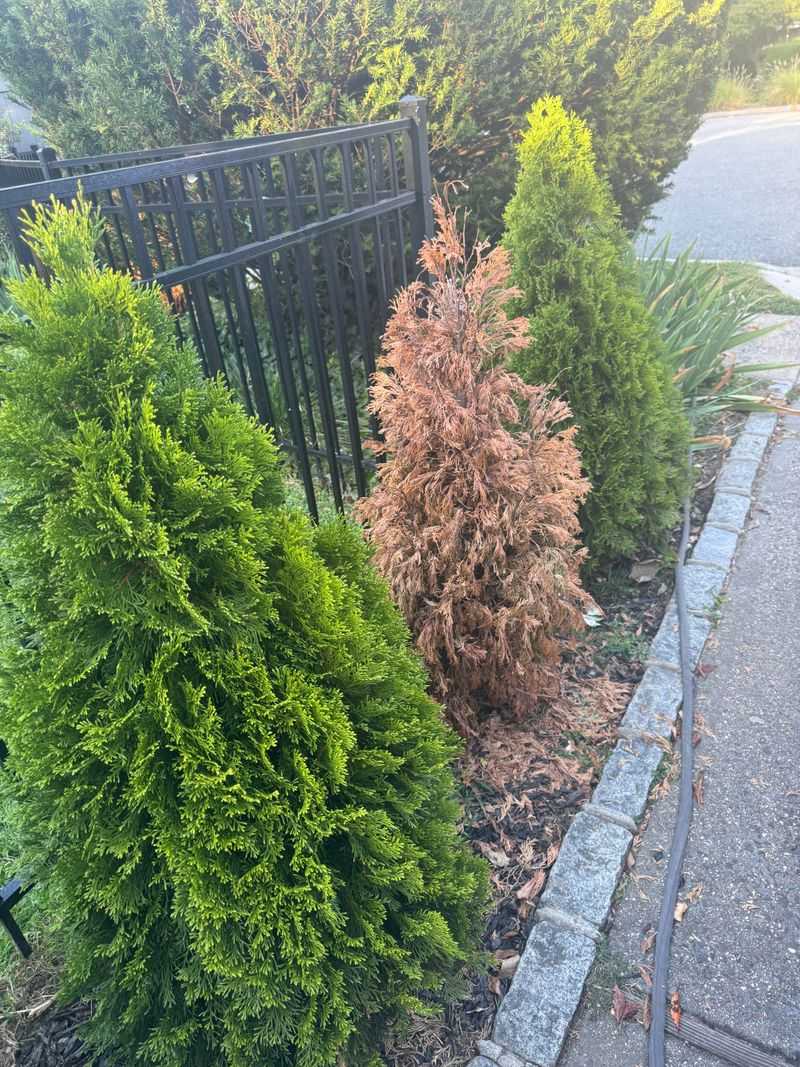
Watering habits do more than keep plants looking pretty. Because moisture content directly affects flammability, a steady watering routine often keeps plants less prone to catching compared to stressed, thirsty ones nearby.
Skip irrigation for a while, or run into a drought stretch with tight water restrictions, and that risk can climb quietly without anyone noticing right away.
Here is the twist though. Watering is not some magic force field. An oily or debris-packed shrub can still carry risk even with a perfect watering schedule, because moisture only solves part of the equation.
So what is the smart approach here? Treat watering as one tool among several, not a cure-all. Keep an eye on soil moisture, especially during heat waves and windy stretches when plants lose water faster than usual.
Adjust your schedule as conditions shift throughout fire season. A routine that worked fine in spring might leave plants stressed and dry by late summer without any changes made.
Avoid swinging plants between extremes too. Soggy one month, bone dry the next creates stress that can weaken a plant’s natural resistance over time.
Consistency beats intensity here. Steady, appropriate watering throughout the season tends to serve plants better than occasional heavy soaks followed by long dry stretches.
Your hose is a genuinely useful tool in this whole picture. Just do not expect it to cancel out everything else going on inside a plant’s chemistry.
6. Spacing Matters As Much As Species
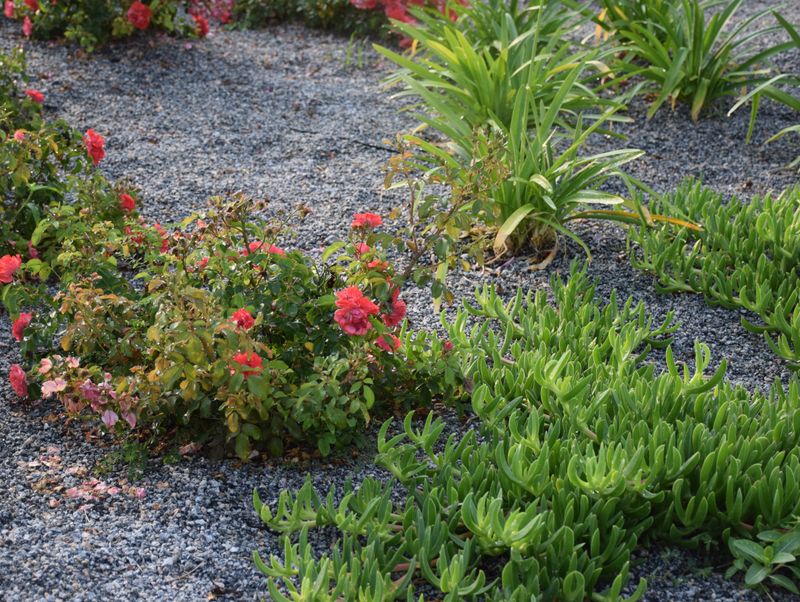
A row of shrubs planted shoulder to shoulder might look tidy from the street. Unfortunately, that same tight spacing can act like a fuse running straight toward your home.
Even plants with decent moisture content can pass flames along when branches overlap and beds sit packed too closely together. Fire does not need help traveling if the path is already connected for it.
Spacing matters just as much as which species you choose to plant. A well-hydrated shrub touching three other shrubs is still part of a continuous fuel line, regardless of how healthy any single plant looks.
So how do you break that chain? Create gaps between shrub groupings instead of planting one long, unbroken hedge. Hardscape features like gravel paths, stone borders, or patios work well as natural breaks in that potential fuse.
Low-growing, well-maintained plants can fill gaps too, adding greenery without connecting one dense mass directly to the next.
Tree limbs deserve attention here as well. Keep branches away from rooflines, since overhanging limbs can give fire a direct route upward that spacing on the ground cannot fix alone.
Walk your yard occasionally and picture how flames might move during a windy day. Where would they travel easiest? Those paths are exactly where more space would help most.
A little intentional spacing does more heavy lifting than most homeowners realize. Breaking up that fuse matters just as much as trimming any single plant.
7. Check Your Plants, Not Just Their Color
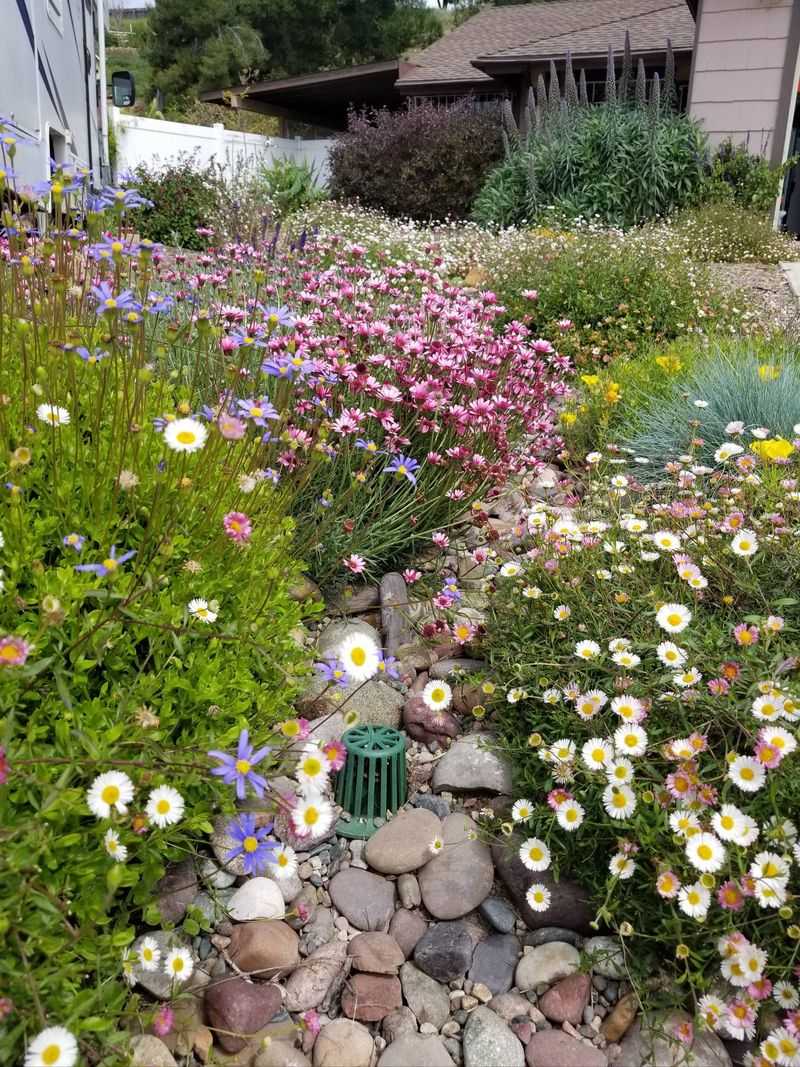
Color tells you almost nothing useful about fire risk, yet it is the first thing most people rely on when scanning their own yard. Green reads as safe. It is not that simple.
A more useful check involves looking for dry centers, oily leaves, resinous sap, tight spacing, and any signs that a plant is struggling with water stress. Those traits connect far more closely to fire behavior than surface greenness ever could.
So where do you actually start? Make it a habit rather than a one-time event. Walk your yard every few weeks during fire season, checking the same handful of things each time.
Trim out dry material as you find it. Small, regular pruning sessions beat one overwhelming cleanup once a year, and they catch problems before hidden buildup gets out of hand.
If a plant keeps showing risky traits no matter how well you care for it, consider swapping it for something lower risk. Not every plant earns a permanent spot just because it has been there for years.
When in doubt, ask someone who knows more. Local fire officials and extension experts see these patterns across countless yards and can point out risks a homeowner might easily miss on their own.
A yard full of green plants can still hide real risk beneath the surface. Checking beyond color takes a little extra effort, but that habit pays off exactly when it matters most.
8. Mulch And Ground Cover Right Against The House Deserve A Second Look
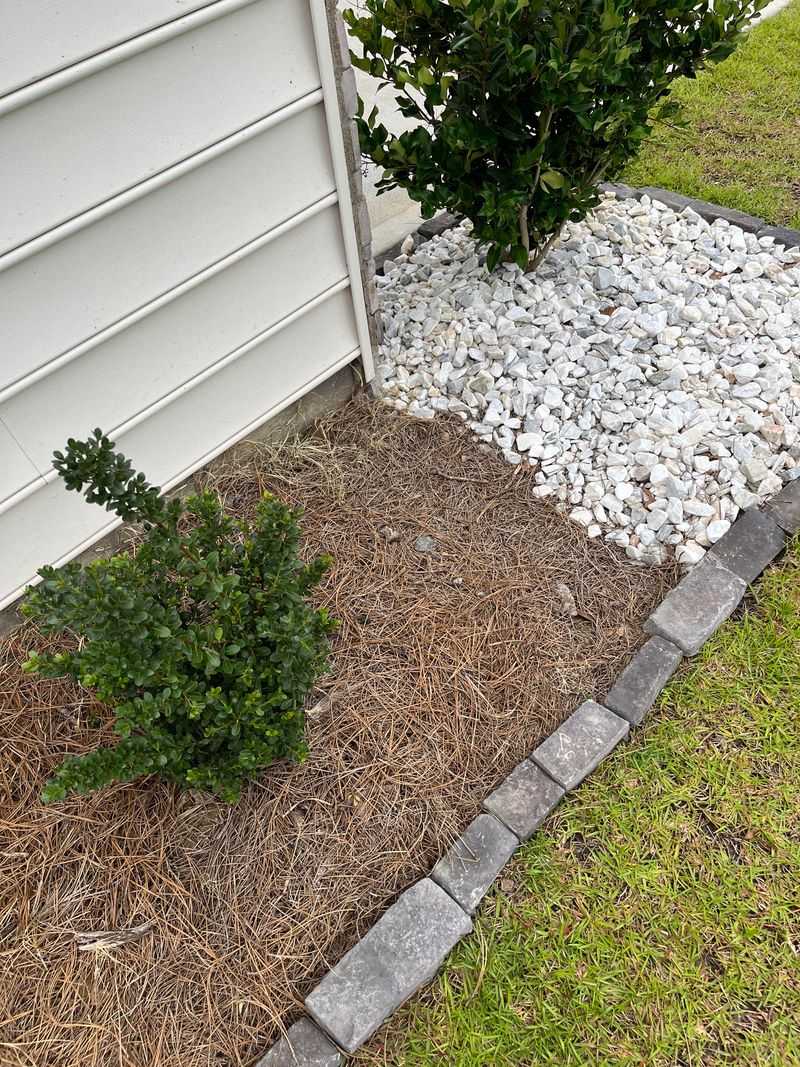
Mulch feels like a harmless finishing touch. Spread it, forget it, admire the tidy look for the rest of the season. Except right next to a house, that finishing touch can matter more than most people realize.
Wood chips, bark, and pine straw all carry the same basic issue. Once they dry out, they ignite easily and can carry fire directly toward a foundation, wall, or deck sitting just inches away.
That risk climbs fastest in the first five feet around a structure, the zone fire officials tend to focus on most. Ground cover there behaves less like decoration and more like a direct pathway toward your home.
So what actually works better in that tight strip? Gravel, stone, or other non-combustible materials handle that job with far less worry. They still look intentional and clean, just without doubling as fuel during a dry, windy stretch.
If mulch already sits close to your home, thickness becomes worth checking too. A thin, well-maintained layer behaves differently than a deep, years-old pile that has never been refreshed or raked out.
Keep that material away from direct contact with siding, vents, and crawl space openings especially. Those spots give embers a sheltered landing zone, and mulch sitting right against them only makes that worse.
Farther out in the yard, organic mulch works fine and even helps retain moisture in beds. The real caution zone is that narrow ring hugging the house itself.
A pretty border right against your foundation is not always the safest choice. Swap it for something non-combustible in that inner ring, and your yard keeps its polish without quietly inviting trouble closer to home.