What To Leave In Your Georgia Trees This Fall To Keep Beneficial Owls Coming Back
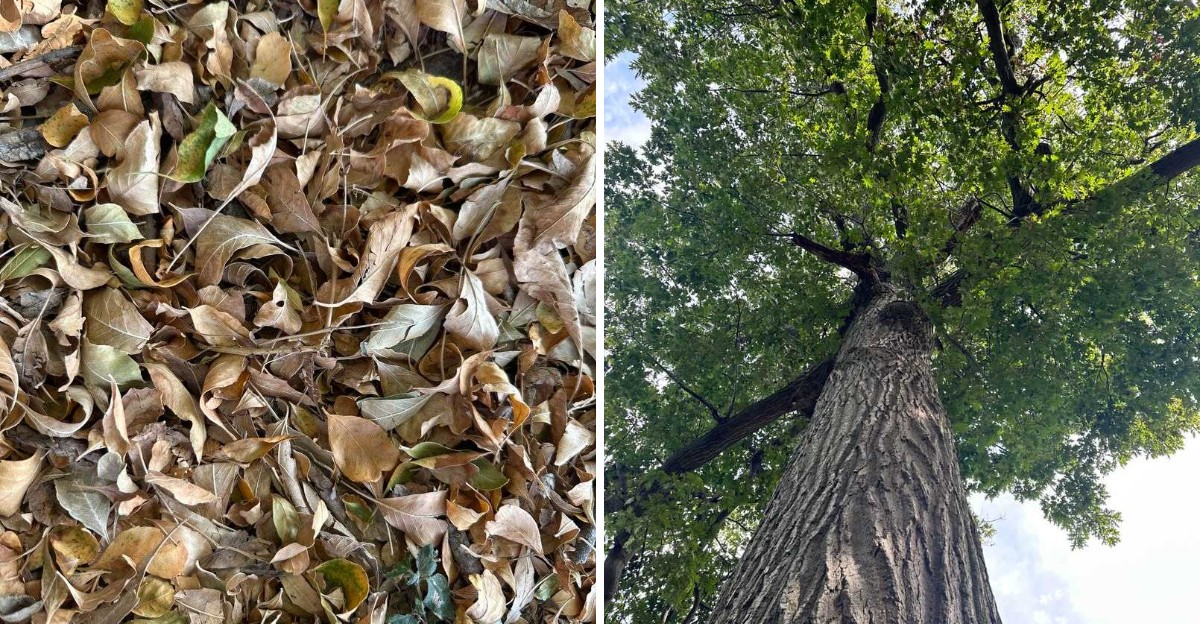
A Georgia yard went strangely quiet last fall after a big tree cleanup hauled away fallen limbs, leaf litter, and an old hollow trunk where an owl had often perched through the cooler months.
Nobody meant any harm. The cleanup looked responsible, even tidy, exactly the kind of yard work most homeowners take pride in finishing before winter sets in.
Except that tidy work quietly removed the shelter and hunting support an owl actually depends on.
Barred owls, screech owls, and other nighttime hunters don’t need much from a yard.
They need a few specific things left alone, scattered through the trees and the ground beneath them, and most homeowners clear those things away without ever realizing what they’re losing.
Here’s exactly what to leave standing this fall, and why each piece matters more than it looks.
1. Standing Snags
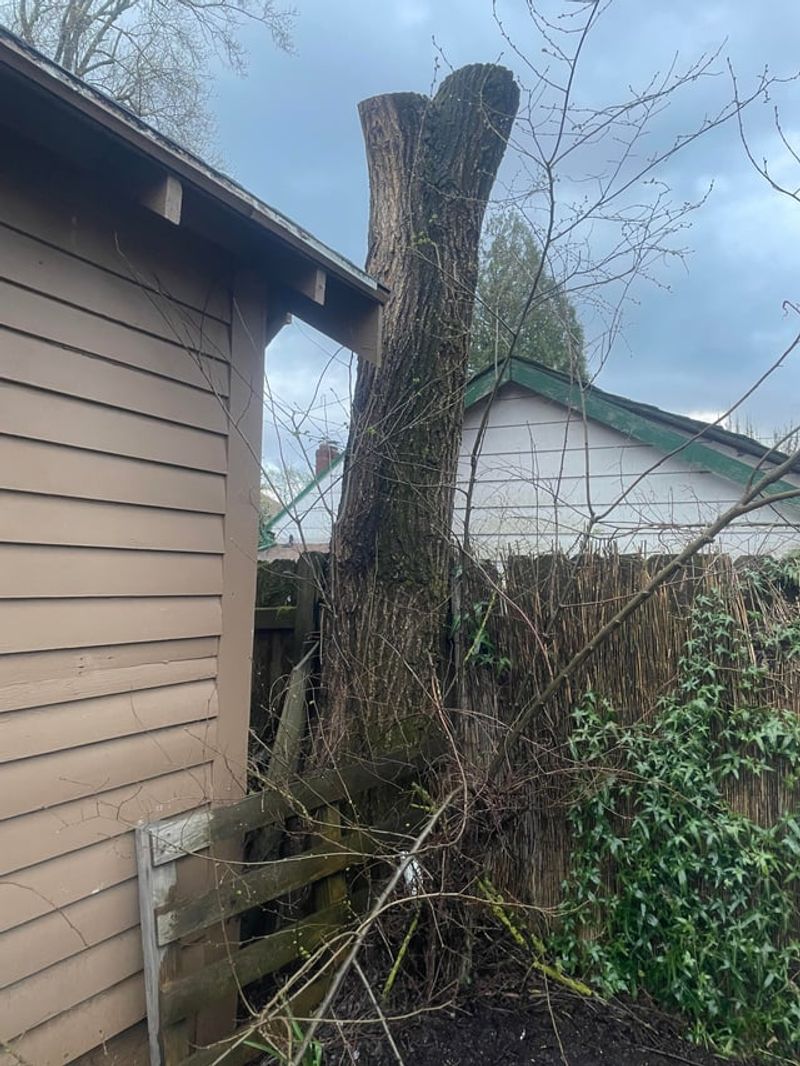
A quiet, leafless snag standing at the back of a property can look like nothing more than yard work waiting to happen. An owl sees something entirely different: a home already half-built.
University of Georgia Extension and wildlife habitat guidance support keeping some standing bare trees in place when they aren’t posing a real safety risk, since cavities often form naturally in aging, softening wood over time.
That slow decay is exactly what creates the openings owls rely on.
Barred owls and screech owls may use those hollow spaces for roosting during the day or nesting when breeding season arrives.
A snag standing well away from paths, play areas, driveways, and rooflines carries little practical risk, and leaving it in place protects a resource that a single cleanup afternoon can erase permanently.
The instinct to remove any bare, leafless tree on sight is understandable, especially near a house or a well-used part of the yard.
But a snag positioned at a safe distance, out past the mowed lawn or tucked into a wooded edge, does more good standing than it ever would cut down and hauled off.
Before deciding a snag has to go, it’s worth walking out and actually looking it over.
Check for existing cavities, listen for calls at dusk, and consider whether the tree genuinely threatens something valuable or is simply sitting in a spot that looks unfinished.
Not every bare tree needs to come down just because it’s no longer green.
2. Cavity Trees
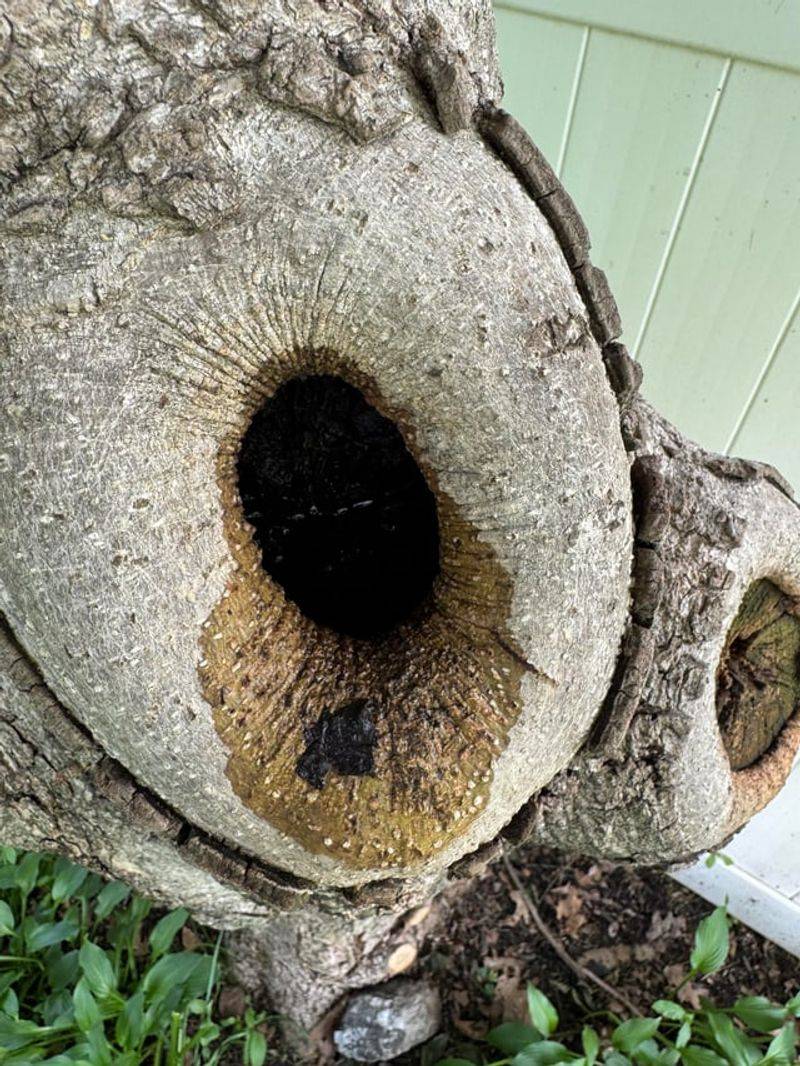
On a chilly Georgia evening, a hollow trunk works something like a windbreak tucked right into the landscape.
Natural cavities help owls conserve energy by blocking rain, cutting down on cold drafts, and offering a tucked-away place to rest through fall and winter nights.
Eastern screech-owls lean on tree holes especially heavily, often returning to the same cavity across multiple seasons once they’ve claimed it.
Barred owls tend to shelter near cavities or broken tops rather than living inside them full time, but the same trees still matter to their routine.
Before removing anything with an obvious hollow or cavity, it’s worth checking for signs of recent use.
Your Georgia Garden Changes Every Week. Your Plan Should Too.
Gardening in Georgia changes quickly throughout the season. Every Friday you’ll receive a simple weekly plan showing exactly what to plant, prune, fertilize, harvest, and protect so you never miss the right timing.
Pellets on the ground below, streaks of droppings on the bark, or owl calls heard at dusk all suggest the tree is actively being used rather than sitting empty and unclaimed.
If a cavity tree does need attention for genuine safety reasons, an arborist can usually offer options beyond full removal.
Sometimes a tree can be reduced in height while leaving the trunk and cavity intact, preserving the habitat value while addressing whatever risk prompted the concern in the first place.
Cavity trees take years, sometimes decades, to form naturally.
Once removed, that shelter doesn’t come back on any timeline a homeowner can plan around, which makes a careful look before cutting worth the extra few minutes it takes.
3. Leaf Litter
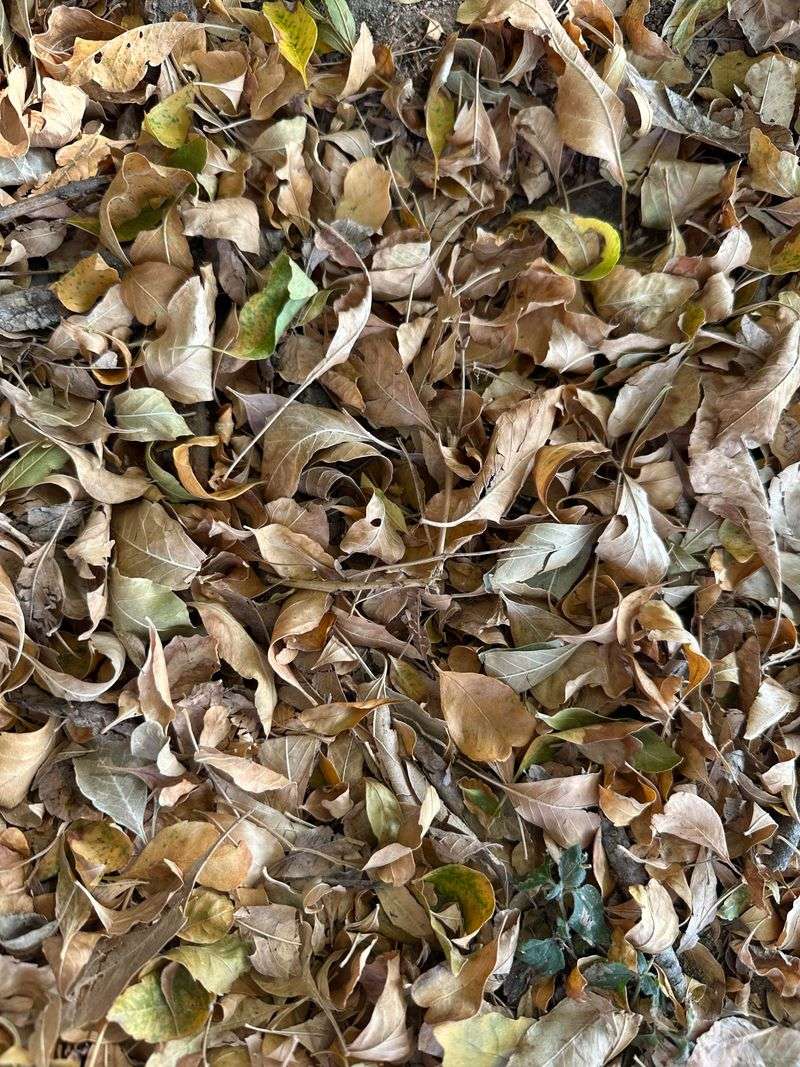
Raked bare ground under a mature tree looks neat from the porch, but that tidiness can quietly empty the dinner table for every owl working that part of the yard.
Leaves left in place under trees hold moisture close to the soil, shelter insects through cooler weather, and help support the food web that feeds mice, voles, and other small animals that many Georgia owls hunt on a nightly basis.
Strip that layer away, and the prey base thins out along with it.
A layer of leaves left undisturbed also protects soil structure and tree roots through the winter months, adding a benefit that has nothing to do with owls at all but still makes the case for leaving things alone.
For homeowners worried about appearance or moisture near a foundation, a reasonable compromise works well.
Keep leaves cleared away from the house itself, walkways, and any spot where excess moisture might cause problems, but let a natural layer remain under mature trees further out in the yard.
That balance lets a yard still look intentional and cared for near the areas people actually use daily, while preserving the messier, leaf-covered ground further out that owls and their prey depend on.
A swept, bare yard might look more finished, but it offers noticeably less to the wildlife quietly working the property after dark.
4. Some Damaged Limbs
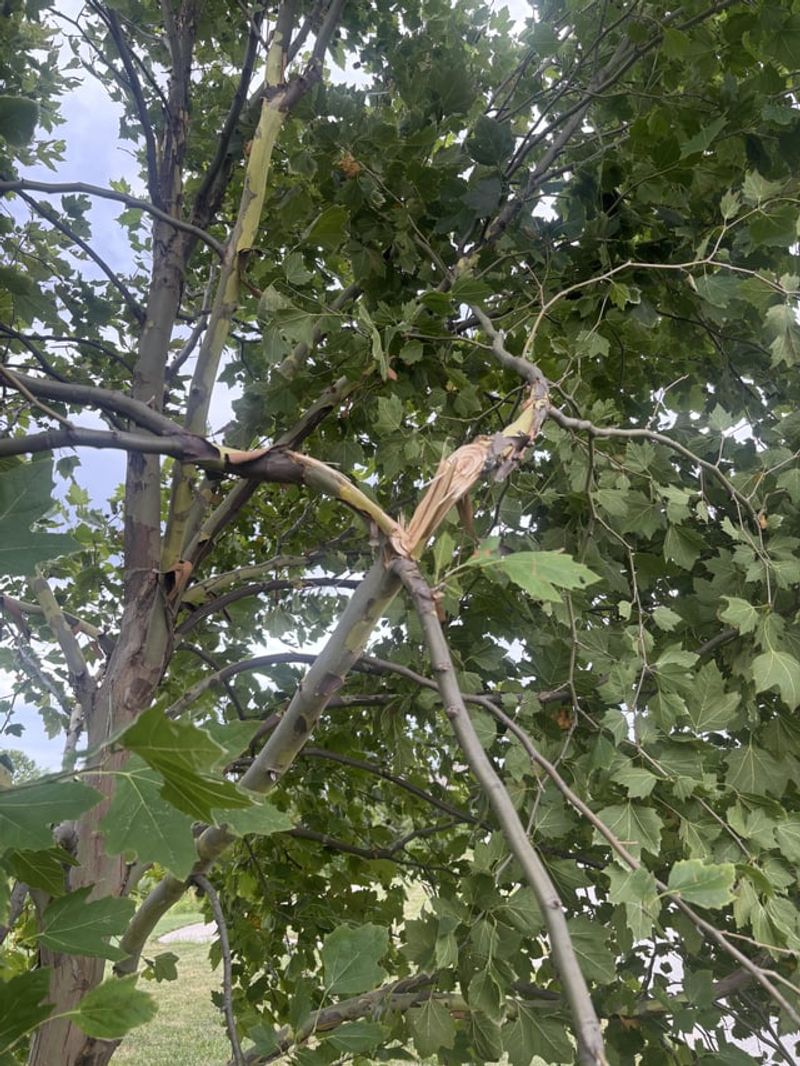
After a storm rolls through, the urge to trim away every broken or hanging limb runs strong, and for good reason in a lot of cases involving obvious hazards near the house.
Still, some damaged limbs left in place can slowly develop into cavities, roosting spots, or lookout perches for owls over time, provided the wood is structurally stable and sits far enough away from areas people regularly use.
The goal here isn’t neglect or leaving genuine hazards standing out of principle. Limbs hanging directly over driveways, decks, patios, or walking paths still need to come down for straightforward safety reasons that shouldn’t be ignored.
But branches high in a mature tree, away from foot traffic and structures, deserve a second look before automatically getting removed during storm cleanup.
Slow decay in that kind of limb can eventually turn what looks like storm damage into genuine habitat that draws local owls back to the same tree season after season.
Selective cleanup takes a little more judgment than clearing everything at once, but it pays off over years rather than a single afternoon.
A property that keeps a few safe, elevated damaged limbs in its taller trees is quietly building habitat that a completely cleared, uniform canopy simply can’t offer to the owls working the area at night.
5. Tall, Mature Trees
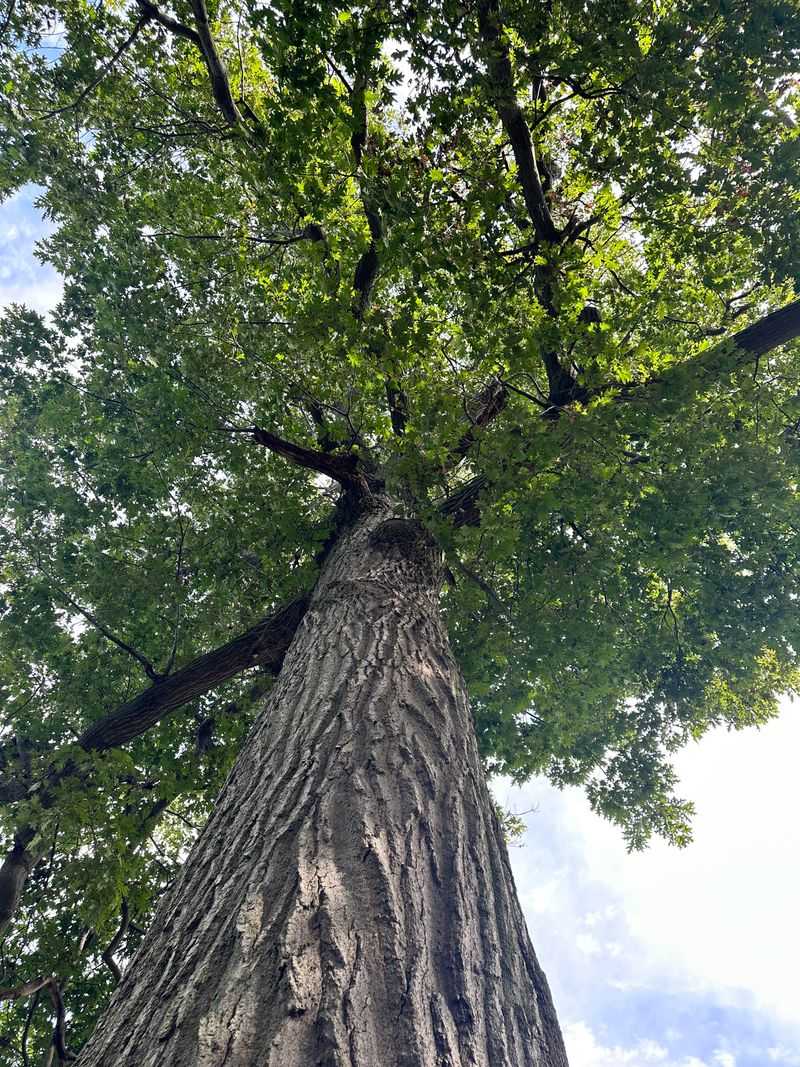
Dusk often finds an owl sitting perfectly still on a high branch before suddenly dropping toward the ground below in pursuit of something moving through the grass.
Tall, mature trees give barred owls and great horned owls a strong vantage point for listening, watching, and scanning open spaces for movement, which is exactly the hunting strategy these species rely on most nights.
That height matters even more in yards positioned near fields, open lawns, or the edge of a wooded area, where a wide, unobstructed view from up high translates directly into more successful hunts down below.
If a large, healthy tree stands somewhere on the property, resisting the urge to top it preserves that hunting value completely.
Topping removes the upper canopy structure that gives an owl both a stable perch and the broad sightline it needs to spot prey moving across open ground at dusk or through the night.
A tree that’s been topped can take years to regrow anything resembling its original shape, and during that stretch it offers far less to a hunting owl than it did standing at full height.
Letting a mature, healthy tree keep its natural form, rather than reducing it for tidiness or a slightly different view, keeps one of the more valuable pieces of owl habitat fully intact for seasons to come.
6. A Lighter Hand With Pesticides
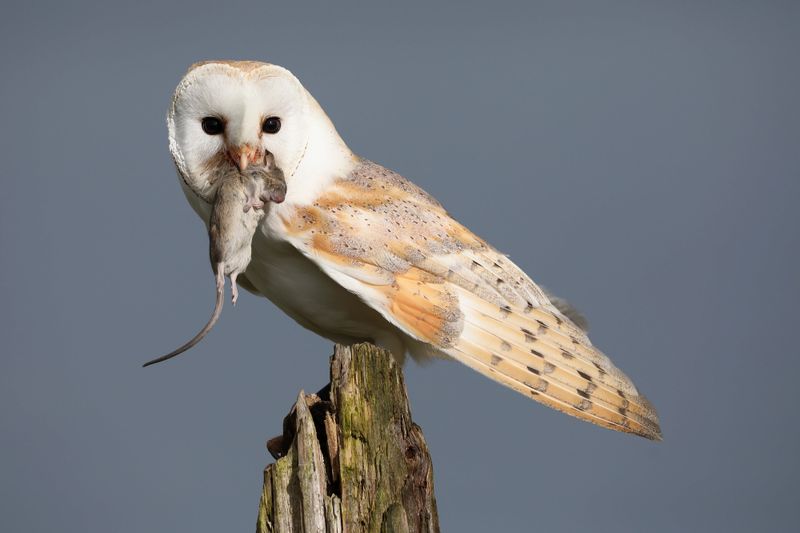
A yard sprayed on a routine schedule tends to grow quieter over time, and not always in the way a homeowner intended when they started the treatments.
Fewer pesticides applied across a property generally mean more insects surviving to feed the small animals further up the food chain, supporting the mice and other prey many owls depend on around Georgia homes, farms, and wooded lots.
UGA-style integrated pest management favors targeted action over blanket spraying, treating only the specific spots where a real, identified problem exists rather than covering an entire yard as a precaution.
That approach leaves far more of the surrounding food web intact.
Following label directions carefully on anything applied matters just as much as how often it gets used, since overuse or misapplication can affect far more than the target pest a product was purchased to address in the first place.
The insects and small animals living in a lightly treated yard aren’t just tolerated background noise.
They’re the actual foundation an owl’s nightly hunting route depends on, and removing too much of that foundation through routine spraying makes a property considerably less worth an owl’s time to keep visiting.
A yard managed with restraint, treating real problems as they appear rather than spraying preventively on a fixed schedule, keeps that food web running and gives local owls a genuine reason to return season after season.
7. Owls Repay You With Rodent Control
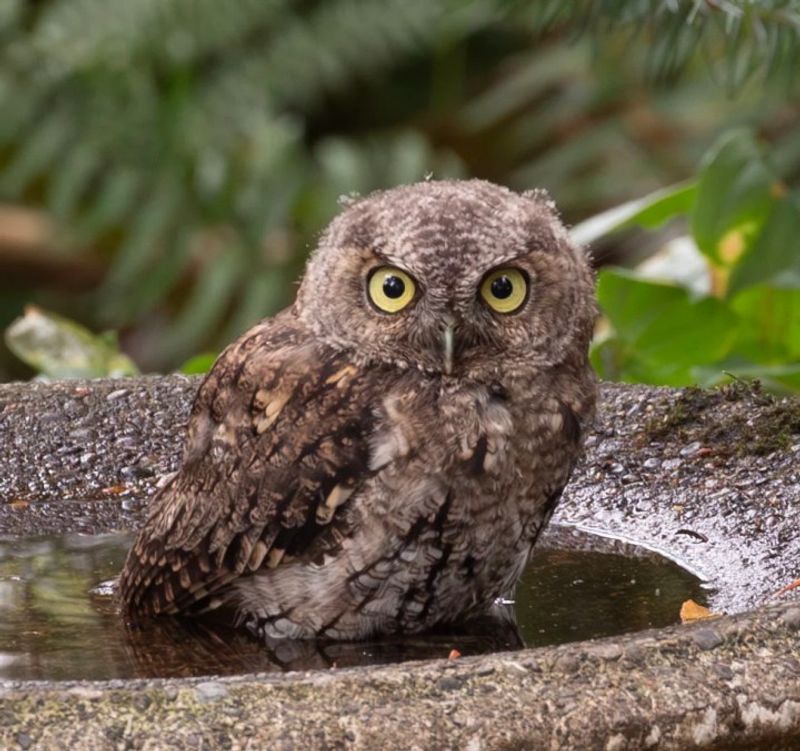
Gardeners who leave the right things in place tend to notice the payoff fairly quickly once an owl adopts their yard as part of its regular hunting route.
A hunting owl can work through rodents gathered around sheds, barns, compost areas, and garden edges, offering a genuinely useful form of natural pest control that plenty of homeowners come to appreciate once they notice it happening.
That return only shows up, though, when the habitat comes first and stays in place through the seasons rather than getting cleared away piece by piece during routine yard maintenance.
Leaving safe snags standing helps. So does preserving cavity trees, keeping leaf litter under mature trees, and letting a few stable damaged limbs remain high up.
Protecting tall trees from unnecessary topping matters too, along with easing up on pesticide use. Together, these choices build a yard genuinely useful to the owls working through it after dark.
None of this requires major investment. It doesn’t call for an overhaul of how a property gets maintained. Mostly it asks for a little restraint during cleanup.
Leave certain things exactly as they are, rather than tidying them away out of habit. Trust that a slightly messier yard is doing real work, ongoing work most people never actually witness firsthand.