8 Fertilizer Tips To Help North Carolina Potted Geraniums Thrive
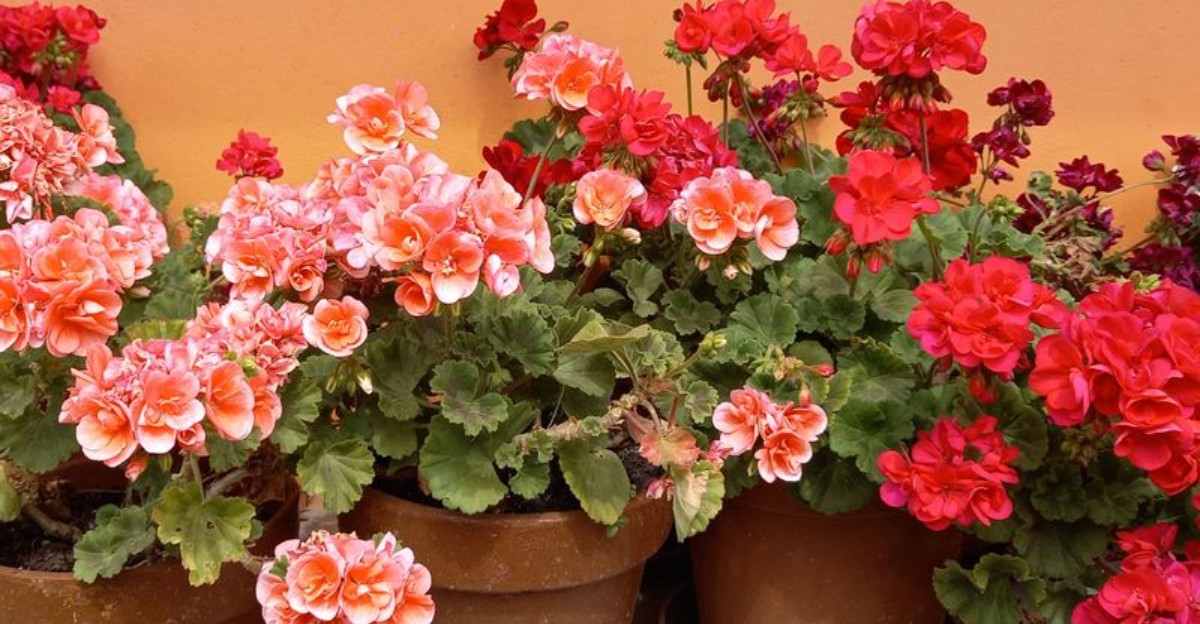
Potted geraniums are a favorite on North Carolina porches and patios, but container growing comes with fertilizer challenges that in-ground plants simply don’t face.
Because nutrients wash out of pots faster with every watering, geraniums in containers often need more frequent, carefully timed feeding to keep producing the full, colorful blooms they’re known for.
Getting the ratio, timing, or method wrong can lead to lush green leaves with few flowers, or the opposite problem of stunted, pale growth that never quite takes off.
Small, consistent adjustments throughout the season tend to make a bigger difference than one heavy feeding at planting time.
A handful of practical tips can help North Carolina gardeners get the most color and bloom out of their potted geraniums all season long.
1. Feed Geraniums During Active Growth
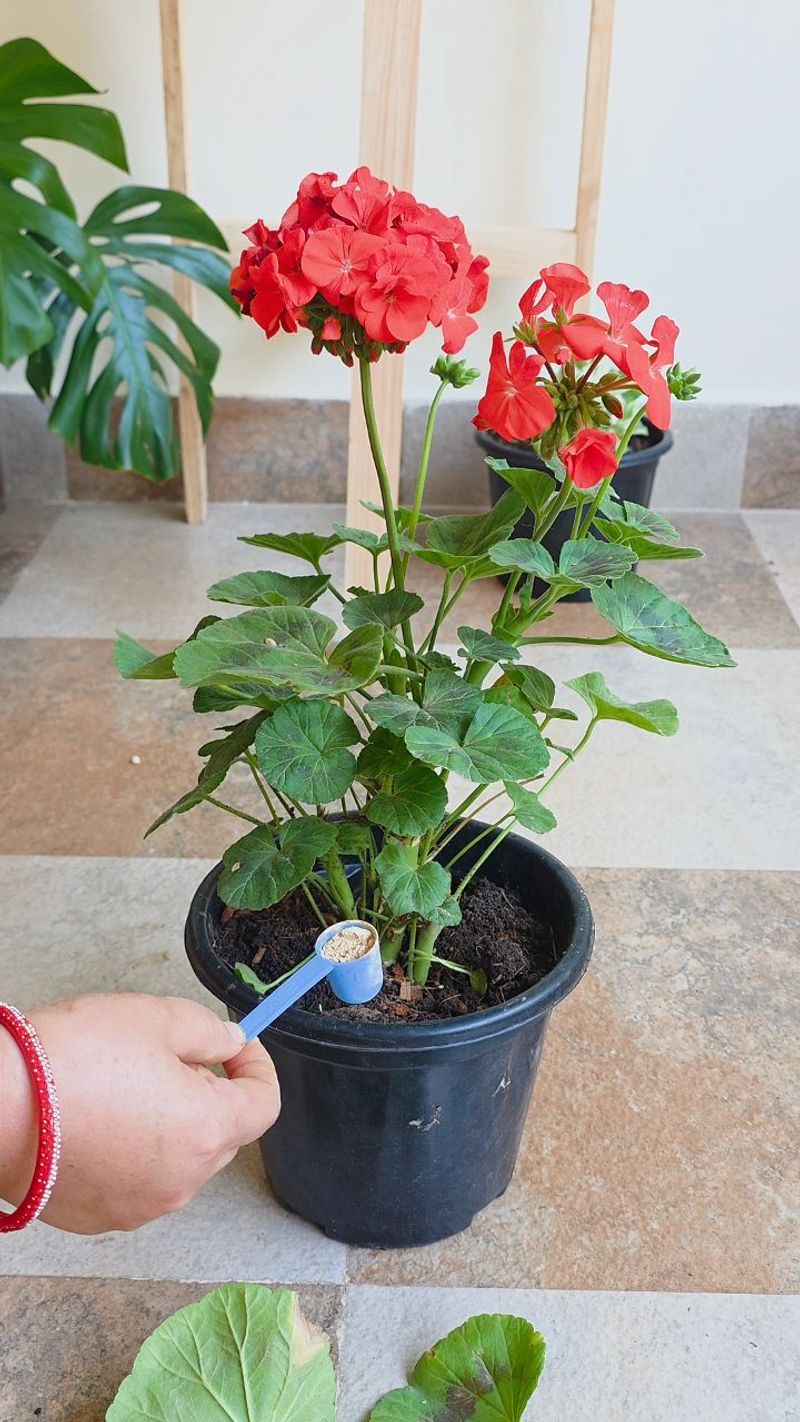
Spring, summer, and early fall are the busy seasons for geraniums, and that is exactly when they want steady meals. During these warm months the plants push out new leaves and open flower after flower, which takes plenty of energy.
Think of fertilizer as fuel. When your geraniums are working hard to grow and bloom, they burn through the nutrients in their pots quickly.
Feeding them every week or two with a diluted liquid fertilizer keeps that fuel tank topped off.
North Carolina summers get long and warm, so plants in containers stay active for months. Regular feeding during this stretch helps them produce those big clusters of color that make geraniums so popular on porches and patios.
Pay attention to the calendar. Once the weather warms in April or May, start a gentle feeding routine and keep it going through the flowering season. A little food often works better than a big dose once in a while.
You will notice the results fast. Well-fed geraniums show off deep green leaves, sturdy stems, and blooms that keep coming back. Skipping meals during active growth usually leads to pale foliage and fewer flowers.
One handy habit is to feed on the same day each week so you never forget. Mark it on your phone or a garden notebook.
By matching your feeding schedule to the plant’s natural growing rhythm, you give your geraniums everything they need to look their absolute best all season long.
2. Avoid Too Much Nitrogen
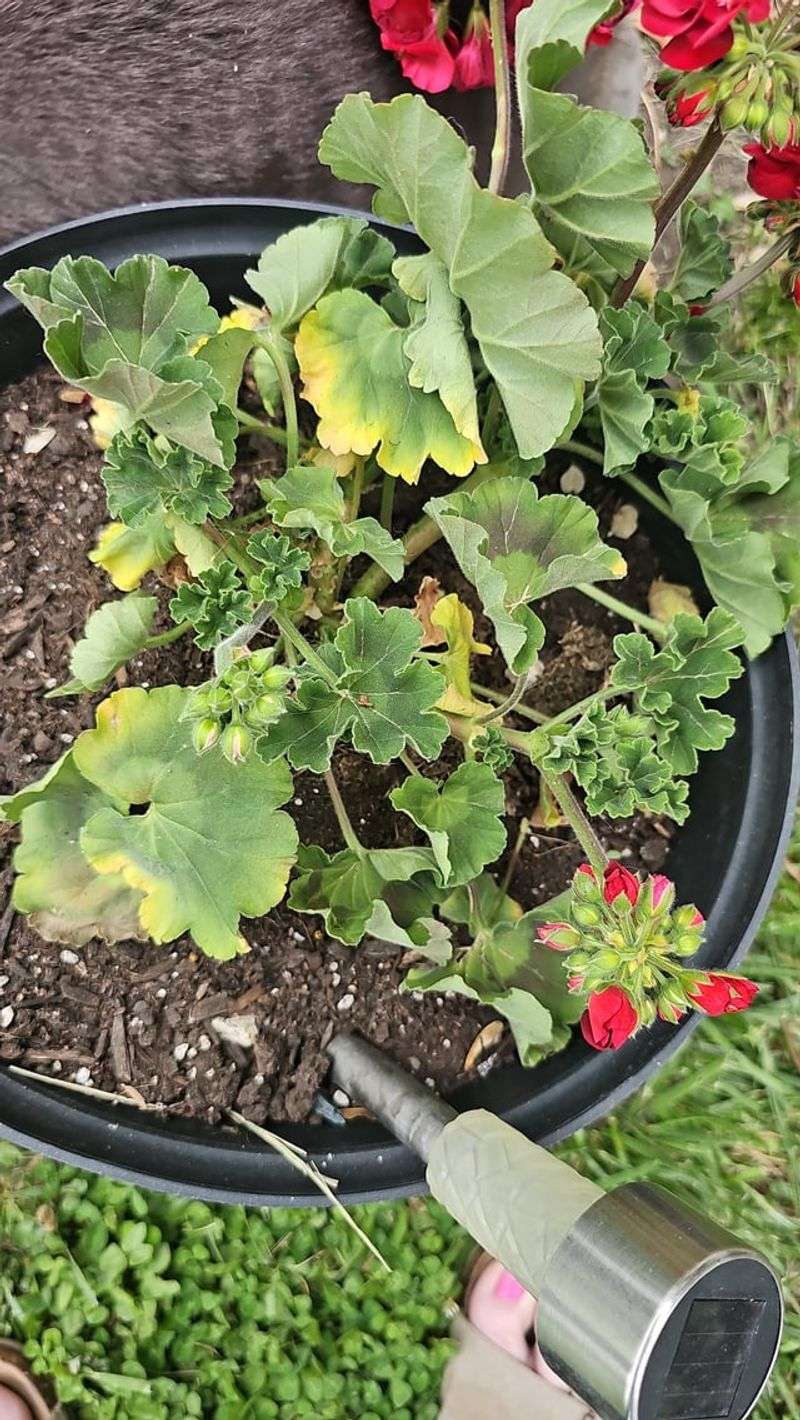
Nitrogen is the nutrient that makes leaves grow big and green, but too much of it can trick your geraniums into skipping the flowers. Instead of blooms, you get a bushy plant packed with foliage and little color to enjoy.
Here is what happens. When a fertilizer is heavy on nitrogen, the plant spends all its energy building leaves and stems.
Flowers become an afterthought, and that is the opposite of what most gardeners want.
Geraniums are grown for their bright blossoms, so balance matters. A fertilizer with equal parts of the main nutrients, or one made just for blooming plants, gives you leaves and flowers together.
Watch the numbers on the label. Those three numbers stand for nitrogen, phosphorus, and potassium.
Your North Carolina Garden Changes Every Week. Your Plan Should Too.
Gardening in North Carolina changes quickly throughout the season. Every Friday you’ll receive a simple weekly plan showing exactly what to plant, prune, fertilize, harvest, and protect so you never miss the right timing.
If the first number is much higher than the others, that blend leans toward leafy growth rather than blooms.
Many gardeners in North Carolina make the mistake of grabbing a general lawn or all-purpose feed that is loaded with nitrogen. That works fine for grass, but geraniums need something gentler and more even.
If your plant looks lush but stubbornly refuses to bloom, too much nitrogen is often the reason. Cutting back and switching to a balanced formula usually brings the flowers right back.
The goal is a plant that looks full and colorful at the same time. Choosing the right ratio keeps your geraniums from wasting energy on leaves alone.
Balanced nutrition is the simple secret behind those crowded, cheerful flower clusters everyone admires.
3. Use A Balanced Container Fertilizer
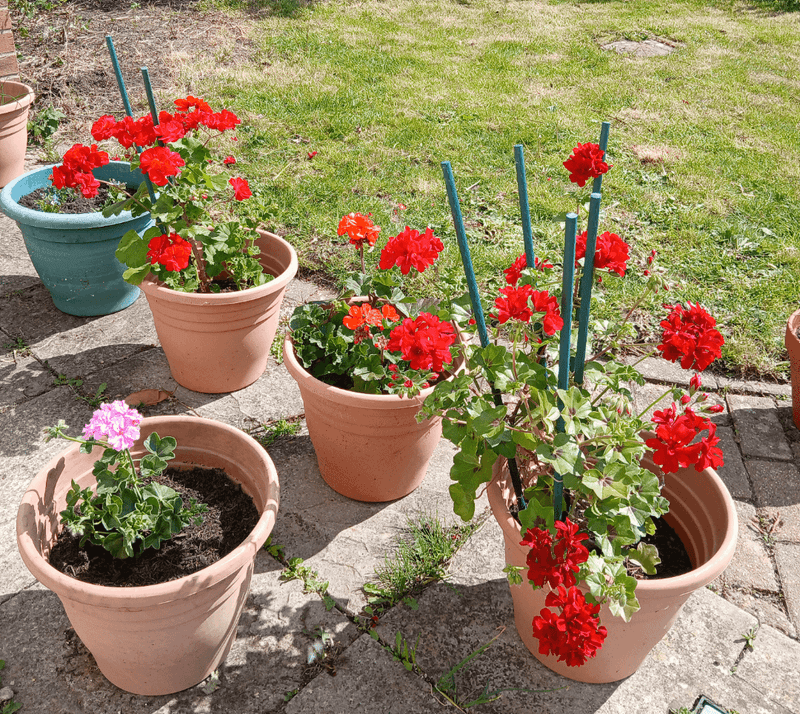
Container plants live in a small world, so they depend on you for every nutrient they get. A balanced fertilizer made for pots delivers a steady mix of everything geraniums need to grow leaves and open flowers.
Balanced simply means the food offers even amounts of the three key nutrients. This keeps the plant from getting too much of one thing and not enough of another.
Look for a product labeled for container plants or flowering plants. These blends are designed for the fast-draining potting mix that geraniums usually sit in, and they release nutrients in a way that pots can handle.
Geraniums also appreciate small amounts of other elements like iron and magnesium. Many quality container fertilizers include these extras, which help keep leaves rich green and stems strong.
You can choose liquid or slow-release granules depending on your style. Liquid feeds work fast and let you control the timing, while slow-release pellets feed a little at a time over several weeks.
In North Carolina’s warm growing season, either type works well as long as you follow the directions. Some gardeners even combine a slow-release base with an occasional liquid boost during peak bloom.
The right formulation supports the whole plant, not just one part of it. Healthy roots, full foliage, and plenty of flowers all come from balanced feeding.
When you pick a fertilizer built for containers, you take the guesswork out of the job and give your geraniums a reliable diet they can truly thrive on.
4. Follow The Fertilizer Label
It might feel like more fertilizer means more flowers, but that idea can backfire in a big way. Adding extra food to a pot can actually harm your geraniums instead of helping them.
The label exists for a reason. Manufacturers test their products and print the exact amount that works best, so following those directions keeps your plants safe.
When you overdo it, leftover fertilizer builds up as salt in the potting mix. That salt pulls moisture away from the roots and stresses the plant, leaving leaves scorched at the edges.
Roots are sensitive in containers because there is nowhere for extra salts to drain away. A crowded pot holds those minerals close, and the damage shows up faster than in a garden bed.
Measuring carefully makes a real difference. Use a marked spoon or cup instead of guessing, and mix liquid feeds with the exact amount of water the package suggests.
If the directions say feed every two weeks, resist the urge to feed weekly just because your plant looks eager. More often is not always better when it comes to potted flowers.
You can even feed slightly less than the label suggests and still get great results, especially with young or small plants. A gentle approach protects tender roots.
Reading and trusting the instructions is one of the easiest ways to avoid trouble. Your geraniums will reward the careful measuring with steady growth and bright, healthy blooms all season.
5. Water Before Feeding Dry Plants
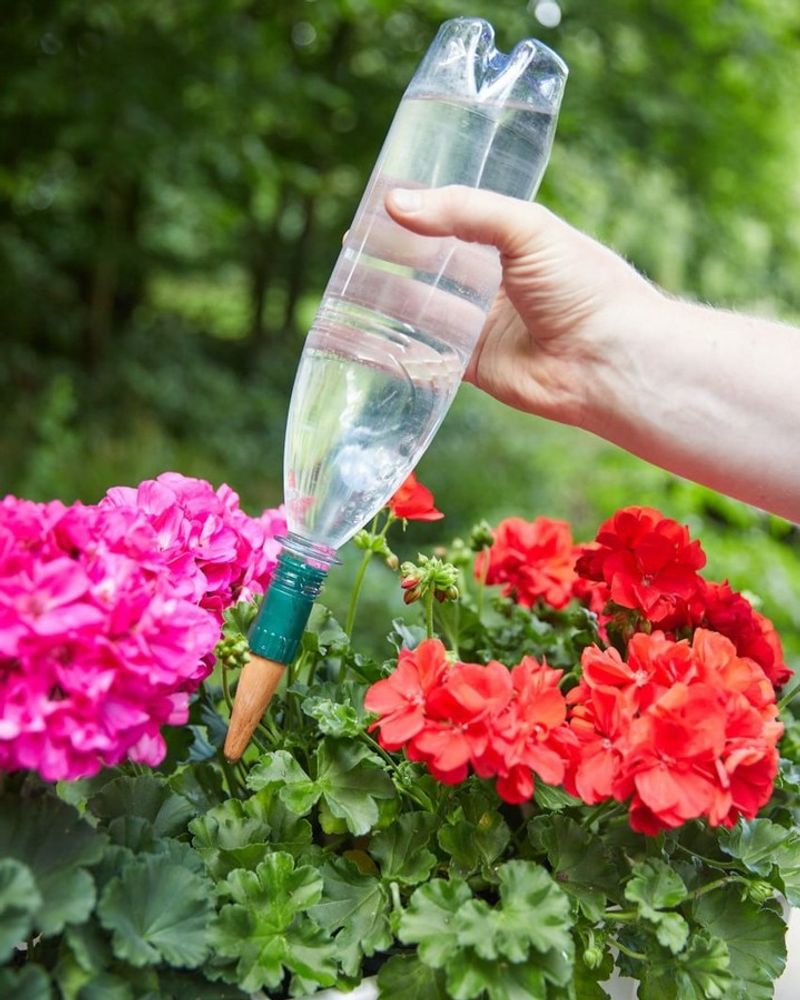
Feeding a bone-dry geranium is a common mistake that can burn the roots without you even realizing it. When soil is parched, fertilizer becomes too strong and concentrated for the plant to handle.
Moisture is the key. Damp soil spreads nutrients evenly through the pot, so every root gets a fair share instead of a harsh jolt in one spot.
Before you feed, give your geranium a good drink of plain water first. Let it soak in for a little while, then follow up with your diluted fertilizer.
Dry roots are fragile roots. They cannot absorb food safely when the potting mix has pulled away from the sides of the container and turned crumbly.
North Carolina summers can bake pots quickly, especially those sitting in full sun on a deck or driveway. Checking the soil with your finger tells you whether the plant needs water before its meal.
Watering first also helps the fertilizer travel down to where the roots actually live. Instead of sitting on top of dry soil, the nutrients move gently through the whole root zone.
This little two-step habit takes only a few extra minutes but protects your plant from stress. Think of it as offering a snack after a glass of water rather than on an empty stomach.
Once you make watering first a routine, feeding becomes safer and far more effective. Your geraniums will take in the nutrients smoothly and keep pushing out those cheerful blooms you love to see.
6. Refresh Old Potting Mix When Needed
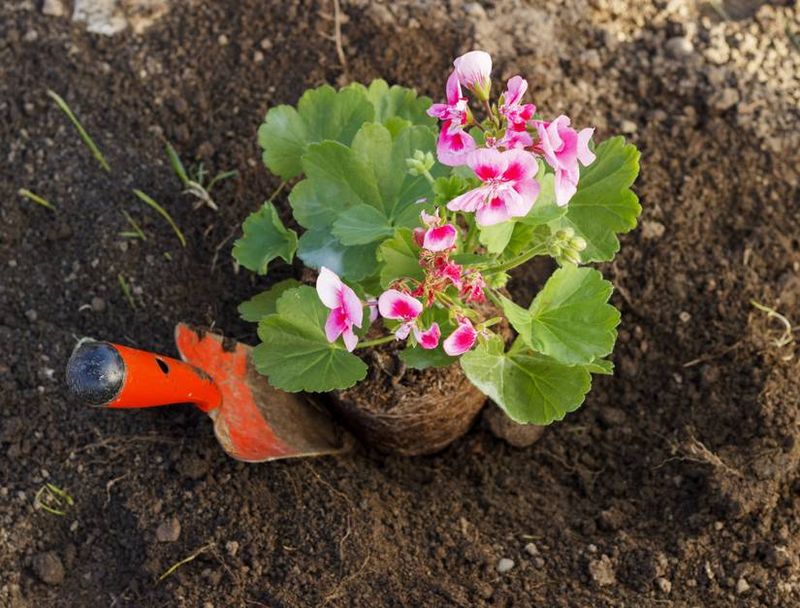
Even the best potting mix runs out of nutrients over time, and geraniums that live in the same soil for years slowly lose their spark. Refreshing that mix gives your plants a fresh start and better roots.
Container soil is a limited pantry. Every time you water, tiny bits of nutrients wash out the drainage holes, and the plant uses up the rest as it grows.
Old mix also breaks down and packs tightly, which makes it harder for roots to breathe and drink. Compacted soil holds too much water in some spots and none in others.
You do not always have to replace everything. Scooping out the top couple of inches and adding fresh mix can perk up a plant that has been in the same pot for a while.
For geraniums that have lived in one container for a year or more, a full repotting works wonders. New soil comes loaded with fresh nutrients that make your fertilizer far more effective.
Spring is a great time for this job in North Carolina, right before the busy growing season begins. Gently loosen the roots and settle the plant into its refreshed home.
Fresh potting mix also drains better, which keeps roots healthy and lowers the risk of soggy trouble. Healthy roots soak up food the way they should.
By giving tired soil a boost now and then, you set your geraniums up for stronger growth and a fuller show of blooms.
7. Watch For Signs Of Overfeeding
Sometimes a struggling geranium is not hungry at all, it is actually getting too much food. Learning to read the warning signs saves you from making the problem worse.
Brown, crispy edges on the leaves are a big clue. This leaf burn often means salts from extra fertilizer have built up in the pot and started stressing the roots.
Another signal is a plant that grows tall and leafy but forgets to bloom. Loads of green with no color usually points to overfeeding rather than a need for more.
Weak, floppy stems can also tell the story. When a plant grows too fast on heavy fertilizer, the new growth turns soft and cannot hold itself up well.
If you spot these symptoms, hold off on feeding for a while. Flushing the pot with plenty of plain water helps rinse away the leftover salts that cause the damage.
It is tempting to think every unhappy plant simply wants more nutrients. In reality, adding food to an already overfed geranium only piles on the stress.
Keep an eye on your plants each week and notice small changes early. Catching trouble at the first crispy leaf is far easier than fixing a badly stressed plant later.
North Carolina heat can make salt buildup worse in sunny spots, so pots in full sun deserve extra attention. Once you trust these signs, you will feed with confidence and keep your geraniums balanced, colorful, and truly thriving.
8. Reduce Feeding As Temperatures Cool
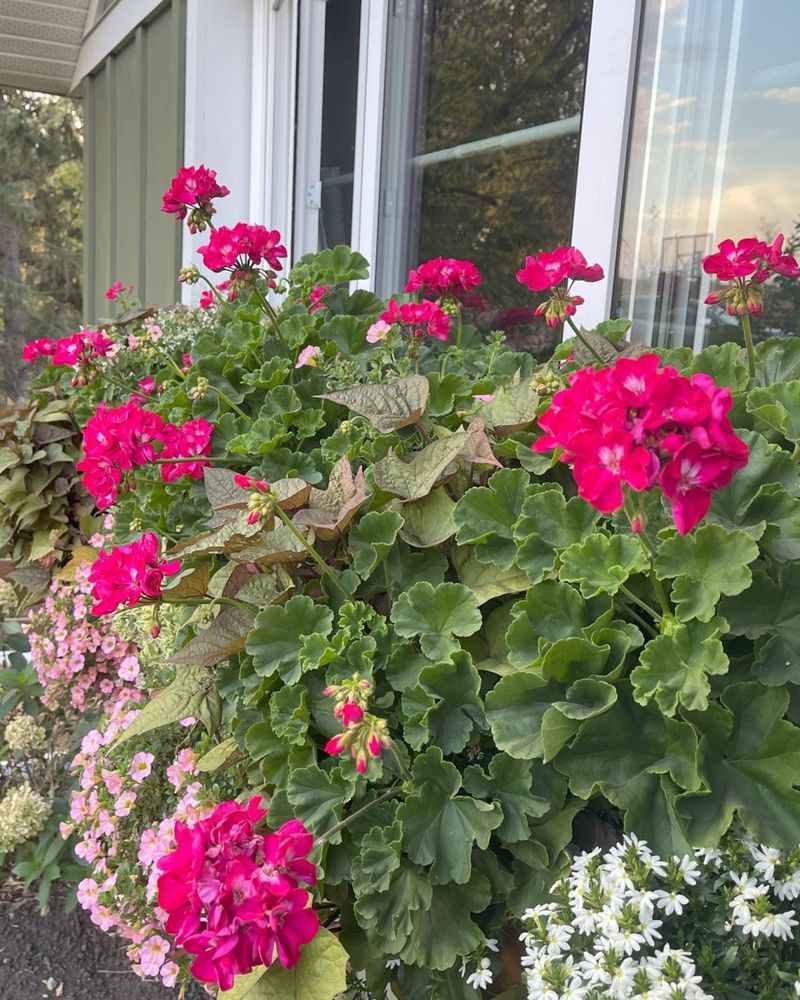
As fall arrives and the air turns crisp, your geraniums naturally slow down and stop growing so fast. That change means it is time to ease up on the fertilizer.
Growth and feeding go hand in hand. When a plant is not actively producing new leaves and blooms, it simply cannot use much food, and the extra just sits in the soil.
In North Carolina, cooler weather often creeps in during October and November. This is your signal to stretch out the time between feedings and eventually pause them for the season.
Pushing fertilizer late in the year can cause a sneaky problem. It encourages soft, tender new growth right when cold weather is on the way, and that fresh growth cannot handle a chill.
Tender shoots are the first to suffer when temperatures drop. By backing off the food, you let the plant settle down and toughen up instead of sprouting fragile new leaves.
Think of it as helping your geranium rest. Just like people slow down in colder months, plants shift into a quieter mode where less feeding is exactly right.
If you bring your pots indoors for winter, keep feeding to a bare minimum until spring returns. A resting plant needs light and steady watering more than nutrients.
Once the warm days come back around, you can pick up your regular routine again. Matching your feeding to the seasons keeps your geraniums strong year after year and ready to burst into color when spring arrives.