The September Lawn Seed Mix That Makes More Sense For Sun-And-Shade Ohio Yards
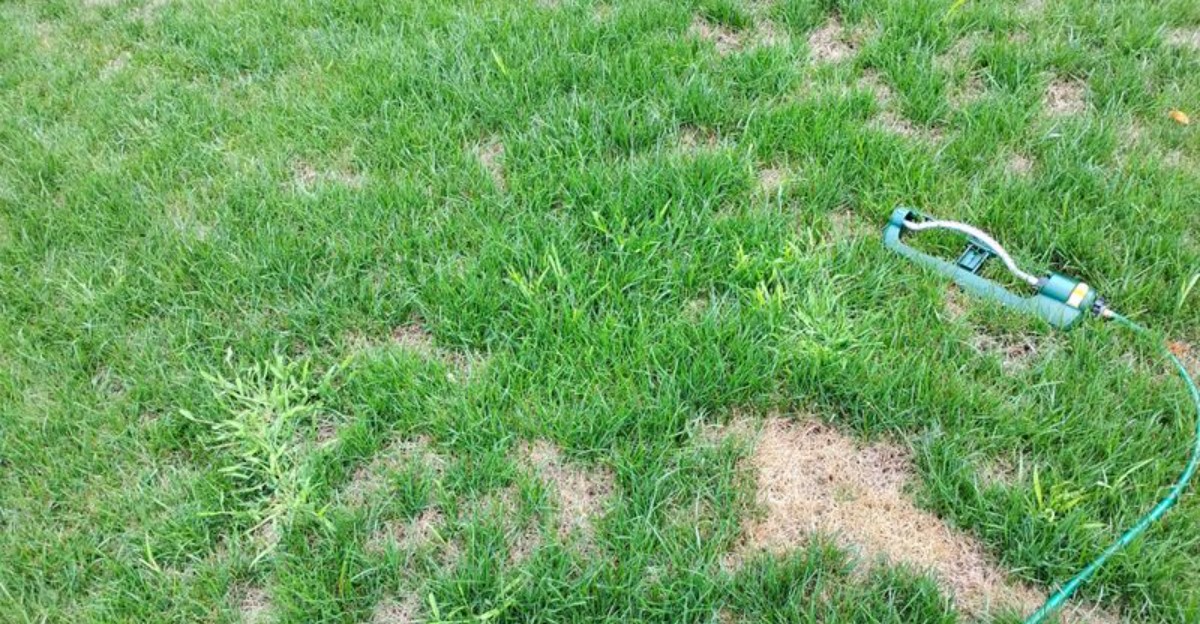
That lawn probably gets hit with full sun in some spots and heavy shade in others. One bag of grass seed is supposed to handle both.
It doesn’t, even though that’s exactly how most seed gets sold and most yards get seeded. A single grass species only thrives in a certain range of light.
Plant it everywhere and one zone comes in thick while the other stays thin and patchy, no matter how carefully the rest gets handled. A blended mix built for that kind of variation solves the problem at the seed level instead of fighting it later, zone by zone.
Ohio’s cooling soil in September is exactly the window for getting this right, before winter locks in whatever pattern started this fall.
Choosing the right mix now decides whether next year’s lawn looks consistent, or keeps splitting into the same two yards it’s always had.
1. Choose Tall Fescue For Tough Shady Spots
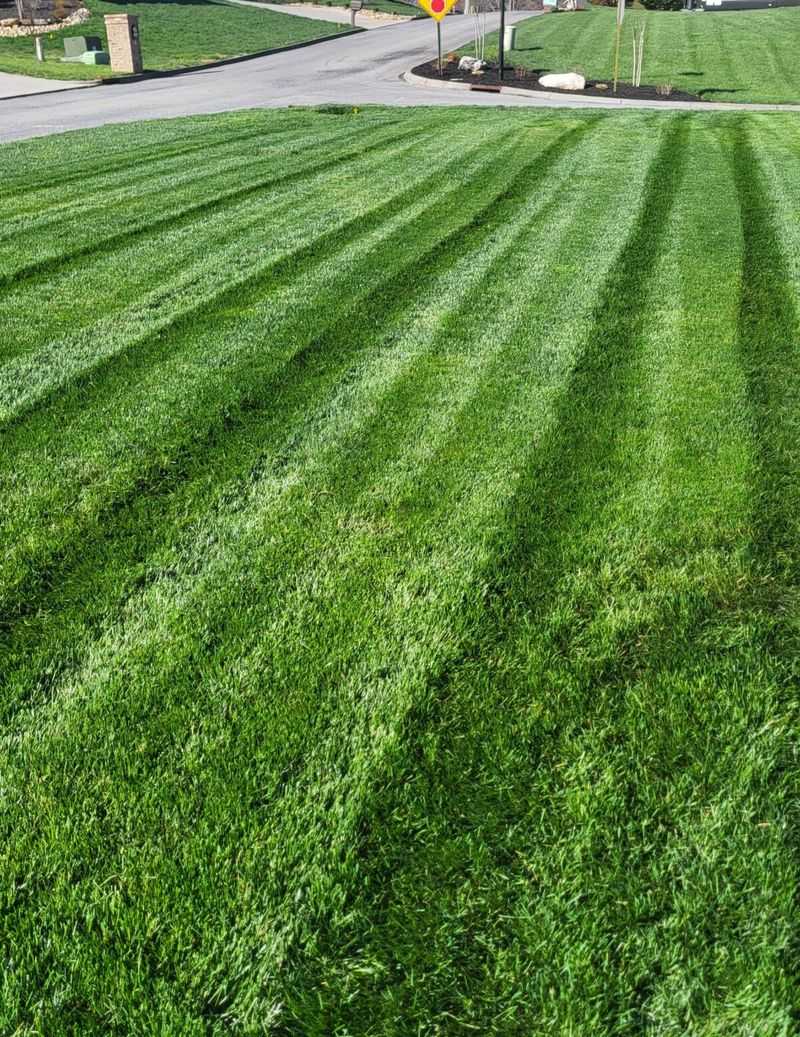
Some grasses sulk when the sun goes missing. Turf-type tall fescue is not one of them, which is why it belongs at the heart of a sun-and-shade seed mix in Ohio.
Among cool-season grasses, tall fescue carries moderate to high shade tolerance. It still wants a few hours of light, but it holds its color and density in spots where fussier grasses thin out by August.
Its roots are the real headline. In decent Ohio clay soil, tall fescue can push roots 24 to 36 inches down, reaching moisture that shallow-rooted grasses cannot touch during a dry stretch in July.
The blades run a bit coarser than bluegrass, and it grows in bunches rather than spreading sideways. Newer turf-type varieties have narrowed that gap considerably, offering darker color and a tighter, more uniform stand.
Wear tolerance is another quiet win. Kids, dogs, and lawn chairs do less lasting harm to a fescue-heavy lawn than to a fine-textured one.
Once it settles in, maintenance drops. You water less often, mow at a taller setting, and generally spend fewer weekends babysitting brown spots.
For a shaded side yard or the north face of a house, make tall fescue the majority of whatever you spread this month.
2. Blend Kentucky Bluegrass For Sunny Areas
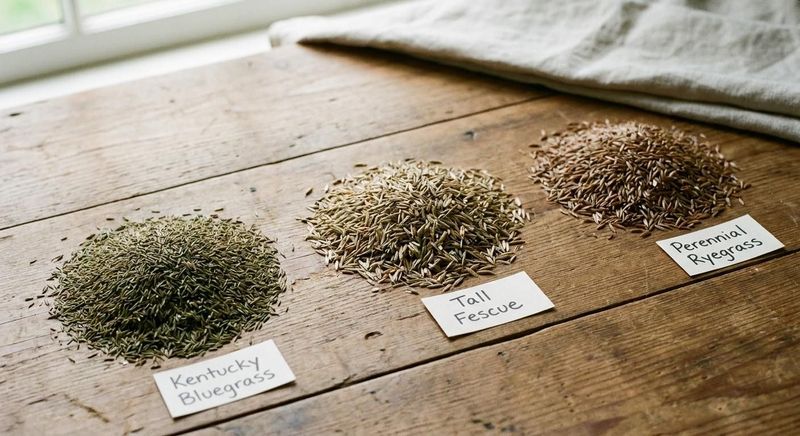
Ask ten Ohio homeowners what a picture-perfect lawn looks like, and most are describing Kentucky bluegrass without knowing the name. Fine blades, deep blue-green color, and that carpet look everyone chases.
Bluegrass earns its spot in the open, sunny parts of the yard. It handles Ohio temperature swings well, greening up early in spring and holding on through cool autumn weeks.
Here is the trait that makes it worth including even in small amounts. Bluegrass spreads through underground stems called rhizomes, so it creeps sideways and patches its own bare spots over time.
Tall fescue cannot do that. Adding some Kentucky bluegrass to a fescue-heavy blend can improve recovery because of its rhizome growth.
The tradeoff is thirst. Bluegrass generally has a shallower root system than tall fescue and often needs more moisture during drought.
Your Ohio Garden Changes Every Week. Your Plan Should Too.
Gardening in Ohio changes quickly throughout the season. Every Friday you’ll receive a simple weekly plan showing exactly what to plant, prune, fertilize, harvest, and protect so you never miss the right timing.
It also appreciates attention. Regular mowing and a fall feeding keep it thick, while neglect thins it out quickly.
Put bluegrass where the light is generous and the sprinkler reaches. In the shade, it fades, and that is exactly why blends beat single species.
3. Add Perennial Ryegrass For Fast Coverage
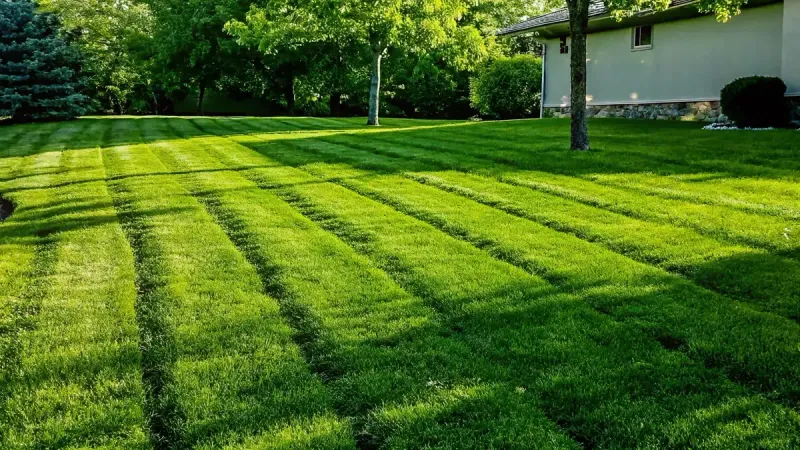
Patience is a virtue, but nobody wants to stare at bare dirt for three weeks. Perennial ryegrass exists for exactly that impatience.
Seeds can sprout in as little as three to five days, sometimes before you have put the spreader back in the garage. Bluegrass, by comparison, may take two to three weeks to show itself.
That speed does real work beyond making you feel good. Quick green cover shields soil from heavy September rain, holds seed in place on slopes, and crowds out opportunistic weeds while slower grasses get organized underground.
Texture-wise, ryegrass is fine-bladed and glossy, blending nicely with bluegrass. It takes cold weather in stride, which matters when an Ohio October decides to turn sharp overnight.
Light shade is tolerable for ryegrass, though it clearly prefers open sky. In deep shade under a canopy, lean on fescue instead.
Keep the percentage modest. Ten to fifteen percent is plenty, because ryegrass is competitive and too much of it can smother the seedlings you actually want long term.
Think of it as the opening act. It gets the crowd going while tall fescue and bluegrass take their time setting up the main show.
4. Match Seed Mixes To Ohio Conditions
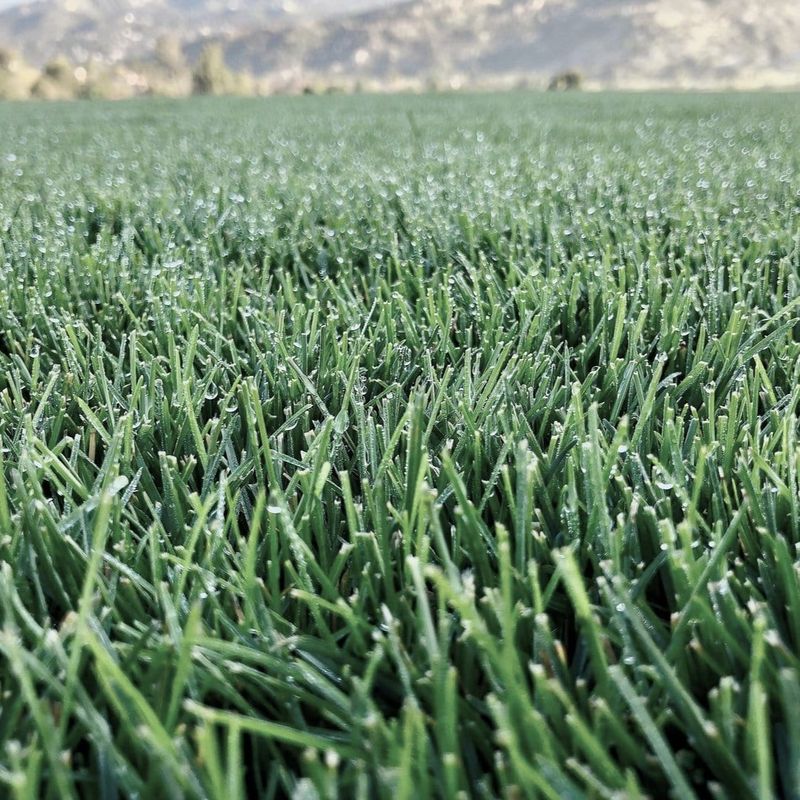
Ohio sits in a tricky spot on the grass map. Summers turn humid and sticky, winters bite, and cool-season grasses are the ones built to handle both ends.
Kentucky bluegrass, tall fescue, perennial ryegrass, and fine fescue all belong here. The smart move is combining them rather than picking a favorite.
A common approach for many Ohio lawns is a fescue-dominant blend with smaller amounts of Kentucky bluegrass and perennial ryegrass. Fescue supplies the drought and shade backbone, bluegrass fills gaps, and ryegrass covers ground fast.
Genetic variety is the hidden benefit. When several grass types share the same lawn, a disease or insect problem that hits one species does not flatten the whole yard.
Good seed companies build blends with matched color, leaf texture, and pest tolerance. That is why a quality bag looks uniform once grown in, instead of patchy and mismatched.
Fine fescue deserves a mention for the deepest shade. A creeping red or hard fescue component helps in spots where light barely reaches.
Check the label before buying. If the tag lists named varieties instead of vague terms like pasture mix, you are holding something designed for a lawn rather than a hayfield.
5. Avoid One Seed Type For Every Yard
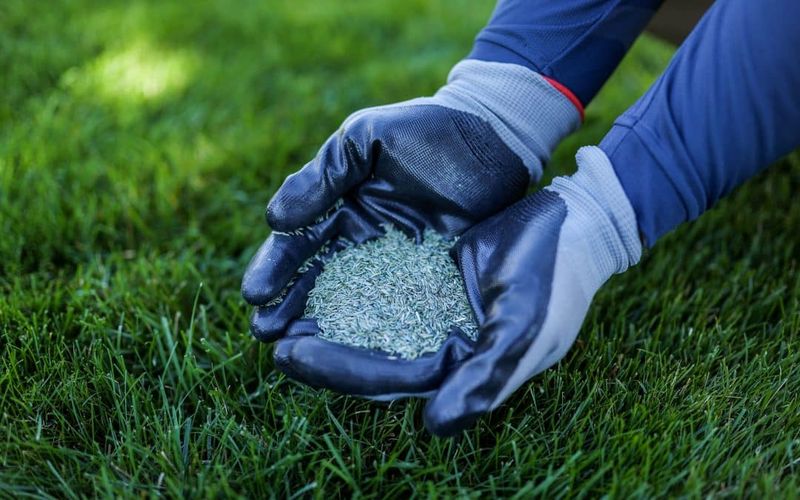
Picture buying one pair of shoes for hiking, running, and a wedding. That is roughly what happens when a single grass species gets spread across an entire property.
Yards are not uniform. The south-facing front strip cooks all afternoon, the north side stays damp and dim, and the area under the silver maple gets maybe two hours of filtered light.
One species handles one of those situations well and struggles in the others. Bluegrass alone goes thin under trees.
Ryegrass alone gets battered by heat and humidity.
There is a risk factor too. Monocultures are vulnerable, so a single fungal outbreak or insect flare-up can thin large sections at once because every plant shares the same weakness.
Blends spread that risk around. Bluegrass brings self-repair, tall fescue brings drought and heat endurance, and ryegrass brings quick establishment, all sharing the same soil.
You can layer the strategy further. Use a shade-heavy version of your blend under the canopy and a sun-leaning version out front, keeping the same base species so the color stays consistent.
Blends cost about the same as straight seed. The difference shows up two summers later, when the lawn still looks even instead of blotchy.
6. Fix Thin Grass Under Tree Canopies
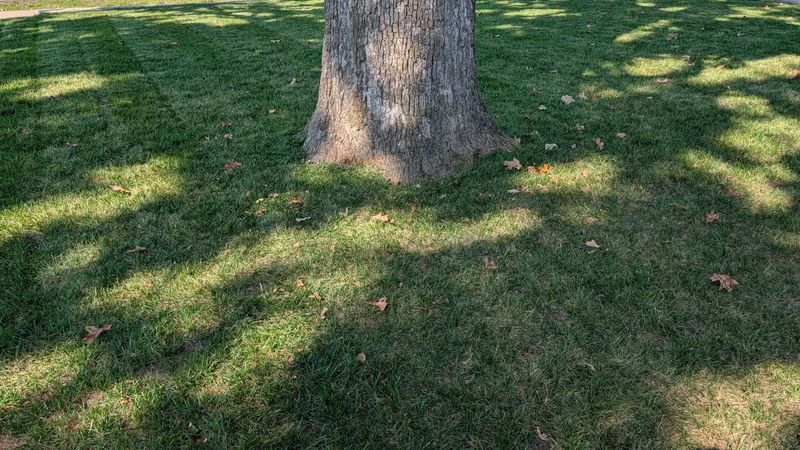
That bald ring around the oak tree frustrates just about everyone. Two problems are usually working together there, not one.
Light is short, and tree roots are pulling water and nutrients out of the top few inches of soil before the grass gets a share. Shaded ground also stays damp longer, which invites fungal trouble.
Start above your head. Pruning lower limbs and thinning the canopy lets far more light filter through, and that single step often changes the outcome more than any seed choice.
Then match the seed. Turf-type tall fescue and fine fescues handle low light best, and they should dominate whatever you spread in those zones.
Mow higher in shade, around three and a half to four inches. Taller blades capture more light, and the grass can feed itself better.
Core aeration in fall loosens compacted ground and breaks up the root mat competing with your turf. Overseeding every year keeps shaded areas stocked with fresh young plants.
Feed lightly in spring and fall, and keep foot traffic down where grass is struggling.
Know the limit, though. Even shade-tolerant grasses want three to four hours of direct sun or four to six hours of steady dappled light to hold on.
7. Use September Weather For Better Germination
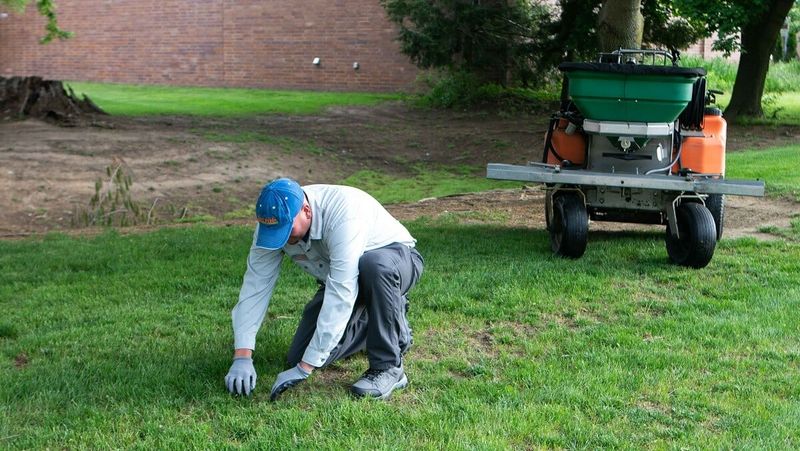
Timing does half the work in lawn seeding, and September hands homeowners the best hand of the year. Soil still holds summer warmth while the air has cooled off.
That combination is exactly what cool-season seed wants. Germination runs best when soil temperatures sit roughly between 50 and 65 degrees Fahrenheit, and September delivers that range across most of the state.
Rain tends to cooperate too. More frequent showers keep the seedbed damp without you running a sprinkler four times a day, which is the usual downfall of spring seeding.
Cool nights matter more than people realize. Young seedlings that would wilt under August heat get a gentle start instead, with less stress between watering cycles.
Weed pressure drops sharply this time of year. Crabgrass and most summer annuals are winding down, so new grass is not fighting aggressive neighbors for space, light, and nutrients.
Aim for early to mid September in northern Ohio and mid to late September further south. Earlier is generally safer than later.
Rake lightly, spread seed, keep the surface moist for two to three weeks, and let the season do what it does. Spring seeding rarely gets this much cooperation from the weather.
8. Build Deeper Roots Before Winter Arrives
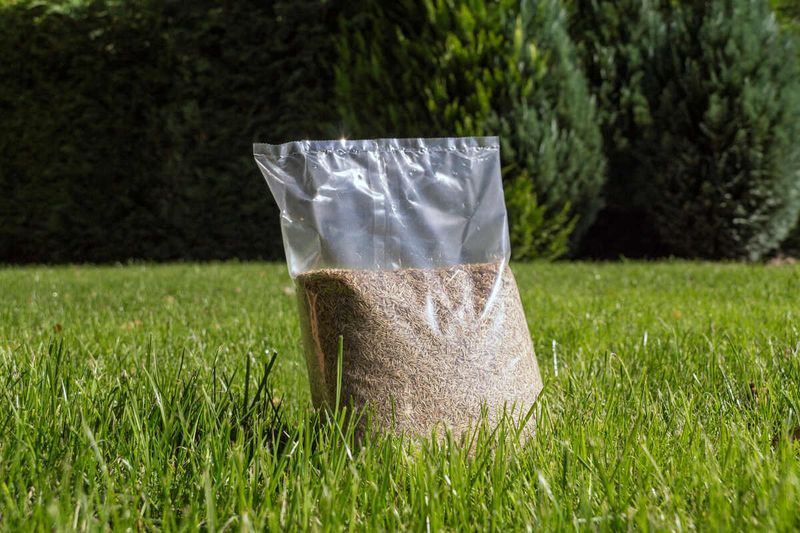
What happens underground in October decides how your lawn looks next July. Grass seeded now gets roughly six to eight weeks of active growing time before cold weather slows things down.
Those weeks go almost entirely into roots. Cooler air means the plant is not pouring energy into top growth, so it invests downward instead.
Deeper roots translate directly into resilience. A lawn anchored well below the surface handles heat, drought, and foot traffic far better than one clinging to the top two inches of soil.
Winter itself becomes less of an ordeal. Well-rooted plants sit through dormancy and come back thick in April, while late-seeded grass often looks patchy and slow.
Core aeration before seeding gives roots an easier path down. Pulling plugs relieves compaction, something Ohio clay soils tend to need every year or two.
A fall fertilizer application after aeration supports the process nicely. Look for a product with reasonable nitrogen and follow the bag rate rather than guessing.
Keep watering into October if rain gets scarce. Roots continue growing while soil stays above about 40 degrees, long after the grass stops needing much mowing.
Do the underground work now, and next summer feels noticeably easier.
9. Skip Cheap Mixes That Fail Quickly
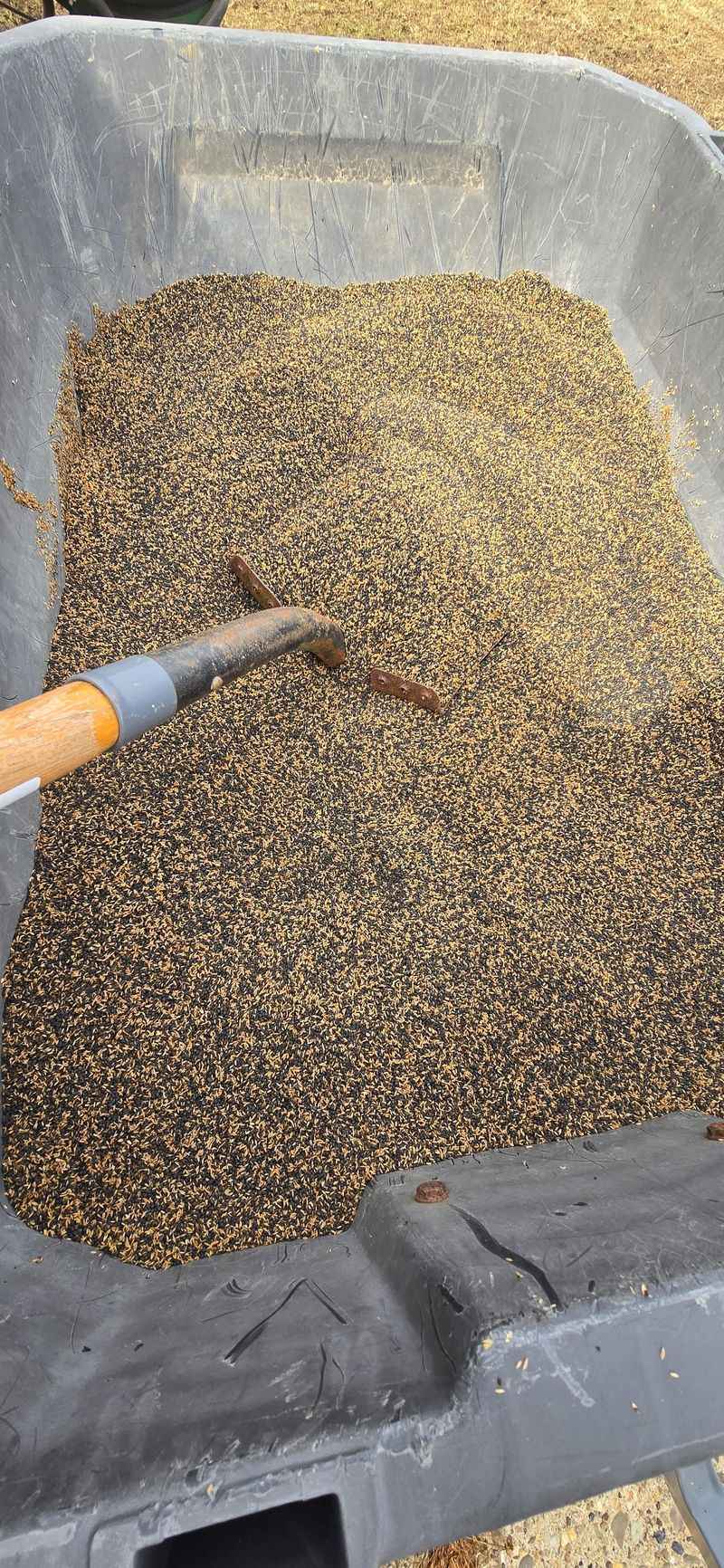
Bargain seed is one of those purchases that feels smart in the store and regrettable by next June. The savings are real; the results usually are not.
Read the seed tag before anything else. It lists purity, germination rate, weed seed percentage, and other crop seed, and those numbers tell you more than the pretty photo on the front.
Weed seed content should be as close to zero as possible. Buying a bag with even a small percentage means you are broadcasting future problems across your yard on purpose.
Cheap mixes often lean heavily on annual ryegrass or unnamed varieties. They sprout fast and look great for a month, then falter when heat and humidity roll in.
Quality blends use named turf-type cultivars bred for stronger root systems, disease resistance, and drought endurance. Many have been tested in trials for years before reaching a shelf.
The cost difference works out to a few extra dollars per thousand square feet. Compare that to reseeding the same area again next fall.
Check the test date too. Seed older than about a year germinates less reliably, no matter how good the brand name looks.
Buy once, spread it well, and let the September weather finish the job.