Should You Wrap Young Ohio Tree Trunks Before Winter?
On a bright winter afternoon, the south side of a young maple trunk can warm up far above the air. Then the sun drops behind the trees, and that thin bark freezes again in a matter of minutes.
I find that quick swing from toasty to frozen pretty amazing, especially for a tree barely taller than me. Here in Ohio, those wild temperature flips can leave long cracks or sunken patches on tender young trunks.
You have probably seen neighbors covering their skinny trees with paper strips or plastic tubes every fall. I believe the habit deserves a closer look, because the research on it is more mixed than most people expect.
Some Ohio gardeners swear by the practice, while some tree experts gently warn that it can cause new problems. So which side is right, and could your little tree be better off left alone this winter?
Your Young Tree Probably Does Not Need A Winter Wrap
Short answer first, because you deserve it before raking another pile of crunchy October leaves today. Most healthy young trees in your yard can get through winter just fine without any trunk covering at all.
Extension specialists at several universities have studied tree wraps, and the results are honestly pretty mixed. Some trials showed little benefit, while others found wrapped trunks stayed damp and attracted bark-boring insects underneath.
Wraps can also hide early problems, like cankers or small wounds, that you would normally spot during a walk. Out of sight often means out of mind, and that delay can make a small issue grow much bigger.
Still, a few trees do benefit from some kind of winter protection during their first couple of seasons. Newly planted trees with smooth, thin bark sit at the top of that list for most experts.
Trees growing in open lawns with strong afternoon sun from the south or southwest also face higher risk. Snow on the ground can bounce extra sunlight onto the trunk, warming the bark even more on clear days.
So the real question is not whether to wrap every tree, but whether your specific tree needs help. Taking a few minutes to look at bark type, location, and age will guide you toward a smart choice.
Older trees with thick, rough bark have built-in protection and rarely need anything extra from you. Save your energy and materials for the young, tender trunks that truly need a little extra care.
Thin Bark Is The Real Reason For Concern
Did you know a sunny winter afternoon can heat the bark of a young tree many degrees above the air? Those warm cells wake up a little, and then sunset brings a sudden freeze that can injure them.
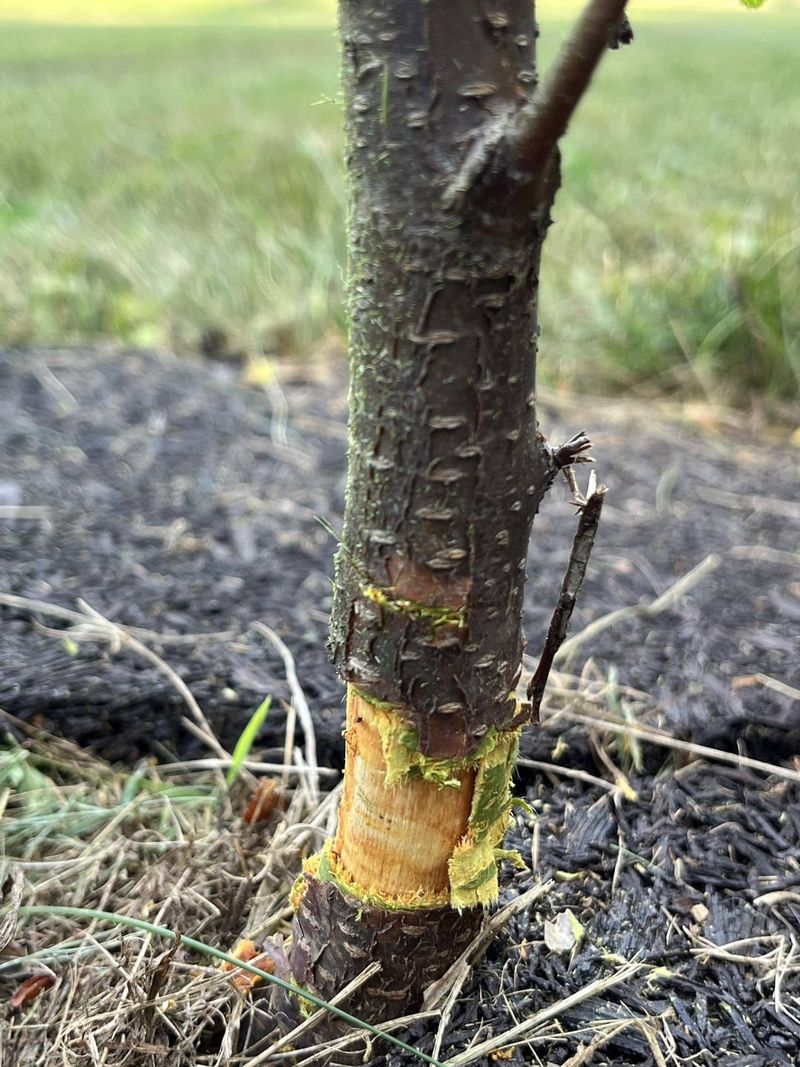
Gardeners call this damage sunscald, and it mostly shows up on the south or southwest side of trunks. The bark may look sunken, discolored, or split, and it sometimes peels away the following year.
Frost cracks are a close cousin, forming when the outer wood shrinks faster than the inner wood on frigid nights. You might even hear a sharp pop in the woods during an especially cold Ohio winter evening.
Your Ohio Garden Changes Every Week. Your Plan Should Too.
Gardening in Ohio changes quickly throughout the season. Every Friday you’ll receive a simple weekly plan showing exactly what to plant, prune, fertilize, harvest, and protect so you never miss the right timing.
Smooth, thin bark offers the least insulation, so certain species run into these problems more than others. Maples, lindens, honeylocusts, and fruit trees like apples and cherries often top the list for extension experts.
Young age matters just as much, since a trunk needs several years to build thicker, corky protective bark. Trees that came from a shady nursery lot can also struggle once they meet full winter sun.
Pruning off too many lower branches removes natural shade, leaving the trunk more exposed to strong afternoon light. Many arborists suggest keeping a few low limbs for the first few years to shield tender bark naturally.
Once you know your tree type and its sun exposure, deciding on protection gets much easier and less stressful. A quick stroll around the trunk on a sunny afternoon can tell you a surprising amount about risk.
If You Do Wrap, Wait Until Late Fall
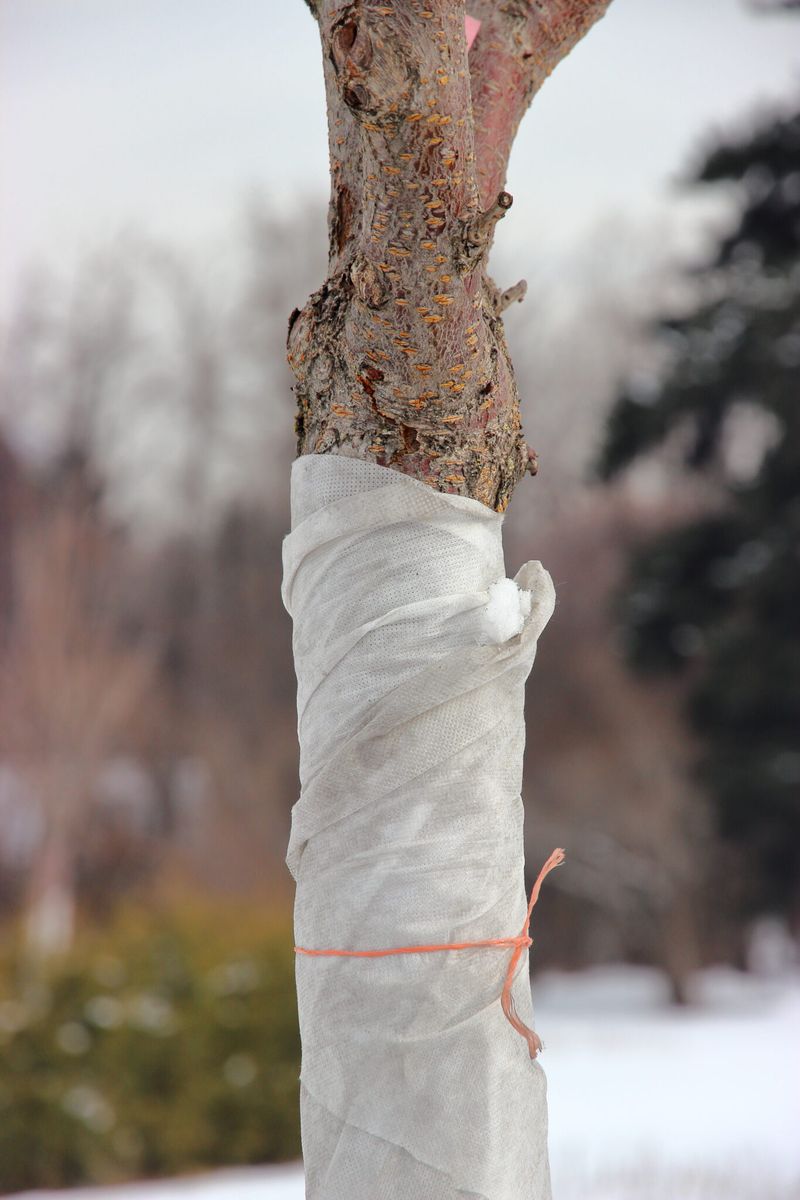
October feels like the perfect time to finish yard chores, but trunk protection can usually wait a few weeks. If your tree does need a wrap, most extension guides suggest adding it in late November, after trees have dropped their leaves.
Waiting until trees are dormant helps them finish hardening off naturally before the coldest Ohio weather arrives. Wrapping too early can trap fall moisture against the bark, which creates a cozy home for fungus.
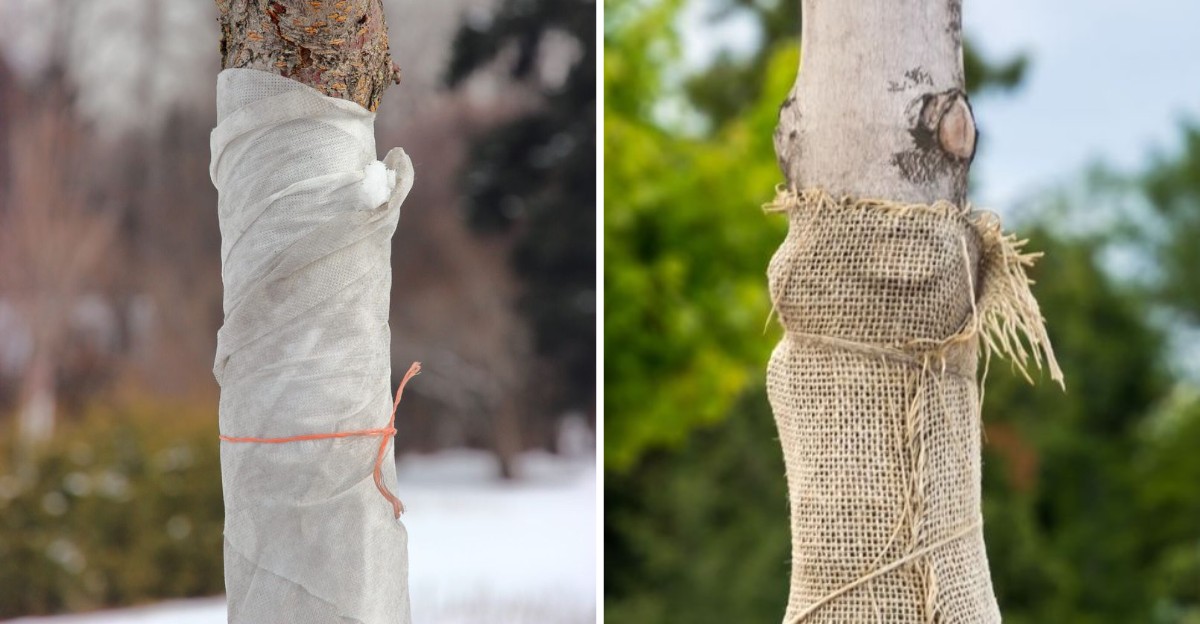
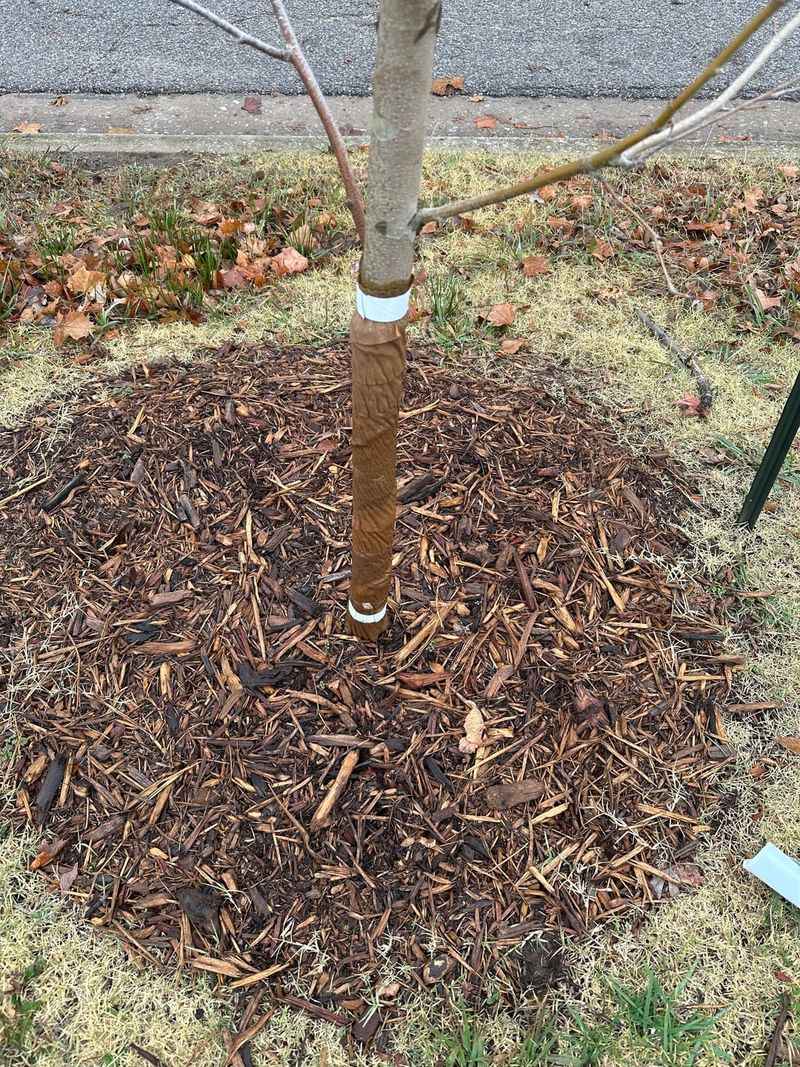
Light-colored materials work best, since white or pale surfaces reflect sunlight instead of soaking up its warmth. Commercial paper tree wrap and white plastic spiral guards are both easy to find at garden centers.
Start wrapping at the base of the trunk and work upward, overlapping each layer by about one third. Overlapping this way helps rain run off the outside, much like shingles on a sturdy roof do.
Stop just below the lowest branches, and secure the top loosely with tape that will not squeeze the bark. Avoid wire or tight string, because they can cut into the trunk as the tree slowly grows.
Some orchard growers prefer painting trunks with white interior latex paint thinned with water instead of using wraps. Paint reflects sunlight well and doesn’t hold moisture against the bark the way a cover can, though it may need touching up each year.
Mark a reminder on your calendar now so the job does not slip away during busy holiday weeks. A cold, clear afternoon after Thanksgiving makes a pleasant time to bundle up and finish the task.
You Should Avoid Leaving Wraps On Past Early Spring
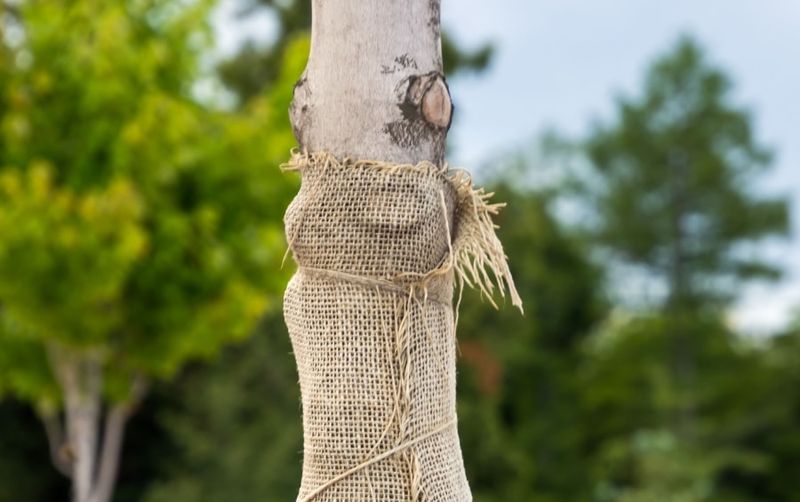
A forgotten tree wrap is a bit like a winter coat worn into July, uncomfortable and slightly ridiculous. Plenty of well-meaning gardeners put wraps on in fall, then leave them in place for years.
That mistake can cause more harm than the winter weather the wrap was meant to block in the first place. Damp bark under old wrapping can soften, rot, or invite insects like borers to settle in quietly.
Plastic guards and tape can also girdle a trunk as it expands, cutting off the flow of water and nutrients. A girdled tree may limp along for a while before it slowly declines and eventually fails.
Most experts recommend removing wraps in early spring, usually around late March or April in most Ohio regions. By then the sun angle changes, and the risk of sudden bark freezing drops off quite a bit.
Set a phone alert today so the removal date pops up long after the October excitement fades away. Writing the date on the wrap tape with a marker works well too, especially if you have many trees.
Once the wrap comes off, take a slow look at the trunk for cracks, holes, or soft spots. Healthy bark should feel firm and look fairly even in color from the soil line upward.
If you spot trouble, a certified arborist or your county extension office can help you figure out next steps. Fresh air and sunshine on bare bark during the growing season help trees stay strong and resilient.
Hungry Rabbits Call For A Different Kind Of Guard
Those fluffy cottontails munching clover in your yard turn into serious bark nibblers once snow covers their food. Voles do similar damage lower down, often chewing hidden under snow where you cannot see them working.
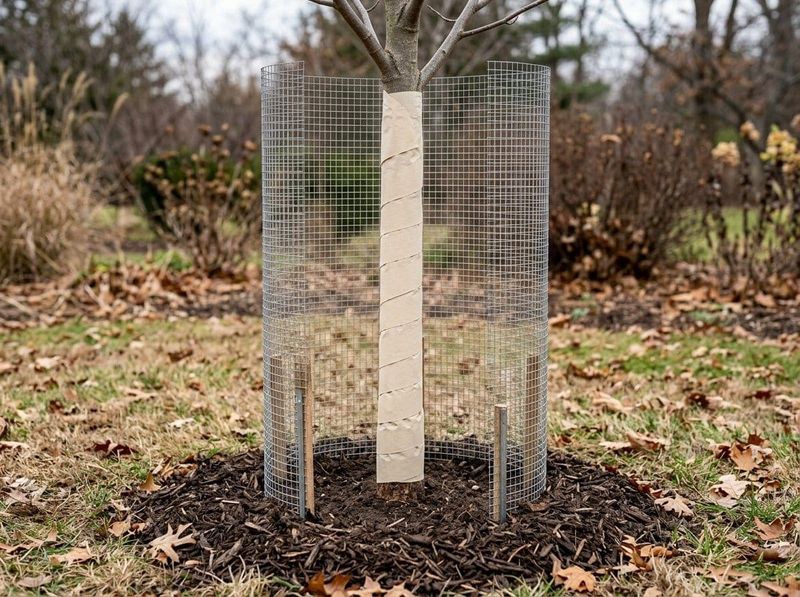
Paper wraps usually will not stop these hungry critters, since teeth slice through soft material in a few bites. Extension experts often recommend cylinders made from hardware cloth, a sturdy metal mesh with small openings.
Choose mesh with openings of about one quarter inch, which keeps out tiny vole teeth as well as rabbits. Leave a gap of an inch or two between the mesh and the trunk so air can move.
Bury the bottom edge three to six inches into the soil to block voles that tunnel underneath. The top should reach above the expected snow line, since rabbits stand on drifts to reach higher bark.
Many gardeners aim for about two feet of height above the snow, which works well in most Ohio winters. Deer rubbing in fall is another story, and taller fencing or stakes help protect trunks from antlers.
Pull mulch a few inches away from the trunk, because thick mulch piles give voles a snug winter hideout. Keeping grass short around young trees this fall also reduces cover for small, hungry chewing animals.
Unlike paper wraps, metal guards can stay up through several winters if you check them for tightness. Loosen or widen them each fall so the growing trunk has room to expand without rubbing against wire.
Healthy Habits Protect Your Tree All Winter Long
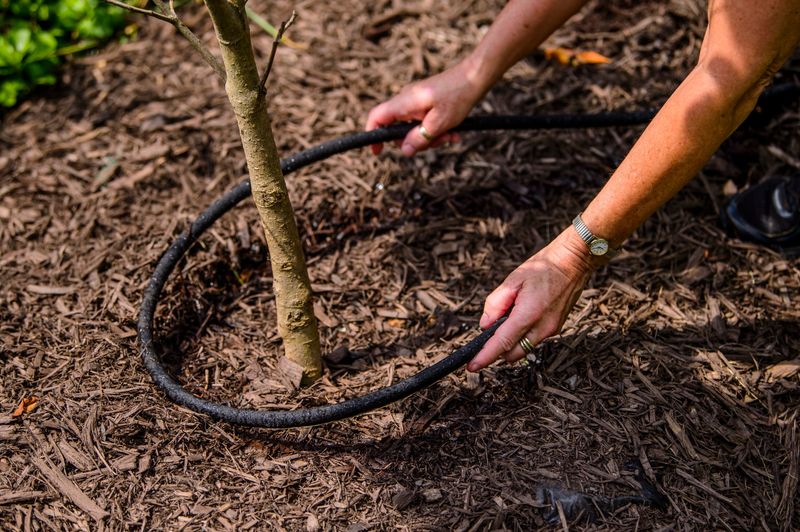
Strong roots and well-watered wood handle winter stress far better than any wrap can on its own. I like to think of fall care as packing a warm lunch before sending a kid off to school.
Keep watering young trees deeply through October and into November whenever rainfall runs short in your area. Moist soil holds heat better than dry soil, and hydrated roots go into dormancy with fewer struggles.
Spread two to three inches of shredded mulch in a wide ring, keeping it away from the trunk itself. Aim for a flat donut shape instead of a tall volcano, since volcano piles trap moisture against bark.
Skip heavy nitrogen fertilizer this time of year, because it can push tender new growth before cold weather. That soft growth often struggles through freezes, so it makes sense to save feeding for spring instead.
Hold off on major pruning until late winter, when trees are fully dormant and wounds close more cleanly. Removing low branches gradually over several years keeps some helpful shade on the trunk in the meantime.
Planting choices matter too, and picking thick-barked species suited to Ohio can cut down on future worries. Oaks, hackberries, and many native trees develop rugged bark over time that handles freezing nights with very little fuss.
Walk your yard on a crisp autumn afternoon and note which young trees face open southern exposure. With a little planning now, your trees can greet next spring with healthy bark and plenty of fresh energy.