The Native Ohio Trio That Supports Pollinators From Spring Through Fall
Ohio pollinators do not need one spectacular bloom weekend.
They need a season-long meal plan.
Early spring can look lively to people and strangely empty to bees. A queen bumblebee wakes with almost no energy left.
A butterfly drifts across the yard and finds grass, mulch, and one lonely ornamental shrub with nothing useful to offer.
Then the garden goes quiet again.
That bloom gap is where many Ohio yards fail pollinators. Flowers arrive in one big rush, fade fast, and leave native bees, butterflies, and hummingbirds searching from fence to fence.
So what three native plants can keep the nectar line moving from April through October?
The secret is a relay team: one spring bloomer, one summer workhorse, and one fall finale. Together, they keep food moving through the season so your yard stops leaving pollinators hungry.
Redbud Starts The Spring Buffet
A warm April day can wake Ohio bees before many yards have anything ready for them.
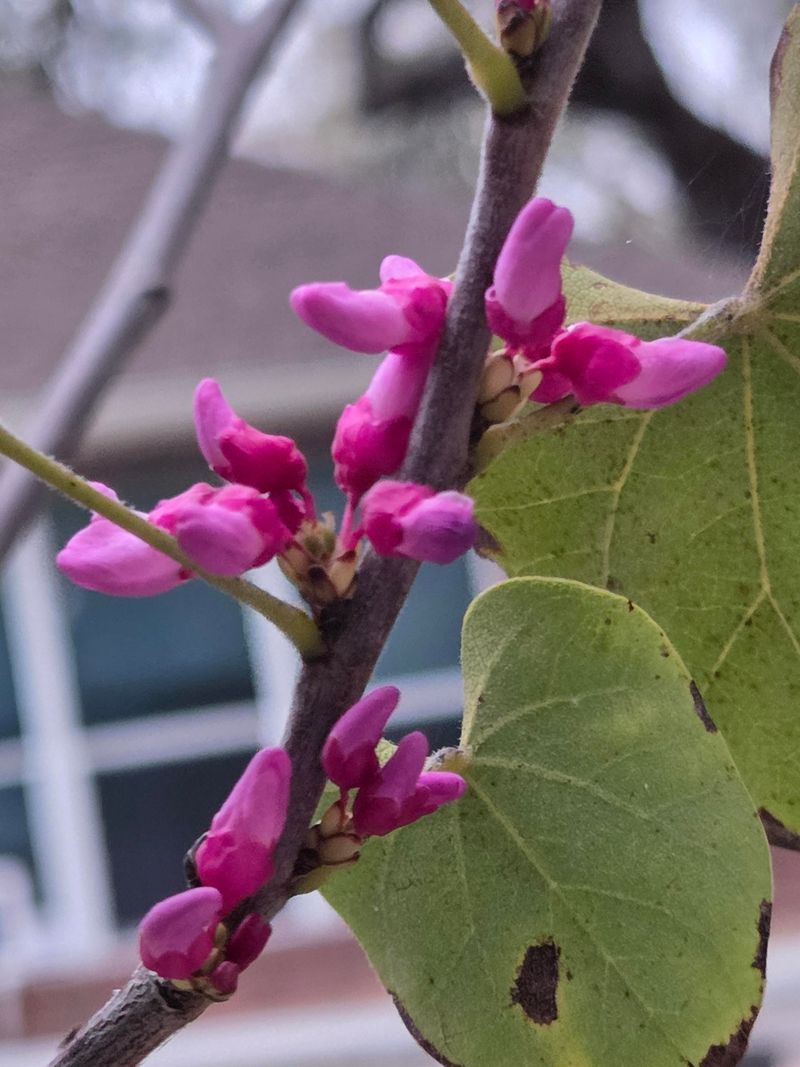
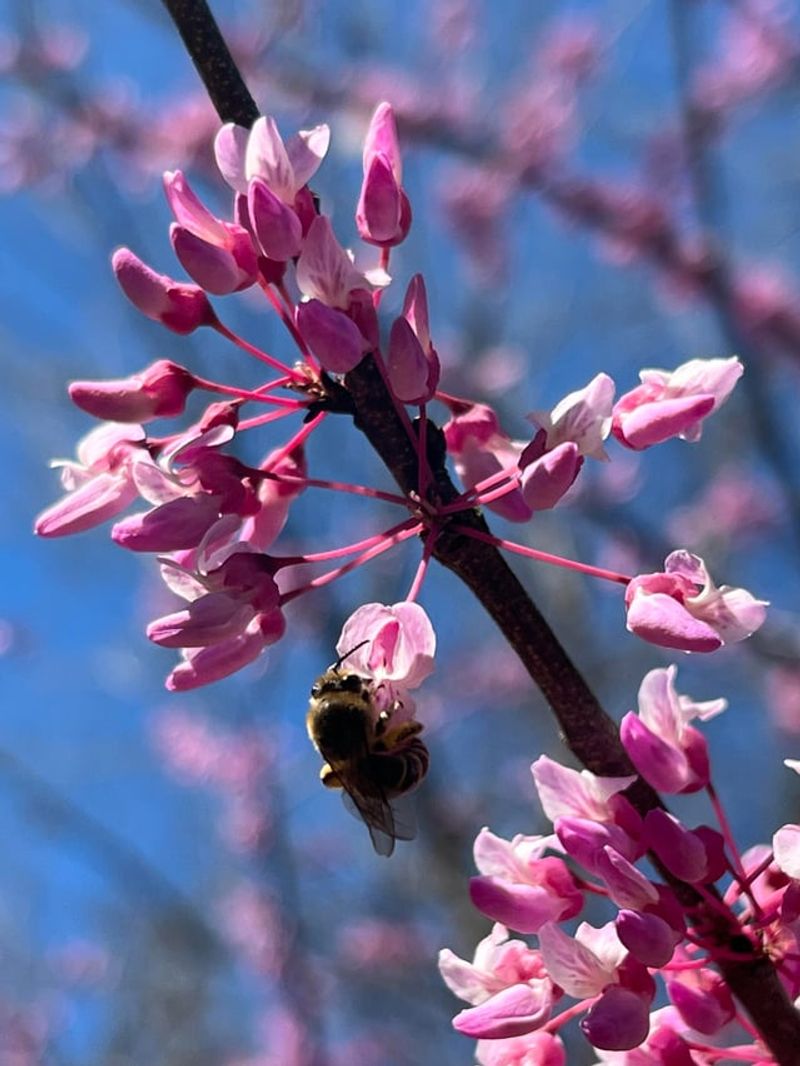
That is where eastern redbud steps in with excellent timing. Cercis canadensis blooms before the leaves open, covering bare branches with pink-purple flowers just when early pollinators need dependable food.
The tree looks ornamental, but it works like a spring cafeteria.
Queen bumblebees, mining bees, mason bees, and other early visitors use redbud flowers for nectar and pollen.
That matters because spring bees are not casually snacking. Many are starting nests, feeding young, and rebuilding energy after winter.
Redbud also holds its bloom above the mower zone.
Dandelions and violets may feed pollinators too, but a quick mowing can erase those flowers overnight. A redbud keeps its bloom display safely overhead for weeks, giving bees a steadier stop in the early-season scramble.
It also fits real Ohio yards.
Mature trees usually stay small enough for patios, front yards, woodland edges, and garden borders. Partial shade works, and many redbuds handle average Ohio soil once established.
Plant one where you can see it from a window.
The first bee traffic of spring is better than any garden show on television. Redbud brings the opening act, and the pollinator season gets a proper curtain rise.
Call it the brunch tree with branches.
Wild Bergamot Carries Summer
By midsummer, Ohio pollinators need a plant with stamina.
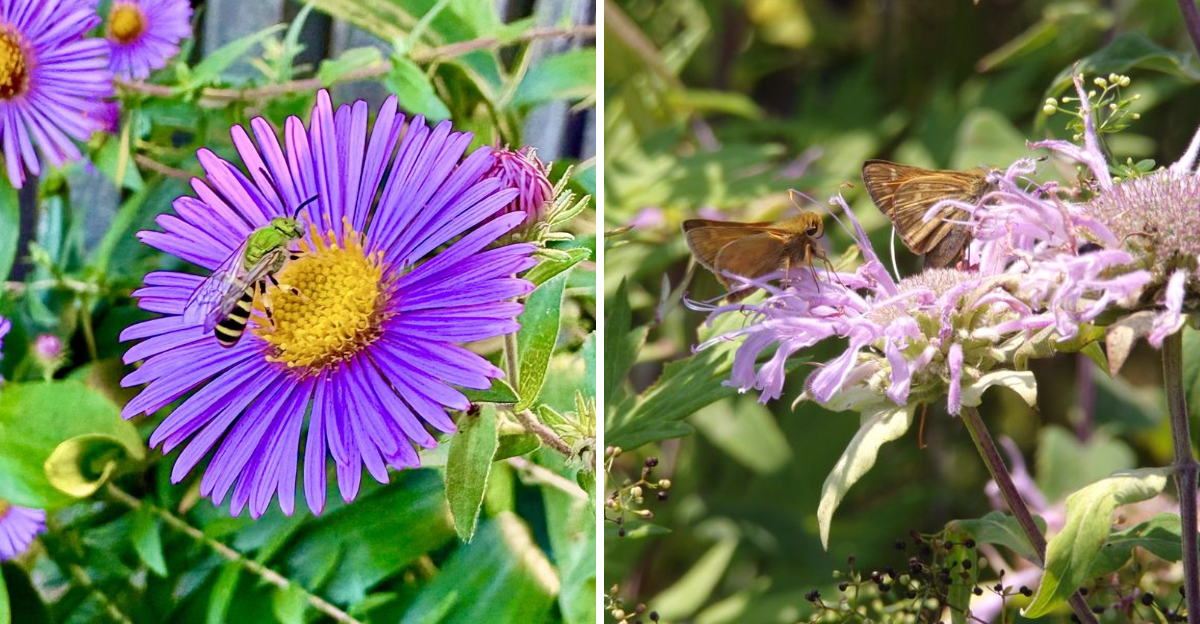
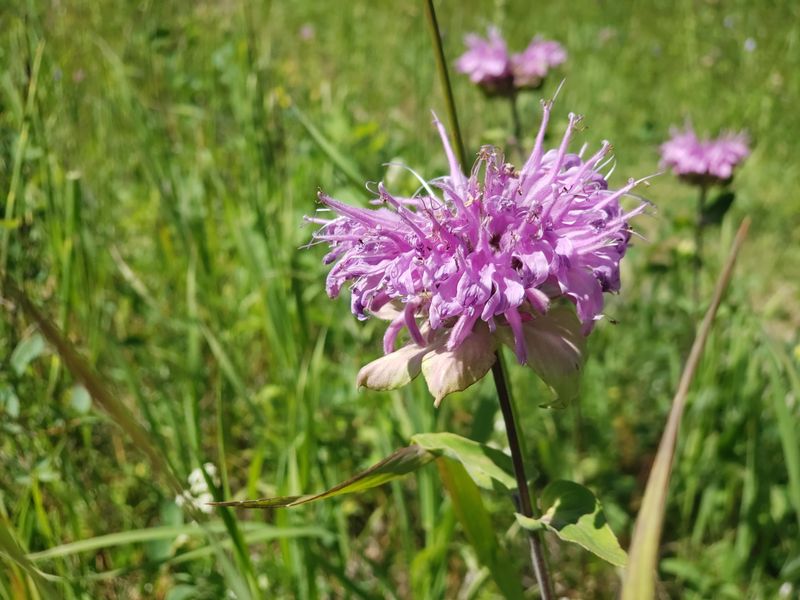
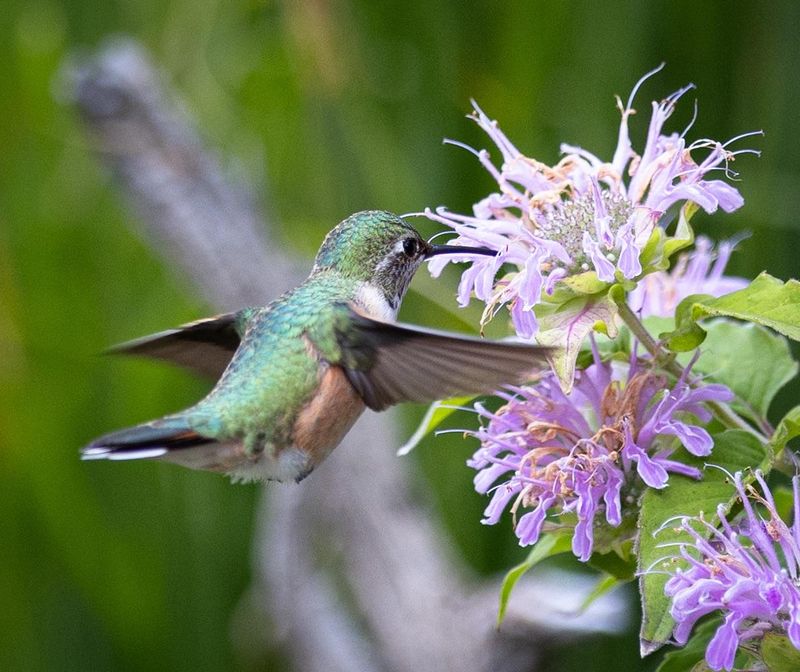
Wild bergamot, Monarda fistulosa, brings exactly that. It blooms from late June into August, filling the hot middle of the season with lavender flower clusters that pull in bees, butterflies, and hummingbirds like the garden just opened a popular café.
The flowers are shaped for action.
Tubular blooms give long-tongued bees and hummingbirds a reason to visit, while clustered flower heads keep smaller pollinators busy.
Bumblebees work the flowers with serious focus. Butterflies pause there between flights. The whole plant feels like summer traffic control with petals.
The fragrant leaves add another layer of charm.
Brush against the foliage, and it releases a spicy herbal scent that reminds many gardeners of oregano or thyme.
Deer usually find that scent less appealing, which gives wild bergamot extra value in mixed borders where every leaf seems to need a security plan.
Your Ohio Garden Changes Every Week. Your Plan Should Too.
Gardening in Ohio changes quickly throughout the season. Every Friday you’ll receive a simple weekly plan showing exactly what to plant, prune, fertilize, harvest, and protect so you never miss the right timing.
Give it full sun and decent airflow.
The plant can handle dry stretches once established, but crowded, stagnant conditions may lead to powdery mildew. That white coating looks annoying, but it rarely stops the flowers from feeding pollinators.
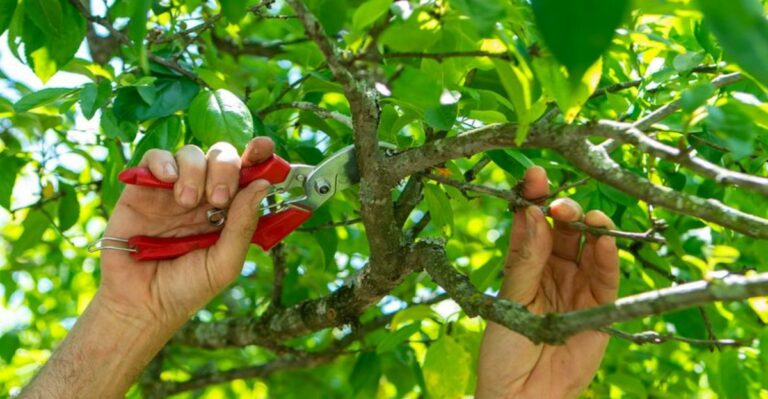
Cutting back spent blooms can encourage more flowers.
Letting some seed heads remain adds texture and supports the garden later. Wild bergamot is not fussy, fancy, or shy.
It is the summer shift worker of the trio, and it punches in right when the yard needs nectar most.
New England Aster Finishes Fall
Fall pollinators need more than pretty scenery.
They need fuel.
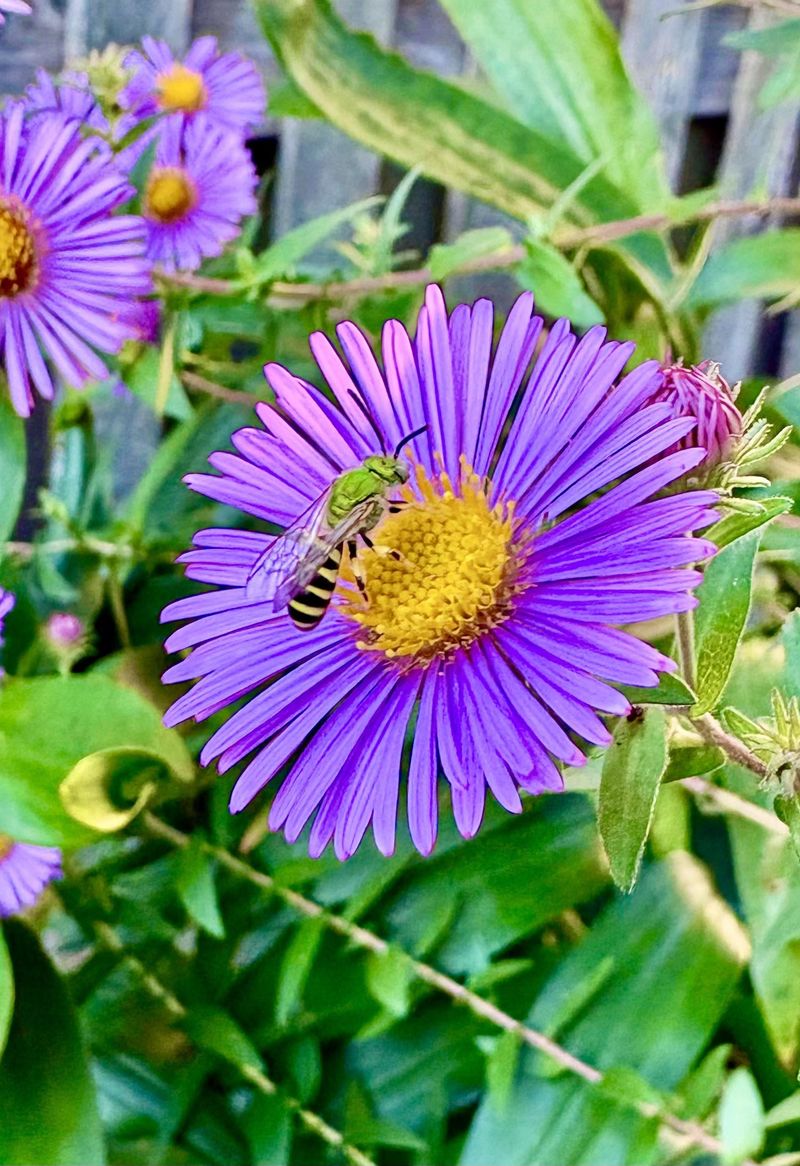
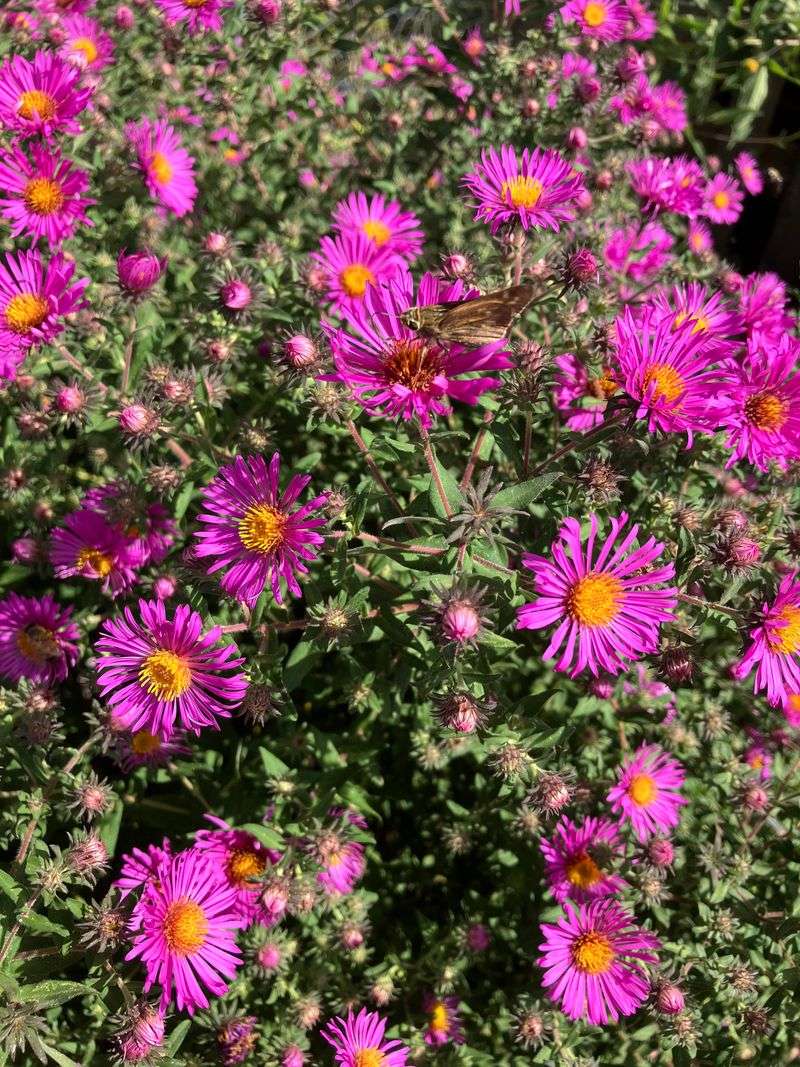
New England aster, Symphyotrichum novae-angliae, delivers that fuel when many Ohio gardens start winding down. From late August into October, its purple flowers with golden centers arrive like a final round of nectar before cold weather tightens its grip.
This timing is powerful.
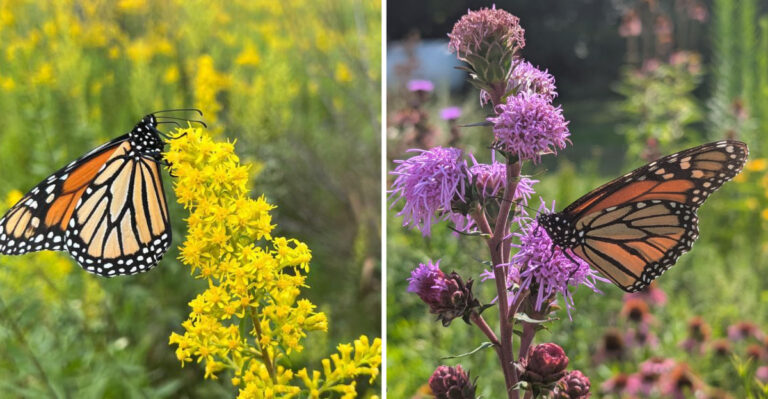
Migrating monarchs need late-season nectar as they move south. Bumblebee queens need food before winter shelter becomes the priority. Other native bees use the last warm days to gather what they can before the season closes.
New England aster keeps the garden open for business.
The plant can grow tall, often four to six feet, so place it where height feels welcome.
Back borders, sunny fence lines, meadow-style beds, and pollinator patches suit it well. Leaner soil can help keep the stems sturdier, while rich soil may make plants flop.
A late June cutback creates bushier growth.
That simple trim can reduce height and encourage more flowering stems. By fall, the plant looks fuller and holds its blooms closer to garden level.
After bloom, leave the seed heads standing through winter.
Birds can pick through them, and the stems give small insects shelter. New England aster does not just finish the floral calendar. It turns the last chapter into a feast.
That is a strong finale with purple confetti.
Native Bees Find Steady Nectar
Native bees need continuity more than a single flower explosion.
A yard packed with blooms for two weeks and empty for the next six leaves them stranded. Eastern redbud, wild bergamot, and New England aster help close that gap by spreading food across the growing season.
That steady timing supports different bees at different moments.
Early spring bees use redbud when the landscape still looks half asleep. Summer bees crowd wild bergamot during the busiest weeks of nest activity.
Late-season bees visit New England aster when nectar choices shrink and every warm afternoon matters.
A trio like this also supports bees with different body types.
Large bumblebees can work redbud and bergamot with ease. Smaller native bees can use aster flowers in fall.
Solitary bees, social bees, long-tongued bees, and short-tongued bees all benefit from a yard that offers varied flower shapes through time.
This is where plant selection becomes smarter than random color shopping.
The goal is not one perfect plant. The goal is a sequence. Each bloom hands the job to the next, like a pollinator relay race with much better snacks.
Plant the trio near other native flowers for even more value, but the basic framework already helps.
Redbud feeds the wake-up crew. Bergamot handles the summer rush. Aster fuels the closing shift.
Native bees notice the difference, even without sending a thank-you card.
Butterflies Get Better Timing
Butterflies do not live on garden beauty alone.
They need nectar available at the right time, especially during warm months when adults are active and fall migration begins.
This native Ohio trio gives butterflies a better seasonal rhythm instead of one short burst of flowers followed by disappointment.
Redbud starts with spring nectar for early flyers.
Its blooms appear before the tree leafs out, making the flowers easy to find. That early visibility matters in a still-bare landscape, where every fresh bloom acts like a signpost.
Wild bergamot takes over in summer.
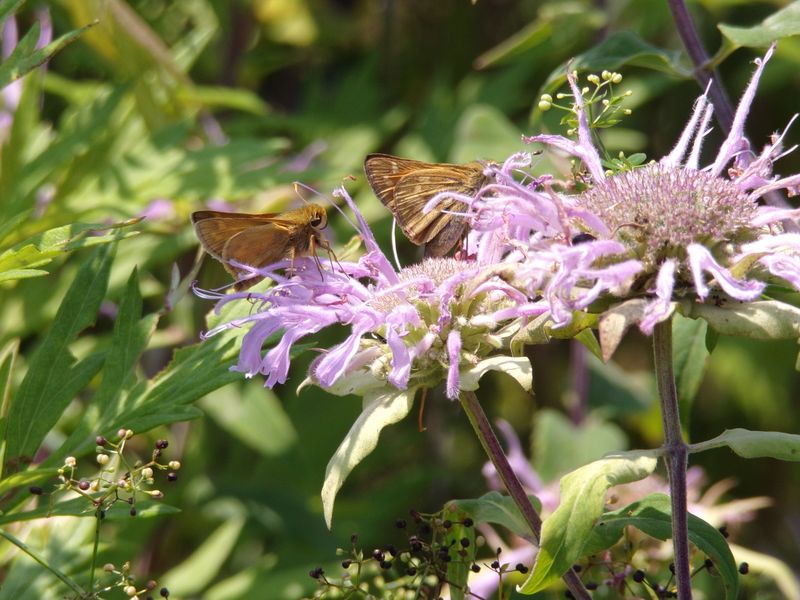
Tiger swallowtails, skippers, and other butterflies often visit its lavender flower clusters during the hottest part of the season.
The plant stands tall enough to be easy to reach, and the clustered blooms let butterflies feed without moving far between sips.
New England aster becomes the fall anchor.
Monarchs moving through Ohio can use late asters during their long journey. Other butterflies also benefit from fresh nectar near the end of the season, especially when many garden flowers have faded or been cut back.
Plant the three in sunny, visible spots where butterflies can warm their wings and feed easily.
A little shelter from strong wind also helps.
This trio does not turn a yard into a butterfly paradise all by itself, but it gives the season structure. Spring, summer, and fall each get a nectar stop.
That is better timing with wings attached.
Flower Gaps Shrink Fast
The quiet weeks are the problem.
Many gardens look amazing for a short window, then suddenly offer very little. Pollinators cannot pause their needs until the next landscape trend blooms.
They need flowers ready across the calendar, especially in spring and fall when food can be harder to find.
Eastern redbud, wild bergamot, and New England aster shrink those gaps fast. Redbud covers the early spring stretch.
Wild bergamot takes the warm-season middle. New England aster stretches food into fall. Together, they create a simple bloom bridge from the first warm days into the last bright afternoons.
That bridge helps the whole yard feel more alive.
More bees appear near the redbud. More butterflies visit the bergamot. More late-season movement gathers around the asters. The garden stops being a one-time show and becomes a season-long destination.
Spacing the plants across the yard can help pollinators move through the landscape.
A redbud near a patio, bergamot in a sunny border, and asters along a back fence create several feeding stations instead of one crowded corner. Grouping each plant in multiples makes the flowers easier for pollinators to find.
Bigger patches beat lonely single stems.
A pollinator should not need a treasure map to find lunch.
With this trio, the garden calendar gets fewer empty pages. That is how a yard goes from pretty once to useful for months.
Birds Benefit From Later Seeds
Pollinator plants can feed more than pollinators.
That is one reason native planting feels so rewarding in an Ohio yard. After the flowers fade, the garden keeps working.
New England aster seed heads can feed small birds, and the plant stems can provide cover for overwintering insects that birds may later find.
Redbud adds value too.
After spring bloom, the tree develops flat seed pods that may attract wildlife interest. Its branches also give birds a place to perch while they move through the yard. A small native tree creates structure that a flower bed alone cannot provide.
Wild bergamot adds another layer.
Its seed heads can remain standing after bloom, and the dense stems give the border texture through late summer and fall.
Leaving some spent flowers in place supports a more natural food web than cutting everything bare the moment petals fade.
This is where tidy and useful need a friendly compromise.
A completely cleared garden may look neat, but it removes seeds, stems, and shelter. Leaving selected seed heads through winter gives birds more to work with and gives beneficial insects a better chance to survive.
The trio supports life in stages.
Flowers feed bees, butterflies, and hummingbirds. Seeds and stems support birds and insects later. The garden becomes less like decoration and more like habitat.
That is a backyard upgrade with feathers in the fine print.